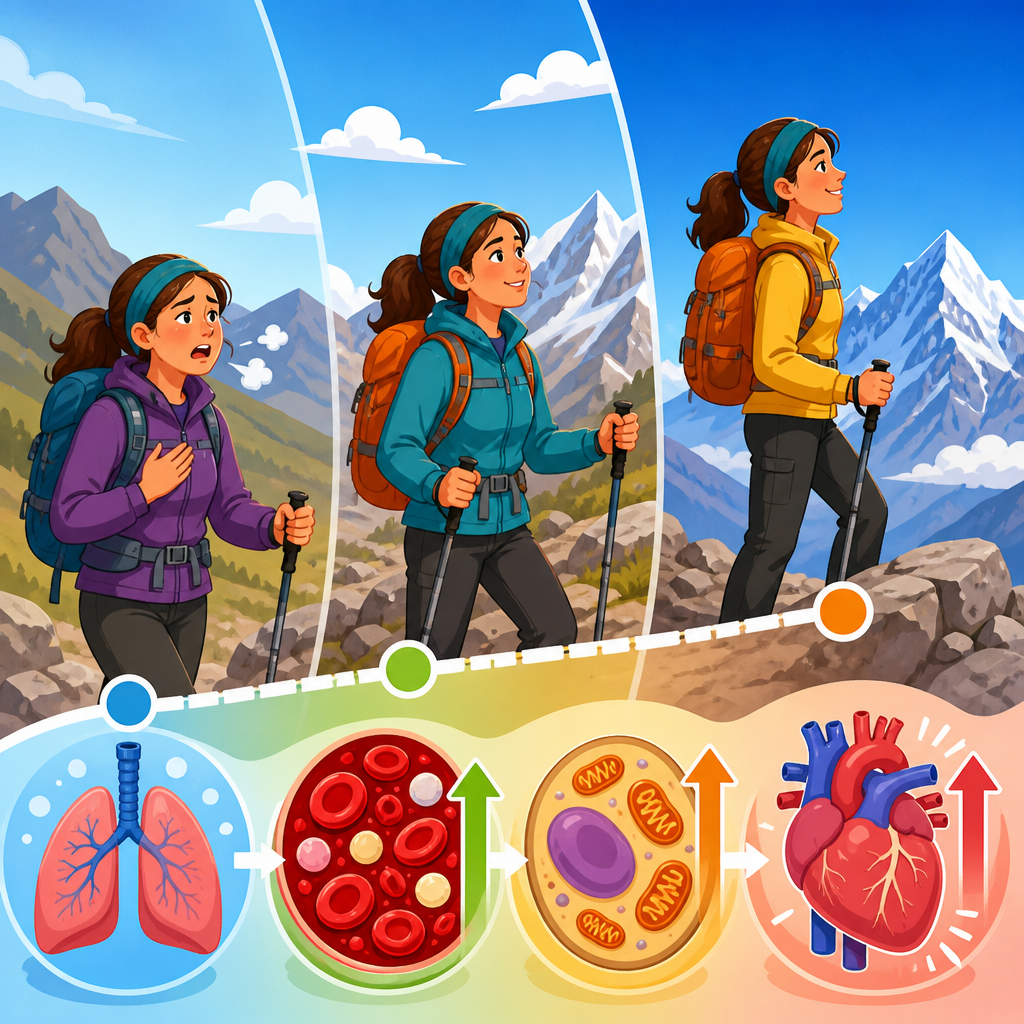
Why sleep oxygen drops more than daytime oxygen at altitude becomes clearer once you understand how breathing control, body position, sleep stage, and mountain living interact. At altitude, the air contains the same proportion of oxygen as at sea level, about 21 percent, but barometric pressure is lower, so each breath delivers fewer oxygen molecules into the lungs. Blood oxygen saturation, usually measured by pulse oximetry as SpO2, therefore falls as elevation rises. The reason saturation often drops even further during sleep is not a mystery or a sign of weakness. It is a predictable consequence of sleep physiology layered onto hypobaric stress. For travelers, climbers, researchers, and high-altitude communities, this matters because nighttime oxygen levels influence sleep quality, altitude illness risk, cognition, recovery, and long-term health.
In clinics and field studies, I have repeatedly seen people feel functional while walking around at 2,500 to 3,500 meters, then show surprisingly low overnight oximetry. During the day, wakefulness stimulates breathing, movement improves ventilation distribution, and conscious discomfort often prompts a deeper breath. During sleep, those supports fade. Ventilatory drive changes, muscles relax, and many people develop periodic breathing, a waxing and waning breathing pattern common at elevation. This hub article explains the core science and the cultural context of high-altitude life, then connects readers to practical questions about acclimatization, sleep, traditional adaptation, and community health. If you want the short answer, sleep oxygen drops more than daytime oxygen at altitude because sleeping reduces the brain’s drive to breathe just when low atmospheric pressure demands more ventilation.
The basic science: lower pressure means lower oxygen delivery
Altitude reduces inspired oxygen pressure, not oxygen percentage. That distinction matters. At sea level, standard barometric pressure is about 760 mmHg. By 3,000 meters, it is roughly 523 mmHg, and the partial pressure of inspired oxygen falls accordingly. Inside the lungs, water vapor and carbon dioxide further reduce available oxygen, lowering alveolar oxygen pressure and, in turn, arterial oxygen pressure. The oxyhemoglobin dissociation curve then translates that pressure drop into lower hemoglobin saturation. This is why a healthy person with a daytime SpO2 of 98 to 100 percent at sea level may rest in the high 80s or low 90s at moderate altitude without having lung disease.
The body compensates quickly through the hypoxic ventilatory response, an increase in breathing triggered by carotid body chemoreceptors sensing low arterial oxygen. Hyperventilation raises alveolar oxygen and lowers carbon dioxide. That helps, but it creates instability. Carbon dioxide is a major regulator of breathing. When it drops too far, breathing can pause until carbon dioxide rises again. During wakefulness, cortical input and behavioral control stabilize ventilation. During sleep, those stabilizers weaken, so the same compensatory hyperventilation that protects oxygenation can paradoxically set up breathing oscillations and brief desaturations. This interaction explains why nighttime oxygen values at altitude are often lower and more variable than daytime values measured while awake and calm.
Why sleep changes breathing so dramatically
Sleep is not simply quiet wakefulness. It is a distinct physiological state with reduced metabolic rate, altered chemosensitivity, and lower muscle tone. In non-rapid eye movement sleep, the brain’s responsiveness to oxygen and carbon dioxide changes, and minute ventilation usually decreases slightly even at low altitude. At elevation, that normal drop becomes more consequential because oxygen reserves are already narrower. A small reduction in ventilation can produce a noticeable fall in oxygen saturation. In rapid eye movement sleep, breathing becomes even more irregular, accessory muscle activity decreases, and upper airway resistance can rise. People who snore lightly at sea level may become much more unstable in REM sleep at altitude.
Body position adds another factor. Most people sleep supine for part of the night, which can reduce functional residual capacity and worsen ventilation-perfusion matching. Nasal congestion from cold, dry mountain air can increase airway resistance, especially in heated indoor environments that further dry the mucosa. Alcohol, sedatives, and some sleep medications blunt ventilatory responses, making overnight desaturation more likely. This is one reason experienced high-altitude clinicians usually caution new arrivals against using respiratory depressants in the first nights after ascent. Even a person with no underlying disease can show lower nighttime oxygen simply because sleep removes many of the compensatory mechanisms available during the day.
Periodic breathing: the main reason nighttime saturation swings at altitude
The classic nighttime breathing pattern at altitude is periodic breathing, often called high-altitude periodic breathing or a central sleep apnea pattern. It consists of cycles of deeper, faster breaths followed by reduced breathing or brief pauses. The mechanism is a feedback delay problem. Hypoxia stimulates hyperventilation. Hyperventilation lowers carbon dioxide below the apnea threshold. Breathing then diminishes or pauses, oxygen falls, carbon dioxide rises, and the cycle restarts. Because circulation time from lungs to chemoreceptors is not instantaneous, the system overshoots repeatedly.
I have seen this pattern alarm trekkers who assume they are choking in their sleep when they wake after a pause. In fact, periodic breathing is common above roughly 2,500 meters and becomes more frequent as altitude increases. Research on mountaineers and high-altitude residents has shown repeated overnight desaturations tied to these oscillations, with severity influenced by ascent rate, sleeping altitude, age, sex, and individual chemosensitivity. The pattern can fragment sleep and leave people feeling unrefreshed even when total sleep time seems adequate. Importantly, periodic breathing is not identical to obstructive sleep apnea, though the two can coexist and worsen each other.
Acetazolamide is often effective because it induces a mild metabolic acidosis, raising baseline ventilatory drive and reducing instability around the carbon dioxide apnea threshold. Supplemental oxygen also works by reducing hypoxic stress and smoothing the control system. These interventions demonstrate the underlying physiology directly: when the breathing control loop is stabilized, overnight oxygen levels improve.
Daytime versus nighttime oxygen at altitude: what the numbers usually look like
People often ask how much lower sleep oxygen should be than daytime oxygen at altitude. There is no single normal value because altitude, acclimatization, age, and health status all matter. Still, some general patterns are useful. Awake daytime SpO2 at 1,500 to 2,500 meters may remain in the low to mid 90s for many healthy visitors. At 3,000 to 3,500 meters, daytime values in the high 80s to low 90s are common. During sleep, transient dips several percentage points lower may occur, and people with periodic breathing can spend meaningful portions of the night below their daytime baseline.
| Context | Typical daytime pattern | Typical sleep pattern | Main driver |
|---|---|---|---|
| Recent arrival at 2,500 to 3,000 m | Mild resting desaturation, often low 90s | More frequent dips into high 80s | Reduced ventilatory drive during sleep |
| Recent arrival at 3,500 to 4,500 m | High 80s to low 90s, especially at rest | Marked variability with periodic breathing | Hypoxia plus carbon dioxide instability |
| Acclimatized resident | Higher stability for that altitude | Dips still occur, but often less symptomatic | Physiological adaptation over days to years |
| Person with sleep apnea or sedative use | May look acceptable while awake | Disproportionately low overnight values | Airway collapse or blunted respiratory drive |
Consumer wearables can show these trends, but they are not medical-grade tools. Cold fingers, motion artifact, skin perfusion, and poor sensor fit all affect readings. For meaningful assessment, overnight oximetry, capnography in selected cases, and formal polysomnography remain the standards. Interpretation must always include symptoms, altitude, and clinical context.
Acclimatization changes the picture, but it does not erase sleep effects
Acclimatization begins within hours and continues over days to weeks. Ventilation increases, kidneys excrete bicarbonate to offset respiratory alkalosis, plasma volume shifts, and over longer periods red blood cell mass rises through erythropoietin signaling. These changes improve oxygen delivery and usually raise daytime and nighttime oxygen values compared with the first days at the same altitude. They also reduce symptoms such as headache, exertional dyspnea, and poor sleep. However, acclimatization does not restore sea-level physiology. Sleep remains a vulnerable period because the fundamental environmental stress persists.
The speed and completeness of acclimatization vary. A fit runner may acclimatize poorly, while an older trekker may do well if ascent is gradual. Genetics, prior altitude exposure, iron status, hydration, illness, and sleeping altitude all matter. This is why staged ascent works. Sleeping low and climbing high, using rest days every 600 to 900 meters of sleeping gain, and recognizing early altitude illness remain practical best practices. Communities that live at altitude year-round also show that adaptation exists on a spectrum. Newcomers can acclimatize, but population-level biological adaptation seen in Tibetans, Andeans, and some Ethiopian highlanders reflects many generations, not a weekend strategy.
Science meets culture in high-altitude communities
Any serious discussion of oxygen at altitude should include the people who live there. High-altitude communities have developed housing styles, work rhythms, food traditions, and social practices that reduce physiological stress. In the Andes, daily schedules may align with solar heating and labor demands, minimizing night cold exposure and preserving energy. In Himalayan regions, sleeping arrangements, stove placement, and bedding reflect generations of adaptation to cold, dryness, and limited oxygen. These are not quaint customs. They are functional responses to environmental constraints.
Biology and culture also interact. Tibetan populations, for example, are often cited for genetic variants near EPAS1 and EGLN1 associated with lower hemoglobin concentrations than expected for their altitude, alongside efficient ventilation and oxygen use. Many Andean populations, by contrast, tend to show higher hemoglobin concentrations, a different adaptation profile with its own tradeoffs. Researchers study these contrasts because they reveal that there is no single human solution to chronic hypoxia. Community health patterns reflect this complexity. Infant growth, maternal health, chronic mountain sickness risk, sleep quality, occupational demands, and access to care all shape what altitude means in everyday life.
For a hub page on science and culture, the lesson is simple: physiology never exists in isolation. Nighttime oxygen levels are influenced not only by barometric pressure and sleep stage, but also by home heating, crowding, respiratory infections, cooking smoke exposure, work at extreme elevations, and the local knowledge families use to cope with thin air.
When lower sleep oxygen is normal, and when it signals a problem
Lower oxygen during sleep at altitude is expected, but expected does not always mean harmless. Warning signs include severe insomnia, repeated gasping awakenings, prominent daytime sleepiness, worsening morning headaches, confusion, cyanosis, poor exercise tolerance out of proportion to altitude, and symptoms of acute mountain sickness, high-altitude pulmonary edema, or high-altitude cerebral edema. Preexisting conditions increase concern. Chronic obstructive pulmonary disease, interstitial lung disease, heart failure, obesity hypoventilation, obstructive sleep apnea, neuromuscular disease, and pregnancy all justify earlier planning and lower thresholds for evaluation.
Clinicians usually assess the whole picture rather than chasing a single saturation number. A temporary overnight SpO2 dip may be acceptable in an acclimatizing trekker who feels well, while the same pattern in a patient with coronary disease or severe sleep apnea could require intervention. Descent remains the definitive treatment for dangerous altitude illness. Acetazolamide can help prevention and sleep-related instability. Oxygen, positive airway pressure, or both may be indicated for selected travelers with known sleep-disordered breathing. The best outcomes come from matching the strategy to the mechanism rather than applying one generic altitude fix.
Practical steps to protect sleep and oxygen at altitude
The most effective way to reduce nighttime oxygen drops is gradual ascent. Build in rest days, avoid large jumps in sleeping altitude, and treat the first nights as an adaptation period rather than a performance window. Keep nasal passages moist, stay warm, and avoid alcohol or sedatives after ascent. If you use continuous positive airway pressure at home, discuss altitude settings and power planning before travel. Travelers with prior altitude problems, migraine, sleep apnea, or cardiopulmonary disease should seek pre-trip advice and may need medications, oxygen planning, or a conservative itinerary.
For high-altitude communities and clinicians serving them, the practical lens is broader. Cleaner cookstoves, better insulation, diagnosis of sleep-disordered breathing, maternal health support, and access to pulse oximetry can all matter. So can culturally informed education that explains why nights may feel harder than days and when symptoms cross from normal adaptation into danger. Understanding why sleep oxygen drops more than daytime oxygen at altitude helps people make better decisions, from expedition planning to public health policy. If this topic is central to your work or travel, use this hub to explore acclimatization, mountain sleep, high-altitude adaptation, and community health in greater depth, then apply what you learn before your next night at elevation.
Frequently Asked Questions
Why does oxygen saturation usually drop more during sleep than during the day at altitude?
Oxygen saturation often falls more at night because several normal features of sleep reduce breathing efficiency at the same time that altitude already lowers the amount of oxygen available in each breath. At elevation, the percentage of oxygen in the air remains about 21 percent, but lower barometric pressure means there are fewer oxygen molecules entering the lungs with each breath. During the day, people are awake, upright, and generally breathing a little more actively. The brain also responds more strongly to low oxygen and carbon dioxide changes when you are awake, which helps maintain ventilation.
During sleep, breathing naturally becomes slower and less responsive, especially in deeper stages. The muscles that help keep the airway open and expand the chest relax, and the body’s “drive” to breathe becomes less stable. When that happens at altitude, even small reductions in airflow can cause a noticeable drop in blood oxygen saturation. In addition, lying flat can slightly reduce lung expansion and worsen matching between airflow and blood flow in the lungs. The result is that nighttime SpO2 is commonly lower than daytime SpO2 at the same elevation, even in otherwise healthy people.
How do sleep stages affect nighttime oxygen levels at altitude?
Sleep stage matters a great deal. Breathing during sleep is not uniform, and some stages are more vulnerable to oxygen drops than others. In non-REM sleep, ventilation usually decreases somewhat compared with wakefulness, which can already lower oxygen saturation at altitude. However, REM sleep is often the stage where oxygen dips become more pronounced. During REM, breathing tends to become more irregular, and the muscles of the body are more relaxed, including muscles that help support normal breathing mechanics and upper airway stability.
At altitude, this matters because the body is already operating with a smaller oxygen reserve. A brief pause in breathing, a shallow breathing pattern, or mild airway narrowing that might cause little change at sea level can produce a larger drop in SpO2 at elevation. Some people also develop periodic breathing at altitude, where breathing cycles between deeper breaths and brief reductions or pauses. These fluctuations can be especially noticeable during sleep because the sleeping brain’s control of breathing is more sensitive and less steady. So while altitude lowers oxygen availability overall, certain sleep stages magnify that effect by making breathing less consistent and less efficient.
Does body position during sleep make oxygen levels worse at altitude?
Yes, body position can contribute. When you are lying down, especially flat on your back, the mechanics of breathing change compared with sitting or standing. The abdominal contents push upward against the diaphragm a little more, and the lungs may not expand quite as fully. This can reduce the amount of air reaching some parts of the lungs and can slightly worsen ventilation-perfusion matching, which is the balance between airflow into the lungs and blood flow through them.
At sea level, these changes are often minor and easily tolerated. At altitude, where every breath already contains fewer oxygen molecules because of lower barometric pressure, even a small mechanical disadvantage can translate into a measurable drop in oxygen saturation. Sleeping on the back can also increase the likelihood of upper airway narrowing in susceptible people, which may further worsen overnight oxygen levels. That is one reason some people notice lower SpO2 readings or more disrupted sleep when they first arrive at elevation. Position is not the only factor, but it can be an important one, especially when combined with normal sleep-related reductions in breathing drive and the stress of altitude exposure.
What is periodic breathing, and why is it common during sleep at altitude?
Periodic breathing is a repeating pattern in which breathing waxes and wanes, sometimes including brief pauses called central apneas. It is common at altitude because the body is trying to balance two competing needs: getting more oxygen and maintaining stable carbon dioxide levels. Low oxygen stimulates you to breathe more, but when you breathe more, you blow off carbon dioxide. If carbon dioxide falls too low, the brain may temporarily reduce or pause breathing. Then oxygen drops again, carbon dioxide rises, and the cycle restarts.
This instability is especially common during sleep because the control of breathing becomes more chemically driven and less buffered by wakefulness. In other words, the sleeping brain reacts more directly to changes in oxygen and carbon dioxide, which can make the breathing pattern oscillate. Periodic breathing is one of the main reasons nighttime oxygen can dip lower and fluctuate more at altitude than daytime oxygen. It can also fragment sleep, cause awakenings, and leave people feeling tired even if they spent enough hours in bed. In many cases it improves as acclimatization progresses, but in some people it remains noticeable, particularly at higher elevations.
Can acclimatization improve sleep oxygen levels at altitude, and when should low nighttime oxygen be a concern?
Acclimatization usually helps, although it does not completely eliminate the effect of altitude. Over time, the body responds to lower oxygen pressure by increasing ventilation, adjusting kidney handling of acid-base balance, and gradually improving oxygen delivery and use. As these adaptations develop, many people see somewhat better daytime and nighttime oxygen levels, and sleep may become more stable. However, nighttime saturation often still remains lower than daytime saturation because the normal effects of sleep on breathing do not disappear.
Whether a low overnight oxygen reading is concerning depends on the context. Brief dips can be expected at altitude, especially soon after arrival and during sleep. But concern rises if oxygen levels are persistently very low for the elevation, if symptoms are significant, or if there are warning signs such as severe shortness of breath at rest, confusion, chest pain, blue lips, repeated gasping awakenings, or inability to function normally. People with sleep apnea, lung disease, heart disease, or recent illness may be more vulnerable to problematic overnight desaturation. If nighttime oxygen is dropping more than expected, symptoms are worsening instead of improving, or altitude illness is a possibility, medical evaluation is important. In some cases, gradual ascent, rest days, supplemental oxygen, or medications used for altitude-related breathing instability may be considered under professional guidance.