Moving to altitude changes daily life faster than most newcomers expect, and the best first-month home purchases after moving to altitude are the items that protect health, stabilize home systems, and make ordinary routines work in thinner, drier air. In this context, altitude usually means living at roughly 5,000 feet or higher, where lower air pressure reduces available oxygen, indoor humidity often drops sharply, water can boil at lower temperatures, sunlight feels harsher, and weather swings become more abrupt. I have helped households settle into mountain towns and high-desert communities, and the pattern is consistent: people often buy decorative gear first, then discover they actually needed humidity control, hydration support, better entryway storage, and small changes to cooking and sleep setups. A smart first-month shopping plan prevents discomfort, protects appliances and furnishings, and reduces avoidable trips back to the store.
This topic matters because the first thirty days set the baseline for how comfortable and resilient a home will feel through the first season. Dry sinuses, cracked wood furniture, static shocks, longer cooking times, sun exposure, snowmelt at the doorway, and battery stress in cold mornings are not dramatic problems individually, but together they create friction that wears people down. A hub guide for moving and everyday living at altitude should therefore focus on practical priorities: what to buy immediately, what can wait, and how each purchase connects to health, maintenance, pets, vehicles, and everyday household systems. The goal is not to spend more. The goal is to buy the right things in the right order so the home starts working with the environment instead of fighting it.
Start with air, water, and sleep comfort
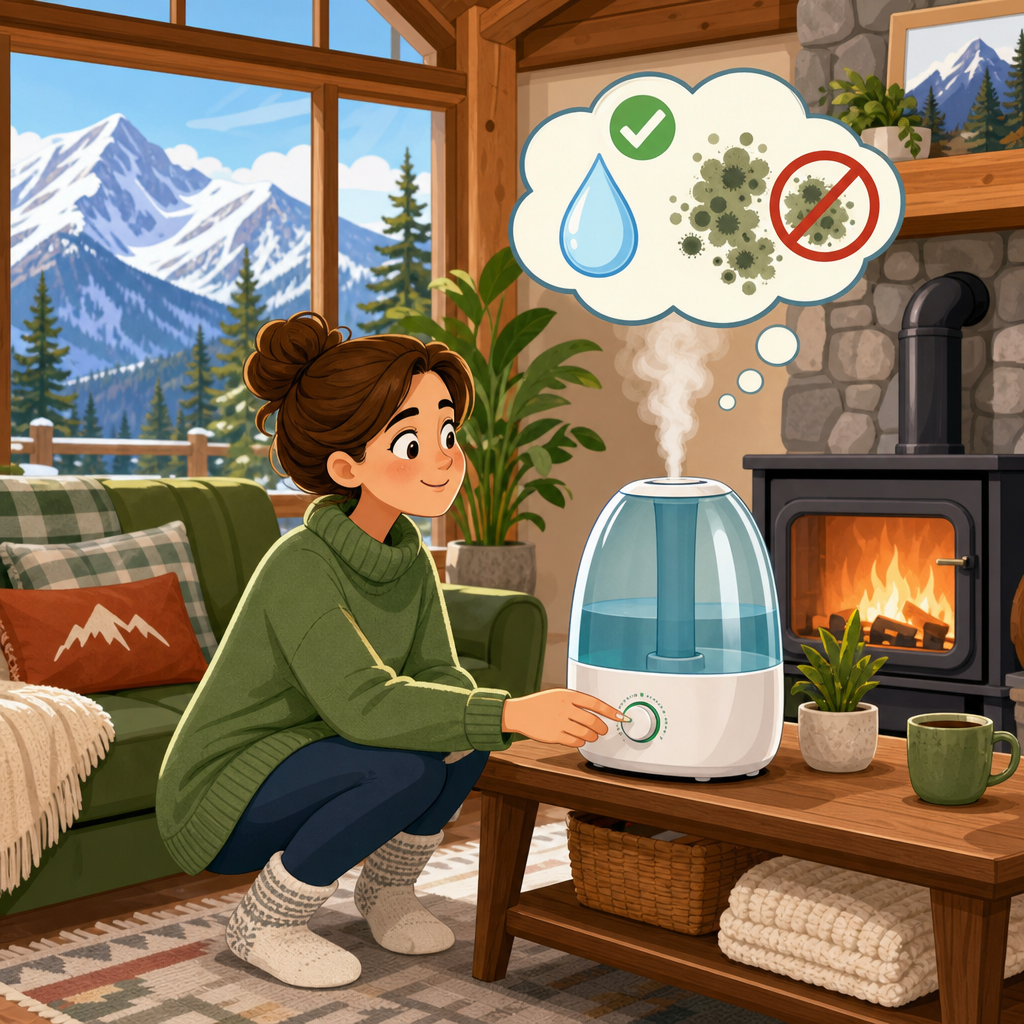
If you buy only a few things during the first week, make them a hygrometer, a humidifier sized for your actual square footage, insulated water bottles, and basic sleep support. High-elevation homes commonly run below 30 percent relative humidity indoors during heating season, and I have measured some dropping into the teens. That level dries skin, nasal passages, and throat tissue, increases static electricity, and can affect houseplants, musical instruments, and wood trim. A digital hygrometer is inexpensive and gives you a real number rather than a guess. Aim for a balanced indoor range around 30 to 45 percent in winter unless condensation on windows shows you need to stay lower.
A humidifier is often the most immediately useful purchase after moving to altitude, but type and capacity matter. Small bedside units help one room, while console evaporative models can support larger living areas. Distilled water is ideal for ultrasonic units if your tap water is mineral-heavy; otherwise, they can create white dust. Evaporative units are often easier for whole-room use, though they need regular wick replacement and cleaning. Pair the humidifier with extra saline spray, lip balm, fragrance-free moisturizer, and a lidded water bottle in the rooms where people spend the most time. Newcomers often think they are tired from unpacking when dehydration and poor sleep are the bigger culprits.
Sleep setup deserves priority because altitude can temporarily change breathing patterns and rest quality. You do not need specialized medical equipment unless advised by a clinician, but practical purchases help: blackout curtains for early sunrise at exposed elevations, a bedroom humidifier, an extra blanket that can be layered rather than a single heavy comforter, and a quiet fan for airflow and white noise. If anyone in the household already uses a CPAP, confirm the machine’s altitude compensation settings and humidification options right away. Good sleep reduces headaches, irritability, and the “altitude hangover” feeling many new residents describe during the first weeks.
Build a first-month purchase plan by priority
The most effective altitude move-in list is not a generic housewarming checklist. It is a triage plan. In practice, I group purchases by urgency: items that affect breathing, hydration, and home protection come first; convenience upgrades come later. This approach also helps households stay on budget after the expensive logistics of a move.
| Priority | Purchase | Why it matters at altitude | Best timing |
|---|---|---|---|
| Essential | Hygrometer and humidifier | Prevents overly dry indoor air, improves comfort, protects wood items | Days 1 to 3 |
| Essential | Insulated water bottles and electrolyte packets | Supports hydration in dry air and during acclimation | Days 1 to 7 |
| Essential | Boot trays, entry mats, storage hooks | Controls snowmelt, mud, grit, and road treatment residue | Week 1 |
| Essential | Sun-blocking shades and sunscreen station | Reduces stronger UV exposure and glare common at elevation | Week 1 |
| Important | Programmable thermostat and weather seals | Improves comfort during wider day-night temperature swings | Weeks 2 to 3 |
| Important | Pressure cooker or cooking reference tools | Offsets lower boiling temperature and longer cook times | Weeks 2 to 4 |
| Important | Vehicle battery maintainer and emergency kit | Helps with cold starts, remote travel, and shoulder-season storms | Weeks 2 to 4 |
| Optional | Whole-home humidifier, radon monitor, smart sensors | Adds long-term monitoring and automation after basics are covered | After month 1 |
Notice that many of these purchases are not glamorous. They solve recurring problems created by mountain dust, UV intensity, freeze-thaw mess, and dryness. For a moving and everyday living hub, this is the key idea: buy for conditions, not for aesthetics.
Protect your entryway, floors, and everyday storage
One of the fastest ways to make an altitude home easier to live in is to organize the transition zone at the door. In snowy mountain towns and windy high-desert areas alike, debris management becomes a daily task. People track in ice melt, gravel, mud, pine needles, and ultra-fine dust. Buy a large exterior scraper mat, a washable interior absorbent mat, boot trays with raised edges, wall hooks for jackets and bags, and a bench sturdy enough for boot changes. If there is room, add ventilated shoe storage so damp footwear can dry without soaking the floor.
This setup protects flooring and cuts cleaning time. It also reduces slip risk, especially on smooth tile or wood. I strongly recommend a dedicated basket or drawer at the entry for sunglasses, SPF lip balm, dog leashes, headlamps, and gloves. At altitude, conditions can shift quickly from warm sun to wind or snow squall, and households function better when grab-and-go items have a fixed place. If children are involved, label bins early. If dogs are involved, include paw towels and a water-resistant rug. These are small purchases, but they remove constant friction from everyday living.
Storage purchases should also account for bulky seasonal gear. Even if you are not skiing or snowshoeing, altitude living often means layers, traction aids, and weather-dependent accessories. Over-door racks, garage shelving, and latching bins are usually better first-month buys than decorative furniture because they prevent clutter before it spreads through the house. In homes with attached garages, a simple shelf for windshield washer fluid, lock de-icer, and spare gloves quickly proves its value.
Adapt your kitchen to altitude cooking and food storage
Many people notice altitude first in the kitchen. Water boils at lower temperatures as elevation increases, which means pasta, beans, rice, and braises can take longer, while baking chemistry becomes more sensitive. The best first-month kitchen purchases are not novelty gadgets. They are tools that restore predictability. A reliable instant-read thermometer, a pressure cooker or multicooker, airtight food canisters, and a kettle with clear temperature control are excellent early upgrades. If you already own a multicooker, use its pressure function for dried beans, stews, and stock; it can save substantial time compared with stovetop simmering at altitude.
For baking, buy a simple notebook or keep a recipe app dedicated to altitude adjustments. Common changes include slightly reducing leavening, increasing liquid, raising oven temperature modestly, or shortening some proofing times depending on conditions. King Arthur Baking and many cooperative extension resources offer tested altitude guidance. Flour and sugar storage also matter because dry air changes texture over time. Airtight containers help maintain consistency, especially in homes without whole-house humidity control.
Food storage habits may change too. In dry climates, bread can stale faster on the counter, herbs wilt differently, and produce drawers may need closer attention. A set of produce savers, glass containers with dependable seals, and labels for freezer rotation are practical purchases. These choices connect directly to everyday living because they reduce waste, lower grocery costs, and make meal prep less frustrating while everyone is still acclimating.
Manage sunlight, temperature swings, and utility efficiency
Altitude often brings intense sun, strong glare, and wider temperature swings between day and night. The result is a home that can feel hot in direct afternoon light and chilly before dawn. First-month purchases should therefore include adjustable window coverings, door sweeps, weatherstripping, and a programmable or smart thermostat if the home lacks one. South- and west-facing windows benefit from cellular shades or thermal curtains that cut radiant heat gain and improve nighttime insulation. In bedrooms, blackout curtains can improve sleep and reduce early morning heat buildup.
Do not overlook UV exposure indoors. At higher elevations, sunlight can fade rugs, upholstery, wood floors, and artwork more quickly. If a room gets hard direct sun, consider UV-filtering window film after you have lived in the space long enough to identify the real problem areas. This is one of those upgrades that sounds optional until you compare the cost of film with the cost of refinishing or replacing faded furnishings.
Energy efficiency purchases also help with comfort. A draft detector, replacement furnace filters, and vent thermometers are inexpensive ways to learn how the house actually performs. If the home uses combustion appliances, verify that carbon monoxide alarms are current and properly located. In many mountain regions, homes are tighter for winter efficiency or older and draftier than expected; both conditions benefit from early testing rather than assumptions.
Prepare for altitude-specific health, safety, and vehicle needs
The best first-month home purchases after moving to altitude extend beyond the front door because everyday living includes short drives, dog walks, and errands in changing weather. A home health kit should include a pulse oximeter for reference, not diagnosis; sunscreen of at least broad-spectrum SPF 30; saline nasal gel or spray; basic first aid supplies; and any physician-recommended medications for headaches or preexisting respiratory conditions. Higher UV exposure is not a myth. At elevation, sunburn can happen faster, even on cool days, especially with reflective surfaces like snow.
Safety purchases for the house should include extra flashlights, headlamps, backup batteries, and a weather radio or a trustworthy local alert app setup. Mountain power outages are not constant, but wind, snow load, and vehicle accidents can interrupt service with less warning than city residents expect. If the area experiences wildfire smoke season, add a portable HEPA air purifier and spare filters. Dry climates and wood-burning appliances can worsen indoor particulates, and a purifier often does double duty during allergy season.
Vehicle-related purchases belong in this hub because altitude living regularly blends home life with road readiness. Buy an ice scraper, compact shovel, tire pressure gauge, portable jump starter, and emergency blanket if conditions warrant. Cold air reduces tire pressure, and higher, more remote roads increase the value of being self-sufficient. If your garage is unheated, a battery maintainer can be worthwhile for infrequently driven vehicles. None of this is dramatic prepper gear. It is ordinary risk management matched to the terrain and climate.
Know what can wait until after the first month
Not every altitude-related purchase should happen immediately. I usually advise waiting on whole-house humidifiers, major window replacements, elaborate storage systems, and expensive outdoor gear until the household has lived through a few weather cycles. First, use portable tools to learn the home. Track humidity in different rooms, note where snowmelt collects, record which windows overheat, and pay attention to how often the car struggles on cold mornings. The data from one month of ordinary living is far more useful than assumptions made during move-in week.
Renters should be especially cautious about permanent upgrades. Portable humidifiers, removable window film, freestanding shelving, and washable runners often solve most first-month problems without violating lease terms. Homeowners, by contrast, can treat month one as an assessment period before planning bigger improvements such as attic air sealing, crawlspace moisture work, radon mitigation, or integrated home automation. In parts of the Mountain West, radon testing is worth discussing early because geology can elevate risk, but testing strategy should follow local guidance and a realistic understanding of the home’s layout and ventilation patterns.
The larger lesson for this moving and everyday living hub is simple: altitude rewards observation. Buy the essentials that affect health and function right away, then let the house teach you what comes next. That approach saves money, reduces frustration, and leads to a home that feels settled much faster. If you have just moved uphill, start with humidity, hydration, entryway control, sun management, and basic vehicle readiness, then build from there with intention.
Frequently Asked Questions
What are the most important first-month home purchases after moving to altitude?
The best first-month home purchases after moving to altitude are the ones that help your body adapt, protect your home from dry air, and make daily routines more predictable in a higher-elevation climate. For most newcomers, the smartest early buys are a quality humidifier, extra water bottles or a home water filter system that encourages hydration, broad-spectrum sunscreen, lip balm, lotion, a room thermometer-hygrometer, and basic kitchen tools that account for altitude cooking changes. Dry indoor air is often one of the first things people notice, especially at roughly 5,000 feet or higher, so a humidifier can quickly improve sleep, reduce scratchy throats, ease dry skin, and make the house feel more comfortable overall.
Beyond personal comfort, some purchases help stabilize home systems. A hygrometer lets you monitor indoor humidity instead of guessing, which matters because homes at altitude can become extremely dry during colder months or in arid mountain regions. Furnace humidifiers, portable humidifiers, and HVAC filter replacements are often worthwhile early investments. Many people also benefit from blackout curtains and weather sealing supplies because sunshine can feel more intense and temperatures can swing quickly between warm days and cold nights. If your article is focused on practical first-month priorities, it is reasonable to emphasize that the “best” purchases are not necessarily decorative upgrades. They are functional items that reduce dehydration, support respiratory comfort, improve skin protection, and help a household adjust smoothly to thinner, drier air.
Why is a humidifier considered one of the best home purchases after moving to high altitude?
A humidifier is one of the most recommended first-month home purchases after moving to altitude because indoor dryness can affect nearly every part of daily life. At higher elevations, air is often much drier, and heating systems can lower indoor humidity even further. That combination can lead to nosebleeds, dry sinuses, cracked lips, itchy skin, sore throats, static electricity, and poor sleep. A humidifier adds moisture back into the air, making your home feel less harsh and helping your body adjust more comfortably during the transition period.
There are practical home-related reasons to prioritize a humidifier as well. Very dry indoor air can affect wood furniture, flooring, musical instruments, and even houseplants. In the first month after moving, many people are still learning how their new home behaves through different weather swings, and a humidifier can help create a more stable indoor environment. The best choice depends on the size of your space and your maintenance habits. Portable units work well for bedrooms and smaller living areas, while whole-home systems may be better for larger properties. It is also smart to pair a humidifier with a hygrometer so you can keep humidity in a comfortable range rather than overcorrecting. In most homes, the goal is balance: enough moisture to improve comfort and reduce dryness, but not so much that it causes condensation or other moisture issues.
Do I need different kitchen tools or appliances when living at altitude?
Yes, many people find that a few kitchen purchases make a real difference after moving to altitude because cooking and baking can change more than expected. At higher elevations, water boils at a lower temperature due to reduced air pressure, which can affect everything from pasta and beans to soups and eggs. Foods may take longer to cook through even though water is boiling, and baked goods can rise too quickly, dry out, or collapse if recipes are not adjusted. In the first month, it helps to buy practical tools rather than replacing your whole kitchen. A food thermometer, an electric kettle, airtight storage containers, and reliable measuring tools are excellent starting points.
Some households also benefit from a pressure cooker or multicooker because it helps overcome lower boiling temperatures and can make beans, stews, braises, and grains more consistent. If you bake often, you may also want oven thermometers and ingredient storage that protects flour and sugar from drying conditions. None of this means altitude makes cooking difficult forever, but it does mean the kitchen often needs small adjustments right away. The best first-month kitchen purchases are the ones that reduce trial and error, save time, and help maintain food quality while you learn how your recipes behave in thinner, drier air. For most newcomers, those upgrades are practical, affordable, and noticeably useful within days.
What health and personal-care items should I buy first after moving to altitude?
The first health and personal-care purchases after moving to altitude should focus on hydration, skin protection, and recovery from dry air and stronger sun exposure. A reusable water bottle, electrolyte packets, moisturizing lotion, lip balm, saline nasal spray, and broad-spectrum sunscreen are all smart first-month essentials. At elevation, lower humidity and increased fluid loss can leave people feeling dehydrated faster than they expect, even when temperatures are cool. At the same time, sunlight often feels more intense, so sunscreen becomes an everyday item rather than something saved for outdoor recreation.
These purchases are not just about comfort; they support a smoother physical adjustment to your new environment. Dry nasal passages can become irritated easily, which is why saline spray is often helpful. Skin can become flaky or tight within days, especially during windy or cold conditions, so richer moisturizers are usually more effective than lightweight lotions alone. Lip balm with sun protection is especially useful because lips tend to dry and burn quickly at altitude. If the home has multiple levels or you are becoming more active outdoors, keeping hydration supplies in several spots around the house can make good habits easier to maintain. In a first-month checklist, these items deserve a high priority because they address the most immediate and common effects of living in thinner, drier air.
How should I prioritize first-month purchases if I do not want to overspend after moving?
If you want to avoid overspending, prioritize first-month home purchases after moving to altitude in three tiers: health essentials, home-environment stabilizers, and convenience upgrades. Start with the items that solve immediate problems you are most likely to feel in the first week or two. That usually means a humidifier, water bottles or a hydration setup, sunscreen, lip balm, moisturizer, and a hygrometer. These products are relatively affordable compared with larger home upgrades, and they directly address the most common altitude-related issues: dehydration, dry air, harsher sun, and indoor discomfort.
Next, move to purchases that help your home function better in its new climate context. This can include weather stripping, replacement HVAC filters, blackout curtains, boot trays, air purifiers if the region has dust or wildfire smoke concerns, and kitchen tools that make altitude cooking easier. Finally, save nice-to-have items such as specialty outdoor gear storage, upgraded patio furniture, or decorative accessories for after you understand how the home actually performs through local weather swings. The most cost-effective strategy is to live in the space for a few weeks while tracking what feels hardest day to day. In altitude homes, the best purchases are usually the ones that reduce physical stress and indoor dryness first. Once those needs are covered, every later purchase becomes more informed and more useful.