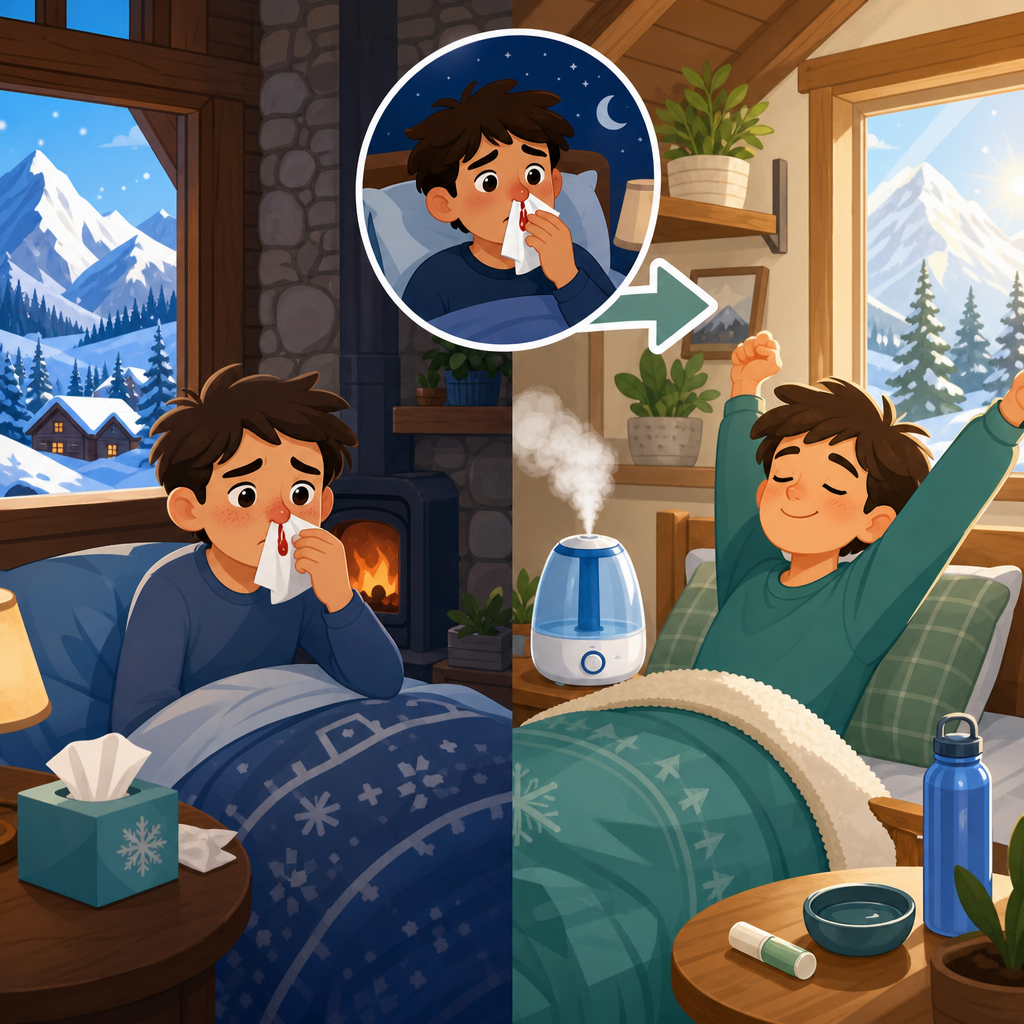
How to reduce fatigue during your first month at altitude starts with understanding that tiredness is not a personal weakness. It is a predictable response to lower oxygen pressure, drier air, disrupted sleep, higher fluid losses, and the extra work your body performs while adapting. In the first month after moving or traveling to a higher elevation, many people notice heavy legs on stairs, afternoon brain fog, early waking, headaches, and a strange mismatch between effort and recovery. Those symptoms usually improve, but the first weeks go more smoothly when daily habits support acclimatization instead of fighting it.
Altitude refers to elevation above sea level, but the practical issue is reduced barometric pressure. As elevation rises, each breath delivers less oxygen to the bloodstream. Your body responds by breathing faster, producing more urine, shifting sleep patterns, and gradually increasing red blood cell production. Fatigue at altitude is the combined effect of those adjustments plus ordinary stressors like travel, unpacking, work, exercise, and inconsistent meals. In my work with people settling into mountain towns and high-elevation job sites, the ones who do best are rarely the fittest on day one. They are the people who pace aggressively, hydrate consistently, eat enough carbohydrate, protect sleep, and stop treating every symptom as something to push through.
This matters because altitude fatigue spills into daily life quickly. It reduces concentration while driving, slows reaction time at work, worsens irritability, and makes exercise feel discouraging. It also affects skin, eyes, and home comfort because dry indoor air, stronger sun, and overnight dehydration compound the same stressors that drain energy. A good first-month plan therefore needs to be broader than exercise advice. It should cover sleep timing, workload, caffeine and alcohol use, food choices, hydration, room humidity, symptom tracking, and when normal adjustment crosses into illness. That is the purpose of this hub: to give you the lifestyle adjustments that reliably reduce fatigue during your first month at altitude and to help you identify which deeper topics deserve follow-up.
Start with pacing, not performance
The fastest way to feel exhausted at altitude is to keep sea-level expectations. During the first week, treat ordinary tasks as if they have become moderately harder, because physiologically they have. Walking uphill with groceries, carrying boxes upstairs, or doing a hard gym session can raise heart rate and breathing far more than expected. I advise people to use a simple rule for the first three to five days: cut planned exertion by at least 25 to 40 percent, extend warmups, and leave every workout feeling undertrained rather than proud. That restraint prevents the common cycle of overdoing day one, sleeping poorly, then feeling depleted for three more days.
Pacing also applies to cognitive work. New arrivals often schedule sightseeing, social plans, unpacking, errands, and full productivity at work in the same forty-eight hours. At altitude, that overload shows up as mental fatigue just as much as muscle fatigue. Build deliberate margins into your day. If a task normally takes one hour, give it ninety minutes. Use stairs slowly, pause at landings, and break lifting into smaller trips. If you are coming from sea level to roughly 5,000 to 8,000 feet, plan on one lower-demand day after arrival whenever possible. At higher elevations, be even more conservative. Acclimatization is not laziness; it is an energy-management strategy that improves function faster than forcing output.
Hydration and electrolytes matter more than most people think
One of the most consistent contributors to altitude fatigue is mild dehydration. Increased breathing causes greater water loss through respiration, and altitude often triggers diuresis, especially in the first days. Add dry air, more sun exposure, heated indoor spaces, and coffee or alcohol, and fatigue appears long before you feel dramatically thirsty. A practical target is pale yellow urine, regular daytime urination, and steady fluid intake spread across the day. Chugging a large amount at night only disrupts sleep and can leave you feeling worse the next morning.
Hydration does not mean drinking endless plain water. When people overcorrect without enough sodium, appetite can drop and energy can feel flat. For many healthy adults, adding electrolytes once daily during the first week is useful, especially after long flights, outdoor time, sweating, or exercise. Oral rehydration packets, low-sugar electrolyte tablets, or a salted meal with fluids usually work well. I generally tell people to front-load fluids earlier in the day, carry a bottle during errands, and drink before they feel thirsty. If lips are dry, eyes feel scratchy, and afternoon fatigue hits hard, hydration is one of the first variables to check.
Eat for acclimatization: regular meals, enough carbohydrate, and iron awareness
At altitude, under-eating is common. Appetite can dip, travel disrupts routine, and some people feel mildly nauseated in the first days. Unfortunately, low intake magnifies fatigue quickly. Your body is working harder to adapt, and carbohydrate becomes especially useful because it supports exercise and daily activity with less oxygen cost per unit of energy than fat. That does not mean eating sugar constantly. It means building meals around practical staples such as oats, rice, potatoes, beans, fruit, yogurt, soup, whole-grain bread, and easy proteins. A breakfast with carbohydrate and protein almost always produces better morning energy than coffee alone.
Iron deserves attention because acclimatization depends in part on increased red blood cell production. If iron stores are low, fatigue can linger longer than expected. Menstruating women, endurance athletes, vegetarians, and people with a history of low ferritin should be especially aware. That said, do not start high-dose iron blindly. Confirm deficiency with a clinician when possible, since excess iron has risks. In day-to-day practice, the most effective approach is simple: eat regularly, include iron-rich foods like lean meat, lentils, beans, tofu, spinach, or fortified cereals, and pair plant sources with vitamin C foods such as citrus, berries, or peppers to improve absorption. Skipping meals at altitude is one of the easiest ways to feel drained.
Protect sleep aggressively in the first month
Sleep disruption is one of the biggest reasons people say altitude makes them feel “mysteriously tired.” In the first nights, breathing can become lighter and more irregular, awakenings may increase, and the dry environment can cause nasal congestion or mouth breathing. Even people who normally sleep well may wake early, sleep restlessly, or feel unrefreshed. The solution is not to chase perfect sleep immediately. It is to lower the number of factors working against you. Keep a consistent sleep and wake time, avoid hard exercise late in the evening, and stop heavy meals and alcohol close to bedtime.
Room conditions matter more than many expect. A cool, dark room supports better sleep, but so does managing dryness. If indoor humidity is extremely low, a humidifier can reduce overnight throat dryness and morning irritation. Saline nasal spray before bed can help if the nose feels dry or crusted. Caffeine timing matters too. At altitude, people often rely on extra coffee to push through fatigue, then worsen nighttime sleep and start the cycle again. Cut off caffeine by early afternoon, and if you are sensitive, earlier. If you snore loudly, have obesity, or already suspect sleep apnea, altitude can magnify the problem, and persistent fatigue should trigger medical follow-up rather than more self-experimentation.
Use exercise to adapt, but dose it carefully
Exercise is helpful during acclimatization when the dose is right. Light to moderate movement improves circulation, mood, appetite, and sleep, but intense sessions in the first week often deepen fatigue. I usually structure the first month around progression instead of hero workouts: easy walks on arrival days, short zone-two cardio sessions in week one, moderate strength work in week two if recovery is good, and only then a return to harder intervals or long climbs. A useful test is whether you feel better two hours after the session than before it. If you feel flattened, chilled, headachy, or unable to eat, the session was too much.
Breathing rate is a poor ego metric at altitude because it rises for normal physiological reasons. Instead, use conversational pace, rate of perceived exertion, and recovery markers such as sleep quality, morning resting heart rate, and appetite. Many watches estimate training readiness, but subjective signals still matter most in the first month. Outdoor athletes should remember that sun intensity is greater at elevation and dehydration accumulates fast even in cool temperatures. If fatigue appears out of proportion, shorten the session, lower the grade, and fuel during longer efforts. Fitness does not disappear at altitude; it just needs smarter timing.
Build a first-month routine that reduces cumulative strain
Fatigue at altitude is usually cumulative, not dramatic. It grows when several small stressors line up: a short night, too little breakfast, a dehydrating day indoors, one hard workout, two drinks at dinner, then an early morning. The best lifestyle adjustment is therefore routine design. Create a first-month baseline that makes good days repeatable. That baseline should include a fixed wake time, morning hydration, a solid breakfast, planned movement, sunlight exposure early in the day, lighter evenings, and a realistic work schedule. People adapt better when their days stop lurching between extremes.
| Adjustment | What to do in weeks 1 to 4 | Why it reduces fatigue |
|---|---|---|
| Morning routine | Drink water on waking, eat breakfast within an hour, get 10 to 20 minutes of daylight | Supports hydration, energy availability, and circadian timing |
| Activity pacing | Reduce exertion 25 to 40 percent in week one, then increase gradually | Prevents overreaching while oxygen delivery is lower |
| Workload planning | Schedule demanding tasks earlier, leave buffer time, avoid stacking errands and workouts | Lowers total stress and preserves mental energy |
| Evening habits | Limit alcohol, finish caffeine early, keep dinners moderate, prepare for sleep consistently | Improves sleep depth and overnight recovery |
| Environment | Use sunscreen, sunglasses, lip balm, and consider a humidifier indoors | Reduces dryness, irritation, and secondary discomfort that worsens fatigue |
Routine also means saying no strategically. During the first two weeks, decline the sunrise summit, the extra shift, or the late dinner if your body is already signaling strain. That choice is practical, not timid. When people stabilize basics early, their energy returns sooner and they enjoy altitude more by the end of the month instead of spending the whole period recovering from preventable setbacks.
Manage alcohol, caffeine, and common medications with altitude in mind
Alcohol hits differently at altitude for two reasons: lower oxygen availability and increased dehydration. Even moderate drinking can worsen sleep fragmentation, morning headache, and next-day lethargy. If reducing fatigue is the goal, keep alcohol light in the first week and avoid using it as a sleep aid. Most people notice a clear difference when they limit intake to one drink, drink water alongside it, and skip nights when they are already tired or dry. Heavy drinking is one of the most reliable ways to turn mild adjustment symptoms into a miserable next day.
Caffeine is more nuanced. It can improve alertness and exercise tolerance, and regular users do not need to quit. The problem is escalation. Going from two cups to five because altitude feels tiring usually backfires through jitteriness, reflux, poor sleep, and inconsistent hydration habits. Keep caffeine stable or slightly reduced, and use it earlier. Also review medications that can influence fatigue or fluid balance. Sedating antihistamines, some sleep aids, and diuretics may feel stronger or more disruptive at elevation. If you take acetazolamide for altitude adjustment, expect more frequent urination and a different hydration need. Medication changes should be discussed with a clinician, but awareness alone helps you interpret fatigue more accurately.
Know what is normal, and know when fatigue is a warning sign
Normal altitude fatigue improves gradually over days to weeks. It may include reduced exercise tolerance, mild headache, lighter sleep, dry mouth, and shortness of breath on exertion. Warning signs are different. Severe or worsening headache, vomiting, confusion, clumsiness, breathlessness at rest, chest tightness, blue lips, or cough with frothy sputum need urgent evaluation. Those symptoms can indicate serious altitude illness or another medical problem, and they should never be dismissed as ordinary adjustment. Descending and getting medical care becomes the priority.
Less dramatic patterns also deserve attention. If fatigue is not improving after two to three weeks, check for anemia, viral illness, poor calorie intake, sleep apnea, overtraining, or dehydration. If you have heart or lung disease, a clinician should guide your transition to altitude before symptoms escalate. Pulse oximeters can be useful for trends, but numbers vary and should not override how sick someone looks or feels. In practical terms, the first month should show a clear upward trajectory. If your energy is flat or worsening despite good habits, investigate instead of assuming more time alone will fix it.
Reducing fatigue during your first month at altitude is mostly about removing avoidable strain while your body does the unavoidable work of acclimatization. Pace harder than your ego wants, hydrate consistently, eat regular meals with enough carbohydrate, protect sleep, progress exercise gradually, and keep your routine steady. Those adjustments work because altitude fatigue is rarely caused by one dramatic mistake. It is usually the result of several manageable habits drifting in the wrong direction at the same time.
The main benefit of this approach is not just feeling less tired. It is functioning better in daily life: thinking clearly at work, enjoying time outdoors, sleeping more reliably, and avoiding the frustrating boom-and-bust pattern that makes altitude feel harder than it needs to. If you are building a full comfort plan, continue with related guides on hydration, sleep, indoor humidity, sun exposure, eye dryness, and skin care, then tailor the details to your elevation, health history, and activity level.
Start simple today: lower your exertion for the week, set a hydration routine, plan tomorrow’s meals, and protect tonight’s sleep. Those four steps do more to reduce first-month altitude fatigue than most people expect.
Frequently Asked Questions
1. Why do I feel so tired during my first month at altitude, even if I’m usually fit and healthy?
Feeling unusually tired in your first month at altitude is extremely common, and it is not a sign that you are out of shape, unmotivated, or somehow “bad” at handling elevation. Fatigue is a predictable physiological response to lower oxygen pressure. Even though the percentage of oxygen in the air stays the same, each breath delivers less usable oxygen to your body than it does at sea level. That means your heart, lungs, muscles, and brain all have to work harder to perform the same tasks.
During the first few days and weeks, your body begins adapting by breathing faster, changing fluid balance, and eventually increasing red blood cell production. Until those adjustments are further along, normal activities can feel surprisingly demanding. Many people notice heavy legs on stairs, poor workout recovery, headaches, afternoon brain fog, irritability, and a mismatch between how hard something feels and how easy it used to be. Sleep can also become lighter and more fragmented at altitude, which adds another layer of exhaustion.
Drier air and increased fluid loss make matters worse. You lose more water through breathing, and altitude often suppresses thirst, so mild dehydration can creep in without obvious warning. That can contribute to headaches, sluggishness, and reduced physical performance. In short, fatigue at altitude is usually the result of several overlapping stressors: less oxygen availability, poorer sleep, higher respiratory effort, faster fluid loss, and the metabolic cost of acclimatization. Understanding that this is a normal adjustment process helps you respond intelligently rather than pushing through in a way that delays recovery.
2. What are the best ways to reduce fatigue during my first month at altitude?
The most effective way to reduce fatigue at altitude is to lower the overall stress load on your body while it acclimatizes. The first strategy is to scale back intensity. Many people make the mistake of trying to maintain sea-level exercise volume, pace, or strength output immediately after arriving. For the first one to two weeks especially, it helps to slow down walks, shorten workouts, add more rest between efforts, and keep most activity comfortably aerobic. You are not losing fitness by doing this; you are giving your body enough energy to adapt.
Hydration is another major priority. Because altitude increases water loss through breathing and often through dry environmental conditions, many people need to drink more consistently than they expect. A good approach is to sip fluids throughout the day rather than relying only on thirst. Including electrolytes can be useful if you are very active, spending time in the sun, or noticing headaches and lightheadedness. At the same time, avoid overdoing alcohol, especially early on, because it can worsen dehydration and disrupt sleep even further.
Nutrition also plays a central role. Eating regularly helps support energy levels when your body is working harder than usual. Many people do better with balanced meals that include carbohydrates for immediate fuel, protein for recovery, and enough iron-rich foods to support oxygen transport. If you have a history of low iron, vegetarian eating, heavy endurance training, or prior anemia, it may be worth discussing iron status with a clinician, since low iron can make altitude fatigue feel much worse. Sleep hygiene matters too: keep a consistent bedtime, reduce late caffeine, cool and darken the room, and allow extra time for rest. Even if sleep quality is temporarily imperfect, protecting your sleep window can reduce cumulative fatigue over the first month.
Finally, pace your expectations. Build in recovery days, avoid stacking hard outings back to back, and treat the first month as an adjustment period rather than a performance phase. Small habits repeated daily—hydrating, eating enough, slowing down, resting more, and respecting symptoms—are usually more effective than any single quick fix.
3. How long does altitude fatigue usually last, and when should I expect to feel better?
The timeline varies based on elevation, age, baseline fitness, sleep quality, hydration, and how quickly you increase your activity level, but many people start noticing some improvement within several days to two weeks. That said, the full “I feel like myself again” timeline often stretches across the first month, especially if you have moved to a substantially higher elevation or are trying to stay active while adapting.
In the earliest phase, the body responds rapidly by increasing breathing rate and shifting fluid balance, but those changes can make you feel a bit unsettled before they make you feel better. Deeper adaptations—such as improved oxygen delivery and better tolerance for exercise—take longer. This is why people often experience a strange pattern where simple tasks feel hard at first, then daily life gradually improves, but vigorous exercise still feels unusually taxing for a few more weeks.
A useful way to think about recovery is in layers. The first layer is symptom stabilization: fewer headaches, less dizziness, and less dramatic fatigue with basic tasks. The second is functional improvement: stairs feel easier, concentration improves, and you wake up feeling somewhat more restored. The third is performance recovery: workouts, hikes, and demanding days start to feel more normal again. Those layers do not always happen at the same pace.
If fatigue is gradually improving week by week, that is usually reassuring. However, if you are getting worse, unable to do routine daily activities, experiencing severe headaches, chest symptoms, fainting, significant shortness of breath at rest, or exhaustion that feels extreme and unchanging, it is important to seek medical evaluation. Altitude is often the explanation, but it should not automatically be used to dismiss every symptom.
4. Can poor sleep at altitude make fatigue worse, and what can I do about it?
Yes, sleep disruption is one of the most common reasons people feel disproportionately drained at altitude. Many new arrivals notice lighter sleep, more frequent waking, vivid dreams, early morning awakenings, or the sensation that they slept for enough hours but still did not recover. One reason is that altitude can change breathing patterns during sleep, especially in the early acclimatization phase. Another is that dry air, nasal congestion, dehydration, unfamiliar surroundings, and overexertion during the day can all interfere with quality rest.
To reduce sleep-related fatigue, start with the basics and be more consistent than you think you need to be. Keep a stable bedtime and wake time. Limit alcohol in the evening, because it can worsen both breathing instability and dehydration. Avoid very hard workouts late in the day while you are still adjusting, since they may leave your system too activated to settle properly. If caffeine affects you, move it earlier in the day. A cool, dark room and a simple wind-down routine can also make a bigger difference than expected when sleep is already fragile.
Hydration helps, but timing matters. Drink well during the day so you do not have to compensate with large amounts of fluid right before bed. If the air is extremely dry, a humidifier may reduce throat dryness and overnight discomfort. Some people also benefit from elevating the head slightly if they feel congested or wake frequently feeling air-starved. If you snore, have known sleep apnea, or feel dramatically worse at altitude despite good habits, speak with a healthcare professional, because preexisting sleep-related breathing issues can become more noticeable at elevation.
Most importantly, do not underestimate the effect of several mildly poor nights in a row. Even if each night seems only a little off, the cumulative impact can be substantial by the end of the week. Protecting sleep is one of the fastest ways to reduce daytime fatigue during your first month at altitude.
5. When is fatigue at altitude normal, and when should I be concerned enough to get medical help?
Mild to moderate fatigue is normal during early acclimatization, especially if it improves with rest, hydration, lower exertion, and time. It is also common to have some headaches, reduced exercise capacity, lighter sleep, and a sense that routine tasks require more effort than expected. Those symptoms are often uncomfortable but manageable, and they usually trend in the right direction as your body adjusts.
What deserves closer attention is fatigue that is severe, rapidly worsening, or paired with symptoms that suggest something more serious than ordinary adjustment. Warning signs include shortness of breath at rest, blue lips or fingertips, chest pain, confusion, inability to walk normally, repeated vomiting, fainting, severe persistent headache, or a cough that worsens and feels deep in the chest. Those symptoms may indicate serious altitude illness or another medical problem and should not be ignored.
It is also worth checking in with a clinician if your fatigue remains unusually intense after a few weeks, especially if you have risk factors for other causes such as anemia, thyroid issues, low iron, infection, poor nutrition, overtraining, or sleep apnea. Altitude can expose underlying problems that were less obvious before. A good rule of thumb is this: normal altitude fatigue should be understandable, proportional, and gradually improving. If it feels extreme, out of proportion, or unpredictably worse, it is wise to get professional advice.
Being cautious is not overreacting. The goal is to respect the normal process of acclimatization while recognizing that not every symptom should automatically be attributed to elevation. Listening to your body, reducing strain early, and seeking help when red flags appear is the safest way to get through your first month at altitude with less fatigue and more confidence.