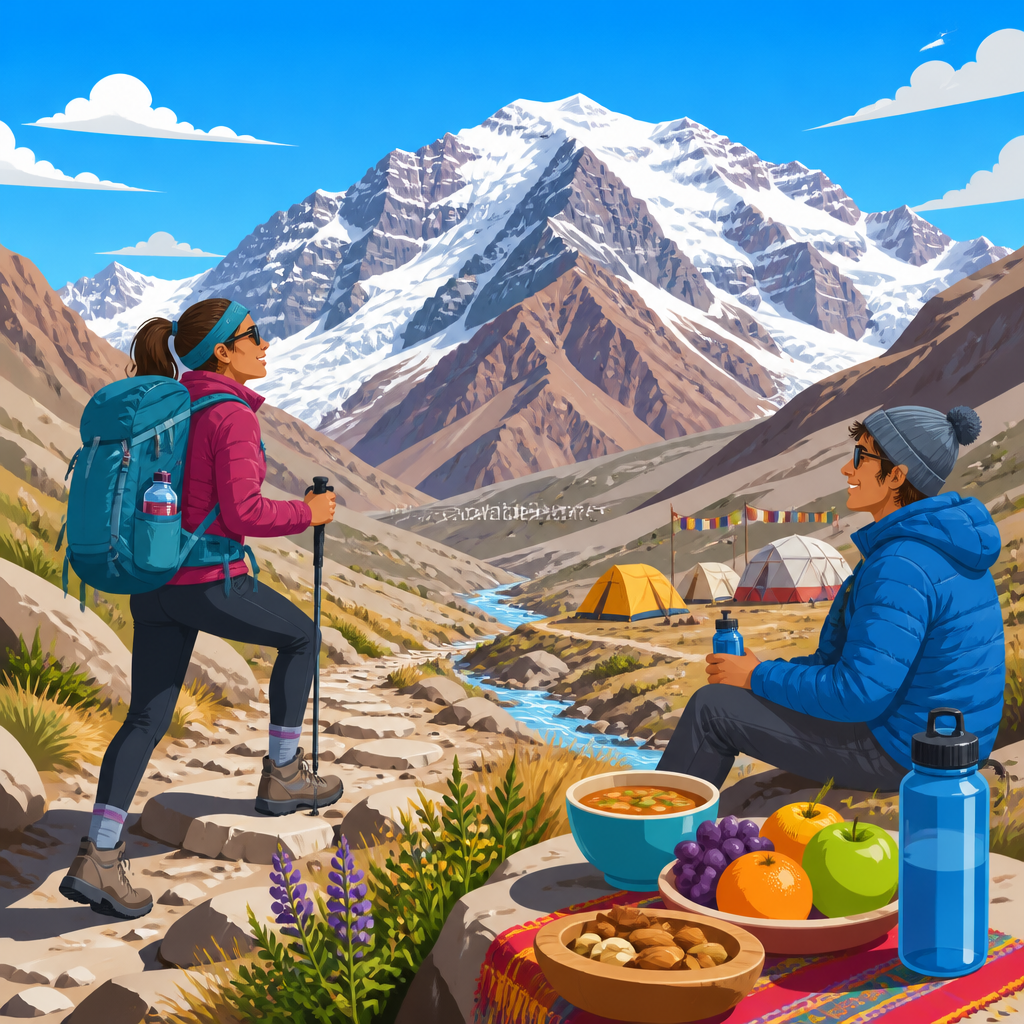
Aconcagua rises above Mendoza Province as the highest peak in the Americas, and the way travelers acclimatize before visiting Aconcagua base areas often determines whether the journey feels rewarding or miserable. Acclimatization is the process by which the body adjusts to lower oxygen pressure at altitude, mainly through increased breathing, fluid shifts, and gradual blood chemistry changes. On routes to Confluencia, Plaza de Mulas, or Plaza Argentina, visitors are not attempting the summit, yet they still move into elevations where headaches, nausea, poor sleep, and fatigue become common if ascent is rushed. I have planned high-altitude itineraries in the central Andes and watched strong, fit hikers struggle simply because they treated altitude as a fitness problem instead of a physiological one. Trek preparation for Aconcagua base areas matters because the mountain is accessible enough to invite underestimation, while the dry air, long travel days, and abrupt rise from Mendoza city create real stress on the body. Good preparation reduces risk, improves energy, and makes the landscape easier to enjoy.
Before discussing methods, define the goal clearly. Visiting Aconcagua base areas usually means trekking to one of the established camps used by climbers: Confluencia at about 3,400 meters, Plaza de Mulas near 4,300 meters on the Normal Route, or Plaza Argentina near 4,200 meters on the Polish Traverse approach. Many travelers also include Penitentes, Puente del Inca, Uspallata, or Las Cuevas as stepping-stone stops. Proper acclimatization does not mean eliminating all symptoms; it means minimizing severity, recognizing warning signs early, and ascending at a pace the body can tolerate. It also includes hydration strategy, sleep management, nutrition, gear choices, and contingency planning. Because this article serves as a trek preparation hub, it covers the full sequence: what to do before departure, how to structure altitude gain around Mendoza, what symptoms require action, and how guides, permits, mule logistics, and weather influence your acclimatization decisions on this mountain.
Understand the altitude profile before you go
The fastest way to make poor decisions in the Andes is to focus only on trail distance and ignore sleeping elevation. Most international travelers land in Mendoza city at roughly 750 meters, rest briefly, then drive to trailheads above 2,800 meters within a day. That jump is substantial. Aconcagua Provincial Park amplifies the issue because the access roads make altitude gain easy, while the body still needs time. In practical terms, many trekkers can tolerate a day hike above 3,000 meters, but sleeping there too soon often triggers symptoms overnight. The old mountaineering rule of not increasing sleeping altitude too rapidly remains useful even for non-summit itineraries. For base area visits, think in phases: low arrival, moderate transition, first camp, then base area. When I build these trips, I assume travel fatigue and dehydration have already reduced resilience before the first step on trail.
The three questions every traveler should answer are simple. How high will you sleep each night? How many hours will you spend above 3,000 meters before reaching base camp? What is your descent option if symptoms worsen? Plaza de Mulas can be reached surprisingly quickly by strong trekkers and mule support, but speed is not the objective. Confluencia works well as an acclimatization stop because it allows a first night at moderate altitude and access to an active rest hike toward Plaza Francia. Plaza Argentina approaches also demand respect because the valley is drier and more remote-feeling. Read altitude in meters, not just in travel marketing terms like easy trek or scenic base camp. Those labels describe terrain more than physiology. A conservative altitude plan is not a sign of weakness; on Aconcagua it is often the difference between an enjoyable multi-day trek and an evacuation for preventable illness.
Build acclimatization into your Mendoza itinerary
The best acclimatization schedule usually starts before entering the park. Mendoza city is too low to stimulate adaptation on its own, but it is useful for sleep, hydration, permit checks, and gear organization. From there, many trekkers benefit from one or two nights in an intermediate location such as Uspallata, Penitentes, or nearby mountain lodging rather than driving straight to the highest possible trailhead and pushing on. Even a modest altitude pause helps the body begin its response while reducing the combined stress of flights, bus transfers, and park logistics. If your total trip is short, resist the urge to compress this step. An extra night at intermediate altitude is often more valuable than an extra scenic stop because it protects the rest of the itinerary.
A practical pre-base-area progression is to sleep in Mendoza after arrival, move to Uspallata or Penitentes the next day, take a short hike without heavy exertion, then start the park approach. Another effective pattern is Mendoza, then a day excursion to a high viewpoint with return to lower sleep, followed by transfer to the trailhead the next day. This “climb high, sleep lower” principle is well established in mountaineering because exposure during the day can stimulate adaptation while lower overnight altitude improves recovery. The details depend on transport schedules and whether you have mule service, but the principle is stable: stage your altitude rather than treating the drive from Mendoza as a warm-up. Travelers who arrive from sea level and spend two nights progressively higher usually report better appetite, steadier pace, and fewer disruptive headaches once they reach camp.
Train for the trek you will actually do
Fitness does not prevent altitude illness, but weak fitness makes altitude harder to manage because every uphill section demands more effort and heavier breathing. For Aconcagua base areas, trek preparation should target aerobic endurance, leg strength, load carrying, and pacing discipline. In the months before departure, prioritize long walks on consecutive days, stair work with a pack, and steady uphill sessions where you can maintain conversation. If you live near hills, train on sustained gradients rather than only doing short gym intervals. If you live at low elevation, do not worry about lacking altitude access; build durable cardiovascular capacity and efficient walking mechanics instead. I have seen marathon runners suffer because they moved too fast uphill, and slower hikers succeed because they understood sustainable pacing and disciplined rest breaks.
Specificity matters. If your itinerary includes carrying a daypack only, train with the weight you will use. If you expect cold wind, spend some sessions in boots and layered clothing to identify hot spots and overheating. Trek poles deserve practice before the trip, especially on scree and descending moraine paths. Recovery is part of training as well. Fatigue carried into travel reduces resilience at altitude, so the final week should emphasize maintenance, mobility, sleep, and hydration instead of last-minute heroic workouts. Strong preparation allows you to keep effort in the aerobic zone, which is exactly what acclimatization needs. The body adapts better when exertion is controlled. Red-lining every climb because you are chasing average speed is one of the most common mistakes on approach days in the Andes.
Use a conservative on-mountain schedule
Once inside Aconcagua Provincial Park, pacing decisions should become even more conservative. Most base-area visitors do best when they adopt a schedule that combines short walking days, early starts, and deliberate downtime at camp. Guides often frame this as saving energy, but the real benefit is physiological stability. Hard surges uphill raise breathing rate, increase fluid loss, and can intensify headache in the afternoon. Early starts matter because they reduce heat exposure and allow extra time for rest, food, and symptom monitoring after arrival. On my own acclimatization-focused itineraries, I prefer to reach camp with enough daylight to drink, eat, and walk gently for ten to fifteen minutes before settling into the sleeping bag. Collapsing immediately after arrival often masks worsening symptoms until the night.
| Stage | Typical elevation | Main objective | Best practice |
|---|---|---|---|
| Mendoza arrival | ~750 m | Recover from travel | Sleep well, hydrate, avoid alcohol excess |
| Intermediate stop | 1,900–2,700 m | Begin adaptation | Light hike, easy pace, organize gear |
| First camp or trailhead zone | 2,800–3,400 m | Test response to altitude | Short day, monitor appetite and headache |
| Acclimatization hike | 3,800–4,100 m | Increase exposure without rushing sleep | Climb gradually, descend to lower camp |
| Base area visit | 4,200–4,300 m | Enjoy destination safely | Move slowly, fuel often, descend if symptoms escalate |
A classic example is the Confluencia strategy: hike in, sleep there, then take a higher day excursion toward Plaza Francia before moving onward. This adds time, but it works. By contrast, trekkers who push from the park entrance to higher camps in a single burst often arrive with dry mouths, suppressed appetite, and poor evening energy. The mountain does not reward speed at this stage. If weather or transport has already compressed your trip, preserve caution rather than trying to win back time on foot. The safer choice is usually a shorter objective or an extra acclimatization day, not a harder push.
Hydration, food, sleep, and medication basics
Hydration on Aconcagua is more important than many first-time visitors expect because the air is extremely dry, breathing rate increases, and sun exposure can be intense even in cool temperatures. The goal is consistent intake, not excessive drinking. Clear or pale-yellow urine is a useful field indicator, though not perfect. Pair fluids with electrolytes if you are sweating heavily or drinking large volumes of plain water. Food matters equally. Altitude often suppresses appetite, so rely on small, frequent intake: soups, carbohydrates, salty snacks, dried fruit, and simple proteins. Heavy meals can feel unappealing at camp, but under-eating usually shows up the next day as weakness and irritability. I advise trekkers to bring familiar, easy-to-digest foods rather than betting everything on camp meals they have never tried.
Sleep is often the first thing altitude disrupts. Mild insomnia, frequent waking, and vivid breathing awareness are common above 3,000 meters. Good sleep hygiene helps: warm layers, a reliable sleeping pad, a consistent evening routine, and avoiding overexertion late in the day. Alcohol is a poor acclimatization choice because it worsens dehydration and can reduce sleep quality. As for medication, acetazolamide is commonly used for prevention or symptom reduction, but it should be discussed with a qualified clinician before travel because dosing, timing, allergies, kidney issues, and side effects matter. It is not a substitute for gradual ascent. Painkillers may reduce headache, yet they can also hide worsening altitude illness if travelers ignore other symptoms. The rule is simple: medication supports a sound plan; it does not rescue a reckless one.
Recognize altitude illness and know when to descend
The most important safety skill is distinguishing manageable acclimatization discomfort from illness that requires immediate action. Mild acute mountain sickness usually presents as headache plus one or more of the following: nausea, fatigue, dizziness, or poor sleep after ascent. If symptoms remain mild, the correct response is rest, fluids, food, and no further ascent until improvement is clear. If symptoms worsen despite rest, descent becomes the right decision. Severe warning signs include persistent vomiting, inability to walk normally, unusual confusion, breathlessness at rest, or a marked drop in coordination. These can indicate serious high-altitude complications that should never be dismissed as “just altitude.”
Group dynamics often make this harder than it sounds. People do not want to disappoint friends or waste permit costs, so they minimize symptoms. Good trek preparation means agreeing beforehand that anyone can call for a stop without argument. Guides, rangers, and mule operators around Aconcagua see the same pattern every season: strong motivation paired with poor honesty about symptoms. The mountain is high enough that denial becomes dangerous. Descending early is not failure; it is the established treatment for worsening altitude illness, and it works. Because base-area routes remain logistically manageable compared with summit expeditions, visitors should use that advantage. If your body is not adapting, descend and recover rather than trying to force one more camp or viewpoint.
Permits, weather, logistics, and gear all affect acclimatization
Trek preparation for Aconcagua base areas is not only physical. Permit timing, mule schedules, ranger controls, and weather windows influence how fast you move, where you sleep, and how stressed your body feels. Strong winds, for example, increase energy expenditure and can make simple walking feel harder, which indirectly worsens acclimatization by pushing effort too high. Cold nights reduce sleep quality if your sleeping bag is marginal. Poor boot fit wastes energy and can slow you enough that meals and hydration get delayed. Even sun protection matters: sunburn and dehydration compound fatigue quickly at altitude. The best gear list is therefore the one that protects recovery, not merely the one that checks adventure boxes.
Use established forecasts such as Mountain Forecast, local guide briefings, and park updates, but remember that conditions on Aconcagua change rapidly. Build margin into transport and camp plans so weather delays do not force rushed ascents. If using mule service, pack one accessible layer system, water treatment method, snacks, headlamp, documents, and basic medical kit in your daypack in case baggage timing changes. Internal trek planning should also account for communication: know where rangers are, what your turnaround times are, and how your group will respond if one person needs to descend. The travelers who acclimatize best are usually the ones whose logistics are calm, predictable, and deliberately unhurried. Review your itinerary, add a buffer day, and plan your Aconcagua base area trek around adaptation rather than ambition.
Frequently Asked Questions
What does acclimatizing actually mean before visiting Aconcagua base areas?
Acclimatizing means giving your body time to adapt to the reduced oxygen pressure found at higher elevations. Even if you are only planning to visit Aconcagua base areas such as Confluencia, Plaza de Mulas, or Plaza Argentina rather than attempt the summit, altitude still matters a great deal. As you go higher, the amount of oxygen available with each breath decreases, and your body has to compensate. It does this by breathing faster, shifting fluids, and gradually adjusting blood chemistry so oxygen can be delivered more efficiently to tissues.
In practical terms, good acclimatization helps you feel stronger, think more clearly, sleep better, and enjoy the experience instead of struggling through it. Poor acclimatization can leave you with headaches, nausea, fatigue, poor appetite, dizziness, and disturbed sleep. Many travelers assume that because they are “just trekking to base camp” they do not need to prepare carefully, but Aconcagua’s base areas are still high enough to trigger altitude-related symptoms. The mountain does not distinguish between trekkers and climbers when it comes to physiology.
For most visitors, acclimatization is less about peak fitness and more about pacing, altitude exposure, hydration, rest, and smart itinerary design. A strong athlete who ascends too quickly can feel worse than a moderately fit traveler who gains elevation gradually. That is why understanding acclimatization before arriving in Mendoza and before heading into Aconcagua Provincial Park is one of the most important parts of planning a safe and rewarding trip.
How many days should I spend acclimatizing before going to Confluencia, Plaza de Mulas, or Plaza Argentina?
There is no single perfect timeline for everyone, but in general, travelers do better when they avoid going from low elevation to Aconcagua base areas too quickly. Spending a few days in and around Mendoza Province before entering the park can make a meaningful difference, especially if those days include light activity, good sleep, and gradual exposure to higher elevations. Many experienced guides prefer an itinerary that builds altitude progressively rather than one that compresses all ascent into a short period.
For a lower objective such as Confluencia, some visitors manage well with a relatively short acclimatization window, but even then, arriving rested and not rushing the approach is wise. For higher base areas like Plaza de Mulas or Plaza Argentina, more deliberate acclimatization becomes increasingly important because the body is being asked to function at significantly greater altitude for longer periods. In those cases, extra days beforehand often improve comfort, energy, and the overall chance of enjoying the trek.
A practical rule is to add buffer time rather than plan the tightest possible schedule. If you can spend time at moderate elevation before the trek, take easier walks, sleep well, and avoid overexertion in the first days, you give your body a much better platform for adaptation. Travelers who build in flexibility also have a safer margin if they develop symptoms and need to slow down. When planning, it is smart to think not only about the day you reach a base area, but also about how your body will feel during the entire approach and overnight stay.
What are the best ways to acclimatize safely before and during the trip?
The best acclimatization strategy is a combination of gradual ascent, conservative pacing, hydration, nutrition, and attention to symptoms. Start by avoiding an aggressive itinerary. Gain altitude steadily, keep your walking pace controlled, and resist the temptation to match the fastest person in the group. At altitude, effort that feels manageable at sea level can become surprisingly taxing. Slow, consistent movement is usually far more effective than pushing hard and needing long recovery periods.
Hydration is another major factor, although it should be approached sensibly rather than obsessively. Dry mountain air, increased breathing, and exertion can all contribute to fluid loss. Drinking regularly helps, but more is not always better; the goal is steady hydration, not forcing excessive amounts of water. Pair fluids with regular meals and snacks, because your body also needs energy to adapt. Carbohydrates are often especially helpful at altitude, and maintaining appetite matters even if you do not feel as hungry as usual.
Sleep and recovery are equally important. Many people try to “train hard” right before a high-altitude trip, but arriving fatigued can make acclimatization harder. In the days leading up to the trek, prioritize rest, avoid heavy alcohol intake, and be cautious with anything that disrupts sleep or dehydrates you. During the trek, listen to your body carefully. Mild symptoms can be common early on, but they should not be ignored. If symptoms worsen with ascent, the safest approach is to stop gaining elevation and reassess. The most experienced mountain travelers are often the most disciplined about slowing down when needed.
What altitude sickness symptoms should I watch for when visiting Aconcagua base areas?
The most common early issue is acute mountain sickness, often called AMS. Typical symptoms include headache, loss of appetite, nausea, unusual fatigue, poor sleep, lightheadedness, and a general feeling that something is “off.” These symptoms can range from mild to significant, and while mild discomfort can happen during normal acclimatization, worsening symptoms should always be taken seriously. A simple but important guideline is that you should not continue ascending if symptoms are getting worse rather than better.
Travelers should also be aware of the signs of more serious altitude illness. Concerning symptoms include severe headache that does not improve, repeated vomiting, confusion, loss of coordination, unusual behavior, extreme weakness, shortness of breath at rest, or a persistent cough that seems to worsen. These may indicate dangerous altitude complications and require immediate action. In the mountains, the golden rule is simple: if serious altitude illness is suspected, descent is the priority.
One reason altitude illness can be tricky is that symptoms are sometimes dismissed as dehydration, exhaustion, or a bad night’s sleep. While those factors can overlap, you should never assume. Pay attention to changes in how you feel, communicate honestly with guides or companions, and monitor whether symptoms improve with rest. If they do not, or if they become more intense, the safest decision is to stop ascending and seek appropriate help. On Aconcagua approaches, sound judgment is often more important than toughness.
Can I rely on fitness, medication, or previous hiking experience to avoid acclimatization problems?
Fitness helps with the physical demands of trekking, but it does not make you immune to altitude. This is one of the most important misconceptions to clear up before visiting Aconcagua base areas. Very fit people can develop altitude symptoms just as less fit people can, because acclimatization depends on how your body responds to reduced oxygen pressure, not simply on how strong your legs or lungs are at lower elevation. Good conditioning can make the walking easier, but it cannot replace proper altitude strategy.
Previous hiking or trekking experience is valuable if it has included meaningful time at altitude, because it can teach pacing, self-awareness, and mountain habits. Even so, past success does not guarantee the same response on a new trip. Your acclimatization can vary depending on ascent speed, sleep, stress, hydration, illness, and overall fatigue. Someone who felt fine on one high-altitude journey may struggle on another if the itinerary is more rushed or recovery is poorer.
Medication may play a role for some travelers, but it should be considered a supplement to good planning, not a substitute for it. Any altitude-related medication should be discussed with a qualified medical professional before the trip, especially if you have health conditions or take other prescriptions. Even when medication is appropriate, the core principles remain the same: ascend gradually, watch for symptoms, stay well hydrated and well fueled, and be willing to slow down or descend if needed. The safest and most reliable approach to Aconcagua base areas is not confidence based on fitness alone, but respect for altitude and a well-designed acclimatization plan.