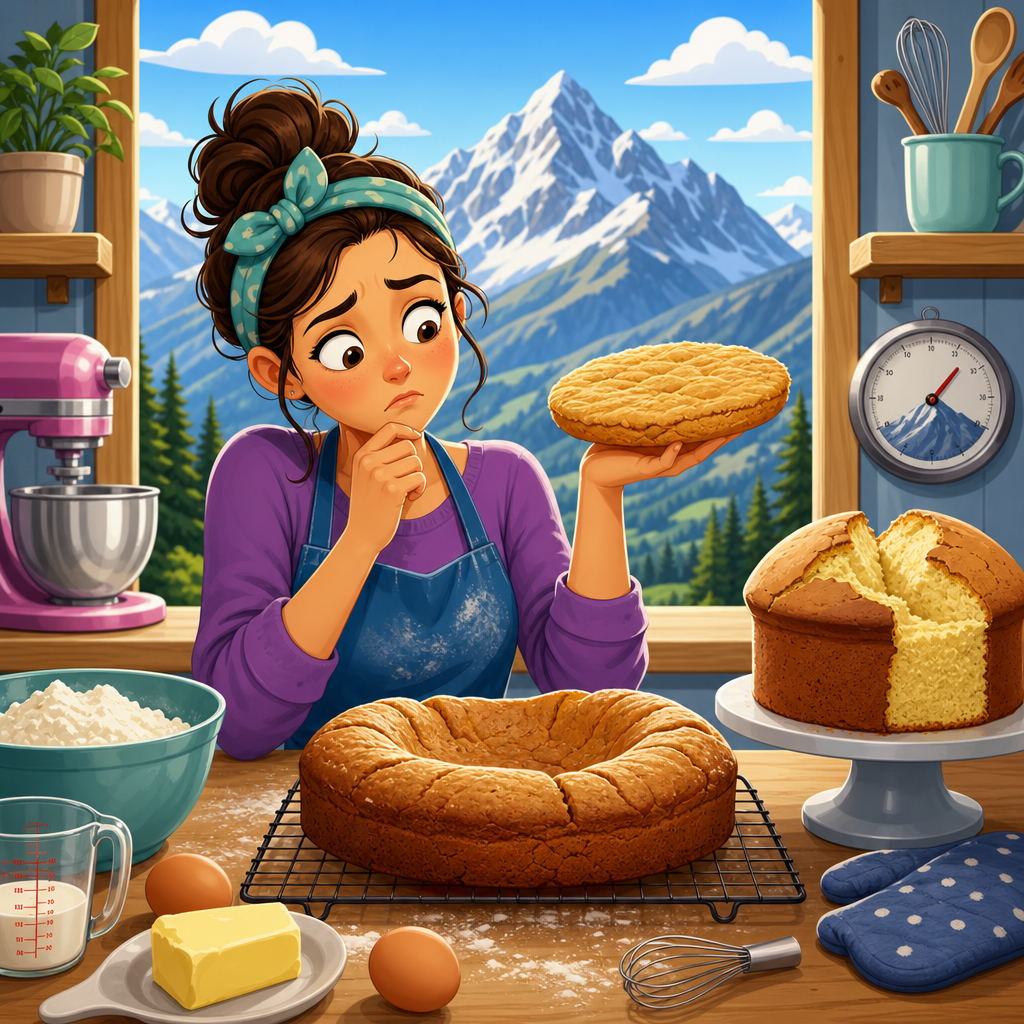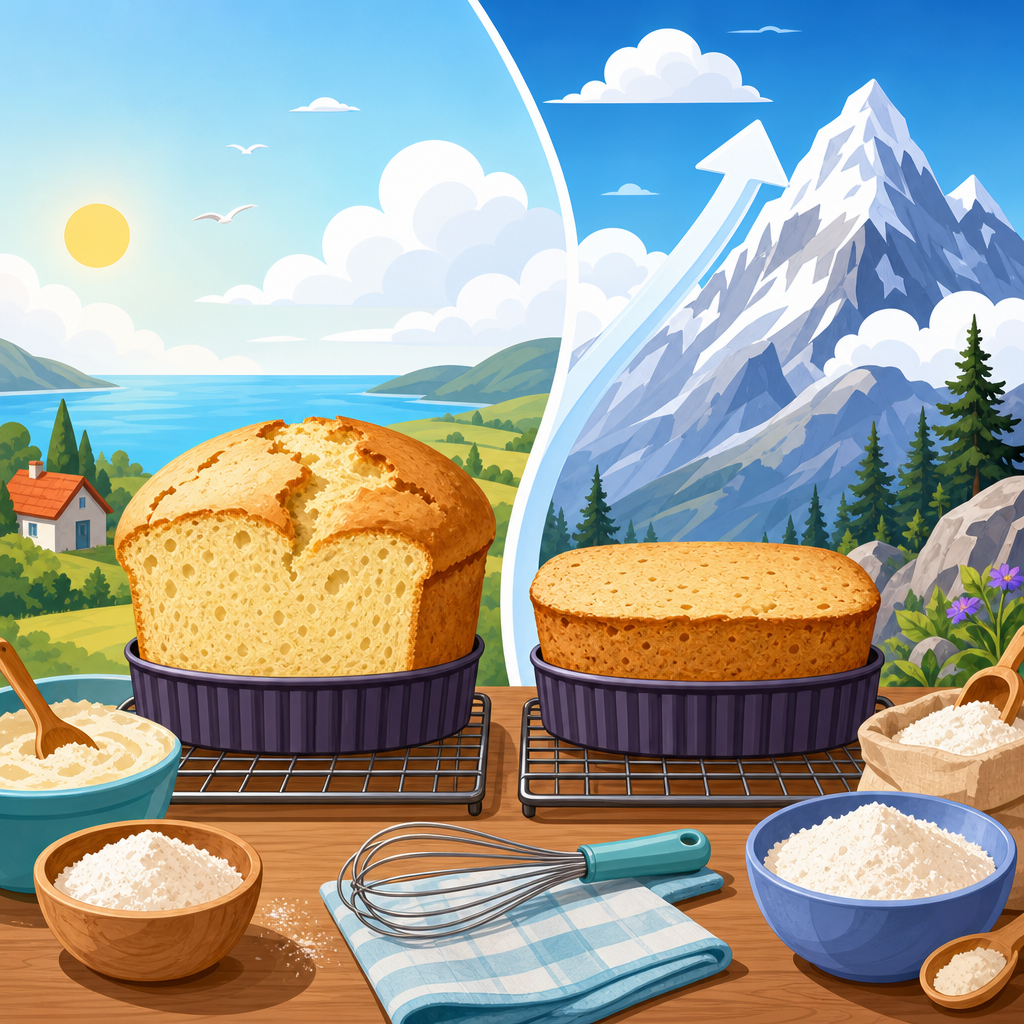
How altitude affects gluten-free baking becomes obvious the first time a familiar recipe collapses in Denver, dries out in Santa Fe, or bakes unevenly in Leadville. Altitude changes pressure, evaporation, gas expansion, and starch setting, so formulas that work near sea level often fail above 3,000 feet. Gluten-free baking is even more sensitive because it already depends on a careful balance of starches, proteins, gums, eggs, sugar, and moisture instead of the elastic gluten network found in wheat doughs. I have tested the same muffin, cake, and sandwich bread formulas at multiple elevations, and the pattern is consistent: higher elevation speeds rise, accelerates moisture loss, and narrows the margin for error. Understanding these fundamentals matters because altitude is not a minor tweak in gluten-free baking; it changes structure, texture, flavor concentration, and bake time. Once you know what shifts and why, you can adjust recipes with far more confidence and stop blaming your flour blend for problems caused by air pressure.
Why altitude changes gluten-free baking results
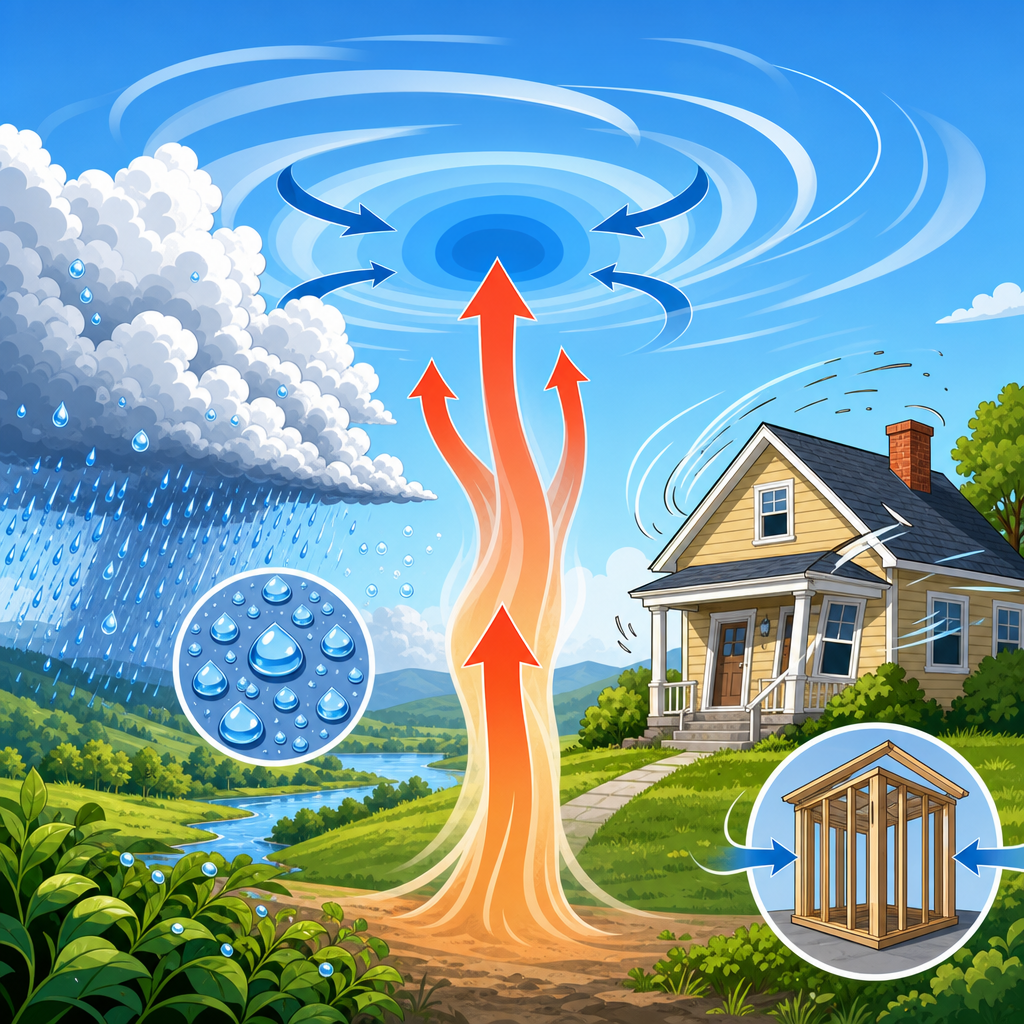
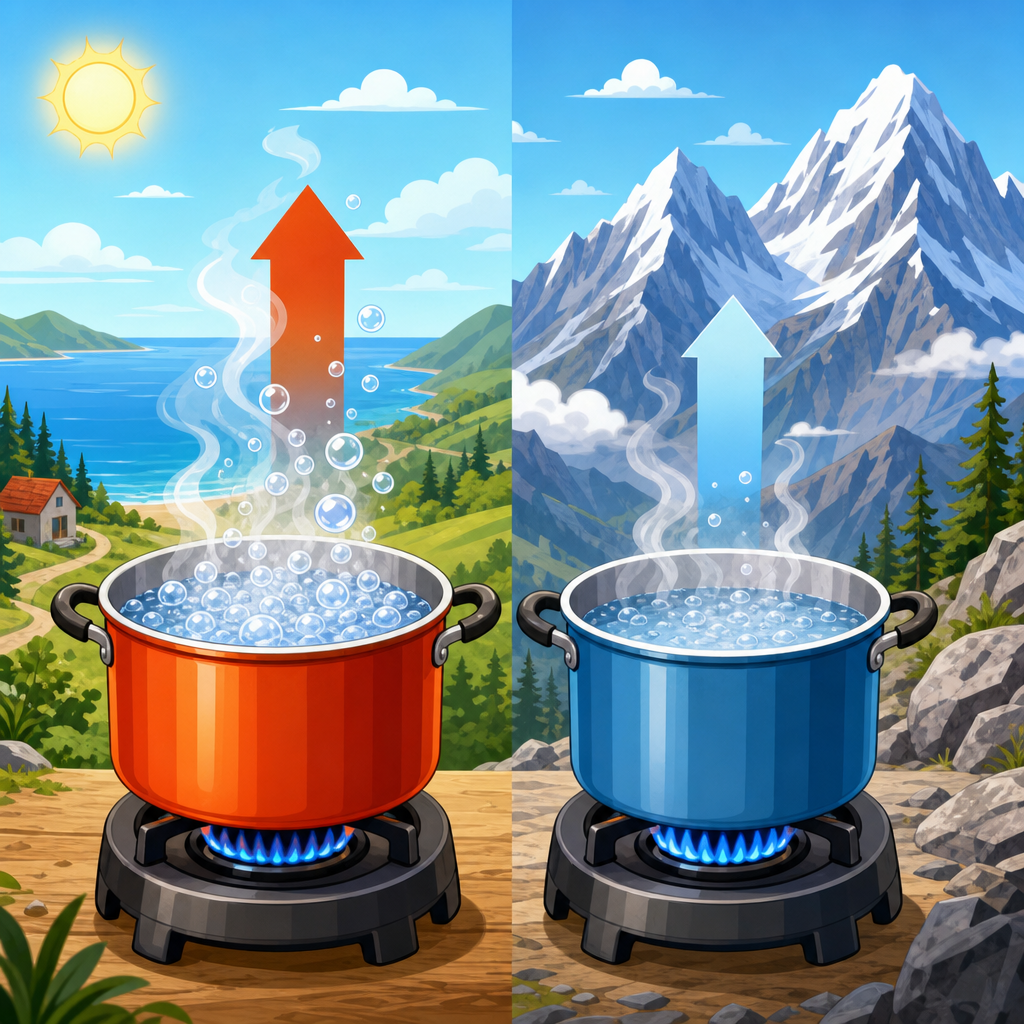
Altitude affects baking because atmospheric pressure drops as elevation increases. Lower pressure allows gases in batters and doughs to expand more quickly, and it lowers the boiling point of water. At 5,000 feet, water boils at roughly 202 degrees Fahrenheit instead of 212 degrees at sea level. That ten-degree difference matters. Moisture evaporates faster, sugar concentrates sooner, and starches and proteins may not set before a cake rises too far and falls. In wheat baking, gluten can help trap gas and hold shape during this unstable period. In gluten-free baking, the structure must come from eggs, starch gelatinization, hydrocolloids such as xanthan gum or psyllium husk, dairy proteins, or other binders. That makes every altitude shift more visible.
The practical effects show up fast. Cakes may dome aggressively, then sink in the center. Cookies often spread less if dough dries before fats fully melt, but some formulas spread more if sugar and butter liquefy before starches set. Muffins can develop coarse tunnels because leavening gases expand too quickly. Yeast breads may overproof before the crumb has enough strength to support oven spring. Pie crusts dry out rapidly during mixing and rolling. Gluten-free bakers often describe these issues as random, but they usually trace back to four altitude fundamentals: faster expansion, faster evaporation, delayed setting, and increased sensitivity to formula balance.
The core ingredients altitude stresses most
In gluten-free baking, flour is never just flour. Most blends combine starches such as tapioca, potato, arrowroot, or cornstarch with whole-grain flours like rice, sorghum, millet, oat, buckwheat, or teff. At altitude, starch-heavy blends can create dramatic lift at first, then collapse because they gelatinize late relative to the speed of gas expansion. Whole-grain blends often hold moisture better, but they can turn dense if hydration is not increased enough. This is why one all-purpose blend may work for cookies at 7,000 feet yet fail in layer cakes.
Binders become more important as elevation rises. Xanthan gum improves gas retention and crumb elasticity, but too much creates gumminess, especially when extra liquid is added. Psyllium husk can strengthen bread dough and improve slicing, though it also increases water demand substantially. Eggs contribute protein structure and emulsification, so many high-altitude gluten-free formulas use an extra white rather than a whole extra egg to add setting power without too much fat. Sugar is another pressure point. It tenderizes, holds moisture, delays starch gelatinization, and raises the temperature at which structure sets. At altitude, a recipe with generous sugar can rise beautifully and still fall because the batter remains fluid too long. Fat, meanwhile, can either help tenderness or weaken structure if the formula is already underbound.
How to adjust leavening, liquid, sugar, and oven temperature
The most reliable way to adapt gluten-free recipes for altitude is to change several variables together rather than making one dramatic substitution. Start with leavening. Above about 3,500 feet, reduce baking powder or baking soda modestly so gas expansion does not outrun structure. A common starting point is reducing baking powder by 1/8 to 1/4 teaspoon per teaspoon in cakes and muffins, then testing. For yeast doughs, use slightly less yeast and shorten proofing time; the dough often needs stronger shaping and earlier baking rather than a larger rise.
Next, increase liquid. Because evaporation happens faster and many gluten-free flours absorb slowly, I usually add 1 to 4 tablespoons of extra milk, water, or buttermilk per cup of flour blend depending on the recipe and elevation. Batters should often look slightly looser than they would at sea level. Then consider sugar. Lowering sugar by 1 to 2 tablespoons per cup can improve set in cakes, especially chiffon, sponge, and high-ratio formulas. Finally, raise oven temperature slightly, often by 15 to 25 degrees Fahrenheit, so starches and proteins set sooner before the batter overexpands. The goal is not a hotter bake for color; it is earlier structural set.
| Issue | Why it happens at altitude | Useful gluten-free adjustment |
|---|---|---|
| Cake rises then sinks | Gas expands quickly before starches and egg proteins set | Reduce leavening, lower sugar slightly, raise oven temperature |
| Muffins are dry | Moisture evaporates faster and bake time may run long | Add extra liquid, reduce bake time slightly, cover after cooling |
| Quick bread tunnels | Overexpansion from excess leavening | Cut baking powder modestly and avoid overmixing |
| Yeast bread overproofs | Fermentation and gas expansion outpace structure | Use less yeast, proof shorter, bake sooner |
| Cookies bake hard | Dough loses water before spread and set balance stabilizes | Add yolk or liquid, chill briefly, monitor pan color |
Recipe-specific fixes for cakes, cookies, muffins, and breads
Not every baked good responds the same way. Gluten-free cakes are usually the most fragile at altitude because they depend on foam stability, emulsification, and timed setting. For butter cakes, cream less aggressively than you would at sea level to avoid trapping excessive air. For oil-based cakes, rest the batter for ten to fifteen minutes before baking so rice flour and starches hydrate fully. For sponge and angel food styles, use a slightly firmer meringue and avoid overfolding, but also avoid chasing maximum volume; moderate volume with better stability wins at altitude.
Cookies are more formula dependent. High-butter, high-sugar cookies may need a little more flour blend or a short chill so they do not overspread before setting. On the other hand, low-moisture gluten-free cookies often become crumbly above 5,000 feet, so an extra yolk, a tablespoon of milk, or a small increase in brown sugar can help. Muffins and quick breads benefit from reduced leavening and increased hydration, but they also need full baking. Because gluten-free crumbs can seem set before they are fully stabilized, checking internal temperature helps. Many loaf-style quick breads perform best when the center reaches around 205 to 210 degrees Fahrenheit.
Yeast baking requires a separate mindset. Gluten-free bread dough is usually more like a thick batter or paste than kneadable wheat dough. At altitude, proof by volume and feel, not by time. A pan loaf that rises to just above the rim may be ready even if the original recipe says another twenty minutes. Overproofed gluten-free loaves commonly bake with a mushroom top, then sink or wrinkle as they cool. Strong pan support, psyllium-based structure, and prompt baking are usually more effective than adding more yeast.
Mixing methods, pans, and measurement habits that improve consistency
Small process details matter more at altitude than many bakers expect. Weighing ingredients is the first upgrade I recommend. A cup of rice flour can vary enough by scooping method to change hydration and structure, and those differences are amplified in dry mountain air. A digital scale, an oven thermometer, and an instant-read probe thermometer are basic tools for reliable results. I also encourage bakers to track room humidity, flour blend brand, and exact elevation in a notebook. A recipe that works at 4,200 feet may still need refinement at 8,000 feet.
Pan choice also influences outcomes. Dark metal pans absorb more heat and can set edges too quickly while the center remains understructured, which increases doming and collapse in cakes. Light-colored aluminum is generally more forgiving. For cupcakes and muffins, filling wells slightly less than you would at sea level can reduce overflow and peaked tops. For layer cakes, using cake strips or lowering batter depth sometimes produces more even baking. In breads, lidded pullman pans can improve shape retention for soft sandwich loaves.
Mixing should be deliberate, not timid. Unlike wheat batters, many gluten-free systems need enough mixing to hydrate gums and distribute starches evenly. However, excessive whipping creates too much air for altitude. I often mix cake batter until smooth, then rest it briefly before panning. That simple pause lets bubbles equalize and flours absorb water, which can reduce grittiness and improve dome control.
Common mistakes, realistic expectations, and how to build a dependable formula
The most common mistake is changing only one variable after a failed bake. If a gluten-free cake sinks at altitude, adding more flour alone may create a dry, tight crumb without fixing the real issue. Another frequent mistake is using generic advice meant for wheat recipes. Standard altitude guidance helps, but gluten-free formulas need extra attention to hydration, binder level, and starch behavior. I also see bakers overcorrect by cutting leavening too much, which produces squat, dense results that are no improvement over collapse.
It helps to define success realistically. A high-altitude gluten-free muffin may never develop the exact same crown as a wheat bakery muffin. A sandwich loaf may need a softer top crust to stay flexible for slicing. The goal is not imitation at any cost; it is a stable, tender, flavorful result that suits the product. Building that result is a test-and-record process. Change one cluster at a time: first leavening and oven temperature, then liquid, then sugar, then binder. Evaluate rise, crumb, moisture retention on day two, and slicing quality. Standards from King Arthur Baking, the USDA’s historical high-altitude guidance, and manufacturer notes from blend makers provide useful baselines, but your kitchen conditions still decide the finish line.
How altitude affects gluten-free baking is ultimately a question of structure versus expansion. At higher elevations, batters rise faster, lose water sooner, and set later relative to their speed of lift. Because gluten-free recipes rely on starches, eggs, gums, and careful hydration instead of gluten, they react more dramatically to those changes. The good news is that the pattern is predictable. Reduce leavening modestly, add liquid strategically, lower sugar when needed, and raise oven temperature enough to set structure earlier. Use scales, thermometers, detailed notes, and pan choices that support even baking. Most important, adapt by product type, because cakes, cookies, quick breads, and yeast loaves each fail for slightly different reasons at altitude.
Once you treat altitude as part of the formula rather than an obstacle, gluten-free baking becomes far more consistent. You can produce cakes that hold their crumb, muffins that stay moist, cookies with better texture, and breads that slice cleanly instead of collapsing. Start with one favorite recipe, apply the adjustments outlined here, and document every change. That disciplined approach is the fastest path to dependable high-altitude gluten-free baking and a stronger foundation for every other recipe in your kitchen.
Frequently Asked Questions
Why does gluten-free baking change so much at high altitude?
High altitude changes baking because the air pressure is lower, and that affects nearly every part of the process. Gases expand more quickly, liquids evaporate faster, batters can dry out sooner, and baked goods often rise before their structure is strong enough to hold them up. In a conventional wheat recipe, gluten helps trap gas and stabilize the crumb as the product sets. In gluten-free baking, that safety net is missing. Instead, structure comes from starches, eggs, proteins, gums such as xanthan or guar, and careful moisture management. That makes gluten-free formulas especially vulnerable when altitude speeds up expansion and moisture loss.
In practical terms, this is why a cake that is reliable at sea level may rise beautifully at first in Denver, then sink in the center. It is also why muffins can dome too fast, crack, and turn dry, or why cookies may spread oddly and bake up fragile. Above about 3,000 feet, boiling occurs at a lower temperature, so moisture leaves the batter earlier and starches and proteins may not set at the same pace you expect. The result is often a mismatch: too much lift too early, not enough structure, and not enough retained moisture. That combination is exactly what makes high-altitude gluten-free baking feel unpredictable until you begin adjusting formulas intentionally.
What are the most important recipe adjustments for gluten-free baking above 3,000 feet?
The most important changes usually involve reducing leavening, increasing liquid slightly, adjusting oven temperature, and sometimes adding a bit more structure. At altitude, baking powder and baking soda can make a batter rise too quickly, so cutting them back is often the first correction. A modest reduction helps prevent overexpansion and collapse. Extra liquid is also important because water evaporates faster in dry, high-altitude air, and gluten-free flours and starches can become dry or gritty if they do not stay hydrated long enough during baking.
Many bakers also increase the oven temperature slightly so the batter or dough sets sooner, before the expanded gases escape. That can be especially helpful with cakes, quick breads, and muffins. Depending on the recipe, you may also need a little more egg, an extra egg white, or a slightly higher proportion of protein-rich flour to improve structure. In some cases, reducing sugar helps too, since sugar can weaken structure and delay setting, which becomes more noticeable at altitude. For gluten-free recipes, even small changes matter. A tablespoon or two of extra liquid, a slight cut in leavening, or a short rest period to hydrate the flour blend can make the difference between a stable crumb and a collapsed bake.
Why do gluten-free cakes, muffins, and breads often collapse or turn dry at altitude?
Collapse and dryness are two of the most common high-altitude problems, and they often come from opposite sides of the same issue: the batter rises too fast and loses moisture too quickly. Because gases expand more readily in lower air pressure, a gluten-free batter can puff up dramatically in the oven before the starches, eggs, and gums have formed enough internal support. Once that fragile structure cools or the steam escapes, the center falls. This is especially common in recipes with generous leavening, high sugar, or a lot of trapped air from overmixing.
Dryness happens because liquid evaporates faster at altitude, and gluten-free baked goods are already more dependent on moisture for tenderness and shelf life. Many gluten-free flour blends contain rice flour, starches, or other absorbent ingredients that can feel dry if hydration is even slightly off. At high elevation, the outside may set and brown before the inside has finished baking properly, leaving you with a crumb that is dry at the edges, gummy in the center, or stale quickly after cooling. To prevent both problems, bakers usually reduce leavening, increase liquid, avoid overbeating air into the batter, and watch baking time carefully. It also helps to let batters rest briefly before baking so the flours and starches absorb moisture more evenly.
Do different gluten-free flours react differently to altitude?
Yes, and this is one reason high-altitude gluten-free baking can feel more complex than simply changing the oven temperature. Different gluten-free flours absorb water differently, provide different levels of protein, and contribute different textures. Rice flour can become dry or gritty if underhydrated. Tapioca starch can add stretch and chew, but too much may make a product gummy or overly springy. Potato starch tends to hold moisture well, while sorghum, oat flour, millet, buckwheat, almond flour, and other ingredients each behave in distinct ways under high heat and faster evaporation.
At altitude, those differences become more pronounced because the balance between moisture, expansion, and structure is tighter. A blend that works beautifully near sea level may need more liquid in a dry mountain climate or a slightly stronger structural component if it tends to rise and then sink. Flour blends with more whole-grain or higher-protein ingredients often behave differently from blends that rely heavily on refined starches. Likewise, recipes using almond flour or other higher-fat ingredients may retain moisture better, while starch-heavy blends may need more careful hydration. The key is to think of your flour blend as part of the recipe’s engineering. If you change the blend, the altitude adjustments may need to change too. Consistency comes from testing one variable at a time and keeping notes on what each flour combination does in your environment.
How can I successfully convert a sea-level gluten-free recipe for high altitude?
The best way to convert a sea-level gluten-free recipe is to make controlled, gradual adjustments instead of changing everything at once. Start by identifying the recipe type, because cakes, cookies, muffins, yeast breads, and brownies all respond differently. For most cakes and quick breads, begin by slightly reducing baking powder or baking soda, adding a little more liquid, and increasing the oven temperature modestly so the structure sets faster. If the recipe is very sweet, consider reducing sugar a bit as well. If the crumb is fragile, an extra egg white, a touch more binder, or a flour blend with slightly more protein may improve stability.
Then test the recipe and evaluate specific symptoms. If it rises too fast and sinks, reduce leavening more. If it bakes up dry, increase liquid or shorten the bake slightly. If the texture is gummy, it may need a bit more bake time, a better hydration rest before baking, or a different starch balance. Keep detailed notes on your altitude, room humidity, pan size, oven temperature, and exact ingredient weights, because gluten-free baking is sensitive enough that small inconsistencies can confuse the results. It is also smart to weigh ingredients rather than rely only on volume measurements. Once you approach altitude conversion as a process of balancing lift, moisture, and structure, sea-level recipes become much easier to adapt reliably, even in places well above 3,000 feet.