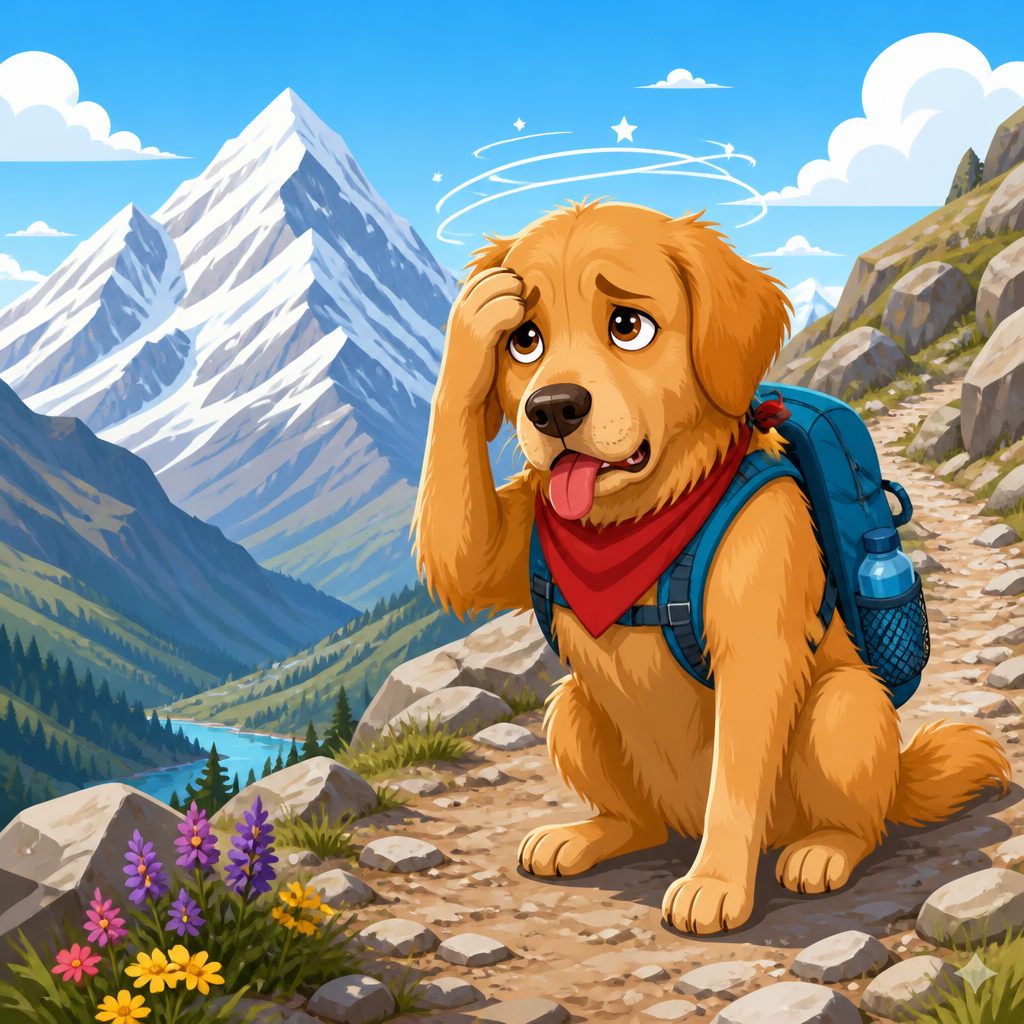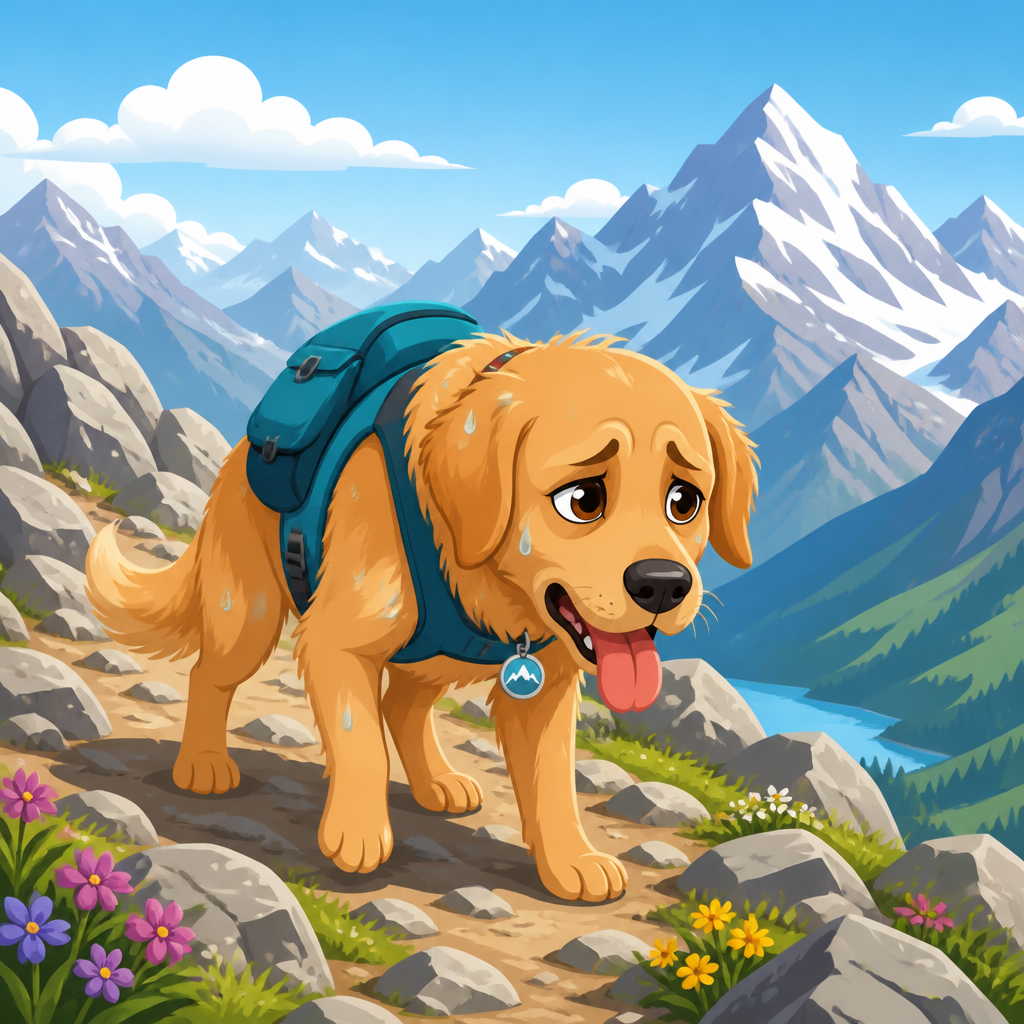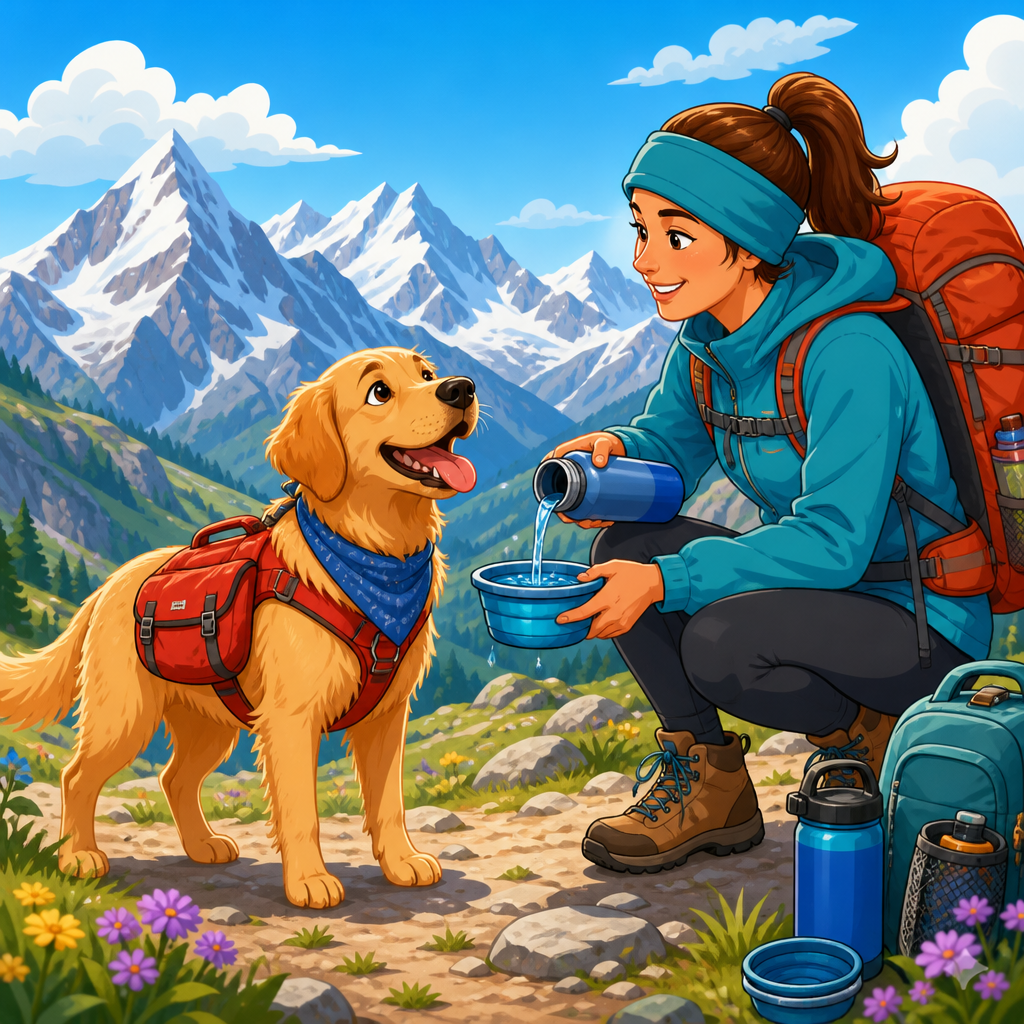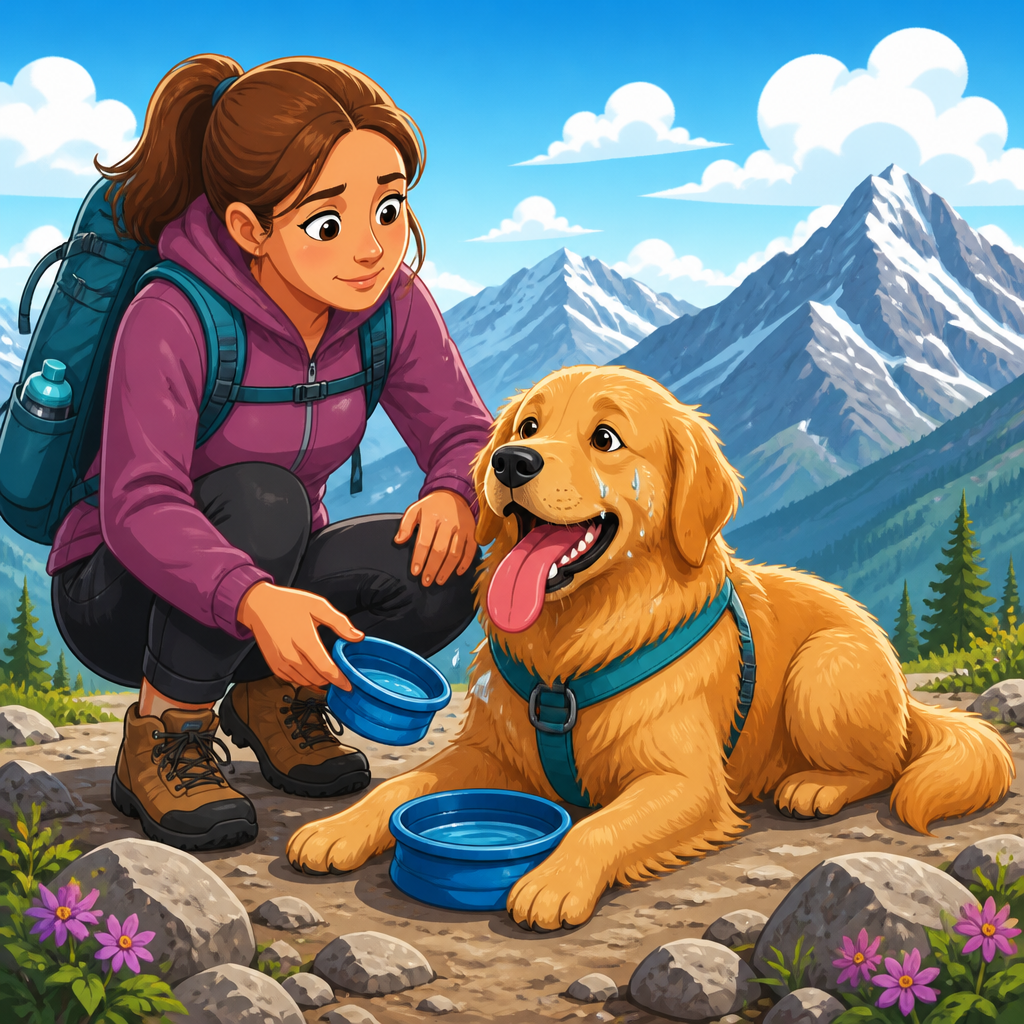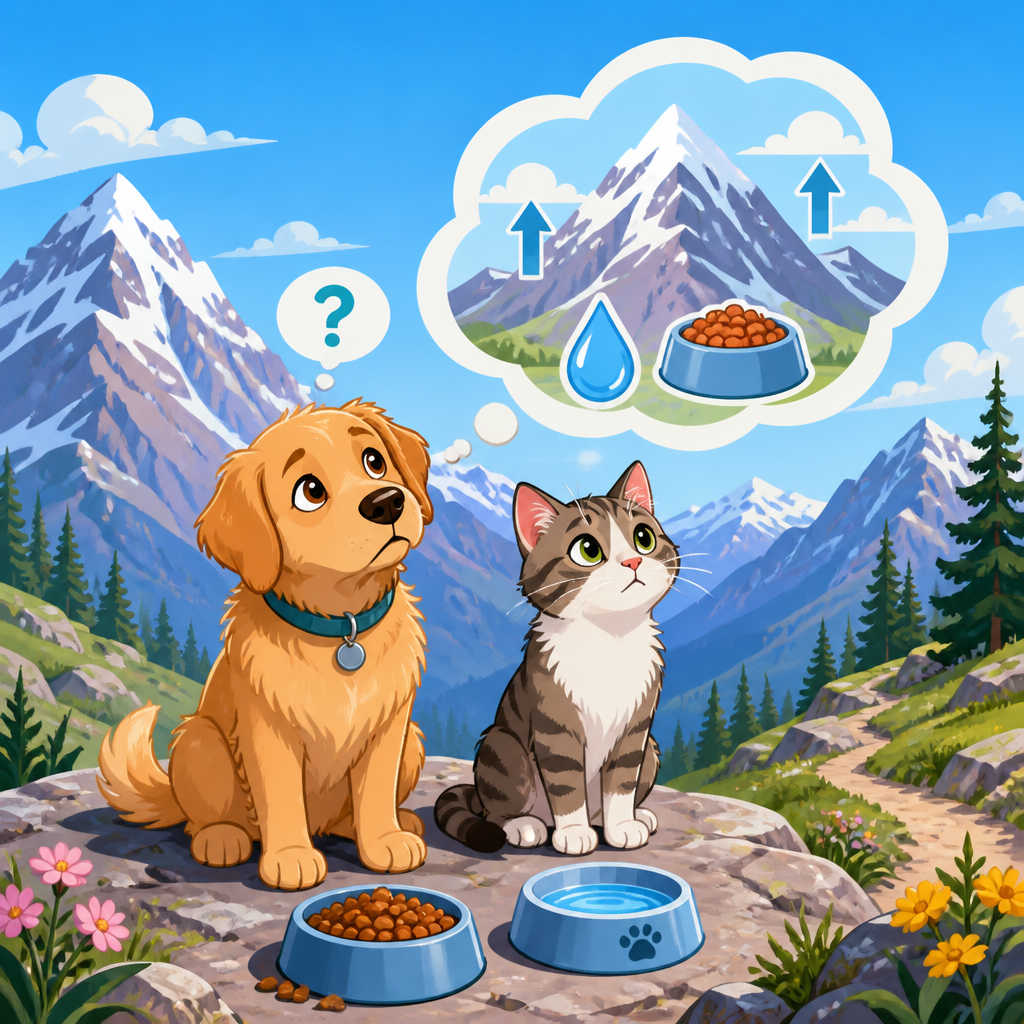
Altitude can affect pet appetite and water intake, and for many dogs and cats the change is noticeable within the first day of travel. Higher elevation means lower barometric pressure and less available oxygen, which alters breathing rate, fluid balance, digestion, activity tolerance, and sometimes behavior. In practice, I have seen pets that ate eagerly at sea level become hesitant at 7,000 feet, while others drank more because the air was colder, drier, and more dehydrating. Those shifts are usually temporary, but they matter because appetite and hydration are basic indicators of pet health and because travel, boarding, hiking, and relocation can turn a mild adjustment into a medical problem if owners are unprepared.
Pet health and planning, in this context, means preparing for routine care, travel, environmental change, emergencies, and chronic conditions before they disrupt a pet’s normal habits. Appetite is the willingness to eat enough food to meet energy needs. Water intake is the amount of fluid a pet voluntarily consumes in a day, separate from moisture obtained through canned food or raw diets. Altitude generally refers to elevations above about 5,000 feet, where physiologic effects become more likely, although some sensitive pets show changes lower than that. The key point is simple: altitude does not affect every pet equally, but it can influence both hunger and thirst through predictable mechanisms.
Understanding those mechanisms helps owners make better decisions. A pet that skips one meal after a mountain drive may only need rest, a familiar food, and easy access to water. A brachycephalic dog with noisy breathing, lethargy, and poor intake at the same elevation may need immediate veterinary care. This article serves as a practical hub for pet health and planning by explaining why appetite and water intake change, which pets face the highest risk, how to monitor normal versus abnormal adjustment, and what preventive steps make altitude travel safer. It also connects the wider planning issues that responsible owners should think through long before a trip or move.
Why altitude changes appetite and thirst in pets
The main reason altitude affects pets is reduced oxygen availability. As elevation rises, the percentage of oxygen in the air stays about the same, but the pressure drops, so each breath delivers less oxygen. Dogs and cats compensate by breathing faster and increasing cardiovascular effort. That work can temporarily suppress appetite, especially in the first twenty-four to seventy-two hours. The same pattern is well documented in humans at elevation, and the veterinary effect is similar: the body prioritizes adaptation over digestion. Pets may also feel mild nausea, fatigue, or stress, all of which make food less appealing.
Water needs often increase at altitude for several reasons. Mountain air is usually drier, and pets lose more moisture through panting and respiration. Increased breathing rate alone can raise insensible water loss. If the environment is cold, owners sometimes assume dehydration is less likely, but cold dry air still dehydrates. Exercise compounds the effect. A dog that hikes at 8,000 feet while panting heavily can lose fluid quickly even when ambient temperatures are moderate. Cats may be harder to assess because they tend to hide signs of thirst and may avoid unfamiliar bowls, hotel rooms, or carriers.
Digestive changes add another layer. Travel stress, motion, altered routines, and feeding at unusual times can lower appetite independently of altitude. That is why the question is not only whether elevation changes eating and drinking, but how altitude interacts with the whole travel environment. In my experience, owners often blame altitude alone when the more accurate picture includes car sickness, excitement, reduced sleep, new smells, and a missed bathroom routine. Good planning separates those variables and prevents overreaction.
Which pets are most affected by altitude
Not every pet responds the same way. Brachycephalic breeds such as Bulldogs, Pugs, Boston Terriers, Persian cats, and Himalayan cats are at higher risk because their shortened airways already make breathing less efficient. Senior pets can struggle because of lower physiologic reserve. Puppies and kittens may dehydrate faster. Pets with heart disease, collapsing trachea, chronic bronchitis, asthma, laryngeal paralysis, anemia, obesity, or anxiety deserve extra caution. A fit young mixed-breed dog may handle 6,000 feet with little change, while an overweight French Bulldog may show distress on the same day.
Activity level matters too. Working dogs, sporting dogs, and highly driven companions often keep moving despite early fatigue, which can hide a problem until dehydration is significant. Cats usually face a different challenge: they may simply stop eating enough when the environment changes. A cat that consumes mostly dry food is especially vulnerable because lower food intake often means lower total water intake. Small mammals, birds, and rabbits can also be affected by heat, stress, and dehydration during mountain travel, but dogs and cats are the most common concern because owners bring them on trips more often.
One useful rule is to think in terms of risk stacking. Altitude plus strenuous exercise plus warm weather plus a flat-faced breed plus anxiety is very different from altitude alone. Owners who plan well evaluate the whole stack before departure, not after the pet refuses dinner.
Normal adjustment versus warning signs
A mild, temporary decrease in appetite can be normal during the first one to two days at higher elevation, particularly after a long drive or flight. Some pets drink a little more than usual; others drink less initially because the setting is unfamiliar, then increase intake once settled. Normal adjustment should still include alertness, interest in surroundings, urination at a reasonable frequency, pink gums, and gradual return toward baseline eating. The pet may be quieter than usual, but should not appear distressed.
Concerning signs include repeated vomiting, diarrhea, refusal of water, weakness, labored breathing, blue or gray gums, collapse, coughing, disorientation, or no interest in food beyond twenty-four hours in a dog or even shorter in a cat with any medical history. Cats are particularly vulnerable to hepatic lipidosis if they stop eating for more than a brief period. If a pet has preexisting heart or lung disease, any respiratory change at altitude warrants prompt veterinary advice. At very high elevations, dogs can also develop high-altitude pulmonary hypertension or fluid accumulation in the lungs, though this is uncommon in ordinary recreational travel.
| Situation | What you may see | What to do |
|---|---|---|
| Expected adjustment | One small missed meal, mild fatigue, slightly increased thirst | Rest, offer familiar food, monitor water, limit activity for 24 to 48 hours |
| Needs veterinary advice soon | Little interest in food for a day, reduced urination, vomiting once or twice, notable anxiety | Call a veterinarian, review medications, check hydration, stop strenuous exercise |
| Emergency concern | Breathing difficulty, collapse, blue gums, repeated vomiting, refusal to drink | Seek urgent veterinary care immediately |
How to support appetite and hydration at elevation
The best prevention starts before travel. I advise owners to keep the diet unchanged for at least a week before departure, bring the usual bowls, pre-measure meals, and carry more water than they think they need. Familiarity matters. Pets often eat better from their home bowl and drink better when offered the same water source they know. For dogs on hikes, collapsible bowls are fine, but many drink more readily from a stable bowl at rest stops. For cats, shallow ceramic or stainless-steel bowls can improve acceptance.
Acclimation should be gradual whenever possible. If you can spend a night at an intermediate elevation before going higher, that helps many pets. Once you arrive, keep the first day quiet. Skip the long trail run, the rough play session, and the tourist schedule that leaves the dog in a car between activities. Offer small, frequent meals rather than one large portion. Slightly warming wet food can increase aroma and improve intake. Adding water to canned food or soaking kibble can support fluid consumption, provided the pet tolerates it and the food is not left out long enough to spoil.
Hydration monitoring is more reliable than guessing. Owners should know their pet’s baseline habits. A practical benchmark for dogs and cats is roughly 40 to 60 milliliters of water per kilogram of body weight per day, though diet, temperature, exercise, and disease can shift that number. Pets eating canned diets may drink less from a bowl because the food already contains substantial moisture. Signs that suggest dehydration include tacky gums, sunken eyes, reduced skin elasticity, lethargy, and concentrated urine, but these signs can be subtle. Counting bathroom breaks, observing urine color, and measuring how much water disappears from a bowl are more useful than waiting for obvious dehydration.
Travel planning, medical planning, and when to call the vet
Good pet health and planning means treating altitude as one factor in a larger care system. Before travel or relocation, schedule a veterinary check if your pet has any breathing, heart, kidney, or metabolic issue. Ask whether current medications could affect hydration or acclimation. Diuretics, for example, may complicate fluid balance. If your dog gets car sick, address that before the trip because nausea sharply reduces appetite and can mimic altitude problems. For anxious pets, behavior medication or pheromone support may protect both food intake and water intake by lowering stress.
Emergency preparation should be concrete. Locate the nearest veterinary clinic and 24-hour hospital at your destination. Pack medical records, vaccine dates, current prescriptions, a thermometer if you know how to use one, and enough food for the entire trip plus extra. If your pet eats a therapeutic diet for kidney disease, urinary disease, allergies, or gastrointestinal conditions, do not assume you can buy it locally. Sudden diet changes are one of the fastest ways to create vomiting, diarrhea, and reduced intake, especially under travel stress.
Owners should call a veterinarian promptly if a pet has sustained poor appetite, drinks dramatically less or more than usual, vomits repeatedly, has diarrhea with lethargy, or shows any respiratory effort. It is also wise to seek advice early for cats that skip meals, for brachycephalic dogs at elevations above their norm, and for pets with chronic disease. The goal is not alarm; it is timing. Early intervention is simpler than treating advanced dehydration, aspiration, heat stress, or worsening cardiopulmonary strain.
Building a complete pet health and planning routine
Altitude is a useful example of why pet health planning should be proactive year-round rather than reactive only during trips. The same habits that protect a pet in the mountains also improve outcomes at home: tracking normal appetite, noting daily water intake trends, keeping weight records, updating preventive care, and reviewing emergency contacts. I recommend that owners know the pet’s resting breathing rate, normal stool quality, preferred foods, medication schedule, and usual urination pattern. Those baseline facts make changes easier to spot and easier for a veterinarian to interpret.
This hub topic also includes routine wellness exams, parasite prevention, vaccination timing, dental care, senior screening, safe exercise progression, seasonal hazard planning, boarding preparation, disaster readiness, and end-of-life decision support. Appetite and water intake sit at the center of all of those areas because they are early indicators of pain, stress, infection, organ disease, and environmental mismatch. A dog that drinks more may have simple post-hike dehydration, but the same sign can point to kidney disease, diabetes, Cushing’s disease, or medication effects. A cat that eats less at altitude may be mildly stressed, or may be revealing nausea, dental pain, or a chronic illness that had been easy to miss at home.
The most effective owners are observant, consistent, and prepared. If you are planning mountain travel, boarding, or a move to higher elevation, use this article as your starting point: review your pet’s baseline, discuss risks with your veterinarian, pack familiar food and water options, and monitor closely during the first forty-eight hours. Small adjustments in planning can keep a temporary altitude-related dip in appetite or thirst from becoming a preventable health crisis.
Frequently Asked Questions
Can high altitude really make a dog or cat eat less or drink differently?
Yes. Altitude can absolutely change both appetite and water intake in pets, and those changes are often noticeable within the first 24 hours of travel. At higher elevations, barometric pressure drops and there is less oxygen available with each breath. That shift can affect a pet’s breathing rate, circulation, digestion, energy use, and overall comfort level. In practical terms, some dogs and cats seem mildly “off” at altitude before they show any obvious signs of illness. A pet that normally eats enthusiastically at sea level may become slower to approach food, pick at meals, or skip one entirely. At the same time, the colder, drier air common at elevation can increase water loss through breathing, which may lead some pets to drink more than usual.
Not every pet reacts the same way. Some drink more, some drink less at first because they are distracted or uncomfortable, and some show no change at all. Cats can be especially subtle, and a small drop in appetite may be the first clue that the environment is affecting them. Dogs that are excited by travel, hiking, or new surroundings may also eat less simply because stimulation and mild exertion override hunger. The key point is that altitude-related shifts in appetite and thirst are common, usually mild, and often temporary, but they should still be monitored closely because hydration and caloric intake matter even more when the body is adapting to elevation.
How quickly do appetite and thirst changes happen after arriving at a higher elevation?
For many pets, the change begins the same day they arrive. A dog or cat may seem normal during the drive or flight and then become less interested in food that evening, or start seeking water more frequently overnight. The body starts responding to altitude right away. Breathing patterns may change, the airways lose more moisture with increased respiration, and activity can feel more tiring than usual. Even a healthy pet can need time to adjust to these environmental differences, especially if the elevation gain is significant.
In most mild cases, the adjustment period lasts a day or two. Some pets settle in quickly and resume normal eating and drinking habits once they rest, rehydrate, and get familiar with the new environment. Others may take several days, particularly older pets, very active dogs, brachycephalic breeds, pets with anxiety, or animals with underlying heart, lung, or kidney conditions. If a pet refuses multiple meals, vomits, seems weak, pants excessively at rest, or shows labored breathing, that is no longer just a simple adjustment issue. In those cases, the timing matters because persistent symptoms soon after ascent may signal altitude intolerance, dehydration, gastrointestinal upset, or another medical concern that deserves prompt veterinary attention.
Why does altitude affect appetite and water intake in the first place?
The main reason is physiology. Higher elevation means lower atmospheric pressure, which reduces the amount of oxygen available to the body. Pets compensate by breathing faster or more deeply, and that increased respiratory effort can change how much moisture they lose. Dry mountain air can further increase fluid loss, even when temperatures feel cool. A pet may therefore need more water than usual just to maintain normal hydration. At the same time, altitude can influence circulation, stomach comfort, activity tolerance, and stress hormone levels, all of which can affect interest in food.
There is also a behavioral component. Travel itself changes routine, and pets often associate appetite with predictability. New smells, unfamiliar lodging, altered feeding times, car travel, reduced sleep, and increased excitement can all suppress normal eating behavior. Cats may hide and ignore food in a new space, while dogs may focus on the environment instead of their bowl. If a pet is mildly nauseated, tired, or breathing harder than usual, appetite can drop further. So while altitude is the trigger many owners notice, the full picture usually includes both environmental physiology and travel-related stress. That is why a pet may eat less yet still seem bright, or drink more without appearing seriously ill.
What can pet owners do to help maintain normal eating and hydration at higher elevations?
The best approach is to make the transition gradual and low-stress whenever possible. Offer frequent access to fresh water and bring the pet’s usual bowl, food, and feeding routine from home. Familiarity helps. For dogs, encourage calm drinking throughout the day rather than waiting until after strenuous activity. For cats, consider multiple water stations, a pet fountain, or adding moisture to meals if they already tolerate canned food. Feeding smaller, more frequent meals can work better than offering one large portion, especially if the pet seems hesitant or mildly nauseated. It is also wise to limit intense exercise for the first day or two so the body can acclimate before long hikes, vigorous play, or extended outdoor time.
Owners should also watch the environment closely. Indoor heating, dry air, long travel days, and increased physical exertion can all worsen fluid loss. Bringing water on walks, offering rest breaks, and monitoring urine output can help catch dehydration early. If a pet has a history of motion sickness, anxiety, heart disease, respiratory disease, kidney problems, or previous trouble at altitude, speak with a veterinarian before the trip. In some cases, preventive strategies or travel medications may be appropriate. Most importantly, do not assume a pet is “just being picky” if reduced appetite is paired with lethargy, vomiting, diarrhea, disorientation, or breathing changes. Supportive care at home is often enough for mild adjustment, but worsening symptoms need professional evaluation.
When is a change in appetite or water intake at altitude a reason to call a veterinarian?
Mild, short-term changes can be normal, but there are clear situations where veterinary advice is the right next step. Contact a veterinarian if your pet refuses food for more than a day, drinks dramatically less than normal, cannot keep water down, vomits repeatedly, develops diarrhea, seems unusually weak, or has dry gums, sunken eyes, or other signs of dehydration. Increased water intake can also become concerning if it is excessive rather than modest, especially if it continues beyond the initial adjustment period or is paired with frequent urination, restlessness, or accidents in the house. Those patterns can point to more than simple altitude adaptation.
Breathing changes deserve especially careful attention. Rapid breathing at rest, pronounced panting without exertion, coughing, distress, pale or bluish gums, collapse, confusion, or difficulty walking are urgent warning signs. Pets with flat faces, seniors, very small puppies or kittens, and animals with heart or lung disease can be less tolerant of reduced oxygen and may decompensate faster. If the pet’s condition improves quickly with rest and hydration, continued monitoring may be sufficient, but if signs are persistent or intensifying, seek veterinary care as soon as possible. In general, a temporary dip in appetite or modest increase in thirst can happen at elevation; a pet that looks unwell, acts distressed, or does not rebound promptly should not be watched passively.