Electrolytes at altitude: when water alone is not enough is a practical reality for hikers, skiers, climbers, endurance athletes, and travelers who discover that thirst behaves differently above sea level. Hydration is the process of replacing body water lost through breathing, sweat, and urine, while electrolytes are charged minerals, mainly sodium, potassium, chloride, magnesium, and calcium, that regulate fluid balance, nerve signaling, muscle contraction, and acid-base control. At altitude, lower air pressure and lower humidity increase respiratory water loss, cold can suppress thirst, and exercise often becomes harder even at slower paces. In my work with mountain travelers, the most common mistake is assuming that carrying plenty of plain water solves the problem. It helps, but it does not address sodium losses, dilution risk, gastrointestinal tolerance, or the performance drop that comes when fluid intake and electrolyte intake are mismatched.
Altitude matters because the body starts adapting as soon as you ascend. Breathing rate rises to compensate for reduced oxygen availability, which increases insensible fluid loss through the lungs. Many people also urinate more during the first day or two at elevation, a response linked to early acclimatization. Add dry cabin air on flights, long transfers, caffeine, alcohol, sun exposure, and heavy layers that hide sweat, and dehydration can build quietly. That does not mean everyone needs a sports drink at all times. It means hydration and electrolytes must be matched to conditions, duration, intensity, sweat rate, and food intake. This hub explains how electrolytes work at altitude, when water alone is enough, when it is not, and how to build a simple plan that supports energy, recovery, sleep, and safer decision-making in the mountains.
Why altitude changes hydration needs
The short answer is that altitude increases water loss while making the normal signals less reliable. At 2,500 meters and above, ventilation increases, so every exhalation carries out more water vapor. The air is usually colder and drier, which accelerates evaporation from both skin and lungs. During uphill movement, people often breathe through the mouth, further increasing respiratory losses. Early altitude exposure can also trigger altitude diuresis, meaning more frequent urination. Together, these factors can produce a meaningful fluid deficit even on cool days when sweat never feels obvious.
There is also a behavioral problem. Cold suppresses thirst, gloves make bottles inconvenient, and alpine schedules often start before dawn, when few people want to drink. I routinely see trekkers arrive at camp with headaches, dark urine, reduced appetite, and unusual fatigue, then assume they are simply feeling the altitude. Sometimes altitude is the cause, but mild dehydration often compounds the same symptoms. Water deficits can worsen perceived exertion, reduce endurance, make sleep feel less restorative, and increase the chance of cramping or dizziness. None of this means dehydration directly causes altitude illness, but it can make an already stressed system function worse.
One more complication is overdrinking. Concern about dehydration leads some people to force liters of plain water with very little sodium intake. That can dilute blood sodium concentration, especially during long efforts with heavy sweating. The result may be bloating, nausea, headache, confusion, and in severe cases exercise-associated hyponatremia, a medical emergency. At altitude, where symptoms can overlap with acute mountain sickness, getting the balance right matters more than simply drinking more.
What electrolytes actually do
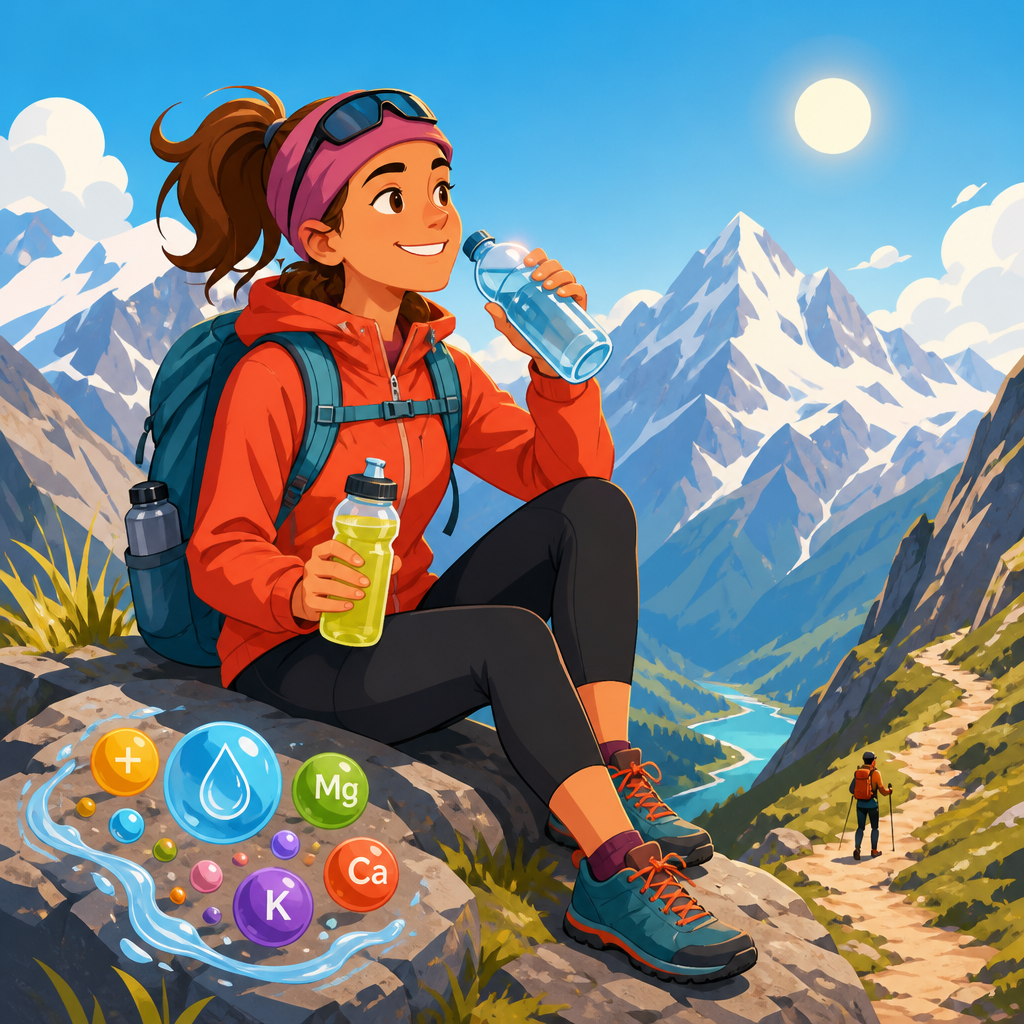
Electrolytes are not a marketing buzzword. They are minerals that carry electrical charges in body fluids and tissues. Sodium is the primary extracellular electrolyte and the key regulator of fluid balance. It helps the body retain and distribute water, supports nerve conduction, and drives absorption of glucose and fluid in the intestine through sodium-glucose cotransport. Chloride works with sodium to maintain fluid balance and stomach acid production. Potassium is the main intracellular electrolyte and is essential for muscle contraction and heart rhythm. Magnesium contributes to neuromuscular function and energy metabolism, while calcium supports muscle contraction and cellular signaling.
At altitude, sodium deserves the most attention because it is the electrolyte most heavily lost in sweat and the one most likely to become relatively diluted if fluid intake exceeds sodium replacement. Potassium matters too, but most people can meet potassium needs through normal food intake, including potatoes, bananas, beans, dairy, and dried fruit. Magnesium is often marketed aggressively for cramps, yet true magnesium deficiency is not the usual driver of exercise cramps during a mountain day. In practice, the biggest variables are total fluid, sodium intake, carbohydrate availability, and pacing.
The quality of an electrolyte product depends on context. For short, easy walks with regular meals, plain water may be enough. For long climbs, hot approaches, repeated ski laps, or multi-hour runs above treeline, a drink or food source providing sodium becomes more useful. Products vary widely: some tablets contain only 200 to 300 milligrams of sodium per liter, while some endurance mixes provide 700 to 1,000 milligrams or more. There is no universal best formula. The right concentration depends on sweat rate, sweat sodium, duration, and how much sodium is coming from meals and snacks.
When water alone is enough and when it is not
Water alone is usually enough for low-intensity outings under about sixty to ninety minutes in cool conditions when you start well hydrated and eat normally afterward. It is also generally enough during a rest day at altitude if meals include soups, bread, cheese, salted rice, or other everyday sodium sources. Many people overcomplicate hydration for short efforts and end up carrying products they do not need.
Water alone is often not enough during longer sessions, especially above 2,500 meters, in dry or sunny weather, or during efforts that cause steady sweating. As a practical rule, once an outing stretches beyond two hours, includes a pack, or leaves you unable to eat a proper meal for several hours, sodium replacement should move from optional to deliberate. That does not always mean a sports drink. Broth, salted potatoes, jerky, pretzels, ramen, rice balls with soy sauce, and oral rehydration solutions can all work. The important point is that fluid intake should be paired with some sodium and, for sustained exercise, some carbohydrate.
| Situation | Likely need | Practical example |
|---|---|---|
| Short easy hike, cool weather, under 90 minutes | Mostly water | 500 to 750 mL water, normal meal before or after |
| 2 to 4 hour hike or ski tour | Water plus sodium | 1 bottle water, 1 bottle electrolyte mix, salty snack |
| All-day climb or run | Fluid, sodium, carbohydrate | 500 to 750 mL per hour as tolerated, 300 to 700 mg sodium per hour, steady fuel |
| Acclimatization day with headache and poor appetite | Small frequent fluids and sodium-rich foods | Soup, tea, oral rehydration solution, fruit, crackers |
These are starting points, not rigid prescriptions. Smaller athletes in cold weather may need less. Heavy sweaters, larger athletes, and people moving in sun-exposed terrain may need more. The easiest way to personalize the plan is to track body weight before and after a training session, note total intake, and observe whether urine stays pale yellow rather than completely clear or consistently dark.
How to estimate electrolyte and fluid needs
Fluid needs at altitude are highly individual, but field estimates work well. For most active adults during mountain exercise, hourly fluid intake often lands between 400 and 800 milliliters, with some people needing more in hot or very dry conditions. Drinking beyond thirst can be useful during hard efforts when thirst lags, but forcing large volumes is risky. Aim to limit body mass losses to roughly 2 percent during long outings while avoiding post-exercise weight gain, which suggests overdrinking.
Sodium needs vary even more. Typical sports nutrition guidance often starts around 300 to 600 milligrams of sodium per hour for moderate to heavy sweaters during longer exercise. Salty sweaters or very long events may require 700 to 1,000 milligrams per hour, especially in heat. At altitude, I usually start clients near the middle of that range and adjust based on conditions, visible salt on clothing, cramping history, gastrointestinal comfort, and whether they finish an outing ravenous for salty foods. This is more reliable than copying a label recommendation.
Food matters because drinks are only one part of electrolyte replacement. A cup of broth can provide 700 to 900 milligrams of sodium. Instant noodles, deli wraps, cheese, pickles, and salted nuts can all meaningfully contribute. That is why a climber drinking plain water but eating salty snacks may be better balanced than a partner sipping weak electrolyte water with almost no food. Hydration planning works best when fluid, sodium, and calories are considered together rather than treated as separate checkboxes.
Best sources: drinks, foods, and oral rehydration options
For most mountain days, there are three practical options. The first is a standard electrolyte drink designed for exercise. Look for clear sodium amounts on the label, not vague claims. A useful range is often 300 to 700 milligrams of sodium per liter, with higher concentrations for heavy sweat losses. The second option is a carbohydrate-electrolyte drink, which can improve fluid absorption and supply energy during long efforts. These are especially useful when altitude suppresses appetite and chewing solid food becomes unappealing. The third option is using plain water alongside salty foods. This works well for hikers and climbers who prefer simple systems.
Oral rehydration solutions deserve special mention. They were designed for medical rehydration and use a precise balance of sodium and glucose to enhance intestinal absorption. They can be excellent after gastrointestinal illness, a long travel day, or a bout of vomiting at altitude. They are usually saltier than sports drinks and may contain more sodium than needed during ordinary exercise, so they are best used strategically rather than continuously all day.
Avoid relying on coconut water, low-sodium wellness drinks, or magnesium-heavy products as your main strategy. Many of these are low in sodium, which is the electrolyte most likely to limit effective rehydration after heavy sweating. Also be careful with very concentrated mixes. Strong drinks can slow gastric emptying and worsen nausea, a problem that becomes more likely when exertion is hard and altitude already unsettles the stomach.
Special cases: altitude illness, sleep, and recovery
Hydration does not prevent acute mountain sickness, and drinking excessive water will not cure it. The proven approach to altitude illness remains gradual ascent, appropriate acclimatization, reduced exertion on arrival, and descent if symptoms worsen. Still, smart hydration supports the process. Headache, fatigue, and poor appetite become harder to manage when someone is both newly acclimatizing and mildly dehydrated. Small, regular doses of fluid, sodium-rich foods, and easily digested carbohydrates often help people feel functional enough to keep eating and resting.
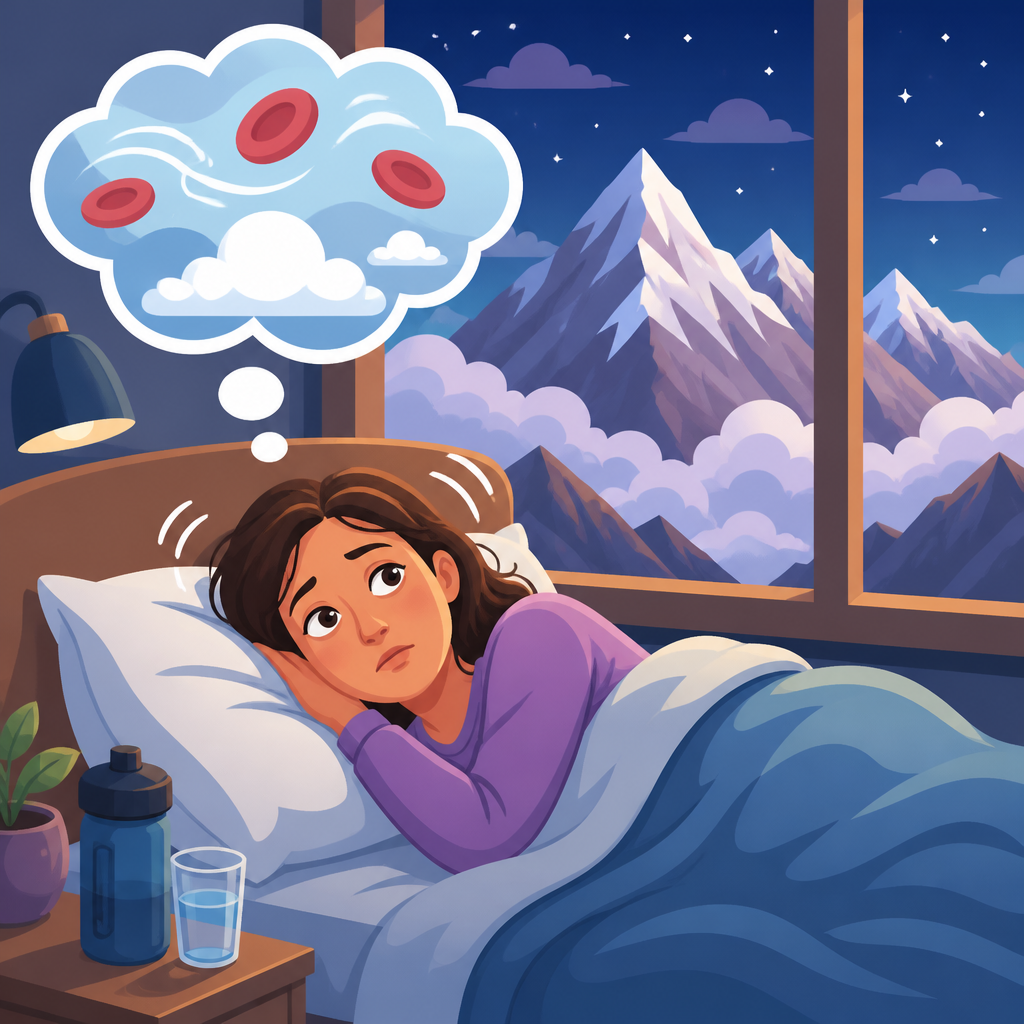
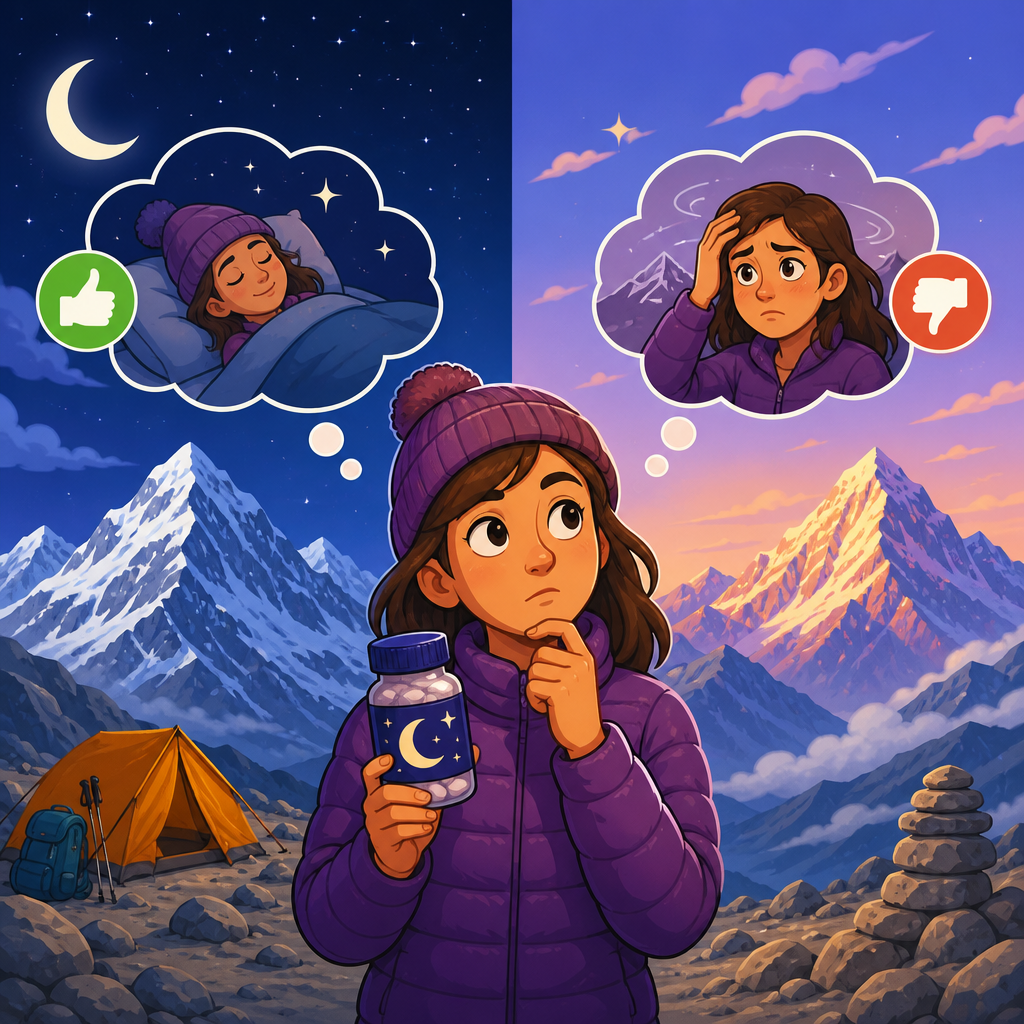
Sleep is part of the hydration story. Altitude commonly causes lighter sleep and more awakenings. Drinking huge amounts late in the evening only adds bathroom trips and sleep disruption. A better approach is front-loading fluid earlier in the day, taking a moderate sodium-containing drink with dinner if needed, and keeping a small bottle by the bed instead of chugging liters at night. On multi-day trips, recovery improves when you replace fluid steadily after the day’s effort, eat a normal salty meal, and start the next morning already close to euhydrated.
There are groups who need extra caution. People with hypertension, kidney disease, heart failure, or those using diuretics should discuss sodium and fluid strategies with a clinician before a high-altitude trip. Athletes taking nonsteroidal anti-inflammatory drugs should also be careful, because these medications can affect kidney function and fluid handling, especially during dehydration. For them, individualized planning matters more than generic sports drink advice.
Common mistakes and a simple mountain hydration plan
The mistakes I see most are starting the day underhydrated, carrying only water for long efforts, waiting until thirst is intense, choosing products with almost no sodium, and ignoring food. Another common error is judging hydration entirely by urine color. It is useful, but cold exposure, supplements, and recent fluid intake can distort it. Better markers are a combination of thirst, energy, urine trend, body weight change across training sessions, and whether performance drops unusually fast.
A simple plan works. The day before a big climb or hike, drink regularly and eat balanced meals with normal salt. Two to three hours before starting, have 400 to 600 milliliters of fluid with breakfast. During the outing, target an intake you know your stomach tolerates, often 400 to 800 milliliters per hour, and add sodium once the effort becomes long, sweaty, or food access is limited. Afterward, replace losses with drinks and a salty meal until thirst settles and urine returns to a normal pale yellow. Test this plan in training, not for the first time on summit day.
Water is essential at altitude, but it is not always sufficient. The higher and drier the environment, the longer the effort, and the lower your food intake, the more important electrolytes become, especially sodium. The goal is not to drink constantly or buy the strongest formula on the shelf. The goal is to match fluid and electrolytes to the demands of the day so that breathing, muscles, digestion, sleep, and decision-making all work better. If you are building your broader Sleep, Hydration & Nutrition system, start here: calculate your likely fluid range, choose one reliable sodium source, test it on training days, and refine from real results in the mountains.
Frequently Asked Questions
Why can hydration feel harder at altitude even when I am drinking plenty of water?
Hydration often feels more difficult at altitude because your body loses fluid in several ways that are easy to underestimate. The air is typically colder, drier, and thinner, which increases water loss through respiration as you breathe faster and deeper. Altitude can also trigger altitude-related diuresis, meaning you may urinate more frequently, especially during the first days after ascent. On top of that, physical activity such as hiking, skiing, climbing, or trail running adds sweat losses that may not be obvious because sweat evaporates quickly in dry mountain air. The result is that you can be steadily losing both water and electrolytes without feeling especially sweaty or thirsty.
Drinking only plain water may not fully solve the problem because hydration is not just about total fluid volume. Your body also needs the right balance of electrolytes, particularly sodium, to help retain and distribute fluid properly. If you replace large fluid losses with water alone, you may dilute sodium levels and reduce your body’s ability to maintain fluid balance. That is one reason people at altitude sometimes report headaches, fatigue, muscle cramps, lightheadedness, or poor performance even though they believe they are “drinking enough.” Effective hydration at elevation is about matching both fluids and electrolytes to your actual losses, not just increasing water intake.
What do electrolytes actually do at altitude, and why are they so important?
Electrolytes are minerals that carry an electrical charge and perform essential jobs throughout the body. The most important for altitude hydration are sodium, potassium, chloride, magnesium, and calcium. Sodium and chloride help regulate fluid balance inside and outside cells, support blood volume, and play a major role in helping the body absorb and retain water. Potassium is critical for nerve function and muscle contraction, including the heartbeat. Magnesium contributes to muscle and nerve signaling, energy production, and normal muscle relaxation. Calcium supports muscle contraction, nerve transmission, and many cellular processes.
At altitude, these roles become even more important because the environment increases stress on fluid regulation. Faster breathing causes greater water loss, physical exertion raises sweat losses, and appetite may fall, reducing electrolyte intake from food. If you are only replacing water, your fluid balance can become less stable, which may affect endurance, coordination, recovery, and overall well-being. Adequate electrolyte intake helps your body use the fluid you drink more effectively, supports neuromuscular function, and may reduce the risk of issues like cramping, dizziness, excessive fatigue, and poor exercise tolerance. In practical terms, electrolytes help make hydration work better rather than simply making you drink more.
How do I know when water alone is not enough at altitude?
Several signs suggest that plain water may not be meeting your needs. If you are drinking regularly but still feel persistently thirsty, washed out, weak, headachy, cramp-prone, or unusually fatigued, you may be replacing fluids without replacing enough electrolytes. Other clues include frequent urination with very clear urine combined with ongoing symptoms of dehydration or low energy, a drop in exercise performance, lightheadedness when standing, or feeling unable to “catch up” on hydration despite steady water intake. In athletes and mountain travelers, salty sweat residue on clothing or skin can also indicate meaningful sodium losses.
Context matters as well. Water alone is less likely to be enough if you are spending many hours at altitude, breathing hard during climbs, sweating under layered clothing, using a lot of caffeine, or experiencing gastrointestinal upset such as diarrhea or vomiting. Long days in the mountains, repeated back-to-back efforts, and limited food intake increase the likelihood that electrolyte replacement is needed. That said, symptoms at altitude can overlap with acute mountain sickness, overexertion, cold stress, or inadequate calorie intake. If symptoms are significant, worsening, or accompanied by severe headache, vomiting, confusion, shortness of breath at rest, or loss of coordination, the issue may be more serious than hydration alone and should be treated accordingly.
What is the best way to replace electrolytes at altitude during hiking, skiing, climbing, or endurance activity?
The best approach is a steady, practical strategy that combines fluids, electrolytes, and food rather than relying on one large correction later in the day. For many people, this means using an electrolyte drink, drink mix, tablets, or oral rehydration-style solution during longer or more intense efforts, especially if the outing lasts more than a couple of hours or involves heavy breathing, sweating, or sun exposure. Sodium is usually the priority electrolyte during activity because it is the main mineral lost in sweat and the one most closely tied to fluid retention and hydration effectiveness. Potassium, magnesium, and other minerals can be helpful as part of a balanced formula, but sodium typically does the heaviest lifting during prolonged exertion.
Food also matters. Broth, soups, salted snacks, sandwiches, cheese, pickles, nuts, dried fruit, potatoes, and recovery meals can all help replenish electrolytes and support energy needs. For all-day efforts or multi-day trips, pairing electrolyte-containing fluids with regular meals and snacks is often more effective than depending on water and a single supplement. Aim to drink consistently rather than forcing large amounts all at once, and adjust intake to weather, exertion, body size, and your personal sweat rate. A simple, useful goal is to maintain stable energy, avoid extreme thirst, and keep urine pale yellow rather than completely clear or dark. If you know you are a heavy sweater or tend to cramp, planning higher sodium intake can be especially beneficial.
Can you get too many electrolytes at altitude, and how can you stay balanced safely?
Yes, more is not always better. While too little electrolyte replacement can be a problem, excessive intake can also create issues, especially if you are using multiple products without paying attention to the total amount. Taking in very large amounts of sodium or concentrated supplements without enough fluid may worsen stomach upset, increase bloating, or leave you feeling even thirstier. Overusing magnesium supplements may cause diarrhea, which can further worsen dehydration. Some people with medical conditions such as kidney disease, high blood pressure, heart disease, or those taking certain medications need to be especially careful with electrolyte products and should follow individualized medical advice.
The safest approach is balance. Use electrolyte products in proportion to your activity level, sweat losses, and time at altitude rather than automatically taking the maximum possible amount. Read labels, avoid stacking several high-dose products unintentionally, and combine supplements with normal eating when possible. If your outing is short and easy, plain water plus regular meals may be enough. If it is long, strenuous, or conducted at high altitude in dry conditions, adding electrolytes becomes more useful. Pay attention to how you feel, monitor hydration patterns, and remember that altitude symptoms are not always caused by dehydration. When in doubt, especially if symptoms are severe or persistent, it is wise to reassess exertion, nutrition, acclimatization, and medical risk rather than assuming another bottle of water or another electrolyte packet will fix everything.