Nicotine and altitude create a difficult pairing because both affect oxygen delivery, breathing patterns, cardiovascular strain, sleep quality, and recovery. When people ask why a cigarette, vape, nicotine pouch, or gum feels different on a mountain than at sea level, the short answer is simple: altitude reduces the amount of oxygen available with every breath, while nicotine narrows blood vessels, raises heart rate, and stimulates the nervous system. Together, those effects can make exertion feel harder, sleep less restorative, and acclimatization less efficient. For hikers, skiers, climbers, endurance athletes, shift workers traveling to mountain towns, and anyone using nicotine while spending time above roughly 5,000 feet, understanding this interaction matters for performance and safety. It also matters for the broader conversation around substances and supplements, because nicotine rarely acts alone. It often sits beside caffeine, alcohol, cannabis, decongestants, energy drinks, sleep aids, electrolyte products, iron strategies, and high-carbohydrate fueling plans. In practice, I have seen travelers blame altitude alone for headaches, restless nights, and unusually slow recovery when nicotine was quietly amplifying each problem. This hub explains the physiology, the symptoms to watch, the tradeoffs across nicotine forms, and the practical steps that help people breathe easier and recover better at elevation.
How altitude changes breathing and oxygen delivery
Altitude lowers barometric pressure, which reduces the partial pressure of oxygen in the air. The percentage of oxygen remains about 21 percent, but each breath delivers fewer oxygen molecules into the lungs. That is why people breathe faster, notice shortness of breath sooner, and often see exercise pace drop even when they are fit. At 8,000 feet, arterial oxygen saturation commonly falls into the low to mid 90s at rest, and much lower during exertion. The body responds by increasing ventilation, raising heart rate, and shifting fluid balance. Over days to weeks, kidneys release erythropoietin, red blood cell production rises, and acclimatization gradually improves oxygen transport. None of that happens instantly.
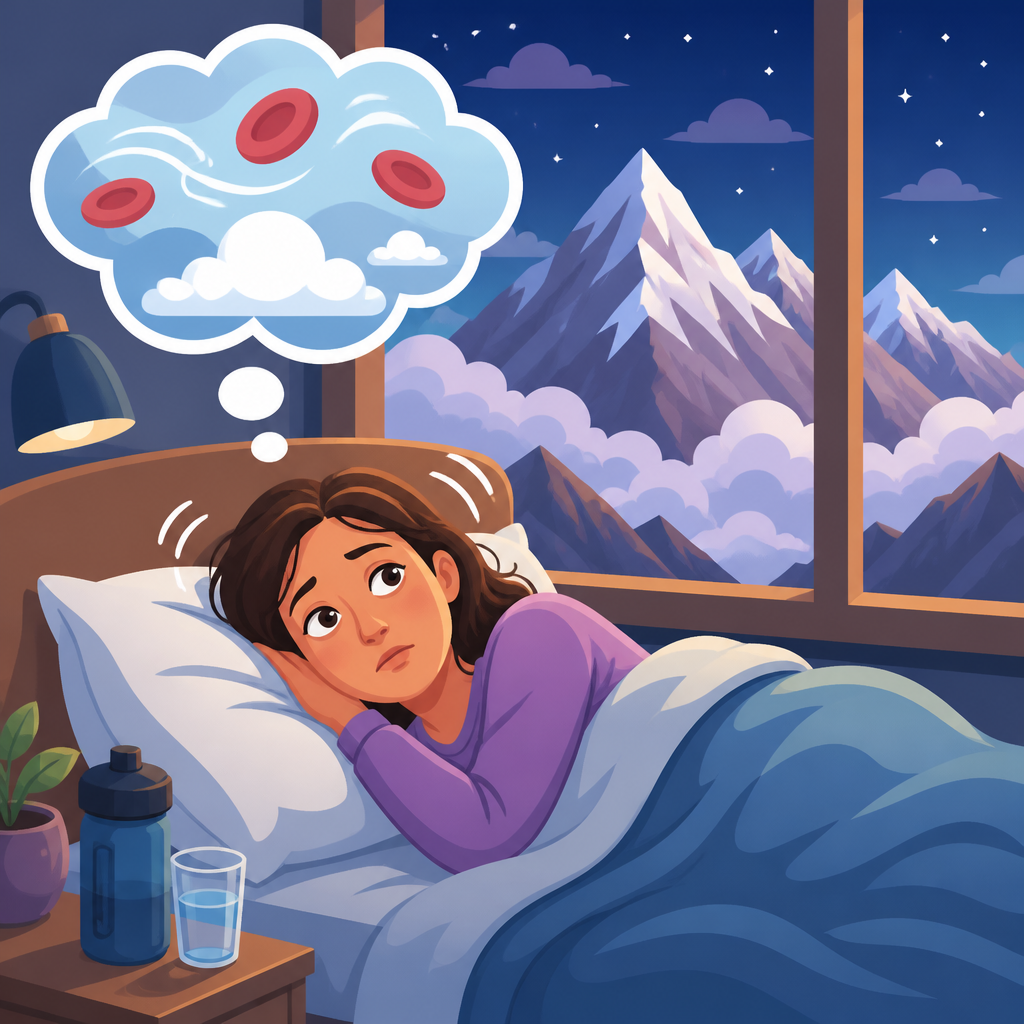
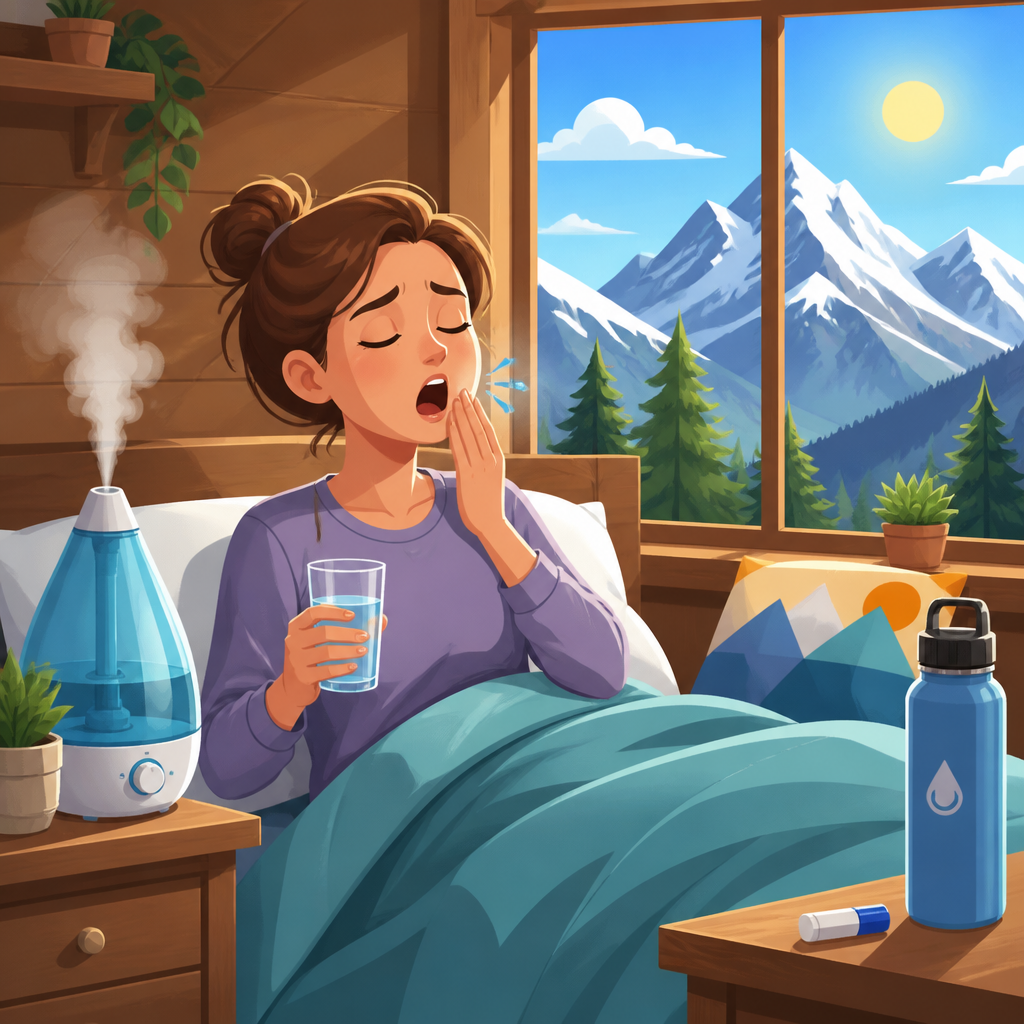
Recovery also becomes more fragile at elevation. Sleep is frequently lighter because periodic breathing increases, especially in the first nights after ascent. You may drift off, then wake with the sense that breathing changed, because it did. Dehydration develops faster in dry mountain air, and appetite can be blunted just when energy needs rise. Training load that feels routine at sea level can trigger a much higher internal stress response uphill. These are standard altitude effects, but they become more important when another factor, such as nicotine, pushes the same systems in the wrong direction.
What nicotine does to the body at altitude
Nicotine is a stimulant that activates nicotinic acetylcholine receptors, increases catecholamine release, and stimulates the sympathetic nervous system. In plain terms, it raises heart rate, can increase blood pressure, and causes vasoconstriction, which means blood vessels narrow. At sea level, users may notice a buzz, suppressed appetite, or mild alertness. At altitude, the same dose can feel stronger or less predictable because the body is already compensating for lower oxygen availability. When blood vessels constrict, tissue perfusion can be less efficient. When heart rate rises, the cardiovascular system works harder to deliver oxygen. When breathing becomes shallower from airway irritation or smoke exposure, the margin for comfort narrows further.
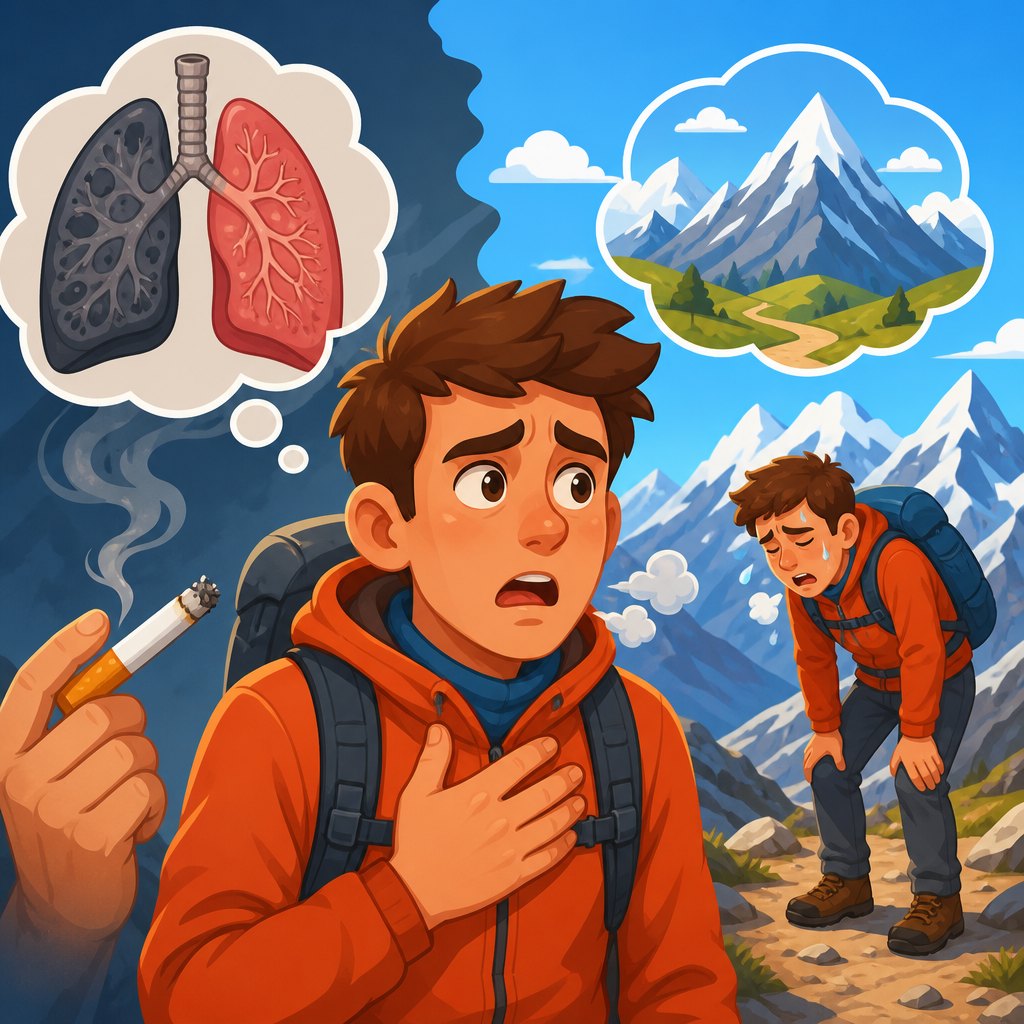
Combustible products create the largest additional burden because smoke introduces carbon monoxide. Carbon monoxide binds to hemoglobin with far greater affinity than oxygen, reducing oxygen-carrying capacity exactly when oxygen is already scarce. That is a direct reason smoking at altitude can worsen headache, fatigue, and exercise intolerance. Vaping removes carbon monoxide but not nicotine’s sympathetic effects, and aerosols may still irritate airways in susceptible users. Oral nicotine products avoid inhaled irritants, yet they still increase heart rate and can disturb sleep. No form is neutral at elevation, although some are clearly less harmful than others.
Why breathing feels harder and exercise drops faster
The most common complaint is that easy effort suddenly feels hard. There are several mechanisms behind that sensation. First, lower oxygen pressure reduces maximal oxygen uptake. Second, nicotine increases myocardial workload by elevating heart rate and blood pressure. Third, smoke or aerosol exposure can irritate the mouth, throat, and bronchial passages, making breathing feel less smooth. Fourth, vasoconstriction can impair blood flow distribution to working muscles and skin. The result is a steeper perceived exertion curve: hikers stop sooner, skiers recover more slowly between runs, and runners lose pace at heart rates that would usually feel manageable.
Altitude also magnifies small inefficiencies. A sea-level user may tolerate nicotine before a walk without obvious problems. At 9,000 feet, that same pre-activity dose can be the difference between steady climbing and repeated pauses. I have seen this repeatedly on mountain trips: one person blames poor fitness, but the pattern is more specific. Resting heart rate is elevated, breathing is fast on mild grades, and recovery after stopping is delayed. If the person also skipped breakfast because nicotine reduced appetite, glycogen availability falls and symptoms worsen. The interaction is not theoretical; it is visible in real pacing, higher strain, and slower rebound after effort.
Sleep, recovery, hydration, and appetite under combined stress
Recovery at altitude depends heavily on sleep, hydration, and energy intake, which is why this topic fits squarely within sleep, hydration, and nutrition. Nicotine disrupts all three. As a stimulant, it can delay sleep onset, fragment sleep architecture, and shorten total sleep time, particularly when used in the evening. Altitude already predisposes people to periodic breathing and lighter sleep. Stack nicotine on top, and the odds of waking unrefreshed rise sharply. Poor sleep then reduces ventilatory drive adaptation, increases perceived effort, and weakens next-day judgment around pacing and fueling.
Hydration is similarly affected. Mountain air is dry, respiratory water loss increases, and many travelers do not drink enough. Nicotine can suppress normal thirst cues in some users, while nausea from overuse may reduce fluid intake further. Appetite suppression is another major issue. At altitude, calorie needs often rise even as hunger falls. Nicotine can deepen that mismatch, leading people to underfuel long days outside. When carbohydrate intake is low, the body has less readily available energy for intense movement, and recovery takes longer. Protein also matters, but in practice the biggest preventable problem I see is simple under-eating because nicotine dulls hunger and mountain schedules disrupt meals.
Comparing cigarettes, vaping, pouches, gum, and patches
Different nicotine products carry different altitude risks. The key distinction is whether the product adds inhaled toxins or carbon monoxide, how quickly nicotine peaks, and whether it interferes with sleep or hydration habits. Cigarettes are the worst choice at elevation because they combine nicotine with carbon monoxide and airway irritants. Cigars and hookah carry similar concerns, often with the false perception that occasional use is harmless. Vapes avoid carbon monoxide but still deliver nicotine rapidly, and frequent puffing can lead to unexpectedly high total exposure. Pouches, lozenges, and gum remove lung irritation, making them lower risk than smoking or vaping for breathing comfort, but they still stimulate the cardiovascular system and may cause nausea if overused. Patches provide steadier dosing and can help people reduce peaks and cravings during travel, yet overnight wear may intensify vivid dreams and sleep disruption.
| Product | Main altitude concern | Relative impact on breathing and recovery |
|---|---|---|
| Cigarettes | Carbon monoxide, smoke irritation, rapid nicotine peaks | Highest; worsens oxygen delivery and exercise tolerance |
| Vapes | Rapid dosing, airway irritation, frequent re-dosing | High; less than smoking, but still meaningful |
| Nicotine pouches or lozenges | Sympathetic stimulation, nausea, appetite suppression | Moderate; easier on lungs, still affects recovery |
| Gum | Dose variability, GI upset if chewed incorrectly | Moderate; useful for tapering if timed carefully |
| Patch | Continuous stimulation, possible sleep disturbance | Lower peak strain; can aid cessation planning |
Interactions with caffeine, alcohol, cannabis, supplements, and medications
Nicotine is only one piece of the substances and supplements picture. Caffeine deserves the closest attention because it also stimulates the nervous system. Moderate caffeine can support alertness and endurance, but high doses paired with nicotine at altitude often feel jittery, raise heart rate further, and worsen sleep if used late. Alcohol is different: it can deepen dehydration, impair thermoregulation, and fragment sleep while lowering judgment about effort and weather exposure. Cannabis may alter perception of breathlessness and coordination, which is a poor match for technical terrain. Decongestants such as pseudoephedrine can add more sympathetic stimulation; that matters for travelers managing sinus pressure on ascent.
On the supplement side, iron is relevant only when deficiency is confirmed or strongly suspected, because iron supports hemoglobin production during acclimatization. It is not a universal fix and should not be taken blindly. Carbohydrate supplements, sports drinks, sodium strategies, and oral rehydration products are usually more immediately useful than exotic altitude pills. Acetazolamide, a prescription medication, can improve acclimatization by stimulating ventilation, but it does not cancel out nicotine’s downsides. If someone wants the practical hierarchy, it is this: avoid smoking, reduce nicotine peaks, protect sleep, hydrate deliberately, eat enough carbohydrate and total calories, and be cautious with stacking stimulants.
Warning signs, practical strategies, and when to get medical help
The symptoms that deserve attention are persistent headache not relieved by rest and fluids, unusual shortness of breath at rest, chest pain, marked dizziness, blue lips, confusion, vomiting, or a major drop in exercise capacity compared with companions at the same pace. These can suggest more than ordinary altitude discomfort. High-altitude illness ranges from acute mountain sickness to the more serious high-altitude pulmonary edema and high-altitude cerebral edema. Nicotine does not directly cause these conditions, but it can complicate the picture by worsening oxygen stress, impairing sleep, and delaying recognition of how poorly someone is adapting.
The most effective strategy is simple: if you use nicotine and are going to altitude, reduce or stop before ascent if possible. Even cutting back meaningfully helps. Avoid smoking entirely during the trip. Do not use nicotine close to bedtime. Keep caffeine moderate, especially after noon on the first days. Drink regularly, but do not force extreme amounts; use urine color and body weight trends as rough guides. Eat carbohydrate early in the day and after exertion. Ascend gradually when you can, with lighter training on day one and day two. If symptoms escalate, stop ascending, rest, and descend if needed. For people who want better breathing and recovery at altitude, the clearest win is to treat nicotine as a real physiological stressor, not a minor habit, and plan accordingly before the mountain exposes the cost.
Frequently Asked Questions
Why does nicotine feel stronger or more uncomfortable at altitude?
Nicotine often feels different at altitude because your body is already working harder to adapt to thinner air. As elevation increases, the amount of oxygen available with each breath drops, so your heart and lungs have to compensate to keep tissues supplied. Nicotine adds another layer of stress by stimulating the nervous system, increasing heart rate, and narrowing blood vessels. That combination can make the usual buzz from a cigarette, vape, nicotine pouch, or gum feel sharper, less pleasant, or more physically noticeable than it does at sea level.
Many people describe feeling more lightheaded, short of breath, jittery, or nauseated after using nicotine in the mountains. That does not necessarily mean the nicotine product itself changed; it means the conditions in your body changed. At altitude, small shifts in oxygen delivery, circulation, and breathing can be felt more intensely, especially during hiking, skiing, climbing, or even walking uphill. If you are dehydrated, not well acclimatized, or already fatigued, the effects can stand out even more.
In practical terms, altitude lowers your margin for error. A dose of nicotine that feels routine at sea level may feel overstimulating when your system is under hypoxic stress. That is one reason people sometimes notice faster fatigue, an uncomfortably racing pulse, or a strange mismatch between effort and recovery after using nicotine in high places.
How do nicotine and altitude affect breathing and oxygen delivery together?
Altitude reduces oxygen availability because the air pressure is lower, which means less oxygen moves from the lungs into the bloodstream with each breath. Your body responds by breathing faster and increasing heart rate to move available oxygen where it is needed. Nicotine complicates that adaptation. It causes blood vessels to constrict, which can reduce efficient blood flow to muscles and other tissues, and it stimulates the cardiovascular system at the exact time your body is trying to conserve and distribute oxygen efficiently.
This matters during exercise and recovery. When you hike, climb, run, or exert yourself at altitude, your muscles depend on rapid oxygen delivery and waste removal. Nicotine can make that process less efficient by increasing cardiovascular strain and affecting circulation. You may feel winded sooner, need more frequent breaks, or notice that your breathing feels shallow, tight, or unsatisfying. Smokers may face an added disadvantage because smoke exposure can impair lung function and gas exchange even before altitude enters the picture.
The result is not just “feeling out of shape.” It is a real physiological stacking of stressors. Altitude asks your body to adapt to reduced oxygen, while nicotine can interfere with smooth circulation and increase the demand on the heart. Together, those effects can make breathing feel harder and can reduce your ability to perform and recover comfortably.
Can nicotine make altitude sickness symptoms worse or harder to recognize?
Yes, nicotine can make the overall experience at altitude feel worse, and it can sometimes blur the picture when you are trying to tell whether symptoms are from nicotine, exertion, poor sleep, dehydration, or altitude illness. Early altitude sickness symptoms often include headache, dizziness, nausea, fatigue, poor appetite, and disturbed sleep. Nicotine can also contribute to nausea, lightheadedness, headache, faster heart rate, and a generally uneasy or overstimulated feeling. That overlap can make it harder to recognize when your body is struggling with elevation.
Nicotine does not directly cause altitude sickness in the same way rapid ascent does, but it can add stress to the systems that are already under pressure. If nicotine raises your heart rate, disrupts your breathing comfort, worsens sleep, or contributes to dehydration through behavioral patterns such as reduced appetite or less fluid intake, it may leave you less resilient during acclimatization. In other words, even if nicotine is not the root cause, it can make adaptation less smooth.
If symptoms are progressing rather than improving with rest, hydration, and a pause in ascent, it is important not to dismiss them as “just the nicotine.” Persistent or worsening headache, vomiting, severe fatigue, confusion, chest symptoms, or shortness of breath at rest deserve prompt attention. At altitude, uncertainty should be taken seriously, especially when multiple stressors are in play.
Why do recovery, sleep, and next-day performance often get worse when using nicotine at altitude?
Recovery at altitude already takes a hit because the body spends more energy maintaining oxygen delivery, regulating breathing, and adapting during sleep. Nicotine can worsen that process in several ways. First, it is a stimulant, so it can increase alertness and make it harder to settle into deep, restorative sleep. Second, altitude commonly causes fragmented sleep and unusual breathing patterns on its own, especially in the first days after ascent. When nicotine is layered on top, people may sleep more lightly, wake more often, and feel less restored in the morning.
That poor sleep can translate into slower recovery, higher perceived effort, and lower exercise tolerance the next day. Muscles may feel heavier, heart rate may climb faster on climbs or training efforts, and mental sharpness may be reduced. Since altitude adaptation depends partly on rest and efficient overnight recovery, anything that disrupts sleep can amplify fatigue across several days. For athletes and mountain travelers, this can show up as reduced endurance, slower pacing, more frequent breaks, and an unusually hard time getting back to baseline after effort.
There is also the issue of cumulative strain. Nicotine can suppress appetite in some people, and altitude sometimes does the same. If you are eating less, sleeping worse, and asking your body to function in low-oxygen conditions, recovery tends to suffer. That is why even people who tolerate nicotine reasonably well at sea level may find that their sleep, energy, and performance deteriorate much more noticeably at higher elevations.
Is one form of nicotine safer at altitude than another, such as vaping, pouches, gum, or cigarettes?
No nicotine product becomes truly “safe” simply because it avoids smoke, but the type does matter in terms of what additional stress it places on the body. Cigarettes are generally the most problematic because they combine nicotine with combustion products that can irritate the lungs and impair breathing. At altitude, where oxygen uptake is already limited, anything that adds airway irritation or reduces lung efficiency can make the situation worse. For many people, smoking on a mountain feels harsher, causes more coughing or chest discomfort, and contributes more noticeably to shortness of breath.
Vaping removes combustion, but it still delivers nicotine and can irritate the airways in some users. Nicotine pouches and gum avoid direct inhalation, which may reduce lung-related effects, but they still deliver the core stimulant and vasoconstrictive effects of nicotine itself. That means faster heart rate, tighter blood vessels, and potentially more cardiovascular strain remain concerns no matter how the nicotine is used. In other words, switching forms may reduce one part of the problem, but it does not remove the altitude-nicotine interaction.
If someone chooses to use nicotine at altitude, the key is to understand that lower oxygen availability changes the context. Conservative use, close attention to symptoms, adequate hydration, sufficient food intake, and a slower ascent are all more important than usual. But from a physiological standpoint, the most altitude-friendly option is still reducing or avoiding nicotine altogether while acclimatizing and during demanding days in the mountains.