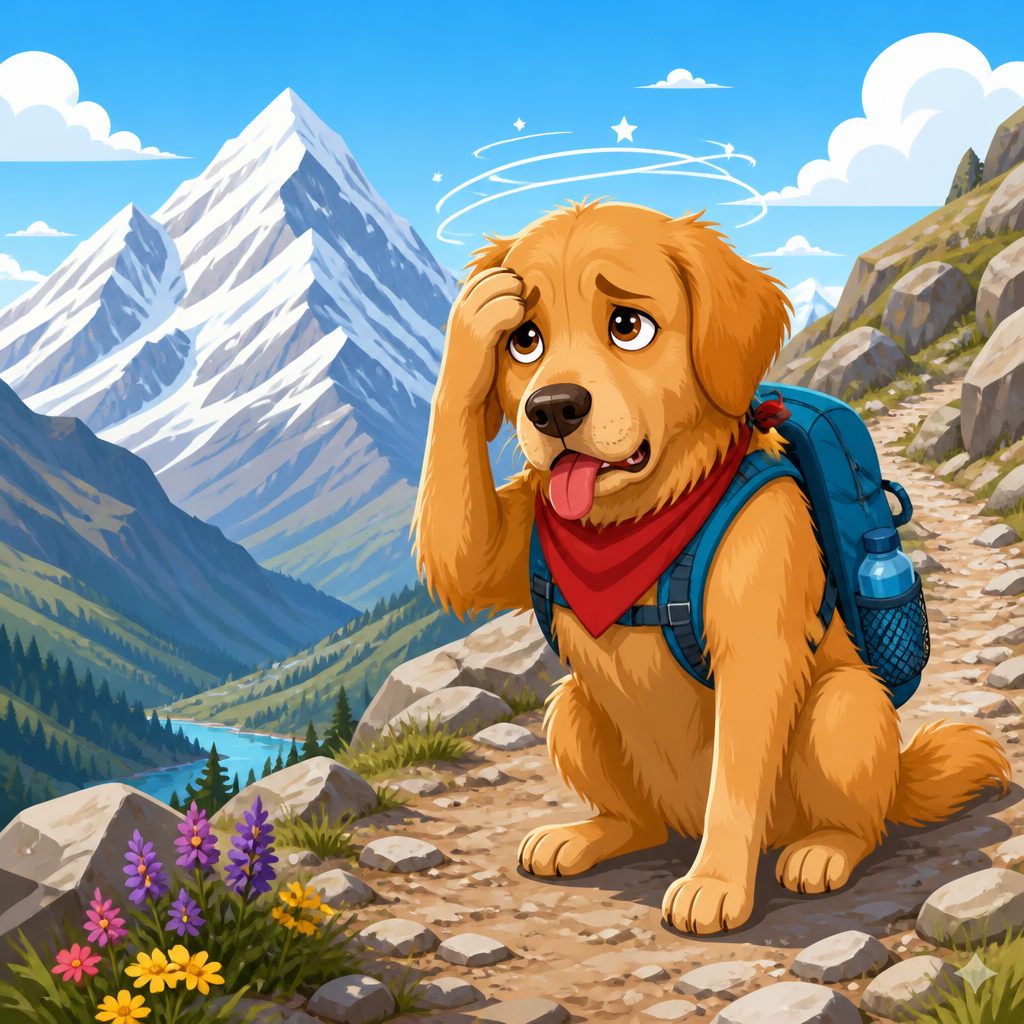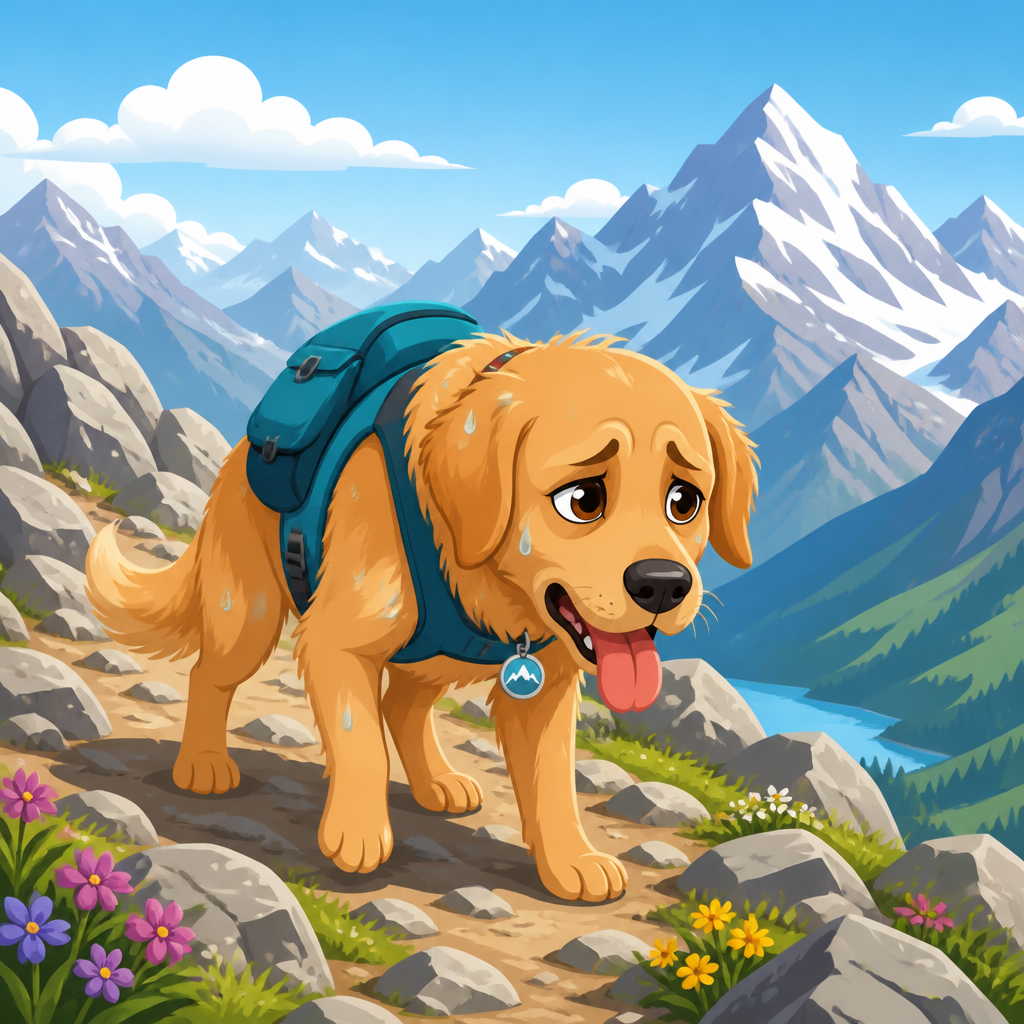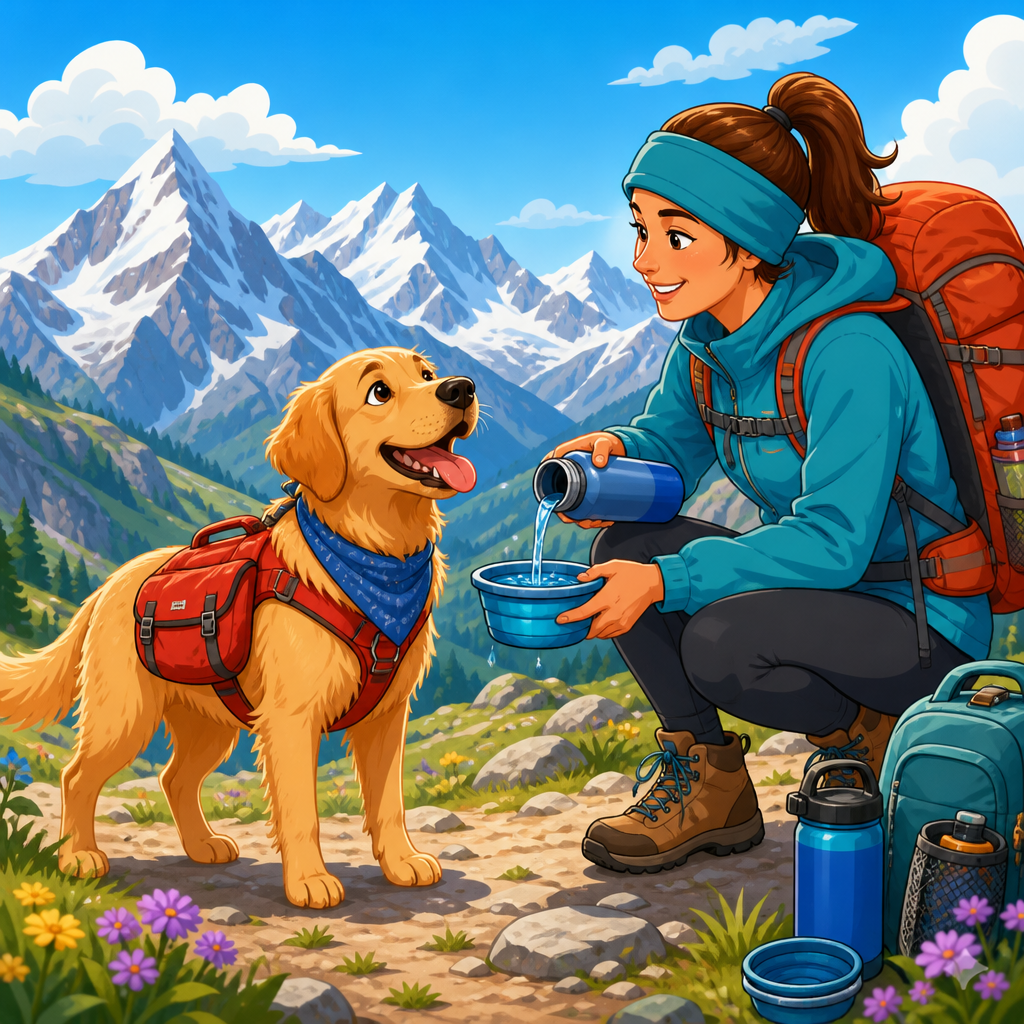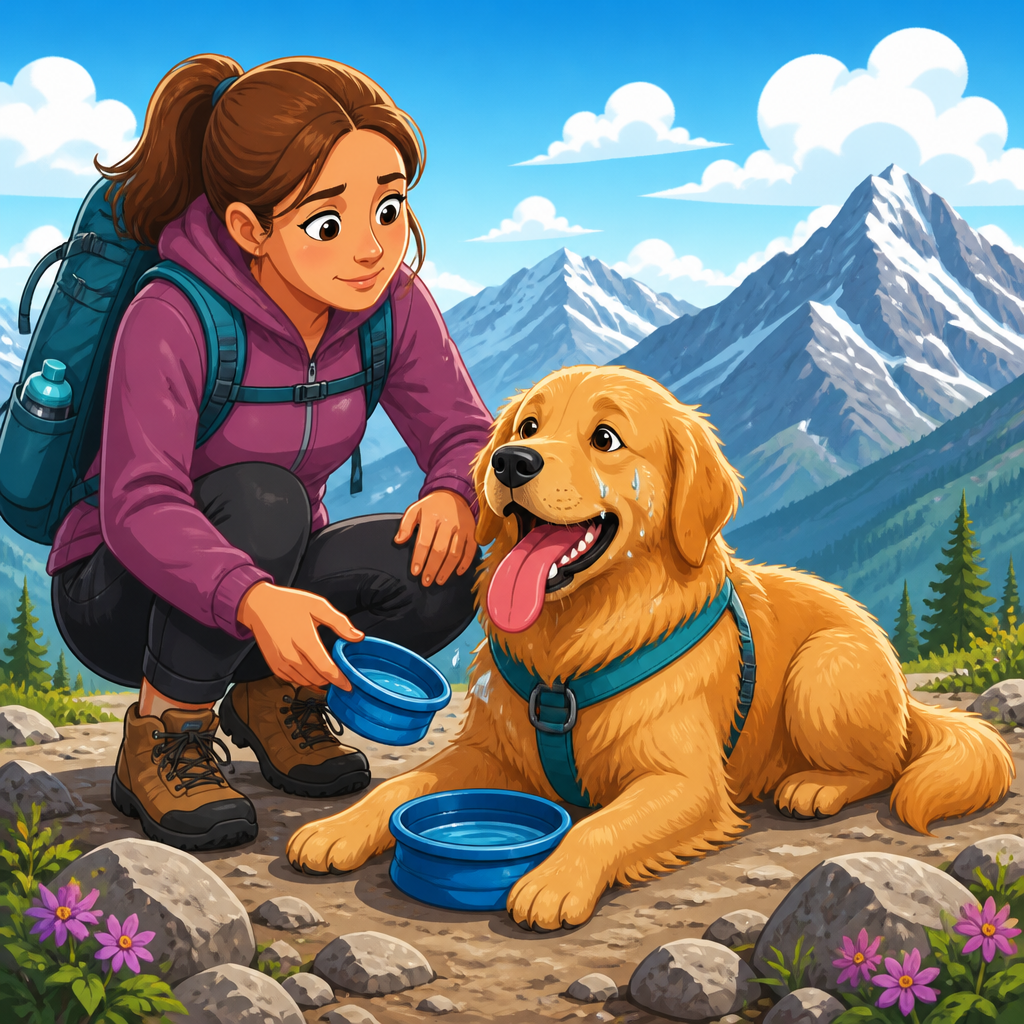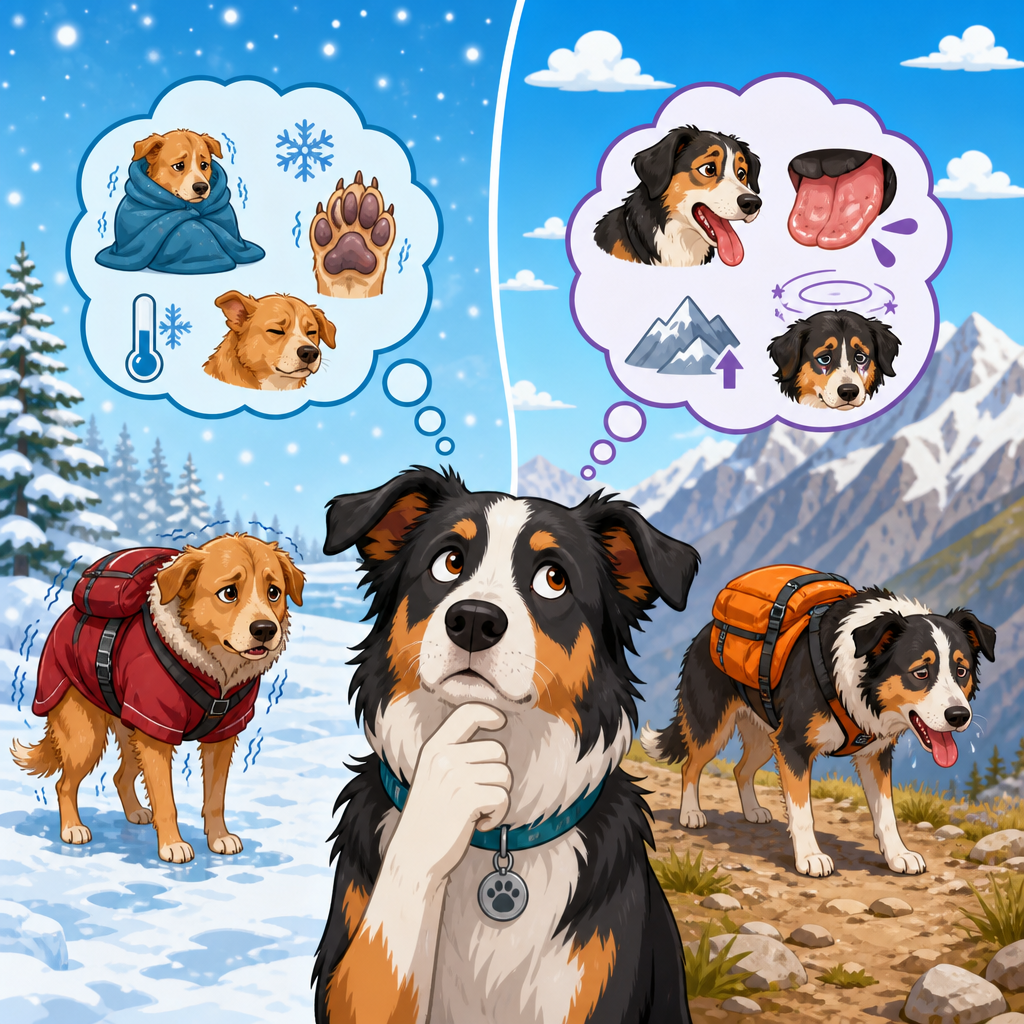
How to recognize cold stress vs altitude stress in dogs is a critical skill for anyone hiking, camping, snowshoeing, or living in the mountains with a canine companion. In mountain environments, dogs face two common but very different challenges: losing body heat faster than they can replace it, and struggling to adapt to thinner air at higher elevation. Cold stress describes the physical strain that develops when a dog cannot maintain normal body temperature. Altitude stress describes the body’s response to reduced oxygen pressure, increased respiratory demand, and elevation-related dehydration. The signs can overlap, especially early on, which is why many owners misread a dog that is shivering, slowing down, panting, or refusing food.
I have seen this confusion most often on shoulder-season hikes, when temperatures are low enough to chill a wet dog yet trailheads already sit above 7,000 feet. An owner assumes the problem is cold because the weather feels harsh, but the dog’s biggest issue is elevation. In other cases, the air is crisp but manageable, and the real risk comes from creek crossings, wind exposure, and long periods of inactivity that drive a dog toward hypothermia. Recognizing the difference matters because the first-aid response is not identical. A dog with cold stress needs warming, drying, shelter, and often calories. A dog with altitude stress needs reduced exertion, rest, hydration, and sometimes immediate descent.
This Mountain Dogs & Hiking hub explains how to tell cold stress from altitude stress, which dogs are most vulnerable, what early and advanced signs look like, and how to build a mountain safety plan before you leave home. It also connects the wider subtopic: paw protection, hydration, trail pacing, breed considerations, weather risk, conditioning, and emergency turnaround decisions. If you hike with a dog in alpine terrain, this is the foundation article because nearly every mountain safety decision depends on reading your dog correctly and acting before mild stress becomes an emergency.
What cold stress looks like in dogs on mountain trails
Cold stress happens when heat loss outpaces heat production. Dogs regulate temperature through insulation from coat and body fat, behavioral choices such as curling up or seeking shelter, and metabolic heat generated by movement and digestion. In the mountains, those defenses fail faster when wind strips warmth from the coat, snow or rain wets the fur, the dog stops moving, or the dog is lean, small, clipped, elderly, very young, or underfed. A thick-coated dog can still become cold stressed if conditions stack up: wet chest fur from breaking trail, icy wind on a ridge, and a long rest stop on frozen ground.
The classic early signs are persistent shivering, lifting paws off the ground, hunching, seeking cover, slowing down, anxiety, and reluctance to continue. Many dogs also tuck the tail, pin the ears back, and keep trying to move closer to your legs or sit on your feet. As cooling progresses, coordination drops. The dog may stumble, seem mentally dull, stop responding normally, or become unusually quiet. Severe cold stress moves toward hypothermia, where shivering may actually decrease, the gums can look pale, the pulse weakens, and collapse becomes possible. That stage is an emergency requiring rapid rewarming and veterinary care.
Mountain hikers should pay attention to context. If the dog was comfortable while moving uphill but starts shivering during a summit snack break, cold stress is likely. If signs worsen after swimming, a snow plunge, or lying on cold rock, cold exposure is the driver until proven otherwise. Snowballing between paw pads, ice on feathering, and a soaked undercoat all increase heat loss. So does strong windchill. Weather services emphasize that wind can accelerate body heat loss dramatically in mammals, and dogs are no exception.
What altitude stress looks like in dogs at elevation
Altitude stress develops because barometric pressure falls as elevation rises, lowering the amount of oxygen available with each breath. Dogs compensate by breathing faster and increasing heart rate, but not every dog adjusts smoothly. Rapid ascent, overexertion on day one, dry air, and inadequate hydration all make symptoms more likely. Most healthy dogs can enjoy moderate elevation, yet some struggle above roughly 6,000 to 8,000 feet, especially if they come from sea level and start with a hard hike the same day.
Common early signs include excessive panting out of proportion to effort, frequent stopping, lagging behind, restless behavior at camp, reduced appetite, nausea, and unusual fatigue. Some dogs seem fine at the trailhead but fail quickly on steep climbs because oxygen demand rises sharply with exercise. Owners often describe the dog as “just not right”: less enthusiastic, less coordinated, or unwilling to continue despite cool temperatures. In more serious cases, you may see persistent coughing, marked weakness, blue-tinged gums, vomiting, disorientation, or collapse. These signs can point to significant altitude illness, fluid imbalance, or another emergency that requires descent and prompt veterinary assessment.
A related concern is high-altitude pulmonary stress, where fluid can impair gas exchange in the lungs. While less documented in dogs than in people, any cough, labored breathing at rest, or breathing effort that remains high after stopping should be treated seriously. Dogs with short muzzles, airway disease, obesity, heart disease, or poor conditioning have less reserve and may decompensate sooner. The practical rule I use is simple: if recovery after stopping is slow and breathing still looks hard several minutes later, think altitude or cardiopulmonary strain, not merely excitement.
Cold stress vs altitude stress: the fastest ways to tell them apart
The quickest way to separate the two is to ask three questions: What changed in the environment, what changed in breathing, and what improves the dog fastest? Cold-stressed dogs usually show a clear exposure trigger such as wet fur, wind, shade, snow contact, or inactivity. Altitude-stressed dogs usually show a clear ascent or exertion trigger such as a rapid climb, sleeping high the first night, or working hard above their usual elevation.
| Clue | Cold Stress | Altitude Stress |
|---|---|---|
| Main trigger | Wet, wind, snow, low temperature, rest stops | Rapid ascent, hard exertion, sleeping high, dry air |
| Typical early sign | Shivering, paw lifting, seeking warmth | Heavy panting, unusual fatigue, repeated stops |
| Breathing pattern | May be normal or mildly fast from stress | Clearly increased, sometimes prolonged at rest |
| Body language | Hunched, tucked, curls up, wants shelter | Reluctant to climb, mentally flat, less appetite |
| Best immediate response | Dry, warm, insulate, feed, reduce exposure | Rest, hydrate, reduce effort, descend if not improving |
If you put a jacket on, towel the dog dry, give warm shelter, and signs improve quickly, cold was probably the main problem. If the dog is dry and warm but still pants hard, refuses to move uphill, or looks drained after a minor climb, altitude is more likely. Gum color, mentation, and recovery time help too. Pale gums and shivering point more toward cold stress. Persistent tachypnea, poor exercise tolerance, and delayed recovery point more toward altitude stress.
Overlap does happen. A dog can be both chilled and altitude stressed on the same outing. In that case, treat the more immediately life-threatening issue first: airway and breathing problems, collapse, severe lethargy, or inability to stay warm. When uncertain, stop the hike, add insulation, offer water, check respiratory effort, and prepare to descend. Continuing upward to “see if the dog adjusts” is a common and avoidable mistake.
Which dogs are most at risk in mountain conditions
Not all dogs bring the same mountain margin of safety. Small dogs lose heat faster because of their higher surface-area-to-volume ratio. Lean dogs with short coats, clipped coats, or little body fat also cool quickly. Puppies and senior dogs have less efficient thermoregulation. Breeds developed for warm climates may tolerate exercise but not prolonged cold exposure, especially in wind or sleet. On the other side, giant double-coated breeds may handle cold well yet struggle with altitude if they are overweight, deconditioned, or have hidden orthopedic pain that changes gait and energy use.
Brachycephalic dogs such as Bulldogs, Pugs, and Boston Terriers deserve extra caution because shortened airways reduce ventilatory reserve. At altitude, that limitation matters. Dogs with laryngeal paralysis, collapsing trachea, chronic bronchitis, heart murmurs, or pulmonary disease should be evaluated by a veterinarian before mountain trips. Working and herding breeds often have the drive to keep going beyond safe limits, which means owner observation matters more than the dog’s enthusiasm. A highly motivated dog can push through early symptoms until the drop-off is sudden.
Acclimatization history also matters. A dog living at 8,000 feet usually performs very differently from a sea-level dog arriving for a weekend. Conditioning is separate from acclimation. A fit dog can still struggle at altitude if ascent is abrupt. Likewise, a dog used to snow may still get cold stressed if the coat is wet, calories are inadequate, or the outing includes long still periods such as photography stops, ice fishing, or camping at exposed sites.
Prevention strategies for safe hiking, camping, and summit days
Preventing cold stress starts before the car leaves the driveway. Check temperature, wind, precipitation, snow conditions, and time exposed above tree line. Bring an insulating dog jacket that fits over the chest and core, plus an absorbent towel, emergency blanket, and a dry layer for camp. Booties help some dogs by reducing conductive heat loss and protecting against ice, road salt, and abrasive crust. Increase calories on long winter outings; digestion supports heat production, and active dogs can burn far more energy than owners expect.
Preventing altitude stress depends on ascent profile and pacing. If possible, spend a night at moderate elevation before a big effort. Keep the first day easy. Build frequent short breaks instead of one long stop after overexertion. Offer water often because mountain air is dry and panting increases fluid loss. I also watch recovery at every break: if the dog’s breathing settles quickly and interest in food stays normal, adaptation is usually acceptable. If recovery trends worse with each climb, turn around early.
For the broader Mountain Dogs & Hiking hub, the core linked topics are straightforward. Paw care matters because painful feet alter movement and increase energy cost. Hydration matters because both cold and altitude can hide water loss. Conditioning matters because strong muscles reduce fatigue on descents and improve heat generation. Route choice matters because shaded canyons, ridge wind, snow bridges, talus, and high camps each change risk differently. Good mountain travel with dogs is not one skill; it is the combination of reading weather, terrain, exertion, nutrition, and canine body language in real time.
When to stop the trip and when to call a veterinarian
End the outing immediately if your dog has uncontrolled shivering, weakness, stumbling, confusion, repeated vomiting, persistent cough, blue or very pale gums, collapse, or labored breathing that does not normalize with rest. These are not “wait and see” trail signs. For suspected cold stress, move the dog out of wind, remove wet gear, dry the coat, insulate from the ground, add a jacket or blankets, and use your body heat if needed. Give food if the dog is alert and can swallow safely. Avoid intense direct heat such as very hot water against the skin, which can worsen injury.
For suspected altitude stress, stop exertion, move to easier terrain, offer water, and begin descent if breathing remains hard, energy remains poor, or neurologic signs appear. A GPS emergency beacon is wise in remote mountain areas because carrying a dog over technical ground is often difficult. After any moderate to severe episode, schedule veterinary follow-up, especially if your dog has repeated trouble at elevation. Underlying airway, cardiac, metabolic, or pain issues are common reasons why one dog consistently struggles while others in the same conditions do not.
The main benefit of learning cold stress vs altitude stress is simple: you can intervene sooner and choose the right fix. Cold stress usually asks for warmth, dryness, shelter, and fuel. Altitude stress usually asks for rest, water, reduced effort, and often descent. In real mountain travel, those decisions protect not only comfort but also survival. Use this hub as your starting point for every hike, camp, and alpine road trip with your dog, then build your system around weather checks, conservative pacing, and honest observation. Your dog does not need you to guess; your dog needs you to notice, decide, and act early.
Frequently Asked Questions
What is the difference between cold stress and altitude stress in dogs?
Cold stress and altitude stress can look similar at first because both can make a dog seem tired, uncomfortable, or unwilling to keep moving, but they come from very different causes. Cold stress happens when a dog loses body heat faster than the body can replace it. This is a temperature problem. It is more likely in freezing weather, wind, wet snow, icy water, long periods of inactivity, or when a dog has a thin coat, low body fat, is very young, very old, or already fatigued. Altitude stress, by contrast, is an oxygen problem. It develops when a dog is exposed to higher elevations where the air contains less available oxygen, especially if the ascent is rapid and the dog has not had time to acclimate.
In practical terms, a cold-stressed dog often shows clear signs of trying to conserve heat. You may notice shivering, lifting paws off the ground, curling tightly when resting, seeking shelter, slowing down, or seeming mentally dull as body temperature drops. An altitude-stressed dog may not shiver at all. Instead, the most obvious clues are often faster breathing, heavier panting despite cool weather, reduced stamina, reluctance to continue uphill, and longer recovery times after exercise. Some dogs may also seem restless, nauseated, or develop a mild cough. Recognizing whether the primary issue is temperature loss or reduced oxygen helps you respond correctly. A dog that is dangerously cold needs warming and protection from the elements, while a dog affected by altitude may need immediate rest, reduced exertion, hydration, and often descent to a lower elevation.
What are the most common signs of cold stress in dogs during hiking, camping, or snow play?
The early signs of cold stress in dogs are often subtle, which is why attentive observation matters so much in mountain conditions. The first thing many owners notice is shivering, but that is only one piece of the picture. A cold dog may begin lifting one paw and then another, trying to reduce contact with snow, ice, or frozen ground. Some dogs hunch their posture, tuck the tail, pin the ears back, or seek to burrow into blankets, packs, or sheltered spots out of the wind. Others become hesitant to move forward, lag behind on the trail, or repeatedly stop and look at you as if asking to be done. These are all early warning signs that the dog is losing heat faster than it can stay comfortable.
As cold stress progresses, behavior and coordination can change. A dog may become sluggish, weak, confused, or unusually quiet. Instead of acting alert and engaged, the dog may stare, move stiffly, or struggle with footing. Wet fur, especially on the belly, chest, and legs, greatly increases heat loss, so a dog that seemed fine earlier can deteriorate quickly after playing in snow, crossing a creek, or lying on cold ground. Severe cold stress can progress toward hypothermia, which is a medical emergency. At that stage, shivering may lessen or stop entirely, not because the dog is improving, but because the body is failing to maintain normal responses. If you see profound lethargy, weakness, collapse, pale gums, or an unresponsive dog, you should stop activity immediately, begin gentle rewarming, and seek veterinary help as fast as possible.
How can I tell if my dog is struggling with altitude instead of just being tired from exercise?
A dog that is simply tired from exercise usually recovers predictably with a short rest, water, and a reduced pace. Breathing may be elevated for a few minutes after exertion, but it should settle once the dog stops working hard. With altitude stress, the pattern is different. The dog often seems disproportionately affected for the level of activity. You may notice persistent rapid breathing, exaggerated panting in cool conditions, reluctance to keep climbing, slower-than-normal recovery, and a general “off” appearance even when the trail pace has not been extreme. Dogs that travel from low elevation to the mountains quickly are especially vulnerable because their bodies have not yet adapted to thinner air.
Other clues can help separate altitude stress from normal fatigue. A dog dealing with altitude may seem weak early in the outing, not just after many miles. Some dogs become restless, anxious, or unwilling to settle. Others lose appetite, appear mildly nauseated, or develop a dry cough. In more serious cases, there may be marked exercise intolerance, labored breathing at rest, blue-tinged gums, collapse, or neurologic signs such as disorientation. Those advanced signs require urgent veterinary attention. The safest rule is this: if your dog seems much more affected than expected for the conditions, especially at a new or higher elevation, assume altitude may be part of the problem. Stop exertion, keep the dog calm, offer water, avoid pushing forward, and descend if signs do not improve promptly.
Can a dog experience both cold stress and altitude stress at the same time?
Yes, and this is one of the biggest reasons mountain travel with dogs can become serious so quickly. Cold stress and altitude stress are separate problems, but they often occur in the same environment and can overlap. A dog climbing at high elevation in wind, snow, or freezing temperatures may be working harder to get enough oxygen while also losing heat rapidly. Fatigue from altitude can reduce movement, and once a dog slows down or stops generating body heat through activity, cold stress can worsen. On the other side, a dog that becomes chilled may have poorer circulation, lower energy, and less ability to cope with the physical demands of thin air. This combination can cause a dog to decline faster than many owners expect.
When both are possible, focus on the full picture instead of trying to force one explanation. Look at weather, elevation, coat condition, recent activity, and your dog’s body language. A wet dog at 10,000 feet who is shivering, panting hard, lagging behind, and recovering poorly may not fit neatly into a single category. In that situation, your response should address both threats: stop the activity, get the dog out of wind and snow, dry and insulate the body, provide a warm resting area, offer water, reduce physical demand, and strongly consider descending. If the dog shows labored breathing, weakness, confusion, collapse, or does not improve quickly, professional veterinary care is the right next step. In mountain medicine, it is better to respond early and conservatively than to wait for clearer signs.
What should I do immediately if I think my dog has cold stress or altitude stress?
The most important first step is to stop and assess instead of encouraging the dog to “push through.” If you suspect cold stress, move your dog out of wind, snow, or wet ground right away. Replace evaporative and conductive heat loss by drying wet fur, wrapping the dog in insulating layers, and using a coat, blanket, sleeping bag, or your own extra clothing if needed. Focus especially on shielding the torso from further heat loss rather than overheating the extremities too aggressively. Offer a warm, safe place to rest and monitor the dog closely for improved alertness and comfort. Gentle warming is the goal. Very severe or aggressive heating methods can be risky, especially if the dog is weak or already hypothermic.
If altitude stress seems more likely, reduce exertion immediately and keep the dog calm. Offer water, avoid forcing food, and do not continue climbing in hopes that the dog will “adjust on the move.” Mild cases may improve with rest, but persistent signs mean the safest intervention is descent to a lower elevation. If your dog is breathing hard even at rest, cannot recover normally, appears weak or mentally dull, coughs repeatedly, or shows blue or pale gums, that is an emergency. The same is true if you are unsure whether the issue is cold, altitude, or both. When in doubt, treat for exposure, reduce physical demand, and get help. A veterinarian should evaluate any dog with severe symptoms, a drop in responsiveness, collapse, ongoing breathing difficulty, or suspected hypothermia or altitude-related complications. Fast recognition and early action make the biggest difference.