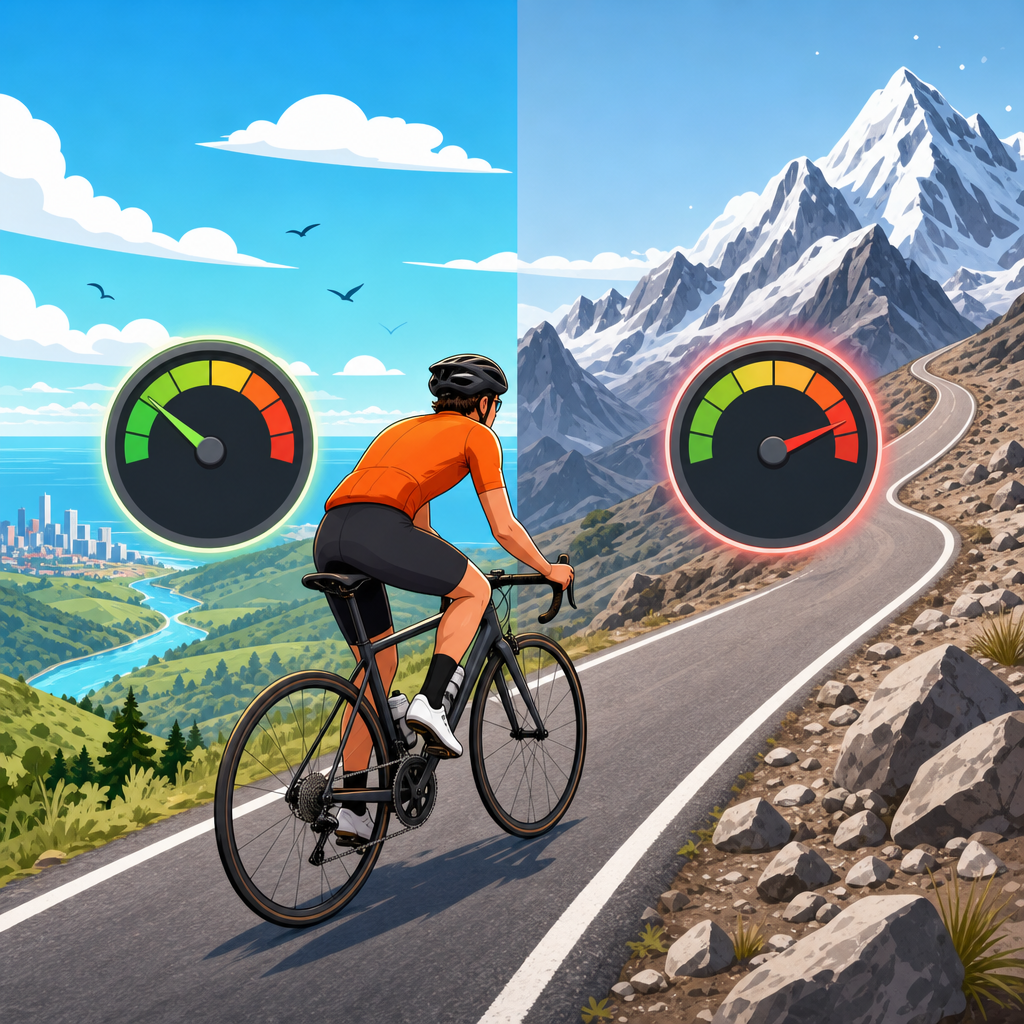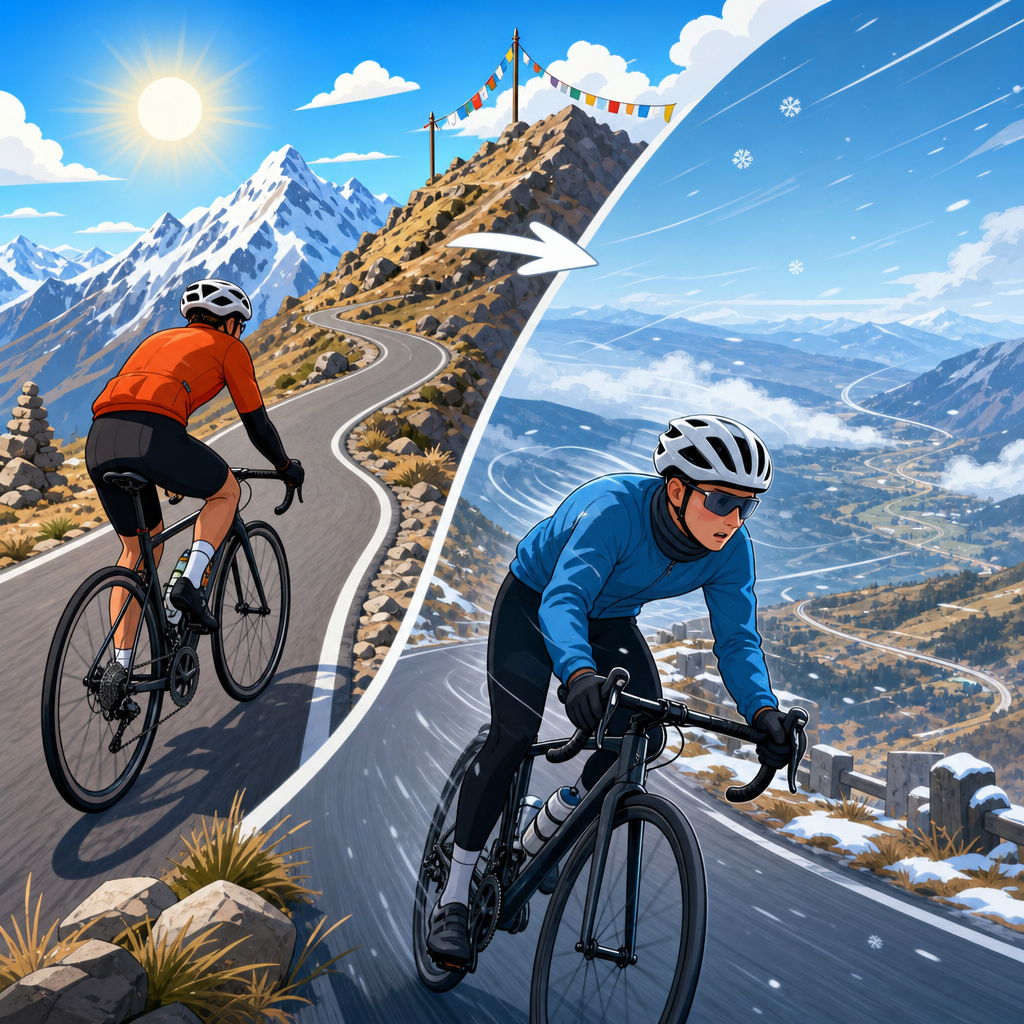
Many hikers, runners, and mountain athletes ask the same question after a climb or trip above treeline: do you actually lose fitness at elevation, or do you just feel slower because the air is thin? The short answer is that elevation does not erase your underlying fitness in a few hours or days, but it does reduce your immediate performance by limiting oxygen delivery, changing pacing, and increasing physiological strain. In training physiology, “fitness” refers to durable adaptations such as aerobic capacity, muscular endurance, lactate threshold, economy, and movement skill. “Performance” is what you can express on a given day under specific conditions. Elevation mostly affects performance first. That distinction matters because athletes often misread slower splits, higher heart rates, and heavier breathing as proof they are detrained when they are actually responding normally to hypoxia.
I have seen this repeatedly with hikers preparing for big alpine objectives and with endurance athletes arriving at camp convinced that a bad first session means their training failed. Usually, the training is still there. What changed is barometric pressure, not motivation or aerobic base. As altitude rises, the partial pressure of oxygen falls, so each breath delivers less oxygen to the bloodstream. Your body compensates by breathing faster, raising heart rate, and redistributing effort. The result is familiar: climbs feel steeper, recovery takes longer, and intensities that were comfortable at sea level suddenly feel unsustainably hard. Understanding that response is essential for intelligent pacing, acclimatization, and training design across the broader field of training physiology.
This hub article explains what elevation does to the body, when slower movement reflects true fitness limits, how acclimatization changes the picture, and how hikers and athletes should train before, during, and after time at altitude. It also connects the major concepts that shape all training physiology: aerobic development, intensity control, recovery, muscular endurance, environmental stress, and adaptation timelines. If you know which systems are being challenged, you can make better decisions on mountain days and in structured training.
Elevation changes performance before it changes fitness
The most important principle is simple: altitude impairs oxygen availability immediately, while fitness changes more slowly. At 2,500 meters, roughly 8,200 feet, many people notice higher breathing rates and slower sustainable pace. By 3,000 meters, about 9,800 feet, even well-trained athletes often see meaningful reductions in maximal aerobic power. The exact drop varies by individual, but research and field testing consistently show that VO2 max declines progressively with altitude once you get above moderate elevation. That means the ceiling of aerobic work comes down even if your training status is unchanged.
In practical terms, a runner who can hold a certain tempo at sea level may need to slow noticeably at altitude to stay below threshold. A hiker who normally climbs 1,500 vertical feet per hour may struggle to hold 1,100 at the same perceived effort. This is not sudden deconditioning. It is reduced oxygen pressure changing what the body can support aerobically. In the first day or two, the sensation of “being unfit” is often strongest because ventilation, sleep, fluid balance, and pacing have not yet adjusted.
There is another reason people confuse altitude effects with lost fitness: many metrics drift in ways that look negative. Heart rate at a given workload may rise early in exposure. Resting heart rate may be elevated. Overnight heart rate variability may drop. Power, pace, and vertical speed may fall. Those signals are real, but they describe stress, not failure. When I review training files from mountain trips, the pattern is predictable: lower output, higher effort, and slower recovery in the first sessions, followed by partial normalization as the athlete acclimatizes and improves pacing.
What hypoxia does inside the body
“Thin air” is shorthand for lower oxygen pressure, not lower oxygen percentage. The atmosphere still contains about 21 percent oxygen, but lower barometric pressure means fewer oxygen molecules are driven from the lungs into the blood with each breath. This reduction affects the entire oxygen transport chain: ventilation, pulmonary diffusion, blood oxygen saturation, cardiac output, and muscle oxygen use. The body responds within minutes by increasing breathing rate. Over days, the kidneys help balance blood chemistry altered by hyperventilation, and the hormone erythropoietin rises, stimulating red blood cell production if exposure continues long enough.
From a training physiology standpoint, the early limitation is not your leg strength or willpower. It is oxygen delivery. When oxygen availability drops, the relative intensity of a familiar pace rises. More energy must come from anaerobic metabolism, lactate accumulates sooner, and the perception of effort climbs. This is why easy hikes can feel oddly difficult and why short surges above your sustainable pace can be punishing at elevation.
Altitude also increases respiratory water loss, often suppresses appetite, and can disturb sleep, especially after rapid ascent. Those factors matter because dehydration, underfueling, and poor sleep further reduce exercise tolerance. Many mountain athletes blame the altitude alone when the real picture is cumulative stress. A six-hour hike at 10,000 feet after a poor night, minimal breakfast, and inadequate fluids will feel far harder than the same hike after proper acclimatization and nutrition.
| Elevation | Common physiological effect | What it feels like in training |
|---|---|---|
| 1,500 to 2,500 m | Mild drop in oxygen availability | Hard efforts feel harder, pace slips first on climbs |
| 2,500 to 3,500 m | Clear reduction in aerobic capacity | Higher breathing rate, slower recovery, reduced tempo output |
| 3,500 to 5,000 m | Marked hypoxic stress and sleep disruption | Even easy work feels taxing, appetite and sleep often worsen |
When elevation really can reduce fitness
While altitude does not instantly wipe out fitness, longer exposure can reduce some sea-level performance qualities if training quality falls too much. This is where nuance matters. If you spend weeks high enough that you cannot maintain sufficient intensity, neuromuscular sharpness and high-end aerobic power may decline. Athletes living and training at altitude often use the “live high, train low” model for that reason: they seek acclimatization benefits while preserving quality sessions at lower elevations. Without that balance, total training stress may rise while the ability to hit threshold, VO2 max, or speed work declines.
There is also the issue of detraining by substitution. Some hikers spend a month on a high-altitude expedition moving slowly under load every day. They gain mountain durability, hiking economy, and specific fatigue resistance, but they may lose top-end running speed or gym strength if those capacities are not trained. That is not altitude stealing fitness directly. It is the training mix changing under environmental constraints.
Illness can compound the problem. Acute mountain sickness, severe sleep loss, chronic caloric deficit, and dehydration all interfere with adaptation and recovery. In those cases, athletes may return from altitude genuinely depleted. I have worked with trekkers who came home lighter, slower, and unusually fatigued after long trips not because elevation magically erased fitness, but because the combined stress load exceeded recovery for too long.
Acclimatization: what improves and what does not
Acclimatization is the body’s gradual adjustment to reduced oxygen pressure. Early changes include increased ventilation and plasma volume shifts. Over time, red blood cell mass may rise, though meaningful hematological adaptation takes longer than many weekend travelers assume. Most people feel some improvement within several days at the same altitude, especially in sleep, pacing judgment, and tolerance for easy to moderate work. That improvement is real, but it is not complete restoration of sea-level performance.
One of the biggest mistakes I see is assuming acclimatization makes altitude irrelevant. It does not. Even well-acclimatized athletes usually remain slower at a given absolute output than they would be at sea level. What improves is how effectively they can function within the new limits. They breathe more efficiently, distribute effort better, and recover somewhat more predictably.
Acclimatization is also highly individual. Genetics, iron status, prior altitude exposure, ascent rate, hydration, illness history, and total workload all matter. Two equally fit hikers can have very different responses at 11,000 feet. One may settle in after a day; the other may struggle for three. That is why training physiology always has to be interpreted through the lens of context rather than ego or sea-level benchmarks.
How to train for elevation without guessing
The best preparation for altitude depends on your goal. If you are training for hiking, trekking, mountaineering, or trail racing at elevation, start with broad aerobic development. Consistent Zone 2 work improves mitochondrial density, capillarization, and fatigue resistance, all of which help when oxygen is limited. Add muscular endurance through climbing, uphill treadmill hiking, step-ups, and loaded uphill work when relevant to your objective. Strong local muscular endurance in the calves, quads, glutes, and trunk reduces the cost of every step.
Intensity still matters. Threshold sessions improve your ability to sustain hard work without crossing into rapid fatigue, and VO2 max intervals raise the top end of oxygen utilization at sea level. You will still slow down at altitude, but a bigger aerobic engine gives you more usable range. Strength training matters too, especially for hikers carrying packs. Heavy compound lifts, single-leg work, calf strength, and trunk stability improve force production and efficiency, which can partly offset slower movement by lowering the energy cost of terrain.
If you cannot train at altitude, simulate specificity instead of chasing gimmicks. Practice long climbs, downhill durability, fueling during uphill efforts, and pacing by heart rate or perceived exertion rather than pace. Hypoxic masks do not replicate true altitude because they mainly restrict airflow, not oxygen concentration. Commercial altitude tents can help some athletes in targeted situations, but they are expensive, logistically demanding, and less useful than consistent aerobic training, strength work, and smart trip planning for most hikers.
Pacing, monitoring, and recovery at altitude
Pacing errors are the fastest way to turn a manageable altitude day into a miserable one. Because the aerobic ceiling is lower, starting too hard creates debt that is difficult to repay. I advise athletes to use conversational breathing, restrained early heart rate, and short, deliberate steps on long climbs. On steeper terrain, “rest step” mechanics and brief micro-pauses can preserve rhythm without creating full stops. The goal is steady oxygen demand, not hero splits in the first hour.
Monitoring should also change. Pace is less informative at altitude, especially on variable gradients. Heart rate can help, but it may drift with dehydration, sleep loss, caffeine, and stress. Rating of perceived exertion remains essential. So does pulse oximetry, but only as a rough trend tool rather than a performance verdict. A low reading without symptoms does not automatically require retreat, and a reassuring reading does not rule out acute mountain sickness. Symptoms and function matter more than a gadget number.
Recovery deserves extra attention. Carbohydrate availability becomes more important because hypoxia shifts exercise toward greater carbohydrate use relative to fat at a given workload. Drink regularly, eat early, and do not wait for hunger if altitude is suppressing appetite. Protect sleep with conservative first-day effort, warmth, hydration, and gradual ascent where possible. Most underperformance stories at elevation are not mysteries; they are predictable outcomes of poor pacing layered onto poor recovery habits.
How this fits into the bigger picture of training physiology
Training physiology is the study of how the body responds to stress and adapts over time. Elevation is one stressor among many, alongside volume, intensity, strength loading, heat, cold, sleep, and nutrition. The central lesson is that performance on any given day is the expression of fitness under conditions, not fitness in isolation. If you understand that, altitude becomes easier to interpret. Slower does not necessarily mean less fit. Faster does not always mean fitter either; it may simply mean cooler weather, better fueling, or lower elevation.
As the hub for training physiology, this topic connects directly to aerobic base building, threshold training, interval prescription, muscular endurance, recovery management, heat adaptation, and tapering. In practice, good coaches and self-coached athletes ask the same sequence every time: what is the stressor, which physiological system is limiting, what adaptation are we chasing, and what tradeoffs come with it? At elevation, the main limiter is oxygen availability first, then the knock-on effects on pacing, sleep, hydration, and recovery. Solve those well, and your real fitness shows up much more clearly.
The key takeaway is straightforward: you usually do not lose fitness just because you go to elevation; you feel slower because the environment lowers the performance you can express right now. Over longer periods, fitness can change if altitude disrupts training quality, fueling, sleep, or recovery, but that is a secondary effect, not the primary one. If you are preparing for mountain objectives, train your aerobic system, build muscular endurance and strength, pace conservatively on arrival, and give acclimatization time to work. Use this hub as your starting point for the full training physiology system, then apply each principle to your own terrain, goals, and schedule.
Frequently Asked Questions
Do you actually lose fitness when you go to elevation, or do you just feel slower?
In most cases, you do not suddenly lose your underlying fitness just because you spend a few hours or a few days at elevation. What changes is your ability to express that fitness at the same level you can at sea level. The main reason is lower oxygen availability. As elevation increases, the partial pressure of oxygen drops, which means less oxygen moves from your lungs into your bloodstream with each breath. Your heart, lungs, and muscles all have to work harder to support the same pace or power output, so the effort feels higher even when the speed is lower.
That is why so many hikers, runners, and mountain athletes say they feel “out of shape” above treeline even when their training has been going well. The sensation is real, but it is not the same as losing fitness. In exercise physiology, fitness usually refers to longer-term adaptations like aerobic development, mitochondrial density, cardiac efficiency, muscular endurance, and movement economy. Those do not disappear in a day or two at altitude. Instead, altitude creates a temporary performance constraint. You may have to slow down, take more frequent breaks, and accept a higher breathing rate and heart rate, but your foundational fitness is still there.
In practical terms, think of elevation as changing the environment rather than erasing your preparation. If you return to lower altitude, your normal pace often comes back quickly. That rebound is a strong sign that the issue was reduced oxygen availability and increased physiological strain, not sudden deconditioning.
Why does the same pace feel so much harder at altitude?
The biggest factor is reduced oxygen delivery. At elevation, each breath contains the same percentage of oxygen, but the lower atmospheric pressure means your body gets less usable oxygen with every inhale. As a result, your muscles receive less oxygen during exercise, which pushes you to rely more heavily on anaerobic metabolism at workloads that might feel comfortably aerobic at lower elevations. That shift increases breathing rate, raises perceived effort, and often makes your legs feel heavier sooner than expected.
Your body also responds by increasing heart rate and ventilation to compensate. Even a moderate climb or easy run can feel disproportionately hard because the cardiovascular and respiratory systems are working overtime just to maintain basic output. On top of that, altitude often comes with dry air, stronger sun exposure, temperature swings, poor sleep, and a greater risk of dehydration. All of those can magnify fatigue and make an otherwise manageable effort feel unusually taxing.
Pacing is another major reason. Many athletes start at their usual sea-level pace and only realize several minutes later that the effort is unsustainable. At altitude, the correct pace is often slower than ego wants to accept. Once you adjust pace to the environment, things usually feel more manageable. So if the same speed feels much harder, it is not proof that your fitness disappeared. It is usually a sign that your body is being asked to do sea-level work under less favorable oxygen conditions.
How long does it take to acclimatize, and does acclimatization improve performance?
Acclimatization starts quickly, but meaningful adaptation takes time. Within the first day or two at altitude, your body begins making immediate adjustments such as breathing faster and increasing heart rate. Over several days, you may notice that easy movement feels less shocking than it did on arrival, but that does not mean you are fully adapted. More complete acclimatization can take days to weeks depending on the altitude, the person, and how much time is spent there continuously.
Yes, acclimatization can improve your performance relative to how you felt when you first arrived, but it usually does not restore sea-level performance at the same pace. What it does is help you tolerate the environment better. You may breathe more efficiently, manage effort more effectively, and feel less overwhelmed by climbs that initially seemed brutal. Some people also experience plasma volume changes, improved ventilatory response, and over longer periods, increases in red blood cell production. These adaptations can help oxygen transport and reduce some of the performance drop.
Still, it is important to be realistic. Acclimatization reduces the penalty of altitude; it does not erase it completely. If you are going higher, the challenge increases again. That is why mountain athletes often talk about “being adapted enough” rather than “feeling normal.” A smart approach includes arriving early if possible, keeping the first days easier, hydrating well, sleeping as much as you can, and adjusting expectations for pace and output until your body has time to respond.
Can training at elevation make you fitter, or is it mainly just harder training?
Training at elevation can be useful, but it is not automatically better, and it is not simply a shortcut to greater fitness. The potential benefit comes from how the body adapts to repeated exposure to lower oxygen availability. Over time, altitude exposure may stimulate changes that support oxygen transport and endurance performance. However, the details matter a lot. If elevation causes you to train too slowly, too inconsistently, or with too much fatigue, the quality of your training can drop and offset any theoretical benefit.
This is why many endurance athletes use strategies like “live high, train low” when possible. The idea is to gain some altitude-related adaptations from spending time at higher elevation while still doing key workouts at lower altitude where higher power, pace, and quality are easier to maintain. For recreational hikers and runners, the takeaway is simpler: altitude can be a useful training stressor, but only if it is managed well. If every session becomes a grind and recovery suffers, you may not be building fitness as effectively as you think.
So yes, altitude training can contribute to long-term fitness, but being at elevation is not the same as being fitter. In the short term, it often just makes performance feel worse. The real goal is balancing exposure, workout quality, recovery, and consistency. Good training still depends on progressive overload, smart pacing, sufficient nutrition, and enough recovery to absorb the work. Elevation changes the training environment; it does not replace sound training principles.
How should you adjust pacing, effort, and expectations when exercising at altitude?
The most important adjustment is to lead with effort, not pace. At elevation, fixed pace targets from sea level often become misleading very quickly. Instead of trying to force your normal speed, pay attention to breathing, heart rate trends, and overall exertion. If conversation becomes difficult much sooner than expected or your heart rate climbs unusually fast, that is a clear signal to back off. Slowing down early is usually the smartest move, especially on climbs or long sustained efforts.
It also helps to be conservative in the first 24 to 72 hours. Many people feel decent at first and then accumulate fatigue, dehydration, poor sleep, or headache as the day goes on. Starting easier gives your body room to adapt. Build in longer warm-ups, take short recovery breaks before you desperately need them, and fuel more deliberately than you might at lower altitude. Carbohydrates are often especially helpful because high-altitude exercise tends to increase carbohydrate reliance. Hydration matters too, since altitude can increase fluid loss through breathing and dry air exposure.
Mentally, the best expectation is that slower does not mean less fit. If you judge yourself only by pace, elevation can feel discouraging. If you judge by appropriate effort, smart decision-making, and how well you move within the conditions, your performance makes more sense. Strong mountain athletes are not the ones who stubbornly force sea-level numbers at altitude. They are the ones who adapt intelligently, respect the environment, and still perform well relative to the demands of the day.