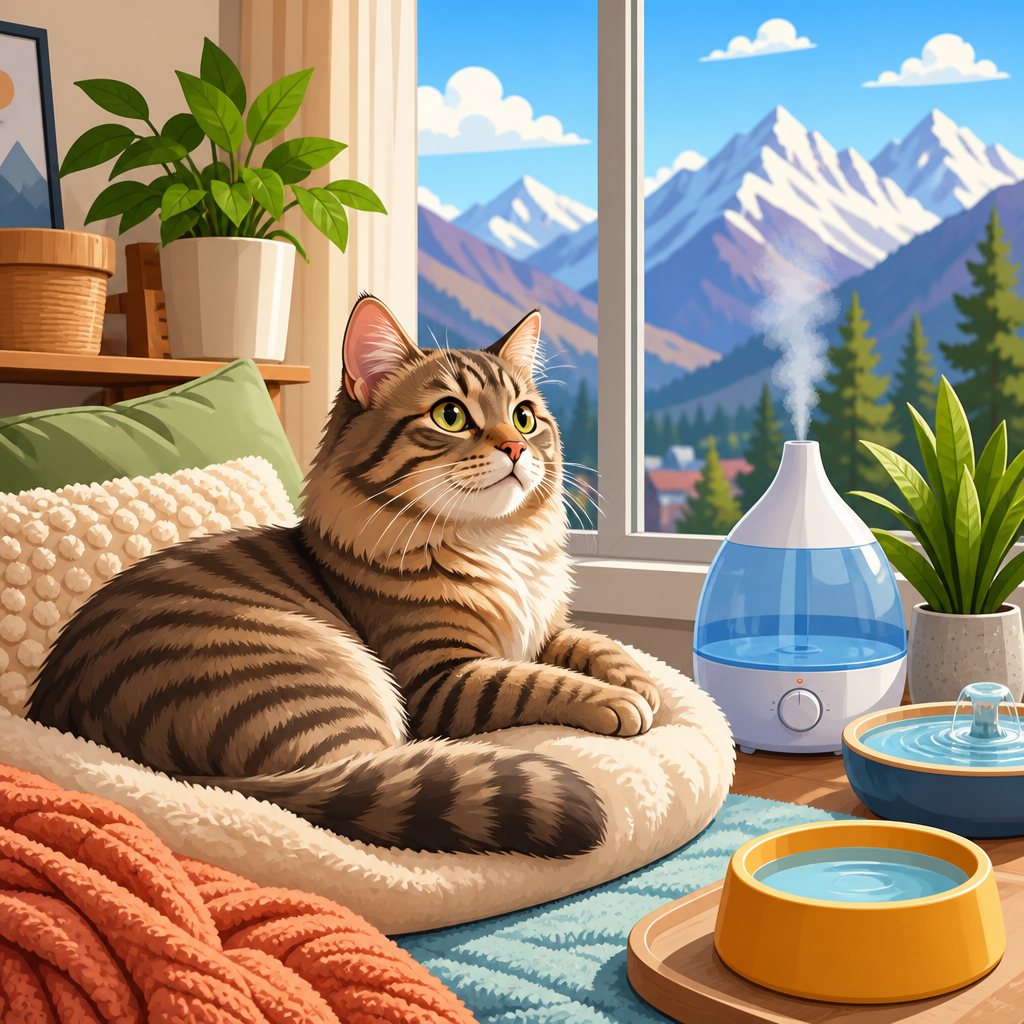
How to help an indoor cat adjust to dry mountain air starts with understanding what changes at altitude and inside heated homes. Dry mountain climates combine low humidity, stronger sun exposure, cooler nights, and winter heating that strips even more moisture from the air. For indoor cats, that shift can affect skin, coat, hydration, litter box habits, respiratory comfort, and behavior. I have seen otherwise healthy cats move from a mild coastal climate to a high, arid town and begin scratching more, drinking inconsistently, or hiding near humid bathrooms because their bodies are responding to a drier environment.
An indoor cat is a cat that lives primarily inside the home, with limited or no unsupervised outdoor access. Dry mountain air usually means lower relative humidity, often below 30 percent indoors during winter, especially when forced-air heat is running. Adjustment means helping the cat maintain normal hydration, grooming, activity, and comfort despite that environmental stress. This matters because cats are subtle about discomfort. They may not cough dramatically or beg for water. Instead, they may overgroom, shed more dander, develop flaky skin, pass firmer stools, or avoid activity because the environment feels irritating.
This hub article covers the core issues cat owners should address and points toward the broader Cats & Small Pets concerns that often overlap with climate adjustment: water intake, food moisture, litter management, indoor air quality, skin and coat care, enrichment, and when to call a veterinarian. The same principles also help rabbits, guinea pigs, and other small pets housed indoors, but cats have unique hydration biology. Their ancestry as desert-adapted hunters means they often underdrink compared with what owners expect. In mountain homes, that trait can become a problem faster than many people realize.
The goal is not to make your home tropical. It is to create a stable indoor environment, monitor your cat’s baseline, and support normal body function with practical, evidence-based steps. If you understand what dry air changes and build a routine around water, humidity, grooming, and observation, most indoor cats adjust well and stay comfortable year-round.
What dry mountain air does to an indoor cat
Dry air affects surfaces first. In cats, that means the skin, nasal passages, eyes, paw pads, and coat. Low humidity increases transepidermal water loss, so skin can become flaky or itchy. You may see more static in the fur, dull coat texture, or more visible dandruff along the back. Some cats respond by grooming more aggressively, which can create hair thinning on the belly or inner legs. Others groom less because the air and static make handling their coat unpleasant.
The respiratory tract also notices low humidity. Dry nasal tissues can feel irritated, especially in homes with dust, fireplaces, or forced-air furnaces. Healthy cats usually adapt, but a cat with feline asthma, chronic rhinitis, or a previous upper respiratory infection may show more sneezing or audible congestion. Eyes can look mildly irritated as tear film evaporates faster, particularly in brachycephalic cats such as Persians, which already have drainage issues.
Hydration is the deeper concern. Cats often maintain themselves on the edge of low water intake even in moderate climates. In dry mountain air, moisture is lost faster through breathing and skin. At the same time, indoor heating can make water bowls less appealing if they are placed near vents or sunny windows and become dusty or warm. When intake drops, urine becomes more concentrated. That matters because concentrated urine contributes to lower urinary tract problems, especially in cats predisposed to idiopathic cystitis, crystals, or blockages.
Behavior can shift too. A newly relocated cat may hide more, sleep near bathrooms or kitchens, seek sinks, or become selective about food. Owners sometimes interpret this as altitude stress alone, but it is often a combined response to unfamiliar territory, altered air quality, and changes in routine.
Build a hydration plan before you adjust anything else
If you do one thing first, increase the opportunities for safe, appealing water intake. In practice, the most reliable approach is to offer multiple water stations in different parts of the home, away from litter boxes and away from food bowls if your cat prefers separation. Many cats drink more from wide ceramic or stainless-steel bowls because their whiskers do not brush the sides. Running water fountains help some cats, especially those attracted to sinks, but they must be cleaned thoroughly to prevent biofilm buildup.
Food moisture is often more important than bowl water. If your cat eats only dry food, discuss a gradual transition to wet food, mixed feeding, or adding measured water to meals. Canned diets commonly contain around 75 to 80 percent moisture, compared with roughly 10 percent in kibble. That difference can materially increase total water intake. I have seen cats that barely touched a bowl begin producing larger, lighter clumps in the litter box within days of adding one wet meal daily.
Track results instead of guessing. Scoop litter daily and note clump size and frequency. A hydrated cat typically produces regular urine clumps; tiny, hard clumps can signal reduced intake. Also watch stool quality. Drier stool can indicate the cat needs more moisture. If your cat has a history of urinary disease, ask your veterinarian whether a therapeutic urinary diet is appropriate, especially after a move to a dry climate.
| Adjustment area | What to do | Why it helps |
|---|---|---|
| Water access | Place 3 to 5 bowls or fountains in quiet zones | More choices increase the chance the cat drinks voluntarily |
| Food moisture | Add wet meals or mix water into food gradually | Raises total fluid intake more reliably than bowl water alone |
| Humidity | Use a hygrometer and keep key rooms near 30 to 40 percent | Reduces skin, eye, and nasal dryness without creating damp conditions |
| Grooming | Brush regularly and check for dandruff, mats, or overgrooming | Supports coat health and helps you detect irritation early |
| Air quality | Change HVAC filters and reduce dust, smoke, and scented products | Protects sensitive airways already challenged by low humidity |
| Monitoring | Log drinking, litter output, appetite, and behavior for two weeks | Shows whether the cat is adapting or needs veterinary review |
Control indoor humidity without creating new problems
The best humidity target for most homes in dry mountain climates is modest, not extreme. Around 30 to 40 percent relative humidity is usually enough to improve comfort while avoiding condensation, mold risk, and dust mite growth. Measure it with a simple hygrometer rather than relying on how the room feels. Bedrooms or offices can read very differently from the kitchen. If your cat spends most of the day in one room, prioritize that area.
Portable humidifiers work well when maintained correctly. Evaporative models are often easier to manage in hard-water regions because they do not disperse mineral dust the way some ultrasonic units can. Whatever model you choose, clean it exactly as directed. Stagnant humidifiers can spread microbes, which defeats the purpose. Distilled water may reduce mineral residue in some machines, but maintenance remains essential.
Placement matters. Do not aim moist air directly at the cat’s bed, and do not create a damp corner around litter or food. Keep cords secure and reservoirs inaccessible to curious pets. If the whole-home HVAC system includes humidification, ask an HVAC professional to set and verify it safely, especially in cold climates where over-humidifying can cause window condensation and structural moisture issues.
Some owners try to fix dryness with houseplants or by letting the cat spend more time in bathrooms after showers. Those can add small comfort benefits, but they are not a substitute for measured humidity control. Also remember that many ornamental plants are not cat-safe. Choose pet-safe plants only, and never use essential oils in diffusers around cats. Cats are highly sensitive to many volatile compounds, and oil exposure can be toxic.
Support skin, coat, paws, and grooming habits
A healthy cat coat should feel smooth, not brittle or greasy. In mountain air, regular brushing helps distribute natural skin oils and removes loose undercoat that can trap dander. Long-haired cats may need more frequent grooming because static and dryness make mats form faster, especially in friction areas like the armpits and behind the ears. Use grooming as an inspection routine. Look for flakes, redness, scabs, thinning fur, or excessive licking.
Bathing is rarely the answer for a dry cat unless prescribed for a specific dermatologic condition. Frequent bathing removes oils and can worsen the problem. Instead, ask your veterinarian whether your cat would benefit from an omega-3 fatty acid supplement formulated for pets. These supplements can support skin barrier function, but quality and dosing matter. Use veterinary guidance, especially if your cat has pancreatitis, obesity, or a special diet.
Paw pads can dry and crack in very arid homes, particularly if floors are rough or the cat spends time on sun-warmed window perches. Never apply random human lotions. Many contain fragrances or ingredients cats will ingest when grooming. If the pads look rough or cracked, use a veterinarian-recommended pet balm and address humidity and hydration at the same time.
Persistent dandruff is not always “just dry air.” It can also reflect obesity preventing normal grooming, arthritis, external parasites, allergies, endocrine disease, or poor diet. That is why climate adjustment and health monitoring should happen together.
Protect breathing comfort and improve air quality
Mountain homes often combine dry air with wildfire smoke, wood stoves, dust from unpaved roads, or furnace circulation. For cats, that combination can be more irritating than humidity alone. Start with filter hygiene. Replace HVAC filters on schedule and use a filter rating your system can handle without reducing airflow excessively. In homes with a cat that has asthma, a properly sized HEPA air purifier in the main living area can make a clear difference.
Avoid aerosols, heavily scented cleaners, plug-in fragrances, incense, and essential oil products. Cats spend time near floors and enclosed spaces where volatile compounds linger. If your cat coughs, wheezes, or breathes with visible effort, do not assume it is the dry climate. Feline asthma, heart disease, and respiratory infections need veterinary assessment. A normal resting respiratory rate for many cats is roughly 20 to 30 breaths per minute when asleep or calm. Sustained rates above that, or open-mouth breathing, deserve prompt care.
Dust control helps more than many owners expect. Wash bedding, vacuum with a sealed system, and keep litter low-dust. Clay litters vary widely; some brands create visible clouds that irritate cats in already dry rooms. If you change litter, do it gradually because abrupt switches can trigger litter box avoidance.
Use litter box habits as your early warning system
The litter box gives you daily data on how well your cat is adapting. Urine output, stool texture, and box frequency often change before a cat looks obviously ill. In dry mountain air, I tell owners to think of the box as a hydration dashboard. Larger, regular urine clumps generally suggest better moisture balance than small, infrequent clumps. Straining, frequent trips with little output, blood, or vocalizing can signal a medical emergency, especially in male cats at risk of urethral blockage.
Constipation can also appear when cats eat dry food, exercise less, and lose more moisture to the environment. Watch for small, hard stools or repeated unproductive posturing. Increase water intake, add moisture to meals if appropriate, and consult your veterinarian if the pattern persists. Do not give laxatives or mineral oil without professional advice.
Good records matter after a move. For the first two to four weeks, note appetite, water sources used, clump number, stool consistency, grooming changes, and energy level. This simple log helps you and your veterinarian distinguish normal adjustment from a brewing urinary or respiratory issue.
Create a low-stress mountain-home routine
Cats adapt to climate better when the rest of life feels predictable. Keep feeding times, litter locations, and sleeping areas consistent. Provide vertical territory like cat trees or shelves away from heating vents and direct midday sun. Sunbathing is pleasurable for many cats, but mountain sunlight can be intense through glass, warming the coat and increasing water loss. Offer shaded alternatives nearby.
Enrichment matters because bored cats may overgroom or fixate on discomfort. Schedule short play sessions with wand toys, puzzle feeders, and hide-and-seek treats. Activity stimulates drinking in some cats and supports gut motility. If your home includes other small pets, keep species-specific humidity and housing needs separate. Rabbits and guinea pigs may benefit from similar air-quality improvements, but their diets, bedding, and social requirements differ sharply from cats.
If you have just moved, start with one safe room stocked with water, litter, hiding spots, and familiar bedding. A cat settling into altitude and dryness does not need the added stress of navigating the entire home on day one. Expand territory gradually as normal eating, grooming, and litter habits return.
Helping an indoor cat adjust to dry mountain air comes down to four priorities: hydration, measured humidity, clean air, and close observation. Most cats do well when owners increase water opportunities, add moisture-rich food, keep indoor humidity in a reasonable range, and watch the litter box for early clues. Skin flakes, extra grooming, smaller urine clumps, sneezing, or constipation are not minor details in a dry climate; they are practical signals that the environment or routine needs adjustment.
This Cats & Small Pets hub should guide how you think about the whole indoor ecosystem, not just one symptom. Water stations, wet food, low-dust litter, grooming checks, safe humidifier use, and consistent routines all work together. The benefit is simple: your cat stays comfortable, and you catch problems before they become expensive emergencies. If your cat has asthma, urinary history, chronic skin issues, or shows any straining or breathing difficulty, schedule a veterinary review and build a climate-adjustment plan tailored to your home.
Start today by checking your home humidity, refreshing water stations, and logging your cat’s litter box output for the next two weeks.
Frequently Asked Questions
Why does dry mountain air affect indoor cats so much, even if they never go outside?
Indoor cats still feel the full effects of a dry mountain climate because the change is not just about outdoor weather. At higher elevations, the air typically holds less moisture, and indoor heating during cold months lowers humidity even further. That means your cat is breathing drier air all day, sleeping in drier rooms, and grooming skin and fur that lose moisture more quickly than they did in a milder climate. Even a cat that seems relaxed indoors can develop subtle signs of discomfort after a move to an arid area.
The most common changes show up in the skin, coat, hydration level, and overall comfort. You may notice more dandruff, static in the fur, extra shedding, dry paw pads, or increased scratching and overgrooming. Some cats also drink more water, while others become mildly dehydrated without obvious signs because cats naturally tend to be low-thirst animals. In dry heated homes, the nose and airways can also feel irritated, which may lead to sneezing, mild congestion, or a general sense of restlessness.
Behavior can change too. A cat adjusting to a new environment may hide more, sleep differently, groom more often, or become more selective about water, food, and litter box habits. That does not automatically mean something is seriously wrong, but it does mean the move and climate shift are affecting the cat physically. Paying attention early helps you support the adjustment before dryness turns into skin irritation, constipation, poor hydration, or ongoing respiratory discomfort.
What are the first signs that my cat is struggling with dry mountain air?
Early signs are often easy to miss because they can look mild at first. Increased scratching is one of the most common clues, especially if your cat was not itchy before the move. You may also see flaky skin along the back, dull fur, excessive grooming, small static shocks when petting, or dry, rough paw pads. Some cats lick their sides or belly more often because the skin feels irritated, even if there are no fleas or visible wounds.
Hydration-related changes are also important to watch. A cat in a dry climate may drink more water, seem more interested in faucets, or produce larger urine clumps in the litter box. On the other hand, some cats do not compensate well by drinking, which can lead to concentrated urine, firmer stools, or constipation. If your cat’s litter box habits change after moving to a mountain climate, the environment may be part of the reason. Monitoring stool consistency, urine output, and water intake can give you useful information before bigger issues develop.
Respiratory and comfort signals can be subtle too. Mild sneezing, a dry-sounding nose, occasional snoring that was not present before, or sleeping with the face tucked close to humid areas may reflect irritation from dry indoor air. If your cat seems less playful, more withdrawn, or unusually fussy about resting spots, the air may be contributing to low-level discomfort. However, if you notice labored breathing, frequent coughing, wheezing, open-mouth breathing, blood from the nose, or severe lethargy, that goes beyond normal adjustment and deserves prompt veterinary attention.
How can I increase indoor humidity safely for my cat?
The safest and most effective approach is to raise humidity gradually and consistently rather than trying extreme fixes. A quality humidifier is usually the best place to start, especially in the rooms where your cat spends the most time sleeping and resting. Many cats do well when indoor humidity is kept in a moderate range that eases dryness without making the home damp or stuffy. Running a hygrometer alongside the humidifier helps you monitor conditions rather than guessing, which is useful in mountain climates where humidity can drop dramatically overnight or when the heat turns on.
Placement matters. Keep the humidifier where moisture can circulate but where your cat cannot knock it over, chew the cord, or sit directly in heavy mist. Clean it exactly as directed, because poorly maintained humidifiers can spread mineral dust, mold, or bacteria into the air. If you use tap water and notice white dust collecting on surfaces, consider distilled water if the manufacturer allows it. The goal is cleaner, more comfortable air, not another source of irritation.
You can support humidity in other practical ways too. Keep your cat’s favorite sleeping areas away from heat vents, radiators, fireplaces, and direct blasts of forced air. Add soft bedding that does not create excess static, and consider placing water bowls in multiple rooms so the environment feels less drying overall. Some pet owners also find that spending time in naturally more humid spaces, such as a bathroom after a warm shower, can help a cat with mild dryness, as long as the cat is calm and not stressed by the routine. The key is a stable, cat-friendly setup that improves comfort every day.
What should I do to help my cat stay hydrated in a dry mountain climate?
Hydration support should be proactive because cats often do not drink enough on their own, especially when the air is dry and altitude increases moisture loss. Start by making water more available and more appealing. Offer multiple bowls in quiet areas away from litter boxes, use wide bowls that do not press on the whiskers, and refresh the water frequently. Many cats prefer moving water, so a pet fountain can encourage better drinking if your cat likes it and the fountain is cleaned regularly.
Food can make a major difference. If your cat eats only dry food, adding wet food to the routine is often one of the most effective ways to improve moisture intake. Even one or two wet meals a day can help support hydration, urinary health, and stool consistency. Some cats will also accept a little extra water mixed into wet food, creating a softer texture that adds more fluids without much effort. If your cat is a picky eater, make changes gradually so the move itself and the new climate do not combine with a sudden diet disruption.
Watch the litter box closely during the adjustment period. Larger or smaller urine clumps, urinating less often, straining, constipation, or very hard stools can all point to a need for more hydration or a veterinary check. Male cats in particular should never be ignored if they are making repeated trips to the litter box, vocalizing, or straining, because urinary problems can become emergencies. In general, the best plan is simple: increase moisture through diet when possible, make water easy and attractive, and monitor output so you can catch problems early.
When should I call a veterinarian instead of assuming my cat is just adjusting to the climate?
It is reasonable to expect a short adjustment period after moving to a dry mountain environment, but certain symptoms should not be written off as normal. If your cat’s scratching becomes intense, the skin looks red or inflamed, patches of fur are thinning, or the coat suddenly becomes poor despite good grooming, a veterinarian should evaluate the problem. Dry air can contribute to irritation, but it can also reveal other conditions such as allergies, parasites, skin infection, or anxiety-related overgrooming.
You should also seek veterinary advice if you notice meaningful changes in drinking, urination, appetite, or bowel movements. Constipation, reduced appetite, repeated vomiting, very small amounts of urine, or strong shifts in litter box habits deserve attention. In a dry climate, dehydration can develop gradually, and cats are especially good at hiding discomfort until the problem is more advanced. If your cat has a history of urinary issues, kidney disease, asthma, chronic nasal problems, or skin sensitivities, it is wise to be extra cautious during the transition.
Breathing changes are another important boundary line. Occasional mild sneezing may happen in a dry home, but coughing, wheezing, open-mouth breathing, frequent congestion, or any sign of respiratory distress should be treated seriously. The same goes for severe lethargy, weakness, or behavior that feels dramatically unlike your cat. In most cases, a supportive home setup helps indoor cats adapt well to mountain air, but a veterinary visit is the right step whenever symptoms are persistent, worsening, or hard to explain. Early intervention is always easier than waiting for a manageable adjustment issue to become a larger health problem.