Shortbread at altitude can stay tender, sandy, and delicate, but only when you account for how thinner air changes moisture loss, sugar concentration, and fat behavior during baking. In high-elevation kitchens, usually above 3,000 feet, lower air pressure makes water evaporate faster and doughs dry sooner, while ovens often need adjustments to protect texture. Shortbread is especially sensitive because it relies on a short ingredient list—butter, flour, sugar, and sometimes starch—rather than eggs or abundant liquid to provide structure and moisture. That simplicity is exactly why altitude matters so much. A batch that bakes perfectly at sea level can turn hard, crumbly, or greasy in Denver, Santa Fe, or mountain towns even higher up.
I have baked shortbread and other high-altitude cookies for years, and the pattern is consistent: success comes from controlling spread, limiting moisture loss, and preserving the fine crumb that defines the style. This hub article covers shortbread first, then places it within the broader Cookies & Bars category for altitude baking. You will learn what changes at elevation, how to adjust formulas, when to chill dough, why pan choice matters, and which related cookie and bar styles need similar thinking. If you want one answer upfront, it is this: use slightly more flour, often a little more liquid, modestly less sugar, careful oven temperature, and enough chilling to keep the butter from melting before the dough sets. Those five moves solve most tenderness problems quickly.
Why altitude makes shortbread tough, dry, or greasy
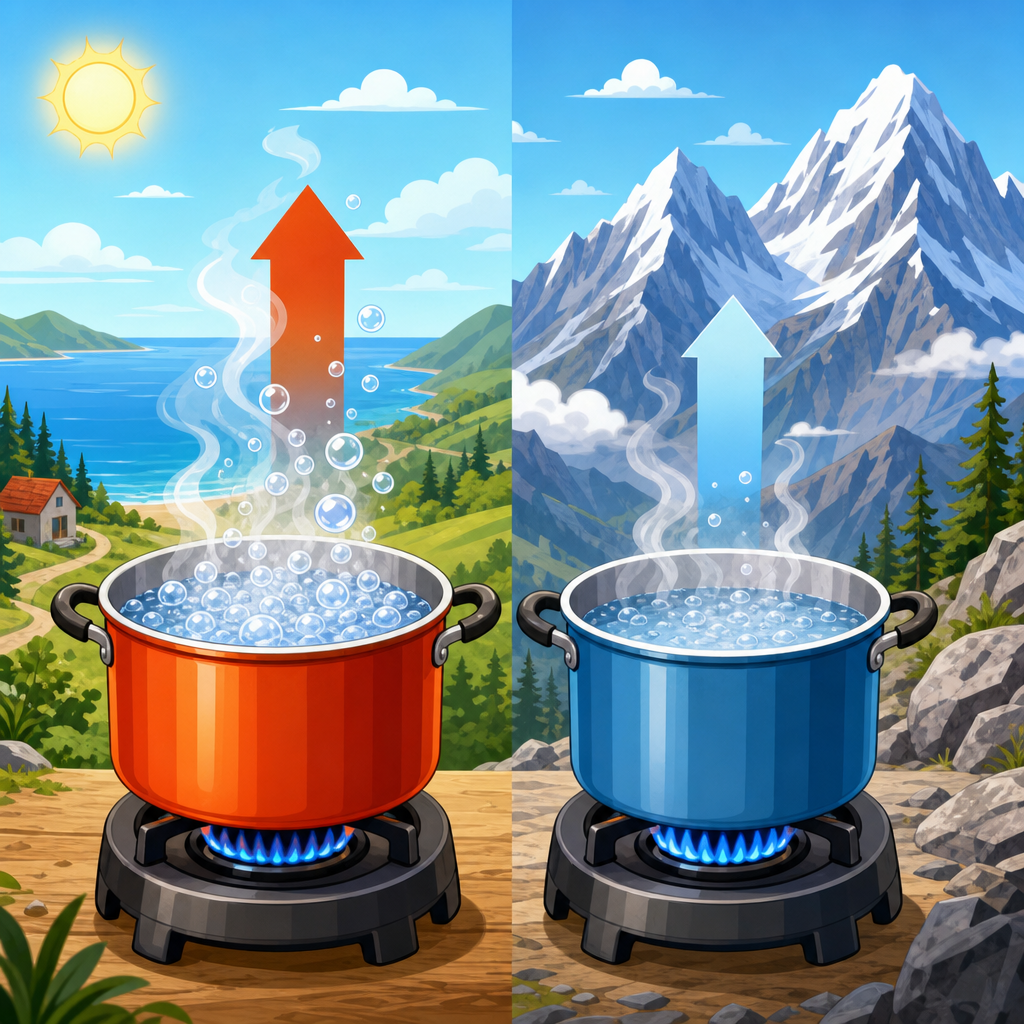
Shortbread should be rich yet fragile, with a fine, crisp bite that softens on the tongue. At altitude, lower atmospheric pressure causes moisture to leave the dough and the finished cookie more readily. That means the butter-water phase evaporates faster, sugar syrups concentrate sooner, and flour can absorb proportionally more of the remaining water. The result is a cookie that can seem dry even when the dough felt rich going into the oven. Because classic shortbread contains little or no egg, there is less protein and emulsification available to buffer those changes.
Greasiness is the other common complaint. Bakers often assume greasiness means too much butter, but at altitude it more often means the butter melted before the flour and sugar matrix set. When that happens, the cookie fries in its own fat, spreads unevenly, and bakes up dense or brittle around the edges. Tender shortbread needs a controlled melt. European-style butter, with roughly 82 to 85 percent butterfat, can give excellent flavor, but it may require more chilling or a slightly higher flour ratio than standard American butter. Powdered sugar can also help because its fine particle size and starch content support a more delicate crumb than coarse granulated sugar.
Leavening is a smaller issue in traditional shortbread because many formulas use none, but some modern versions include a little baking powder. At altitude, gases expand more easily, so even a small amount can create excess lift, then collapse, leaving a coarse, fragile texture. For that reason, I generally keep high-altitude shortbread nearly unleavened and focus on dough consistency instead. The goal is not puff; it is tender compactness.
The best high-altitude adjustments for tender shortbread
The most reliable shortbread altitude adjustment begins with flour. For many recipes, increasing flour by 1 to 2 tablespoons per cup is enough to improve structure without making the cookie bready. If the formula already includes cornstarch or rice flour, start at the low end because those ingredients weaken gluten and promote tenderness. Sugar often benefits from a small reduction, usually 1 to 2 tablespoons per cup, especially if you are using granulated sugar. Less sugar reduces spread and slows over-browning, both useful at elevation.
Liquid is trickier because classic shortbread contains very little. Sometimes 1 to 2 teaspoons of water, milk, or cream in a standard batch is all that is needed to compensate for faster evaporation and help the dough hold together without overworking it. I prefer cream when I want extra richness and water when I want a cleaner butter flavor. If the dough seems dusty and refuses to press together, add liquid sparingly. Overcorrecting can turn a tender dough into a tough one once flour hydrates too fully.
Oven temperature should usually go up slightly, often by 10 to 15 degrees Fahrenheit, so the dough sets before the butter runs out. Yet this is not a rule to apply blindly. Pale, thick shortbread fingers and pan-baked wedges benefit from a measured increase, while thin cutouts may need the original temperature plus more chilling instead. Baking time often shortens a little, but color remains the better indicator. Pull shortbread when the surface looks dry and the edges show only the faintest gold unless the style intentionally calls for deeper browning.
| Issue at altitude | Likely cause | Useful adjustment |
|---|---|---|
| Dry, crumbly dough | Rapid moisture loss, too little hydration | Add 1 to 2 teaspoons liquid; mix less |
| Excess spread | Butter melts before structure sets | Chill dough; add 1 to 2 tablespoons flour per cup |
| Greasy texture | Weak flour-sugar matrix, warm dough | Use powdered sugar; bake slightly hotter |
| Tough bite | Overmixing, too much flour, overbaking | Mix minimally; reduce bake time; weigh ingredients |
| Hard edges, pale center | Uneven heat transfer | Use light-colored pans; rotate once midway |
Ingredient choices that protect tenderness
Flour selection matters more than many bakers think. All-purpose flour is the default, but lower-protein brands produce a more delicate shortbread than high-protein flour. If your usual flour runs strong, replacing a few tablespoons with cornstarch is a practical fix. Rice flour, common in Scottish-style shortbread, contributes a subtle sandy texture and can work beautifully at altitude, though too much may increase fragility. A blend of mostly all-purpose flour with a modest portion of cornstarch or rice flour usually gives the best balance.
Butter temperature is equally important. Softened butter should be cool and pliable, around 65 to 67 degrees Fahrenheit, not glossy or near melting. Over-soft butter traps less stable air during creaming and makes the dough harder to control later. In high-altitude kitchens with low humidity, butter can go from firm to overly soft quickly, especially near a warm oven or sunny window. If the butter reaches that point, refrigerate it briefly before mixing rather than compensating with extra flour, which can sacrifice tenderness.
Sugar choice influences both spread and mouthfeel. Powdered sugar creates finer shortbread because it dissolves quickly and contains a little starch. Granulated sugar gives more crunch and a more open crumb. Brown sugar, while flavorful, introduces molasses and extra moisture, which can make the dough denser and less classic in texture. For vanilla, citrus, espresso, or tea-infused shortbread, powdered sugar is usually the easiest route to tenderness. Salt also deserves attention. In rich doughs, a precise amount sharpens flavor enough that you do not need excess sugar to make the cookie satisfying.
Mixing, shaping, and baking methods that work in mountain kitchens
Method matters as much as formula. Creaming butter and sugar only until smooth is usually better than whipping in a lot of air. Excess aeration can create fragile structure that rises and then settles. Once flour goes in, mix just until the dough comes together. If you keep beating to eliminate every crumbly spot, gluten develops and the finished shortbread toughens. I often stop while the dough still looks slightly shaggy, then finish by pressing it together on the counter or in the pan.
Chilling is one of the strongest tools for high-altitude cookie success. A 20- to 40-minute chill firms the fat, hydrates the flour more evenly, and gives cleaner edges. For slice-and-bake logs, I chill until fully firm; for patted shortbread in a tart pan or cake pan, I chill after docking. Docking—pricking the surface with a fork—does more than create a classic look. It helps steam escape in a controlled way and can reduce bubbling or uneven doming. Parchment paper is preferable to greased pans because extra surface fat can worsen spread.
Pan choice affects tenderness too. Light-colored aluminum promotes even baking and reduces the risk of over-browned bottoms, a common altitude problem where moisture is already disappearing quickly. Dark pans absorb more heat and can set edges too fast. For wedges or rounds, thicker pans give more control than thin sheet pans. An oven thermometer is not optional in serious altitude baking. Many home ovens run 15 to 25 degrees off target, which is enough to turn tender shortbread into a dry one. If your oven has convection, lower the set temperature slightly or shorten baking time because moving air accelerates drying.
How shortbread fits into altitude cookies and bars as a hub topic
Shortbread is a cornerstone category because its lessons apply across many altitude cookies and bars. If you can manage butter, flour, sugar, and evaporation in shortbread, you will handle slice-and-bake cookies, sablés, pressed cookies, thumbprints, bar crusts, and many streusel-style toppings more confidently. In a Cookies & Bars hub, shortbread links naturally to sugar cookies, chocolate chip cookies, brownies, blondies, lemon bars, oat bars, and jam bars because each style faces a version of the same mountain-kitchen challenge: structure must set before moisture escapes or fat separates.
Consider sugar cookies. At altitude they often spread too much or bake up dry, depending on the balance between butter and flour. The same fixes used for shortbread—slightly more flour, cooler dough, careful creaming, and close temperature control—usually solve the issue. Brownies and blondies behave differently because they contain eggs and more sugar, but they also suffer from rapid moisture loss and overexpansion. In those bars, bakers may reduce leavening, increase flour slightly, and pull the pan earlier to preserve fudginess. Lemon bars and jam bars add another layer because wet fillings can make crusts soggy if the base is underbaked, yet overbaking the crust causes hardness. A well-adjusted shortbread base is therefore foundational.
This subtopic also includes drop cookies, bar cookies, cutout cookies, no-spread holiday cookies, and fruit- or nut-based squares. The hub approach matters because readers rarely bake only one type. Someone looking for tender high-altitude shortbread often also needs guidance on pecan sandies, linzer bars, millionaire’s shortbread, or caramel slice. Building skill around one dough gives them a transferable model: watch hydration, moderate sugar, control fat temperature, minimize overmixing, and bake to texture rather than to a fixed clock alone.
Troubleshooting common shortbread failures at altitude
If your shortbread crumbles the moment you slice it, first separate a normal tender crumb from a true structural failure. Proper shortbread is delicate. Failure means it will not hold a clean edge or breaks before cooling fully. The usual causes are too little hydration, too much flour, or slicing while warm. Add a teaspoon or two of liquid next time, weigh flour instead of scooping by volume, and cool completely before cutting. A serrated knife used with a gentle sawing motion is safer than pressing straight down.
If the dough spreads and loses shape, ask whether the butter was too warm, the pan too dark, or the dough insufficiently chilled. If all three were true, fixing just one may not be enough. Start with colder dough, then consider a modest flour increase. If the finished cookie tastes floury, you went too far. If it tastes rich but still slumps, your oven may be cooler than its setting suggests. Verify with an oven thermometer before changing the recipe again.
If the shortbread is hard rather than tender-crisp, overbaking is the first suspect. Mountain bakers often leave cookies in until they “look done,” but shortbread should usually come out before strong browning. Another cause is overmixing after flour addition. Finally, check sugar type. Coarse sugar can create a harder bite than powdered sugar. Small, measured changes produce the best results. Keep notes on elevation, pan, flour brand, oven temperature, and bake time, then adjust one variable at a time. That disciplined approach is how reliable altitude baking is built.
Tender shortbread at altitude is not a mystery; it is the product of small, deliberate controls applied to a simple dough. Lower air pressure speeds evaporation and changes the way butter, sugar, and flour behave, so mountain bakers need more than a sea-level recipe and hope. The essentials are consistent: use accurate measurements, keep butter cool but workable, chill shaped dough, consider a slight flour increase, add tiny amounts of liquid only when needed, and bake just long enough for the structure to set without driving out too much moisture.
As the Cookies & Bars hub within Cooking & Baking at Altitude, this page gives you the framework for every related recipe you tackle next. Shortbread teaches the core lesson better than almost any other baked good because the formula is so exposed; every adjustment shows up clearly in texture. Apply the same logic to sugar cookies, bar crusts, jam bars, brownies, and slice-and-bake doughs, and your results become far more predictable. Start with one trusted shortbread recipe, record your altitude-specific changes, and use that working formula as your benchmark for the rest of your high-altitude cookie baking.
Frequently Asked Questions
Why does shortbread dry out more easily at high altitude?
At higher elevations, usually starting around 3,000 feet, lower air pressure changes the way moisture behaves in both the dough and the oven. Water evaporates more quickly, which means shortbread dough can lose moisture before it has a chance to bake into that classic tender, sandy texture. Because shortbread contains so few ingredients, there is very little built-in insurance against dryness. Cakes and other richer baked goods may have eggs, liquid, or leavening to help balance texture, but shortbread depends heavily on the precise relationship between butter, flour, sugar, and sometimes starch.
Thin air also affects how butter softens and melts during baking. If the dough dries too quickly while the butter is melting, the cookies can become crumbly in a harsh way rather than delicately tender. In practical terms, that means high-altitude bakers often need to reduce moisture loss by baking at a slightly lower temperature, shortening bake time, chilling the dough thoroughly, or making small formula adjustments. Even a modest increase in butter or a slight reduction in flour can help preserve tenderness. The key is understanding that at altitude, dryness is not just an ingredient issue; it is a baking-environment issue, too.
What recipe changes help keep shortbread tender instead of hard or chalky?
The best adjustments are usually small but strategic. Start by looking at flour first, since too much flour is one of the fastest routes to dry shortbread at altitude. If your dough feels stiff, dusty, or difficult to press together, reduce the flour slightly rather than forcing the original ratio. Many high-altitude bakers also get better results by replacing a portion of the flour with cornstarch or rice flour, which can make the texture more delicate and less tough. That added starch weakens the structure just enough to support the melt-in-the-mouth character shortbread is known for.
Butter matters just as much. A slight increase in butter can offset faster moisture loss and protect tenderness, but the goal is balance, not greasiness. The dough should hold together when pressed without feeling wet or oily. Sugar also deserves attention. At altitude, concentrated sugar can sometimes shift texture if moisture escapes too quickly, so using superfine sugar or confectioners’ sugar instead of coarse granulated sugar can help create a finer crumb. If the original recipe is already borderline dry, a small reduction in sugar may help as well. Finally, mix as little as necessary. Overworking the dough develops gluten and turns shortbread from tender to firm, a problem that becomes even more noticeable in a high-altitude kitchen.
Should I change the oven temperature or baking time for shortbread at altitude?
Yes, in many cases, and this is one of the most effective ways to protect texture. High altitude often calls for careful oven adjustments because baked goods can set and dry differently than they do at sea level. With shortbread, baking too hot is especially risky. A high temperature can melt the butter quickly, encourage excess spreading or edge browning, and dry the dough before the center stays properly tender. Lowering the oven temperature slightly can help the cookies bake more evenly and retain a delicate interior.
At the same time, you do not want to simply leave the cookies in longer to compensate, because extended baking can produce a hard, brittle texture. The better approach is usually to reduce the temperature a bit and watch the bake closely. Shortbread should generally be pale to lightly golden, not deeply browned. Pulling it from the oven at the right moment is critical. The edges may look set while the center still appears slightly soft, and that is often exactly what you want. Residual heat continues to firm the shortbread as it cools. Using an oven thermometer is wise, since home ovens are often inaccurate, and altitude makes precision more important, not less.
Does chilling the dough make a difference when baking shortbread at altitude?
Absolutely. Chilling is one of the simplest and most reliable tools for high-altitude shortbread. Cold dough helps control how quickly the butter softens in the oven, which in turn helps the shortbread keep its shape and bake more evenly. When dough goes into the oven warm, the butter can melt too fast before the structure has time to set, leaving you with spreading, greasy patches, or a texture that bakes up dense and dry at once. At altitude, where moisture leaves faster and baking conditions are less forgiving, chilling gives the dough a much better chance of staying tender.
Chilling also improves handling. Shortbread dough is often pressed, rolled, or patted into pans, and a brief rest in the refrigerator lets the flour hydrate more evenly while firming the fat. That can reduce cracking and make the dough easier to slice cleanly if you are making bars or wedges. For best results, chill the dough after mixing and again after shaping if your kitchen is warm. If the dough has become overly firm, let it sit just long enough to become workable, but not soft. This extra step may seem minor, yet it often makes the difference between fragile, tender shortbread and a batch that turns dry and crumbly.
How can I tell whether my high-altitude shortbread needs more butter, less flour, or a shorter bake?
The dough and the finished texture will usually tell you a lot. If the raw dough seems powdery, refuses to hold together when pressed, or cracks aggressively around the edges as you shape it, that often points to too much flour relative to fat. In that case, a slight flour reduction is often the cleanest fix. If the baked shortbread tastes dry and dusty rather than rich and delicate, that can also suggest an overly flour-heavy formula or overbaking. By contrast, if the dough holds together but the baked result is still firmer than you want, a small increase in butter may be the better adjustment.
Bake cues are equally important. If the shortbread looks pale but turns hard after cooling, it may have spent too long in the oven even if it never browned much. High-altitude baking can trick bakers into thinking a pale cookie is underdone, but shortbread is often best when removed just as it sets. If the edges brown too fast while the centers seem fragile, lower the oven temperature slightly next time. If the cookies spread too much or feel greasy, the issue may be excess butter, insufficient chilling, or an oven that runs cool. The smartest approach is to change one variable at a time and keep notes. Because altitude affects moisture loss, sugar concentration, and fat behavior all at once, controlled testing is the fastest way to arrive at a dependable, tender shortbread recipe.