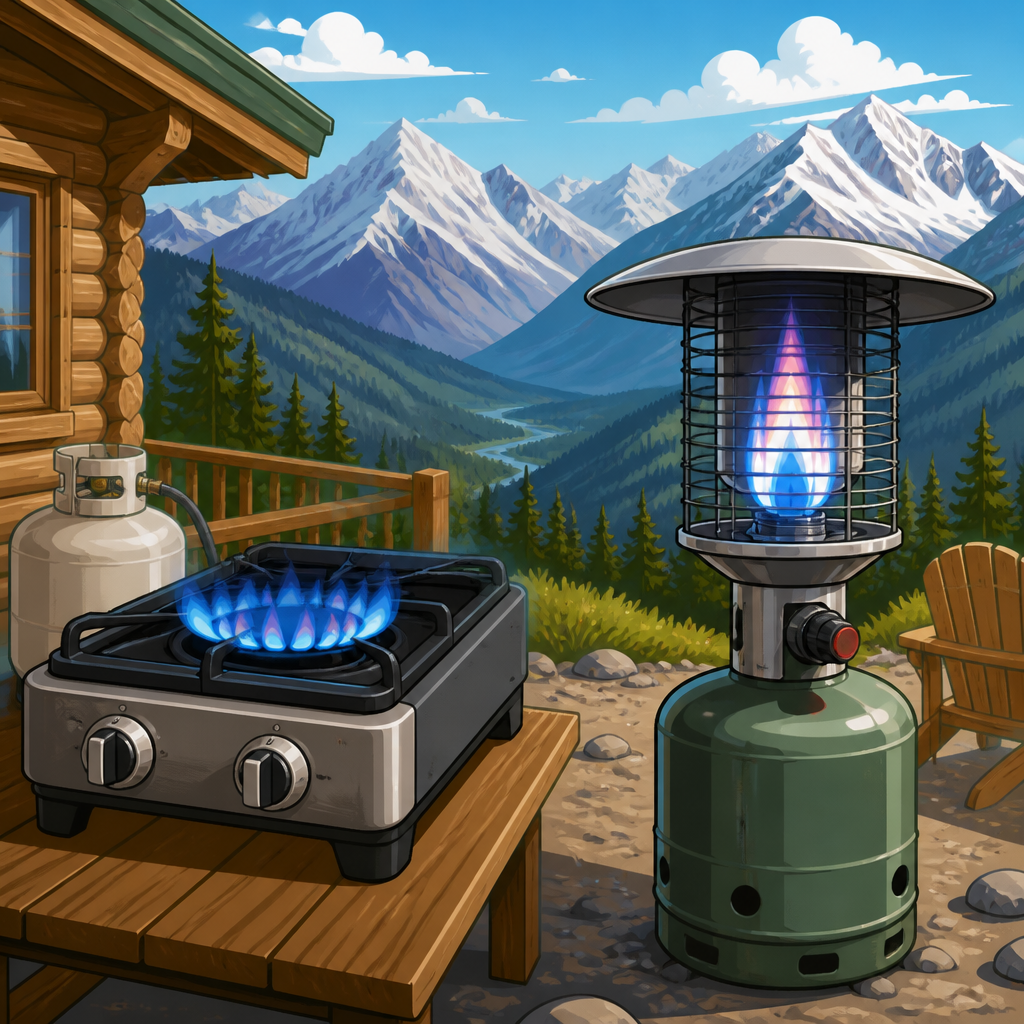
Propane appliances at altitude behave differently because thinner air changes how fuel and oxygen mix, how burners ignite, and how heat is transferred into your room, water tank, or cooking surface. In practical terms, a flame that looks strong at sea level can appear softer, taller, yellower, or less stable in mountain conditions, even when the appliance is otherwise in good shape. For homeowners, RV users, cabin owners, and anyone managing indoor systems in dry high-country climates, understanding that change matters for comfort, safety, efficiency, and humidity control. This hub article explains why propane appliances at altitude produce a different flame, what that means for indoor heating and moisture, and how this topic connects to ventilation, combustion air, appliance sizing, and off-grid living. By altitude, technicians generally mean elevations high enough for reduced air density to affect combustion, commonly beginning around 2,000 to 4,500 feet depending on appliance design. By propane appliance, we mean furnaces, wall heaters, ranges, ovens, water heaters, fireplaces, catalytic heaters, and some backup generators used in or around occupied spaces. Indoor systems and humidity belong in the same conversation because every combustion appliance influences heat, air movement, and moisture management. I have seen cabins with spotless propane heaters still struggle with condensation on windows, and I have seen yellow flames blamed on bad gas when the real issue was derating, incomplete primary air mixing, or a venting mismatch. This article serves as the hub for that broader subtopic, so it covers the flame itself and the related indoor conditions homeowners need to evaluate together.
At higher elevation, atmospheric pressure drops, which means each cubic foot of air contains less oxygen than it does at sea level. Propane still enters the burner at roughly the same energy content per unit of fuel, but combustion depends on the correct air-fuel ratio. Since there is less oxygen available, burners can run rich unless the appliance is designed or adjusted for altitude. A rich flame often appears more yellow or orange, can produce soot, and may generate more carbon monoxide if the imbalance is severe. The opposite can happen too: a flame may lift, flutter, or fail to transfer heat effectively if draft, injector size, regulator behavior, and venting interact poorly in thin air. Because mountain climates are often cold and dry, users may rely more heavily on propane for space heat, water heat, and cooking, increasing the importance of proper setup. High-altitude living also raises humidity questions. Unvented propane appliances release water vapor directly indoors, while vented appliances generally do not, and that difference becomes obvious during winter when condensation forms on cold surfaces. Understanding the flame is therefore a practical gateway to understanding indoor comfort, moisture balance, and system safety across the whole home.
Why propane flames change at altitude
The basic reason a propane flame looks different at altitude is reduced oxygen availability. Propane combustion ideally combines fuel with oxygen to produce carbon dioxide, water vapor, and heat. In a perfect burner setup, the flame is mostly blue because gas and air are mixing correctly and combustion is relatively complete. At altitude, lower barometric pressure reduces the mass of oxygen entering the burner. That shifts combustion characteristics even if the regulator, manifold pressure, and gas quality remain unchanged. Many manufacturers account for this by requiring derating, orifice changes, shutter adjustments, or dedicated high-altitude kits.
Technically, the issue is not merely “less air” but lower air density. Burner entrainment depends on velocity, pressure differential, and venturi geometry. Since less dense air contributes less oxygen per volume, the burner may pull in enough cubic feet of air but still not enough oxygen molecules. That is why the same flame can become lazier or more luminous in a mountain cabin than in a low-elevation test shop. The National Fuel Gas Code, manufacturer installation instructions, and local amendments often address this directly. A common rule of thumb is input reduction above 2,000 feet, but the exact threshold depends on the appliance listing and burner design.
Visual differences vary by appliance. On a cooktop, a high-altitude flame may look taller and slightly softer at the tips. In a furnace, the change may only be obvious through an inspection port, where flame carryover and burner face characteristics can be observed. In a vent-free heater, the change can become much more noticeable because room oxygen and indoor moisture conditions affect the combustion zone directly. Users often describe these differences as a weak flame, an orange flame, or a noisy flame, but each symptom points to a different diagnostic path.
What a normal flame should look like indoors
A normal propane flame is generally steady and predominantly blue, with well-defined inner cones and minimal yellow tipping. Brief orange flicker can occur from dust, humidity shifts, or airborne particles, especially when an appliance first lights after sitting unused. That does not automatically indicate danger. Persistent yellowing, waviness, soot deposits, delayed ignition, burner popping, or strong aldehyde-like combustion odors do indicate that the system needs inspection.
Different indoor systems naturally show different flame signatures. A propane range usually displays visible blue burner ports with crisp flame attachment. An oven burner may look softer because it operates under a cavity and uses a different burner geometry. A direct-vent fireplace often presents a decorative flame pattern, so some yellowing is intentionally designed into the log set appearance. A furnace burner, by contrast, should prioritize stable combustion and heat exchanger performance rather than visual aesthetics. This distinction matters because owners sometimes compare a fireplace flame to a furnace flame and assume one is faulty when it is simply designed differently.
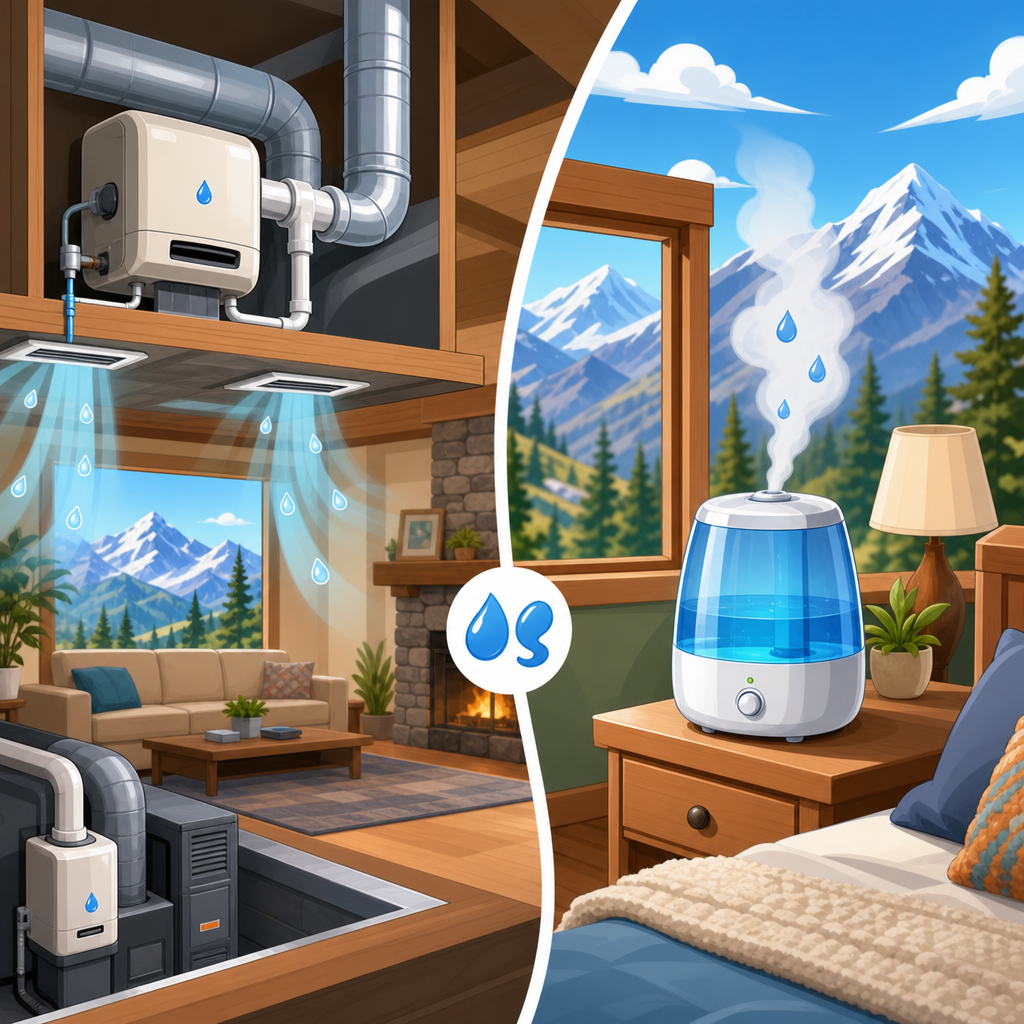
For indoor humidity management, the key distinction is vented versus unvented operation. Vented furnaces, boilers, and direct-vent heaters send combustion byproducts outside. Unvented room heaters and cooktops release water vapor indoors. Every gallon of propane burned produces substantial water during combustion, which is why cooking for long periods or using unvented heat can push indoor relative humidity upward. In winter, that added moisture may seem welcome in very dry mountain air, but it can also condense on windows, create mold risks in cold corners, and worsen indoor air quality if ventilation is inadequate.
Common altitude effects by appliance type
Altitude does not affect every propane appliance in exactly the same way because burner design, venting method, and control strategy differ. The table below summarizes typical patterns seen in homes, cabins, and RVs.
| Appliance | Typical flame change at altitude | Main indoor concern | Common correction |
|---|---|---|---|
| Range or cooktop | Softer blue flame, occasional yellow tips, slower boil times | Added indoor moisture and combustion byproducts | Clean ports, verify regulator pressure, improve kitchen ventilation |
| Oven | Longer preheat, altered burner appearance, uneven browning | Heat output and baking performance | Altitude conversion kit or manufacturer adjustment |
| Furnace | Subtle combustion changes, possible rollout or instability if misadjusted | Safety, efficiency, heat exchanger stress | Derate input, confirm manifold pressure, check combustion analysis |
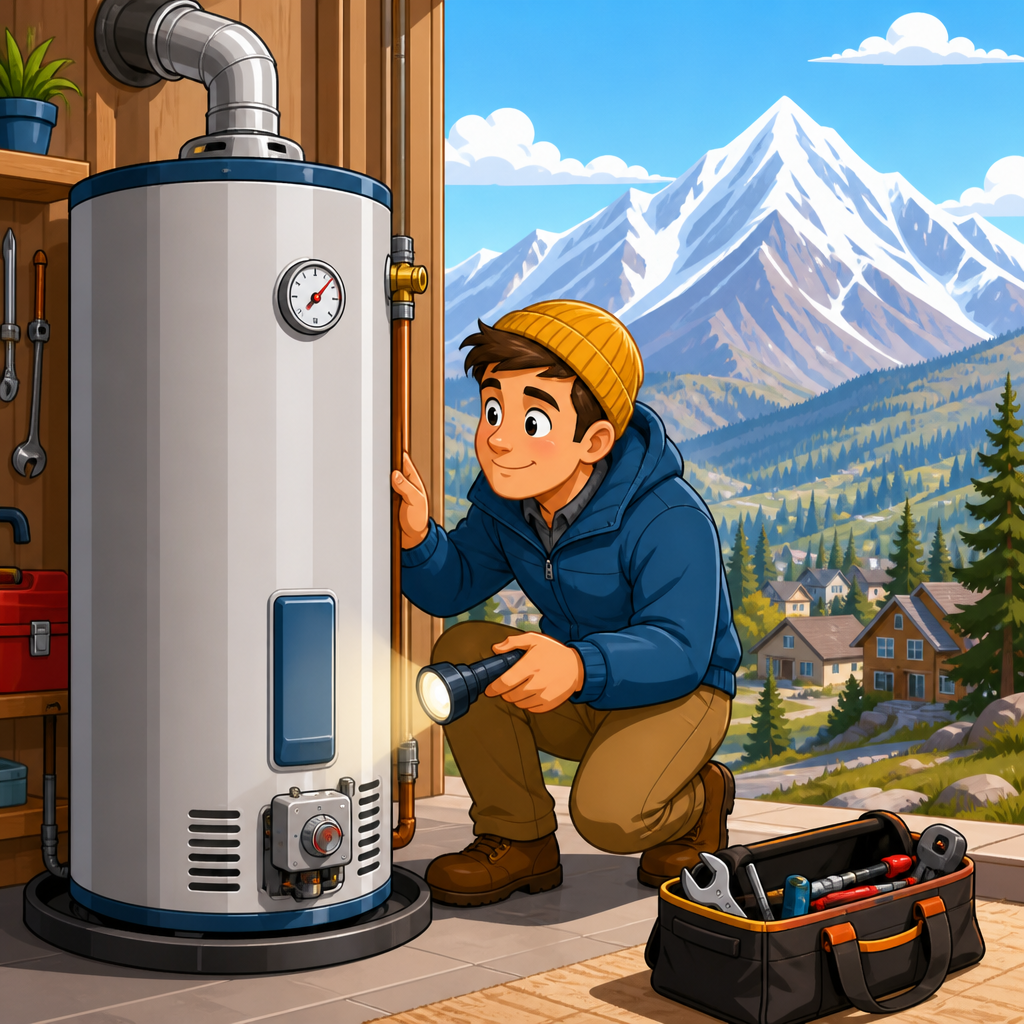
| Water heater | Longer recovery time, possible soot if running rich | Efficiency and vent performance | High-altitude orifice, draft verification, burner cleaning |
| Direct-vent fireplace | Taller or more yellow flame depending on log set and shutter settings | Appearance versus proper combustion balance | Manufacturer-approved shutter or air-mix adjustment |
| Vent-free heater | More sensitive to oxygen availability and room conditions | Indoor moisture, oxygen depletion, air quality | Follow elevation limits, increase ventilation, consider vented alternatives |
In field work, furnaces and water heaters usually deserve the closest attention because users may not notice combustion problems until efficiency drops or safety devices trip. Cooking appliances are easier to observe, but they are also easier to dismiss even though they can materially affect indoor humidity. That is why this indoor systems hub treats kitchen use, whole-house heat, and room-level moisture as one connected operating environment rather than isolated topics.
Altitude, humidity, and indoor comfort are linked
Mountain air is often dry, especially during heating season, so occupants may assume any added moisture is beneficial. Sometimes it is. Relative humidity between about 30 and 50 percent is often comfortable for occupants and can reduce static electricity, dry skin, and wood shrinkage. However, the right humidity level depends on indoor temperature and window surface temperature. If indoor air is too humid for the coldest surface in the room, condensation appears. At altitude, where nights are cold and many cabins have older glazing or thermal bridges, that threshold can be reached quickly.
Propane combustion complicates this balance. Vented appliances primarily add heat, while unvented combustion adds both heat and water vapor. A family cooking breakfast on a propane range, running a vent-free heater, and drying wet ski gear indoors can push moisture loads high enough for window streaming even though the outdoor climate is arid. Conversely, a tight modern home heated by sealed-combustion propane equipment may become uncomfortably dry because little moisture is generated indoors and ventilation systems continue to exchange air.
The flame itself can provide clues. If a vent-free heater shows more yellowing while indoor windows fog, the issue may be a combination of room oxygen depletion, burner contamination, and rising humidity. If a direct-vent unit burns cleanly but occupants still feel dry, the flame is not the humidity source. In that case, envelope leakage, exhaust fan use, or lack of humidification may be the larger indoor systems story. This is why homeowners should not evaluate flame color in isolation. Moisture behavior, ventilation, and appliance category matter just as much.
How to diagnose a different-looking propane flame safely
Start with the manufacturer’s installation manual and rating plate. Many propane appliances are listed for specific altitude ranges, and the approved adjustment method is not universal. Some require orifice changes. Some require input deration by a stated percentage per 1,000 feet. Others use adjustable air shutters or factory kits. Guessing is risky because reducing gas flow without verifying combustion can create ignition and performance problems instead of solving them.
Next, inspect the simple causes. Burner ports can accumulate lint, pet hair, food residue, rust scale, or spider webs, especially in seasonal cabins and RVs. These obstructions distort flame shape and can mimic altitude issues. Regulators should be checked for proper outlet pressure with a manometer. On many residential propane appliances, manifold pressure is around 10 inches water column, but always follow the appliance specification rather than a generic number. Supply issues, undersized piping, or low tank vaporization in extreme cold can also alter flame behavior.
A proper combustion analysis is the professional standard. Using instruments from firms such as Bacharach, Testo, or Fieldpiece, a technician can measure oxygen, carbon monoxide, carbon dioxide, flue temperature, draft, and excess air. These readings reveal whether the appliance is safely adjusted for actual operating conditions. Visual flame inspection is useful, but it is not enough. I have seen burners look acceptable to the eye while instruments showed elevated carbon monoxide and poor draft under load. That is especially important at altitude, where venting margins are smaller and assumptions fail faster.
Best practices for homes, cabins, RVs, and off-grid spaces
For permanent homes, choose sealed-combustion or direct-vent propane appliances whenever possible. They isolate combustion from indoor air, reduce backdrafting risk, and simplify humidity control. For cabins used intermittently, schedule preseason service because insects, dust, and rodent debris often affect burners after months of disuse. Install carbon monoxide alarms on every level and near sleeping areas, following NFPA and manufacturer placement guidance. Replace alarms at the end of their listed service life.
In RVs and vans, altitude affects furnaces, water heaters, absorption refrigerators, and cooktops, but mobile users often change elevation rapidly. Some newer equipment compensates better than older designs, yet many RV owners still notice harder starts or rougher flame above 5,000 feet. Ventilation becomes even more important in compact spaces because moisture from cooking and breathing accumulates quickly. Crack a roof vent, use the range hood if it exhausts outdoors, and avoid using cooking burners as space heaters.
For off-grid properties, power limitations sometimes push owners toward vent-free heaters because they are simple and need little electricity. The tradeoff is that they place combustion products and water vapor indoors. In a leaky old cabin that may seem manageable, but after air sealing or window upgrades, the same heater can create condensation and air quality complaints. The safer long-term strategy is usually a vented appliance paired with intentional ventilation and, if needed, a humidification plan tailored to the building shell. That systems approach gives you more control than trying to use a flame as a humidity tool.
When a different flame means call a professional
Call a qualified gas technician if the flame is persistently yellow, produces soot, lifts off the burner, flashes back, ignites with a bang, goes out unexpectedly, or trips safety controls. Also call if you notice headaches, unusual condensation patterns, scorch marks, melted wiring near burner compartments, or recurring carbon monoxide alarm events. These are not normal altitude quirks. They are warning signs.
The most useful service visit combines gas pressure testing, combustion analysis, vent inspection, and confirmation that the appliance is approved and adjusted for local elevation. Ask whether the installer followed the manufacturer’s altitude instructions and whether input was derated where required. If you are buying a mountain home or outfitting a remote cabin, request this documentation as part of the inspection process. It saves money, protects indoor air quality, and helps every propane system perform as designed.
The central lesson is simple: propane appliances at altitude show a different flame because combustion changes when air gets thinner, and that visual difference connects directly to comfort, moisture, efficiency, and safety indoors. Blue, stable flames generally indicate proper mixing, while persistent yellowing, soot, instability, or odor point to adjustment, maintenance, or venting problems that need attention. Across the broader indoor systems and humidity topic, vented versus unvented combustion is the key distinction. Vented equipment mainly affects heat delivery; unvented equipment also adds water vapor and byproducts to occupied rooms. In cold, dry mountain climates, that can either relieve dryness or create condensation, depending on the building shell and ventilation rate.
Use this hub as your starting point for evaluating indoor propane systems in homes, vehicles, and off-grid spaces. Check the appliance manual, verify altitude compatibility, monitor humidity, and treat flame appearance as a diagnostic clue rather than a complete diagnosis. If the flame has changed and you are unsure why, book a qualified inspection before the next heating cycle. A correctly adjusted propane appliance burns cleaner, controls moisture more predictably, and makes high-altitude living far more comfortable.
Frequently Asked Questions
Why does a propane flame look different at higher altitude?
At higher elevation, the air is thinner, which means there is less oxygen available in each volume of air entering the burner. Propane appliances are designed around a specific fuel-to-air balance, so when that balance changes, the flame changes too. Instead of the compact, steady blue flame many people expect at lower elevations, the flame may appear taller, softer, more yellow at the tips, or slightly more active and irregular. That does not always mean something is broken. In many cases, it reflects the fact that the burner is working with less oxygen during combustion.
Altitude also affects draft, ignition behavior, and heat transfer. In vented appliances such as furnaces, water heaters, and some fireplaces, thinner air can weaken how combustion gases move through the system. On cooktops and space heaters, the change can show up as slower response, altered flame shape, or reduced heat intensity. The important point is that flame appearance is a useful clue, but it should be interpreted in context. A different-looking flame at altitude can be normal, while a sooty, lazy, heavily yellow, or unstable flame still deserves attention because it may point to incomplete combustion, contamination, or a burner that needs adjustment for high-elevation use.
Is a yellow or taller propane flame at altitude always a sign of a problem?
No. A slightly taller flame or a small amount of yellow at the tips can be normal in mountain conditions, especially when compared with the same appliance operating at sea level. Because there is less oxygen available, the combustion process may be less crisp-looking even when the appliance is functioning within an acceptable range. This is one reason people often think an appliance has suddenly become inefficient or unsafe after moving it to a cabin, RV park, or high-country home, when in reality the change in altitude is affecting the visible flame.
That said, there is an important difference between a minor visual change and a true combustion problem. If the flame is very yellow, produces soot, lifts off the burner ports, flickers erratically, goes out easily, smells unusual, or leaves black residue on cookware or around the appliance, those are warning signs. They can indicate poor air mixing, dirt in the burner, pressure issues, or an appliance that needs a high-altitude adjustment kit or professional service. So the answer is not that yellow automatically means danger, but that persistent yellowing, soot, and instability should never be ignored. Flame color is just one symptom; the overall performance of the appliance matters too.
Do propane appliances need to be adjusted or derated for high altitude?
Often, yes. Many propane appliances lose output as elevation increases, and manufacturers commonly specify derating guidelines for operation above a certain height. Derating means the appliance is intentionally limited or adjusted to match the reduced oxygen available at altitude. Without that adjustment, the burner may be trying to burn the same amount of fuel with less oxygen, which can affect flame quality, efficiency, and safety. Depending on the appliance, the fix may involve a different orifice, regulator setting, air shutter adjustment, or a manufacturer-approved high-altitude kit.
This is especially important for furnaces, boilers, water heaters, fireplaces, and larger cooking appliances. Some units are approved only up to a certain elevation unless modified. Others are more tolerant but still benefit from tuning. The best source is always the installation manual and rating plate, because the correct approach varies by brand and model. Homeowners and RV users should avoid guessing or drilling parts themselves. A licensed technician can verify gas pressure, inspect combustion, and confirm whether the appliance is properly configured for your local elevation. That helps protect both performance and safety while preventing problems like poor ignition, soot formation, and unexpected shutdowns.
How does altitude affect ignition, heating performance, and overall efficiency?
Altitude can influence the entire combustion cycle, not just the way the flame looks. Ignition may become slower or less decisive because the fuel-air mixture is harder to light consistently when oxygen is less abundant. Burners may take a little longer to stabilize, and some appliances may cycle differently or feel less responsive. In practical terms, you might notice that a cooktop takes longer to bring a pot to a boil, a water heater recovers more slowly, or a furnace seems to run longer before the room feels comfortable. That is not just a visual issue; it is a reflection of reduced combustion intensity and lower heat transfer under thinner-air conditions.
Efficiency can also be affected if the appliance is not set up for altitude. When combustion is less complete, more energy is lost and less useful heat reaches your living space, water, or cooking surface. Draft-dependent appliances may be especially sensitive because venting performance changes as air density drops. In cold, dry mountain climates, these small differences become more noticeable because systems are often used heavily and expected to perform in harsher conditions. A properly adjusted propane appliance can still work very well at altitude, but it may not deliver the exact same flame shape, output, or timing you are used to at lower elevations. Knowing that helps users distinguish normal altitude-related behavior from signs of service needs.
What should homeowners, cabin owners, and RV users do if a propane flame seems unusual at altitude?
Start with the basics. Compare what you are seeing with the appliance manual, if available, and note whether the appliance has been approved or adjusted for your elevation. Check for obvious issues such as dirty burner ports, blocked air openings, spider webs or debris in venturi tubes, low propane supply, frost on cylinders or regulators, or poor ventilation around the appliance. In RVs and seasonal cabins, lack of use can allow dust, insects, and corrosion to interfere with normal burner operation, which can exaggerate the visual effects already caused by altitude.
If the flame is only slightly different but the appliance ignites reliably, heats normally, and shows no soot or odor, the change may simply be altitude-related. If performance is poor or the flame is unstable, yellow, noisy, or sooty, it is time to have the system inspected. A qualified propane or HVAC technician can check manifold pressure, confirm regulator performance, inspect venting, test combustion, and determine whether a high-altitude conversion or adjustment is needed. This is the safest way to separate normal mountain-operation quirks from real maintenance or safety concerns. Because propane appliances affect indoor comfort, cooking, hot water, and air quality, small flame changes are worth paying attention to before they become larger problems.