What does mild altitude sickness feel like at night? In most people, it feels like a throbbing headache that becomes more obvious once the day gets quiet, paired with restless sleep, unusual wakefulness, light nausea, faster breathing, and a sense that the body cannot fully settle. Those symptoms describe mild acute mountain sickness, usually called AMS, the most common altitude-related illness seen after a rapid ascent above roughly 2,500 meters or 8,200 feet. I have seen this pattern repeatedly in trekkers, skiers, and first-time visitors to mountain towns: they feel acceptable while moving around in daylight, then struggle after dinner when they lie down and notice every heartbeat, every breath, and every wave of discomfort.
AMS basics matter because mild symptoms are common, often misunderstood, and sometimes dismissed as dehydration, jet lag, poor fitness, or anxiety. The overlap is real, but altitude adds a specific physiological stressor: lower barometric pressure reduces the amount of oxygen available with each breath. The problem is not that the air contains less oxygen proportionally; it is that there is less pressure driving oxygen from the lungs into the bloodstream. Overnight, that stress can feel stronger. Sleep reduces ventilation, breathing can become periodic, and small symptoms become more noticeable when there are no daytime distractions. For a sub-pillar hub on altitude illness and acclimatization, understanding how mild AMS feels at night is the practical entry point, because it helps people recognize normal warning signs early and respond before symptoms escalate.
Why mild altitude sickness often feels worse after dark
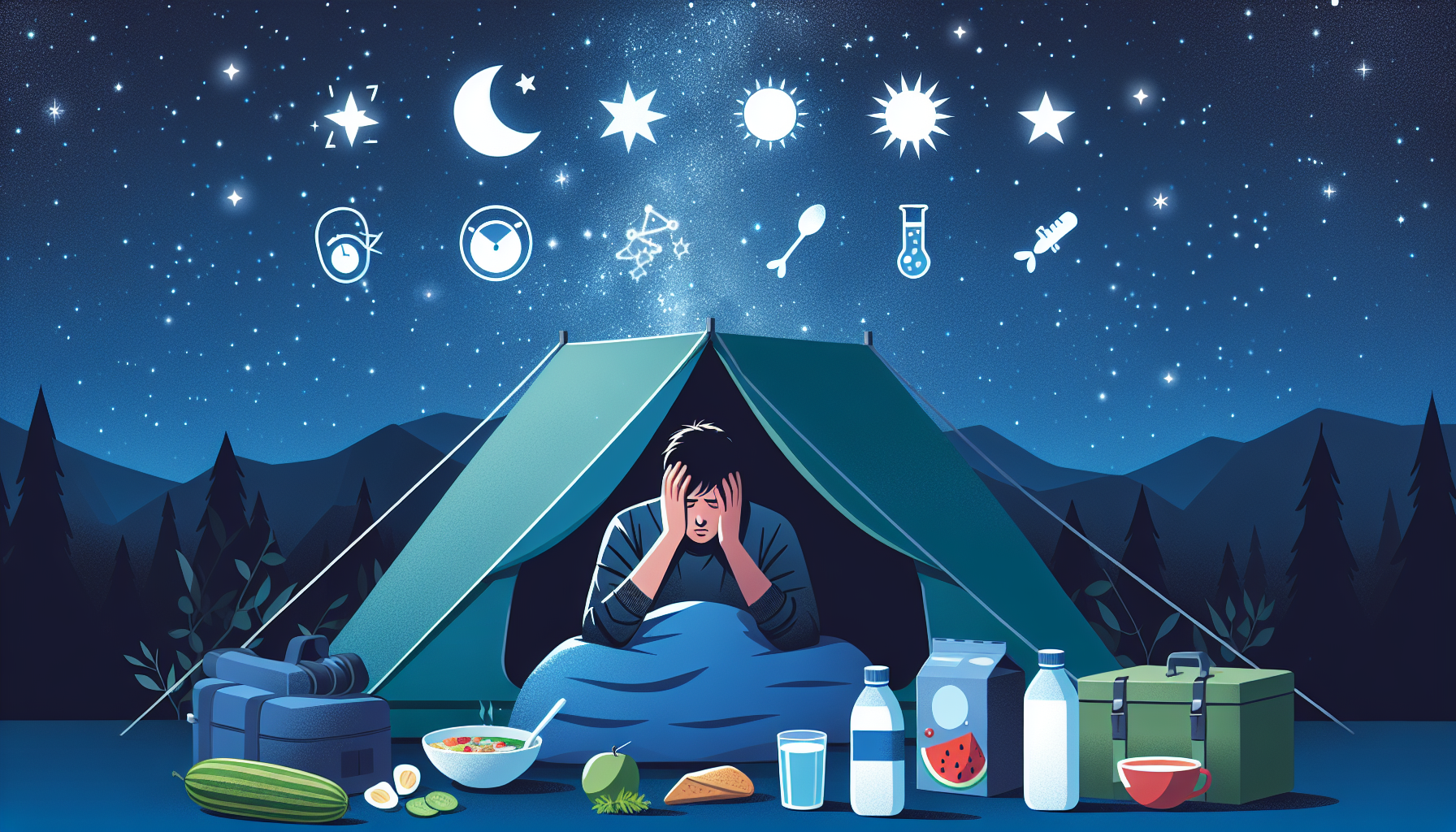
Mild altitude sickness often feels worse at night for three main reasons. First, you are finally still. During a hike or travel day, attention is on movement, scenery, logistics, and conversation. Once you lie down, headache, queasiness, and breath awareness stand out. Second, sleep at altitude is commonly fragmented. Even healthy people who are acclimatizing may breathe in an uneven pattern called periodic breathing, cycling between deeper breaths and brief pauses. That pattern can wake you with a sudden gasp or a sense of alarm, especially in the first one to three nights. Third, mild fluid shifts can make the head feel more pressurized when reclining, which is why some travelers say the headache is “fine while upright but annoying in bed.”
The classic symptom cluster of mild AMS includes headache plus one or more additional symptoms such as loss of appetite, nausea, fatigue, dizziness, or poor sleep. At night, poor sleep becomes central. People often describe difficulty falling asleep despite feeling tired, repeated awakenings, vivid dreams, or waking early with a dry mouth and pounding head. The breathing sensation can be unsettling: not severe shortness of breath at rest, but an awareness that you are breathing faster than usual or not getting the same satisfying deep breath you get at sea level. Mild nausea can also seem stronger after dinner, especially with alcohol, heavy meals, or dehydration. Importantly, these symptoms are uncomfortable but usually manageable; the person remains alert, can speak normally, and can walk without obvious imbalance.
What the symptoms feel like in plain terms
If you want the simplest answer, mild AMS at night usually feels like having a mild hangover combined with insomnia in a very dry room. The headache is often bilateral or frontal, though some people feel it behind the eyes or at the temples. It tends to worsen with bending over, sudden exertion, coughing, or lying flat. Nausea is usually low-grade rather than forceful vomiting. Fatigue can feel paradoxical: physically tired but mentally unable to settle. Dizziness is more like lightheadedness than room-spinning vertigo. Some people also notice reduced appetite, bloating, or a slight sense of chest tightness caused by faster breathing and anxiety rather than lung fluid.
In the field, I listen closely to how people describe sleep. “I kept waking up and felt like I forgot to breathe,” “my heart was pounding,” and “I was exhausted but could not get comfortable” are typical descriptions of mild nighttime altitude sickness. Another common report is emotional amplification. Minor discomforts feel larger after midnight, and people who were calm during the day may become worried that something is seriously wrong. Usually, reassurance plus a symptom check helps. If the person has a headache, poor sleep, mild nausea, and fatigue after a recent ascent, mild AMS is likely. If they are confused, markedly breathless at rest, coughing, struggling to walk straight, or deteriorating quickly, that is no longer mild and needs immediate action.
AMS basics: what it is, when it starts, and who gets it
Acute mountain sickness is a syndrome triggered by rapid exposure to lower oxygen pressure at altitude before adequate acclimatization occurs. Symptoms usually begin six to twenty-four hours after ascent and often peak during the first night at a new sleeping elevation. That timing is why so many people ask what mild altitude sickness feels like at night rather than during the climb itself. Most cases are mild and self-limited if ascent stops and the person rests, hydrates sensibly, and allows time to acclimatize. But AMS exists on a spectrum. Severe headache, persistent vomiting, worsening weakness, altered mental status, or poor coordination can signal dangerous progression or overlap with high-altitude cerebral edema, while breathlessness at rest and cough can raise concern for high-altitude pulmonary edema.
Anyone can get AMS. Fitness does not protect against it. I have seen marathoners struggle at 3,000 meters while less athletic travelers slept well, because susceptibility varies widely. Major risk factors include rapid ascent, higher sleeping altitude, prior history of AMS, vigorous exertion immediately after arrival, and sleeping at altitude without gradual staging. Alcohol and sedative medications may worsen sleep quality and cloud judgment, though they are not the root cause. Younger adults often report symptoms more than older adults, possibly because of faster ascents and more aggressive activity patterns, but no age group is immune. Children can develop AMS too, and the clue is often behavior: unusual fussiness, poor feeding, reduced play, or nighttime waking in a child who cannot clearly describe headache.
Key risk factors and how they change nighttime symptoms
Risk is best understood as a combination of altitude reached, speed of ascent, and individual susceptibility. A traveler flying from sea level to 2,700 meters may feel mild AMS their first night even if they are healthy, while a trekker who gradually hikes to that same altitude over several days may feel little or nothing. Sleeping elevation matters more than daytime high point because the body must sustain oxygen delivery for hours during rest. Exertion matters too. A hard run, ski day, or long uphill carry soon after arrival can magnify headache and fatigue by evening. Illness, poor sleep before travel, calorie deficit, and dehydration do not directly cause AMS, but they reduce reserve and make symptoms feel worse.
| Risk factor | Why it matters | How it may feel at night |
|---|---|---|
| Rapid ascent | Little time for ventilatory acclimatization | Headache, repeated waking, air hunger sensation |
| Higher sleeping altitude | Longer exposure to lower oxygen pressure during rest | More fragmented sleep, stronger headache on lying down |
| Prior AMS history | Past episodes predict future susceptibility | Symptoms may begin earlier and feel more familiar |
| Heavy exertion on arrival | Raises oxygen demand before adaptation occurs | Fatigue, nausea, restless sleep |
| Alcohol or sedatives | Can worsen breathing patterns and impair symptom judgment | More awakenings, grogginess, intensified headache |
The practical lesson is that mild altitude sickness is not random. In most cases, the trigger is identifiable. A common real-world example is the ski traveler who lands in Denver, drives to a resort around 2,800 meters, has a drink with dinner, and then cannot sleep because of headache and periodic breathing. Another is the trekker who pushes too far on day one, feels proud by afternoon, then wakes at 1 a.m. nauseated and uneasy. These stories follow the same physiology. The body needs time to increase ventilation, adjust acid-base balance through the kidneys, and gradually improve oxygen delivery. Until then, nighttime often exposes the mismatch between oxygen supply and demand.
How to tell mild AMS from dehydration, anxiety, insomnia, or something serious
Differentiating causes matters because the right response depends on the pattern. Dehydration can cause headache, dry mouth, and fatigue, but it usually improves with fluids and does not typically create the classic combination of headache plus poor sleep and altitude-related breath awareness after a recent ascent. Anxiety can produce chest tightness, fast breathing, and insomnia, yet anxiety alone does not reliably cause the exertional headache and appetite loss common with AMS. Simple insomnia may occur in a new environment, but it does not usually come with a worsening headache when lying down. A hangover can mimic AMS closely, which is why alcohol on arrival is unhelpful diagnostically as well as physiologically.
Red flags separate mild illness from emergencies. Mild AMS should not cause confusion, inability to walk heel-to-toe, blue lips, severe shortness of breath at rest, or a wet cough. Those findings suggest high-altitude cerebral edema, high-altitude pulmonary edema, or another urgent condition such as pneumonia, asthma, carbon monoxide exposure, or a neurological event. Use a structured check if available. The Lake Louise scoring system, widely used in altitude medicine, centers on headache plus symptom burden after recent ascent. It is useful for consistency, but bedside judgment remains essential. If symptoms are worsening despite rest, if the person cannot keep fluids down, or if any neurological or breathing red flag appears, descent and medical evaluation are the correct next steps.
What to do that first night: treatment, prevention, and acclimatization basics
For mild AMS at night, the first treatment is simple: do not ascend higher to sleep. Rest at the same elevation and monitor symptoms. Hydrate normally rather than force-drinking; overhydration does not fix AMS and can create other problems. Eat light, carbohydrate-rich food if tolerated. Avoid alcohol, minimize sleeping pills, and use headache relief such as ibuprofen or acetaminophen if appropriate for the individual. If symptoms are clearly mild and stable, many people improve by morning or over the next twenty-four to forty-eight hours. Supplemental oxygen, if available, can rapidly reduce symptoms, but it should not create false confidence to continue ascending without acclimatization.
Prevention is more effective than treatment. The core principle is gradual ascent, especially in sleeping altitude. Many mountain medicine guidelines advise limiting sleeping elevation gain once above about 3,000 meters and adding rest days during larger climbs. When a gradual itinerary is impossible, acetazolamide is the best-supported preventive medication for many travelers; it speeds acclimatization by stimulating ventilation. It is not a performance enhancer and it does not make reckless ascent safe, but used correctly it reduces risk. Dexamethasone can prevent symptoms in select higher-risk situations, though it is generally reserved for specific indications because it masks symptoms rather than promoting true acclimatization. This hub topic leads naturally into related pages on acetazolamide dosing, sleep at altitude, staged ascent plans, and warning signs that mandate descent.
When nighttime symptoms are normal, and when to change your plans
Some nighttime discomfort at altitude is common even without clinically significant AMS. A slightly elevated resting heart rate, dry air causing nasal irritation, lighter sleep, and occasional periodic breathing can all occur during normal acclimatization. The key question is whether symptoms are mild, stable, and improving, or whether they are building into a pattern of deterioration. Mild altitude sickness feels unpleasant but manageable. You can usually drink, speak clearly, and move around carefully. Dangerous altitude illness feels progressive and limiting. You may become too nauseated to function, too breathless to rest, too weak to walk normally, or too confused to assess yourself.
The most useful rule I teach is this: if symptoms are mild, stop and acclimatize; if symptoms are worsening, descend; if neurological signs or breathlessness at rest appear, descend immediately and seek medical care. That rule prevents most bad outcomes because it respects how altitude illness evolves. Night is often when the body tells the truth. If your first night at altitude brings a mild headache, poor sleep, and slight nausea, take it seriously but do not panic. Slow down, treat symptoms, and give acclimatization time to work. If you are planning travel in mountain regions, build a conservative itinerary, learn the early symptom pattern, and review the companion articles in this altitude illness and acclimatization hub before you go.
Frequently Asked Questions
What does mild altitude sickness usually feel like at night?
Mild altitude sickness at night often feels more noticeable than it did during the day. The most common sensation is a throbbing or pressure-like headache that seems louder once everything gets quiet and you are no longer distracted by activity. Many people also describe restless sleep, frequent waking, unusual alertness when they expected to feel tired, mild nausea, reduced appetite, a slightly lightheaded feeling, and a sense that their breathing is faster or less natural than normal. Some notice they keep taking deeper breaths or waking suddenly because they feel they have not settled into a comfortable breathing rhythm.
This nighttime pattern is typical of mild acute mountain sickness, or AMS, especially after a rapid ascent to elevations above about 2,500 meters, or 8,200 feet. Symptoms often stand out more at night not necessarily because the condition has suddenly become severe, but because lying still makes head discomfort more obvious and changes in breathing during sleep can make people feel unsettled. In mild cases, the person is uncomfortable but still able to speak normally, walk, think clearly, and function, even if they do not feel good.
Why can mild altitude sickness seem worse after dark or when trying to sleep?
There are a few reasons mild altitude sickness tends to feel stronger at night. First, during the day, movement, conversation, sunlight, meals, and general activity can distract from symptoms. Once you lie down in a dark, quiet room, a mild headache or unsettled stomach becomes easier to notice. Second, sleep itself changes breathing patterns. At altitude, lower oxygen levels can lead to more irregular breathing during rest, and that can make people wake up feeling uneasy, short of breath, or suddenly very aware of their heartbeat and breathing.
Another factor is that dehydration, overexertion, alcohol use, poor food intake, and a rapid gain in sleeping elevation can all catch up with you by nighttime. Someone may have felt “mostly fine” during the afternoon, then discover after dinner or when getting into bed that they have a pulsing headache, mild nausea, and an inability to fully relax. That does not automatically mean a dangerous emergency is developing, but it is a sign to take symptoms seriously, rest, hydrate sensibly, avoid further ascent, and monitor how you feel through the night and into the next morning.
How can I tell the difference between mild altitude sickness and just a bad night of sleep at altitude?
A poor night of sleep at altitude can happen even without AMS, so the key difference is the overall symptom pattern. Mild altitude sickness usually includes a headache plus one or more additional symptoms such as nausea, dizziness, unusual fatigue, loss of appetite, or restless sleep after a recent ascent. In contrast, someone who is simply sleeping poorly at altitude may feel they are waking more often or breathing differently, but they may not have the characteristic altitude headache or the same combination of symptoms that point toward AMS.
Timing also matters. If symptoms began after climbing quickly to a higher elevation and especially if they worsened after activity or by bedtime, mild AMS becomes more likely. A single rough night from a noisy room, anxiety, caffeine, or dry air can mimic part of the experience, but it usually does not come with the classic pressure-like headache and general “off” feeling many people report with altitude illness. If symptoms improve with rest, fluids, avoiding further ascent, and time to acclimatize, that also fits the pattern of mild AMS. If they steadily worsen, or if new symptoms appear that go beyond mild discomfort, the situation needs closer attention.
What should I do if I think I have mild altitude sickness at night?
The first step is to stop ascending and give your body time to adjust. Mild AMS often improves with rest, hydration, light food if you can tolerate it, and avoiding alcohol or strenuous exertion. If you have a headache, using a standard over-the-counter pain reliever may help, assuming you can take it safely. Try to stay warm, breathe calmly, and avoid panicking if your sleep feels strange. Many people at altitude wake more often than usual and feel their breathing is irregular; that can be uncomfortable without necessarily meaning something dangerous is happening.
It is also important to monitor the direction of symptoms. If the headache is mild to moderate, nausea is limited, and you are otherwise thinking clearly and moving normally, you may simply need a quiet night and a slower pace the next day. But do not ignore persistent or worsening symptoms. If you are feeling significantly worse by morning, or if rest does not help, descending is often the most effective treatment. The main rule is simple: do not climb higher with symptoms of AMS, especially if they are not improving.
When is nighttime altitude sickness no longer mild and a sign that I should get help or descend immediately?
Mild altitude sickness becomes more concerning when symptoms are intensifying rather than stabilizing. Warning signs include a severe headache that does not improve, repeated vomiting, marked weakness, trouble walking in a straight line, confusion, unusual behavior, chest tightness at rest, persistent breathlessness that feels out of proportion, or a cough that is worsening. These features suggest the problem may be progressing beyond simple mild AMS and should not be brushed off as “just altitude” or “just a bad night.”
At night, serious symptoms can feel especially alarming because they interrupt sleep and may come on when help feels less available. If someone cannot rest because they are struggling to breathe, seems mentally altered, is too dizzy to stand properly, or looks clearly worse over a short period, immediate descent and medical evaluation are the right response. In mountain settings, the safest mindset is to respect symptoms early. Mild AMS is common and often manageable, but once symptoms move beyond headache, restless sleep, and mild nausea into neurological or significant breathing problems, it is time to act quickly rather than wait until morning.