Arriving in Jackson Hole feels dramatic before you even leave the plane, because the valley is framed by the Teton Range, sits at high elevation, and combines airport convenience with rugged mountain conditions that affect your body right away. In practical terms, Jackson Hole usually refers to the broad valley in northwestern Wyoming, while Jackson is the town most visitors use as their base. That distinction matters because physical conditions vary across the area: the airport is inside Grand Teton National Park, downtown Jackson sits around 6,200 feet, Teton Village is higher, and nearby trailheads climb fast. If you are planning a trip, understanding what to expect physically when you arrive in Jackson Hole helps you prepare for altitude, dryness, weather swings, wildlife protocols, and transportation logistics before they become problems.
I have worked on destination content and mountain travel planning long enough to know that the first hours after arrival shape the whole trip. Visitors often imagine the big experiences first: skiing, national parks, fly fishing, rafting, and wildlife viewing. What they underestimate is the transition into the environment itself. Your lips can dry out on day one. A short walk with luggage can feel more tiring than expected. Summer sun burns faster at elevation, while winter cold feels sharper because the air is dry and clean. Roads are generally manageable, but snow, ice, and wildlife crossings demand full attention. Even healthy travelers can feel slightly headachy or dehydrated if they land, grab a beer, and head straight for activity.
Jackson Hole matters as a hub within US city guides because it is not a conventional city break. It combines town services with gateway access to Grand Teton National Park, Yellowstone National Park, and one of the most famous ski regions in North America. That creates a different arrival experience than Denver, Seattle, or Salt Lake City. You are not stepping into a dense urban grid; you are stepping into a mountain valley where physical comfort depends on preparation. The key terms are straightforward. Altitude refers to reduced oxygen pressure at higher elevation. Acclimatization is your body’s adjustment process. Wind chill describes how cold moving air makes exposed skin feel. Layering means managing clothing through a base layer, insulating midlayer, and weather-resistant shell.
For travelers researching US city guides, this page works as a hub because Jackson Hole sets the pattern for many Western gateway destinations: compact town center, airport-to-outdoor transition, fast weather changes, and a visitor economy built around recreation. If you know what your body is likely to feel and what the built environment requires, you move more confidently from airport to hotel to trail, slope, or town square. The sections below explain exactly what to expect physically when you arrive in Jackson Hole, with clear examples and practical benchmarks you can use whether you are visiting in ski season, peak summer, shoulder season, or on a road trip through the Mountain West.
Altitude, hydration, and how your body usually reacts first
The first physical change most visitors notice is not scenery but effort. Jackson Hole’s valley floor is already high enough for some people to feel mildly winded when carrying bags upstairs or walking quickly after landing. At roughly 6,200 feet in Jackson and around 6,400 feet near the airport, the air contains the same percentage of oxygen as at sea level, but lower air pressure means less oxygen reaches your body with each breath. For many travelers, that produces subtle symptoms rather than dramatic altitude sickness: dry mouth, light headache, poor sleep the first night, quicker fatigue, and thirst that seems to arrive out of nowhere.
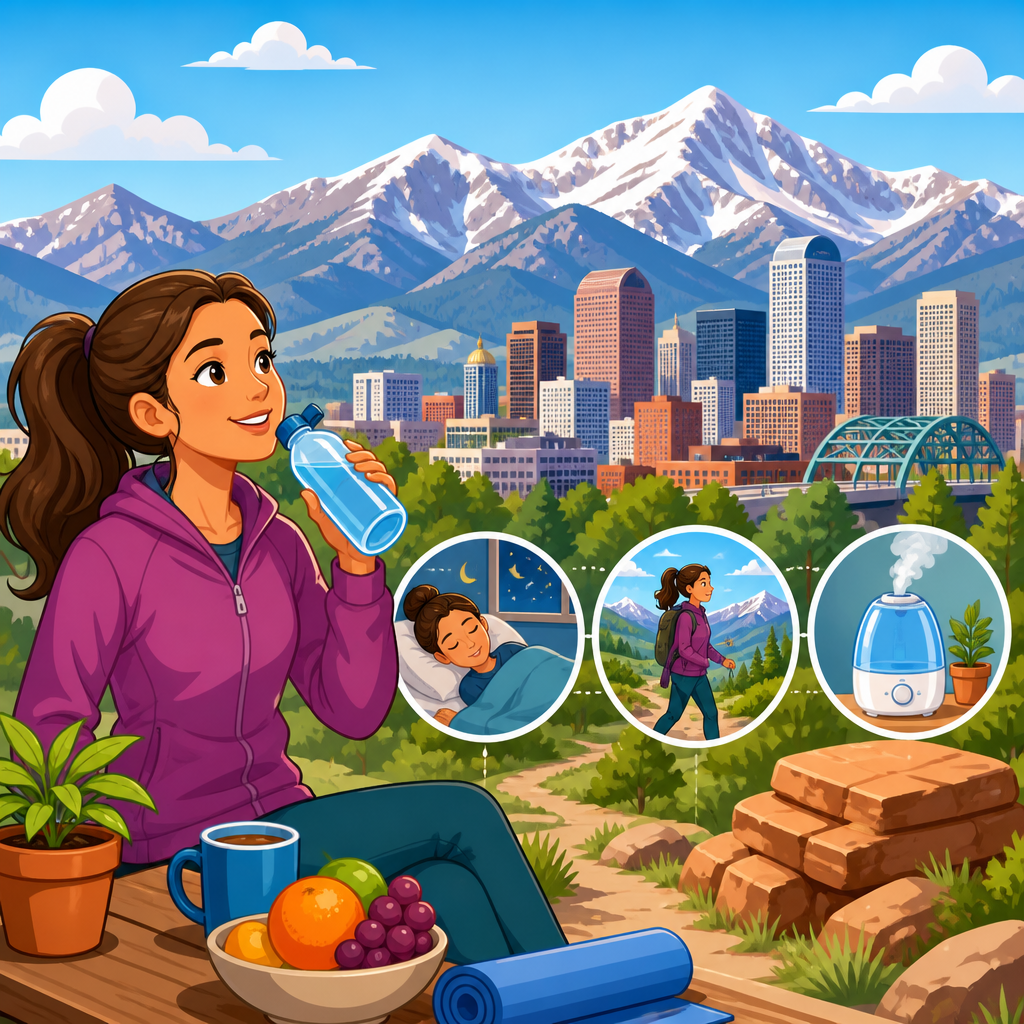
The most reliable response is simple: hydrate early, eat normally, and avoid treating the first afternoon like a performance test. I advise visitors to start drinking water before boarding their flight, keep sipping after arrival, and limit alcohol until dinner or later. Coffee is fine if that is part of your routine, but it should not replace water. If you are arriving from sea level, skip the instinct to land and immediately do a hard hike such as climbing steep sections around Snow King or heading for a strenuous Grand Teton trail. Give your body half a day to settle in. Families often do best by checking in, walking downtown slowly, and eating a balanced meal with carbohydrates and protein.
Dryness compounds the altitude effect. Indoor heating in winter and sun exposure in summer both increase water loss. A reusable water bottle, lip balm, saline nasal spray, and moisturizer are not luxuries here; they are basic comfort tools. Most healthy travelers adjust within a day or two. However, severe headache, vomiting, unusual shortness of breath at rest, or confusion are not normal travel discomforts and should be treated seriously. Travelers with heart, lung, or sleep-related conditions should discuss mountain travel with a clinician before visiting, especially if their itinerary includes sleeping higher than Jackson proper or doing vigorous activity soon after arrival.
Weather, sun, and why layers matter more than the forecast
Jackson Hole weather changes fast enough that a forecast alone does not tell you how it will feel on your skin. The valley can be cool in the morning, warm at midday, windy in the afternoon, and sharply cold after sunset, even in summer. In winter, bluebird skies often follow snowstorms, creating deceptively bright days that still demand serious insulation. The physical sensation is defined by radiation, wind, and dryness as much as air temperature. That is why experienced locals build outfits around layers rather than one heavy piece. A moisture-wicking base layer keeps sweat off your skin, an insulating layer traps heat, and a shell blocks wind or precipitation.
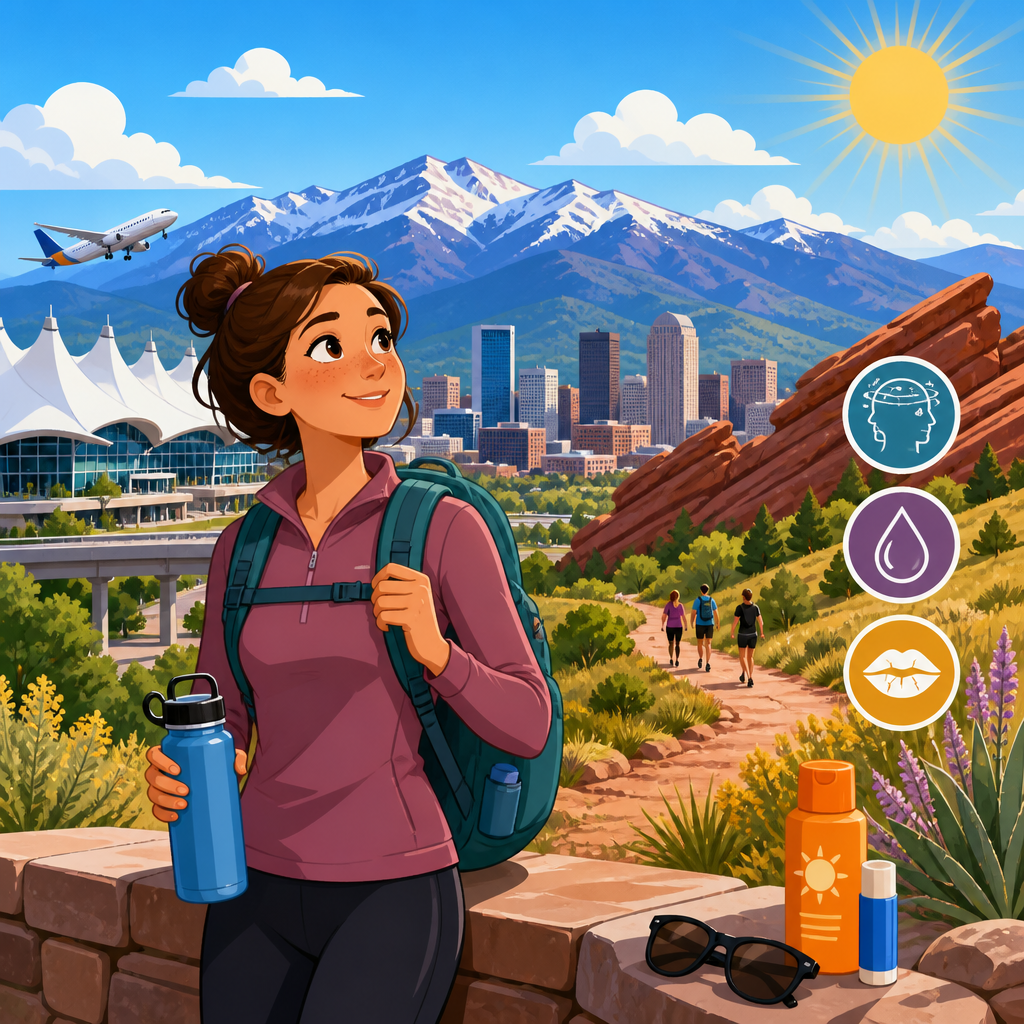
Sun exposure surprises many first-time visitors. Higher elevation increases ultraviolet intensity, and reflective surfaces such as snow and water amplify it. It is common for travelers to arrive on a cool day, feel no obvious heat, and still end up with a burned nose, cheeks, or neck by evening. In summer, broad-spectrum sunscreen, sunglasses with strong UV protection, and a brimmed hat make a noticeable difference within hours. In winter, goggles or sunglasses are just as important because glare from snow can be intense. Chapped lips, watery eyes, and wind-burned skin are avoidable if you prepare for exposure instead of judging by temperature alone.
| Condition | What it feels like on arrival | Best immediate response |
|---|---|---|
| High altitude | Mild breathlessness, thirst, headache, poor sleep | Drink water, slow your pace, avoid heavy exertion |
| Dry air | Chapped lips, dry nose, tight skin | Use lip balm, moisturizer, saline spray |
| Strong sun | Fast sunburn despite cool air | Apply SPF 30+ sunscreen, wear sunglasses and hat |
| Winter cold and wind | Numb fingers, stinging face, rapid heat loss | Layer clothing, cover exposed skin, keep spare gloves |
| Snow or ice underfoot | Slippery parking lots, sidewalks, and trailheads | Wear boots with traction and walk deliberately |
For a US city guide audience, the main point is that Jackson Hole rewards flexible packing more than fashionable packing. Good footwear, a compact daypack, and one extra layer solve more arrival problems than a suitcase full of single-purpose outfits. If you are linking onward to guides about what to pack for Wyoming, Grand Teton itineraries, or winter weekend trips, this is the concept that ties them together: physical comfort in Jackson starts with managing exposure.
Getting from the airport, moving around town, and handling the terrain
Jackson Hole Airport is unusually scenic and unusually practical, but its setting changes what arrival feels like. Because the airport sits within Grand Teton National Park, the transition from runway to open landscape is immediate. You may deplane into cold air, bright sun, or gusty wind with very little urban buffering. The terminal is compact, which makes arrival easy, but baggage claim, rental cars, and ground transportation can feel crowded during peak ski and summer travel windows. Physically, the key is to expect more outdoor exposure than at a major hub airport. Keep a jacket accessible, not buried in checked luggage, especially if you are arriving in shoulder season or winter.
If you are renting a car, road conditions deserve respect. In summer, driving from the airport to Jackson or Teton Village is straightforward, but wildlife crossings are real, especially at dawn and dusk. In winter, packed snow, black ice, and low visibility can turn a short drive into a cautious one. Four-wheel drive helps with traction, but it does not shorten braking distance on ice. I always tell visitors the same thing: the most important winter driving feature is judgment. Leave following distance, clear all snow from windows and lights, and assume shaded sections of road may be slick even when the pavement looks clean elsewhere.
Once in town, Jackson is walkable in its central core around Town Square, but walkable does not always mean effortless. Sidewalks can be icy in winter, slushy in thaw periods, and uneven in boots if you are carrying shopping bags or wrangling kids. In summer, the dry air and elevation still make a longer stroll feel more substantial than it would at lower altitude. Public transportation and hotel shuttles can reduce hassle, especially for ski travelers heading to Jackson Hole Mountain Resort in Teton Village. If your broader US city guides strategy includes internal links to airport transfer tips, rental car comparisons, or winter road trip planning, Jackson Hole is a strong example of why “last mile” movement affects comfort as much as flight logistics.
Seasonal differences: winter arrivals versus summer arrivals
Winter and summer create almost opposite arrival experiences, even though the same core factors remain in play. In winter, the immediate physical challenge is heat retention. You move between heated interiors and genuinely cold outdoor air, often below freezing, with snow glare and wind adding stress. Fingers and toes cool quickly if gloves, socks, or boots are inadequate. Ski travelers should expect to carry bulky gear, navigate snowy parking areas, and feel fatigue faster on the first day at altitude. The smartest first-day winter plan is light movement, equipment fitting, groceries, and an early night rather than a full afternoon on the mountain.
Summer presents a softer first impression but often catches people off guard in different ways. The mornings can be crisp, the afternoons warm, and thunderstorms can build with little warning. Visitors arrive eager to hike, bike, or float the Snake River, then underestimate dehydration and sun exposure. Because the air is so clear, distances can look shorter than they are, especially in Grand Teton viewpoints where peaks feel deceptively close. That visual compression leads some people to start hikes too late, carry too little water, or wear inadequate footwear for rocky terrain. Even casual sightseeing days involve more standing, walking, and altitude exposure than many urban vacations.
Shoulder seasons add another layer of unpredictability. Spring and fall can deliver beautiful uncrowded conditions, but services may run on reduced schedules, and weather can shift from mild to wintry quickly. Snowfall in late spring or early fall is not impossible, and mud can complicate trails and roadside pullouts. Travelers using Jackson Hole as a city guide hub should think season first, then build daily plans around that reality. The destination is usable year-round, but your body’s demands change dramatically with month, activity level, and where you sleep.
Wildlife, outdoor etiquette, and staying physically safe
One of the most distinctive things about arriving in Jackson Hole is how quickly wildlife becomes part of normal travel behavior. You are entering an ecosystem where elk, bison, moose, bears, and other animals shape traffic patterns, trail use, and personal safety rules. Physically, that means you cannot move through the landscape with the casual assumptions of a city park. Moose in particular deserve caution because they can appear calm and still react aggressively if crowded, especially in winter or around calves. Bison injure visitors every year in the greater Yellowstone region because people treat them as photo props instead of large wild animals.
The standard guidance is simple and should be followed literally: keep your distance, use binoculars or a zoom lens, never feed wildlife, and get back into your vehicle if animal behavior changes. On trails, make noise in brushy areas, store food properly, and understand bear safety before you head out. In practical terms, many first-day visitors are safest sticking to developed viewpoints, ranger stations, and marked paths until they have oriented themselves. That does not reduce the experience; it improves it by lowering risk and helping you read the environment accurately.
Physical safety also includes ordinary mountain-town habits that visitors forget. Afternoon storms can bring lightning to exposed areas. Rivers remain cold enough to be dangerous even on hot days. Boardwalks, rocks, and muddy shoulders can be slippery. Cell service is not universal once you leave town. The reason Jackson Hole works so well as a US city guide hub is that it connects urban conveniences with genuine backcountry risk. A useful travel plan respects both sides of that identity. Before you set out, check conditions through the National Park Service, Bridger-Teton Avalanche Center in winter, local weather, and your lodging host or outfitter.
What to expect physically when you arrive in Jackson Hole comes down to one principle: this destination asks your body to adapt quickly, but it rewards that effort with access to one of the most remarkable mountain settings in the United States. Expect thinner air, drier skin, stronger sun, bigger temperature swings, and more physically demanding movement than a typical city trip. Expect roads, sidewalks, and outdoor spaces to be shaped by season. Expect wildlife rules to matter in real ways. If you plan for those realities, arrival feels energizing instead of disorienting.
As a hub within Travel & Destinations and broader US city guides, Jackson Hole is best understood as a gateway town rather than a conventional urban stop. The practical advantage of that perspective is clarity. Pack layers, hydrate early, move deliberately on day one, respect driving and trail conditions, and build your first itinerary around acclimatization instead of ambition. Those small decisions improve sleep, comfort, safety, and enjoyment for the rest of your stay.
Use this guide as your starting point, then continue to related Jackson, Grand Teton, Yellowstone, packing, and seasonal itinerary resources to match your trip style. The more precisely you prepare for the physical reality of Jackson Hole, the more fully you can enjoy why you came.
Frequently Asked Questions
What physical changes do most people notice first when they arrive in Jackson Hole?
The first thing many visitors notice is that Jackson Hole feels different almost immediately, even before they collect their bags or step outside the airport. The valley sits at high elevation, so the air is thinner and drier than what many travelers are used to at lower elevations. That can translate into mild shortness of breath, a faster heart rate when walking briskly, dry lips, dry nasal passages, and a feeling of fatigue that arrives earlier than expected. Some people also notice a slight headache, especially if they are dehydrated from flying.
The setting adds to that physical impression. Arrival is visually dramatic because the Teton Range rises sharply from the valley, and the airport itself is located inside Grand Teton National Park. That means your transition from plane to mountain environment is unusually direct. You are not easing into alpine conditions through a long urban drive; you are arriving in a landscape where elevation, weather, and dry air are part of the experience right away. Even if you feel fine at first, your body is still adjusting, so it is smart to slow down, drink water, and avoid jumping immediately into strenuous activity.
Can the altitude in Jackson Hole make you feel sick, even if you are only there for a short visit?
Yes, it can. Not everyone experiences altitude-related symptoms, but some visitors feel the effects within hours of arrival, especially if they come from sea level or travel quickly from airport to outdoor activity. Jackson Hole is high enough that your body may need time to adapt to lower oxygen availability. Mild altitude effects can include headache, lightheadedness, unusual tiredness, poor sleep, nausea, and feeling winded during simple movements like climbing stairs or carrying luggage.
For most people, these symptoms are manageable and improve with rest, hydration, and a lighter first day. Alcohol can make the adjustment harder, and intense exercise on day one can push a mild issue into a miserable one. It also helps to remember that “Jackson Hole” refers to the wider valley, while “Jackson” is the town where many visitors stay, and conditions can vary depending on where you go in the area. If symptoms become severe, worsen quickly, or include confusion, chest pain, or significant trouble breathing, that is no longer typical adjustment and should be taken seriously. In general, however, most short-term visitors do well if they pace themselves and give their bodies time to catch up.
Why do visitors often feel more tired or dehydrated than expected after landing?
There are several reasons, and they tend to stack together. Air travel is already dehydrating, and when you combine that with Jackson Hole’s dry mountain climate and higher elevation, the effect becomes more noticeable. You lose moisture more quickly through breathing, your skin and lips dry out faster, and you may not realize how much fluid you need because cooler mountain air does not always make you feel sweaty. On top of that, your body is working harder to adjust to thinner air, which can leave you feeling sluggish even if you slept during the flight.
Travel fatigue also hits differently in a place like Jackson Hole because the environment encourages movement right away. People often arrive excited to explore, walk the town, drive through the park, or head straight toward hiking, skiing, or sightseeing. That enthusiasm can mask the fact that your body is under a little stress. A smart arrival routine is simple: drink water steadily, eat something balanced, use lip balm and moisturizer if you need them, and keep your first few hours low key. If you do that, you will often feel dramatically better by the next day.
How much do weather and mountain conditions affect you physically when you arrive?
They can affect you a lot, and often faster than first-time visitors expect. Jackson Hole combines airport convenience with real mountain conditions, which means the physical environment can shift quickly depending on season, time of day, and where you are in the valley. Even after a smooth landing, the weather outside may be much colder, windier, sunnier, or drier than what you left behind. In winter, cold air and wind can make exposed skin feel uncomfortable almost immediately. In summer, strong sun at elevation can lead to faster sunburn and dehydration, even when temperatures feel mild.
The geography matters too. Because Jackson Hole is a broad valley surrounded by mountains, conditions are not uniform. The airport being inside Grand Teton National Park reinforces that you are arriving directly into an outdoor environment rather than a heavily built-up metro area. One location may feel calm while another is breezy or significantly cooler, particularly in the morning or evening. Dress in layers, keep water accessible, and do not underestimate sun protection. Sunglasses, sunscreen, and a light jacket are useful in more seasons than many visitors assume. Physically, the biggest mistake is treating arrival like an ordinary airport transfer instead of a transition into an alpine setting.
What should you do on your first day in Jackson Hole to help your body adjust comfortably?
The best first-day strategy is to treat arrival as part of the trip, not just a logistical step before the “real” activities begin. Start by hydrating early and consistently, ideally before you feel thirsty. Eat a decent meal, avoid overdoing alcohol, and keep physical effort moderate for the first several hours. If you want to sightsee right away, choose lower-intensity options such as a scenic drive, a relaxed walk around Jackson, or a calm stop to take in the Tetons rather than a demanding hike or hard workout. This is especially important if you flew in from low elevation.
It also helps to prepare for the valley’s dryness and variable weather. Use sunscreen even on cooler days, apply lip balm, and keep an extra layer handy because temperatures can shift quickly. If you are staying in Jackson, remember that the town is often the base for exploring the broader Jackson Hole area, so your physical experience may change as you move between town, the airport, and surrounding park or mountain areas. Listen to your body. If you feel unusually tired, headachy, or lightheaded, slow down instead of pushing through it. Most people adjust well when they respect the altitude, stay hydrated, and give themselves one easy day at the start.