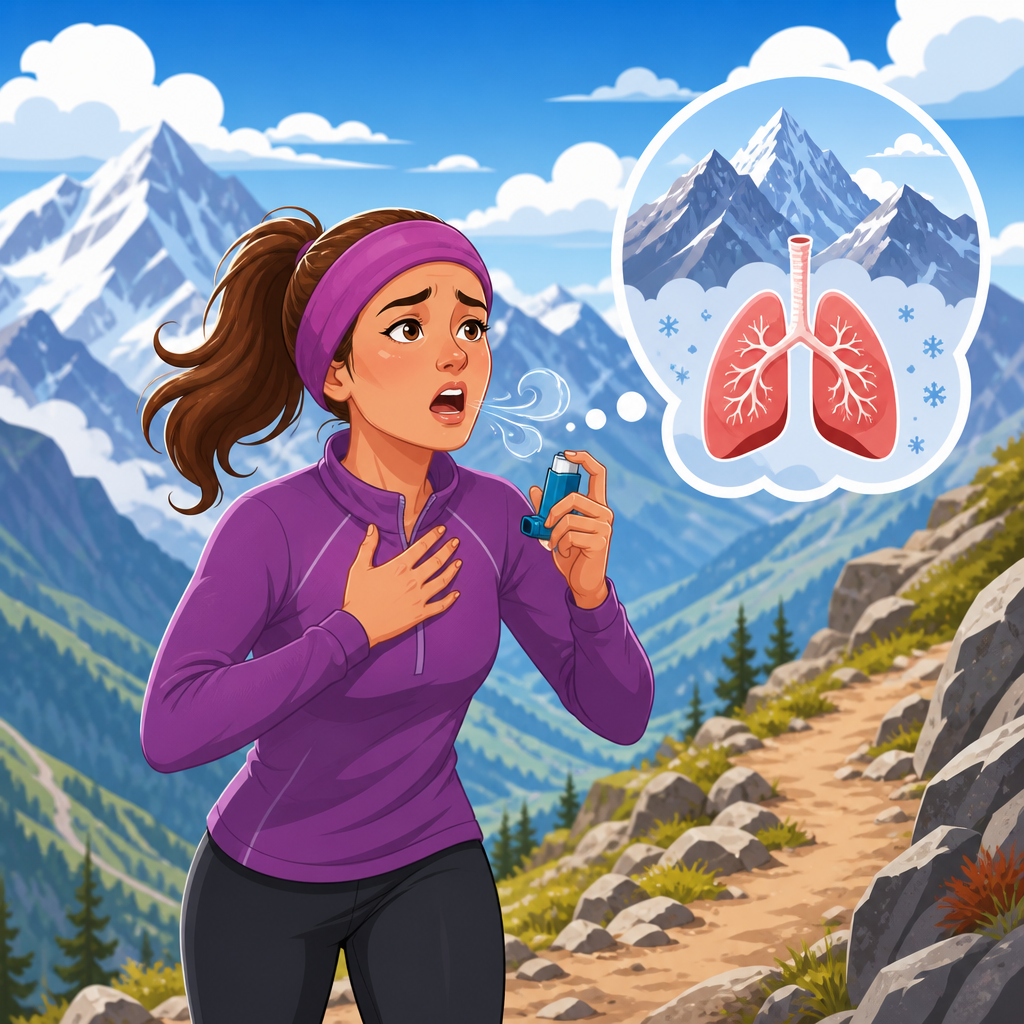
Periodic breathing at altitude is a common sleep-related breathing pattern that appears when low oxygen, unstable ventilatory control, and repeated arousals interact during exposure to high elevation. In plain terms, a person’s breathing waxes and wanes, with cycles of deeper breaths followed by reduced airflow or short pauses, most often during sleep above roughly 2,500 meters. I have seen this pattern repeatedly in trekkers, skiers, and climbers who arrived fit and healthy yet spent nights waking with a racing heart, dry mouth, and the distinct sense that breathing had become irregular. The topic matters because periodic breathing can disturb sleep, worsen fatigue, complicate ascent plans, and overlap with conditions such as obstructive sleep apnea, heart failure, chronic lung disease, and medication-related respiratory suppression. Understanding the cause helps travelers prepare better, recognize when a pattern is expected, and know when it signals something more serious that needs medical assessment.
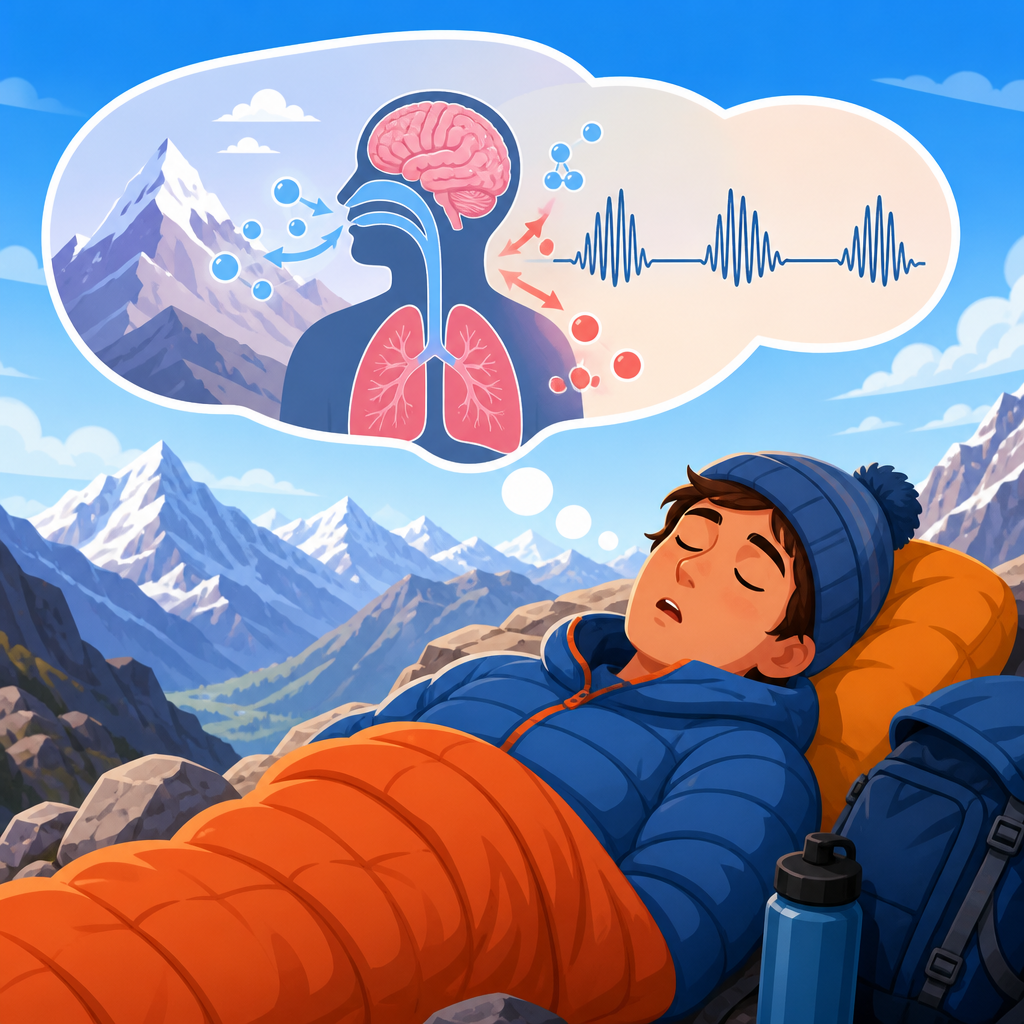
The key mechanism starts with hypobaric hypoxia, the reduced oxygen pressure that comes with altitude. As inspired oxygen falls, peripheral chemoreceptors in the carotid bodies stimulate ventilation to raise oxygen levels. That response is necessary, but it also lowers carbon dioxide. When carbon dioxide drops below the sleeping brain’s apneic threshold, breathing effort briefly diminishes or stops. Oxygen then falls again, carbon dioxide rises, and the body responds with an overshoot of hyperventilation. The result is a repeating cycle called high-altitude periodic breathing. This sits within the broader family of sleep-disordered breathing, which includes obstructive sleep apnea, central sleep apnea, upper airway resistance syndrome, obesity hypoventilation syndrome, and sleep-related hypoxemia from pulmonary or neuromuscular disease. As a hub page, this article explains how altitude periodic breathing develops, why some people are more vulnerable, how it differs from other breathing disorders, what symptoms to expect, and which prevention and treatment strategies are supported by physiology and field experience.
How altitude changes breathing during sleep
At sea level, breathing during sleep is regulated by a relatively stable balance between oxygen demand, carbon dioxide levels, and neural respiratory drive. At altitude, that balance becomes fragile. Lower barometric pressure reduces alveolar oxygen tension, so the body increases minute ventilation. During wakefulness, cortical input helps stabilize breathing, but sleep removes much of that backup. In non-REM sleep especially, ventilation depends heavily on chemical control. That means even small swings in carbon dioxide can push breathing above or below the threshold needed to maintain a steady rhythm. The instability is most pronounced in the first nights after ascent, before acclimatization has had time to shift the system.
People often ask why the problem appears more at night than during the day. The answer is that sleep lowers the margin of safety. Ventilatory drive falls, upper airway muscle tone drops, and arousal thresholds change. When a person hyperventilates in response to hypoxia, carbon dioxide may dip just enough to trigger a central apnea. After the pause, oxygen saturation drops further, producing a stronger ventilatory rebound. In sleep studies this appears as a crescendo-decrescendo pattern, often with oxygen desaturations and brief awakenings. Climbers may describe it more simply: “I kept drifting off, then waking up taking big breaths.” That description is physiologically accurate.
Acclimatization gradually reduces severity, but not always completely. Over several days, renal bicarbonate excretion helps compensate for respiratory alkalosis, allowing sustained hyperventilation without suppressing drive as dramatically. Even so, many travelers continue to show periodic breathing at higher sleeping elevations. In mountain huts around 3,500 to 4,500 meters, it is common to hear multiple people cycling through deep breaths and pauses overnight. This is not proof of disease by itself. It is often a normal response to hypoxia, though it can become clinically relevant when symptoms are severe, sleep is fragmented, or a coexisting breathing disorder is present.
What causes the waxing and waning pattern
The immediate cause of periodic breathing at altitude is instability in the respiratory control system, often described through the concept of loop gain. A high loop gain system responds strongly to small disturbances. At altitude, hypoxia increases chemosensitivity, circulation delays can magnify feedback timing, and sleeping carbon dioxide levels sit closer to the apneic threshold. Together these factors create overshoot and undershoot. Hyperventilation lowers carbon dioxide too much, leading to reduced drive or apnea. The apnea raises carbon dioxide and worsens hypoxemia. That then triggers another exaggerated burst of breathing. The cycle repeats every twenty to sixty seconds in many people, though timing varies with altitude, sleep stage, age, and underlying cardiopulmonary status.
This mechanism is similar in principle to central sleep apnea but different in context and usual significance. In heart failure, for example, Cheyne-Stokes respiration is driven by unstable control combined with prolonged circulation time and often elevated chemoreflex sensitivity. At altitude, low ambient oxygen is the primary trigger. The person may have a normal heart and lungs at baseline. That distinction matters because treatment priorities differ. Descending or acclimatizing may correct altitude periodic breathing, whereas central sleep apnea linked to heart failure requires evaluation of cardiac function, fluid status, medications, and sometimes positive airway pressure support.
Several practical factors make the cycle worse. Rapid ascent leaves no time for renal compensation. Sleeping at a higher elevation than expected, alcohol use before bed, sedatives that alter arousal responses, nasal congestion, dehydration, and sleeping supine can all increase perceived disruption. Cold, dry air may contribute by promoting mouth breathing and sleep fragmentation. I have also seen athletes who push hard late in the day arrive over-breathed and under-fueled, then struggle with a restless first night. Exertion itself does not cause periodic breathing, but it can lower resilience and intensify symptoms.
| Factor | How it contributes | Real-world example |
|---|---|---|
| Higher sleeping altitude | Reduces inspired oxygen pressure and raises ventilatory drive | A trekker sleeps at 3,800 meters after being comfortable at 2,800 meters |
| Rapid ascent | Limits bicarbonate compensation and early acclimatization | A skier flies from sea level to a mountain resort and sleeps high the same night |
| High chemosensitivity | Produces a stronger response to small oxygen and carbon dioxide changes | A lean, fit climber develops repeated central apneas despite no prior sleep disorder |
| Alcohol or sedatives | Can fragment sleep and alter ventilatory stability | A traveler drinks heavily at dinner and reports repeated gasping awakenings |
| Coexisting sleep apnea | Adds obstructive events or mixed events to an already unstable pattern | A person with untreated OSA has worse desaturations at altitude |
Who is most likely to develop periodic breathing at altitude
There is no single profile, but risk rises with sleeping elevation and individual ventilatory sensitivity. Healthy adults can develop periodic breathing, especially above 3,000 meters, and prevalence increases further at higher camps. Prior acclimatization helps but does not guarantee protection. People with a history of insomnia at altitude, previous acute mountain sickness, marked awakenings with air hunger, or documented central apneas on prior high-altitude sleep testing are more likely to notice it again. Men appear more often represented in field studies, though this may partly reflect expedition demographics rather than purely biological difference.
Coexisting sleep and respiratory disorders deserve special attention. Obstructive sleep apnea may worsen at altitude because reduced oxygen reserve amplifies desaturation severity and central events can emerge on top of obstructive ones. Chronic obstructive pulmonary disease, interstitial lung disease, pulmonary hypertension, neuromuscular weakness, and obesity hypoventilation syndrome all reduce the safety margin for nocturnal oxygenation. Children can also experience altitude-related sleep disruption, though evaluation differs by age and setting. Anyone with prior stroke, heart failure, chronic opioid use, or an implanted adaptive servo-ventilation contraindication requires individualized planning before sleeping high.
Medication and physiology also matter. Acetazolamide generally lowers risk by improving ventilatory stability, while opioids can suppress respiratory drive and worsen hypoventilation. Testosterone has been associated in some contexts with worsened sleep-disordered breathing, whereas menopause and aging may alter ventilatory control in complex ways. Nasal obstruction from allergies or upper respiratory infection does not directly cause central periodic breathing, but it can increase awakenings, snoring, and the sense of suffocation. In practice, a traveler with mild baseline OSA, a recent cold, and a rapid ascent to 3,400 meters often sleeps much worse than someone with only one of those factors.
Symptoms, diagnosis, and the overlap with sleep apnea
The classic symptoms are repeated awakenings, nonrestorative sleep, vivid awareness of breathing pauses, palpitations, morning headache, dry mouth, and daytime fatigue. Bed partners may hear cycles of quiet breathing, pauses, then several deep breaths. Some people feel as if they “forget to breathe” just as they fall asleep. Others mainly notice fragmented sleep and poor recovery the next day. These complaints overlap with acute mountain sickness, dehydration, jet lag, and ordinary first-night insomnia, so context is important. Severe breathlessness at rest, persistent cough, confusion, ataxia, or declining exercise tolerance should raise concern for high-altitude illness rather than simple periodic breathing alone.
Diagnosis depends on the setting. In a sleep lab, polysomnography can distinguish obstructive from central events by measuring airflow, respiratory effort, oxygen saturation, EEG arousals, and sleep stage. Portable monitors and overnight oximetry can provide supportive information in the field, especially when they show cyclic desaturation patterns. Smartwatches and consumer rings may detect oxygen dips or restless sleep, but they are not reliable for diagnosing central apneas or classifying event type. When I review data from travelers, the most useful clues are the altitude slept at, timing after ascent, symptom severity, and whether irregular breathing resolves with acclimatization or descent.
The overlap with obstructive sleep apnea is clinically important. Obstructive events result from upper airway collapse despite respiratory effort, whereas central events reflect absent or reduced drive. At altitude, mixed patterns are common. A person with established OSA may have more central pauses than usual after ascent, especially if using alcohol or sleeping poorly. Continuous positive airway pressure can treat obstruction, but if central instability dominates, acetazolamide or altitude reduction may be needed as well. This is why one-size-fits-all advice fails. Effective management begins with identifying the mechanism behind the disturbed breathing.
Prevention and treatment strategies that work
The most reliable prevention is gradual ascent with conservative sleeping elevation. A common field rule is to limit sleeping altitude gains after about 3,000 meters and add rest days, though exact plans depend on route and individual tolerance. Acetazolamide has strong physiologic rationale and practical value. By causing a mild metabolic acidosis through renal bicarbonate loss, it stimulates ventilation and reduces time spent below the apneic threshold. In many trekkers it improves oxygenation, shortens periodic breathing cycles, and leads to better sleep. Typical prophylactic dosing varies by clinician and context, so individualized medical advice matters, especially for sulfonamide allergy history, kidney disease, or medication interactions.
Supplemental oxygen is highly effective when available. Even low-flow nocturnal oxygen can blunt hypoxic drive swings and stabilize breathing. This is common in research settings, high-altitude clinics, and some expedition medical kits, but less practical on remote treks because cylinders and concentrators add weight and logistical complexity. Positive airway pressure has a role mainly for people with known sleep apnea who are already treated, although device performance, leak, humidification, and battery planning all become harder in cold, dry environments. Auto-adjusting settings may not fully address altitude-related central events. Some travelers require pressure optimization and backup strategies before the trip.
Behavioral measures help but have limits. Avoiding alcohol and unnecessary sedatives before sleep, treating nasal congestion, staying adequately hydrated, eating enough carbohydrate, and not overexerting late in the day can reduce sleep disruption. Sleeping slightly lower than the day’s maximum altitude often makes a noticeable difference. If symptoms are severe, descending remains the definitive intervention. Seek medical evaluation promptly when irregular breathing is accompanied by marked daytime sleepiness, chest pain, cyanosis, severe insomnia, witnessed prolonged apneas, or signs of high-altitude pulmonary or cerebral edema. For travelers with chronic cardiopulmonary disease, the safest plan is a pre-trip discussion that covers altitude goals, medication adjustments, oxygen thresholds, and contingencies. Periodic breathing at altitude is usually manageable, but it should never be dismissed when symptoms escalate. Use this hub as your starting point, then explore related guidance on obstructive sleep apnea, central sleep apnea, CPAP at altitude, nocturnal oxygen, and acclimatization planning before your next high-elevation trip.
Frequently Asked Questions
What exactly is periodic breathing at altitude?
Periodic breathing at altitude is a sleep-related breathing pattern in which breathing becomes unstable and cycles up and down instead of staying smooth and regular. A person may take a series of deeper, faster breaths, then drift into shallower breathing or a brief pause before the cycle starts again. This pattern is most noticeable during sleep and becomes more common at elevations above about 2,500 meters, where the air contains less oxygen. The lower oxygen level stimulates the body to breathe harder, but that increased breathing can also lower carbon dioxide too much. When carbon dioxide falls below the level needed to maintain steady breathing, the drive to breathe temporarily drops off, producing reduced airflow or short central pauses. As oxygen falls again, breathing restarts more vigorously, creating the characteristic waxing-and-waning pattern. It is common in otherwise healthy trekkers, skiers, climbers, and travelers and does not necessarily mean there is an underlying lung disease, although it can be more disruptive in some people than in others.
What causes periodic breathing to happen more often at high altitude?
The main cause is the combination of low oxygen and an overly sensitive breathing control system during sleep. At altitude, the body detects reduced oxygen and responds by increasing ventilation to bring in more oxygen. That response is helpful, but it also tends to wash out carbon dioxide. Carbon dioxide is not just a waste gas; it is one of the key signals the brain uses to regulate breathing. During sleep, the margin between normal breathing and a temporary pause becomes narrower. If carbon dioxide drops below a critical threshold, the brain briefly reduces or stops the breathing effort. That pause allows carbon dioxide to build back up and oxygen to fall, which then strongly stimulates breathing again. Repeated arousals from sleep can make the pattern even more unstable, because waking causes a sudden increase in breathing, further lowering carbon dioxide and setting up another cycle. In short, periodic breathing at altitude develops because low oxygen pushes breathing up, reduced carbon dioxide pulls breathing down, and sleep makes that control system more fragile and oscillatory.
Is periodic breathing at altitude dangerous, or is it usually just annoying?
In many healthy people, it is more bothersome than dangerous, especially during the first nights at altitude. The most common problems are fragmented sleep, repeated awakenings, a sensation of gasping or restlessness, and next-day fatigue. Bed partners often notice it as a cyclical pattern of deep breathing followed by quiet periods. That said, it should not be dismissed entirely. Severe sleep disruption can impair judgment, energy, and recovery, which matters on a trek, climb, or ski trip. In some people, especially those ascending quickly, periodic breathing may occur alongside acute mountain sickness symptoms such as headache, nausea, poor sleep, and reduced appetite. The breathing pattern itself is usually part of the body’s response to altitude rather than a sign of impending disaster, but if it is accompanied by worsening shortness of breath at rest, confusion, chest tightness, bluish lips, severe cough, inability to sleep due to breathlessness, or declining exercise tolerance, those are warning signs that need medical evaluation because they may point to more serious altitude illness or another cardiopulmonary problem. So the short answer is that periodic breathing is common and often self-limited, but the overall clinical picture matters.
Who is most likely to experience periodic breathing at altitude, and can being fit prevent it?
Fitness does not reliably prevent periodic breathing. In fact, very fit people often assume they will avoid altitude-related sleep problems, then are surprised when the pattern appears during the first several nights at elevation. Susceptibility varies from person to person and depends more on ventilatory sensitivity, sleeping altitude, rate of ascent, prior acclimatization, and individual physiology than on athletic ability alone. People who ascend rapidly, sleep high soon after arrival, or have a strong ventilatory response to low oxygen may be more likely to notice it. It can happen in trekkers, mountaineers, skiers, guides, and travelers who are otherwise healthy and active. Some individuals barely notice it, while others have repeated awakenings and poor sleep even at moderate altitude. Preexisting sleep disorders, use of sedatives or alcohol, and concurrent illness can complicate the picture, but many cases occur in people with no prior medical issues. The key point is that periodic breathing at altitude is not a sign of poor conditioning; it is a common physiological response to sleeping in a low-oxygen environment.
What can help reduce periodic breathing and improve sleep at altitude?
The most effective strategy is gradual acclimatization. Ascending more slowly, limiting how high you sleep each night when possible, and allowing extra nights at intermediate elevations gives the breathing control system time to adapt. As acclimatization progresses, the body usually stabilizes breathing somewhat, although the pattern may not disappear completely. Good altitude habits also help: avoid overexertion on arrival, stay reasonably hydrated, and be cautious with alcohol or sedative medications because they can worsen sleep quality and breathing stability. In some cases, acetazolamide is used to reduce altitude-related periodic breathing and improve sleep by helping the body maintain a more stable ventilatory drive; it is one of the best-known medical options for this problem, but it should be used appropriately and with attention to personal medical history and professional guidance. If symptoms are significant, sleeping at a lower altitude can make a dramatic difference. People with known heart, lung, or sleep-breathing conditions may need a more individualized plan before traveling high. If the breathing pattern is severe, persistent, or associated with concerning symptoms, a clinician experienced in altitude medicine should be consulted rather than assuming it is harmless. The practical takeaway is that slower ascent, better acclimatization, and, when appropriate, preventive medication can make nights at altitude much more manageable.