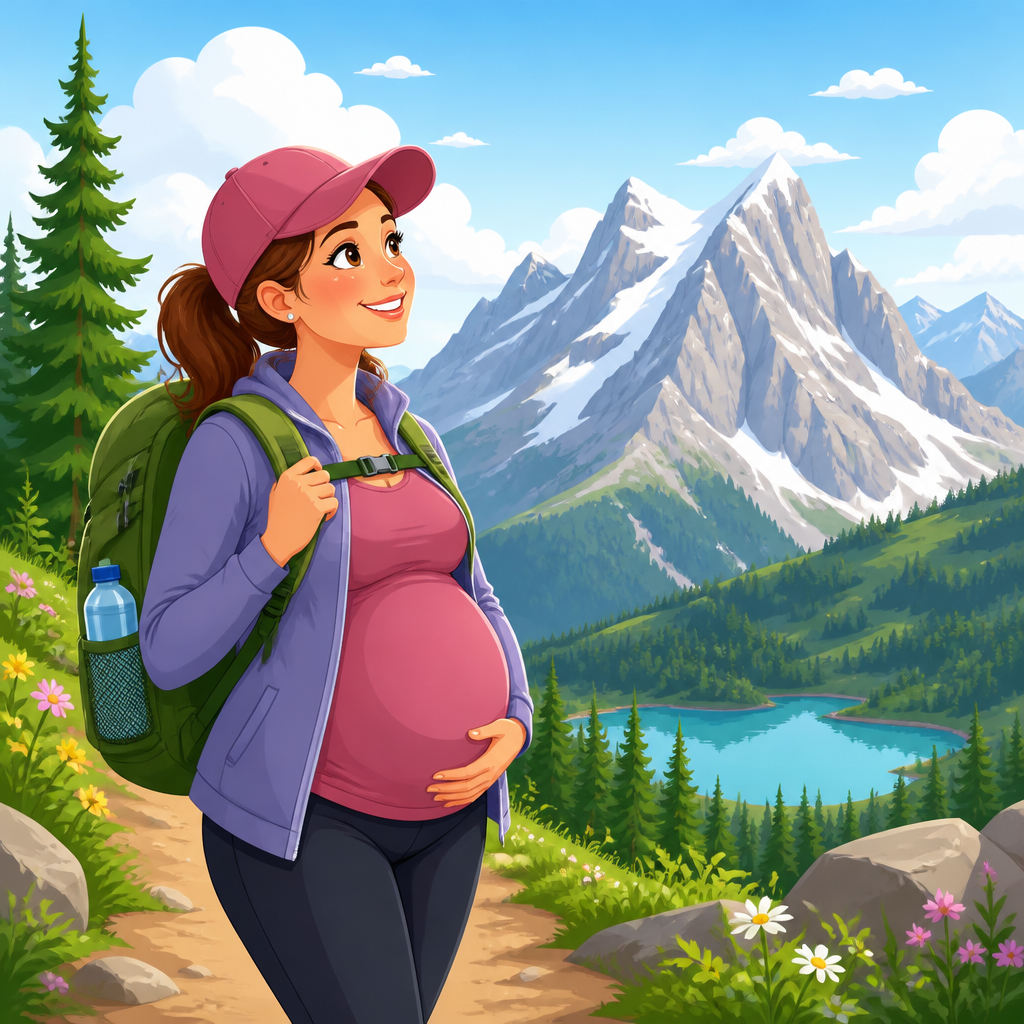
Can you take a brief mountain trip while pregnant? In many cases, yes, but the safest answer depends on your stage of pregnancy, your baseline health, the elevation you plan to reach, the pace of ascent, and whether you have respiratory, cardiac, or pregnancy-related complications. A brief mountain trip usually means a short stay in a higher-altitude area for leisure, work, or family travel rather than a strenuous expedition. Pregnancy changes how the body handles oxygen, fluid balance, blood flow, and heat, so even a modest increase in altitude can feel different than it did before conception.
When clinicians talk about altitude in pregnancy, they generally focus on oxygen availability, not just geography. As elevation rises, barometric pressure falls, so each breath delivers less oxygen. Most healthy pregnant travelers tolerate short visits to moderate altitude, especially if they are already living near sea level and ascend gradually. The main concerns are reduced oxygen delivery, dehydration, overexertion, motion sickness, preterm symptoms that are harder to monitor away from home, and limited access to obstetric care if something goes wrong.
This topic matters because pregnant people are often told two misleading extremes: either that mountain travel is always dangerous or that it is no different from any other vacation. In practice, the right guidance is more precise. I have seen uncomplicated pregnancies do well on carefully planned weekend trips, and I have also seen travelers run into preventable problems because they ignored warning signs, pushed hiking intensity, or chose remote locations without medical backup. Good planning lowers risk, but it does not erase it.
Pregnancy itself is not an illness, yet it creates real physiologic demands. Blood volume expands, heart rate rises, and oxygen consumption increases. At the same time, common symptoms such as nausea, reflux, fatigue, shortness of breath, and swelling can become more noticeable at altitude. If you also have asthma, high blood pressure, congenital heart disease, anemia, sleep apnea, diabetes, a history of preeclampsia, or a multiple pregnancy, a mountain trip needs more careful review. This page serves as a practical hub for pregnancy travel questions within respiratory, cardiovascular, and chronic-condition care.
How altitude affects pregnancy and the developing baby
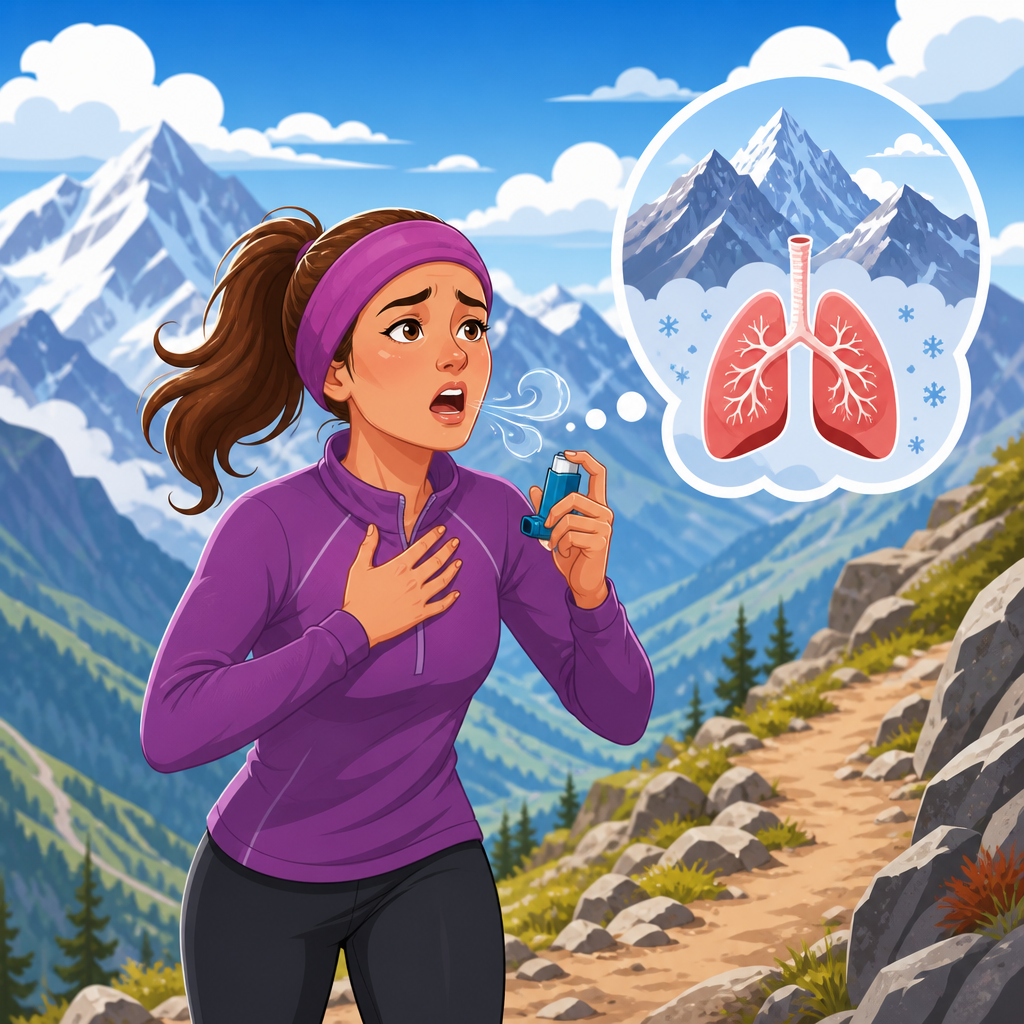
The core issue is oxygen. At higher elevations, the body compensates by breathing faster and increasing heart work. In pregnancy, these adjustments start from an already altered baseline. Progesterone naturally increases ventilation, which is one reason many pregnant people feel mildly short of breath even at rest. Add altitude, walking on hills, dry air, and poor sleep, and symptoms can intensify quickly.
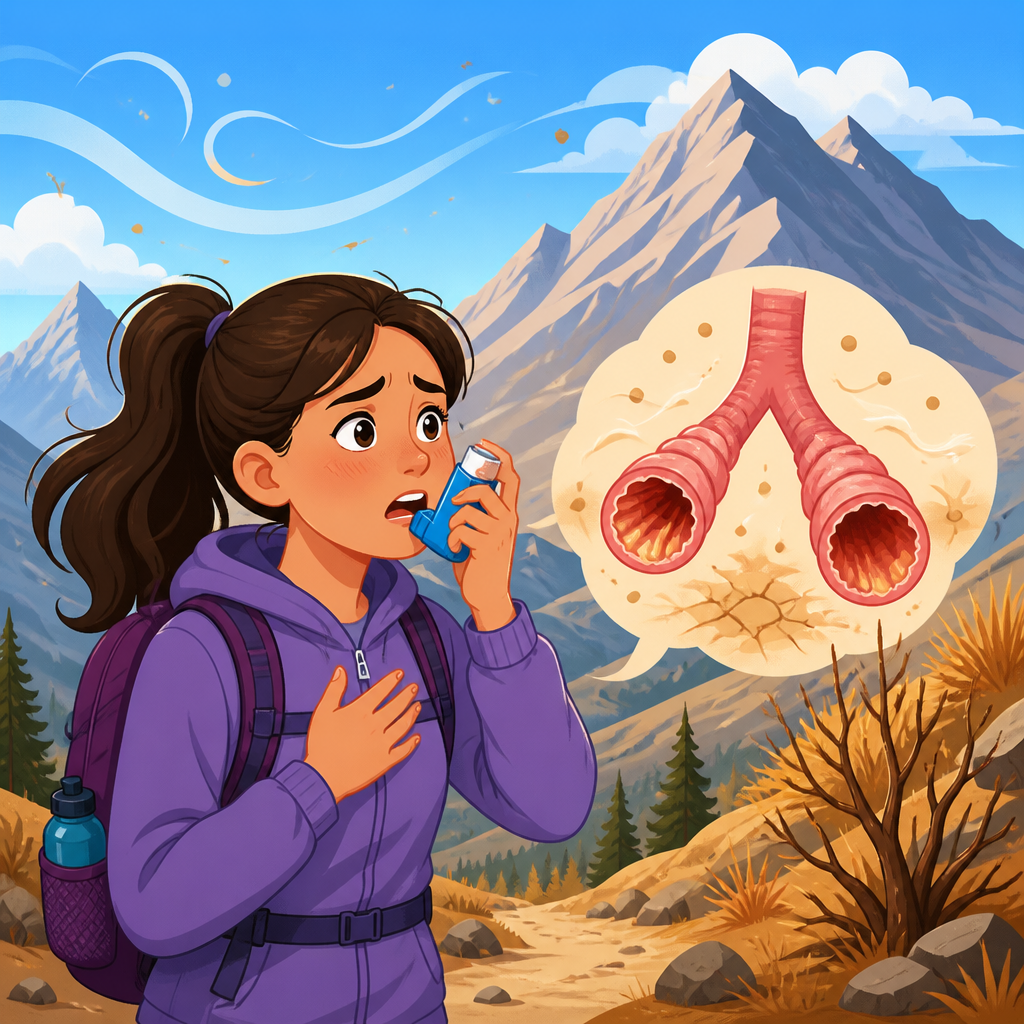
For most healthy pregnancies, a short stay at moderate altitude is usually tolerated. Problems become more likely when altitude is high, ascent is rapid, physical exertion is heavy, or the traveler has a medical condition that affects oxygen delivery. Maternal anemia reduces oxygen-carrying capacity. Asthma can flare in cold, dry mountain air. Cardiac disease can limit reserve. High blood pressure disorders, including preeclampsia, already involve vascular stress, so travel to remote areas is less forgiving.
What about the baby? The placenta adapts well in many healthy pregnancies, and there is no evidence that a brief, moderate-altitude trip automatically harms fetal development. The concern is sustained or repeated low oxygen exposure, especially at higher elevations, rather than a simple weekend in the mountains. Risk rises when the mother develops significant symptoms, dehydration, poor oral intake, severe altitude illness, or reduced uteroplacental perfusion due to underlying disease.
When a brief mountain trip is generally reasonable
A short mountain trip is more likely to be reasonable if the pregnancy is uncomplicated, the traveler is under routine prenatal care, and the destination has reliable roads, cell service, and access to urgent medical care. Many obstetric clinicians are comfortable with short trips to moderate elevations for patients without vaginal bleeding, contractions, placenta previa after midpregnancy, cervical insufficiency, severe anemia, hypertensive disease, or cardiopulmonary disorders.
Timing matters. The second trimester is often the easiest window for travel because nausea usually improves, energy is better, and the physical discomforts of late pregnancy are less pronounced. In the first trimester, exhaustion and nausea can make mountain roads and altitude unpleasant. In the third trimester, reduced mobility, swelling, reflux, and the possibility of preterm labor increase logistical risk. Airlines and insurers may also impose later-pregnancy restrictions, although that matters less for a driving trip.
Trip design matters as much as destination. A restful stay at a lodge around moderate elevation is very different from driving quickly to a high pass and hiking uphill the same afternoon. If you can ascend gradually, hydrate well, sleep at the lowest practical elevation, and keep activity light on day one, tolerance is usually better. The phrase brief mountain trip should mean low ambition: short walks, regular meals, easy sleep access, and a clear exit plan.
Who should get medical clearance or avoid the trip
Medical review is important if you have asthma requiring frequent rescue inhaler use, chronic lung disease, pulmonary hypertension, cyanotic or complex congenital heart disease, heart failure, significant arrhythmia, sickle cell disease, moderate or severe anemia, obstructive sleep apnea treated with CPAP, diabetes with complications, kidney disease, twins or higher-order multiples, fetal growth restriction, placenta-related bleeding, preeclampsia, or prior spontaneous preterm birth. These conditions do not always prohibit travel, but they change the threshold for concern.
There are also pregnancy-specific reasons to postpone travel. Do not leave town with active vaginal bleeding, leaking fluid, painful contractions, severe vomiting, uncontrolled blood pressure, severe headache, chest pain, fainting, fever, or decreased fetal movement once movement is regularly perceived. If your clinician has already advised pelvic rest, restricted activity, or close monitoring, a remote mountain destination is usually a poor fit.
One practical rule I use is this: if a condition would make you worry about needing oxygen, IV fluids, urgent labs, or fetal assessment on short notice, mountain travel deserves a serious discussion before you go.
Practical planning before you leave
Preparation reduces avoidable problems. Confirm the destination elevation, driving time, road conditions, nearest urgent care, nearest hospital with labor and delivery, and pharmacy hours. Bring your prenatal record summary, medication list, blood type if known, insurance card, and the contact number for your obstetric clinician. If you use inhalers, CPAP, insulin, or a blood pressure cuff, pack them in an easy-access bag rather than luggage buried in a trunk.
Hydration and nutrition deserve more attention than most travelers expect. Mountain air is dry, breathing losses increase, and nausea can return when you are tired. Small frequent meals, salty snacks if approved by your clinician, and consistent water intake help prevent headaches and lightheadedness. Avoid alcohol completely in pregnancy. Limit caffeine to accepted pregnancy guidance, and remember that coffee does not replace water.
| Planning item | Why it matters in pregnancy | Best practice |
|---|---|---|
| Elevation | Higher altitude means lower oxygen availability | Choose moderate altitude and avoid rapid ascents when possible |
| Medical access | Pregnancy complications need timely evaluation | Stay within reasonable distance of a hospital with obstetric services |
| Activity level | Overexertion worsens breathlessness and dehydration | Keep first-day activity light and avoid maximal effort |
| Hydration | Dry air and increased ventilation raise fluid loss | Drink regularly and monitor urine color for concentration |
| Medications | Missed doses can destabilize chronic conditions | Pack extra supplies, including rescue medications |
| Emergency plan | Remote travel delays care | Know where to go for bleeding, contractions, or breathing trouble |
If you are prone to motion sickness, ask about pregnancy-safe options before departure. Long winding roads can trigger vomiting, which then worsens dehydration and headache. Compression socks can help with swelling and long car rides. Seat belt use remains essential in pregnancy: lap belt low across the hips and below the belly, shoulder belt between the breasts and to the side of the abdomen.
Recognizing altitude illness versus normal pregnancy symptoms
This is where many travelers get confused. Mild shortness of breath with exertion, fatigue, and occasional dizziness can be normal in pregnancy. Mild altitude exposure can cause similar symptoms. The danger is assuming that every symptom is harmless. Acute mountain sickness usually causes headache plus nausea, loss of appetite, fatigue, dizziness, or poor sleep after ascent. In pregnancy, that cluster deserves attention, especially if symptoms are new, progressive, or out of proportion to your usual baseline.
Warning signs are more specific. Severe shortness of breath at rest, bluish lips, chest pain, confusion, inability to keep fluids down, fainting, severe persistent headache, one-sided leg swelling, vaginal bleeding, leaking fluid, regular contractions, or decreased fetal movement are not normal altitude adjustment. Seek urgent evaluation. High-altitude pulmonary edema and high-altitude cerebral edema are rare on brief recreational trips but can be life-threatening. Rapid descent and emergency care matter more than trying to rest it off.
Pulse oximeters can be helpful, but context matters. Oxygen saturation normally falls somewhat at elevation, and consumer devices vary. Use the reading as one clue, not the whole decision. If you feel significantly worse, do not let a single acceptable number override your symptoms.
Activity, exercise, sleep, and medications at altitude
Light walking is usually fine if you feel well, but pregnancy is not the time to test endurance at altitude. Avoid all-out hikes, heavy packs, technical climbing, hot tubs, and activities with a high fall risk. Pregnancy shifts your center of gravity and loosens ligaments, which increases the chance of slips on uneven trails. Even fit athletes underestimate how much harder moderate hills feel when pregnant and oxygen availability is lower.
Sleep can be disrupted by altitude, nasal dryness, reflux, and frequent urination. A humidified room, extra pillows, and side-sleep positioning usually help. If you use CPAP for sleep apnea, bring it and verify power access. Untreated sleep-disordered breathing and altitude-related sleep fragmentation can leave you drained the next day.
Medication questions should be individualized. Do not start acetazolamide or other altitude medications on your own during pregnancy. Some travelers assume an over-the-counter remedy is automatically safe; that is not true. Review nausea treatment, inhaler use, pain relief, and any chronic-condition medicines with your own clinician before departure.
How this pregnancy hub connects to respiratory, cardio, and chronic conditions
Pregnancy intersects with nearly every chronic disease framework because it changes oxygen demand, circulation, immune function, and medication choices. If you have asthma, the goal is stable control before travel, not simply carrying an inhaler. If you have hypertension, know your recent readings and your action plan for headache, visual symptoms, or sudden swelling. If you have congenital or acquired heart disease, altitude tolerance depends on your diagnosis, functional class, and oxygen status, not on generic travel advice.
Other hub topics also matter. Anemia can make altitude feel dramatically harder because the issue is oxygen delivery, not just oxygen intake. Diabetes adds concerns about meal timing, hydration, and access to care. Autoimmune disease may interact with fatigue, clotting risk, or medication schedules. Sleep apnea affects overnight oxygenation. Anxiety can mimic breathlessness, yet true cardiopulmonary symptoms must not be dismissed as nerves. Pregnancy requires seeing these conditions together rather than one at a time.
This is why individualized prenatal travel counseling works best. The same destination can be low risk for one patient and a poor choice for another, based on history, current symptoms, gestational age, and medical access.
Conclusion
So, can you take a brief mountain trip while pregnant? Often yes, if the pregnancy is uncomplicated, the altitude is moderate, the itinerary is gentle, and you have a clear plan for hydration, rest, and medical access. The biggest mistakes are traveling too remotely, ascending too quickly, overexerting on day one, and ignoring symptoms that seem easy to explain away.
The safest approach is simple. Review your health conditions, think carefully about your trimester, choose comfort over adventure, and ask your prenatal clinician about any red flags related to bleeding, contractions, blood pressure, breathing problems, anemia, or prior preterm birth. If you have respiratory, cardiac, or chronic medical issues, that conversation is not optional; it is the foundation of safe travel.
A mountain getaway during pregnancy should leave you restored, not stressed. Plan conservatively, listen to your body, and get personalized medical advice before you book the trip.
Frequently Asked Questions
Is it generally safe to take a brief mountain trip while pregnant?
Often, yes. Many pregnant people can safely take a short mountain trip, especially if the destination is at a moderate elevation, the visit is brief, and the pregnancy has been uncomplicated. The key issue is that pregnancy already increases the body’s oxygen demands and changes circulation, breathing, and fluid balance. At higher altitudes, where the air contains less available oxygen, those normal pregnancy changes can make symptoms such as shortness of breath, fatigue, lightheadedness, and dehydration more noticeable.
Whether a trip is reasonable depends on several factors: how far along you are, your usual fitness and health, whether you live at sea level or are already acclimated to altitude, how high you plan to go, and how quickly you will ascend. It also matters whether you have any medical concerns such as asthma, heart disease, high blood pressure, anemia, a history of preeclampsia, placental problems, or a high-risk pregnancy. In a healthy pregnancy, a short stay at a modest elevation may be well tolerated, but a rapid jump to significantly higher elevations may increase discomfort and risk.
The safest approach is to discuss your exact travel plans with your prenatal clinician before you go. Share the expected elevation, length of stay, transportation details, and what activities you plan to do. A quick overnight or weekend mountain visit may be acceptable for many people, but personalized medical advice is especially important if you are in later pregnancy, carrying multiples, or have had any complications.
What altitude is considered too high during pregnancy?
There is no single universal cutoff that applies to every pregnant traveler, but risk generally rises as elevation increases. Lower mountain destinations are usually easier to tolerate than high-altitude resorts or remote areas far above them. In practical terms, many clinicians are more comfortable with brief travel to moderate elevations than with rapid ascents to very high elevations, especially for people who normally live near sea level and have not acclimated.
The concern is not just the number on the map, but how your body responds. Some pregnant travelers feel well at elevations that cause others to develop headaches, nausea, poor sleep, unusual fatigue, or shortness of breath. Those symptoms may reflect altitude stress and can overlap with normal pregnancy symptoms, which makes it important to pay close attention to any change from your baseline. If an area is remote, medical access is limited, or reaching it requires prolonged time at high altitude, that adds another layer of concern.
If you are considering a destination known for substantial elevation, ask your clinician for specific guidance rather than relying on general travel advice. It is also wise to avoid pushing to higher elevations once you arrive if you are already having symptoms. The goal during pregnancy is not to test your limits but to choose the lowest-risk version of the trip, with gradual ascent when possible and the option to rest, descend, or cancel activities if you do not feel well.
What symptoms during a mountain trip mean I should seek medical help right away?
You should seek prompt medical attention if you develop symptoms that are severe, sudden, or clearly different from typical mild pregnancy discomforts. Warning signs include chest pain, significant shortness of breath at rest, fainting, confusion, bluish lips, severe headache that does not improve, trouble walking steadily, persistent vomiting, or a feeling that you cannot catch your breath. These can signal altitude illness, dehydration, respiratory strain, or another serious problem that should not be ignored.
Pregnancy-specific warning signs are also important. Call for urgent medical care if you have vaginal bleeding, leaking fluid, regular painful contractions, severe abdominal pain, marked swelling with headache or vision changes, or noticeably decreased fetal movement later in pregnancy. Even if you suspect altitude is the reason you feel unwell, pregnancy complications can start during travel and need timely evaluation.
If you think altitude is contributing to your symptoms, the general response is to stop exertion, rest, hydrate, and descend if possible, especially if symptoms are worsening. Do not stay in a remote area hoping severe symptoms will pass on their own. Before traveling, identify the nearest clinic or hospital, know how long it takes to get there, and keep your prenatal records and emergency contacts accessible. Being prepared makes it much easier to act quickly if something does not seem right.
How can I make a short mountain trip safer and more comfortable while pregnant?
Plan the trip conservatively. Choose a destination that does not require extreme elevation gain, strenuous hiking, or long periods far from medical care. If possible, ascend gradually rather than going straight from low altitude to a much higher area in a single push. Build in time to rest on arrival, and keep your schedule flexible so you are not pressured to do activities if you feel tired or short of breath.
Hydration is especially important because mountain air is often dry, and pregnancy increases fluid needs. Drink regularly, eat balanced meals and snacks, and avoid overexertion. Dress in layers so you can regulate temperature, and take breaks more often than you normally would. If you are prone to nausea, dizziness, or headaches, bring the pregnancy-safe remedies your clinician recommends. Continue any prescribed medications exactly as directed, and avoid starting new supplements or over-the-counter products for altitude symptoms without checking that they are appropriate in pregnancy.
Transportation and logistics also matter. On long drives, stop often to walk and stretch. If you are traveling later in pregnancy, know where restrooms and medical facilities are along the route. Bring your prenatal information, insurance details, and a charged phone. Most importantly, listen to your body. A brief mountain trip should be restorative, not physically demanding. If an activity leaves you unusually winded, dizzy, or exhausted, scale back. During pregnancy, comfort and safety should guide every decision.
Are there situations when a pregnant person should avoid a mountain trip entirely?
Yes. A mountain trip may be unwise if you have a high-risk pregnancy or any condition that could make lower oxygen levels or limited access to care more concerning. Examples include significant heart or lung disease, uncontrolled asthma, severe anemia, high blood pressure, preeclampsia risk, growth concerns with the baby, placental complications, a history of preterm labor, or symptoms that already make daily activity difficult at your current elevation. If your clinician has advised you to limit travel, rest more, or stay close to medical care, that guidance should take priority.
It may also be best to avoid travel if the destination is very remote, requires intense physical activity, lacks rapid transportation to medical facilities, or involves a very high elevation reached quickly. Even in a healthy pregnancy, a trip is not ideal if you are currently dealing with bleeding, cramping, leaking fluid, persistent vomiting, severe fatigue, or any unresolved medical issue. The farther you are from evaluation and treatment, the less room there is for safely managing a complication.
If you are unsure, frame the question this way when talking to your clinician: “Here is the exact elevation, travel time, and what I’ll be doing. Based on my pregnancy, is this a reasonable trip?” That conversation is the best way to balance enjoyment with safety. Sometimes the answer is yes with a few precautions; other times the safest choice is to postpone the trip or choose a lower-altitude, easier-to-access destination.