Humidity and elevation change baking results by altering how water behaves, how gases expand, how starches gelatinize, and how proteins set, which is why the same formula can produce a lofty cake in one kitchen and a collapsed, gummy version in another. In practical terms, humidity is the amount of water vapor in the air, while elevation refers to height above sea level, where lower atmospheric pressure affects boiling point, evaporation rate, and leavening strength. Bakers often treat these variables separately, but in real kitchens they act together. I have tested identical muffin, cookie, bread, and sponge cake formulas in coastal climates, mountain towns, and dry heated winter kitchens, and the interaction is always more important than any single factor. A dough that feels perfect at sea level on a rainy day may turn sticky and weak at 5,000 feet, while a butter cake balanced for Denver can bake up dry and coarse during a desert cold front. Understanding these combined effects matters because baking is controlled chemistry. Small shifts in moisture absorption, evaporation, and gas expansion change texture, browning, spread, rise, and shelf life. This guide explains the baking fundamentals behind those changes so you can diagnose problems and adjust with confidence across climates and altitudes.
Why humidity and elevation affect baking chemistry
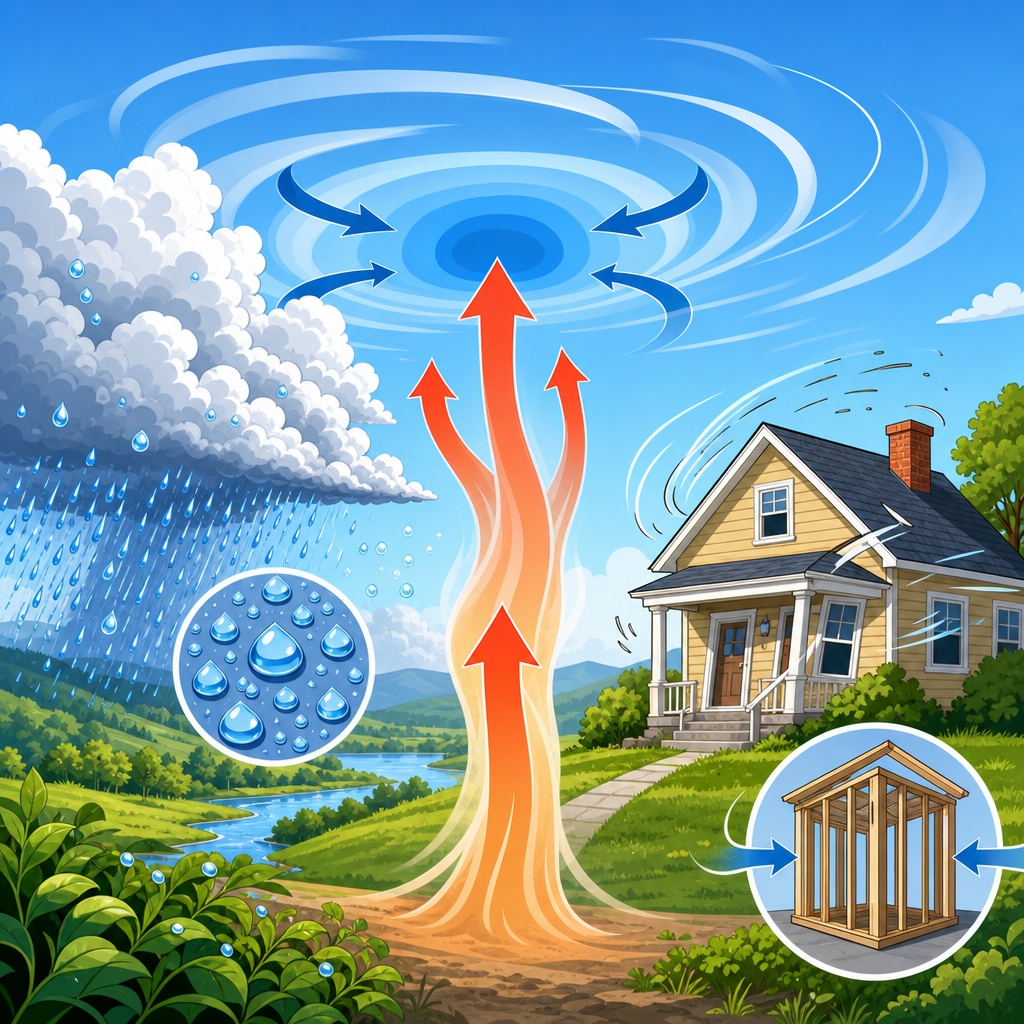
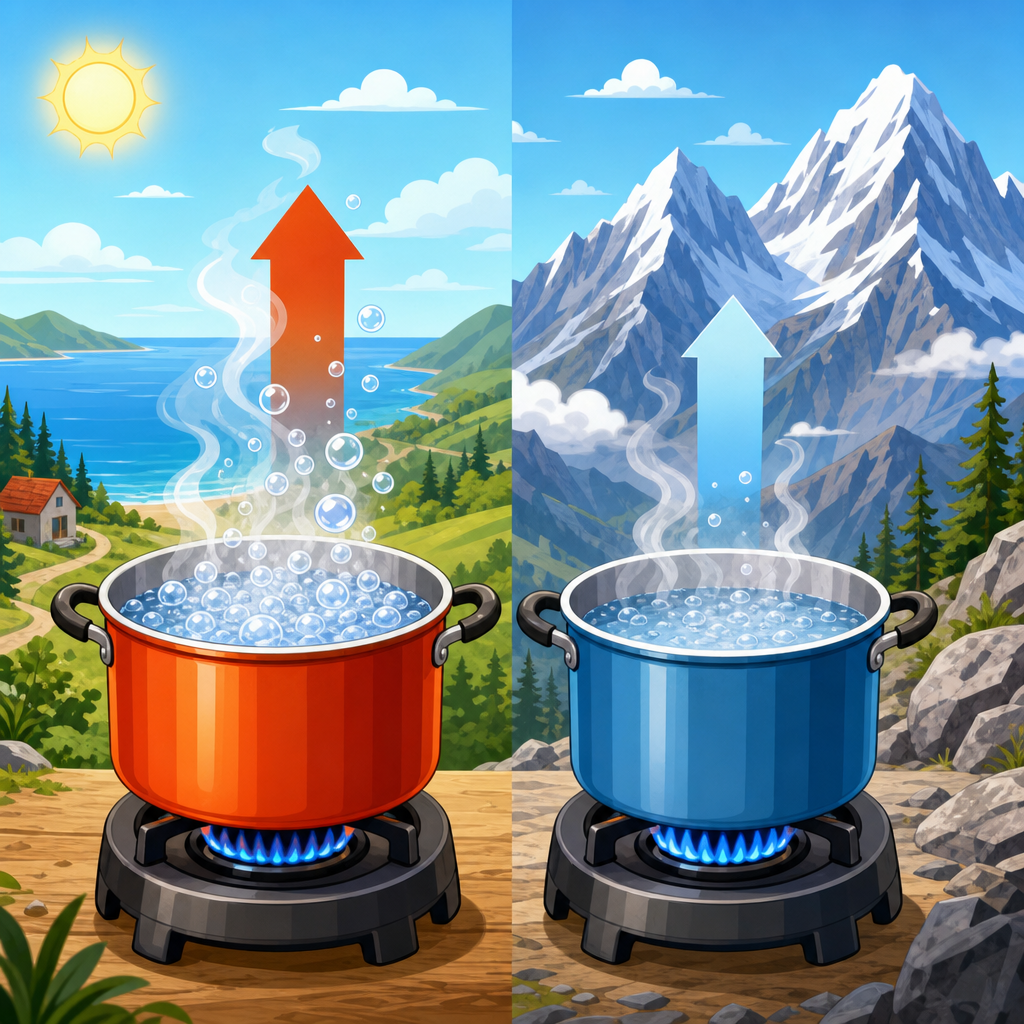
The core rule is simple: higher elevation lowers air pressure, and higher humidity increases the moisture already present in ingredients and the surrounding air. Lower pressure means gases in batters and doughs expand more easily, water boils at a lower temperature, and moisture escapes faster during baking. At 5,000 feet, water boils at roughly 202 degrees Fahrenheit instead of 212 degrees at sea level. That ten-degree shift matters because batters can set later relative to expansion, causing cakes to overrise and then fall before starches and egg proteins fully stabilize the structure. At the same time, a humid environment slows evaporation from exposed dough surfaces before baking, softens hygroscopic ingredients like flour and sugar, and can reduce crispness after baking.
These conditions overlap in ways that surprise people. High altitude often speeds moisture loss in the oven, yet a humid day can make flour absorb less predictably and keep cookie dough tackier before it goes in. The result may be greater spread at the start of baking followed by excessive drying later. Sugar also plays a major role because it is hygroscopic, meaning it attracts and holds water. In humid kitchens, brown sugar clumps, meringue weeps more easily, and crisp cookies stale faster by pulling moisture from the air. Meanwhile, at elevation, the same sugar can weaken structure if the formula already expands too aggressively. The baker’s job is to rebalance liquid, flour, sugar, fat, eggs, and leavening so the final structure sets at the right moment.
Several established standards help interpret these effects. The USDA recognizes that dry ingredients should be measured carefully because flour density varies with storage and environment; the King Arthur Baking test kitchen and Colorado State University Extension both recommend weighing ingredients, especially at altitude. In my own production work, switching from volume to gram-based formulas solved more inconsistency than any single altitude hack. Once the formula is expressed by baker’s percentage or precise weights, humidity and elevation adjustments become deliberate rather than guesswork.
How flour, sugar, fat, and eggs respond in different conditions
Ingredients do not behave independently. Flour contains starch and proteins that hydrate according to ambient moisture, mixing time, and liquid availability. On humid days, flour may already hold more moisture from storage, so the same scoop or cup weighs more and can still feel less thirsty during mixing. That is why a biscuit dough can shift from crumbly to pasty even when the written recipe never changed. At altitude, you may then need slightly more liquid to offset faster evaporation in the oven, which sounds contradictory until you separate pre-bake handling from in-oven moisture loss. In practice, dough may need restraint during mixing but support during baking.
Sugar affects tenderness, spread, browning, and moisture retention. White sugar dissolves into available liquid and delays starch gelatinization and egg coagulation, which can be useful for tenderness but risky at altitude where structure already sets more slowly relative to expansion. Brown sugar adds molasses, acidity, and additional hygroscopic behavior, so chewy cookies become softer in humid climates and can lose their crisp edges quickly. Fat coats flour, limits gluten development, and contributes spread in cookies and tenderness in cakes. Warm, humid kitchens raise butter temperature faster, shortening the time a creamed batter can hold air effectively. Eggs supply water, protein, emulsifiers, and structure; extra egg white is a classic altitude correction because it strengthens the matrix and helps cakes hold shape.
For hub-level baking fundamentals, keep these cause-and-effect patterns in mind. If a cake tunnels, rises sharply, and falls, the issue is usually too much leavening, too much sugar, too little liquid, or too low a baking temperature for the elevation. If cookies spread into thin sheets on a humid mountain afternoon, likely causes include softened butter, under-measured flour, excess sugar, and an oven that is not fully preheated. If bread crust dulls and softens after cooling, ambient humidity is likely rehydrating the crust, even if the loaf baked correctly. Every later troubleshooting article under this topic connects back to these ingredient functions.
What changes in cakes, cookies, breads, and pastries
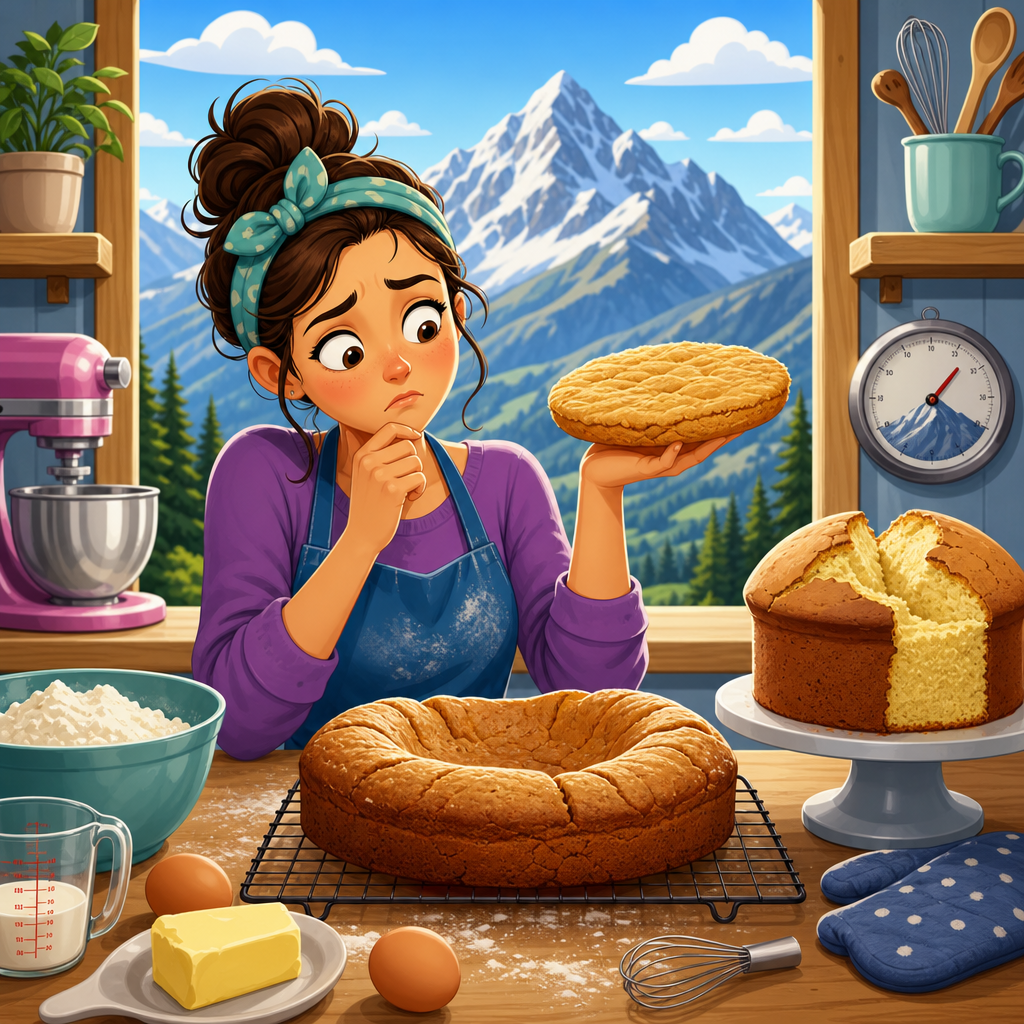
Different products fail in different ways because their structures rely on different balances of moisture and gas retention. Butter cakes and foam cakes are especially sensitive at altitude because they depend on controlled expansion and timely setting. A chiffon cake that works at sea level can rise too fast at 7,000 feet, stretch its cell walls, and collapse into a dense ring. The fix usually combines less chemical leavening, more oven heat, slightly more liquid, and sometimes one additional egg white. Cookies are driven more by fat melt, sugar concentration, and flour hydration. In humid weather they often lose definition because sugar absorbs atmospheric moisture and dough starts warmer and softer. At altitude, the same dough may spread quickly, then dry into brittle edges because water evaporates faster once baking begins.
Yeast breads present another pattern. At elevation, reduced pressure allows dough to rise faster, but that is not always better. Overproofing happens easily because gas cells enlarge rapidly and gluten can overextend. Humidity can be helpful during fermentation by reducing skin formation on dough, yet high moisture in the environment also makes final flour additions harder to judge. Rich doughs with butter, eggs, and sugar amplify all of this because they ferment more slowly but brown faster. Pastries such as pie crust and puff pastry are less affected by pressure during mixing, but they are still influenced by humidity because laminated dough hates warmth and surface moisture. In mountain kitchens without climate control, I rely on colder dough temperatures and shorter bench exposure more than recipe changes.
| Product | Common high-altitude issue | Common high-humidity issue | Typical correction |
|---|---|---|---|
| Layer cake | Overrises, then falls | Sticky crumb, weak structure | Reduce leavening, increase liquid, raise oven temperature slightly |
| Cookies | Excess spread, dry finish | Soft dough, loss of crispness | Chill dough, weigh flour, reduce sugar slightly if needed |
| Yeast bread | Overproofing, coarse crumb | Surface tackiness, weak shaping tension | Shorten proof, monitor dough temperature, use feel not clock |
| Meringue | Fragile structure | Poor whipping, weeping | Avoid very humid days, add sugar gradually, bake thoroughly |
The practical lesson is that no single chart solves every bake. Product category determines which variable matters most. Cakes care deeply about setting structure. Cookies care about spread and sugar behavior. Breads care about fermentation control. Pastries care about temperature and water management. Once you identify the product type, the interaction of humidity and elevation becomes easier to predict.
How to adjust formulas and process without guessing
The most reliable method is controlled adjustment. Change one or two variables at a time, take notes, and compare results. For cakes above roughly 3,500 feet, proven adjustments often include reducing baking powder or baking soda by about 10 to 25 percent, increasing liquid by 1 to 4 tablespoons per cup, adding a little extra flour, and increasing oven temperature by 15 to 25 degrees Fahrenheit. These are starting ranges, not laws. A genoise behaves differently from a high-ratio yellow cake, and cocoa-heavy batters absorb more water than vanilla sponge. Humidity adds another layer: on very damp days, hold back a small portion of liquid until you assess batter consistency, then add only if needed. I do this routinely with muffin batters and enriched doughs because flour hydration swings more than recipe writers admit.
For cookies, the best corrections usually happen before baking. Chill the dough thoroughly, especially if the room is warm or humid. Use parchment on heavy sheet pans, and verify oven temperature with a calibrated thermometer because many home ovens run 15 to 30 degrees off. If a standard sea-level cookie spreads too much at altitude, reduce sugar slightly, increase flour modestly by weight, or replace part of the granulated sugar with more brown sugar only if chewiness is acceptable. For crisp cookies in humidity, airtight storage with desiccant-safe barriers or quick recrisping in a low oven works better than changing the formula dramatically. For bread, shorten fermentation targets and judge readiness by dough feel, volume, and poke response rather than time alone. In dry high-elevation climates, covered proofing containers prevent surface dehydration that later restricts oven spring.
Equipment and process matter as much as ingredient tweaks. Convection increases evaporation, so a fan-assisted oven at altitude can intensify drying if you do not reduce time or shield delicate products. Dark pans absorb more heat and set edges faster, useful for some cakes but risky for cookies. Stand mixers can also overaerate cake batter at altitude; I often mix creamed cakes a minute less than I would near sea level because trapped air plus chemical leavening can become excessive. Finally, store flour and sugar in sealed containers. In humid regions, ingredient storage control is part of the recipe.
Building a dependable baking fundamentals workflow
A strong baking workflow turns environmental variability into repeatable decisions. Start by weighing ingredients, recording room conditions, and noting elevation if the recipe source was developed elsewhere. Serious home bakers do not need a laboratory, but a digital scale, instant-read thermometer, oven thermometer, and inexpensive hygrometer remove most guesswork. I keep a simple log with columns for temperature, relative humidity, dough feel, proof time, bake time, and outcome. Over a season, patterns become obvious. You will learn that your kitchen may need more flour for cutout cookies during July, shorter proofing for sandwich bread in January at altitude, or earlier pan rotation when convection dries one side faster.
This page serves as the hub for baking fundamentals within cooking and baking at altitude, so the main principle is transferable thinking. Learn what each ingredient contributes, watch how environment changes those contributions, and adjust in a measured way. Use recipes from trusted sources that explain their altitude assumptions. Compare your results against recognizable benchmarks: a properly mixed muffin batter should mound on the scoop, a creamed cake batter should look light but not curdled, a proofed boule should spring back slowly when pressed. Those sensory cues matter more than rigid folklore such as always adding extra flour or always reducing yeast.
When in doubt, simplify. Choose formulas with fewer variables, bake smaller test batches, and avoid stacking several substitutions at once. If you are creating your own house adjustments, change leavening first for collapsing cakes, flour and temperature first for spreading cookies, and proof timing first for bread. That hierarchy saves time and ingredients. Mastering humidity and elevation together gives you consistent texture, better rise, and fewer disappointing bakes. Keep notes on every batch, refine one variable at a time, and use this baking fundamentals hub as your starting point for deeper guides on cakes, cookies, breads, and pastry troubleshooting.
Frequently Asked Questions
1. Why do humidity and elevation affect baking so differently from one kitchen to another?
Humidity and elevation both change the physical environment around your batter or dough, which is why a recipe that works perfectly in one place can behave very differently somewhere else. Humidity refers to the amount of moisture already present in the air. When the air is very humid, dry ingredients such as flour, sugar, cocoa powder, and even salt can absorb small amounts of water before they ever go into the mixing bowl. That can make doughs feel softer, batters seem looser, and crisp baked goods lose their snap more quickly. In dry air, the opposite tends to happen: ingredients stay drier, moisture evaporates faster, and doughs may need a little more liquid to reach the same consistency.
Elevation adds another layer of complexity because air pressure decreases as you go higher above sea level. Lower atmospheric pressure changes several core baking processes. Water boils at a lower temperature, which means moisture escapes more quickly and products can dry out before they are fully structured. Gases from air, steam, yeast, and chemical leaveners expand more readily, so cakes, muffins, and quick breads may rise too fast and then collapse. At the same time, starches gelatinize and proteins set under different conditions, so the structure that is supposed to hold that rise may not stabilize quickly enough.
When humidity and elevation combine, their effects are not simply additive; they interact. A humid, high-elevation kitchen can produce batters that start out wetter but still lose moisture rapidly in the oven. That often leads to confusing results, such as a cake that rises dramatically and then sinks, or cookies that spread oddly yet bake up dry. Understanding both variables helps bakers move beyond strict recipe-following and start reading texture, spread, rise, and doneness as clues.
2. What kinds of baking problems are most commonly caused by high humidity and high elevation together?
When both humidity and elevation are in play, bakers often see a mix of symptoms that seem contradictory at first. Cakes may rise quickly, dome excessively, then fall in the center. Muffins can develop coarse tunnels and fragile tops. Cookies may spread too much, or in some cases stay puffy but turn soft and limp soon after cooling. Pie crusts and biscuits may lose flakiness because the dough absorbs extra environmental moisture, while breads can overproof faster and bake with a drier crumb than expected.
High humidity tends to make ingredients act as though they already contain more water. Flour can take on ambient moisture, sugar can clump, and crisp textures become harder to preserve. Meanwhile, high elevation encourages faster evaporation in the oven, more aggressive expansion of gases, and earlier boiling of liquids. So you may start with a batter that seems wetter than normal, yet still end up with a finished product that is dry, fragile, or sunken because the internal structure could not keep pace with the rapid expansion and moisture loss.
Common warning signs include gummy streaks in cakes, overexpanded air pockets, fallen soufflés, cracked quick breads, and cookies that never quite set at the center. Yeast doughs may ferment faster and appear ready sooner, but if you bake them the same way you would at sea level, they may overrise, weaken, and bake up with a coarse texture. The key point is that these issues are usually not caused by one single mistake. They happen because water movement, gas expansion, starch thickening, and protein setting are all shifting at once.
3. How should I adjust a recipe when baking in a humid climate at higher elevation?
The best approach is to adjust in small, deliberate steps rather than making dramatic changes all at once. Start by looking at moisture balance. In humid conditions, you may need slightly less liquid than the recipe calls for because ingredients can already contain extra absorbed moisture. However, because higher elevation increases evaporation during baking, you may also need to protect against drying out in the oven. That is why successful adjustments often involve small changes in multiple directions rather than one big correction.
For cakes and quick breads, bakers at higher elevations commonly reduce sugar a little, increase flour slightly, add a bit more liquid, and reduce leavening somewhat. Lowering sugar can help strengthen structure because excess sugar can weaken setting and promote collapse. Increasing flour can provide more support. Reducing baking powder or baking soda helps prevent overexpansion. A slight increase in liquid may compensate for faster evaporation during baking, even if the batter felt a bit soft to begin with because of humidity. The exact balance depends on the recipe, your elevation, and how humid your kitchen is on that particular day.
With cookies, watch consistency closely. If the dough seems looser than expected before baking, chilling can help control spread. If cookies flatten too much, a modest increase in flour or a slight reduction in sugar or butter may help. For yeast breads, shorten proofing times and rely more on visual cues than the clock. Dough often rises faster at elevation because gases expand more readily, but in humid weather it may also feel stickier and softer. Using bench flour carefully, mixing to proper gluten development, and avoiding overproofing are especially important.
Oven temperature can also matter. Some bakers raise the baking temperature slightly at higher elevations so structure sets sooner, helping cakes and breads hold their shape before gases overexpand. Keep notes every time you bake: ingredient amounts, weather conditions, pan size, oven temperature, rise, texture, and final result. That personal record becomes far more valuable than any one-size-fits-all adjustment chart.
4. How do humidity and elevation influence water, starches, proteins, and leavening inside the batter or dough?
This is where baking becomes a science experiment in the best possible way. Water is central to nearly every stage of baking. It hydrates flour, dissolves sugar and salt, activates gluten formation, creates steam, and influences how starches and proteins change during heating. In humid conditions, ingredients may begin the process with more moisture already present. At higher elevations, water boils at a lower temperature, so steam forms earlier and liquid evaporates faster. That can dramatically change how a batter rises and sets.
Starches, especially those in flour, absorb water and gelatinize as they heat. That process helps transform a fluid batter into a stable crumb. If evaporation happens too quickly at elevation, or if the batter expands too fast before the starches fully gelatinize, the structure may not set in time. The result can be sinking, tunneling, or a gummy interior. Proteins, such as those in eggs and flour, also need the right conditions to coagulate and create strength. Too much sugar, too much expansion, or too much retained moisture from humid conditions can delay that setting process.
Leavening is especially sensitive to elevation. Air bubbles, carbon dioxide from baking powder or baking soda, steam, and gases produced by yeast all expand more when atmospheric pressure is lower. That sounds beneficial, but too much expansion too early creates a fragile structure that can collapse before it stabilizes. In other words, more rise is not always better rise. Humidity influences this indirectly by changing batter thickness, dough handling, and ingredient behavior, which affects how easily gases are trapped and supported.
When bakers understand these underlying mechanisms, recipe adjustments make more sense. You are not just changing ingredients randomly; you are controlling hydration, evaporation, expansion, and structural setting so the finished product can rise properly, bake through evenly, and hold its texture after cooling.
5. What is the best way to test and troubleshoot baked goods when humidity and elevation keep changing?
The most reliable method is to treat baking as a repeatable process and make one or two measured changes at a time. Start by observing the batter or dough before it goes into the oven. Does it look thinner, stickier, or more aerated than usual? That tells you something about ambient moisture and ingredient absorption. During baking, pay attention to how fast the item rises, when the surface sets, whether it browns too early, and whether it shrinks or collapses after removal from the oven.
Use objective signals whenever possible. Weigh ingredients instead of measuring by volume, because flour and sugar can vary significantly in humid weather. Check internal temperature for items like enriched breads, custard-based bakes, and some cakes if you want more precision. Note whether the crumb is dry, gummy, coarse, dense, or fragile once cooled. Those details help pinpoint the problem. A collapsed cake may suggest too much leavening, too much sugar, insufficient structure, or underbaking. A dry muffin may point to excessive evaporation, too little liquid, or overbaking. A sticky bread dough that overproofs quickly may need shorter fermentation and tighter handling.
It also helps to troubleshoot by category. If cakes fall, try slightly reducing leavening and sugar while increasing structure with a bit more flour or an extra egg white, depending on the formula. If cookies spread excessively, chill the dough and consider a modest flour increase. If yeast doughs rise too aggressively, shorten both bulk fermentation and final proof. If crusts and crisp cookies soften after baking, storage may be part of the issue, since humid air quickly degrades crisp textures even when the bake itself was correct.
Above all, keep a baking log