Why you pee more at altitude is a practical question for trekkers, climbers, skiers, and anyone sleeping above sea level for the first time. The short answer is that altitude changes breathing, blood chemistry, hormone signaling, and fluid balance, and your kidneys respond by making more urine. That response is often called altitude diuresis. It can start within hours of ascent, continue for several days, and interact with hydration, electrolytes, sleep, appetite, medication use, and acclimatization. Understanding it matters because many people mistake frequent urination for “good hydration” or, worse, assume every headache means they need to force more water. In practice, the body’s fluid needs at altitude are more nuanced.
In mountain environments, dry air, cold temperatures, hard exertion, and faster breathing all increase water loss. At the same time, low oxygen triggers physiologic adjustments intended to improve oxygen delivery and maintain acid-base balance. Those adjustments include changes in antidiuretic hormone, bicarbonate excretion, renin-angiotensin-aldosterone activity, and sympathetic output. I have seen this repeatedly in trekking groups: people arrive at 2,500 to 3,500 meters, wake several times to urinate, drink aggressively because they fear dehydration, and then wonder why they feel bloated, tired, or headachy. The answer is rarely just “drink more.” It is usually a combination of altitude physiology, sodium balance, pacing, and acclimatization status.
This hub article covers hydration and electrolytes at altitude in plain terms, while staying grounded in established mountain medicine principles. You will learn what causes altitude diuresis, how to distinguish normal urination from a problem, how sodium and potassium fit into fluid balance, what happens to thirst at altitude, and how to build a hydration plan that supports sleep and performance without overdrinking. If you spend time hiking, working, or training in the mountains, this is one of the most useful body signals to understand.
What altitude diuresis means and why it happens
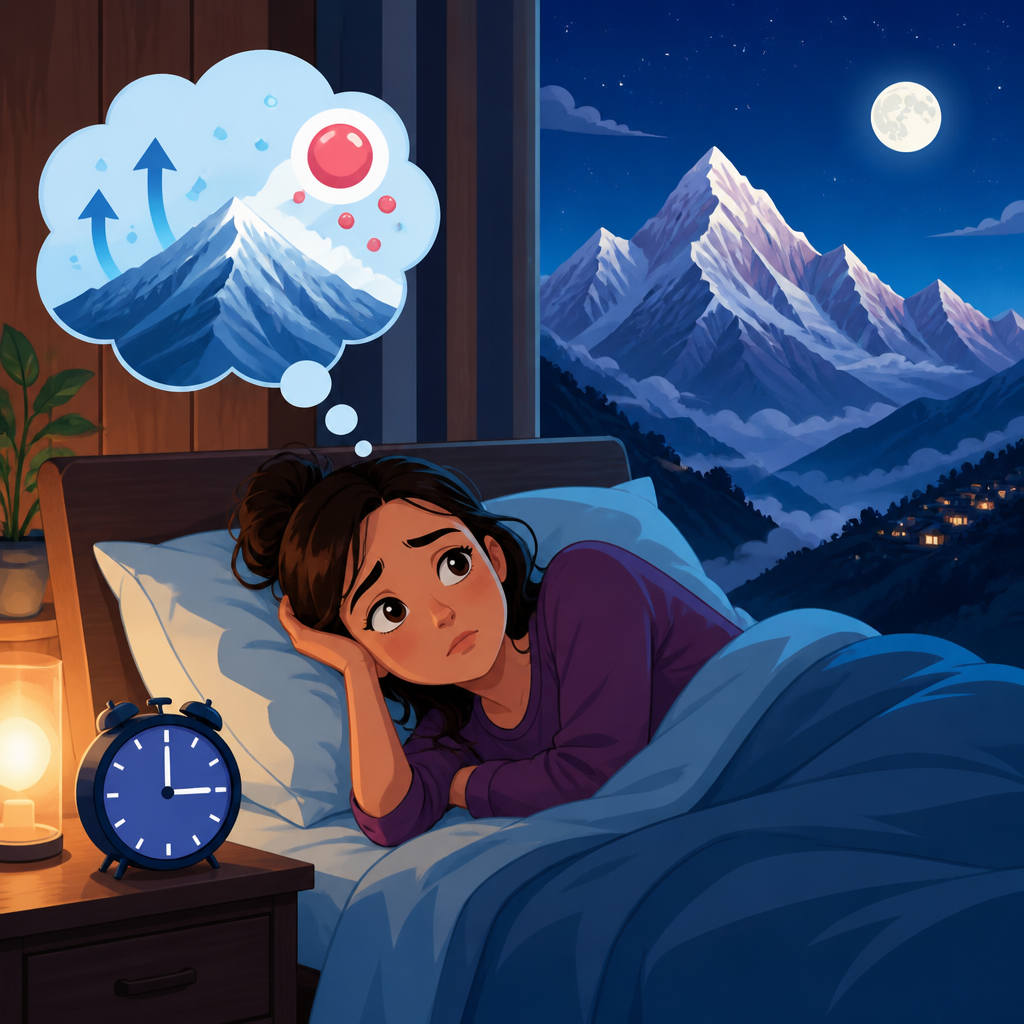
Altitude diuresis means increased urine production after ascending to higher elevation. The mechanism is not a single switch. The best way to understand it is as a coordinated response to hypoxia, which is lower oxygen availability in inspired air. As you ascend, you breathe faster and deeper to bring in more oxygen. That extra ventilation blows off carbon dioxide. Lower carbon dioxide shifts blood chemistry toward respiratory alkalosis, meaning the blood becomes slightly more alkaline. Your kidneys compensate by excreting bicarbonate into the urine. Water follows that solute loss, so urine volume increases.
That is the classic explanation, but it is not the whole story. Altitude also alters hormones that regulate water and salt. Many people experience reduced effective plasma volume during early acclimatization. Suppression of the renin-angiotensin-aldosterone system and changes in antidiuretic hormone can favor natriuresis and diuresis, especially in the first days after ascent. Cold exposure can amplify this through cold-induced diuresis, in which blood shifts from the skin to the core, signaling the body to offload fluid. Add dry air and high minute ventilation, and fluid turnover rises further. The result is simple to notice even though the physiology is complex: you urinate more often, especially at night.
Not everyone responds identically. A fit athlete can pee often at 2,800 meters and still be underhydrated, while a sedentary traveler may produce less urine despite drinking heavily. Genetics, ascent rate, altitude reached, sleep quality, menstrual cycle, medications, alcohol intake, and prior acclimatization all influence the pattern. That is why urine frequency alone is a weak hydration metric. Context matters.
How breathing, kidneys, and acid-base balance work together
The kidneys are central to acclimatization because they help reset the body’s acid-base balance. At sea level, carbon dioxide levels and bicarbonate are tuned to a narrow range. At altitude, hyperventilation lowers arterial carbon dioxide. If the kidneys did nothing, that alkalosis would blunt your ventilatory drive and make acclimatization harder. By excreting bicarbonate, the kidneys allow ventilation to remain elevated without pushing blood pH too far. This is one reason increased urination can be a normal sign that acclimatization is progressing.
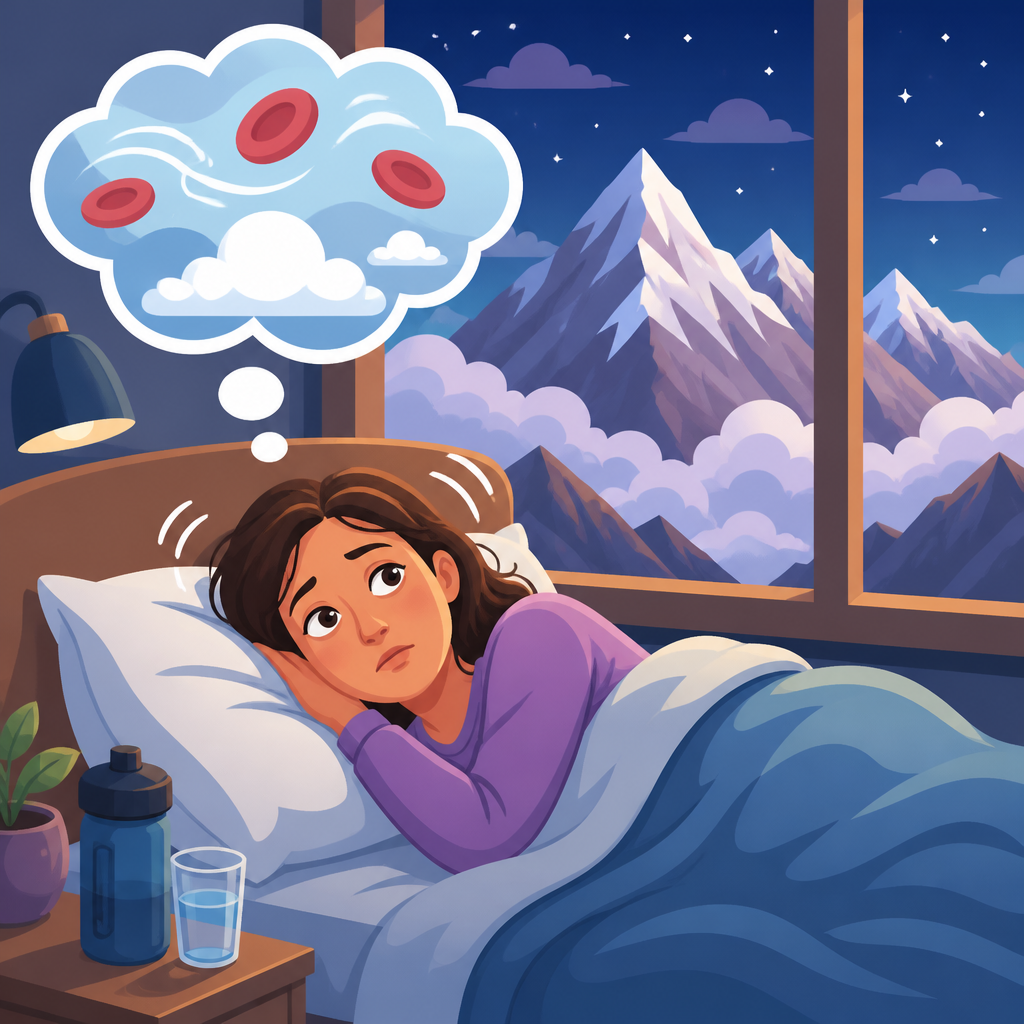
A common question is whether more urine at altitude means your body is “dumping water to make blood thicker.” That is only partly true. Early in acclimatization, plasma volume often falls, which can concentrate red blood cells and raise hematocrit before new red blood cell production significantly increases. Over time, erythropoietin stimulates production of additional red cells, but that process takes days to weeks. The immediate increase in urination is driven more by ventilatory compensation and fluid-regulatory hormones than by a deliberate attempt to concentrate blood.
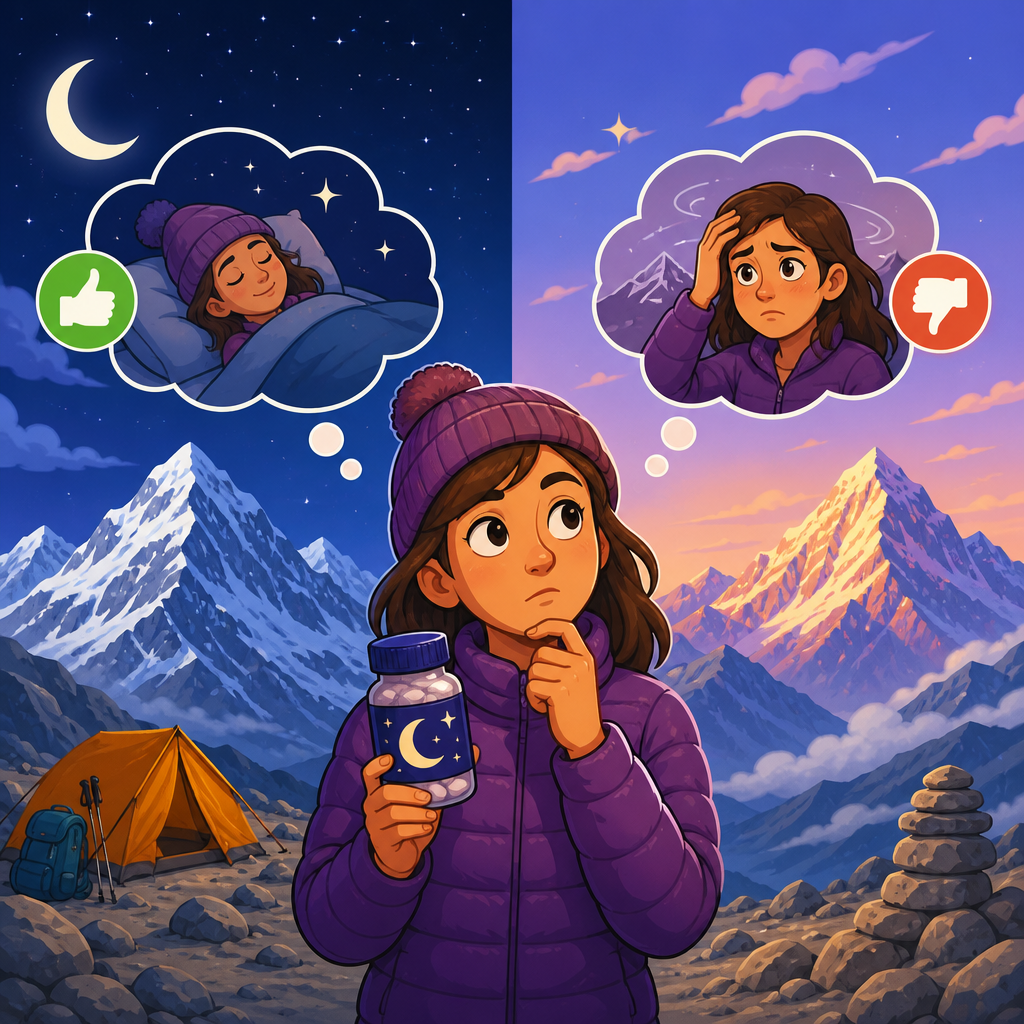
Medications show this kidney-lung interaction clearly. Acetazolamide, one of the most established drugs for preventing acute mountain sickness, inhibits carbonic anhydrase and increases bicarbonate excretion. That metabolic effect helps stimulate ventilation and supports acclimatization, but it also makes people pee more. When someone starts acetazolamide and reports frequent urination, that is expected. It does not mean the medication is harming the kidneys in an otherwise healthy person, though sulfa allergy history, kidney disease, and dosage still need proper medical review.
Why hydration at altitude is harder than it seems
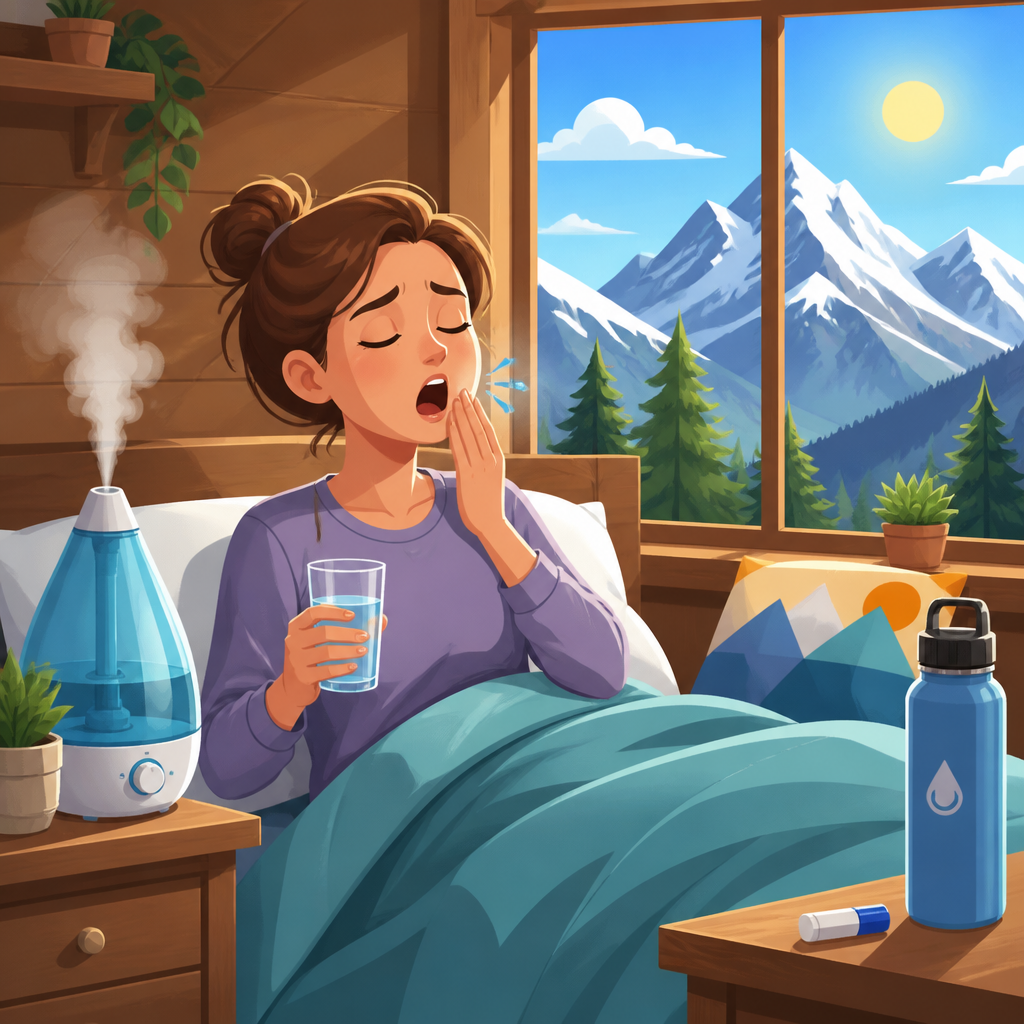
Hydration at altitude is not just about replacing sweat. Respiratory water loss rises because every breath humidifies very dry air, and you take more breaths per minute. In cold weather, people often underestimate sweat because clothing traps moisture and evaporation is less obvious. Appetite can drop, which reduces fluid obtained from food. Access to safe water may be limited on expeditions, and melted snow without proper mineral intake can dilute sodium if consumed in large amounts. Sleep disruption further complicates decision-making, because fatigue makes people rely on simple rules like “clear urine is best,” which is unreliable in the mountains.
In the field, the most frequent mistake I see is overdrinking out of fear of altitude sickness. Acute mountain sickness is caused by inadequate acclimatization, not simply dehydration. Dehydration can worsen symptoms and performance, but forcing excessive water does not prevent altitude illness and can create problems of its own, including dilutional hyponatremia. A better target is euhydration: enough intake to support normal function, stable energy, and reasonable urine output without persistent thirst or rapid body-mass loss.
| Issue | What you notice | What is usually happening | Better response |
|---|---|---|---|
| Normal altitude diuresis | More frequent urination, especially first nights | Kidney compensation for hyperventilation and altitude hormones | Drink to thirst plus planned intake with meals and activity |
| Dehydration | Thirst, dry mouth, dark urine, fatigue, rising heart rate | Respiratory loss, sweat, low intake, GI upset | Increase fluids and sodium gradually; monitor symptoms |
| Overhydration | Bloating, frequent clear urine, nausea, headache | Excess free water relative to sodium losses | Reduce plain water; include electrolytes and food |
| Acute mountain sickness | Headache, nausea, poor sleep, dizziness, fatigue | Hypoxia and insufficient acclimatization | Rest, avoid further ascent, consider acetazolamide, assess severity |
Electrolytes: sodium, potassium, and the limits of sports drink advice
Electrolytes are charged minerals that help regulate nerve signaling, muscle contraction, and fluid distribution. For hydration at altitude, sodium is the key electrolyte because it is the main determinant of extracellular fluid balance. Potassium matters for cellular function and cardiac conduction, but it is not the primary tool for preventing exercise-associated hyponatremia. Magnesium and calcium contribute to muscle and nerve function, yet most altitude hydration decisions still come down to total fluid, sodium intake, and carbohydrate availability.
People often ask whether they need electrolyte powders simply because they are at altitude. Not necessarily. If food intake is normal and the day is cool and moderate, regular meals may provide enough sodium. The need rises with long exertion, heavy sweat losses, diarrhea, vomiting, hot sun, or repeated high-output urination paired with low food intake. A practical example is a skier spending six hours touring above treeline. If they drink only plain water, skip lunch, and sweat heavily on the skin track, they can finish depleted even if they peed often. By contrast, a traveler strolling around a mountain town may do fine with water, soup, and regular meals.
Many commercial drink mixes are useful, but their labels vary widely. Some are designed more for taste than sodium replacement. Endurance athletes often do better with products that provide meaningful sodium per serving and are used alongside food. Oral rehydration solutions, formulated around sodium-glucose cotransport, are particularly helpful during gastrointestinal illness because they improve water absorption more effectively than plain water. For most healthy adults at moderate altitude, the goal is not constant electrolyte supplementation. It is matching intake to losses and avoiding the twin errors of sodium neglect and water excess.
How to tell normal urination from a warning sign
Peeing more at altitude is usually normal, but there are warning signs that deserve attention. Very dark urine, persistent intense thirst, dizziness on standing, minimal urination despite intake, and rapid heart rate suggest dehydration. Confusion, severe lethargy, vomiting, worsening headache, unsteady walking, and shortness of breath at rest raise concern for altitude illness rather than simple hydration issues. Burning urination, fever, flank pain, or blood in the urine point toward infection or another medical problem, not acclimatization.
Timing helps with interpretation. Increased urination often starts soon after ascent and is especially noticeable overnight. If it is accompanied by improved breathing and a settling heart rate over a couple of days, that pattern is usually reassuring. If someone pees constantly while also drinking liters beyond thirst, bloating, and feeling nauseated, I think first about overhydration. If urination drops off during a hard summit day and the person becomes irritable, cramp-prone, and tachycardic, inadequate intake is more likely. Again, the symptom is not enough by itself. The pattern is what matters.
Urine color can help, but only as one clue. Pale straw color is generally reasonable. Completely clear urine all day may indicate excessive intake, especially if paired with frequent voiding. Dark amber suggests concentration, though vitamins, foods, and first-morning urine can mislead. Body-mass change across several days is more useful on expeditions. A sudden drop may reflect fluid deficit; a gain during heavy drinking can signal retention or overhydration.
Practical hydration and electrolyte strategies for altitude travel
A simple altitude hydration plan starts before you feel bad. Drink normally the day before ascent, avoid arriving hungover, and eat meals containing sodium and carbohydrate. On the first two days at altitude, use a rhythm rather than random sipping: drink with meals, carry fluid during activity, and respond to thirst. Most people do well when they spread intake through the day instead of chugging large volumes at night, which only worsens sleep disruption from nocturia.
Pair fluids with food whenever possible. Soup, oats, rice dishes, fruit, potatoes, yogurt, tortillas, and broths all contribute water while also delivering sodium, potassium, and carbohydrate. During long efforts, aim to replace part of sweat loss with a drink or snacks containing sodium. Exact needs vary, but endurance settings usually require a more deliberate plan than casual sightseeing. If you are using acetazolamide, expect extra urination and make sure your routine includes both fluids and electrolytes, not water alone.
There are limits to what hydration can fix. If headache, nausea, and fatigue are due to ascending too fast, the treatment is slowing down, resting, and sometimes descending. No bottle can substitute for acclimatization. In mountain medicine, the hierarchy is clear: appropriate ascent profile first, symptom monitoring second, fluid and electrolyte management third. All three matter, but only one changes the oxygen problem at its source.
Common myths about peeing more at altitude
One myth is that frequent urination means you are definitely well hydrated. It does not. You can urinate often and still run a net fluid deficit because respiratory loss and sweat loss are high. Another myth is that clear urine should be the goal all day. In reality, persistently clear urine often means your intake exceeds your needs. A third myth is that electrolytes are only for elite athletes. Travelers with poor appetite, diarrhea, or long active days may benefit substantially from sodium-containing fluids.
Another misunderstanding is that caffeine must be avoided because it “dehydrates you at altitude.” Moderate habitual caffeine intake does not cause dangerous dehydration in most people and may improve alertness or headache management for some. Alcohol is the more relevant concern because it can impair sleep, judgment, and ventilation while adding to fluid disturbance. Finally, people often think nighttime urination is proof they should stop drinking entirely after dinner. The better approach is to front-load intake earlier in the day, keep evening drinks moderate, and avoid large boluses right before bed.
The main lesson is straightforward: you pee more at altitude because your body is adapting to lower oxygen, faster breathing, shifting hormones, and changing fluid distribution. That extra urination is common and often normal, but it sits inside a bigger hydration and electrolytes picture. Good altitude hydration means replacing losses without forcing water, using sodium intelligently, eating regularly, and reading patterns rather than single symptoms. If you are building a mountain routine, start with steady ascent, structured fluid intake, and meals that support electrolyte balance. Use this hydration and electrolytes hub as your foundation, then apply the same principles to trekking, skiing, climbing, and high-altitude sleep so your acclimatization works with your body instead of against it.
Frequently Asked Questions
Why do you pee more at altitude?
At altitude, your body is exposed to lower oxygen pressure, and one of the first things it does is increase breathing to pull in more oxygen. That faster, deeper breathing changes your blood chemistry by lowering carbon dioxide levels, which makes the blood slightly more alkaline. Your kidneys help correct that shift by excreting more bicarbonate and water in the urine. At the same time, altitude can alter hormone signals involved in fluid regulation, including antidiuretic hormone and other systems that affect sodium and water balance. The result is a very common increase in urine production known as altitude diuresis.
This is not just a random side effect. It is part of the acclimatization process. By adjusting fluid balance, your body is trying to optimize circulation and chemistry under lower-oxygen conditions. Many people notice that they need to urinate more often within hours of arrival, especially after a quick ascent or the first night sleeping high above sea level. Cold temperatures, dry air, extra exertion, and changes in drinking habits can amplify the effect. So while it can feel inconvenient on a trek, climb, or ski trip, peeing more at altitude is often a normal physiological response rather than a sign that something is wrong.
How soon does altitude diuresis start, and how long does it last?
Altitude diuresis can begin surprisingly quickly. Some people notice it the same day they ascend, while others mainly notice it during the first night or over the first one to three days at a new sleeping elevation. The timing depends on how fast you climbed, how high you went, how well hydrated you were beforehand, the climate, your activity level, and individual differences in acclimatization. A rapid ascent to a significantly higher elevation is more likely to trigger a noticeable change than a gradual climb with plenty of time for adjustment.
For many healthy travelers, the increase in urination is most obvious during the early phase of acclimatization and gradually settles as the body adapts over several days. That said, it may persist longer if you continue ascending, remain in a cold and dry environment, use medications that affect fluid balance, or unintentionally overdrink. It can also seem more dramatic at night because sleep at altitude is often lighter and more fragmented, making every bathroom trip easier to notice. If frequent urination continues without improvement, becomes extreme, or is accompanied by concerning symptoms such as severe weakness, confusion, vomiting, or marked dehydration, it is worth considering other causes beyond normal altitude adjustment.
Does peeing more at altitude mean you are dehydrated?
Not necessarily, but it does mean you need to pay closer attention to hydration. Increased urination at altitude can be a normal adaptive response, and you can experience it even if you are drinking appropriately. At the same time, altitude environments often increase fluid loss in several ways. The air is usually much drier, so you lose more water through breathing. You may also sweat during hiking, climbing, or skiing, even when the weather feels cold. Appetite and thirst can become less reliable, which means some people drink too little while others overcompensate and drink more than they need.
The goal is not to stop the extra urination by forcing fluids, but to maintain steady, adequate hydration. Useful signs include urine that is pale yellow rather than consistently dark, a mouth that does not feel persistently dry, and energy levels that are reasonably stable. Drinking to thirst, eating regularly, and replacing electrolytes during prolonged exertion are often better strategies than trying to hit an arbitrary number of liters. Both dehydration and overhydration can cause problems at altitude. Overdoing plain water without enough sodium can dilute blood sodium levels and make you feel worse. In other words, frequent urination alone does not prove dehydration, but it should prompt a more thoughtful hydration plan.
Can altitude, cold weather, and sleep all make nighttime urination worse?
Yes. Many people notice that the first few nights at altitude come with repeated trips out of the tent or to the bathroom, and several factors can stack together. Altitude itself promotes diuresis, as the kidneys adjust to changes in breathing and blood chemistry. Cold weather adds another layer through what is often called cold diuresis. In the cold, blood vessels near the skin constrict to conserve heat, which can shift more blood toward the body’s core. Your body may interpret that central fluid shift as excess volume and respond by producing more urine.
Sleep also changes at altitude. It is common to sleep more lightly, wake more often, and experience periodic breathing, which can make you much more aware of bladder sensations that you might sleep through at lower elevations. On top of that, many travelers drink a lot in the evening because they are trying to “stay ahead” of dehydration after a long day outdoors. Alcohol and caffeine, if used late in the day, may further increase nighttime bathroom trips in some people. Practical ways to reduce the disruption include hydrating earlier in the day, avoiding unnecessary fluid loading right before bed, staying warm, and keeping nighttime bathroom logistics simple and safe. The need to pee at night can be normal at altitude, but it often reflects a mix of altitude physiology, cold exposure, and altered sleep rather than just one cause.
When is frequent urination at altitude normal, and when should you worry?
Frequent urination is usually considered normal when it begins soon after ascent, is mild to moderate, and occurs alongside otherwise expected acclimatization symptoms such as a slightly faster breathing rate, mild sleep disruption, or a temporary change in appetite. It is especially common in the first few days and often improves as your body adapts. If you feel generally well, can keep fluids and food down, and your urine remains a reasonable color without signs of major dehydration, the extra peeing is often just part of adjusting to life higher above sea level.
You should be more cautious if urination becomes extreme, if you cannot seem to stay hydrated despite drinking, or if it comes with symptoms that do not fit simple acclimatization. Warning signs include dizziness that is worsening, severe headache, shortness of breath at rest, chest symptoms, confusion, fainting, persistent vomiting, swelling, or signs of serious dehydration such as very dark urine and marked lethargy. Medication use also matters. Diuretics, acetazolamide, some blood pressure medicines, and large amounts of caffeine or alcohol can all increase urination. Conditions like diabetes, urinary tract infection, or prostate issues can also be unmasked or made more noticeable during travel. If the pattern seems excessive, painful, or otherwise out of proportion, it is smart to pause, reassess hydration and medications, and seek medical advice, especially if you are remote or continuing to ascend.