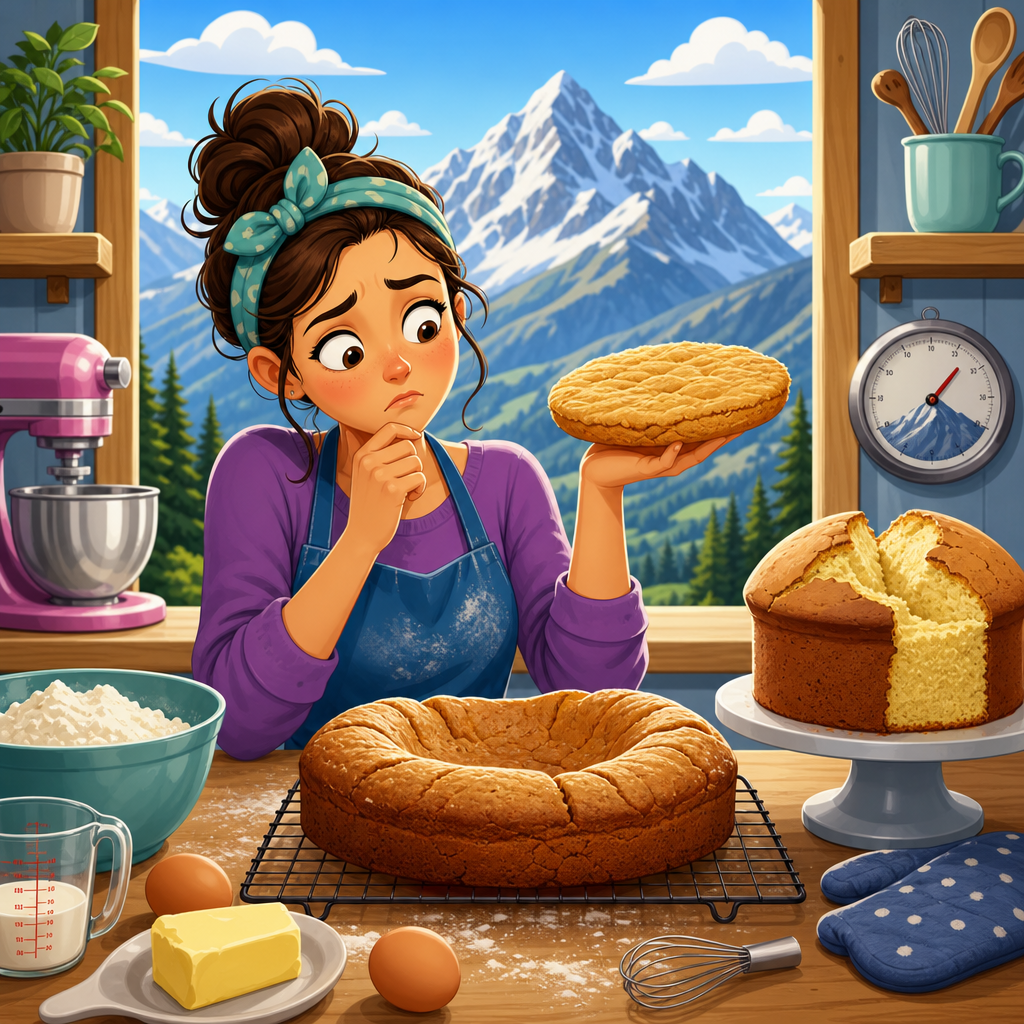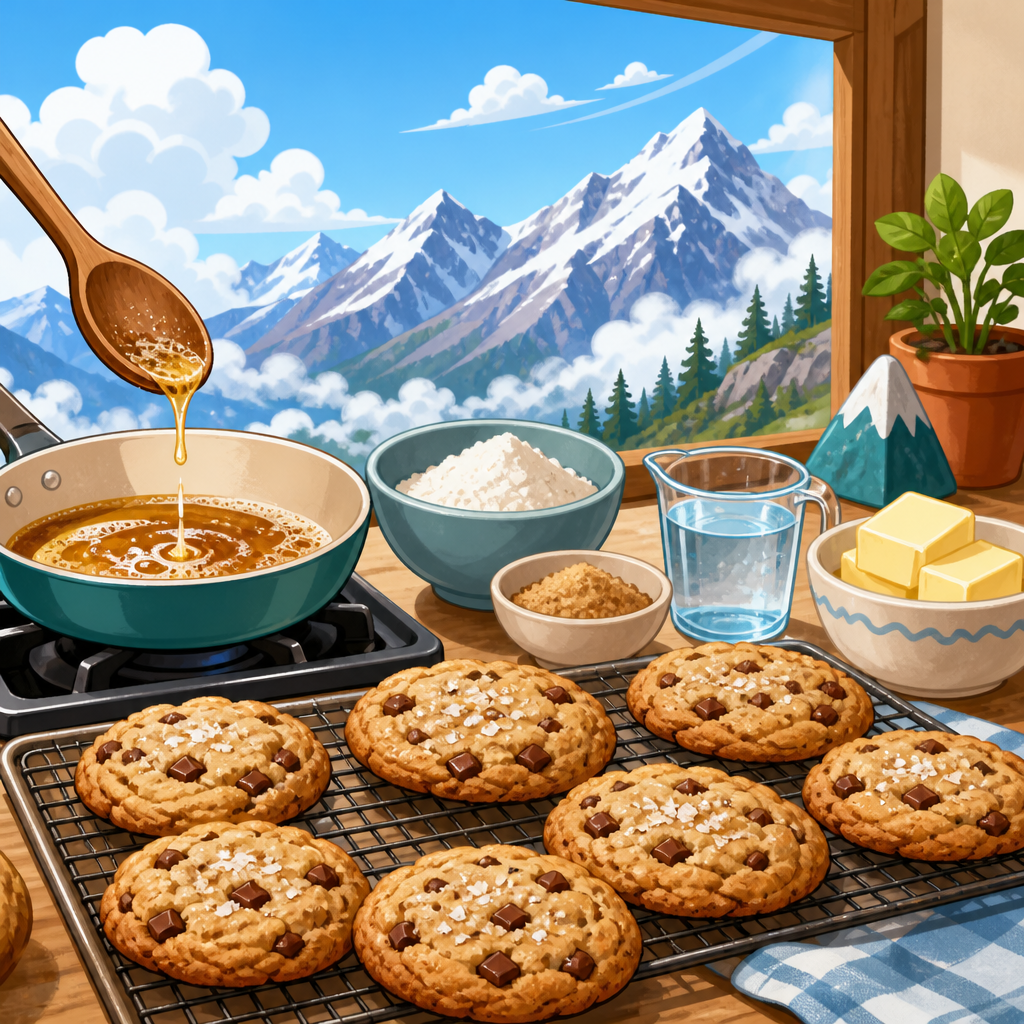
High-altitude brown butter cookies reward precision because every variable in the bowl behaves differently once lower air pressure, drier conditions, and faster evaporation enter the equation. In this cookies and bars hub, I’m focusing on the issue bakers ask me about most: how to adjust moisture and spread when you want the deep flavor of brown butter without ending up with thin, greasy disks or dry, cakey pucks. High altitude generally means baking above 3,000 feet, though the strongest effects usually appear around 5,000 feet and higher. Brown butter is butter cooked until its water evaporates and its milk solids toast, creating a nutty aroma and a more concentrated fat phase. That flavor is worth chasing, but the moisture loss matters. In standard cookie formulas, butter contributes both fat and water. Once you brown it, you remove part of that water before the dough is even mixed. At altitude, where liquids evaporate faster and leavening expands more aggressively, that missing water changes spread, chew, edge crispness, and overall structure. Bars react differently from drop cookies, and pan size, sugar type, flour protein, and chill time all have outsized effects. This article explains the mechanics, practical adjustments, and recipe planning principles I use when developing high-altitude cookies and bars so you can troubleshoot with confidence and build a reliable internal roadmap for this entire category.
Why Brown Butter Changes High-Altitude Cookie Behavior
Brown butter alters a dough in three major ways: it reduces water, intensifies fat flavor, and introduces toasted milk solids that affect aroma and browning. In a typical American butter, roughly 15 to 18 percent is water. When I brown one stick, I usually lose about 1 to 2 tablespoons by weight depending on how long I cook it. At sea level, that loss can be manageable in a recipe already rich in eggs, brown sugar, or add-ins. At 5,000 to 7,000 feet, the same dough often spreads too early at the edges, then bakes up dry in the center because evaporation races ahead of full starch gelatinization.
The core high-altitude problem is timing. Gas expansion and steam pressure encourage early lift, but the dough may not have enough moisture or dissolved sugar balance to hold a chewy structure before the fat melts. If the dough is warm, the cookie spreads wide before proteins set. If you overcorrect with too much flour, you suppress spread but create a thick, dull crumb. That is why high-altitude brown butter cookies need measured moisture replacement, not random extra flour. I usually start by replacing the water lost during browning with 1 to 2 tablespoons of liquid per 8 tablespoons butter, then adjust based on sugar ratio and intended texture.
For bars, the dynamic shifts slightly. A blondie or cookie bar has pan support, so spread is less dramatic, but moisture is still critical because altitude encourages edge overbaking and center collapse. Brown butter bars often benefit from whole eggs plus an extra yolk, or from hygroscopic ingredients such as dark brown sugar, honey, or invert syrup in modest amounts. The hub principle for cookies and bars is simple: replace lost moisture intentionally, moderate spread through temperature and structure, and let flavor concentration work for you rather than against you.
Moisture Adjustments That Preserve Chew Instead of Creating Puff
The best moisture adjustments for high-altitude brown butter cookies are small, targeted, and chosen for function. Water restores hydration directly, milk adds lactose and protein, egg yolk adds emulsifiers and fat, and brown sugar attracts and retains moisture. Each option changes texture differently. When I want a classic chewy chocolate chip cookie with wrinkled tops, I prefer adding 1 tablespoon water or milk per browned stick of butter and increasing brown sugar slightly instead of adding a whole extra egg, which can make the dough puffier and more cakey at altitude.
Brown sugar is especially useful because molasses is hygroscopic. A formula that is 60 percent brown sugar and 40 percent granulated sugar usually bakes thicker and chewier than a 50/50 split, all else equal. In high-altitude brown butter doughs, that extra moisture retention slows staling and helps the center stay soft after cooling. However, too much brown sugar can increase spread if the dough is underchilled, because dissolved sugars liquefy quickly. That is why I treat moisture and spread as one system rather than separate fixes.
Flour choice matters too. All-purpose flour with protein around 10.5 to 11.7 percent generally gives the best balance for cookies. If your standard flour is very soft, a modest increase of 1 to 2 tablespoons flour per batch may help at 5,000 feet or above. If your flour is already high protein, adding too much creates tough, dry cookies. Oats, nut flours, cocoa, and powdered sugar also pull water differently, so specialty cookies need individual calibration. Bars with cocoa or melted chocolate often need less extra liquid than vanilla doughs because those ingredients already tighten structure and reduce perceived spread.
| Issue | Likely Cause at Altitude | Most Reliable Fix |
|---|---|---|
| Cookies spread too thin | Warm dough, lost butter water, low flour structure | Replace browned butter moisture, chill dough thoroughly, add 1 to 2 tablespoons flour |
| Cookies are dry and thick | Overcorrected with flour or overbaked | Add 1 tablespoon liquid, reduce bake time, increase brown sugar ratio |
| Edges burn before centers set | Fast evaporation and hot pans | Lower oven 15 to 25 degrees Fahrenheit and use lighter-colored sheets |
| Bars sink in the center | Excess leavening or underbaked middle | Reduce baking soda or powder slightly and verify center temperature and carryover |
Spread Control: Temperature, Sugar, and Leavening Strategy
When bakers complain that brown butter cookies at altitude “melt flat,” the cause is rarely one thing. It is usually a chain reaction involving warm fat, aggressive sugar dissolution, and leavening that expands before the dough sets. The first spread control tool is temperature. Browned butter should cool until opaque and semi-fluid, not hot, before mixing. If it is poured in warm, it dissolves sugar rapidly and weakens the dough. After mixing, I chill most high-altitude brown butter cookie doughs for at least 12 hours. That rest hydrates flour, firms fat, and improves flavor. A short 30-minute chill helps, but overnight chilling is much more reliable.
Sugar selection changes spread more than many home bakers realize. Granulated sugar encourages crispness and wider spread. Brown sugar promotes chew and slightly thicker centers. Liquid sweeteners such as maple syrup or honey can improve moisture retention in bars, but in drop cookies they need caution because they lower viscosity. A useful rule for altitude is to keep added liquid sweeteners under about 10 percent of total sugar unless the formula has compensating structure from extra flour, oats, or egg yolk.
Leavening should also be reduced modestly at altitude. For cookies, this may mean cutting baking soda or baking powder by about 10 to 25 percent depending on elevation and formula. Too much leavening creates rapid rise and collapse, leading to craggy but fragile cookies or bars with sunken centers. In chocolate chip and butterscotch styles, baking soda remains important because it raises pH, encourages browning, and supports spread. The solution is not elimination but restraint. At 7,000 feet, I often reduce a 1 teaspoon soda dose to 3/4 teaspoon, then rely on proper chill and moisture replacement to finish the job.
Cookie-by-Cookie Guidance for the Cookies and Bars Hub
This page serves as the hub for high-altitude cookies and bars, so it helps to separate techniques by style. Drop cookies are the most sensitive to spread because they depend on dough viscosity alone. Chocolate chip, oatmeal raisin, peanut butter, and snickerdoodles all fit here, but each responds differently. Oatmeal cookies tolerate altitude well because oats absorb water slowly and reduce free moisture, though they can become dry if you add too much flour. Peanut butter cookies often need less browning adjustment because nut butter contributes fat and body, but they can become crumbly if the dough lacks enough egg or sugar.
Shortbread and slice-and-bake cookies are easier at altitude because they are intentionally low in water and rely on a compact structure. Brown butter can work beautifully here, but the milk solids may make the dough more fragile. I usually add a teaspoon or two of water only if the dough cracks excessively during slicing. Sugar cookies for cutouts require the opposite mindset from drop cookies: you want minimal spread. Brown butter is possible, but only with careful chilling and often with partial butter replacement so the dough remains stable enough to roll.
Bars divide into fudgy, cakey, and chewy categories. Blondies and cookie bars pair especially well with brown butter because pan support contains spread and amplifies caramel notes. At altitude, the most common blondie failure is dry edges with an underdone center. The fix is usually a combination of lower oven temperature, metal pan selection, and center-focused doneness cues rather than simply baking longer. Brownies are less obvious candidates for brown butter, yet browned butter plus chopped chocolate produces exceptional flavor. Because brownie structure comes from eggs and melted chocolate, altitude adjustments often center on reducing leavening, watching bake time, and avoiding overaeration rather than adding much extra liquid.
Testing, Pan Selection, and Doneness Cues That Actually Work
Reliable high-altitude baking comes from controlled testing, not guesswork. When I develop a brown butter cookie recipe for 5,280 feet, I change one variable at a time: liquid replacement, flour, chill time, oven temperature, or leavening. I bake a four-cookie test set before committing the whole tray. That small step saves ingredients and reveals spread behavior quickly. If the cookies run wide in the first six minutes, the dough likely needs colder fat, slightly more flour, or less sugar liquefaction from warm mixing.
Pan choice also matters. Light-colored aluminum sheet pans bake cookies more evenly than dark nonstick pans, which accelerate edge browning. Parchment typically promotes a little more spread than a silicone mat, though results vary by brand and dough composition. For bars, a shiny metal pan gives the most predictable heat transfer. Glass pans hold heat longer and often overbake edges before centers finish, a problem exaggerated at altitude where moisture loss is already faster.
Doneness cues should match the product. For chewy cookies, look for set edges and centers that still appear slightly underdone; carryover heat finishes them. For crisp cookies, allow a bit more overall color but avoid deep browning, which can taste dry rather than rich when brown butter is already supplying toasted notes. For blondies and bars, a toothpick should show moist crumbs, not raw batter, and the center should spring back lightly. Internal temperature can help serious bakers: many cookie bars are done around 190 to 200 degrees Fahrenheit in the center, while fudgier brownies may be pulled a little earlier depending on formula. Those numbers are guides, not absolutes, but they improve consistency.
Common Mistakes and a Practical Troubleshooting Workflow
The most common mistake is failing to account for water lost during browning. The second is using browned butter while it is too warm. The third is assuming altitude always requires large flour increases. In practice, big flour corrections usually mask a weaker process problem such as insufficient chilling or overbaking. Another frequent issue is crowding the sheet pan. Cookies baked too close together create local steam and uneven heat patterns, which can distort spread and color.
A practical troubleshooting workflow starts with observation. If cookies are greasy and flat, ask whether the butter was rewarmed too much, whether the dough rested long enough, and whether you replaced moisture. If they are thick but dry, review flour measurement, bake time, and sugar ratio before adding more fat. If bars sink, question leavening first, then underbaking, then pan depth. I also recommend weighing ingredients. Brown butter recipes especially benefit from grams because a tablespoon error in flour or liquid is proportionally significant.
Across the cookies and bars category, the best long-term strategy is building a baseline formula for your elevation. Once you know how your kitchen behaves, you can adapt flavors freely. Keep notes on exact butter weight before and after browning, dough temperature before scooping, chill duration, pan type, and final spread diameter. Those are the variables that turn high-altitude brown butter cookies from unpredictable to repeatable.
High-altitude brown butter cookies succeed when you treat moisture and spread as linked design choices, not afterthoughts. Brown butter brings remarkable flavor, but it also removes water, concentrates fat, and changes the timing of how a cookie sets in the oven. At altitude, that shift is amplified by faster evaporation and stronger leavening expansion. The practical answer is consistent: replace some of the lost liquid, cool and chill the dough thoroughly, moderate leavening, and control oven heat with the right pans. From there, tailor the details by style. Drop cookies need close attention to spread. Slice-and-bake cookies reward firmness and restraint. Blondies, brownies, and cookie bars need center-focused doneness and edge protection. If you remember only one rule from this hub, make it this one: never judge a high-altitude brown butter dough by flavor alone, because delicious dough can still bake poorly without structural correction. Use the guidance here as your foundation for the entire cookies and bars category, then test methodically for your kitchen, flour, and elevation. Start with one favorite recipe, document each adjustment, and you will build a dependable high-altitude baking system that delivers chewy centers, controlled spread, and deeper flavor every time.
Frequently Asked Questions
Why do brown butter cookies spread more at high altitude than they do at sea level?
Brown butter cookies are especially prone to spreading at high altitude because you are working with two compounding issues at once: the structural changes caused by elevation and the moisture loss caused by browning the butter. When you brown butter, you cook off part of its water and concentrate the butterfat and milk solids. That creates incredible flavor, but it also removes some of the moisture that helps cookie dough hold together. At high altitude, lower air pressure allows baked goods to rise and expand more quickly, while the drier environment and faster evaporation pull additional moisture from the dough. The result is a dough that can liquefy and flatten before the flour, eggs, and sugars have enough time to set its shape.
Another reason spread increases is that sugar behaves more aggressively at altitude. As the dough warms, sugar dissolves and encourages the cookie to flow outward. If your dough is already short on moisture balance because of browned butter, and if your leavening is a little too strong for your elevation, the cookies can collapse into thin, greasy rounds. That is why brown butter cookies often need more than one adjustment at altitude. It is usually not enough to simply chill the dough. You may also need to reduce sugar slightly, add back some liquid lost during browning, increase flour a bit, and moderate the leavening so the dough has a better chance of setting before it over-spreads.
How do I replace the moisture lost when browning butter for high-altitude cookies?
The most reliable method is to measure and replace at least part of the water that evaporates during browning. Standard butter contains both fat and water, and once you brown it, some of that water is gone for good unless you add it back. In high-altitude baking, that lost moisture matters even more because evaporation happens faster in both the mixing bowl and the oven. A practical approach is to weigh the butter before browning and again after browning. The difference is the amount of moisture cooked off. You can then add some or all of that weight back using water, milk, or another liquid already compatible with your recipe.
Water is the cleanest choice if you want to restore moisture without changing fat or sugar levels. Milk can work well too, but it adds milk solids and a slightly richer effect, which may influence browning and tenderness. In many high-altitude brown butter cookie recipes, bakers do best by restoring enough moisture to help the dough hydrate properly, but not so much that the dough becomes loose. That often means adding back a modest amount rather than fully replacing every gram lost, especially if the recipe already contains eggs, brown sugar, or other moisture-retaining ingredients. You can also support hydration by letting the dough rest after mixing. A 20- to 60-minute rest, or an overnight chill, gives the flour time to absorb liquid and reduces the chance that the cookies will melt too quickly in the oven.
What ingredient changes help prevent thin, greasy brown butter cookies at high altitude?
The most effective fixes usually involve small, targeted adjustments rather than a total rewrite of the recipe. First, consider increasing the flour slightly. Even a few extra tablespoons can help absorb excess fat and improve structure. Second, reduce sugar a little, especially white sugar, which tends to promote spread more than brown sugar. Brown sugar holds moisture better because of its molasses content, so shifting the balance slightly toward brown sugar can improve chew and thickness. Third, review your leavening. At high altitude, cookies often need less baking soda or baking powder because gases expand more readily. Too much leavening can make cookies puff quickly and then fall flat.
Eggs also play a major role. Adding an extra egg yolk can boost emulsification and richness while helping the dough hold together more effectively. In some cases, increasing total egg slightly can help, but that must be balanced carefully so the cookies do not become cakey. Dough temperature matters too. If the browned butter is still warm when mixed in, the dough can start out overly soft and spread before chilling can fully correct it. Cooling the brown butter until it is no longer hot, or even letting it become opaque and semi-solid, can make a dramatic difference. Finally, do not overlook portioning. Taller scoops of dough spread less than flattened ones, and baking on a properly cooled sheet pan lined with parchment can further reduce runaway spread.
Should I chill high-altitude brown butter cookie dough, and if so, for how long?
Yes, chilling is one of the most helpful tools for controlling spread, but it works best when combined with balanced ingredient adjustments. Chilling firms the butterfat, slows the initial melting phase in the oven, and gives the flour more time to fully hydrate. For brown butter cookies at high altitude, this is particularly useful because the dough often starts with less water than a standard butter cookie dough. A short chill of 30 to 60 minutes can help if the dough is only slightly soft. If the recipe is especially rich, or if your kitchen is warm and dry, a longer chill of several hours or overnight is often more effective.
That said, chilling is not a cure-all. If the dough is fundamentally under-structured or too dry in the wrong way, cold dough may still spread too much or bake up dense and puck-like. The goal is not just cold dough, but properly hydrated dough with enough structure to hold shape. After chilling, it is usually best to bake a test cookie before portioning the entire batch. If the cookie still spreads too much, you may need a little more flour or a small sugar reduction. If it barely spreads and seems dry or crumbly, the dough may need a touch more liquid. This test-bake approach is one of the smartest ways to dial in brown butter cookies at elevation because it lets you correct the dough before committing to a full tray.
What are the best baking and troubleshooting tips for getting the right texture and thickness at high altitude?
Start by treating your first batch as a calibration round. High-altitude baking is rarely perfect on the first try because conditions vary by exact elevation, climate, oven behavior, and even season. Bake one or two cookies first and study the results. If they spread too thin, look at structure: add a bit more flour, slightly reduce sugar, or make sure the dough is colder before the next round. If they come out dry and thick with very little spread, the dough may need a little more moisture, slightly less flour, or a shorter bake time. Brown butter cookies can go from under-set to overdone quickly because their milk solids and sugars encourage faster browning.
Oven temperature is another important lever. Many bakers get better results by increasing the baking temperature slightly at altitude so the cookies set faster before they have time to flatten too much. Watch carefully, though, because higher temperatures can also over-brown the edges before the centers are done. Use light-colored baking sheets when possible, line with parchment rather than greasing the pan, and cool the sheet fully between batches. If you bake on a hot pan, even a well-balanced dough can spread more than expected. Most importantly, make only one or two changes at a time and keep notes. Precision is what makes high-altitude brown butter cookies successful. Once you identify the right combination of moisture replacement, flour balance, sugar level, dough temperature, and bake time for your kitchen, you can repeat it with far more confidence.