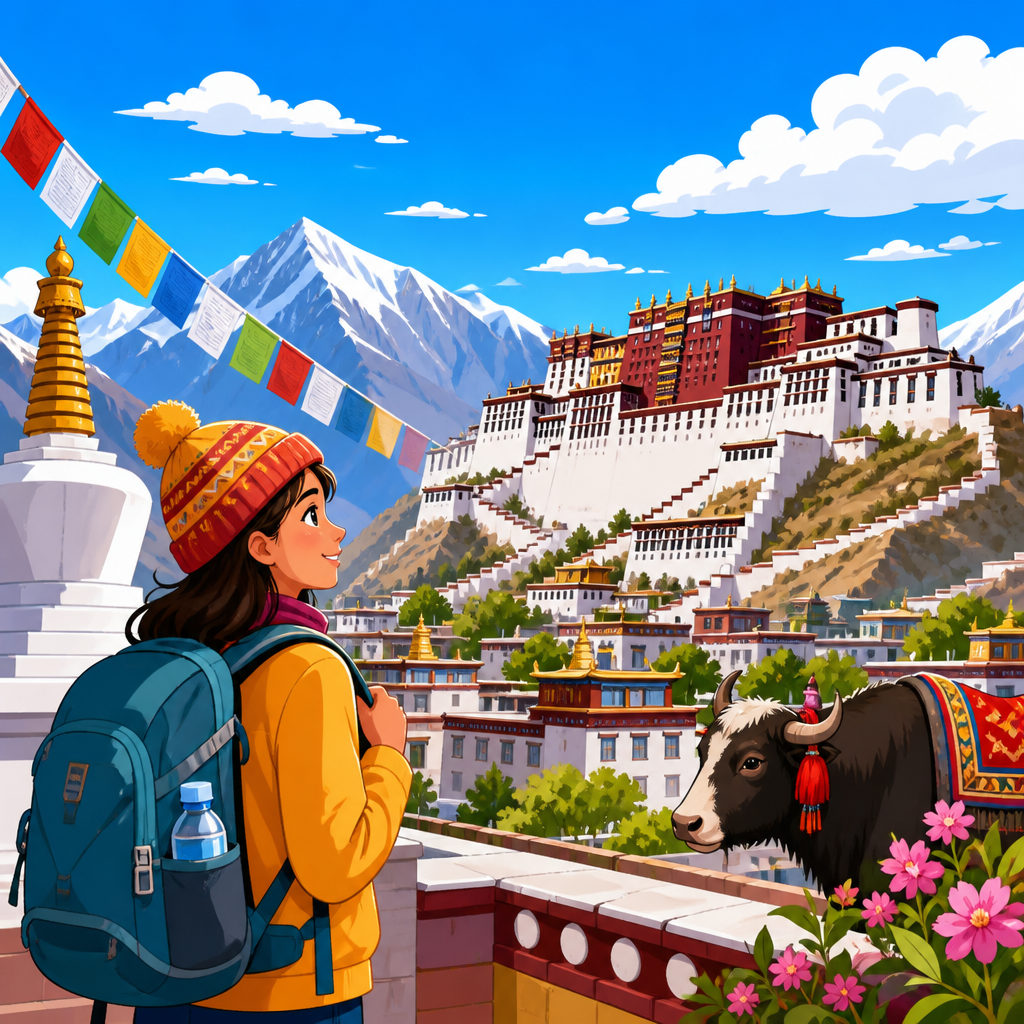
Lhasa altitude shapes every part of a first trip, from how you breathe on arrival to how you plan sightseeing, meals, sleep, and day trips across Tibet. Sitting at roughly 3,650 meters, or about 11,975 feet, above sea level, Lhasa is high enough that most visitors notice thinner air, faster fatigue, and a greater need for slow pacing during the first two days. In practical terms, altitude means the reduced air pressure found at elevation, which lowers the amount of oxygen your body absorbs with each breath. For first-time visitors, understanding Lhasa altitude is not optional travel trivia; it is the main factor that determines comfort, safety, and how much of the city you can truly enjoy.
I have planned high-altitude itineraries for first-time travelers and made the same mistake many newcomers make: treating day one in Lhasa like day one in any other international city guide. It is not. You cannot land, rush to the Potala Palace, climb every stair, and expect your body to cooperate. Lhasa rewards visitors who prepare before arrival, hydrate consistently, sleep conservatively, and leave room for gradual adaptation. That is why this guide focuses not only on the number attached to Lhasa altitude, but also on what that number means in real travel decisions.
As a hub within Travel & Destinations, this article also frames Lhasa in the broader context of international city guides. Most city planning advice starts with neighborhoods, transport, food, or museum passes. Lhasa requires one more layer: altitude management. Once you understand that foundation, the rest of the city opens up more smoothly, whether you are visiting Jokhang Temple, walking Barkhor Street, organizing permits, or connecting onward to Shigatse, Namtso, or Everest Base Camp routes. The goal is simple: arrive informed, adapt safely, and experience Lhasa with enough energy left to appreciate its culture instead of merely enduring its elevation.
What is the altitude in Lhasa, and why does it feel harder than the number suggests?
Lhasa sits at about 3,650 meters above sea level, although exact readings vary slightly by district, hotel location, and measuring source. For travelers, the key point is that this elevation is well above the threshold where altitude symptoms commonly begin. Many people can feel changes from around 2,500 meters onward. By the time you reach Lhasa, the lower oxygen availability is significant enough that even healthy visitors may experience headache, light dizziness, dry mouth, poor sleep, reduced appetite, or unusual shortness of breath when walking upstairs.
Why does Lhasa altitude feel harder than expected? Because the number alone does not capture how your body responds after a rapid ascent. Flying into Lhasa compresses the altitude transition into a few hours. Your lungs and circulation have no time to adjust gradually the way they might on an overland route. Add jet lag, dehydration from flights, excitement, heavy luggage, and the temptation to sightsee immediately, and mild altitude stress can turn into a miserable first night. Travelers often say, “I felt fine at first, then worse in the evening.” That pattern is common because symptoms may appear six to twenty-four hours after arrival.
Weather and daily behavior also change how Lhasa altitude feels. The air is dry, solar radiation is intense, and physical effort that seems minor elsewhere can feel disproportionate here. Walking a short incline with a backpack can raise your heart rate quickly. Alcohol hits harder. Sleep can become shallow. None of this means Lhasa is unsafe for typical visitors; it means the city should be approached deliberately. The most accurate expectation is that you may feel slower than usual for forty-eight hours, and that is normal.
How to prepare before you travel to Lhasa
The best altitude strategy starts before departure. First, discuss your itinerary with a clinician if you have heart disease, lung disease, uncontrolled blood pressure, sleep apnea, anemia, or a history of severe altitude illness. Many travelers ask about acetazolamide, commonly sold as Diamox. It is widely used for prevention and can help the body acclimatize faster by stimulating breathing, but it is not appropriate for everyone and may cause tingling, increased urination, or taste changes. A clinician can advise on timing and dosage based on your health history.
Second, build your route intelligently. If your schedule allows, spending time at a moderate elevation before Lhasa can help, but many international visitors arrive by air through major Chinese gateways such as Chengdu, Beijing, or Xi’an and then continue directly. In that case, preparation matters even more. Sleep well before departure, limit alcohol for at least twenty-four hours beforehand, and begin hydrating early. Pack a refillable water bottle, lip balm, sunscreen, moisturizer, sunglasses, and layered clothing. Dry air and strong sun are not side issues in Lhasa; they directly affect how well you feel.
Third, choose the first days of your itinerary carefully. I strongly advise first-time visitors to book a hotel with oxygen support available on request, even if they never use it. Many midrange and upscale hotels in Lhasa advertise oxygen-equipped rooms or portable oxygen access. That feature is not a luxury gimmick; it is a useful buffer. Also check whether your hotel has an elevator. Carrying luggage up several flights of stairs on arrival is one of the worst possible starts at this altitude.
What to do on your first 48 hours in Lhasa
Your first forty-eight hours should be built around acclimatization, not achievement. The most effective rule is simple: arrive, rest, hydrate, eat lightly, and keep exertion low. If you fly in, use airport transfer services rather than negotiating transport with heavy bags. Once at the hotel, spend several hours resting upright or reclining. Some travelers sleep immediately, but I usually recommend a light meal, gentle hydration, and quiet indoor rest before a normal bedtime to avoid worsening sleep disruption.
On day one, avoid long stair climbs, hot showers that leave you dehydrated, heavy meals, and alcohol. Eat carbohydrates, soups, rice, noodles, fruit, and moderate protein. Breathing may feel odd at night; that alone does not mean something is wrong. Mild altitude symptoms often improve with rest. If you develop severe headache not relieved by fluids and rest, persistent vomiting, confusion, blue lips, marked breathlessness at rest, or difficulty walking straight, that is not routine adjustment and requires urgent medical attention.
Day two is usually the right time for light sightseeing at an easy pace. Barkhor Street is a good early option because you can walk slowly, stop often, and absorb the atmosphere without forcing your body through sustained climbs. Save the Potala Palace for after some adaptation if possible. Its stairways are physically demanding even for fit travelers at sea level. The smartest first-time visitors in Lhasa are not the ones who see the most in twelve hours; they are the ones who still feel strong on day four.
| Timeframe | Best approach | Avoid |
|---|---|---|
| Arrival day | Hotel transfer, water, light meals, long rest | Running errands, stairs, alcohol, intense walking |
| First night | Warm room, early bedtime, slow breathing, extra fluids | Late heavy dinner, smoking, sleeping pills without advice |
| Day two | Short walks, easy cultural visits, flexible schedule | Potala stair climbs, strenuous shopping, packed tours |
| Day three | Longer sightseeing if symptoms are mild or gone | Ignoring worsening headache or nausea |
Recognizing altitude sickness in Lhasa
Most first-time visitors want a clear answer to one question: how do I know whether I am just tired or actually sick from altitude? Mild acute mountain sickness usually includes headache plus one or more of these symptoms: nausea, dizziness, fatigue, poor sleep, or loss of appetite. In Lhasa, mild cases are common and often improve with rest, hydration, slower movement, and time. You do not need to panic over every symptom, but you do need to observe the trend. Improving is reassuring. Worsening is the warning sign.
The dangerous conditions travelers must know are high-altitude pulmonary edema and high-altitude cerebral edema. These are uncommon in Lhasa compared with much higher itineraries, but they can occur, especially if someone pushes on quickly to higher areas without acclimatizing. Pulmonary edema can involve breathlessness at rest, chest tightness, wet cough, or unusual weakness. Cerebral edema can involve severe headache, confusion, clumsiness, altered behavior, or difficulty walking. Those are medical emergencies. Descent and urgent treatment are essential.
Portable oxygen can relieve symptoms, but it should not mask a worsening condition. In my experience, the safest mindset is this: use oxygen as support, not as permission to overexert. Likewise, fitness does not guarantee protection. I have seen marathon runners struggle more than older travelers who respected the altitude from the start. Acclimatization is a physiological process, not a test of willpower.
How Lhasa altitude affects sightseeing, transport, and daily logistics
Lhasa is a manageable city in terms of core attractions, but altitude changes ordinary logistics. Walking distances that look trivial on a map can feel long, especially under strong sun. Stair-heavy sites require strategic timing. The Potala Palace is the clearest example: the monument combines elevation, steep ascent, and timed entry. Visitors who go too soon after arrival often spend more energy getting up than actually appreciating the murals, chapels, and panoramic views. If your schedule is fixed, move slowly, carry water, and do not treat stairs like exercise.
Transport planning should also account for pace. Taxis are useful for conserving energy between sites, and many travelers benefit from using them more than they would in lower cities. If you are joining a guided Tibet itinerary, confirm realistic daily sequencing. The best operators understand that a first day with permits, monasteries, shopping, and long walks is poor planning. A strong Lhasa city guide should identify not only what to see, but in what order and under what physical demands.
Food, sleep, and hygiene routines matter more than in many city breaks. Dry air increases water loss through breathing, so aim for consistent hydration rather than chugging bottles at once. Caffeine is generally fine in moderation if it is part of your routine, but avoid relying on it to power through fatigue. Keep showers warm rather than very hot, use moisturizer, and expect cooler nights. Small practical decisions have outsized effects because your body is already working harder simply to adapt.
Best itinerary pacing for first-time visitors and onward travel
For most first-time visitors, three full days in Lhasa is the minimum sensible stay, and four to five days is often better if you plan meaningful sightseeing. A balanced sequence usually looks like this: arrival and rest on day one, light walking and low-intensity cultural exploration on day two, major landmark visits on day three, and either deeper local exploration or an onward transfer on day four. That pacing gives your body a fair chance to adapt before additional altitude exposure.
This matters because many famous Tibetan routes go higher than Lhasa. Shigatse is around 3,800 meters, Gyantse around 4,000 meters, Namtso Lake over 4,700 meters, and Everest Base Camp on the Tibet side is much higher still. Travelers who feel fine strolling Barkhor sometimes assume they are fully acclimatized. They are not. Lhasa is the starting point, not the finish line, for altitude adaptation. If you intend to continue overland, sleep low when possible, ascend gradually, and keep contingency time in your plan.
Among international city guides, Lhasa stands out because the city is both a destination and a staging ground for more demanding travel. Treating it as a proper acclimatization base improves everything that follows: temple visits feel calmer, photography sessions last longer, road journeys feel less taxing, and your margin of safety increases. Good pacing is not lost travel time. In Tibet, it is what makes the rest of the trip possible.
Lhasa altitude is the single most important fact first-time visitors need to understand before arriving in Tibet. At roughly 3,650 meters, the city is high enough to affect nearly everyone in some way, whether through mild headache, shortness of breath on stairs, lighter sleep, or simple fatigue. The good news is that most travelers do well when they plan realistically: prepare before departure, consider medical advice on altitude prevention, choose accommodation that supports acclimatization, and protect the first forty-eight hours from unnecessary exertion.
The practical lesson is straightforward. Go slowly, hydrate consistently, eat simply, and judge success by how well you adapt, not by how much you cram into day one. Recognize the difference between expected mild symptoms and warning signs that require urgent attention. Use taxis, flexible scheduling, and smart sightseeing order to conserve energy. If you are traveling onward to higher places such as Shigatse, Namtso, or Everest Base Camp, treat Lhasa as your adaptation base, not merely a stop on the map.
For travelers exploring international city guides under Travel & Destinations, Lhasa deserves a different kind of planning because altitude changes every standard city-break assumption. Get that one variable right, and the city becomes far more rewarding: you will have the strength to appreciate the Potala Palace, the rhythm of Barkhor Street, and the cultural depth that makes Lhasa unforgettable. Use this guide to build a slower first schedule, confirm your health preparations, and give yourself the best chance to experience Lhasa well.
Frequently Asked Questions
What is the altitude of Lhasa, and why does it matter so much for first-time visitors?
Lhasa sits at about 3,650 meters, or roughly 11,975 feet, above sea level. For many first-time visitors, that number is more than a travel fact because it directly affects how the body feels and performs. At this elevation, the air pressure is lower than at sea level, which means each breath delivers less oxygen to your body. You are still breathing normally, but your body has to work harder to get the oxygen it needs. That is why travelers often notice shortness of breath on stairs, faster fatigue during walks, a mild headache, light dizziness, or unusually poor sleep during the first day or two.
In practical travel terms, Lhasa’s altitude influences almost everything about your arrival plan. It affects how quickly you should move, how much sightseeing you should schedule on day one, how much water you should drink, and even how heavily you should eat or drink alcohol. Visitors who would normally land in a city and immediately start exploring often find that Lhasa requires a different approach. The smartest strategy is to treat the first 24 to 48 hours as acclimatization time. That means resting more, walking slowly, avoiding unnecessary exertion, and giving your body time to adjust before tackling major monasteries, palace steps, or longer drives to higher areas in Tibet.
How will I likely feel when I first arrive in Lhasa?
Most first-time visitors feel some effect from the altitude, even if they are healthy and reasonably fit. Common early symptoms include mild breathlessness, a light headache, a dry mouth, reduced appetite, heavier legs when walking uphill, and feeling tired much sooner than expected. Some travelers also notice disrupted sleep on the first night, including waking up more often or feeling that breathing is shallow. These reactions are common and do not automatically mean something is seriously wrong. They are often part of the normal acclimatization process as the body begins adapting to thinner air.
That said, your personal experience can vary quite a bit. Age and fitness do not reliably predict who will feel altitude more strongly. Someone athletic can still struggle, while someone older may adjust smoothly. What often matters more is your arrival pattern, hydration, pace, and whether you immediately push yourself too hard. If you fly directly into Lhasa from a low-altitude city, the shift can feel more abrupt than if you have already spent time at moderate elevation.
The best expectation is that you may feel “slower” than usual at first. Plan for gentle days rather than high-energy sightseeing. Keep your schedule flexible, eat simple meals, drink water regularly, and listen to your body. If symptoms stay mild and gradually improve, that usually reflects normal adjustment. If they become severe or clearly worsen, it is important to seek medical help promptly.
What can I do to reduce the risk of altitude sickness in Lhasa?
The most effective way to reduce altitude-related problems in Lhasa is to respect the altitude from the moment you arrive. Slow pacing is the single most important step. Walk gently, avoid rushing with luggage, and do not plan a packed sightseeing schedule on your first day. If your hotel is on an upper floor, take your time with stairs. Even small efforts can feel surprisingly demanding right after arrival.
Hydration also matters. Drink water regularly throughout the day, but do not force excessive amounts. The air in Tibet is often dry, and travelers can become dehydrated without noticing it. Light, balanced meals usually work better than heavy feasts during the first day or two. Many visitors also benefit from avoiding alcohol and limiting smoking, since both can make adjustment harder and may worsen dehydration or sleep quality. Getting adequate rest is useful, but that does not necessarily mean sleeping all day. Gentle movement, short walks, and a calm routine can support acclimatization without overtaxing the body.
Some travelers ask about oxygen, medication, or supplements. Portable oxygen can relieve discomfort for some people, but it is not a substitute for proper acclimatization and should not be used to push beyond your limits. Prescription medicines such as acetazolamide may help prevent or reduce symptoms for certain travelers, but medication decisions should be made with a doctor before the trip, especially if you have existing medical conditions. Above all, the safest approach is simple: arrive, rest, move slowly, stay hydrated, and give your body time before attempting more strenuous activities or higher-altitude day trips.
How many days does it take to acclimatize to Lhasa before sightseeing or traveling to higher places in Tibet?
Many travelers begin to feel more comfortable after 24 to 48 hours in Lhasa, but full acclimatization takes longer and varies from person to person. For a first visit, it is wise to keep the first two days relatively light. That does not mean doing nothing, but it does mean prioritizing easy activities, shorter outings, and a relaxed pace. Lhasa itself includes sites that may involve walking, standing, and climbing stairs, so even city sightseeing can be more tiring than expected at this altitude.
If your itinerary includes going beyond Lhasa to even higher places in Tibet, building in acclimatization time becomes even more important. Lhasa is often used as the best starting point precisely because it allows visitors to adjust before moving upward. After a couple of easier days in the city, many travelers are in a much better position to handle longer drives, monastery visits at higher elevations, and mountain viewpoints. Rushing from arrival straight into a demanding overland route is one of the most common planning mistakes first-time visitors make.
A practical rule is to avoid stacking your highest physical demands at the very beginning of the trip. Use Lhasa as your adaptation base. Once your energy, breathing, and sleep begin to normalize, you can usually enjoy the rest of the journey more safely and comfortably. A slower start often leads to a better overall Tibet experience.
When should altitude symptoms in Lhasa be taken seriously?
Mild symptoms such as a small headache, light fatigue, and temporary shortness of breath with exertion are common at Lhasa’s altitude, especially during the first day or two. What matters most is whether symptoms remain mild and improve with rest, hydration, and slower activity, or whether they become more intense. Warning signs should never be ignored. A severe or worsening headache, repeated vomiting, confusion, unusual difficulty walking straight, extreme weakness, chest tightness, or shortness of breath even while resting may indicate a more serious altitude problem.
If symptoms are strong, persistent, or clearly getting worse rather than better, seek medical assistance immediately. Do not assume that “everyone feels bad at altitude” and try to push through it. Serious altitude illness can escalate quickly, and early evaluation is always the safer choice. Your guide, hotel staff, or local travel operator should be able to help arrange medical attention if needed. If a doctor advises oxygen, treatment, or descent to a lower elevation, follow that advice without delay.
For most visitors, Lhasa altitude is manageable with sensible planning and a cautious first couple of days. Still, knowing the difference between normal adjustment and a potentially dangerous reaction is essential. Respecting symptoms, taking them seriously, and responding early is one of the most important parts of safe travel in Tibet.