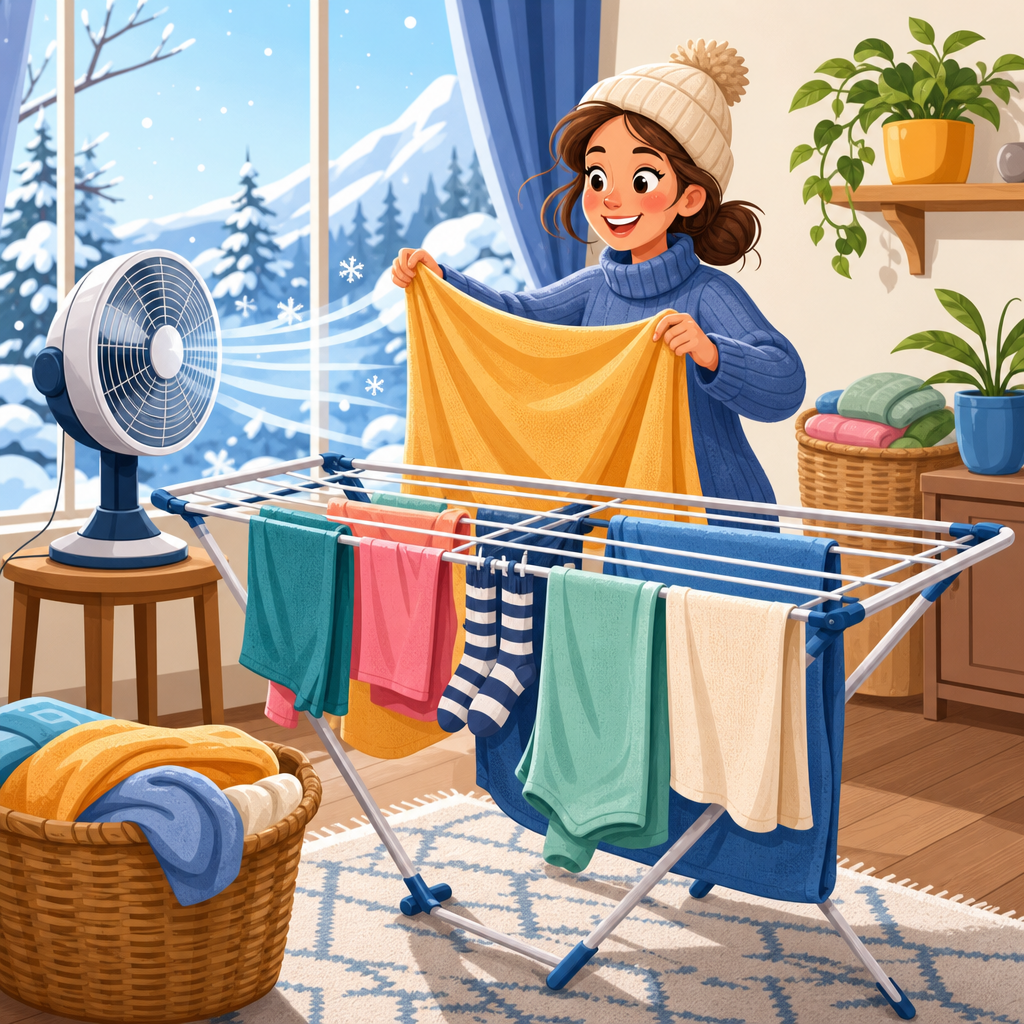
Drying laundry faster in cold, dry air sounds simple because dry air encourages evaporation, yet anyone who has watched jeans hang stiff for hours in an unheated room knows the reality is more complicated. Cold temperatures slow the movement of water molecules, reduce fabric flexibility, and often leave thicker items feeling damp long after the surface seems dry. In practice, faster indoor clothes drying depends on managing three variables at the same time: air temperature, air movement, and moisture removal. If one of those is missing, drying stalls.
When I have set up home drying spaces in winter apartments, small houses, and utility rooms, the same pattern always appears. People focus on one tactic, usually turning up heat or buying a larger rack, but the best results come from a system. Laundry dries faster in cold, dry air when you spin out as much water as possible, spread garments to expose maximum surface area, move air continuously across the fabric, and prevent released moisture from lingering near the clothes. That combination shortens drying time, reduces musty odors, and lowers the chance of condensation on windows and walls.
This matters because line drying and rack drying are practical ways to cut energy use, protect fabric elasticity, and reduce wear from high-heat tumble drying. They also matter for home comfort. Slow-drying laundry can raise indoor humidity in one room while leaving the rest of the home uncomfortably cold, which affects skin dryness, window condensation, and even dust mite conditions. In a broader daily life context, laundry habits influence scheduling, bedroom comfort, and how clean clothes smell and feel. A good setup is not just about speed; it is about preserving textiles, avoiding mildew, and making indoor air more manageable during colder months.
Cold, dry air creates a useful opportunity because low absolute humidity means the surrounding air can still absorb moisture from wet fabric. The problem is that cold air does this less quickly unless it is moving and unless the wet item is arranged well. That is why a towel bunched over a radiator can stay damp in the middle while a shirt on a hanger near a fan dries surprisingly fast. Understanding that difference helps you make better choices with every load.
Start With the Wash Cycle and Water Removal
The fastest way to dry laundry in cold, dry air is to remove more water before the clothes ever reach the rack. A high final spin cycle is the most effective no-cost upgrade in many homes. Modern washing machines often offer spin speeds from 800 to 1400 rpm or higher. On sturdy cottons, towels, socks, and bedding, using a higher spin speed can remove substantially more water than a default cycle. The result is a shorter drying window and less moisture released into the room.
Not every fabric tolerates maximum spin. Wool, delicates, and some wrinkle-prone synthetics may need lower speeds to avoid distortion. But for everyday laundry, I have repeatedly found that an extra spin cycle is worth the time. If a batch of towels feels heavy and cool when moved to the rack, run another spin. It is usually faster than trying to dry that extra water from the air later.
Hand-washed items need the same principle. Roll them in a clean, dry towel and press firmly to transfer moisture before hanging. Do not wring knitwear aggressively; compression removes water without stretching seams. This is especially helpful for sweaters, athletic tops, and children’s clothes that otherwise drip onto the floor and create a humid microclimate under the rack.
Set Up the Drying Space for Airflow, Not Just Heat
People often ask where laundry dries fastest indoors in winter. The answer is the room with the best combination of moderate warmth, low humidity, and steady airflow. A cold spare room with a cracked window and no air movement may underperform compared with a slightly warmer hallway where air circulates naturally. Likewise, a hot bathroom is usually a poor choice right after showers because humidity is already elevated.
Place the drying rack where air can move around every side. Keep it several inches from walls, curtains, and furniture. If clothes are pressed against a radiator, you limit exposure area and may trap moisture. If they are in a corner, the air around them becomes damp and stagnant. The ideal position is central enough to let air pass through the rack, not just around it.
A small fan is one of the most effective tools for drying clothes faster in cold, dry air. It does not need to blast fabric. Low or medium speed aimed across, not directly flattening garments, is usually enough to break the saturated boundary layer that forms near wet cloth. In plain terms, the fan keeps replacing damp air at the fabric surface with drier air from the room, allowing evaporation to continue.
Gentle heating helps, but heat alone is overrated. Raising room temperature by a few degrees can assist evaporation, yet without airflow or moisture removal, the benefit is limited. Convector heaters and central heating vents work better than intense point heat because they support circulation. Avoid draping items directly over electric heaters unless the manufacturer explicitly allows it; it can be a fire risk and often dries unevenly anyway.
Arrange Each Garment to Maximize Exposed Surface
How you hang laundry can change drying time by hours. Spread each item as wide as possible, eliminate folds, and separate layers. Thick waistbands, cuffs, pockets, and hems hold water longer than flat panels, so expose those areas deliberately. Turn pockets outward if practical. Open zippers. Unbutton shirts. Hang trousers upside down from the hems if the waistband is heavy. For hoodies, rotate them halfway through drying because the hood and underarms are common slow zones.
Hangers are useful for shirts, blouses, school uniforms, and synthetic sportswear because they create vertical airflow and reduce creasing. Mesh shelves help with sweaters and delicate knitwear that should dry flat. For towels and bedding, avoid doubling over if possible. A towel folded in half on a single bar may take nearly twice as long as one spread fully across two rails.
Spacing matters just as much as shape. If garments overlap, the covered areas remain damp because evaporation is blocked. On crowded winter days, it is better to dry two smaller loads in sequence than one overloaded rack. I have seen families save time simply by using a second compact rack or hanging lighter items on door frames with hangers while leaving the main rack for dense fabrics.
| Item | Best Indoor Drying Method | Common Slow-Dry Area | Adjustment That Speeds Drying |
|---|---|---|---|
| Towels | Fully spread on two rails | Folded center band | Extra spin cycle before hanging |
| Jeans | Hang from hems or use two points | Waistband and pockets | Turn inside out halfway through |
| Shirts | Dry on hangers with buttons open | Collar and cuffs | Space hangers several inches apart |
| Hoodies | Wide rack placement or hanger | Hood and underarms | Rotate position during drying |
| Sweaters | Flat on mesh shelf | Underarms and thick seams | Towel-press first, then reshape |
Control Indoor Humidity So Evaporation Can Continue
Even in a cold, dry climate, the air immediately around wet laundry becomes humid very quickly. That local humidity slows evaporation unless you remove moisture from the room or replace the air. This is why the same rack can dry efficiently one day and drag on the next. The difference is often ventilation rather than fabric type.
If outdoor air is cold and genuinely dry, brief ventilation works well. Open a window slightly in the drying room and create cross-ventilation for short periods if the home layout allows it. Because cold air holds less total moisture, bringing in fresh winter air can lower indoor absolute humidity, especially after the air warms slightly indoors. The key is balance: enough fresh air to remove moisture, not so much that the room becomes too cold for evaporation to proceed efficiently.
In many homes, a compressor or desiccant dehumidifier is the most reliable solution. Set it near, but not touching, the drying rack, close doors to the room, and let it collect the water your clothes release. Desiccant models often perform better in cooler spaces, while compressor models are common and efficient in moderately warm rooms. A target relative humidity around 40 to 50 percent usually keeps drying moving without making the room harshly dry for skin or eyes.
A hygrometer is a low-cost tool that turns guesswork into action. If the room climbs above about 60 percent relative humidity during drying, speed will usually drop and condensation risk rises. Monitoring helps you decide when to crack a window, run the fan longer, or turn on the dehumidifier.
Make Lifestyle Adjustments That Keep Laundry Moving
The most useful lifestyle adjustments are scheduling, sorting, and load management. Instead of washing one large mixed load in winter, break laundry into categories by drying speed. Dry fast items together: T-shirts, underwear, and lightweight synthetics. Dry slow items together: denim, towels, hoodies, and bedding. This prevents a single heavy towel from forcing you to keep an entire rack occupied longer than necessary.
Time loads around your home’s natural conditions. If heating runs in the morning and evening, start the wash so clothes hit the rack during those periods. If your home gets winter sun in one room, use that space for the first few hours. If you cook dinner in an open-plan area, avoid drying laundry there at the same time because boiling water and steam temporarily raise humidity.
Rotate garments as part of your routine. When you walk past the rack, shake out shirts, reposition thick items, and swap nearly dry pieces to hangers. These micro-adjustments take less than two minutes and prevent the common problem of one damp seam keeping an entire item out of the wardrobe. In family homes, assigning one rack check in the morning and one in the evening is often enough to noticeably shorten total drying time.
Finally, reduce the number of hard-to-dry pieces when possible. Quick-dry base layers, lighter towels, and performance fabrics can be sensible winter choices. This does not mean replacing a whole wardrobe. It means recognizing that fabric weight affects daily life. A compact cotton towel or microfiber hair towel often fits cold-weather routines better than oversized heavy terry cloth.
Avoid Common Mistakes and Know When to Use a Different Method
Several habits make laundry dry slower in cold, dry air. Overloading the washer can leave clothes wetter because spin extraction is less effective. Overloading the rack blocks airflow. Drying in a closed bedroom without ventilation can raise humidity enough to encourage window condensation and a stale smell. Putting laundry too close to painted walls can trap moisture and, over time, contribute to surface mold in cold spots.
Another common mistake is assuming the surface tells the whole story. Thick fabrics can feel dry outside while retaining moisture in seams or waistbands. Before folding, check the densest area with clean hands. If it still feels cool compared with the rest of the garment, it likely needs more time. Storing slightly damp laundry is one of the fastest ways to create musty odors that require rewashing.
There are also times when air drying is not the best primary method. Households with very limited space, poor ventilation, or recurring condensation problems may need a vented, condenser, or heat pump dryer for part of the load. Heat pump dryers, in particular, use lower temperatures and are gentler on fabrics than traditional vented machines while consuming less energy than older resistance-heated models. For many homes, the best system is hybrid: machine-dry the heaviest basics partway or fully, then rack-dry delicates and easy-care items.
The practical goal is not perfection. It is a repeatable laundry routine that fits your space, climate, and schedule. Start with water removal, add airflow, manage room humidity, and hang items intelligently. Those four steps deliver the biggest gains. If your laundry still dries too slowly, audit the room with a hygrometer and fan before buying larger equipment. Small changes often solve the problem. Build a drying setup that works with winter conditions, and your clothes will dry faster, smell fresher, and place less strain on your home.
Frequently Asked Questions
Why does laundry still take a long time to dry in cold, dry air?
Cold, dry air can help with evaporation, but temperature still matters a great deal. Dry air has the capacity to absorb moisture from fabric, yet cold temperatures slow the energy of water molecules, which means moisture leaves clothing more slowly than many people expect. That is why a shirt may feel dry on the surface while thicker seams, waistbands, towels, or denim remain damp for hours. In an unheated room, fabrics also stay cooler, and that reduces the overall drying rate.
Another reason is that drying is not controlled by humidity alone. Faster drying depends on a balance of low moisture in the air, enough warmth to encourage evaporation, and steady airflow to carry that moisture away from the fabric. If clothes are hanging too close together, if the room air is still, or if the fabric is thick and bunched up, moisture gets trapped near the garment and drying slows down significantly. In short, cold, dry air helps, but it works best when you also improve air movement and give the laundry some gentle warmth.
What is the fastest way to dry clothes indoors when the air is cold and dry?
The fastest indoor method is to combine three things: good spacing, strong airflow, and moderate warmth. Start by spinning clothes as thoroughly as possible in the washing machine so they come out with the least amount of water. Then hang each item with space around it rather than layering pieces tightly on a rack. Shirts should be fully opened, trouser legs separated, and thick items like hoodies or towels spread as wide as possible. The more exposed surface area you create, the faster moisture can escape.
Next, add airflow. A simple fan aimed across the drying rack is often one of the most effective upgrades because moving air removes the damp layer that forms around wet fabric. If possible, place the rack in the warmest room in the house or near a safe heat source, but not so close that you create a fire risk or overheat delicate fabrics. Even a slight increase in room temperature can noticeably improve drying speed. If the room starts to accumulate moisture, crack a window briefly or use ventilation so humid air can leave rather than settling back onto the clothes. This combination usually works far better than relying on dry air alone.
Does a fan help dry laundry faster in cold weather?
Yes, a fan can make a major difference, especially in cold conditions where temperature is working against you. Wet laundry is surrounded by a thin layer of humid air created by the moisture leaving the fabric. If that damp air stays in place, evaporation slows because the clothing is essentially trying to dry into already-moist air. A fan breaks up that layer and replaces it with drier air, allowing evaporation to continue more efficiently.
This is why airflow is often more useful than people realize. In many homes, a small room with a drying rack becomes stagnant very quickly, particularly when several items are drying at once. A fan does not need to be extremely powerful to help; it just needs to keep air circulating steadily across the clothes. For best results, aim the fan so air moves around and through the rack rather than only hitting one side of a tightly packed load. If you can pair that airflow with a slightly warmer room, drying times usually improve even more. In practical terms, a fan is one of the easiest and most cost-effective ways to speed up laundry drying indoors.
Which fabrics and clothing items dry the slowest in cold, dry air?
Thick, dense, and highly absorbent items usually dry the slowest. Denim, bath towels, sweatshirts, fleece, heavy cotton garments, and anything with multiple layers tend to hold a lot of water deep in the fabric structure. In cold air, that trapped moisture takes longer to migrate outward and evaporate. Seams, waistbands, cuffs, pockets, collars, and folded sections are especially slow because water collects in those denser parts and airflow does not reach them as easily.
By contrast, lightweight synthetics, thin workout clothing, and loosely woven fabrics often dry much faster because they retain less water and allow air to pass through more easily. To help slow-drying items, reshape them and hang them in a way that exposes their thickest areas. Turn pockets out, unzip jackets, open buttons, separate pant legs, and rotate items partway through drying if needed. If one part of a garment feels dry but another still feels cool or heavy, the item is not fully dry yet. Paying attention to fabric thickness and construction helps you prioritize placement and airflow where it matters most.
Should I use heat, ventilation, or a dehumidifier to dry laundry faster indoors?
The best answer is usually some combination of all three, used in a controlled and safe way. Gentle heat speeds evaporation by giving water molecules more energy, so a slightly warmer room will generally dry clothes faster than a very cold one. Ventilation helps remove the moisture that enters the room air from the laundry. Without ventilation, indoor humidity can rise quickly, even in winter, and that reduces the advantage of starting with dry air. A dehumidifier can be especially effective because it actively pulls moisture out of the air, keeping the drying environment favorable over time.
If you have to choose just one tool, the best option depends on the room. In a cold but already dry space, adding airflow and a bit of heat may be enough. In a small room where moisture builds up quickly, a dehumidifier can dramatically improve drying speed and also help prevent condensation and musty smells. The most effective setup for many homes is a drying rack in a moderately warm room with a fan running and either ventilation or a dehumidifier managing moisture levels. The goal is not extreme heat, but a stable environment where air stays moving, moisture does not accumulate, and fabrics can release water continuously until fully dry.