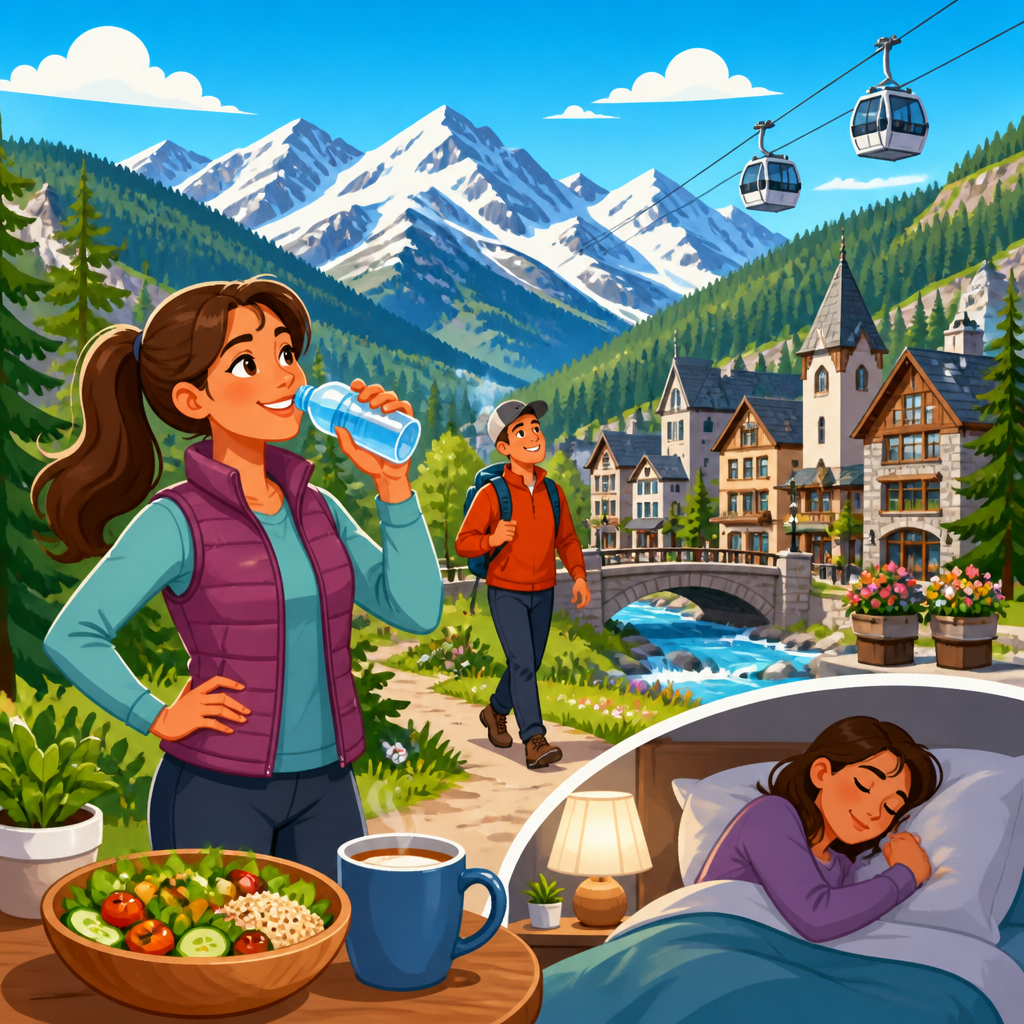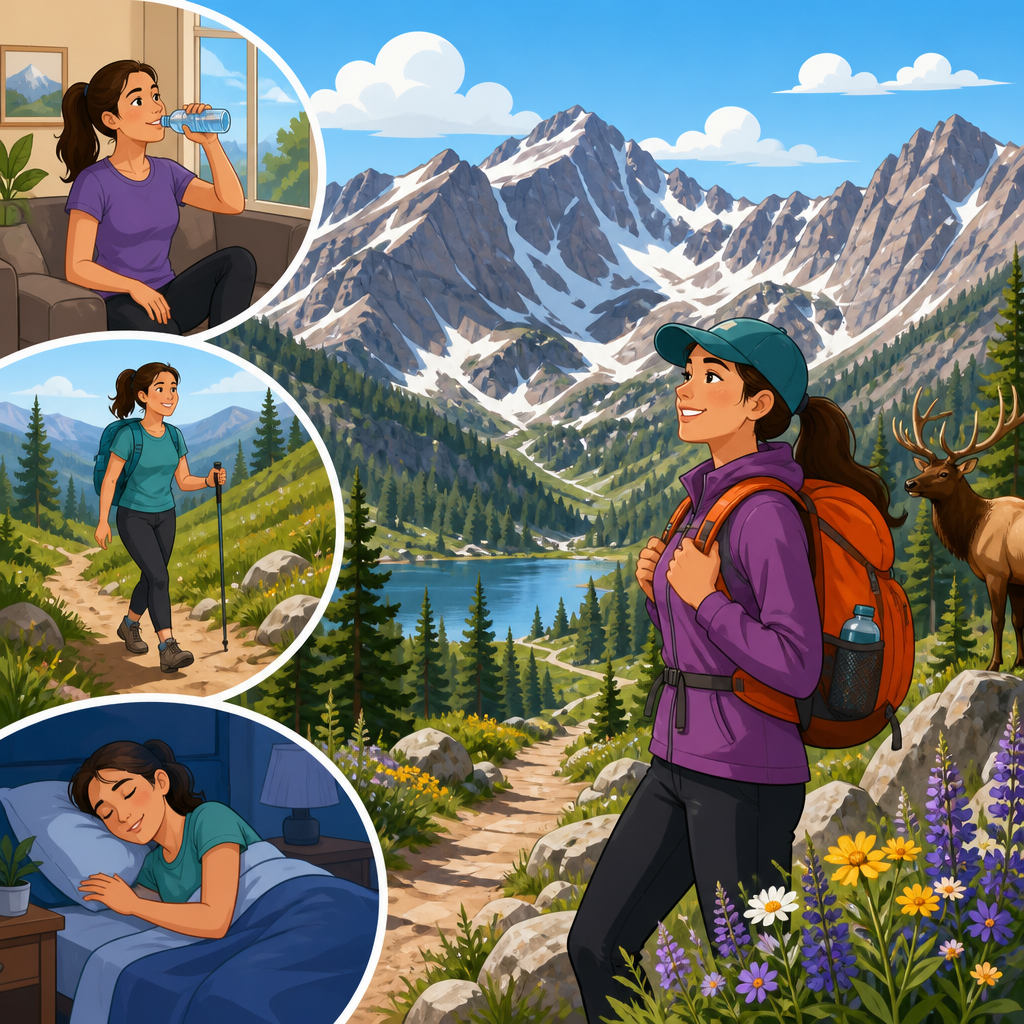
How to acclimatize before visiting Rocky Mountain National Park starts with understanding one simple fact: altitude changes how your body works. Rocky Mountain National Park rises from about 7,800 feet near Estes Park to well above 12,000 feet on Trail Ridge Road, with Longs Peak towering at 14,259 feet. Visitors coming from sea level often underestimate the effect of thinner air, stronger sun, lower humidity, and colder overnight temperatures. Acclimatization is the process by which your body adjusts to reduced oxygen pressure over time. It matters because smart preparation lowers the risk of headaches, nausea, fatigue, poor sleep, and more serious altitude illness. I have planned high-country trips for travelers who felt fine at breakfast in Denver, then struggled by lunch at Bear Lake, so I treat acclimatization as essential trip planning, not an optional extra. For anyone using this national park guide as a starting point, the core rule is clear: gain elevation gradually, hydrate consistently, sleep low when possible, and match your activity level to the altitude you have actually adapted to, not the altitude you hope to handle.
Rocky Mountain National Park is one of the most accessible alpine landscapes in the United States, which is exactly why altitude problems catch so many people off guard. You can drive from Denver, at roughly 5,280 feet, to Estes Park around 7,500 feet in under two hours, then continue to scenic overlooks above 12,000 feet the same day. That fast ascent gives your body very little time to compensate. As a hub for national park guides, this article covers the practical foundation every visitor needs before exploring trail guides, scenic drives, wildlife watching plans, campground advice, and seasonal itineraries. If you learn how to acclimatize first, every other part of your trip gets easier. You hike better, sleep better, think more clearly, and make safer decisions about routes, weather, and effort. The park’s beauty rewards patience, and the visitors who enjoy it most are usually the ones who respect elevation before they test it.
Know the elevations and why the first 48 hours matter
The fastest way to acclimatize before visiting Rocky Mountain National Park is to stop treating the park as one single altitude. It is an alpine system with dramatic elevation shifts. Estes Park sits near 7,500 feet, Grand Lake around 8,400 feet, Bear Lake is about 9,475 feet, the Alpine Visitor Center area is above 11,700 feet, and many popular hikes climb higher. At these elevations, atmospheric pressure drops enough to reduce the amount of oxygen available with each breath. Your lungs and heart compensate quickly, but the full adaptation process takes longer. During the first 24 to 48 hours, most people notice shortness of breath during exertion, faster dehydration, lighter sleep, and a lower tolerance for alcohol. That window is when mild altitude illness most commonly appears.
In practical terms, this means your arrival day should be conservative. I usually recommend that first-time visitors spend their first night in Denver, Boulder, Lyons, Estes Park, or Grand Lake before attempting any hike above tree line. If your schedule is tight, at least make day one a scenic drive, a short walk around a lake, or a low-mileage trail rather than a summit attempt. The Centers for Disease Control and Prevention notes that altitude illness can affect anyone, regardless of age or fitness, and exertion immediately after ascent raises the risk. Fitness helps you move efficiently, but it does not protect you from reduced oxygen pressure. I have seen marathon runners get pounding headaches at 10,000 feet while less athletic but more patient travelers did fine.
A useful benchmark is sleeping elevation. Many mountain medicine guidelines focus on how high you sleep because nights are when symptoms often become obvious. If you normally live below 3,000 feet, sleeping one or two nights below 8,000 feet before pushing higher can make a noticeable difference. Visitors staying in Estes Park or Grand Lake are already sleeping at moderate altitude, so the next step is pacing your daytime gain. Drive high if you want the view, but keep your first high-altitude walks brief. Think 20 to 60 minutes, not a five-hour ridge traverse. That approach gives your body exposure without overloading it.
Build a simple acclimatization plan before you leave home
The best acclimatization strategy begins several days before your trip. Start hydrating normally and consistently rather than trying to “super-hydrate” the night before. Urine that is pale yellow is a better indicator than forcing excessive water intake, which can dilute sodium if taken to extremes. Prioritize sleep, because fatigue can make altitude symptoms feel worse and can also lead you to ignore warning signs. If you take medications, especially for heart, lung, or blood pressure conditions, ask your clinician whether altitude changes your plan. Travelers with asthma, COPD, sleep apnea, anemia, or recent illness should be especially deliberate. This is not because they cannot visit, but because they benefit from a clearer pacing strategy.
Your itinerary should follow an easy progression: arrive, rest, sleep, increase elevation moderately, then attempt harder activity. For example, a strong three-day introduction might look like this: day one, arrive in Estes Park and take a short evening walk around Lake Estes; day two, visit Moraine Park, Sprague Lake, or Bear Lake with frequent breaks; day three, if symptom-free, drive Trail Ridge Road and choose a higher hike such as Ute Trail or an Alpine Ridge Trail outing. If you have four or five days, that extra time creates more margin for weather delays and adaptation. In my experience, visitors who leave one flexible day in the schedule make better decisions than visitors who lock themselves into one heroic objective.
| Trip stage | Recommended elevation approach | Good activity choices | What to avoid |
|---|---|---|---|
| Arrival day | Sleep below or near 8,000 feet if possible | Scenic stops, short walks, early dinner, extra rest | Long hikes, alcohol-heavy nights, hard runs |
| Day 2 | Moderate daytime gain with easy effort | Bear Lake, Sprague Lake, Moraine Park, easy photography outings | Summit attempts, all-day hikes above 10,500 feet |
| Day 3 | Higher exposure if symptom-free | Trail Ridge Road overlooks, short alpine trails, moderate hikes | Pushing through headache, nausea, or unusual fatigue |
| Later days | Choose biggest objectives after adaptation | Longer hikes, higher passes, more ambitious routes | Ignoring afternoon storms or cumulative exhaustion |
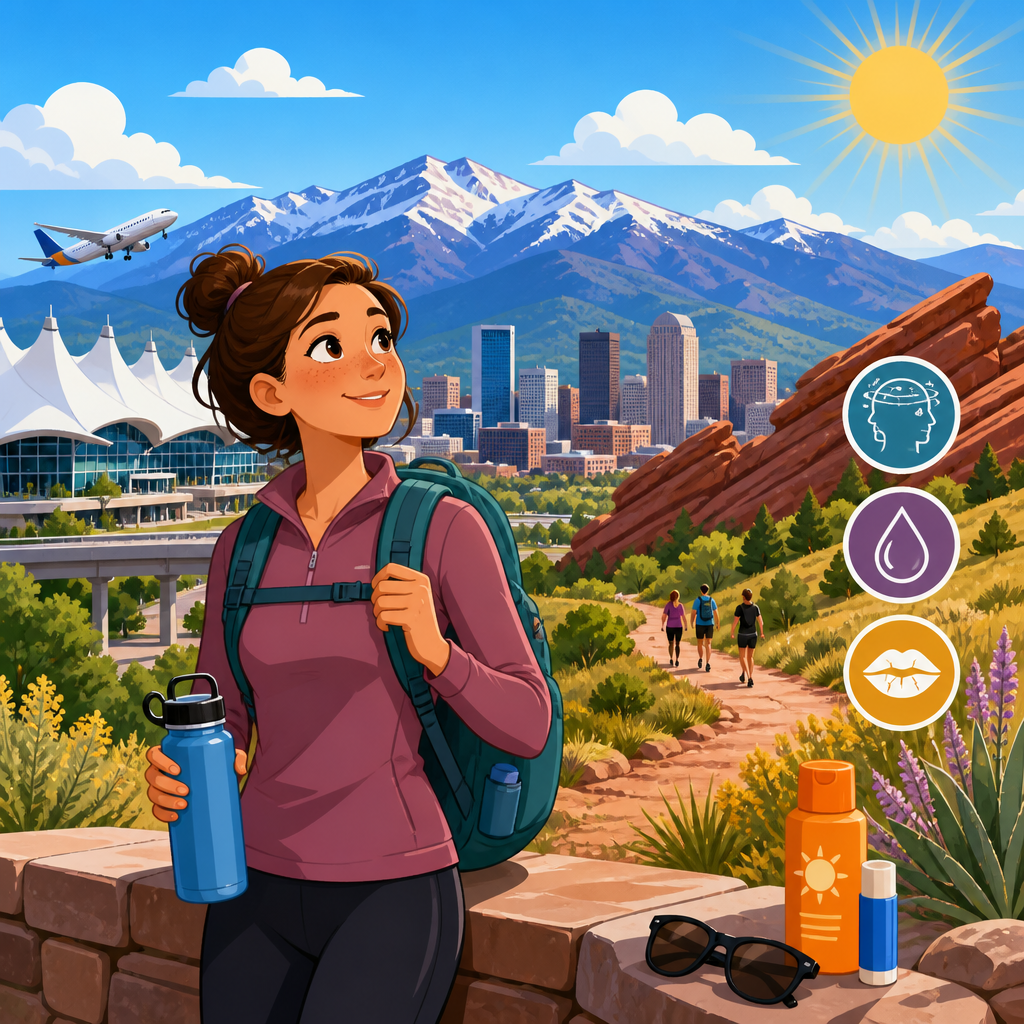
Pack for acclimatization as much as for scenery. Bring a refillable water bottle or hydration reservoir, salty snacks, layered clothing, sun protection, and any personal medications in your daypack. At altitude, dry air increases water loss through breathing, and strong ultraviolet exposure makes fatigue worse. The National Park Service regularly advises visitors to drink water, wear sunscreen, and watch weather conditions because heat, cold, wind, and altitude can stack together. A broad-brim hat, sunglasses with UV protection, and a lightweight insulating layer are not optional at 12,000 feet, even in summer. The body handles adaptation better when basic stressors are controlled.
Use hydration, food, sleep, and pacing to help your body adjust
Acclimatization is partly physiological and partly behavioral. You cannot will your body to adapt instantly, but you can remove the mistakes that make altitude feel harsher. Hydration is the first lever. At higher elevations, ventilation increases, which means you lose more moisture simply by breathing. Add sweat from hiking and sun exposure, and mild dehydration arrives fast. That does not mean endlessly chugging water. It means drinking steadily through the day and pairing fluids with meals or snacks that contain sodium. Electrolyte tablets can help on long hikes, but ordinary food often does the job. I tell visitors to drink at every trail break, not only when they feel thirsty.
Food matters more than many travelers expect. Your appetite may dip slightly at altitude, but skipping meals is a bad trade. Easy carbohydrates can feel more tolerable than heavy, greasy food when you first arrive. Oatmeal, fruit, rice bowls, sandwiches, potatoes, and trail mix are reliable choices. Before a hike, eat enough to avoid a blood-sugar crash, because the combination of hunger and altitude can mimic illness. On the trail, small frequent snacks are better than one giant lunch. Recovery after hiking also counts. Replacing fluids, sodium, and calories helps you feel stronger the next morning, especially if you plan consecutive days in the park.
Sleep is the hidden factor. Many visitors report lighter, more fragmented sleep their first night or two above 7,000 feet. That is common. The mistake is layering on other sleep disruptors, especially alcohol. Even one or two drinks can worsen dehydration and interfere with breathing during sleep, so alcohol tolerance often drops noticeably at altitude. If acclimatization is the goal, keep your first nights boring in the best sense: eat well, stretch, shower, hydrate, and go to bed early. Caffeine is more nuanced. Morning coffee is usually fine, but using large amounts to push through fatigue can mask symptoms and encourage overexertion.
Pacing is where most visitors either succeed or sabotage themselves. At sea level, a steep mile may feel routine. At 10,000 feet, that same effort can spike your heart rate and breathing almost immediately. Use the talk test: if you cannot speak in short sentences while hiking, slow down. Build rest stops into your route before you need them. On climbs, shorten your stride and settle into a steady rhythm. This is especially important on popular high-elevation routes such as Sky Pond, Flattop Mountain, or any trail near the Alpine Visitor Center. Efficient pacing is not a sign of weakness; it is the technique that lets you go farther with fewer symptoms.
Recognize altitude illness early and know when to descend
The most common altitude problem in Rocky Mountain National Park is acute mountain sickness, often shortened to AMS. Typical symptoms include headache, nausea, loss of appetite, dizziness, unusual fatigue, and poor sleep after gaining elevation. The key point is timing and pattern. A mild headache alone can come from sun, stress, or dehydration, but a headache combined with nausea and fatigue after ascent should be treated seriously. The correct response is to stop ascending, rest, hydrate, eat something light, and monitor symptoms. If symptoms worsen, descend. Continuing upward rarely fixes the problem.
More severe altitude illnesses are less common but potentially life-threatening. High-altitude cerebral edema involves brain swelling and can present with confusion, poor coordination, severe weakness, or altered behavior. High-altitude pulmonary edema involves fluid in the lungs and often causes shortness of breath at rest, persistent cough, chest tightness, or a crackling sound when breathing. Both conditions require immediate descent and emergency care. Rocky Mountain National Park is not the Himalaya, but its elevations are high enough for serious illness to occur, especially when people ascend quickly, ignore symptoms, or combine altitude stress with cold, dehydration, and strenuous exertion.
I use a simple field rule with clients and friends: if symptoms are mild and stable, pause and reassess; if symptoms are moderate or getting worse, descend; if you see confusion, staggering, or breathing trouble at rest, treat it as an emergency. Cell service is inconsistent in the park, so prevention remains your strongest tool. Turnaround decisions should be made early, not at the point of collapse. This is one reason acclimatization belongs in every national park guide. The most memorable trips are not the ones where travelers push through misery. They are the ones where people recognize the mountain’s demands, adjust, and come back stronger the next day.
Choose lower-risk activities first and save big objectives for later
Rocky Mountain National Park gives you many ways to enjoy alpine scenery without forcing a high-risk first day. If you are new to altitude, begin with low-to-moderate effort locations such as Sprague Lake, Moraine Park, Holzwarth Historic Site, or short sections of the Bear Lake corridor. These places let you assess how you feel while still delivering excellent views, wildlife potential, and easy route-finding. Ranger programs, scenic pullouts, and lake loops are not lesser experiences; they are smart acclimatization tools. Families, older travelers, and photographers often benefit most from this style of first-day planning because it preserves energy and options.
Once you have a day or two of adjustment and no meaningful symptoms, move to bigger efforts. That could mean Emerald Lake, Deer Mountain, Odessa Lake, or a partial day above tree line along Trail Ridge Road. Longs Peak, advanced off-trail travel, and very long days should come only after you know how your body responds. Longs Peak deserves special caution. Its trailhead starts high, the route is long, weather changes quickly, and altitude compounds every challenge. Even experienced hikers fail on that mountain when they rush the adaptation process. The best objective is the one that matches current conditions, current fitness, and current acclimatization, not your social media plan.
Season also changes the acclimatization equation. Summer brings the biggest crowds and the easiest road access to high elevations, but afternoon thunderstorms create a hard limit on how long you should stay exposed above tree line. Fall can offer stable mornings and fewer people, yet colder nights may worsen recovery if you are underdressed. Winter visits usually keep travelers at lower elevations, but snow travel increases exertion dramatically. In every season, acclimatization works best when paired with realistic route choice. Start lower, gain confidence, observe your response, and let the mountain tell you what tomorrow should look like.
Acclimatizing before visiting Rocky Mountain National Park is not complicated, but it does require intention. Arrive with a gradual plan, respect sleeping elevation, drink and eat consistently, sleep well, pace your effort, and know the symptoms that mean it is time to stop or descend. Those habits reduce risk and improve the entire trip, from scenic drives to major hikes. As you explore more national park guides, use this article as your baseline for any high-elevation destination: the mountain experience gets better when your body has time to catch up. Build one extra day into your itinerary, keep your first outing easy, and give yourself the best chance to enjoy Rocky Mountain National Park at full strength.
Frequently Asked Questions
How many days should I spend acclimatizing before visiting Rocky Mountain National Park?
If you are arriving from sea level or another low-elevation area, it is wise to give yourself at least 24 to 48 hours of lighter activity before doing anything strenuous in Rocky Mountain National Park. That adjustment window helps your body begin adapting to lower oxygen levels, especially if you plan to drive Trail Ridge Road, hike above tree line, or attempt a demanding route such as Longs Peak. Many visitors feel fine at first in Estes Park, which sits around 7,500 to 7,800 feet, but symptoms of altitude stress often show up once they climb higher or start exercising.
A smart approach is to make your first day an easy one: walk around town, do a short and relatively flat trail, eat well, and go to bed early. On day two, you can gradually increase your effort with a moderate hike while paying attention to how you feel. If your itinerary includes elevations above 10,000 feet, or if you know you are sensitive to altitude, giving yourself two or even three days to ease in can make a major difference. Acclimatization does not happen instantly, but a slower start greatly reduces your chances of headaches, unusual fatigue, nausea, and shortness of breath that can derail the rest of your trip.
What are the most common signs that altitude is affecting me in Rocky Mountain National Park?
The most common early signs of altitude-related stress are headache, dizziness, unusual tiredness, shortness of breath during mild exertion, nausea, poor sleep, and a general sense that your body is working harder than it normally would. Because Rocky Mountain National Park quickly reaches high elevations, these symptoms can appear even in visitors who consider themselves fit and healthy. Physical fitness does not prevent altitude sickness; it simply means you may be able to push harder, which can sometimes make symptoms worse if you ignore them.
It is important to distinguish between normal exertion and warning signs. Breathing a bit harder on a climb is expected, but a pounding headache, loss of appetite, vomiting, confusion, or feeling weak and unsteady are not things to brush off. If symptoms improve with rest, hydration, food, and a pause in ascent, you may simply need more time to adjust. If symptoms get worse as you go higher, the safest move is to stop gaining elevation and, if necessary, descend. Severe warning signs such as trouble breathing at rest, chest tightness, severe confusion, or inability to walk normally require immediate action and medical attention. In the mountains, taking symptoms seriously early is one of the best decisions you can make.
What should I do the day before and the first day at Rocky Mountain National Park to acclimatize more effectively?
Your best acclimatization strategy starts before you ever reach the park. In the day or two leading up to your visit, prioritize sleep, drink water consistently, and avoid arriving already dehydrated from air travel, long drives, alcohol, or excessive caffeine. Once you get to the area, keep your first day intentionally easy. That means resisting the urge to jump straight into a summit attempt or a long hike above 11,000 feet. Instead, let your body settle in with light movement, regular meals, and time at your lodging or in lower-elevation areas of the park.
Nutrition also matters more than many people realize. Eat balanced meals and snacks throughout the day rather than skipping food, since altitude can suppress appetite even when your body needs energy. Dress in layers and use sunscreen, sunglasses, and lip balm because high-elevation sun exposure, low humidity, and wind can make you feel more drained than expected. If you want to be proactive, choose a short walk or scenic drive on day one rather than intense exertion. The goal is simple: arrive rested, stay hydrated, fuel your body, and increase activity gradually instead of all at once. That measured approach gives your body the best chance to adapt and helps you enjoy the park rather than spend the first day recovering from preventable altitude stress.
Does drinking more water prevent altitude sickness in Rocky Mountain National Park?
Hydration is essential, but it is not a cure or guaranteed prevention method for altitude sickness. Many people hear that they should “just drink more water,” and while dehydration absolutely makes altitude symptoms worse, altitude illness is caused primarily by reduced oxygen availability at higher elevations. In other words, staying hydrated helps support your body, but it does not replace gradual acclimatization, pacing, eating enough, and limiting overexertion during your first day or two.
The better rule is to drink consistently rather than excessively. Aim for steady hydration throughout the day and pay attention to cues like thirst, dry mouth, dark urine, and fatigue. Because Rocky Mountain National Park has strong sun, dry air, and often windy conditions, visitors lose fluids faster than they expect, especially on hikes. It is also helpful to limit alcohol when you first arrive, since alcohol can worsen dehydration, disrupt sleep, and make altitude symptoms harder to recognize. Pair water with regular meals or snacks, and consider electrolyte replacement if you are sweating heavily. Think of hydration as one important part of the acclimatization process, not the entire plan.
Can I still hike high trails or drive Trail Ridge Road if I am not fully acclimatized yet?
Yes, many visitors can still enjoy high-elevation areas before they are fully acclimatized, but the key is to approach them cautiously and realistically. Driving Trail Ridge Road exposes you to elevations well above 12,000 feet, and even stepping out at overlooks can leave sea-level visitors feeling lightheaded or short of breath. Hiking at those elevations adds much more physical stress, especially above tree line where sun, wind, and weather shifts increase the challenge. If you are not yet acclimatized, shorten your plans, slow your pace, and give yourself permission to turn around early.
A good strategy is to test how you feel with modest elevation gain before committing to a major hike. Start with easier trails, take frequent breaks, and monitor for headache, nausea, dizziness, or unusual fatigue. If you feel worse as you go higher, do not push through it just because the trail looks manageable on paper. The safest and often most enjoyable choice is to save the biggest elevation days for later in your trip after your body has had more time to adjust. Rocky Mountain National Park rewards patience. You do not need to conquer the highest point on day one to have an incredible experience, and easing into altitude often means you will be stronger, safer, and more comfortable for the rest of your visit.