Hollow macarons in dry mountain air usually come from a collision of altitude, low humidity, fast evaporation, and meringue instability, and fixing them requires treating the shell, filling, and oven as one system rather than blaming a single step. In high-elevation kitchens, especially above 3,000 feet, bakers face lower air pressure, quicker moisture loss, and sharper temperature swings, all of which change how macarons rise, set, and cool. A shell that looks perfect on the tray can still separate inside, leaving an empty cap over a thin base. I have tested batches in dry western climates where the same formula that worked at sea level produced dramatic hollows by noon and cracked shells by evening, simply because the room humidity dropped and the oven cycled hotter than expected.
This guide explains how to fix hollow macarons in dry mountain air while also serving as a practical hub for pies, pastries, and meringues at altitude. In this context, macarons are almond-meringue sandwich cookies with a smooth shell and ruffled feet; hollows are empty spaces under the top crust; dry mountain air means low ambient humidity combined with altitude-driven pressure changes. Those same environmental forces also affect pie crust shrinkage, puff pastry lift, and meringue weeping, so the principles connect across this entire baking category. If you understand moisture management, protein structure, sugar behavior, and heat transfer, you can solve more than one recipe problem at once.
Why does this matter? Because macarons are one of the clearest indicators of whether your altitude baking process is calibrated. They expose errors in whipped egg whites, batter consistency, drying time, pan setup, and oven control faster than almost any other pastry. They also teach lessons that transfer directly to lemon meringue pie, pavlova, pâte à choux, rough puff, and fruit pies with lattice tops. As a hub page for pies, pastries, and meringues, this article gives you the core fixes, the reasons behind them, and the decisions that matter most when your kitchen is both high and dry.
Why macarons turn hollow at altitude
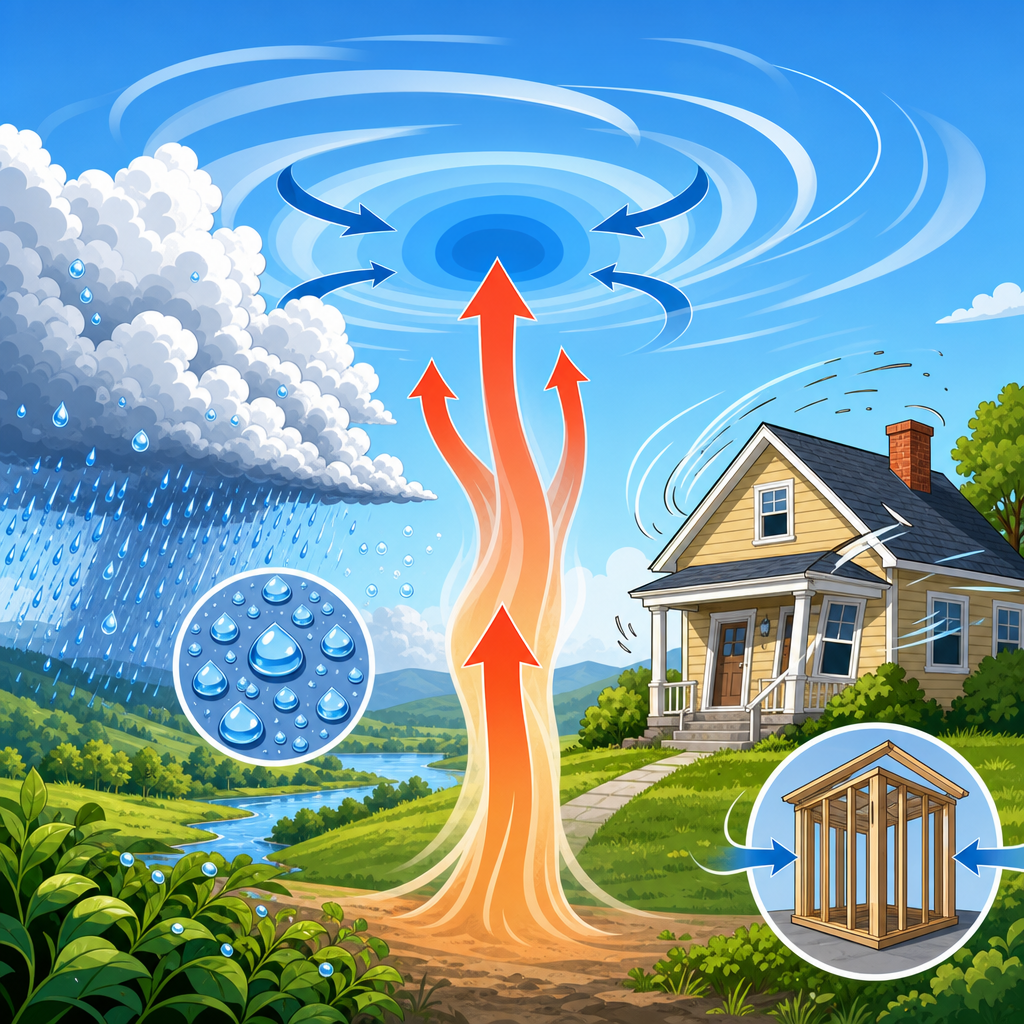
Macaron hollows are usually caused by one of four factors: overwhipped or underwhipped meringue, batter that is too stiff or too loose, shells that dry too fast, or oven heat that causes rapid lift before the interior structure sets. At altitude, lower atmospheric pressure allows air bubbles to expand more easily. In practice, that means your shells can balloon upward, form feet quickly, and then collapse inward as they cool, leaving a cavity. Dry air intensifies the problem because the surface skins over faster than the center can stabilize.
The most common pattern I see in mountain kitchens is a shell that rests beautifully, bakes with strong feet, and still comes out hollow because the oven spring was too aggressive. Bakers often assume feet equal success, but excessive feet can signal too much expansion. If the top crust sets early while the inside is still marshmallow-like, steam and expanding air push upward, then escape or contract, creating a void. This is not just a meringue problem; it is a timing problem between lift and set.
Ingredient ratios matter too. Almond flour with uneven particle size absorbs moisture inconsistently, and confectioners’ sugar with excess starch can slightly alter structure. Aged egg whites can help reduce excess water, but in very dry climates they can also become too concentrated if left uncovered too long. For most high-altitude home bakers, precision is less about exotic techniques and more about weighing ingredients, controlling mixing, and validating the real temperature inside the oven with an independent thermometer.
How to adjust your macaron formula for dry mountain air
The best formula changes are modest. At altitude, I start by reducing the granulated sugar in the meringue only slightly if a recipe is overly sweet and slow to dry, but I do not make dramatic cuts because sugar stabilizes foam. More useful adjustments are increasing egg white by a few grams for overly dry almond flour, or holding back a tiny portion of the dry mix until I assess batter flow. If your shells repeatedly bake hollow, test a batch with 2 to 4 grams more egg white per 100 grams of almond flour and compare the interior crumb.
French macarons are more sensitive to environmental variation than Italian macarons because the meringue is not heat-stabilized with syrup. In very dry mountain air, Italian meringue often gives more consistent results, especially for bakers struggling with hollow shells and peaked tops. Swiss meringue macarons can also perform well because warming the whites and sugar builds a tighter foam. The right choice depends on your workflow, but if hollows persist with French method, switching methods is a legitimate fix, not a shortcut.
Use superfine almond flour, sift only to remove large pieces rather than forcing all meal through, and replace any coarse leftovers with fresh flour by weight. Letting oversized particles remain in the batter contributes to weak shell formation and irregular rise. I also recommend gel food color instead of liquid, because extra water is harder to balance in a low-humidity environment where surface drying already outpaces interior setting.
Mixing, macaronage, and the right batter consistency
Macaronage is where many altitude failures begin. In dry air, bakers often stop mixing too early because the batter already looks thick and organized. That creates a foam-heavy structure full of larger air pockets, which then expand dramatically in the oven and leave hollows. Properly mixed batter should flow in a continuous ribbon and settle back into itself within roughly 20 to 30 seconds, though timing varies by recipe. The better cue is the texture: glossy, lava-like, and able to smooth after piping without remaining sharply peaked.
Overmixing is possible, but undermixing is the more common cause of hollow mountain macarons. If the batter drops in clumps, traps visible bubbles, or forms nipples that do not flatten, continue folding. Tap the tray firmly after piping to release larger air pockets. I often rap the tray on the counter several times and then pop visible surface bubbles with a toothpick. That simple step reduces internal cavities because the largest bubbles are usually the ones that create dramatic hollow caps.
Use a round tip, pipe vertically, and keep shell sizes consistent so bake time matches across the tray. Inconsistent diameters produce mixed results: smaller shells overbake and larger shells stay wet in the center. A template under the parchment or silicone mat helps, especially when troubleshooting. When you are diagnosing hollows, remove variables wherever possible.
Drying, resting, and oven control: the decisive factors
In dry mountain air, rest time can be shorter than most recipes suggest. Some trays skin over in 10 to 20 minutes, while sea-level instructions may call for 40 to 60. The goal is not to obey a clock; it is to form a thin surface that does not stick to your fingertip. If shells rest too long in very arid air, the skin can become excessively rigid. Then the rising interior pushes unevenly against a tough cap, encouraging separation and hollows.
Oven control is even more important. Many hollow shells come from baking too hot. Home ovens commonly run 15 to 25 degrees off the setting, and convection can intensify top heat. Start by verifying temperature with an oven thermometer, then test lower temperatures with slightly longer bake times. For many high-altitude kitchens, 290 to 305 degrees Fahrenheit works better than 315 to 325 for standard 1.5-inch shells, but the exact number depends on your oven, tray color, and whether you use parchment or silicone. Double-panning can moderate bottom heat and help the shell set more evenly.
| Problem | Likely cause in dry mountain air | Most effective fix |
|---|---|---|
| Hollow shells with tall feet | Oven too hot; meringue too stiff | Lower baking temperature 10 to 15 degrees; stop whipping at firm glossy peaks |
| Peaked tops that do not smooth | Undermixed batter | Fold a few more strokes until batter flows in ribbons |
| Cracked shells | Insufficient resting or trapped air | Rest until dry to touch; tap trays and pop bubbles |
| Spread shells with no feet | Overmixed batter or weak meringue | Whip to stable peaks; shorten macaronage |
| Sticky bottoms | Underbaked centers | Add 1 to 3 minutes bake time and cool fully before removing |
Tools, ingredients, and workflow that improve consistency
Reliable macarons come from repeatable conditions. A digital scale accurate to 1 gram is mandatory. A stand mixer helps, but hand mixers can work if you watch the foam closely. An oven thermometer is nonnegotiable, and a hygrometer is surprisingly useful in dry climates because room humidity can shift enough to change rest times within a single day. Silicone mats produce slightly different bottoms than parchment; neither is universally better, but pick one while troubleshooting so your results are comparable.
Cream of tartar can help stabilize egg whites, though it is not essential if your method is strong. Powdered egg white, used sparingly, can reinforce weak meringue in some recipes. For fillings, choose textures that mature the shell without flooding it. Ganache, buttercream, and thicker jams work well because assembled macarons need time for moisture migration. A shell that seems slightly dry on bake day often reaches the ideal chewy interior after 24 hours of maturing in the refrigerator.
Workflow matters as much as ingredients. Avoid whipping whites next to a steaming dishwasher or a hot oven vent, then carrying the tray into a room with dramatically different humidity. Keep notes on elevation, indoor humidity, oven setting, rack position, rest time, and bake duration. After two or three tracked batches, patterns appear. That record becomes the foundation for every other altitude pastry you make.
What macarons teach you about pies, pastries, and meringues at altitude
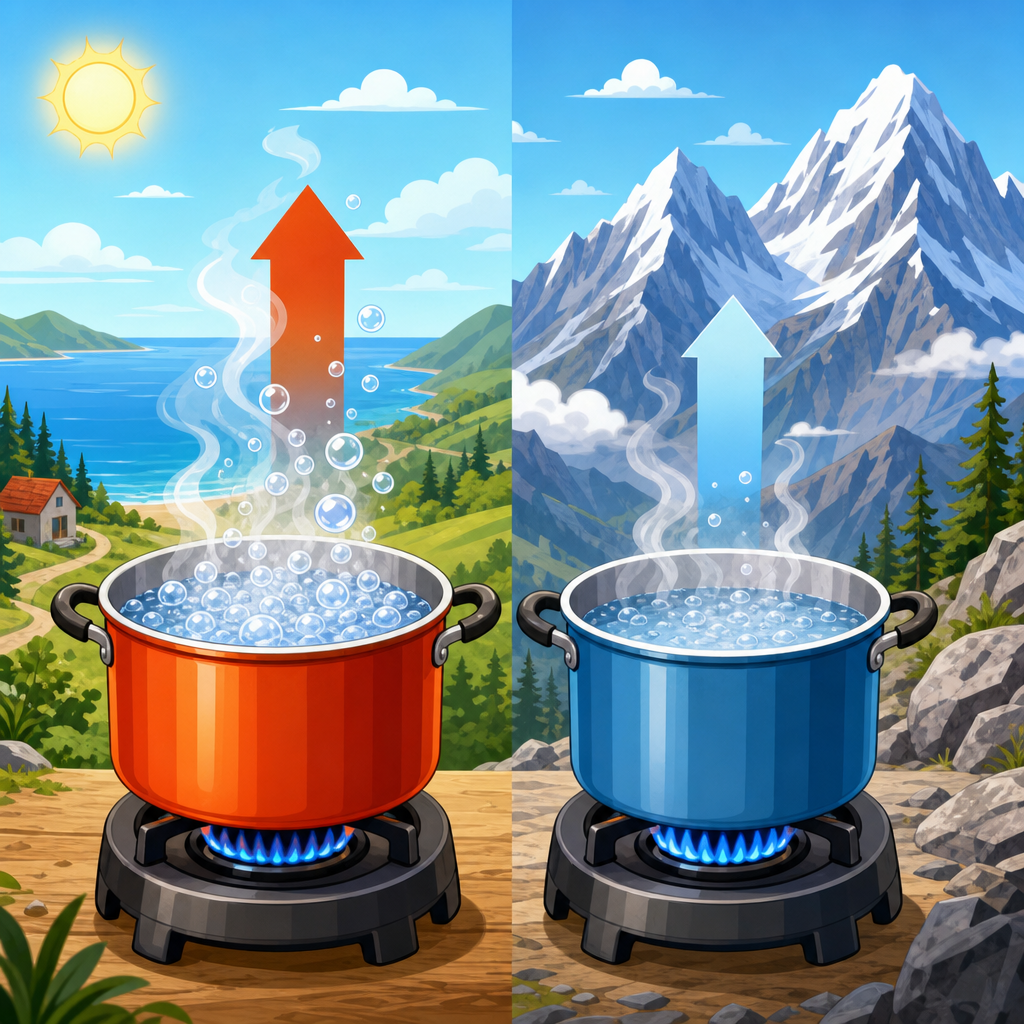
Macaron troubleshooting sharpens the same instincts you need for the broader pies, pastries, and meringues category. Pie crust at altitude often needs slightly more liquid because flour dries out faster, but too much liquid toughens the dough. Macaron batter teaches restraint: add only enough moisture for structure. Fruit pies can boil over or finish with thin filling because lower pressure changes boiling behavior; a stronger starch strategy and proper venting matter. That is the same balance of water control and thermal timing you use in macaron shells.
Meringues on pies and pavlovas face familiar risks in dry mountain air. If whipped too far, they expand, crack, and separate. If baked too hot, the exterior sets before the interior dries properly. Swiss and Italian methods often provide more stability for altitude than a basic French meringue, especially for lemon meringue pie toppings that need clean slicing and less weeping. The lesson carries across formats: stable foam plus moderated heat equals a more reliable structure.
Pastries such as pâte à choux and puff pastry also depend on steam management. Choux can rise dramatically at altitude, then collapse if the shell does not dry enough before cooling. Puff pastry can lose definition if butter softens too quickly in a dry, warm kitchen. Across this subtopic, success comes from the same core disciplines: precise weighing, calibrated heat, controlled hydration, and understanding when a dramatic rise is actually a warning sign.
If you are building out your altitude baking skills, this hub should connect to detailed guides on high-altitude pie crust, fruit pie thickening, blind baking, lemon meringue stabilization, pavlova in dry climates, pâte à choux, rough puff, and laminated dough. Together, those topics cover the full landscape of pies, pastries, and meringues, but macarons remain the best diagnostic bake because they expose structural mistakes so clearly.
Fixing hollow macarons in dry mountain air comes down to controlling expansion, moisture loss, and structure at every stage. Start with a stable meringue, mix to true flowing consistency, release large bubbles, rest only until the surface is dry, and bake at a verified temperature that allows the center to set before the shell overexpands. If your current recipe keeps failing, make one change at a time: lower the oven slightly, shorten the rest, or switch to Italian or Swiss meringue for greater stability. Those targeted adjustments work better than overhauling everything at once.
The larger benefit is confidence across altitude baking. Once you can diagnose why a macaron shell hollows, you can better judge why a pie crust shrinks, why a pavlova cracks, or why choux collapses after cooling. Pies, pastries, and meringues all reward the same habits: weigh ingredients, watch texture instead of the clock alone, and verify what your oven is actually doing. In a dry mountain kitchen, precision is not fussiness; it is how you turn fragile recipes into repeatable results.
Use this page as your starting point for the full pies, pastries, and meringues section, then test your next batch with written notes and one controlled adjustment. The fastest route to better altitude baking is not guessing. It is observing, recording, and baking again with purpose.
Frequently Asked Questions
Why do macarons turn hollow more often in dry mountain air?
Hollow macarons are especially common in dry mountain climates because several baking variables shift at the same time. At higher elevations, the lower air pressure allows air bubbles in the batter and meringue to expand more aggressively in the oven. Dry air also speeds up surface evaporation, so the shells can form a skin quickly while the interior is still structurally weak. That means the top may look smooth and well-set on the baking sheet, but inside, the shell can rise too fast, separate from the moist center, and collapse into a hollow as it cools.
In practical terms, mountain bakers are dealing with a chain reaction rather than one isolated mistake. A slightly overwhipped meringue, a batter that is just a touch too dry, and an oven that runs a little hot can all combine to create a perfect-looking shell with an empty interior. The issue is not only how the macarons bake, but also how they dry before baking and how they stabilize after they come out of the oven. That is why hollow shells in dry conditions are best approached as a full-system problem involving meringue strength, macaronage, resting, baking temperature, and final maturation with filling.
How should I adjust my meringue and macaronage at high altitude to reduce hollows?
Start by treating your meringue more cautiously than you would at sea level. In dry mountain air, a very stiff meringue often creates too much internal lift and not enough flexibility, which can encourage the shells to balloon and then collapse. Aim for a stable, glossy meringue with medium-stiff to stiff peaks rather than an ultra-dry, clumpy foam. The peaks should stand up, but the meringue should still look smooth and elastic, not grainy or broken. If you are using a French meringue, adding the sugar gradually and stopping as soon as the foam is structured can make a noticeable difference.
Macaronage matters just as much. Under-mixed batter is one of the biggest causes of hollow macarons because it traps too much air and produces shells that rise unevenly. Over-mixed batter creates different problems, but in dry high-altitude kitchens, many bakers actually stop too early out of fear of deflating the batter. The goal is batter that flows slowly and continuously, often described as moving like lava. When lifted with a spatula, it should fall in a thick ribbon and settle back into itself within several seconds. If the batter remains too tight, the shells may hold excess air, develop nice feet, and still bake up hollow inside.
If you are troubleshooting, change one variable at a time. Try whipping the meringue slightly less on your next batch, then assess whether the shells bake with a fuller interior. If that helps, keep that change and evaluate your macaronage next. High-altitude success usually comes from moderation: not the stiffest meringue, not the shortest mix, and not the most aggressive rise in the oven.
Does resting time change in dry mountain air, and can over-drying cause hollow shells?
Yes, resting time often changes dramatically in dry climates, and over-drying can absolutely contribute to hollow macarons. In low humidity, shells can skin over far faster than expected. Bakers who follow a standard resting time from a sea-level recipe may end up leaving the trays out too long, which can make the tops set excessively before the interior has a chance to expand evenly. When that happens, the shell may lift from the inside, the feet may push outward, and the structure beneath the top can separate into a hollow pocket.
Instead of relying strictly on the clock, judge readiness by touch and appearance. The piped shells should lose their wet shine and feel dry enough that a fingertip can lightly touch the surface without batter sticking. In mountain air, that might happen in much less time than expected. Some bakers above 3,000 feet find their shells are ready in 10 to 20 minutes, while others in extremely dry conditions may need even less. The point is not to create the driest possible crust, but to create just enough surface strength to support a controlled rise.
If your macarons consistently look beautiful but bake hollow, experiment with slightly shorter rest times. You may find that the batter performs better when it goes into the oven with a thinner skin. This is especially true if your kitchen is dry year-round or heated heavily in winter. Watching the shells carefully before baking is often more useful than copying a rest time from a recipe developed in a humid or sea-level environment.
What oven adjustments help fix hollow macarons above 3,000 feet?
Oven control is one of the most effective tools for reducing hollows at altitude. Because lower air pressure allows the shells to expand quickly, a hot oven can make that expansion too forceful. The macarons may rise fast, form feet, and seem successful at first, but the interior structure may not set gradually enough to support the shell as it cools. The result is a hollow center under an attractive top. In many mountain kitchens, lowering the oven temperature slightly and baking a bit longer produces a fuller shell.
A good starting point is to reduce the baking temperature by about 5 to 15 degrees from the original recipe and watch how the shells respond. You want steady rise, defined feet, and even drying through the center rather than a dramatic oven spring. An oven thermometer is essential here because many home ovens run hotter or cycle unevenly, and those fluctuations are magnified when the batter is already sensitive to altitude and dry air.
Tray position and airflow also matter. Baking one tray at a time in the center of the oven often gives the most consistent results. If your oven has strong convection, it may dry the shells too quickly or push them into uneven rise, so reducing fan speed or switching to conventional heat can help. Some bakers also use a double-stacked baking sheet to moderate bottom heat and slow down the bake just enough for the interior to catch up with the shell. The key is gentle, even baking that sets the whole macaron instead of forcing a rapid rise followed by collapse.
Can filling and maturation really help with hollow macarons, or is the problem only in the shell?
Filling and maturation absolutely matter, especially when the hollows are mild rather than severe. A macaron shell is not finished when it leaves the oven. In fact, many shells that seem slightly hollow or a bit dry improve significantly after they are filled and matured for 24 to 48 hours. During that time, moisture from the filling redistributes into the shell, softening the interior and creating the proper chewy texture. If the shell structure is mostly intact, this maturation can mask small internal gaps and make the macarons feel far more balanced when eaten.
That said, filling is not a cure for major structural failure. If the shell has a large empty pocket because the meringue was overwhipped, the batter under-mixed, or the oven too hot, no filling will completely repair it. Think of maturation as the finishing stage of a system that includes shell strength, moisture balance, and texture development. In dry mountain air, this stage becomes even more important because the shells tend to lose moisture faster both before and after baking.
Use fillings that support moisture balance, such as ganache, buttercream, or fruit-based fillings with enough body to soften the shells gradually without making them soggy. After filling, store the macarons in an airtight container in the refrigerator and let them mature before serving. Then bring them back to a cool room temperature before eating. For mountain bakers, this final step is not optional polish; it is part of how you turn a technically tricky shell into a macaron that tastes complete.