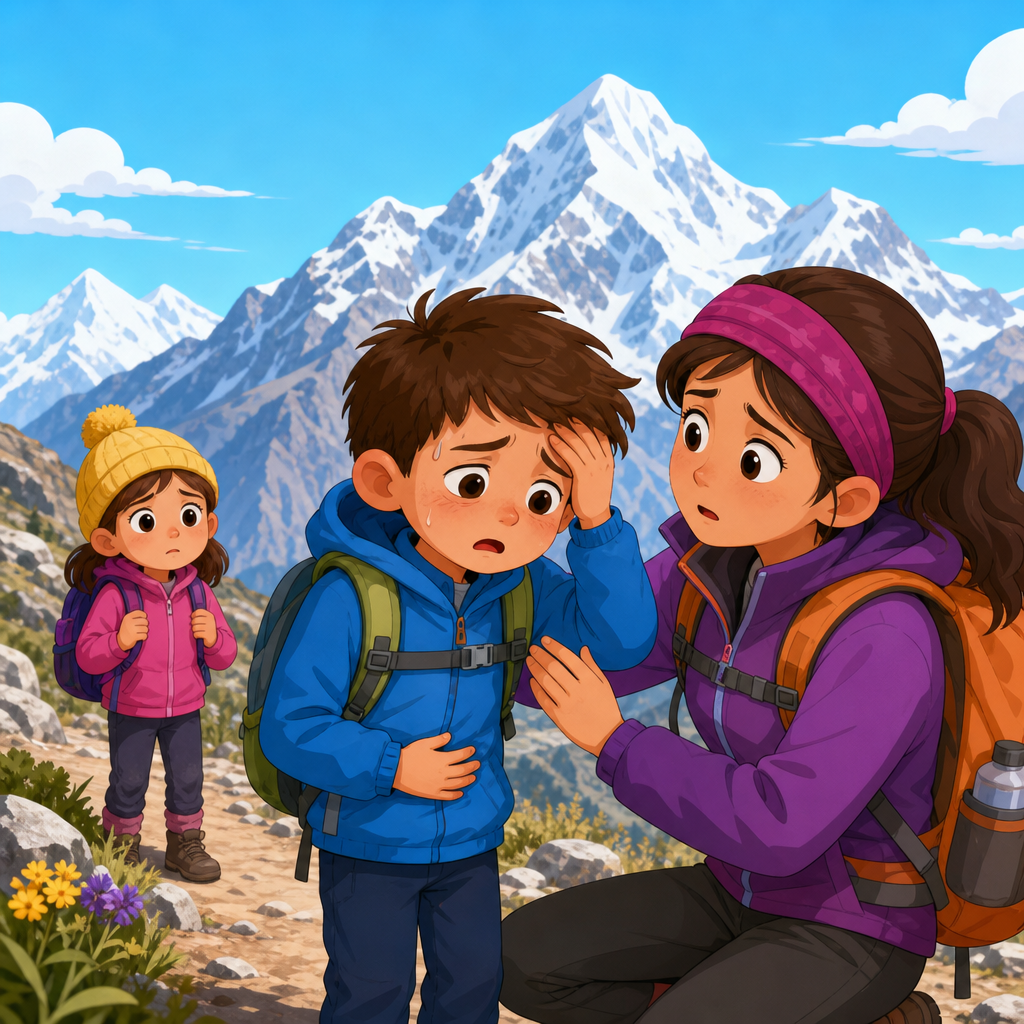
How to spot altitude sickness in children starts with understanding what altitude does to a child’s body, how symptoms differ from normal travel fatigue, and when a family should descend immediately. Altitude sickness is the group of illnesses caused by lower oxygen pressure at higher elevations, usually beginning above 8,000 feet, or about 2,500 meters, though some children become symptomatic lower than that if they ascend quickly. In practical family travel terms, this matters on ski trips, mountain road journeys, trekking holidays, and even overnight stays in high-elevation cities. I have seen parents mistake early warning signs for car sickness, poor sleep, hunger, or moodiness, and that delay can turn a manageable problem into an emergency. Children are not simply small adults here: infants cannot describe headache, toddlers may only seem clingy or irritable, and older children often minimize symptoms because they want to keep playing. That is why parents need a clear, structured way to spot altitude sickness in children, assess severity, and act fast.
The main forms are acute mountain sickness, high-altitude pulmonary edema, and high-altitude cerebral edema. Acute mountain sickness, often shortened to AMS, is the common early form. It typically causes headache plus symptoms such as nausea, dizziness, unusual tiredness, poor appetite, vomiting, or disturbed sleep. Pulmonary edema means fluid in the lungs, and cerebral edema means swelling in the brain; both are rare but life threatening. The challenge for families is that the early picture can be subtle. A child may stop eating, become quiet, complain of “tummy pain,” wake repeatedly at night, or refuse a short walk they would normally enjoy. Spotting these signs matters because the most effective treatment is simple and time sensitive: stop ascending, rest, and descend if symptoms worsen or red flags appear. For any parent planning mountain travel, this article serves as the central guide to kids and family travel at altitude, connecting prevention, packing, trip planning, symptom recognition, and emergency decision making into one practical framework.
Why children get altitude sickness and when risk rises
Altitude sickness happens because air pressure drops as elevation increases, reducing the amount of oxygen available with each breath. The oxygen percentage in the air remains roughly 21 percent, but the lower barometric pressure means less oxygen reaches the bloodstream. A child’s body responds by breathing faster and increasing heart rate. Over time, acclimatization helps, but it takes hours to days, not minutes. The biggest risk factor is rapid ascent. In family travel, that usually means flying or driving from low elevation to a mountain destination and sleeping high on the first night. Going from sea level to Denver is usually manageable; continuing the same day to a ski resort above 9,000 feet raises risk sharply.
Children of any age can be affected. Fitness does not prevent altitude sickness. Neither does enthusiasm, previous tolerance on one trip, or a child’s ability to “push through.” The recognized risk factors are sleeping elevation, speed of ascent, previous history of altitude illness, vigorous activity soon after arrival, dehydration, and concurrent respiratory infection. I advise families to think in terms of sleeping altitude more than daytime sightseeing altitude. A day trip to a higher pass may be tolerated if the child returns to a lower sleeping level, while sleeping high after a rapid ascent is where problems often begin. Cold weather and dry air can also complicate assessment because they increase fluid loss and make children feel tired or headachy for reasons unrelated to altitude.
How to spot altitude sickness in children by age and symptom pattern
The simplest answer is this: suspect altitude sickness when a child develops headache, nausea, vomiting, dizziness, unusual fatigue, poor sleep, loss of appetite, or sudden behavior change within six to twenty four hours of going higher. In school-age children and teens, headache is the anchor symptom for AMS. Ask direct questions: Does your head hurt? Do you feel sick to your stomach? Are you more tired than usual? Do you feel dizzy when you stand up? Can you walk in a straight line? In younger children, behavior is often the clue. A toddler with AMS may be listless, less playful, unwilling to eat, clingy, or unusually fussy. An infant may feed poorly, cry inconsolably, or seem hard to settle.
Patterns help separate altitude illness from ordinary travel complaints. Normal fatigue improves with food, fluids, a nap, or a calm evening. AMS often persists despite those measures and becomes more noticeable overnight or the next morning. Car sickness usually settles after the drive ends; altitude-related nausea may continue. A simple viral illness may explain fever or diarrhea; those are not typical defining features of altitude sickness, though they can coexist and worsen dehydration. Watch timing closely. If symptoms start after ascent and worsen with higher elevation or exertion, altitude should move to the top of your list. Any breathing trouble, confusion, bluish lips, severe lethargy, or trouble walking is not mild AMS and should be treated as a medical emergency.
Warning signs that require immediate descent or urgent medical care
Parents should know the red flags cold. Descend immediately and seek medical help if a child has shortness of breath at rest, persistent cough, chest tightness, wet or crackling breathing, blue or gray lips, confusion, marked sleepiness, inability to stay awake, repeated vomiting, severe headache not relieved by rest, trouble walking straight, loss of balance, or unusual behavior such as staring, agitation, or seeming “not themselves.” These signs suggest high-altitude pulmonary edema or high-altitude cerebral edema. Both can progress quickly, sometimes overnight.
High-altitude pulmonary edema, or HAPE, often starts with reduced exercise tolerance. A child who was running yesterday now stops after a few steps, breathes fast, and may develop a dry cough that later sounds wet. The lungs fill with fluid because of abnormal pressure changes in blood vessels triggered by low oxygen. High-altitude cerebral edema, or HACE, is swelling of the brain and usually evolves from worsening AMS. The classic signs are severe headache, confusion, ataxia, and altered consciousness. Families do not need to diagnose the exact condition on the mountain. The rule is simpler and safer: if symptoms are severe, progressive, or involve breathing or brain function, go down now. Oxygen, descent, and emergency evaluation save lives.
What mild altitude sickness looks like versus dangerous illness
One of the most useful tools for parents is comparing symptom intensity and function. Mild AMS usually means the child is uncomfortable but alert, breathing normally at rest, able to drink, and still able to walk and talk normally. They may complain of headache, eat less at dinner, and sleep poorly. Dangerous illness changes function. The child cannot keep up, appears weak, struggles for breath, vomits repeatedly, or seems mentally slowed. When I counsel families, I use a practical question: is this child merely feeling unwell, or are they functioning less safely than an hour ago? Worsening function is the signal to stop debating and start descending.
| Feature | Mild AMS | Urgent concern |
|---|---|---|
| Headache | Present but manageable | Severe or worsening despite rest |
| Appetite | Reduced | Cannot drink or repeated vomiting |
| Breathing | Normal at rest | Short of breath at rest, persistent cough |
| Energy | Tired but interactive | Lethargic, hard to wake, unusually quiet |
| Walking | Normal balance | Staggering, clumsy, cannot walk straight |
| Behavior | Irritable but recognizable | Confused, disoriented, not acting normally |
This distinction is especially important at family resorts where symptoms can be normalized. Parents see many tired children, but true altitude illness follows a pattern of deterioration with elevation and exertion. If you are unsure whether a child is improving, make the environment simpler: stop activity, warm them, offer fluids, observe for one to two hours, and do not go higher. Improvement supports a mild problem; no improvement or worsening argues for descent and assessment.
How to assess a child on a trip without overreacting or missing danger
Assessment begins with a calm checklist. First, note the altitude, sleeping altitude, and how quickly you arrived. Second, ask about headache, nausea, dizziness, appetite, and sleep. Third, watch breathing when the child is sitting still, not after running. Fourth, look at coordination: can they walk a straight line, put on boots, or follow simple instructions? Fifth, compare behavior with their baseline. A quiet child may be normal; a usually energetic child who lies down and avoids interaction deserves attention. If available, a pulse oximeter can add context, but it should never override symptoms. Oxygen saturation varies by altitude, device quality, and cold fingers. A child can be quite sick with readings that do not look dramatic to a parent.
Keep a symptom log during the first twenty four to forty eight hours after ascent. Write down when symptoms began, whether they improved with rest, what the child drank, and whether they urinated normally. This is not excessive; it helps avoid the common family argument that “she seemed fine an hour ago.” It also helps if you need telemedicine or emergency care. In my experience, the families who make the best decisions are the ones who stop trying to explain every symptom away. They acknowledge uncertainty, pause activity early, and use a clear threshold for descent rather than hoping the problem will disappear after another gondola ride or a restaurant stop.
Prevention strategies for kids and family travel at altitude
The best prevention is gradual ascent. If possible, spend a night at a moderate elevation before sleeping much higher, and avoid large jumps in sleeping altitude on consecutive nights. Many mountain medicine guidelines advise limiting sleeping elevation gain once above about 10,000 feet and adding rest days on treks. Family vacations are not always flexible, but even small changes help. Sleep lower the first night, keep the first day easy, and postpone hard skiing, snowshoeing, or hiking until the child has had time to adapt. Hydration matters, but do not treat water as a cure-all; overhydration is not beneficial and can create its own problems. Aim for regular drinking and normal urination, not forced excessive fluids.
Meals should be familiar and carbohydrate rich on arrival because appetite often drops at altitude. Protect sleep with a quiet evening, warm layers, and a realistic schedule. Alcohol and sedating medicines are not relevant for young children but matter for teens and adults who influence family decisions. If a child has had significant altitude illness before, discuss plans with a clinician experienced in travel or wilderness medicine. Acetazolamide is sometimes used for prevention in older children and adolescents in selected cases, but dosing and suitability should be individualized. It is not a substitute for safe ascent. Families should also review resort clinic access, emergency numbers, weather, and nearest lower-altitude options before the trip begins.
Common mistakes families make and how to avoid them
The most common mistake is ascending despite symptoms. Parents do this because bookings are expensive, children seem “a little better,” or everyone expects the first day to be rough. At altitude, “wait and see while going higher” is the wrong strategy. Another mistake is blaming everything on dehydration without checking for headache, coordination, and breathing changes. I also see families focus on daytime maximum altitude instead of sleeping altitude, overlook poor appetite in toddlers, or medicate a headache and send the child back onto the slopes. Pain relief may ease discomfort, but it does not make ascent safe if other symptoms continue.
A second category of mistakes involves logistics. Families often arrive late, eat poorly, sleep high, and start intense activity the next morning. That stack of risk factors is predictable and avoidable. Build in a low-key arrival day. Know where oxygen and medical care are available. Carry layers, snacks, fluids, and a simple plan for separating from the group if one parent needs to descend with a child. For your next mountain trip, use this article as your starting point, then build a family altitude plan that covers pacing, symptoms, and descent triggers before you leave home.
Frequently Asked Questions
What are the earliest signs of altitude sickness in children?
The earliest signs of altitude sickness in children often look subtle at first, which is why parents can mistake them for normal travel fatigue, dehydration, motion sickness, or a bad night’s sleep. Common early symptoms include headache, unusual tiredness, dizziness, nausea, loss of appetite, irritability, trouble sleeping, and a child saying they “don’t feel right.” In babies and toddlers who cannot clearly describe a headache, warning signs may include fussiness, refusing food or drinks, decreased interest in playing, clinginess, vomiting, or difficulty settling down. These symptoms can begin within hours after arrival at a higher elevation, especially when a family ascends quickly above about 8,000 feet, or 2,500 meters. What matters most is the pattern: if a child seemed fine at lower elevation and begins feeling worse after going higher, altitude should be considered. Parents should take complaints seriously, even if symptoms seem mild, because early altitude illness can progress if the child continues to go higher or does not rest and hydrate.
How can parents tell the difference between altitude sickness and normal travel tiredness?
Normal travel tiredness usually improves with rest, food, fluids, and time, while altitude sickness tends to persist or worsen at the same elevation, especially if exertion continues. A child who is simply tired from a long drive, flight, or busy day may be cranky or sleepy, but they generally perk up after eating, napping, or settling into the new environment. In contrast, altitude sickness more often includes a combination of symptoms such as headache, nausea, dizziness, poor appetite, vomiting, and reduced energy that does not quickly resolve. One useful question for parents is whether the child’s symptoms match the altitude gain. If the child was fine before ascent and became uncomfortable after arriving higher up, that timing is important. Another clue is behavior during activity: a child with ordinary fatigue may move more slowly but can still engage, while a child with altitude illness may want to stop, lie down, avoid food, or complain that activity makes them feel worse. If there is any doubt, it is safest to assume altitude may be playing a role, pause further ascent, encourage fluids and rest, and monitor closely.
At what point should a family descend immediately?
A family should descend immediately if a child has symptoms that are severe, rapidly worsening, or suggest dangerous high-altitude illness involving the lungs or brain. Red flags include trouble breathing at rest, a persistent cough that worsens, blue or gray lips, unusual sleepiness, confusion, difficulty walking straight, poor coordination, repeated vomiting, severe headache that does not improve, or behavior that seems dramatically abnormal for that child. These are not “wait and see” symptoms. A child who is struggling to breathe, cannot stay awake normally, seems disoriented, or cannot walk properly needs urgent descent and medical care as soon as possible. Even if symptoms seem moderate rather than extreme, descent is the right decision when the child is clearly getting worse or not improving after rest at the same elevation. Families should not continue to hike, ski, or drive to a higher destination in hopes that things will settle down. Going lower is the key treatment. Supplemental oxygen, if available, may help while arranging descent, but it does not replace the need to get the child to a lower altitude and seek medical evaluation.
Are younger children and babies harder to assess for altitude sickness?
Yes, younger children and babies are often harder to assess because they cannot reliably describe classic symptoms like headache, dizziness, or shortness of breath. That means parents need to rely more on changes in behavior and physical cues. An infant or toddler with altitude sickness may become unusually fussy, feed poorly, vomit, sleep badly, seem less playful, or appear uncomfortable without an obvious cause. Some children may simply become quiet and withdrawn, which can be easy to overlook if the trip has already been tiring. Because these age groups are harder to evaluate, parents should be especially cautious about rapid ascent and should watch closely during the first day or two at elevation. A practical approach is to compare the child’s behavior with their normal baseline: Is this level of irritability typical? Are they drinking and urinating normally? Are they interested in toys, snacks, or interaction? Small changes can matter. If a very young child appears progressively unwell after going to altitude, especially with vomiting, poor feeding, unusual lethargy, or breathing changes, families should stop ascending and strongly consider descent and medical advice.
What should parents do if they think their child has altitude sickness?
If parents suspect altitude sickness, the first steps are to stop further ascent, reduce physical activity, encourage fluids, and let the child rest while watching symptoms carefully. Mild symptoms sometimes improve with time at the same elevation, especially if the child avoids strenuous activity and stays well hydrated. Parents can offer simple foods, keep the child warm, and treat discomfort supportively, but they should not push the child to keep skiing, hiking, or sightseeing if symptoms are ongoing. The decision point is improvement versus progression. If the child gets better with rest and no further ascent, close observation may be reasonable. If symptoms do not improve, become more intense, or include repeated vomiting, severe headache, breathing difficulty, unusual drowsiness, or trouble walking, the family should descend right away and seek medical care. It also helps to plan ahead before mountain travel by ascending gradually when possible, sleeping at lower elevations during the first days, and recognizing that children can develop altitude illness even when adults in the same group feel fine. When it comes to altitude sickness in children, acting early is always safer than waiting too long.