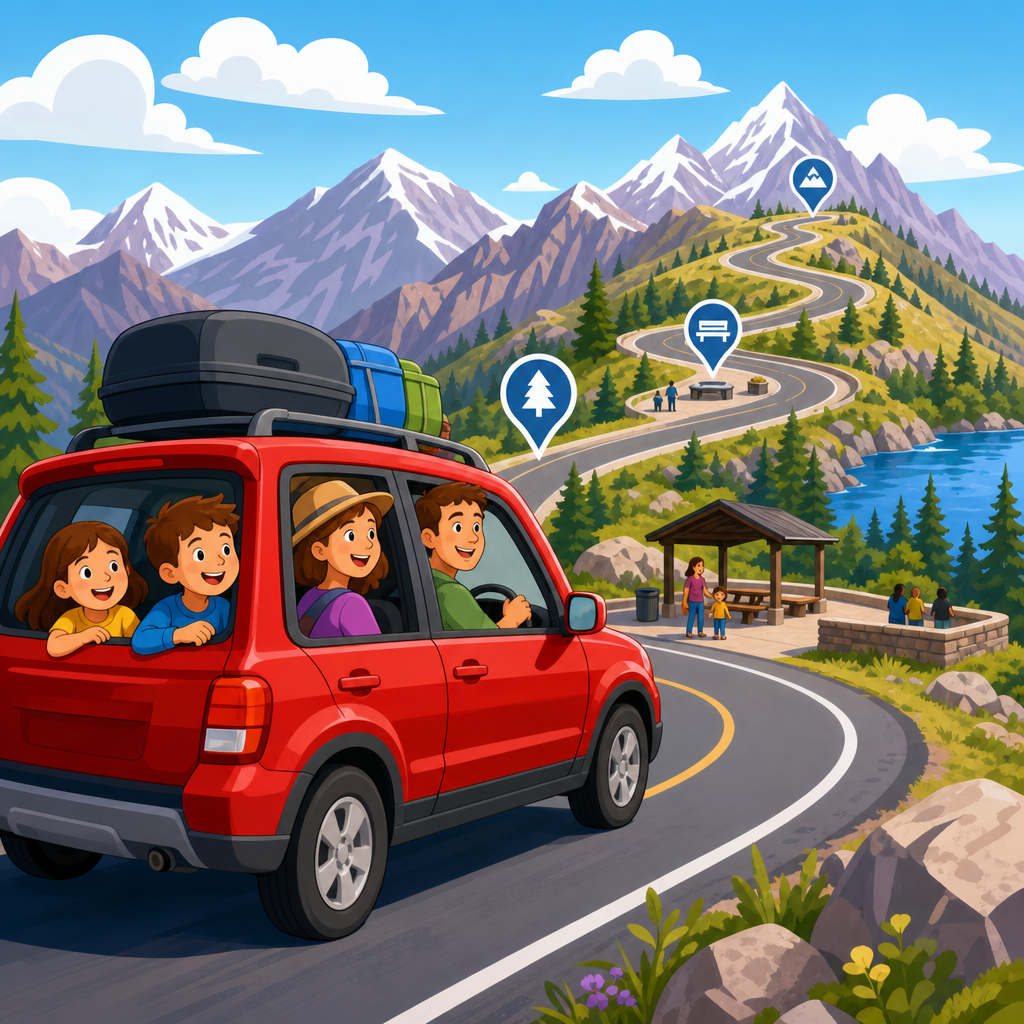
Planning a family reunion in the mountains for mixed ages starts with one core principle: every decision must work for toddlers, teens, busy parents, and older relatives at the same time. A mountain reunion is a shared trip built around lodging, meals, transportation, safety, budget, and activities that different generations can genuinely enjoy. In practice, that means balancing scenic appeal with accessibility, adventure with downtime, and togetherness with enough personal space to keep the weekend calm.
I have planned multigenerational mountain gatherings where one branch wanted sunrise hikes, another needed nap-friendly afternoons, and grandparents cared most about easy walking paths and private bathrooms. The biggest lesson is simple: the location does not create the reunion, the plan does. A beautiful cabin cluster can still fail if arrival times are chaotic, meals are unclear, or nobody thinks through altitude, weather shifts, and mobility needs. Good family logistics and planning turn a pretty destination into a smooth experience.
This topic matters because mountain reunions add complexity. Roads may be winding, cell service may be weak, grocery stores may be distant, and medical care may be farther away than families expect. At the same time, mountain destinations offer real advantages for reunions: built-in scenery, cooler summer temperatures, natural activity options, and space to spread out. For mixed-age groups, that combination can work exceptionally well when the basics are organized before anyone packs.
As a hub for family logistics and planning, this guide covers the decisions that shape every successful reunion: choosing the right destination, setting a realistic budget, booking lodging, coordinating transportation, building an age-inclusive schedule, planning food, managing safety, and keeping communication simple. If you answer those questions early, the reunion becomes easier for everyone and far more enjoyable once people arrive.
Choose a mountain destination that fits the people, not just the photos
The best mountain destination for a family reunion is usually the one with the fewest barriers. Start with driving time, elevation, road conditions, and access to essentials. A remote chalet two hours from the nearest supermarket sounds charming until someone forgets diapers, a relative needs a pharmacy, or rain cancels the outdoor plan. I recommend prioritizing towns with a hospital or urgent care within reasonable distance, a full grocery store, and several activity levels within a short drive.
Elevation deserves special attention. Families coming from sea level can feel headaches, fatigue, dehydration, or shortness of breath above roughly 5,000 to 8,000 feet, especially older adults, pregnant guests, and very young children. If your group includes people with heart or lung conditions, discuss altitude tolerance before booking. Sometimes the best answer is a lower-elevation mountain town with forest views instead of a high alpine resort. You still get the setting without the physiological stress.
Accessibility is equally important. Ask specific questions before booking: Are there ground-floor bedrooms, step-free entrances, handrails, walk-in showers, paved pathways, and nearby seating areas? Listings often say “family friendly” or “rustic” without revealing steep stairs, loft sleeping, gravel slopes, or bathrooms too tight for mobility aids. When possible, request a floor plan. It saves real frustration later.
Think seasonally as well. In summer, check wildfire smoke patterns, heat during midday, and water safety near lakes or rivers. In fall, shorter daylight can compress activity time. In winter, snow chains, plowing schedules, and heated common spaces become essential. In spring, mud and unpredictable storms can limit strollers and wheelchairs. Mountain weather is not background detail; it shapes every logistical choice.
Build the budget and booking structure before discussing activities
Families often start with entertainment ideas, but the reunion becomes easier when budget rules come first. Set a total trip framework covering lodging, food, shared supplies, activities, local transport, and contingency funds. Then decide how costs will be split. Equal division works for some groups, but mixed households often do better with a bedroom-based or family-unit model, especially when one couple wants a private suite and another family needs bunk rooms for children.
Be explicit about what is shared and what is optional. For example, you might divide lodging, breakfast groceries, and one catered dinner across all attending households, while lift tickets, horseback rides, or spa appointments remain individual expenses. This prevents the most common reunion conflict: one branch feeling forced to subsidize choices they did not make.
Use booking tools that centralize information. A shared spreadsheet, TripIt, Google Sheets, and Splitwise work well for tracking deposits, room assignments, ride plans, and who has paid. If your group is large, assign one lead coordinator and one finance coordinator. In my experience, separating logistics from money reduces mistakes because each person owns a clear workflow.
Mountain lodging also requires earlier commitment than many beach or city trips. Properties suited for 10 to 25 guests, especially those with multiple bathrooms and common gathering space, book months ahead during school breaks and holiday weekends. Read cancellation terms carefully. Flexible cancellation is worth paying for when your group includes babies, pregnancies, older adults, or relatives flying in from far away. A good policy protects family relationships as much as it protects the budget.
| Planning area | Best practice | Why it matters for mixed ages |
|---|---|---|
| Lodging | Prioritize accessible bedrooms and multiple bathrooms | Reduces stress for grandparents, parents, and young children |
| Meals | Plan simple breakfasts and one anchor dinner daily | Keeps schedules flexible for naps, hikes, and arrivals |
| Transportation | Coordinate carpools and arrival windows in advance | Avoids confusion on mountain roads and limited parking |
| Activities | Offer one main event plus low-effort alternatives | Lets every age group participate without pressure |
| Safety | Create a contact sheet and weather backup plan | Improves response time during storms, illness, or delays |
Select lodging that supports togetherness and privacy
For mixed-age family reunions, the ideal lodging has three traits: flexible sleeping arrangements, a comfortable common area, and enough separation for rest. Large single cabins can work, but many families do better with a main house plus nearby smaller units. That setup helps parents handle bedtime, gives grandparents quiet space, and lets early risers and night owls coexist without friction.
Room placement matters more than square footage. Put families with babies near quieter rooms and full bathrooms. Place older relatives on the main floor if stairs are involved. Check whether the dining area can realistically seat everyone together. A listing that sleeps sixteen but only seats eight at one table forces every meal into shifts, which weakens the reunion feel. Also verify refrigerator capacity, cookware, grill condition, laundry access, parking count, and backup heating.
Do not underestimate sound. Open lofts, thin walls, and echoing great rooms make sleep difficult for children and older adults. Ask hosts about noise transfer. If several households are sharing a property, establish house expectations in advance: quiet hours, kitchen cleanup, bathroom rotation for mornings, and whether shoes stay at the door. These details sound small, but they prevent the resentments that linger after the photos are posted.
Create a schedule with anchor events and flexible gaps
The best reunion itinerary is structured enough to guide people and loose enough to absorb real life. I recommend one anchor activity in the morning or late afternoon, one shared meal, and generous unscheduled blocks. Mixed-age groups move at different speeds. A toddler needs a nap, a teen wants free time, a grandparent may prefer a scenic drive over a steep trail, and parents need transition time that child-free relatives often overlook.
Anchor events should be simple and broadly accessible: a welcome dinner, a family photo hour near the lodging, a picnic at an easy overlook, a short nature walk, or a game night. Save high-effort adventures as optional add-ons. When the reunion center of gravity is too strenuous, people who cannot participate feel peripheral. When the core events are inclusive, optional activities become a bonus rather than a dividing line.
Publish the schedule before the trip with clear start times, driving times, gear needs, and difficulty notes. Use labels like easy, moderate, stroller-friendly, and limited shade. That language helps families self-select without embarrassment. It also reduces last-minute confusion, which is especially helpful when cell service is inconsistent and everyone cannot rely on live updates.
Plan food for simplicity, allergies, and changing energy levels
Food planning can make or break a mountain reunion because stores may close early, restaurant capacity may be limited, and hungry children are not patient on mountain timelines. Build around dependable formats: easy breakfasts, packable lunches, snack stations, and one coordinated dinner each day. Think oatmeal, eggs, yogurt, fruit, sandwich fixings, pasta, taco bars, chili, grilled chicken, and baked potatoes. These meals scale well and suit varied ages.
Collect dietary needs early and treat them as logistics, not afterthoughts. Ask about allergies, celiac disease, vegetarian preferences, toddler staples, sodium restrictions, and pregnancy-related food limits. Label ingredients during shared meals. If the property has one kitchen, assign meal leads by household so responsibilities are visible. For very large groups, grocery delivery or partial catering can be worth the cost, especially on arrival day.
Hydration matters more in mountain settings. Dry air, altitude, and activity increase fluid needs, while children and older adults may not notice early thirst. Stock more water, electrolyte drinks, and easy snacks than you think you need. I also recommend one emergency food bin with crackers, applesauce pouches, granola bars, instant soup, and shelf-stable milk. That bin solves surprising problems, from delayed arrivals to rainy evenings when nobody wants to drive back into town.
Manage transportation, safety, and communication like a project
Transportation planning starts before departure. Confirm who is driving, what vehicles can handle mountain grades, where parking is available, and whether any roads require permits, reservations, or seasonal equipment. If guests are flying, compare the nearest airport with the easiest airport; they are not always the same. A shorter airport distance can still be harder if the route is winding, dark, or prone to weather closures.
Create a simple contact sheet including names, cell numbers, vehicle descriptions, medical notes people choose to share, lodging addresses, and emergency contacts. Download offline maps in Google Maps or another navigation app. If service is limited, choose one communication method that works with weak signals, such as SMS, and designate check-in times instead of expecting constant responsiveness.
Safety planning should be direct. Review weather forecasts daily. Identify the nearest urgent care, pharmacy, ranger station, and hospital. Pack a true first-aid kit, not just adhesive bandages. Include children’s fever medicine, adult pain relief, antihistamines, blister care, tweezers, sunscreen, insect repellent, and any personal prescriptions. For outdoor activities, set a turnaround time, carry layers, and apply the hiker’s rule that the slowest comfortable pace defines the group. That protects kids, older adults, and overconfident relatives equally.
Make the reunion meaningful without overscheduling every hour
The point of a family reunion in the mountains is not to maximize every attraction; it is to create connection in a setting that makes connection easier. Build in traditions that travel well: a shared breakfast toast, a memory circle, a cousin scavenger hunt, recipe cards from grandparents, or one annual group photo in the same pose. These rituals matter more over time than whether everyone completed the longest trail.
It also helps to recognize different definitions of a good trip. Some relatives will measure success by adventure, others by comfort, conversation, or seeing children bond across households. A strong plan respects all four. If people can sleep well, eat easily, participate in at least one shared activity, and have room to opt out without guilt, the reunion has done its job.
Start with the people, choose the destination carefully, and organize the details before emotions and assumptions take over. That approach is the real benefit of thoughtful family logistics and planning: less friction, more inclusion, and more genuine time together. Use this guide as your hub, build your checklist early, and book the mountain reunion that every generation can enjoy.
Frequently Asked Questions
1. How do you choose the best mountain location for a family reunion with mixed ages?
The best mountain location is one that balances beauty, convenience, and accessibility for every generation attending. Start by thinking beyond the postcard view and focus on what daily life will feel like once everyone arrives. A great reunion spot should be reasonably easy to reach, with clear driving routes, nearby parking, and if possible, a manageable distance from an airport or major highway for relatives coming from farther away. For families traveling with toddlers, older adults, or anyone with mobility limitations, steep terrain, long staircases, and isolated cabins can create unnecessary stress, so it helps to prioritize lodging in an area with flatter access, paved walkways, and essential services nearby.
It is also smart to evaluate what is available within a short radius of the property. Look for grocery stores, urgent care, pharmacies, restaurants, and easy family-friendly attractions. That way, the group is not forced into long drives every time someone needs medicine, a quick meal, or a lower-energy activity. Climate matters too. Mountain weather can shift quickly, and higher elevations may be harder on very young children or older relatives, so check average temperatures, storm patterns, and elevation levels before booking. The right destination should offer flexible options: scenic drives, short nature walks, picnic areas, gentle sightseeing, and a few more active outings for teens and adventurous adults. In other words, the best mountain reunion location is not simply the most dramatic setting. It is the one where the youngest, oldest, and busiest family members can all participate comfortably and feel included throughout the trip.
2. What type of lodging works best for a mountain family reunion with toddlers, teens, parents, and grandparents?
The most successful lodging for a mixed-age mountain reunion usually combines shared gathering space with private areas where people can rest, recharge, and maintain routines. A large cabin, lodge-style vacation rental, or cluster of nearby units often works well because it gives the family room to cook, eat, and spend time together without forcing everyone into the same schedule all day long. Families with toddlers may need quiet sleeping areas for naps and earlier bedtimes, while teens may want a separate hangout space and grandparents may appreciate a bedroom on the main floor to avoid stairs. Layout matters just as much as size.
When comparing properties, focus on practical details. Look for enough bathrooms, a well-equipped kitchen, laundry access, safe outdoor areas, reliable heating or air conditioning depending on season, and comfortable common areas where the group can gather for meals or games. Accessibility features are especially important in mountain settings. Check whether there are steps at the entrance, handrails on staircases, walk-in showers, wide doorways, and close parking. Also think about noise and bedtime routines. If possible, choose a property with multiple sleeping zones so early risers, napping children, and night-owl teens do not constantly disrupt one another.
Another major consideration is distance between the lodging and activities. Staying somewhere visually remote may sound appealing, but if every outing requires a long, winding drive, it can wear people down quickly. A property that feels secluded while still being close to town and basic attractions often delivers the best overall experience. Ultimately, the ideal lodging creates togetherness without crowding, supports different energy levels and schedules, and reduces friction around basic needs such as sleep, meals, and mobility.
3. How can you plan activities that keep all ages engaged without exhausting anyone?
The key is to build the reunion around flexible, layered activities rather than a packed itinerary. Mixed-age groups usually do best when each day includes one main shared activity, plus optional add-ons for people who want more adventure or more downtime. For example, instead of scheduling an all-day strenuous hike, plan a scenic outing with choices built in: a short accessible trail, a picnic area, a visitor center, a nearby scenic overlook, and perhaps a longer loop for teens and adults who want a challenge. This allows the family to stay connected without requiring identical participation from everyone.
Try to alternate high-energy plans with low-effort ones. A morning of tubing, horseback riding, or exploring a mountain town can be followed by a relaxed afternoon at the cabin with board games, porch time, crafts for younger kids, or a family meal. This pacing is important because toddlers can melt down when over-scheduled, parents often need breaks to handle naps and logistics, teens may resist activities that feel too controlled, and older relatives may enjoy the trip more when there is time to rest between outings. The most memorable reunions usually leave room for spontaneous moments instead of trying to fill every hour.
It also helps to choose activities with broad appeal. Scenic drives, gondola rides, wildlife viewing, easy lake walks, campfires, family photo sessions, storytelling nights, mini tournaments, and simple outdoor games often work better than highly specialized adventures that only suit one age group. Before finalizing plans, ask attendees about their interests, mobility needs, and non-negotiables. Then create a schedule with clear start times, realistic travel windows, and built-in opt-out flexibility. Good mountain reunion planning does not mean everyone does everything. It means everyone has enjoyable ways to participate and no one feels forgotten, rushed, or physically overextended.
4. What is the best way to handle meals, transportation, and budgeting for a large family reunion in the mountains?
These three areas can make or break the trip, so the best approach is to simplify early and communicate clearly. For meals, many families find success with a hybrid plan: a few shared breakfasts and dinners at the lodging, one or two restaurant meals, and flexible lunches based on the day’s activities. Assigning meal teams, creating a shared grocery list, and planning easy crowd-friendly menus can prevent one or two people from carrying the entire workload. Think practical and inclusive: kid-friendly options, simple snacks, hydration supplies, and accommodations for allergies, dietary restrictions, and different appetites. In a mountain setting, where restaurant choices may be limited or farther away, having a stocked kitchen can make the trip smoother and more affordable.
Transportation needs similar planning. Confirm how many vehicles the family will have, whether all drivers are comfortable with mountain roads, and if the lodging has enough parking. Carpools can reduce stress and keep people together, but it is also wise to preserve some flexibility in case grandparents want to head back earlier, a toddler needs a nap, or teens want to split off for a different activity. Share directions in advance, account for extra travel time on winding roads, and identify backup routes or meeting points in case cell service is limited.
Budgeting works best when expectations are set before anything is booked. Be transparent about major costs such as lodging, groceries, activities, transportation, and any optional excursions. Some families split everything evenly, while others use per-room, per-household, or per-person arrangements depending on what feels fairest. The most important thing is to choose a system that is easy to understand and discuss it early enough for everyone to plan. A mountain reunion should feel welcoming, not financially awkward. Clear numbers, optional upgrades instead of mandatory extras, and a realistic plan for shared expenses help keep the focus on family time rather than money tension.
5. How do you keep a mountain family reunion safe, comfortable, and enjoyable for every generation?
Safety and comfort begin with realistic planning, not fear-based planning. Mountain environments are rewarding, but they come with factors families need to respect, including changing weather, uneven ground, wildlife, altitude, and longer distances to services. Start by choosing age-appropriate outings and sharing a basic daily plan with everyone. Make sure attendees know where they are going, what to wear, how long activities will last, and what physical effort is involved. Encourage layers, sturdy shoes, sunscreen, hats, water bottles, and any needed medications. If the area is at higher elevation, plan a gentler first day so people can adjust, especially older adults, young children, and anyone sensitive to altitude.
Inside the lodging, safety means thinking through the needs of all ages. Check for stair hazards, balcony access, fireplace safety, kitchen supervision for small children, and nighttime lighting for older relatives. It is also a good idea to know the nearest urgent care, emergency room, and pharmacy before arrival. If the group includes people with medical concerns, mobility challenges, or severe allergies, keep emergency contacts and essentials easy to access. In mountain areas where signal can be weak, agree on simple communication plans and meeting points whenever the family splits into smaller groups.
Just as important, comfort includes emotional and social comfort. Mixed-age reunions go best when no one feels pressured to match someone else’s pace. Build in downtime, normalize saying no to activities, and make room for different styles of connection. Some people bond over hiking and adventure, while others connect best over coffee on the deck, card games at the table, or helping prepare dinner. A successful mountain reunion is not measured by how much the family accomplishes. It is measured by how included, relaxed, and connected people feel from the youngest child to the oldest relative.