High-altitude living is not a single experience but a spectrum shaped by oxygen scarcity, cold, geography, infrastructure, history, and culture. La Rinconada in Peru, El Alto in Bolivia, Lhasa in Tibet, and Leadville in Colorado offer four of the clearest case studies in how humans build communities above roughly 2,500 meters, where lower barometric pressure reduces the amount of oxygen available with every breath. That condition, known as hypobaric hypoxia, influences sleep, pregnancy, exercise, work, childhood development, architecture, religion, transport, and public health. I have spent years analyzing mountain communities, reading physiology research, and comparing how policy and culture interact at elevation, and these four places consistently reveal the central lesson: altitude changes everything, but it does not determine one universal outcome.
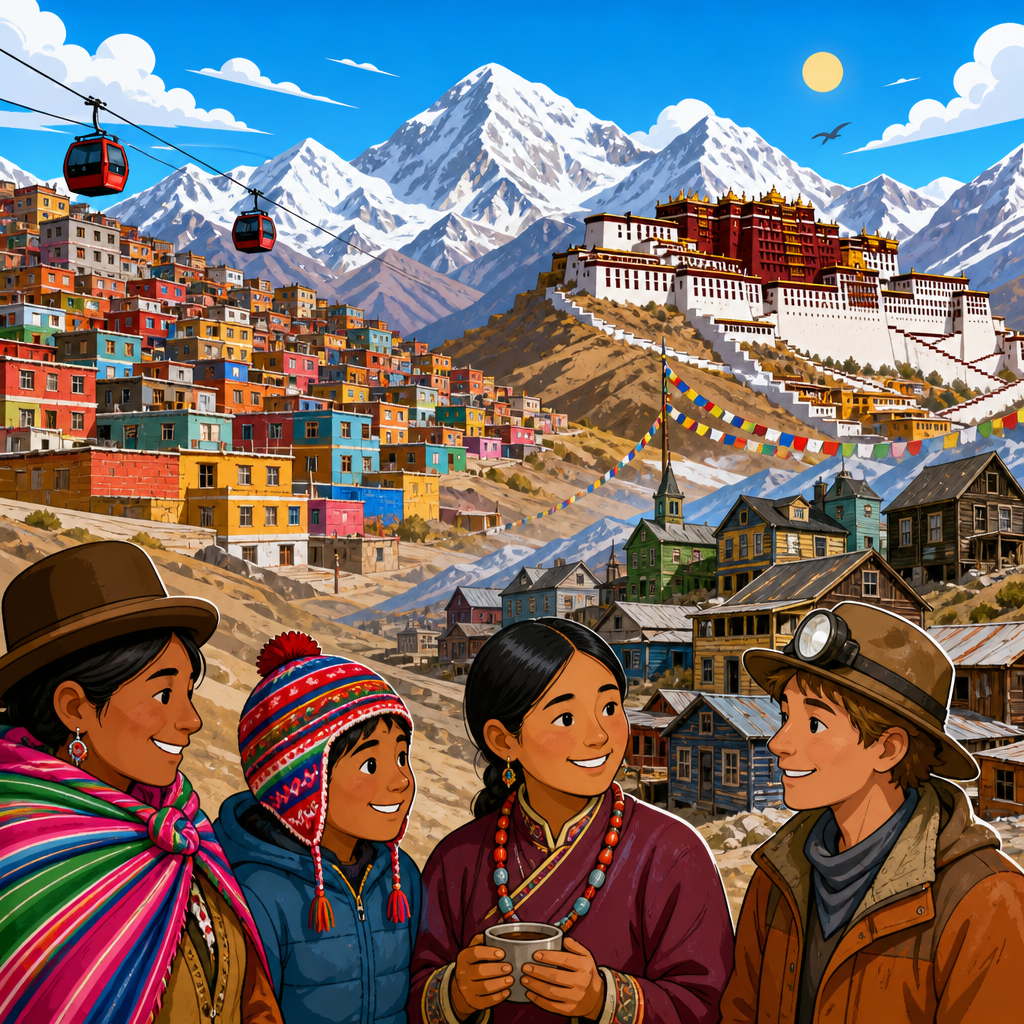
Each city also represents a distinct model of high-altitude adaptation. La Rinconada, often cited as the world’s highest permanent settlement at about 5,100 meters, shows what happens when extreme altitude intersects with informal mining, limited sanitation, and weak public services. El Alto, near 4,150 meters on the Bolivian Altiplano, demonstrates how a large Indigenous-majority city can become a political and commercial powerhouse despite environmental stress. Lhasa, around 3,650 meters, illustrates the long history of Tibetan adaptation, where Buddhism, plateau agriculture, and urban modernization coexist. Leadville, near 3,094 meters, reflects a North American mountain town shaped by mining booms, tourism, sport, and modern healthcare. Studied together, they answer practical questions people actually ask: how does the body adapt, what risks remain, and why do some high-altitude communities thrive while others struggle?
Understanding these places matters for science and culture alike. More than 140 million people worldwide live above 2,500 meters by many estimates, with major populations in the Andes, Himalaya, Ethiopian Highlands, and other mountain regions. Researchers use these communities to study acclimatization, genetic adaptation, chronic mountain sickness, cardiopulmonary function, maternal health, and human performance. At the same time, anthropologists, planners, and historians examine trade routes, sacred landscapes, language, migration, and labor systems. For readers exploring science, culture, and high-altitude communities, this hub article connects those themes through four concrete examples. It explains not only what altitude does to the human body, but also how governance, inequality, tradition, and technology decide whether life at elevation feels resilient, precarious, or somewhere in between.
Why altitude changes the rules of daily life
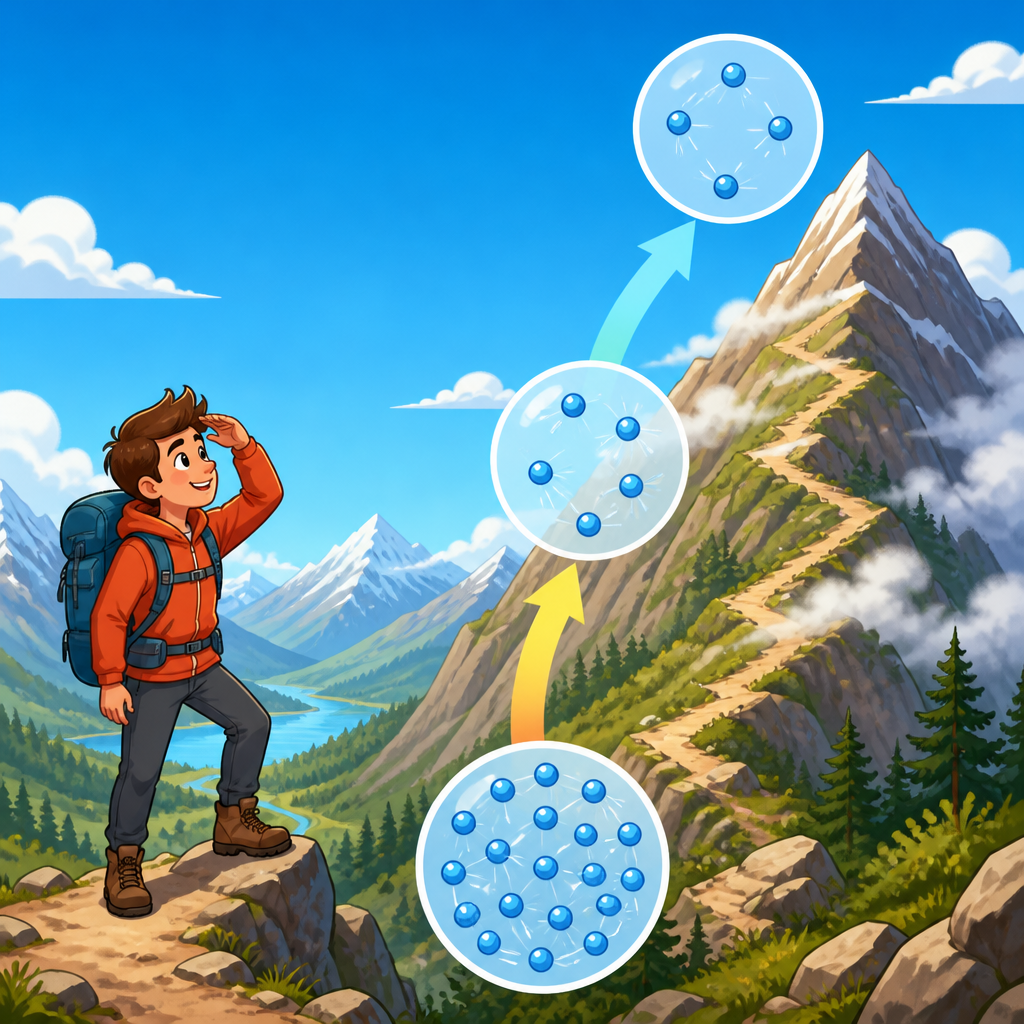
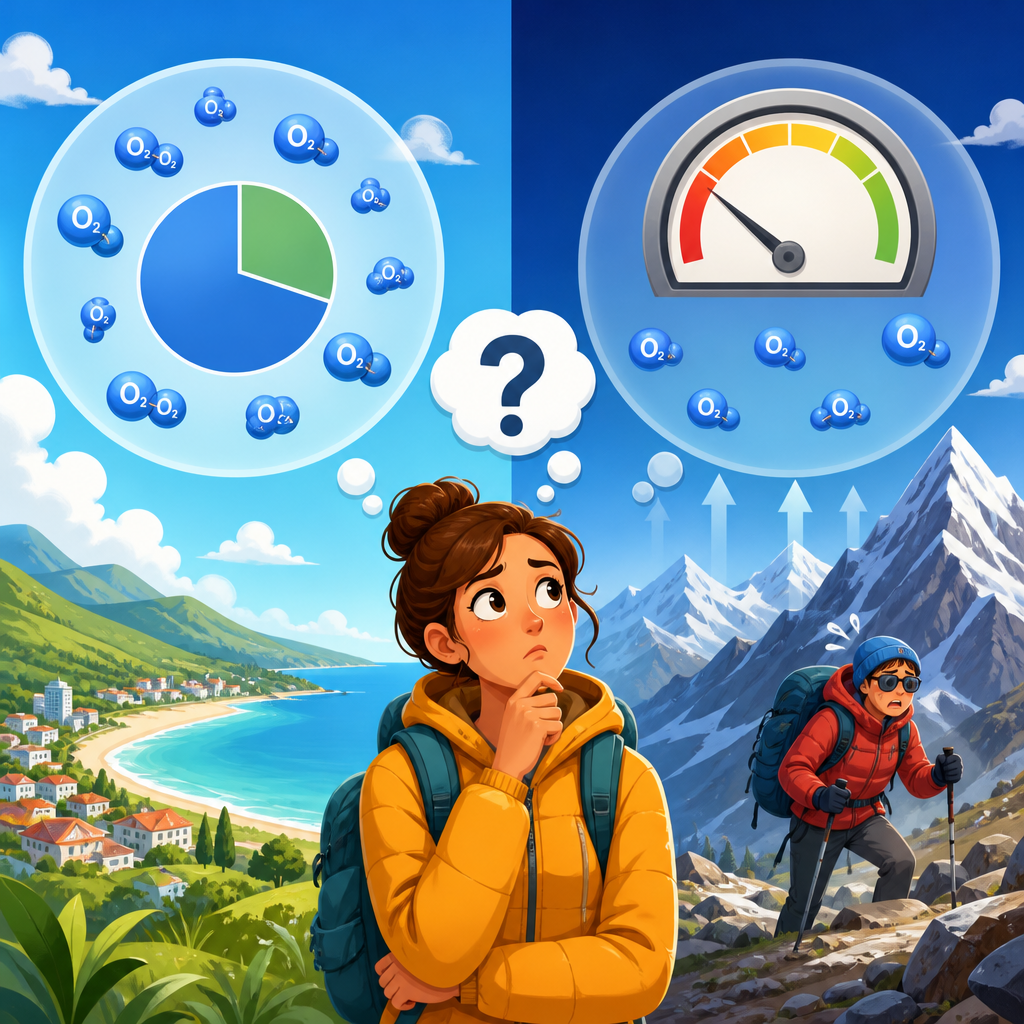
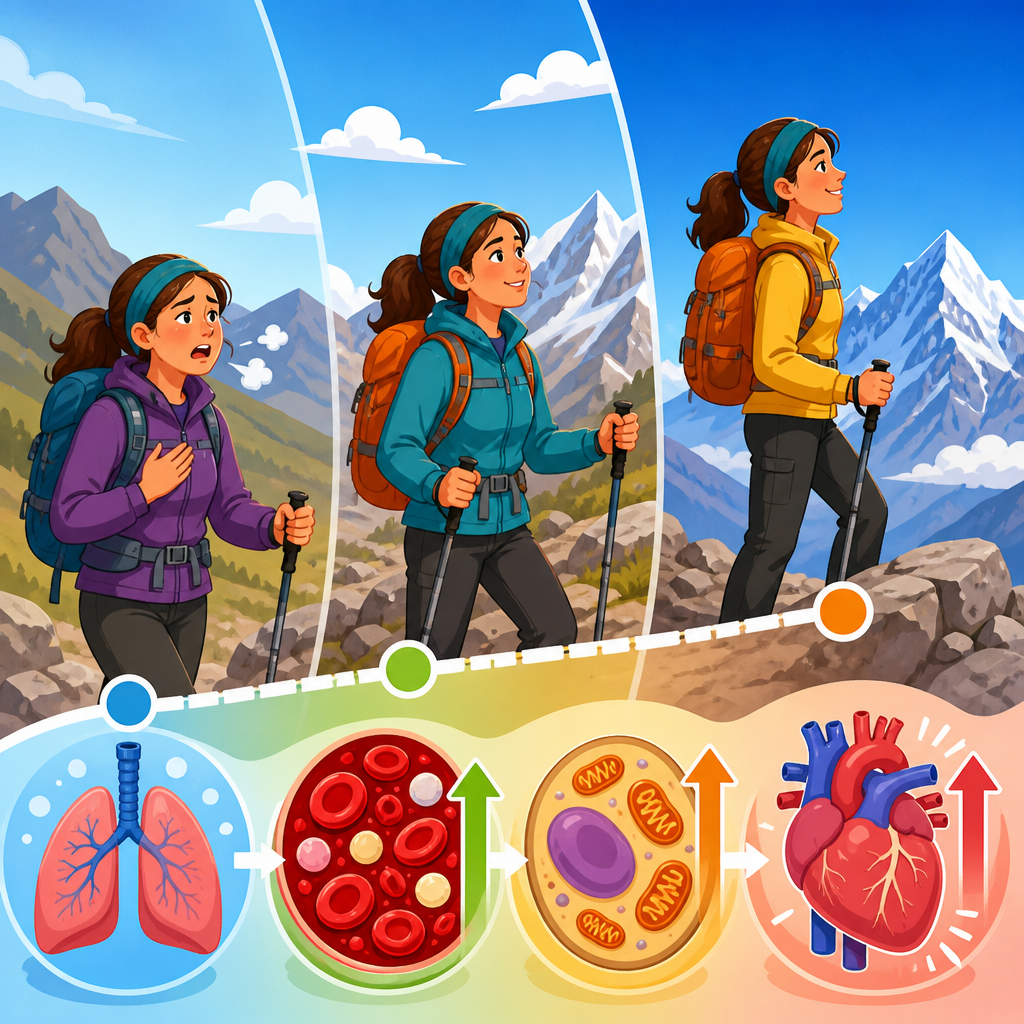
The defining fact of high-altitude living is that oxygen concentration in air remains about 21 percent, but air pressure falls as elevation rises, so each breath delivers fewer oxygen molecules. At sea level, barometric pressure averages about 760 millimeters of mercury. By 3,500 to 4,000 meters, that pressure drops sharply, reducing arterial oxygen saturation unless the body compensates. In practice, people breathe faster, produce more red blood cells, alter blood vessel function, and change acid-base balance through renal adjustment. New arrivals often experience acute mountain sickness, with headache, nausea, fatigue, poor sleep, and reduced appetite. Long-term residents may feel normal in daily life, but that does not mean altitude stops exerting biological force. It affects fetal growth, pulmonary artery pressure, and exercise ceiling even among populations with deep ancestry at elevation.
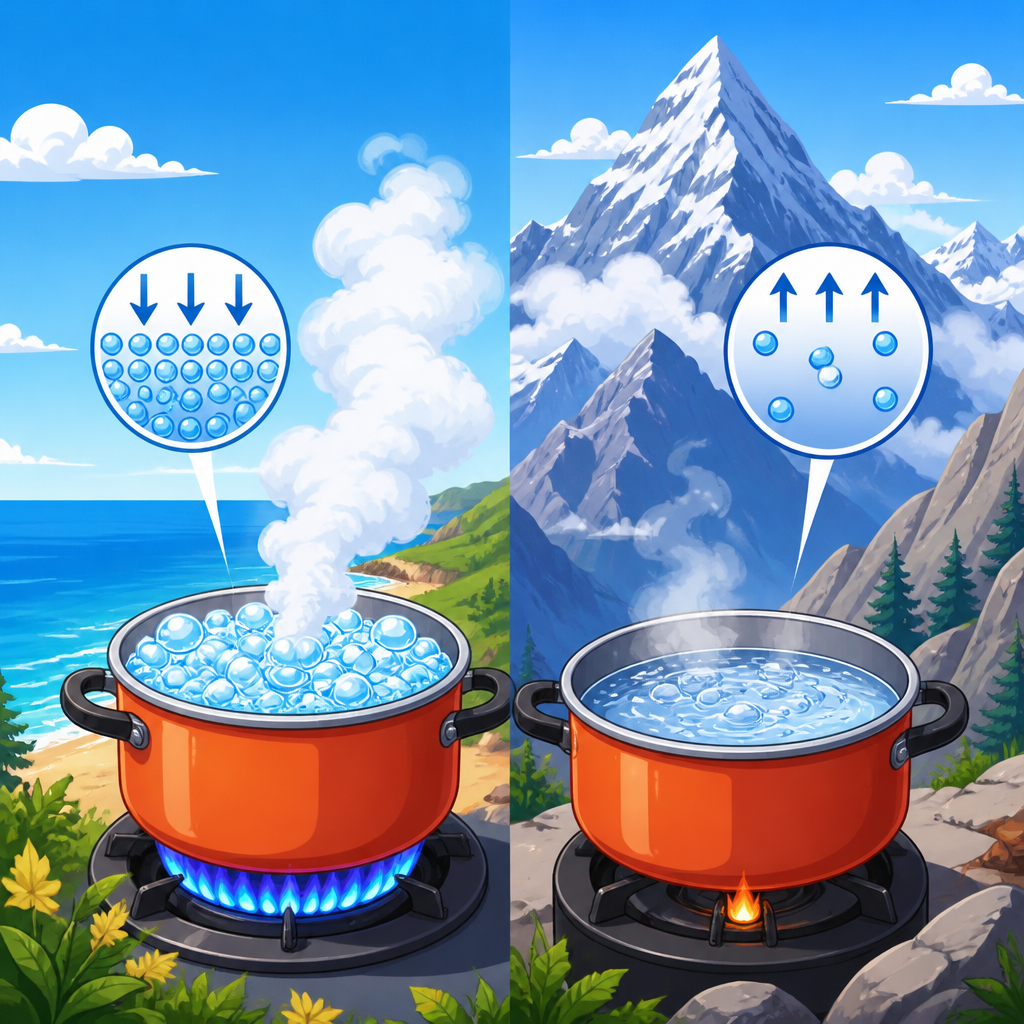
High altitude also changes infrastructure requirements. Water boils at lower temperatures, which affects cooking and sterilization. Ultraviolet radiation increases, raising skin and eye exposure. Frost, intense sun, thin soils, steep terrain, and freeze-thaw cycles complicate agriculture and construction. Transportation becomes more expensive because roads, rail, and aviation face terrain and weather constraints. Health systems must recognize altitude-specific conditions, including high-altitude pulmonary edema, high-altitude cerebral edema, and chronic mountain sickness, also called Monge’s disease in Andean contexts. The World Health Organization, CDC travel guidance, and mountain medicine societies all stress that acclimatization is not optional. Yet the built environment can either buffer those risks or magnify them. A city with reliable oxygen-equipped clinics, clean fuel, and insulated housing offers a very different altitude experience from one without sewage, regulated workplaces, or emergency care.
La Rinconada: extreme altitude without strong systems
La Rinconada is the starkest example of how dangerous high-altitude living becomes when biology, poverty, and extractive labor converge. Located in the Peruvian Andes near a glacier and generally placed around 5,100 meters above sea level, it sits far above the elevation where even fit visitors struggle. At that height, walking uphill can leave newcomers breathless within minutes, sleep is often fragmented, and simple infections become harder to tolerate. The town grew around artisanal and informal gold mining, drawing migrants with the promise of income despite brutal working conditions. One notorious labor arrangement, the cachorreo system, historically allowed miners to work unpaid for most of the month in exchange for keeping ore on a designated day, transferring enormous risk to workers and encouraging unsafe extraction.
What La Rinconada teaches first is that human settlement at extreme altitude is possible, but possibility is not the same as sustainability. Reports from journalists, health researchers, and Peruvian observers have repeatedly described inadequate sanitation, mercury contamination from gold processing, poor waste management, and limited access to formal healthcare. Cold temperatures, crowding, and smoke exposure from heating or cooking worsen respiratory stress that altitude already amplifies. In these conditions, chronic headaches, fatigue, sleep disturbance, and reduced work capacity are not isolated symptoms; they become part of the town’s operating environment. The lesson is clear: extreme altitude demands stronger systems than lowland towns, not weaker ones. Without environmental regulation, labor protections, and public health capacity, altitude turns every existing vulnerability into a sharper threat.
El Alto: altitude, migration, and urban power
El Alto shows a very different trajectory. Perched above La Paz on the Bolivian Altiplano at roughly 4,150 meters, it grew rapidly from peripheral settlement to one of Bolivia’s largest urban centers. Many residents are Aymara, and the city’s rise cannot be understood apart from Indigenous migration, informal entrepreneurship, transport links, and political mobilization. In practical terms, El Alto proves that a city at very high altitude can become economically dynamic and socially influential when people build dense commercial networks adapted to local realities. Markets, transport unions, family businesses, and manufacturing clusters all function within the constraints of thin air, cold nights, and strong solar radiation. Residents normalize tasks that visitors find draining, from carrying loads to climbing stairs, because lifelong exposure and community knowledge reshape what daily competence looks like.
El Alto also teaches that adaptation is social as well as physiological. Research on Andean populations has documented traits such as greater chest dimensions in some high-altitude groups and elevated hemoglobin responses compared with lowlanders, though these traits vary and can become harmful when blood grows too viscous. Public life in El Alto reflects generations of experience with plateau conditions: clothing, diet, work rhythms, and architecture all account for cold mornings, intense sun, and long travel distances. The city’s famous neo-Andean architecture, associated with builder Freddy Mamani, turns highland identity into visible urban form through color, symbolism, and celebration halls. At the same time, El Alto faces real constraints, including air pollution, water insecurity, and rapid-growth pressures. Its central lesson is that altitude does not prevent modern urban life; inequity and underinvestment are the bigger limits.
Lhasa: long-duration adaptation and sacred geography
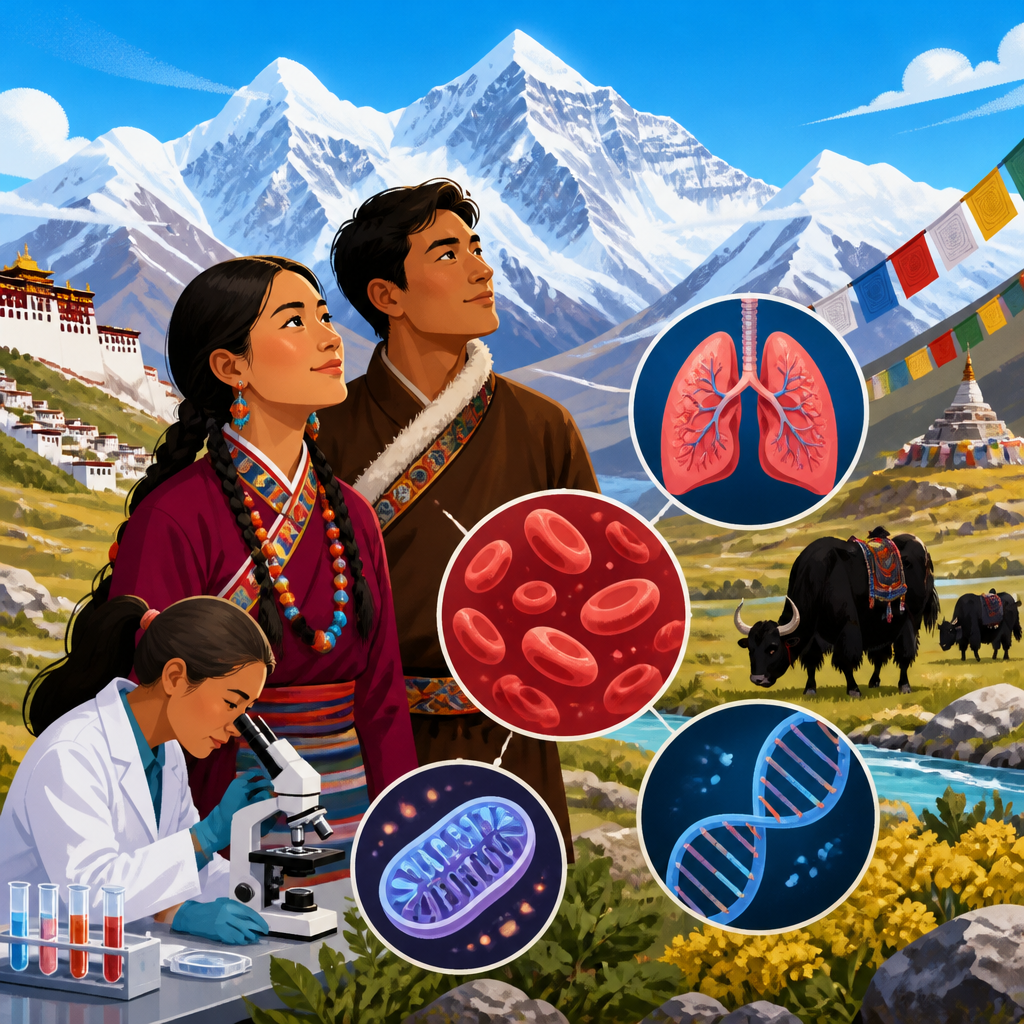
Lhasa, the historic heart of Tibet at about 3,650 meters, offers one of the world’s best-known examples of enduring high-altitude civilization. Unlike newer boomtowns, it developed through centuries of political, religious, and trading significance on the Tibetan Plateau. The science around Tibetan high-altitude adaptation is especially important because Tibetans often show a different physiological pattern from Andean highlanders. Studies of genes including EPAS1 and EGLN1 have linked Tibetan ancestry to adaptations that support oxygen delivery without the same degree of elevated hemoglobin seen in many other populations. In plain terms, many Tibetans maintain relatively efficient function in thin air while avoiding some of the blood-thickening costs associated with excessive red cell production. That distinction has become a landmark finding in human evolutionary biology.
Culturally, Lhasa demonstrates that altitude is not merely a medical variable; it is part of worldview and place-making. Sacred mountains, pilgrimage circuits, monastery life, yak-based pastoral traditions, butter tea, barley staples such as tsampa, and building forms suited to plateau light and cold all emerge from long interaction with elevation. Traditional Tibetan houses often use materials and layouts that conserve heat and manage sun exposure, while urban Lhasa blends those older patterns with roads, rail links, tourism, and state-led development. For visitors, the city is a reminder that acclimatization remains necessary even where generations have adapted. For scholars, Lhasa shows how biology and culture coevolve without collapsing into simplistic environmental determinism. The plateau shapes life, but religion, governance, migration, and modernization shape it too.
Leadville: medicine, sport, and a managed mountain town
Leadville represents a lower, but still consequential, tier of high-altitude living. At around 3,094 meters in Colorado’s Rocky Mountains, it is high enough for many sea-level visitors to notice shortness of breath, dehydration, poor sleep, and slower running times, yet low enough to support a highly organized modern town with broad U.S. institutional support. Founded in a mining boom, Leadville later became known for outdoor recreation and endurance sport, including the Leadville Trail 100 races. It therefore provides an unusually visible example of how altitude intersects with training, tourism, and public messaging. Sports medicine research consistently shows that maximal aerobic capacity declines with elevation for most people, and Leadville makes that reality tangible. Athletes learn quickly that pacing, hydration, iron status, and acclimatization plans matter more than bravado.
The town also shows what improved systems can do. Emergency services, road access, regulated housing, and connection to regional healthcare change the lived experience of altitude dramatically compared with remote settlements. Visitors are commonly advised to ascend gradually, limit alcohol early, monitor symptoms, and seek care if headache, vomiting, confusion, or breathlessness worsen. Those recommendations mirror Wilderness Medical Society guidance and standard mountain medicine practice. Leadville’s lesson is not that altitude is easy, but that risk becomes manageable when information, institutions, and infrastructure are in place. It is also a reminder that high-altitude identity can be economic and cultural rather than purely ancestral. Many residents are not multigenerational highlanders, yet they build routines, businesses, and civic life that work because the town plans around mountain conditions instead of pretending they do not exist.
What these four places reveal together
Comparing La Rinconada, El Alto, Lhasa, and Leadville reveals that high-altitude living depends on three interacting layers: human biology, social organization, and material systems. The biology sets nonnegotiable limits. No policy can eliminate hypoxia. But social organization determines who bears the heaviest burden, whether miners without protection, migrants in fast-growing peripheries, monks and merchants in a sacred capital, or athletes and service workers in a recreation economy. Material systems then decide whether those burdens are moderated or intensified through clinics, heating, roads, schools, sanitation, food supply, and labor rules. When readers ask what life is like at high altitude, the most accurate answer is comparative rather than romantic. It can be ingenious, vibrant, and healthy in some contexts, or exploitative and medically precarious in others.
| Place | Approximate elevation | Primary lesson | Key challenge |
|---|---|---|---|
| La Rinconada | 5,100 m | Extreme altitude magnifies weak governance | Mining hazards and poor sanitation |
| El Alto | 4,150 m | Urban resilience can flourish at elevation | Rapid growth and inequality |
| Lhasa | 3,650 m | Long-term adaptation links biology and culture | Balancing heritage with modernization |
| Leadville | 3,094 m | Managed systems reduce altitude risk | Visitor acclimatization and seasonal pressures |
These communities also serve as a hub for deeper topics across science and culture. From here, readers can branch into genetics of adaptation, chronic mountain sickness, maternal and infant health at elevation, Indigenous highland architecture, mining economies, pilgrimage landscapes, altitude training, and climate stress in mountain cities. The common thread is that altitude is never just a backdrop. It is an active force that reshapes metabolism, labor, politics, design, and belonging. If you want to understand high-altitude communities seriously, study not only the mountain but also the market, the clinic, the household, and the story a place tells about itself. Use these four cities as your starting map, then explore the wider high-altitude world with the same scientific curiosity and cultural respect.
Frequently Asked Questions
What do La Rinconada, El Alto, Lhasa, and Leadville reveal about the real meaning of high-altitude living?
Together, these four places show that high-altitude living is not one uniform lifestyle but a range of human adaptations to the same environmental constraint: less oxygen available with every breath. Once communities are established above about 2,500 meters, hypobaric hypoxia begins to shape daily life in visible and invisible ways. Physical exertion feels harder, sleep can become less stable, dehydration happens more easily, and cold stress often becomes a constant companion. Yet altitude alone does not determine quality of life. Geography, housing, healthcare access, food systems, transportation, employment, and local history all matter just as much.
La Rinconada in Peru demonstrates what happens when extreme altitude is combined with harsh weather, limited infrastructure, and an economy centered on mining. El Alto shows how a massive urban population can function at altitude while also facing the challenges of rapid growth, inequality, and political importance. Lhasa illustrates how a long-settled, culturally rich high-altitude city can develop institutions, architecture, and routines that fit life on the Tibetan Plateau. Leadville, by contrast, offers a North American example where altitude is important, but modern infrastructure, road access, and healthcare significantly change the experience. The core lesson is that altitude creates a physiological baseline, but society determines how manageable or difficult that baseline becomes.
How does lower oxygen at high altitude affect the body in everyday life?
At high elevation, the air still contains roughly the same percentage of oxygen as at sea level, but the barometric pressure is lower, so each breath delivers fewer oxygen molecules. That is why people often feel short of breath, tired, or lightheaded when they first arrive. In everyday life, this can affect everything from climbing stairs and carrying groceries to concentrating at work and sleeping through the night. Many people notice faster breathing, a higher resting heart rate, dry airways, headaches, and more frequent nighttime awakenings during acclimatization.
Longer term, the body responds in several ways. Breathing becomes more efficient, and over time some people produce more red blood cells to help transport oxygen. But adaptation is not identical everywhere or in everyone. Populations with deep multigenerational histories at altitude, including many Tibetan and Andean communities, may show different biological patterns that reflect long-term adaptation rather than just short-term acclimatization. Even so, living high up can continue to influence sleep quality, exercise capacity, pregnancy outcomes, appetite, and hydration needs. Cold temperatures can intensify these effects because the body is already working harder to maintain oxygen delivery and core temperature at the same time. In short, altitude is not simply a one-time adjustment; it becomes part of the body’s daily operating environment.
Why are these four cities so different if they all exist in oxygen-thin environments?
The major difference is that altitude is only one variable in a much larger equation. La Rinconada, El Alto, Lhasa, and Leadville each sit within distinct political systems, economies, cultural traditions, and built environments. That means people are not just adapting to thin air; they are adapting to local realities such as whether homes are insulated, whether clinics are accessible, whether roads stay open in winter, and whether livelihoods involve heavy physical labor. Two communities at similar elevations can feel completely different depending on sanitation, heating, nutrition, public health capacity, and economic stability.
La Rinconada is often discussed as an extreme case because very high elevation is paired with severe cold, crowding, and difficult living conditions. El Alto is different because it is a large urban center linked to broader regional commerce and politics, so high-altitude living unfolds within a dense metropolitan setting. Lhasa reflects centuries of habitation, where religion, architecture, and settlement patterns evolved in conversation with the plateau environment. Leadville shows how a high town can be integrated into a modern transportation and medical system that reduces many risks commonly associated with altitude. These contrasts make an important point for readers: hypoxia may be universal at elevation, but the lived experience of altitude is profoundly shaped by infrastructure and culture.
What do these places teach us about health, pregnancy, sleep, and exercise at high altitude?
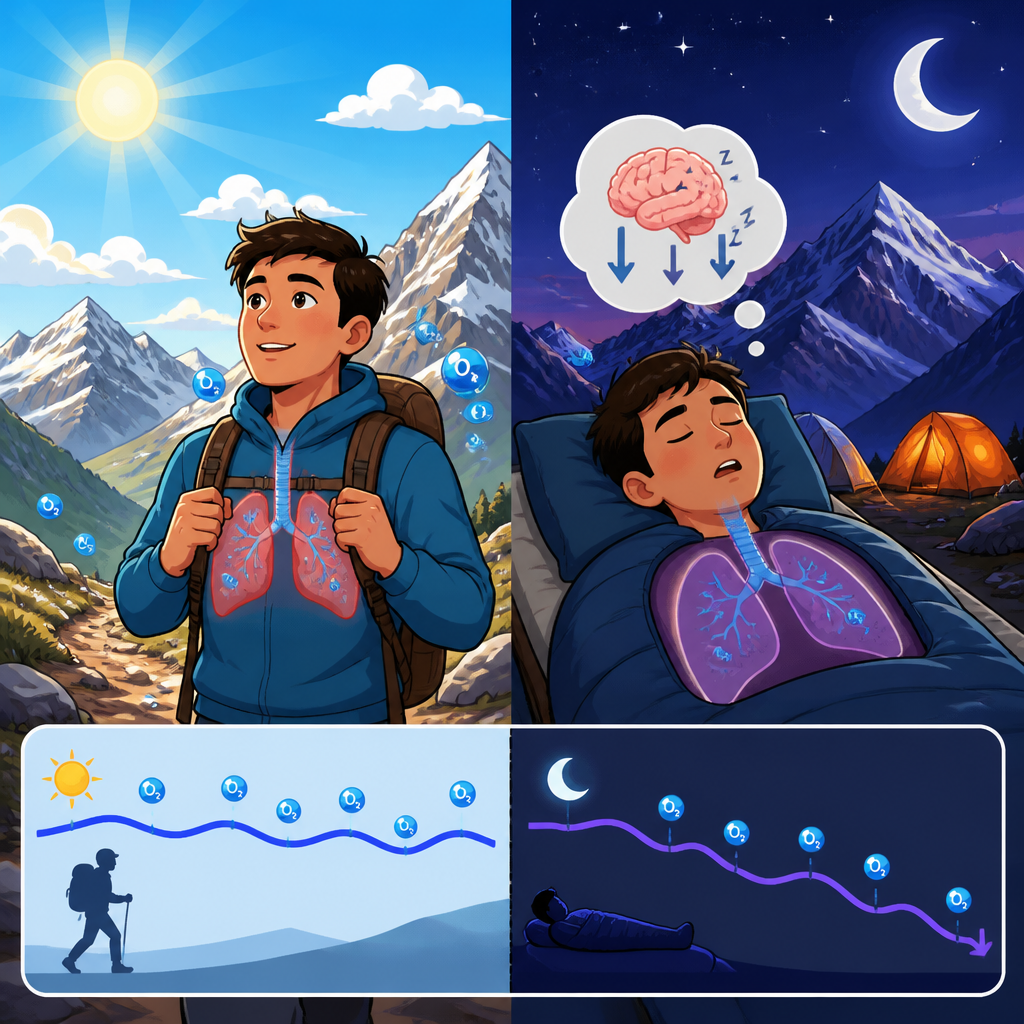
One of the clearest lessons is that high altitude can affect nearly every major system in the body, but the consequences depend on duration of exposure, individual biology, and community resources. Sleep often becomes more fragmented at elevation, especially for newcomers, because breathing patterns can become less stable overnight. Exercise feels harder because muscles receive less oxygen during exertion, which reduces endurance and delays recovery. Even routine tasks can become more physiologically demanding, especially in cold weather or on steep terrain.
Pregnancy is another area where altitude matters. Lower oxygen availability can influence fetal growth and maternal physiology, which is why high-altitude pregnancy has been studied so closely. However, long-resident populations may show protective patterns that differ from those seen in recent arrivals. The broader lesson from places like El Alto and Lhasa is that health outcomes are shaped not only by altitude biology but also by prenatal care, nutrition, clean water, heating, and access to hospitals. Similarly, the difference between strenuous labor in a place like La Rinconada and recreational or athletic exertion in a place like Leadville is enormous, even if both occur at elevation. So while altitude creates shared physiological pressures, practical health outcomes are determined by whether a community has the systems needed to support people living under those pressures every day.
What is the biggest takeaway for anyone trying to understand or prepare for life at high altitude?
The most important takeaway is that successful high-altitude living depends on respect for both biology and context. From a biological standpoint, people need time to acclimatize, realistic expectations about physical performance, careful hydration, attention to sleep, and awareness of warning signs such as severe headache, confusion, chest symptoms, or worsening breathlessness. But focusing on the body alone misses the larger truth shown by La Rinconada, El Alto, Lhasa, and Leadville: altitude becomes livable when communities build systems around it. Reliable housing, heating, transport, healthcare, nutrition, and social support can dramatically change what life above 2,500 meters feels like.
These four case studies also remind us that there is no single “high-altitude person” and no one-size-fits-all adaptation story. Some residents are multigenerational highlanders with inherited physiological advantages and deeply rooted cultural practices. Others are migrants, workers, or visitors still adjusting to thin air. Some live in resource-rich settings with modern medical backup, while others face extreme environmental stress with far fewer protections. Understanding high-altitude living, then, means looking beyond elevation figures alone. It means seeing how oxygen scarcity interacts with climate, labor, inequality, history, and resilience. That is the real lesson these places teach: humans can live remarkably high, but the quality of that life depends on far more than altitude itself.