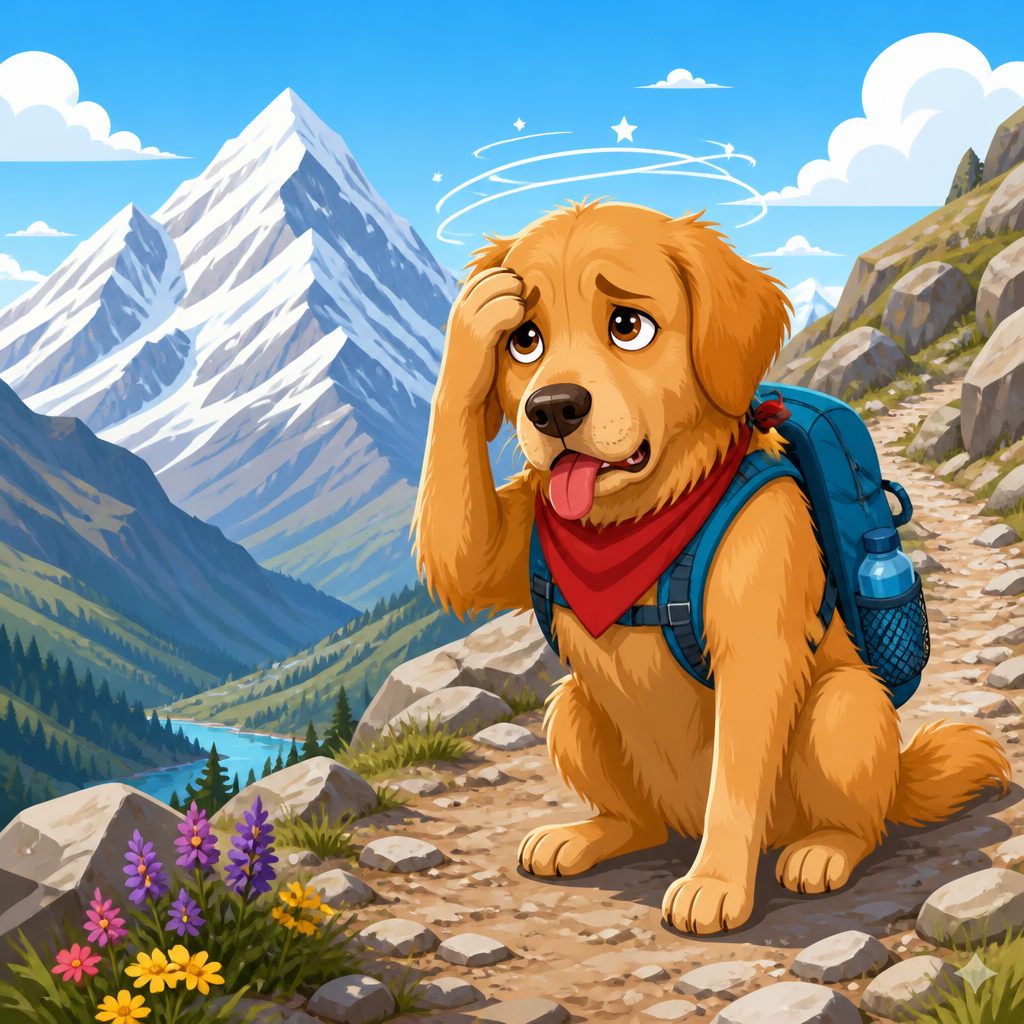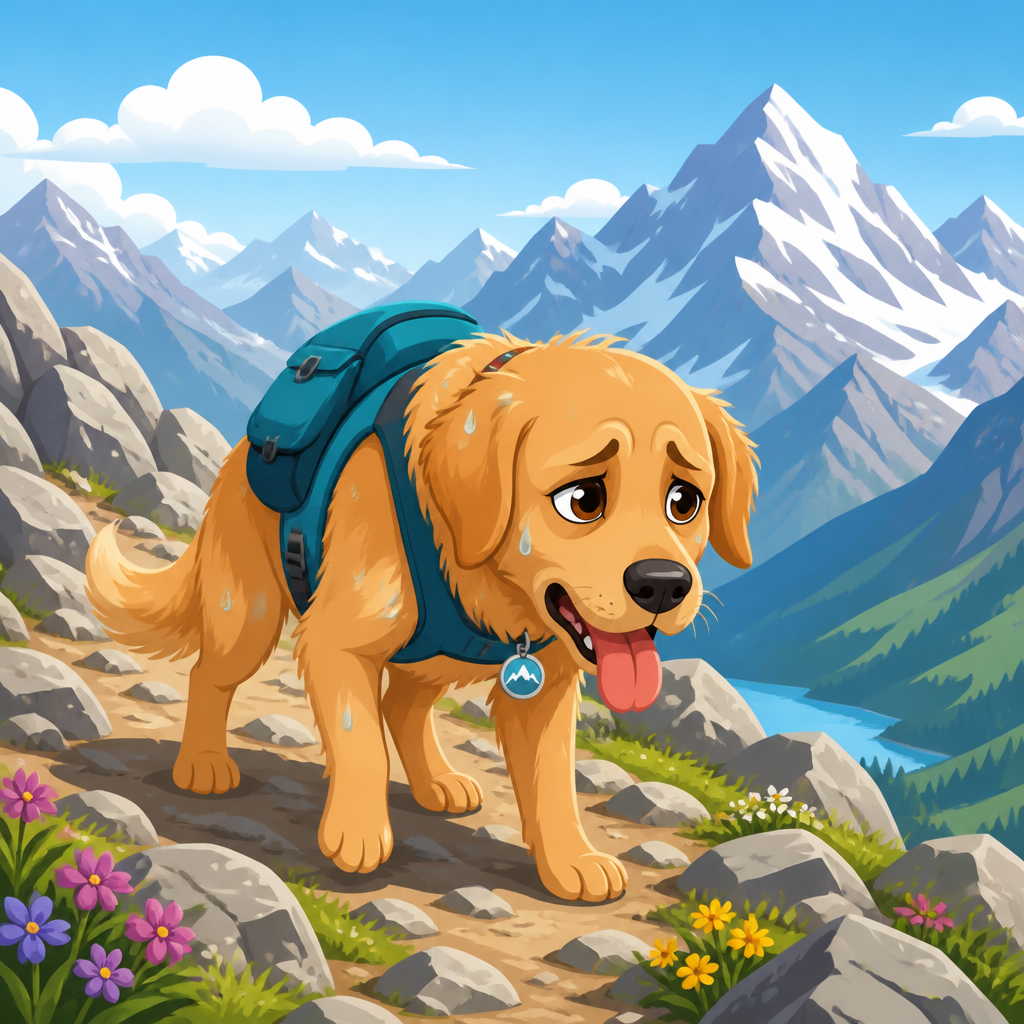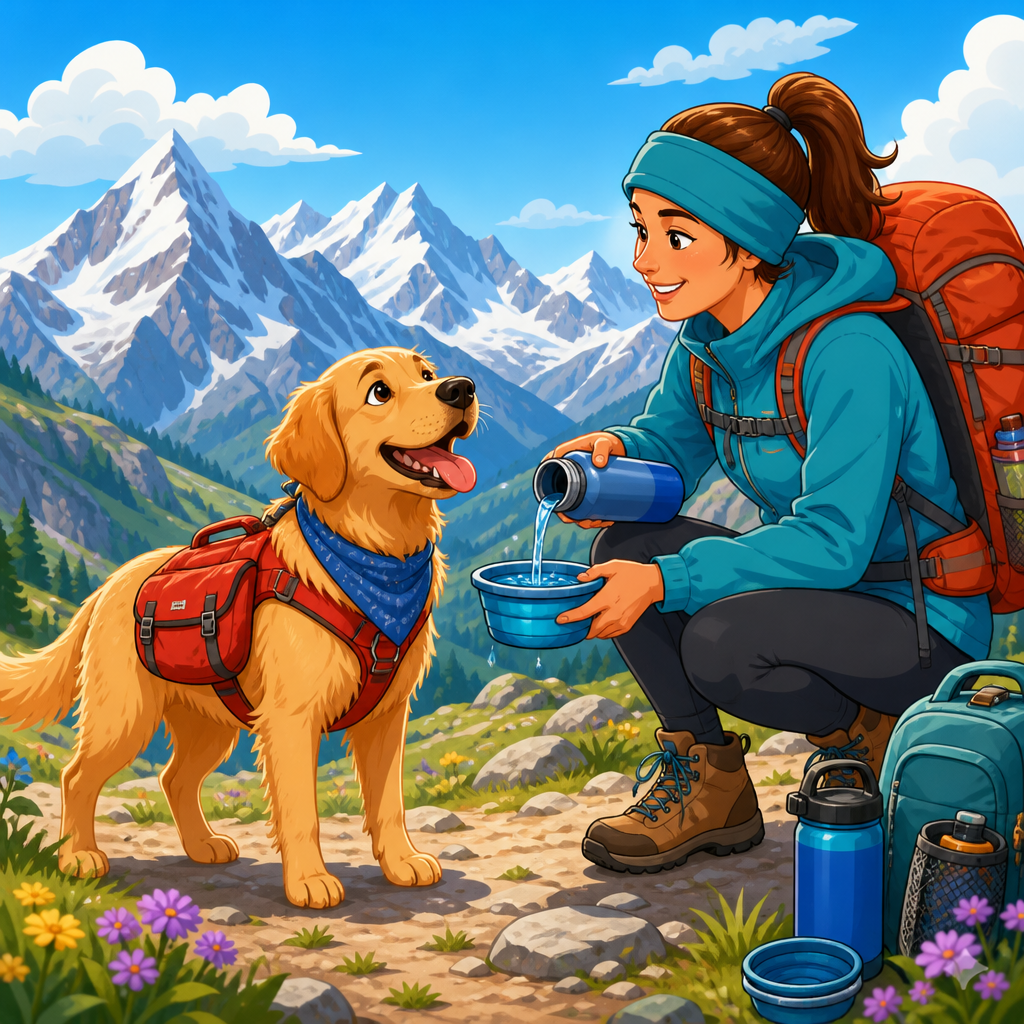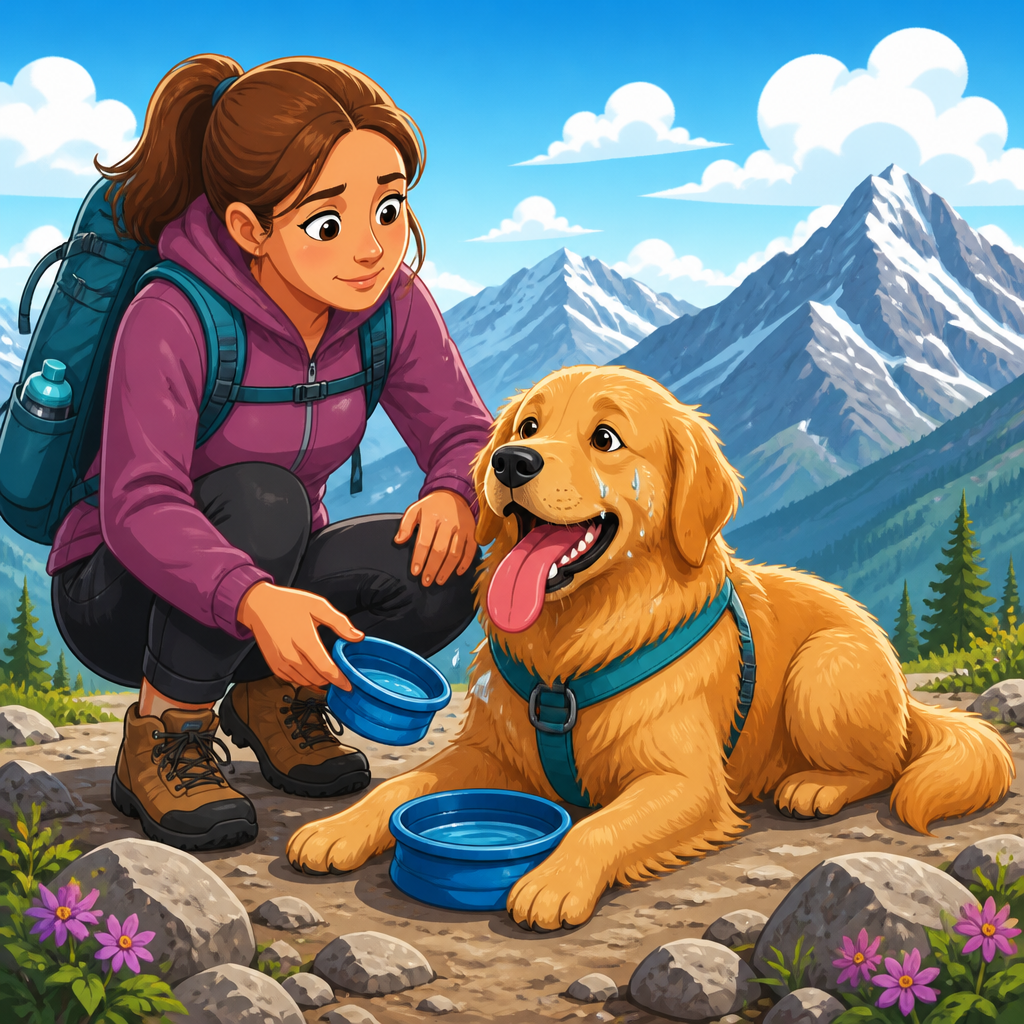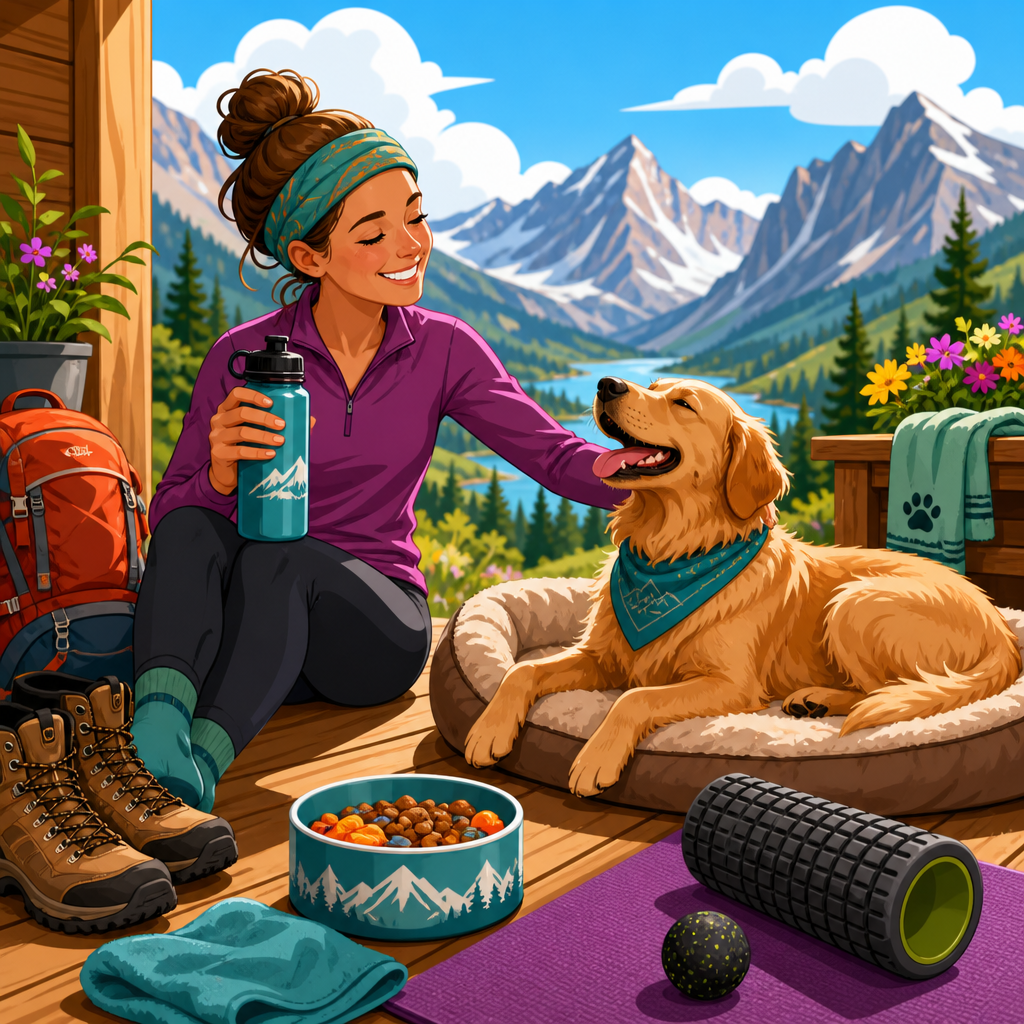
A big mountain day with your dog is one of the best outdoor experiences you can share, but the hours after the hike matter almost as much as the climb itself. A proper recovery routine helps prevent soreness, dehydration, paw injuries, digestive upset, and delayed fatigue, while also setting your dog up for stronger performance on the next outing. In practical terms, recovery means everything you do from the moment you return to the trailhead until your dog has fully rested: cooling down, rehydrating, feeding appropriately, checking for injuries, supporting sleep, and monitoring for trouble signs that may not show up during the hike.
When people talk about mountain dogs and hiking, they usually focus on gear, trail selection, weather, and training mileage. Those topics matter, but I have learned that recovery is where many otherwise capable dogs get into avoidable trouble. A fit dog can still overheat on descent, split a pad on rough granite, tighten up after repeated jumping, or drink too much water too quickly after exertion. Recovery is also the bridge between adventure and long-term joint health. Repeated stress without a smart routine can worsen inflammation in paws, wrists, shoulders, hips, and lower back, especially in active breeds such as Labrador Retrievers, Australian Shepherds, Border Collies, German Shorthaired Pointers, and mixed-breed trail dogs with high drive.
This hub article covers the full recovery process for hiking dogs after a demanding mountain day. It defines what counts as a “big” day, explains immediate post-hike priorities, outlines how to assess paws, muscles, hydration, and appetite, and shows how recovery changes with altitude, temperature, age, conditioning, and trail surface. It also works as a guide to the broader mountain dogs and hiking topic, because recovery cannot be separated from conditioning, nutrition, paw care, first aid, backpacking habits, and weather management. If you want a reliable dog hiking recovery routine, start with the principle that your dog needs a deliberate transition from effort to rest, not just a ride home and a full food bowl.
A big day usually means either longer duration, steeper elevation gain, hotter or colder conditions, rough terrain, higher altitude, or a pace that pushed your dog beyond ordinary neighborhood exercise. For one dog that may be six miles with 2,500 feet of climbing; for another it may be twelve miles on rolling forest trail. The right recovery routine is individualized, but the framework is consistent. First, lower the dog’s physical and thermal stress gradually. Second, restore fluids and energy without overloading the stomach. Third, inspect for small issues before they become major ones. Fourth, create an environment that promotes deep rest. Fifth, watch for delayed symptoms over the next twenty-four hours. If you handle those five steps well, your dog is more likely to stay healthy, eager, and trail-ready throughout the season.
Start with the first thirty minutes after the hike
The first half hour after a hard mountain hike is the highest-value recovery window because your dog is still carrying heat, elevated heart rate, and muscular fatigue. Do not toss your dog directly into the car, offer a huge meal, or assume that stopping movement means recovery is complete. Instead, walk slowly for five to ten minutes on flat ground if available. This cool-down helps circulation normalize and reduces the sudden stop that can leave a hard-working dog stiff once adrenaline drops.
Then focus on temperature control. If conditions were warm, move your dog into shade, remove the harness or backpack, and allow steady panting to decrease. Use cool water, not ice-cold water, on the groin, armpits, paws, and belly if the dog feels hot. Ice baths are unnecessary and can be counterproductive because intense cold can constrict surface blood vessels. If the weather was cold or wet, drying the coat is the priority. Dogs lose heat quickly when wind hits a damp undercoat, especially after fatigue lowers their ability to thermoregulate.
Offer small amounts of water first. In practice, I prefer repeated short drinks over one frantic session at the bowl. Most healthy dogs regulate this fine, but after very hard exertion some will gulp until they vomit. Let them drink, pause, and drink again. If the dog is experienced on mountain trails, you can also offer a few bites of an easy-to-digest snack before the drive home, especially if the hike was long and the next full meal will be delayed.
Hydration, food, and electrolyte balance
Rehydration after hiking is more than replacing obvious thirst. Dogs lose water through panting, and the loss climbs sharply in dry air, direct sun, and high-output climbing. At altitude, many dogs also pant harder because of exertion and lower oxygen pressure. The solution is simple but often mishandled: provide free access to water, monitor intake, and return to normal feeding in stages.
For most dogs, the best post-hike meal is not immediate. Wait until breathing has normalized and the dog appears settled, typically thirty to ninety minutes after the hike depending on intensity. Feeding a very large meal right after strenuous exercise is not ideal, particularly for deep-chested breeds already at higher risk of gastric dilatation-volvulus. A moderate portion of the dog’s regular food is usually the safest choice. Rich treats, greasy table scraps, and abrupt diet changes are common reasons dogs develop diarrhea after an otherwise successful adventure.
Electrolytes are frequently misunderstood. Most healthy dogs on commercial complete diets do not need sports-drink style supplementation after a day hike. Human electrolyte products can contain inappropriate sodium levels, sweeteners, or other additives. In unusual cases involving prolonged exertion, heat exposure, or veterinary guidance for a canine athlete, targeted products formulated for dogs may help, but water and normal meals remain the foundation. The goal is steady replacement, not aggressive intervention.
If your dog refuses water, has tacky gums, remains lethargic, or produces very dark urine once home, treat that as a warning sign. Dehydration is not always dramatic on the trail. I have seen dogs act excited at the car yet appear flat an hour later once stimulation fades. That delayed slump is exactly why hydration monitoring belongs in every dog hiking recovery routine.
Paw care, skin checks, and hidden trail damage
Paws are the most commonly overlooked source of post-hike problems. A dog can finish a big mountain day on pure enthusiasm while carrying a torn nail, an abraded pad, or a thorn embedded between the toes. Once home, do a methodical paw inspection in good light. Spread every toe, check each nail including dewclaws, look for worn pad edges, and feel for heat, swelling, or tenderness. On rocky routes, pad abrasion often shows up as smooth shiny areas before it becomes a raw flap.
Also inspect the lower legs, armpits, belly, groin, ears, and face. Foxtails, burrs, ticks, resin, and fine gravel can hide in fur and cause irritation later. If your dog wore boots, do not assume the paws are automatically fine. Boots reduce abrasion but can trap grit, twist, or rub at the dewclaw if the fit is off. Harnesses can also create hotspots at the sternum and behind the elbows, particularly when a wet coat and repeated downhill movement increase friction.
Minor trail damage often responds well to cleaning, drying, and rest. Rinse dirty paws with lukewarm water, pat dry, and keep your dog off rough surfaces for the evening if pads look worn. For small superficial scrapes, basic first aid supplies are usually enough, but deeper cuts, a split nail into the quick, persistent bleeding, limping, or foreign material lodged in tissue warrant veterinary attention. The advantage of checking carefully on the same day is that small injuries are easier to treat before inflammation escalates overnight.
Muscle recovery, joint support, and the next-day check
Mountain descents create a different kind of fatigue than steady climbing. Dogs use braking muscles repeatedly on the way down, and that eccentric loading can leave them sore the next day even if they looked strong on trail. Watch how your dog rises from lying down, turns corners, jumps into the car, and handles stairs. Subtle stiffness often appears after rest periods, not during motion.
Gentle activity is better than complete immobility for most healthy dogs after a hard hike. A short leash walk later in the day or the next morning can reduce stiffness, whereas an all-day sprint at the dog park usually makes recovery worse. If your dog already has arthritis, previous cruciate injury, hip dysplasia, or chronic shoulder strain, discuss a mountain-specific conditioning and recovery plan with your veterinarian. Many active dogs benefit from structured strength work, traction awareness on slippery surfaces, and body-weight management more than from any supplement.
Joint supplements such as glucosamine, chondroitin sulfate, omega-3 fatty acids, green-lipped mussel, or undenatured type II collagen may support some dogs, but they are not substitutes for conditioning, pacing, and veterinary diagnosis. Evidence quality varies by product. The most dependable approach is to treat supplements as supportive tools, not magic fixes. If your dog shows marked soreness, limping, reluctance to bear weight, back sensitivity, or vocalization, skip home experimentation and get a professional assessment.
| Recovery area | What to check | Normal response | Red flag |
|---|---|---|---|
| Hydration | Water intake, gum moisture, urine color | Drinks steadily, gums moist, urine light yellow | Refuses water, tacky gums, very dark urine |
| Paws | Pads, nails, between toes | No swelling, no pain, minor surface wear only | Limping, torn pad, split nail, embedded debris |
| Muscles and joints | Rising, stairs, jumping, gait | Mild temporary stiffness, improves with easy movement | Persistent lameness, shaking, refusal to move |
| Temperature and breathing | Panting, body heat, recovery time | Settles within a reasonable period in shade or warmth | Continued heavy panting, collapse, disorientation |
| Appetite and digestion | Interest in food, vomiting, stool quality | Returns to normal appetite after settling | Repeated vomiting, bloating, diarrhea, abdominal pain |
Breed, age, coat, and condition change the routine
Not every hiking dog recovers the same way. Young, driven dogs often hide fatigue, while seniors may look comfortable until they cool down and stiffen. Double-coated breeds can retain heat long after the hike ends, brachycephalic dogs have narrower safety margins in warm weather, and giant breeds may need more careful management around meal timing and impact. A lean, conditioned dog usually recovers faster than an overweight dog with the same trail mileage, because every pound adds load to joints and increases heat production.
Conditioning history matters more than breed reputation. A Bernese Mountain Dog may be built for cool-weather hauling, but an undertrained individual can still struggle on steep terrain. A mixed-breed rescue with modest conformation may thrive if gradually conditioned over months. I plan recovery based on the dog in front of me: recent mileage, weather adaptation, trail surface exposure, age, orthopedic history, and behavior after previous outings. That same individualized approach should guide your mountain dogs and hiking decisions all season.
Sleep is another factor owners underestimate. After a strenuous mountain day, many dogs need a quiet environment with minimal interruptions, predictable access to water, and freedom from rough play with other dogs or children. Deep sleep is part of tissue repair. If your dog paces, cannot settle, pants indoors long after cooling down, or repeatedly changes position as if uncomfortable, that is useful information, not just restlessness.
When to call the veterinarian and how this hub supports safer hiking
Some post-hike issues are simple fatigue; others need immediate care. Contact a veterinarian promptly if your dog shows collapse, pale gums, unproductive retching, abdominal distension, repeated vomiting, severe diarrhea, confusion, inability to stand, ongoing heavy panting in cool conditions, bloody urine, obvious heat injury, or non-weight-bearing lameness. For paw wounds, eye irritation from debris, porcupine quills, snakebite concerns, or suspected altitude-related problems, same-day advice is the right move. Waiting overnight can turn a manageable issue into an emergency.
As the hub for mountain dogs and hiking, this article connects recovery to every other decision you make outdoors. Good recovery starts before the hike with conditioning, realistic mileage, nail maintenance, paw toughening, weather planning, water strategy, and an appropriately fitted harness or pack. It continues with trail habits such as pacing your dog on descents, building rest stops into long climbs, and avoiding the common mistake of letting a highly motivated dog outrun its conditioning. In a complete mountain-dog program, recovery is not an afterthought; it is the quality-control system that tells you whether your planning worked.
The best recovery routine after a big mountain day with your dog is deliberate, calm, and repeatable. Cool down gradually, rehydrate in controlled stages, feed once your dog has settled, inspect paws and skin carefully, encourage quiet rest, and reassess movement the next day. Those steps catch early problems, improve comfort, and protect long-term trail health. Most important, they let your dog keep doing what it loves with a lower risk of preventable setbacks. Use this guide as your baseline, adapt it to your dog’s age and trail history, and build the habit after every demanding outing. Consistent recovery is what turns occasional hikes into a sustainable mountain life together.
Frequently Asked Questions
What should I do with my dog immediately after finishing a big mountain hike?
Start with a calm, structured cooldown rather than letting your dog collapse in the car right away. Give your dog a few easy minutes of slow walking on level ground so breathing and heart rate can come down gradually. This helps the body transition out of hard effort and can reduce stiffness later. Once your dog has settled a bit, offer small amounts of water instead of encouraging long, frantic drinking all at once. Many dogs finish a hike overheated and thirsty, but gulping too much too fast can contribute to stomach upset.
Next, do a quick full-body check before you leave the trailhead. Look at the paws first, especially the pads, the skin between the toes, and around the nails, where small cuts, embedded grit, burrs, or signs of abrasion often hide. Run your hands over the legs, shoulders, back, and belly to look for tenderness, swelling, scrapes, ticks, or plant material stuck in the coat. If your dog was wearing a harness or pack, check the contact points for rubbing under the chest, behind the elbows, and along the shoulders. This is also the right time to remove wet gear, dry your dog if needed, and prevent a post-hike chill, especially in cool, windy, or high-altitude conditions.
Once you’re home or back at camp, continue the recovery routine with rest in a quiet, comfortable area. A soft place to lie down, access to fresh water, and a calm environment matter more than extra activity. Skip rough play, ball chasing, or another long walk. The immediate goal is simple: lower exertion gradually, identify any developing injuries early, and help your dog begin rehydrating and relaxing without overloading the stomach or joints.
How much water and food should my dog have after a long mountain day?
After a big effort, rehydration should be steady and controlled. Offer fresh water in smaller portions over the first hour rather than letting your dog drink an entire bowl in one go. Most dogs do best when they can sip, pause, and return for more. If your dog is panting heavily, still very warm, or seems overly eager to drink, slow the process down by offering measured amounts every few minutes. This helps reduce the risk of vomiting and gives the body time to absorb fluids more efficiently.
Food is best handled with similar restraint at first. Right after strenuous exercise, many dogs benefit from a short settling period before eating a full meal. Once breathing is normal and your dog is calm, you can offer a modest portion of their usual food. For some dogs, especially after a very demanding hike, splitting dinner into two smaller meals works better than one large serving. This is particularly helpful for dogs prone to digestive upset. Avoid rich treats, unfamiliar snacks, or a huge celebratory meal, since heavy feeding after intense exertion can lead to nausea, loose stool, or discomfort.
If the mountain day was especially long, hot, or strenuous, keep an eye on hydration over the rest of the evening and into the next day. Your dog should continue drinking normally, urinating regularly, and showing a return to normal energy. Signs that warrant more attention include persistent lethargy, refusal to drink, repeated vomiting, dry gums, or unusual weakness. In general, think of post-hike nutrition as a recovery process, not a single event: gradual water intake, an easy return to regular meals, and close observation of how your dog responds.
How can I tell whether my dog’s paws, muscles, or joints are too sore after the hike?
A little fatigue is normal after a major mountain outing, but you want to distinguish healthy tiredness from meaningful soreness or injury. Mild fatigue usually looks like longer naps, slower movement when getting up, and less interest in extra activity that evening. Concerning signs include limping, repeated licking of one paw or joint, reluctance to jump into the car, stiffness that gets worse instead of better, or hesitation on stairs the next morning. Watch how your dog moves after a period of rest, since soreness often becomes more obvious once the body cools down.
Paw soreness is one of the most common issues after rocky, steep, or high-mileage days. Inspect each pad for worn spots, cracks, blisters, redness, or peeling. Check between the toes for hidden abrasions, seeds, thorns, or small stones. Dogs with pad damage may walk gingerly, shift weight frequently, or avoid rough surfaces. For muscle fatigue, gently feel the shoulders, thighs, and lower back. If your dog flinches, turns to look, tenses up, or resists touch in a specific area, that can suggest overuse or strain. Joint discomfort may show up as stiffness after lying down, awkward turns, shortened stride length, or difficulty settling into a comfortable position.
Minor soreness often improves with rest, reduced activity, good hydration, and close monitoring over the next 24 to 48 hours. However, persistent limping, swelling, heat in a joint, a torn paw pad, or pain that clearly interferes with normal movement should not be ignored. In those cases, a veterinarian should evaluate your dog before you assume it is just post-hike fatigue. Prompt attention can prevent a small issue from becoming a larger setback.
Should I bathe my dog after a mountain hike, or is a quick cleanup enough?
Most of the time, a thorough spot-clean and inspection is better than a full bath immediately after a hard day in the mountains. A complete bath can be useful if your dog got into mud, algae, salt, or something irritating, but many dogs only need their paws, belly, and lower legs cleaned. The main priority is removing grit, trail debris, and anything that could continue irritating the skin. Use lukewarm water, keep the cleanup gentle, and dry your dog well afterward, especially in cooler weather or if your dog has a dense coat that holds moisture.
Focus on the areas that take the most trail abuse. Rinse or wipe the paws carefully, spread the toes to remove dirt and seeds, and dry between the pads. Wipe the belly and chest if your dog moved through brush, wet grass, or dusty terrain. Check the ears if your route involved water crossings or windblown debris, and run your hands through the coat to look for burrs, ticks, or hidden scratches. If your dog wore booties, a harness, or a backpack, inspect the skin underneath those pressure points before deciding you’re done.
Save the full bath for when it truly adds value. Overbathing can dry the skin and coat, and a tired dog may not appreciate a long grooming session right after a demanding outing. If your dog is clean enough, comfortable, and free of trail debris, a quick cleanup followed by rest is often the smarter recovery choice. The key is not cosmetic cleanliness. It is making sure the skin, paws, and coat are free from anything that could cause irritation or delay recovery overnight.
How much rest does my dog need the day after a big mountain adventure?
Most dogs benefit from a genuine recovery day after a strenuous mountain outing, and some need longer depending on age, fitness, terrain, weather, and total mileage. A recovery day does not mean complete confinement for every dog, but it does mean intentionally reducing physical demands. Replace another big hike, hard run, or intense play session with short leash walks for bathroom breaks and gentle movement. This allows circulation to support recovery without adding more strain to tired muscles, paws, and joints.
Watch your dog’s behavior instead of following a rigid formula. A well-recovered dog gradually returns to normal posture, appetite, coordination, and enthusiasm. A dog that still seems heavy-legged, stiff, unusually quiet, or reluctant to move likely needs more downtime. Senior dogs, young dogs still developing, and dogs new to mountain travel often need more recovery than highly conditioned adult trail dogs. The same is true after especially steep descents, hot weather, rough rock, deep snow, or long technical days that demand more balance and impact control.
The best approach is to treat recovery as part of training, not a break from it. Quality rest helps the body adapt, rebuild, and come back stronger for the next adventure. That means sleep, hydration, normal meals, light movement, and continued monitoring for delayed soreness or paw issues. If your dog bounces back quickly, great. If not, give recovery the same respect you gave the hike itself. In the long run, consistent rest days are one of the most effective ways to protect your dog’s soundness, comfort, and long-term mountain fitness.