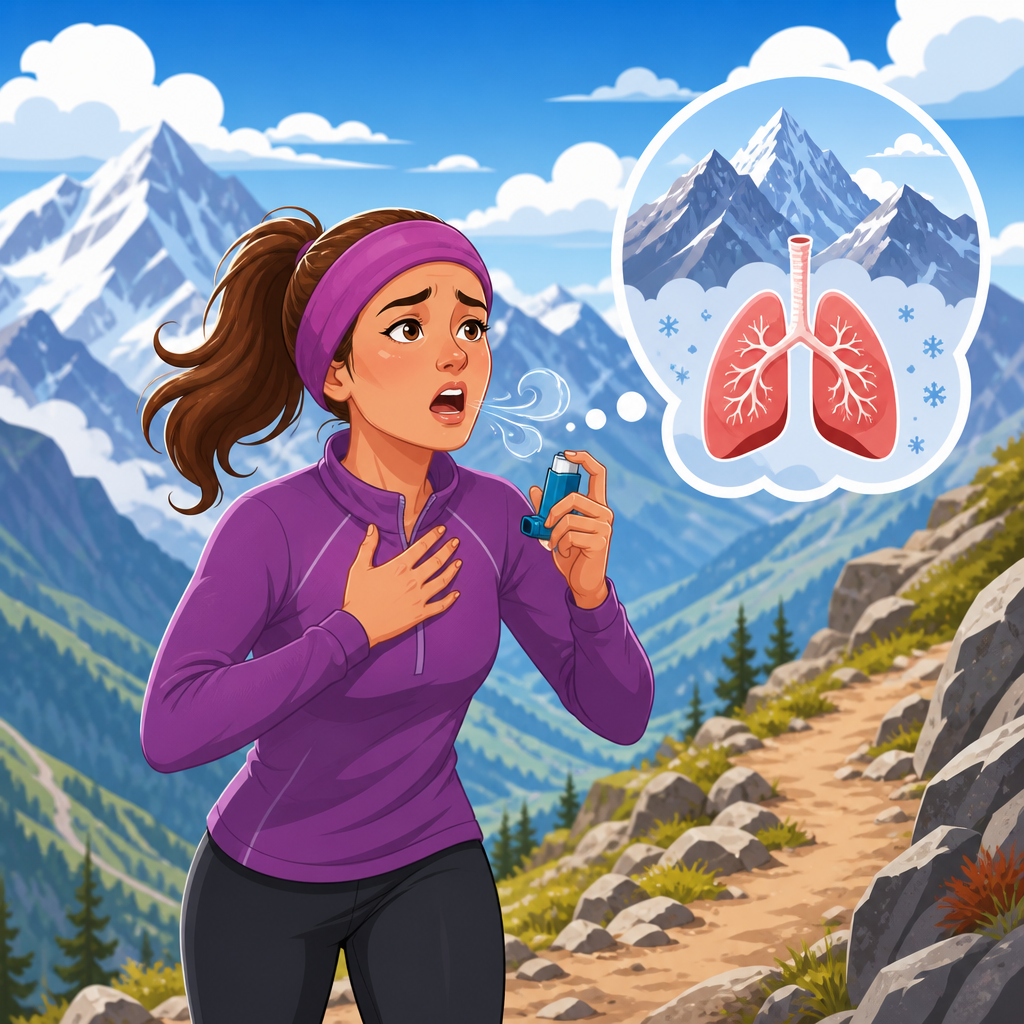
Travelers with preexisting conditions often focus on passports, packing, and insurance, yet the most important preparation for altitude travel usually happens in a clinic weeks before departure. Altitude changes oxygen pressure, stresses the heart and lungs, alters sleep, appetite, hydration, and medication response, and exposes weaknesses in a care plan that may seem stable at sea level. By altitude, doctors generally mean elevations above 1,500 meters, with more noticeable physiologic effects above 2,500 meters and substantially higher risk during rapid ascent beyond 3,500 meters. Preexisting conditions include chronic lung disease, coronary artery disease, heart failure, arrhythmias, pulmonary hypertension, sleep apnea, diabetes, anemia, kidney disease, prior stroke, and any condition managed with ongoing medication or medical equipment. In practice, pre-trip medical planning means evaluating fitness for ascent, adjusting medicines, arranging monitoring, building contingency plans, and deciding when not to go. I have seen preventable problems repeatedly: a traveler with controlled COPD who forgot to test portable oxygen equipment before flying, a hiker with coronary disease who trained hard but never reviewed acetazolamide interactions, and a family who assumed a child’s asthma inhaler plan at home would work unchanged at 3,000 meters. Doctors wish travelers knew that altitude is not automatically off-limits, but it is never neutral. Good planning reduces avoidable emergencies, protects trip investment, and helps people choose safer itineraries, slower ascent profiles, and realistic activity levels without unnecessary fear.
Why altitude changes the medical equation
At altitude, the percentage of oxygen in air remains about 21 percent, but barometric pressure falls, so each breath delivers less oxygen to the bloodstream. The body responds with faster breathing, increased heart rate, fluid shifts, mild dehydration, and changes in sleep architecture. These responses are normal, yet they can aggravate chronic disease. Someone with asthma may find cold, dry air provokes bronchospasm. A traveler with coronary artery disease may tolerate moderate exercise at home but develop chest discomfort when hiking uphill at 3,200 meters because the heart must work harder while receiving less oxygen. Patients with pulmonary hypertension are at special risk because hypoxia constricts pulmonary vessels and can sharply increase pulmonary artery pressure.
Altitude illness also overlaps with chronic disease in confusing ways. Acute mountain sickness commonly causes headache, nausea, fatigue, and poor sleep. Those same symptoms can resemble viral illness, dehydration, medication side effects, low blood sugar, or worsening heart failure. Higher-stakes conditions such as high-altitude pulmonary edema and high-altitude cerebral edema can initially look subtle, especially in older travelers who attribute breathlessness or confusion to exertion. Pre-trip planning matters because a doctor can define what symptoms are expected, what symptoms require immediate descent, and what baseline measurements, such as resting oxygen saturation or exercise tolerance, should be documented before departure.
Risk rises with higher sleeping altitude, faster ascent, prior history of altitude illness, heavy exertion on arrival, and limited access to medical care. Destinations matter. Cusco sits around 3,400 meters, La Paz over 3,600, Everest Base Camp around 5,300, while many ski towns and Andean or Rocky Mountain routes combine altitude with cold exposure, alcohol, poor sleep, and remote terrain. Doctors wish travelers understood one basic principle: itinerary is a medical intervention. Sleeping one extra night at an intermediate elevation often does more for safety than buying another piece of gear.
Who needs a pre-trip altitude consultation
Not every traveler needs specialist review, but many should have at least a focused visit with their primary clinician four to eight weeks before travel. Anyone with chronic lung disease, known heart disease, pulmonary hypertension, prior blood clot, obstructive sleep apnea, insulin-treated diabetes, chronic kidney disease, sickle cell disease, significant anemia, seizure disorder, or a history of severe altitude illness deserves tailored planning. Pregnant travelers, older adults with multiple conditions, and people using oxygen, CPAP, anticoagulants, diuretics, or biologic medications should not rely on generic advice from tour operators or internet forums.
Doctors typically want a current medication list, recent clinic notes, baseline oxygen saturation if available, and specific trip details: maximum altitude, daily sleeping elevations, trekking pace, remoteness, temperature, and whether evacuation is realistic. I ask about previous altitude exposure because history is predictive. Someone who developed high-altitude pulmonary edema before has a meaningful recurrence risk, especially with similar rapid ascent. Conversely, a traveler who has repeatedly done well at 2,800 meters still cannot assume safety at 4,500 meters, but prior tolerance helps frame discussion.
A strong pre-trip consultation answers practical questions directly. Is this itinerary safe? Do I need testing? Should I bring oxygen? Can I use acetazolamide with my kidney function or sulfa allergy history? What should my travel companions watch for? Can I dive after trekking at altitude, or ski hard the first day? Clear answers allow realistic decisions before money is spent on nonrefundable logistics.
What clinicians evaluate before clearing altitude travel
Medical clearance is not a rubber stamp. The clinician’s job is to estimate how reduced oxygen pressure and exertion will interact with known disease, then identify modifiable risks. For lung disease, that may mean reviewing spirometry, recent exacerbations, inhaler technique, vaccination status, and whether symptoms are stable enough for travel. For cardiac patients, it often involves recent stress tolerance, symptom burden, fluid status, ejection fraction where relevant, and whether chest pain, syncope, or palpitations are fully evaluated. For sleep apnea, the focus may be CPAP adherence, power access, and the fact that periodic breathing often worsens at altitude.
Testing is individualized. Some travelers need nothing beyond history and exam. Others benefit from spirometry, complete blood count to assess anemia, metabolic panel for renal function before acetazolamide, ECG, echocardiography, or formal exercise testing. Pulse oximetry at rest is useful but limited. A normal saturation at sea level does not guarantee performance at 3,500 meters. In some respiratory practices, clinicians use hypoxia altitude simulation testing for patients with severe COPD, interstitial lung disease, or those already on oxygen, especially when air travel and destination altitude combine to create uncertainty. The British Thoracic Society and aviation medicine guidance are often helpful references when planning in-flight oxygen or destination oxygen needs.
The key point is stability. A traveler whose disease has been stable for months usually has more options than someone recently hospitalized, newly diagnosed, or still undergoing medication changes. Doctors wish travelers knew that the worst time to test a fragile care plan is in a remote lodge several hours from the nearest clinic.
Medication, equipment, and documentation planning
Most altitude problems are worsened, not solved, by disorganized medication planning. Travelers should carry enough prescription medicine for the full trip plus extra for delays, keep drugs in original labeled containers, and split supplies between carry-on bags when possible. Timing matters. Diuretics may increase dehydration risk on travel days and during acclimatization; some patients need a schedule adjustment rather than abrupt discontinuation. Sedatives and opioids can worsen breathing during sleep and may increase risk in people with sleep apnea or lung disease. Beta blockers are often safe, but they can blunt exercise heart rate, making exertion feel unusual at altitude. Anticoagulated travelers need clear instructions about injury risk, missed doses, and what to do if evacuation becomes necessary.
Acetazolamide is commonly used for prevention of acute mountain sickness, yet it is not harmless or universally appropriate. It can cause tingling, taste changes, increased urination, and, in some patients, electrolyte issues. Renal impairment requires caution. Dexamethasone has a role for prevention in select high-risk situations and for treatment, but it is not a substitute for acclimatization or descent. Nifedipine, tadalafil, or dexamethasone may be used in specific high-altitude pulmonary edema prevention plans under clinician guidance, particularly after prior episodes. Travelers should never assemble these regimens from blogs alone.
| Planning area | What doctors want confirmed before departure | Common mistake |
|---|---|---|
| Medications | Exact doses, extra supply, time-zone schedule, interaction review | Starting new altitude drugs without a supervised trial |
| Equipment | CPAP compatibility, battery life, oxygen delivery method, spare chargers | Assuming destination power and fittings will match home setup |
| Documents | Problem list, prescriptions, clinician letter, insurance and evacuation details | Relying on memory during an emergency |
| Monitoring | Peak flow, glucose plan, pulse oximeter interpretation, symptom thresholds | Tracking numbers without knowing when to descend |
Documentation can be decisive. A concise clinician letter listing diagnoses, current treatment, allergies, baseline status, and required equipment helps with airport screening, foreign pharmacies, and emergency care. For oxygen users, confirm airline rules, battery requirements, and concentrator approval in writing. For CPAP users, test the machine with adapters and backup power before leaving home. I have seen excellent itineraries fail because nobody checked whether a mountain refuge had overnight electricity.
Condition-specific planning for respiratory, cardiac, and chronic illness
Respiratory patients need precision. Asthma should be well controlled before departure, with a written action plan, rescue inhaler immediately accessible, and awareness that cold, dry air and wildfire smoke can sharply worsen symptoms. COPD travelers need recent assessment of exacerbation history, inhaler adherence, and oxygen strategy. Interstitial lung disease can be especially challenging because oxygen levels may drop quickly with exertion even when resting measurements look acceptable. Anyone using oxygen should know target flow rates at rest and activity, understand device limits at altitude, and verify local oxygen supply if trekking support is involved.
Cardiac patients often ask whether altitude causes heart attacks. The answer is that stable, well-evaluated heart disease does not automatically forbid travel, but unstable angina, decompensated heart failure, uncontrolled arrhythmias, severe valvular disease, and recent myocardial infarction demand caution or deferral. At altitude, exertion tolerance often falls. Doctors therefore focus on symptom stability, graded activity plans, hydration, and avoidance of sprint efforts on arrival. Pulmonary hypertension deserves specialist input because hypoxic vasoconstriction can produce dangerous worsening. For heart failure, one practical issue is distinguishing acclimatization fatigue from fluid overload; a pre-agreed weight, symptom, and diuretic plan helps.
Other chronic conditions matter more than travelers expect. Diabetes management changes with appetite loss, increased exertion, gastrointestinal illness, and medication timing across time zones. Continuous glucose monitors are helpful, but cold weather can affect adhesive performance and finger-stick confirmation may still be necessary. Anemia reduces oxygen-carrying capacity, so even modest altitude may feel disproportionately difficult. Sickle cell disease is a major red flag because hypoxia can trigger crisis. Chronic kidney disease affects medication choices and fluid management. Seizure disorders require attention to sleep loss, drug adherence, and rescue plans in remote settings. This hub topic exists because pre-trip medical planning is rarely about one diagnosis; it is about how all conditions, medicines, and logistics interact under hypoxic stress.
Building a safer itinerary and emergency plan
The best medical plan can be undone by a reckless ascent profile. Safer itineraries limit sleeping altitude gains, schedule acclimatization days, and avoid intense activity for the first twenty-four to forty-eight hours after a major ascent. A widely used rule is to avoid increasing sleeping elevation by more than 300 to 500 meters per night once above about 3,000 meters, with a rest day every three to four days. This is guidance, not a guarantee, but it is a practical starting point. Travelers with preexisting conditions often benefit from even more conservative pacing.
Emergency planning should be explicit, not assumed. Every traveler should know where the nearest clinic is, whether oxygen and imaging are available, how evacuation works, what weather may block transport, and who makes the decision to descend. Companions need permission to act if the ill traveler minimizes symptoms. Pulse oximeters can support decisions, but numbers alone are not enough; a low reading with stable appearance differs from falling oxygen with breathlessness, ataxia, or confusion. Descent remains the definitive treatment for serious altitude illness. Portable hyperbaric chambers and rescue oxygen are valuable in expeditions, yet they buy time rather than replacing evacuation.
Doctors wish travelers knew that cancellation is sometimes the safest outcome. If disease control worsens in the final weeks, if testing reveals poor reserve, or if the itinerary leaves no margin for acclimatization, changing plans is not failure. It is sound risk management. Before you book the route, book the medical review, because smart pre-trip planning turns altitude from an avoidable gamble into a challenge you can approach with clear limits, proper support, and far better odds of returning home well.
Frequently Asked Questions
Why do doctors want travelers with preexisting conditions to plan for altitude weeks before a trip instead of just packing medications and going?
Because altitude affects far more than comfort. It changes how much oxygen your body can use with every breath, and that can expose problems that seem well controlled at sea level. In general, doctors begin paying closer attention once travel plans involve elevations above about 1,500 meters, with more noticeable effects as you go higher, ascend faster, or add exertion, cold, poor sleep, and dehydration. For someone with a heart condition, lung disease, sleep apnea, diabetes, kidney disease, anemia, or a history of blood clots, those extra stresses can turn a manageable condition into a medical problem quickly.
A pre-travel visit gives your clinician time to review whether your condition is genuinely stable, not just “usually fine.” That may mean checking oxygen levels, blood pressure control, recent symptoms, inhaler use, sleep quality, blood sugar patterns, kidney function, or how well you tolerate exercise. Doctors also use that visit to identify hidden vulnerabilities in the care plan. A person may have enough medication for the trip but no backup prescription, no rescue inhaler, no clear instructions for adjusting insulin if appetite drops, or no plan for what to do if they become short of breath two days after arrival.
Another reason timing matters is that some travelers need testing, treatment changes, or a slower itinerary. A doctor may recommend staged ascent, extra rest days, updated vaccines, a medication review for drugs that worsen dehydration or breathing, or preventive medicine such as acetazolamide when appropriate. If oxygen might be needed during flights or at destination, that often takes logistical planning in advance. Travel insurance also tends to be more useful when conditions are documented and managed before departure rather than after a crisis begins.
In short, doctors do not want travelers thinking of altitude as just a destination detail. They want them treating it as a physiologic stress test. The safest trips usually start with enough time to optimize health, adjust the itinerary if needed, and create a clear action plan before the traveler ever leaves home.
Which preexisting medical conditions tend to cause the most concern at altitude?
The conditions that raise the most concern are usually those involving the heart, lungs, blood oxygen, sleep, circulation, and any disease that can become dangerous with dehydration or reduced oxygen delivery. That includes chronic obstructive pulmonary disease, asthma that is not well controlled, interstitial lung disease, pulmonary hypertension, heart failure, coronary artery disease, significant arrhythmias, poorly controlled high blood pressure, sleep apnea, sickle cell disease, severe anemia, diabetes, chronic kidney disease, and a history of blood clots or stroke. Pregnancy, neurologic disorders, and recent surgery may also require special discussion depending on the itinerary and altitude.
That does not mean everyone with these diagnoses should avoid mountains. It means doctors want to know how severe the condition is, how stable it has been recently, and what kind of travel is planned. There is a major difference between sleeping at moderate elevation with a slow ascent and attempting strenuous trekking or rapid gain to high altitude. Someone with mild, well-controlled asthma may do very well, while someone with recent chest pain, worsening shortness of breath, oxygen dependence, or poorly controlled blood sugar may need to postpone the trip or change plans substantially.
Doctors are particularly cautious when a condition can mimic or mask altitude illness. Shortness of breath, fatigue, cough, headache, poor sleep, and low energy can all be blamed on altitude when they may actually signal worsening heart failure, an asthma flare, angina, pneumonia, or unstable diabetes. That overlap matters because delayed recognition can be dangerous. The key question is not simply, “Do you have a diagnosis?” but, “How likely is altitude to reduce your reserve or confuse the warning signs?”
For that reason, the most useful advice is individualized. A traveler with one stable condition and excellent follow-up may be safer than someone with no diagnosis but poor fitness, untreated sleep apnea, heavy alcohol use, and a rushed ascent. Doctors look at the whole picture: diagnosis, recent symptoms, medications, prior altitude experience, pace of ascent, access to care, and how realistic it is to descend quickly if trouble starts.
How can altitude affect medications, hydration, sleep, and day-to-day management of chronic illness?
Altitude changes routines in ways many travelers do not anticipate. The air is drier, breathing rate often increases, and people lose more fluid through respiration. Appetite can drop, sleep can become fragmented, and nausea or fatigue may lead travelers to eat and drink less than usual. That combination can complicate chronic disease management. A person who normally has stable blood sugar may see swings because they are hiking more, eating irregularly, and becoming dehydrated. Someone with kidney disease may struggle if they rely on medications that are sensitive to fluid status. A traveler taking diuretics may become over-dehydrated more easily. In short, the same medication plan that works well at home may need closer monitoring at elevation.
Sleep is another major issue. Even healthy travelers often sleep worse at altitude, especially in the first nights after arrival. People with sleep apnea or heart and lung disease may be more affected because oxygen levels dip further during sleep. If a traveler uses CPAP, doctors usually want to confirm equipment planning, power access, and whether symptoms are well controlled before the trip. Sedatives and alcohol can worsen breathing during sleep and may make altitude-related sleep problems more pronounced, so clinicians often caution travelers about relying on them.
Medication response can also shift indirectly. Inhaler technique matters more when air is cold and dry. Blood pressure may fluctuate with stress, exertion, or dehydration. Diabetes medicines may need practical adjustments because reduced appetite and increased activity can raise the risk of low blood sugar. Rescue medications need to be accessible, not buried in checked luggage. Travelers should also carry an updated medication list, know generic names, and bring enough extra supply for delays. If they use devices such as glucose monitors, oxygen equipment, or nebulizers, they should plan for charging, storage, temperature changes, and backup supplies.
Doctors generally advise travelers to think less in terms of “Will my medicines work?” and more in terms of “Will my daily self-management still make sense under altitude stress?” Good preparation includes discussing hydration targets, eating even when appetite is low, monitoring symptoms rather than pushing through them, and knowing which medications should never be skipped without guidance. That practical planning often makes the difference between a manageable adjustment period and a medical emergency.
What warning signs should travelers with preexisting conditions never ignore at altitude?
Doctors want travelers to take new or worsening symptoms seriously, especially when those symptoms are out of proportion to the altitude, persist despite rest, or do not fit the traveler’s usual pattern. Red flags include shortness of breath at rest, chest pain or pressure, fainting, confusion, severe weakness, blue lips, a new inability to walk normally, worsening cough, coughing up frothy or blood-tinged sputum, marked swelling, very low urine output, severe dehydration, and headaches that are intense, worsening, or accompanied by vomiting, poor coordination, or altered thinking. These can signal altitude illness, but they can also indicate heart, lung, neurologic, or metabolic complications in someone with an underlying condition.
One of the biggest mistakes travelers make is assuming every symptom is “just altitude.” Mild headache, poor sleep, and reduced exercise tolerance can happen during acclimatization, but persistent symptoms that worsen with continued ascent are not something to push through. A traveler with asthma may call it mountain breathlessness when it is actually bronchospasm. A traveler with coronary disease may blame exertion and altitude for chest tightness when it could be angina. Someone with diabetes may interpret fatigue and dizziness as altitude adjustment when blood sugar is dangerously high or low.
Doctors usually emphasize three response steps: stop ascending, rest and reassess, and descend if symptoms are significant or worsening. If there is shortness of breath at rest, chest pain, confusion, severe headache with neurologic symptoms, or inability to keep fluids down, that is urgent. Oxygen, medical evaluation, and descent may be needed immediately. Waiting for symptoms to “settle overnight” can be risky, especially in remote areas where evacuation takes time.
Travelers with preexisting conditions should also share their action plan with companions. It helps if someone else knows the traveler’s diagnosis, baseline symptoms, medications, allergies, and what signs mean it is time to stop, descend, or seek emergency care. At altitude, judgment can be impaired by fatigue, poor sleep, and low oxygen. A good plan is not just about recognizing danger; it is about making it easier to act on it quickly.
What do doctors wish travelers would ask during a pre-travel appointment for an altitude trip?
Doctors wish more travelers would ask specific, scenario-based questions instead of only requesting a general clearance note. The most useful questions are practical: Is my condition stable enough for this exact itinerary? What altitude is likely to matter for me? Should I ascend more slowly or add rest days? What symptoms are expected, and which ones mean I need to stop or descend? Do any of my medications increase risk at altitude because of dehydration, sleep effects, blood pressure changes, or breathing issues? Do I need a rescue plan, a backup prescription, or