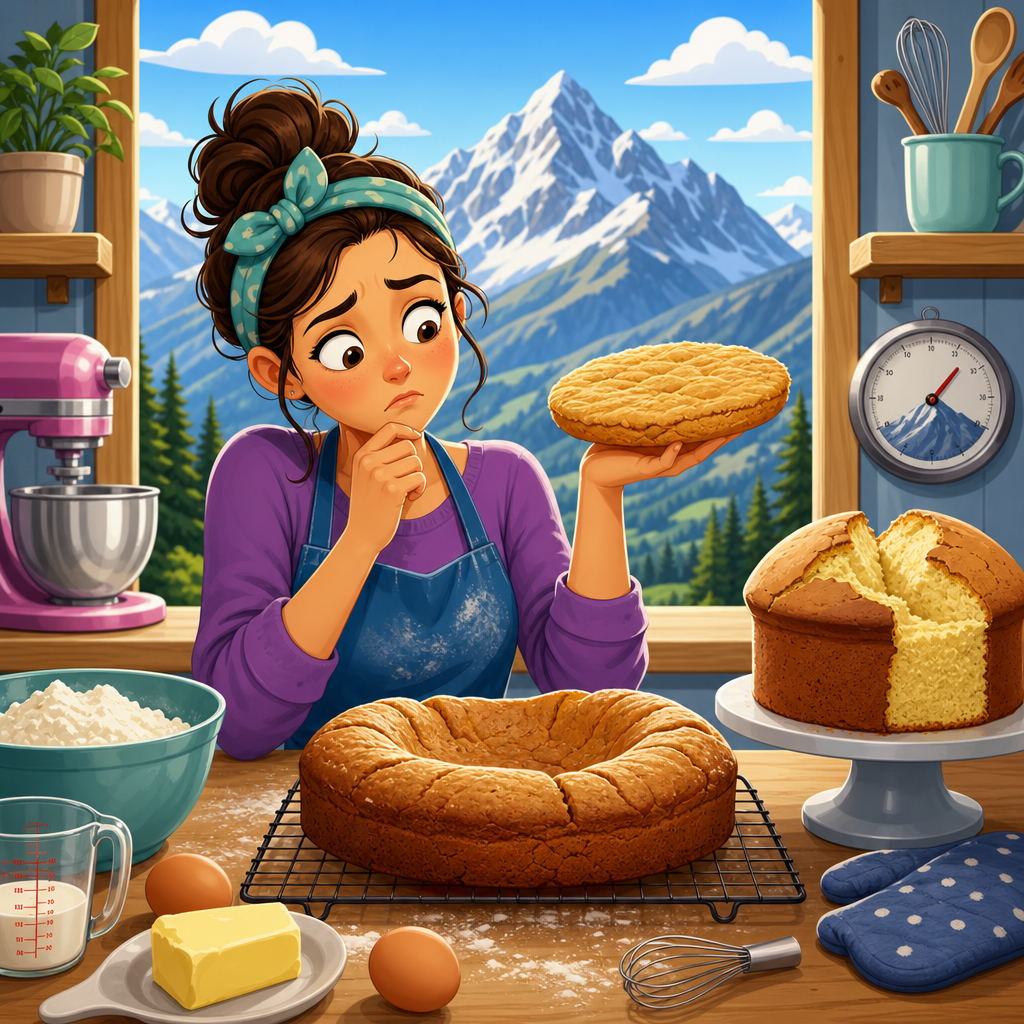
High altitude baking conversion chart for beginners is the starting point every mountain baker needs, because the same cake formula that works perfectly at sea level can collapse, dry out, or bake unevenly once elevation rises above about 3,000 feet. In practical terms, high altitude means lower air pressure, faster evaporation, quicker gas expansion, and a different balance between structure, moisture, and lift. I learned this the hard way after moving a reliable muffin recipe from a test kitchen near sea level to a client kitchen in Denver and watching the batter surge upward, set too slowly, and sink in the center. Beginners often assume they need entirely new recipes, but most baked goods can be adapted with a clear understanding of the variables. A high altitude baking conversion chart gives you a repeatable framework for changing oven temperature, leavening, sugar, liquid, and sometimes flour or eggs. That matters because baking is controlled chemistry: flour provides structure, sugar weakens gluten and holds moisture, eggs bind and emulsify, fats tenderize, and leaveners create gas. At altitude, each role shifts slightly. This hub covers the baking fundamentals behind those shifts, explains how to read and use a conversion chart, and shows where common adjustments apply to cakes, cookies, quick breads, muffins, yeast breads, and brownies. If you want reliable results, the goal is not guesswork. The goal is understanding what to change, why you are changing it, and how to evaluate the result on the next batch.
What changes at high altitude and why recipes behave differently
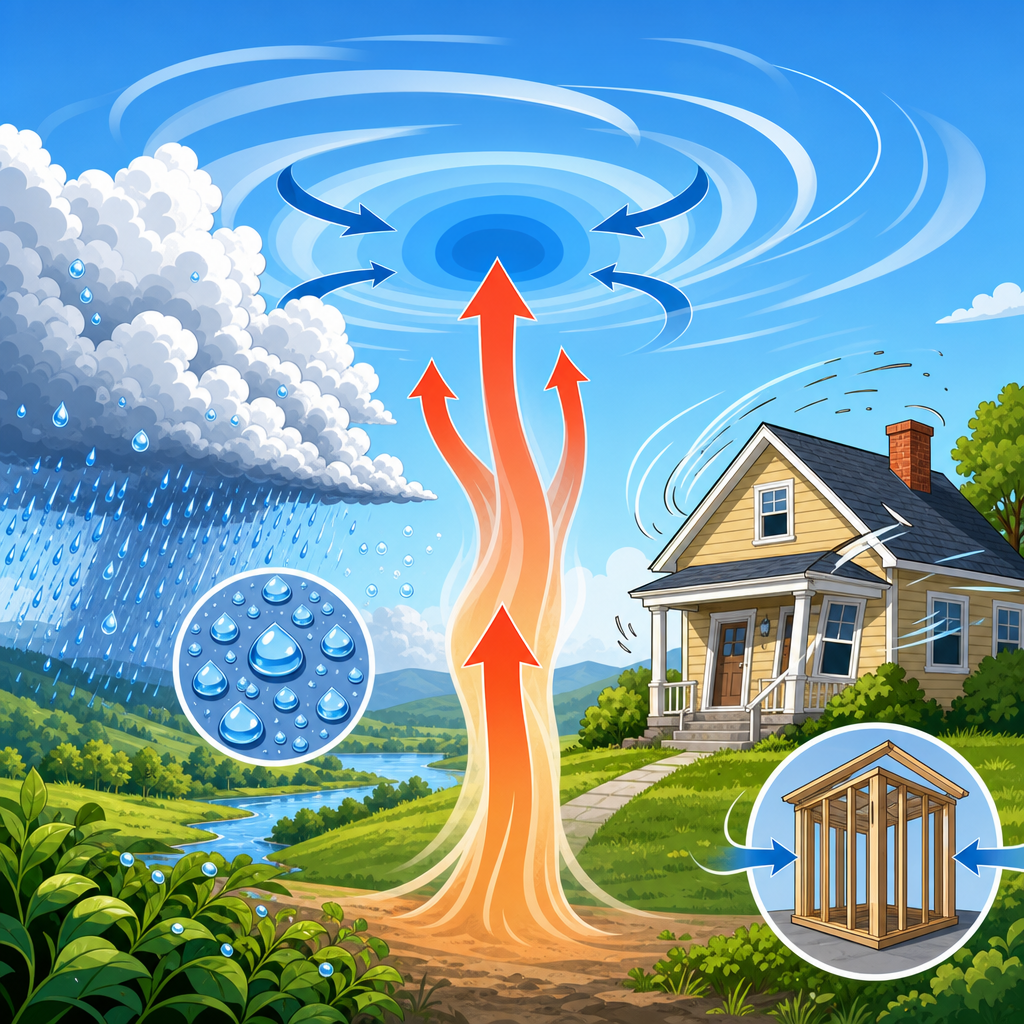
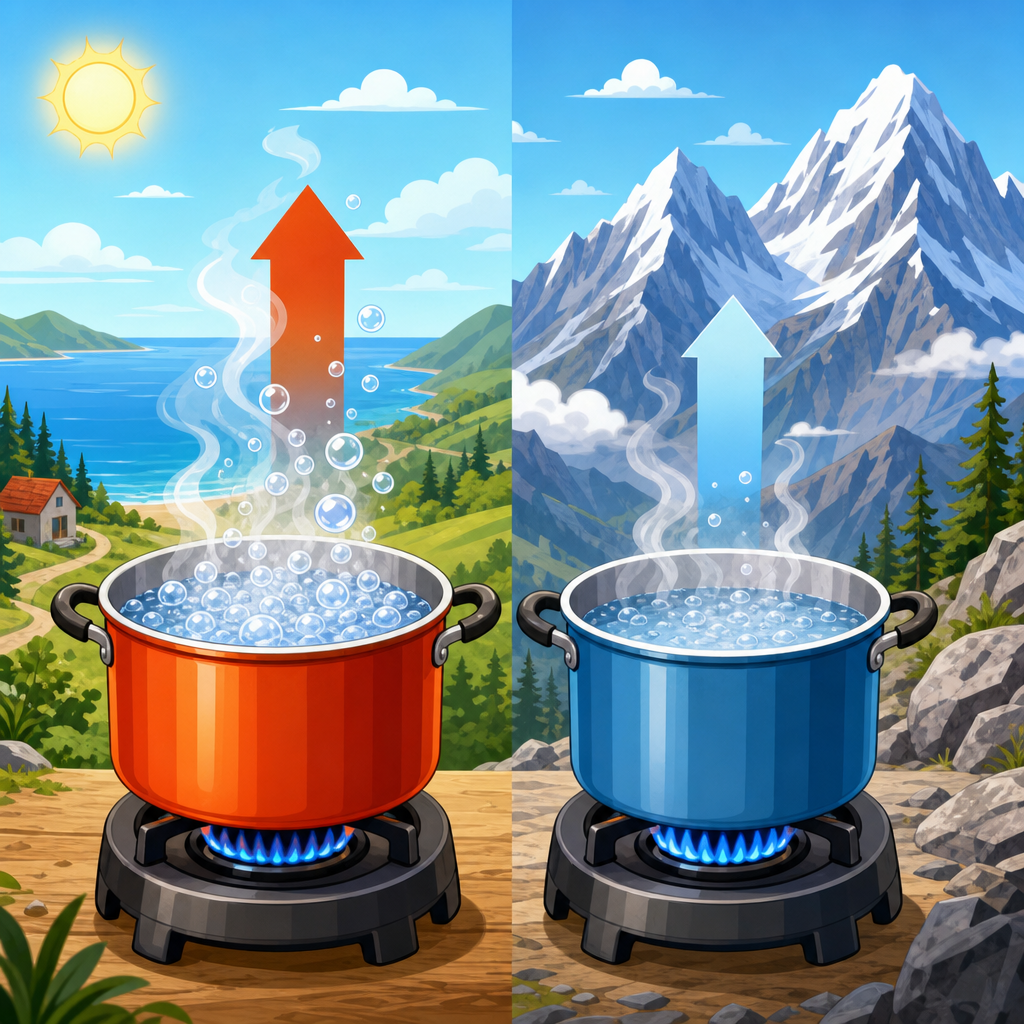
The most important concept for beginners is pressure. As elevation increases, atmospheric pressure drops. Lower pressure means water boils at a lower temperature, so liquids evaporate faster and baked goods lose moisture more quickly. At the same time, gases from baking powder, baking soda, whipped egg whites, and yeast expand more rapidly. That can sound helpful, but it often causes batter to overexpand before starches gelatinize and proteins set. The result is a peaked surface, coarse crumb, tunnels, fallen centers, or a dry product that still looks underbaked inside.
In day-to-day baking work, I treat altitude problems as a race between expansion and structure. If expansion wins too early, cakes rise fast and collapse. If evaporation wins, muffins and scones become crumbly. If sugar remains too high, the batter can weaken and never set cleanly. This is why many high altitude adjustments seem small but work together: a slightly hotter oven helps set structure sooner, a little less leavening controls overexpansion, extra liquid offsets rapid moisture loss, and a modest sugar reduction strengthens the batter. Understanding that system will make any high altitude baking conversion chart easier to use.
How to use a high altitude baking conversion chart for beginners
A conversion chart is not a rigid rulebook. It is a starting range based on elevation bands, recipe type, and ingredient ratios. Most home bakers in the United States need adjustments in three common ranges: 3,000 to 5,000 feet, 5,000 to 7,000 feet, and above 7,000 feet. The higher you go, the stronger the adjustment. Start by identifying the original recipe size, pan dimensions, and mixing method. Then adjust one layer at a time rather than rewriting everything blindly.
For cakes and quick breads, increase oven temperature by about 15 to 25 degrees Fahrenheit so the batter sets sooner. Reduce baking powder or baking soda slightly, usually by one-eighth to one-quarter teaspoon per teaspoon called for, depending on altitude. Add liquid one to four tablespoons per cup, often milk, water, or buttermilk. Reduce sugar by one to three tablespoons per cup if the formula is very sweet. In some formulas, especially tender cakes, adding one to two tablespoons of flour can improve structure. For yeast doughs, the main shift is not a full ingredient rewrite but tighter fermentation control, because dough rises faster and can overproof.
| Sea-level ingredient or condition | 3,000–5,000 ft adjustment | 5,000–7,000 ft adjustment | Above 7,000 ft adjustment |
|---|---|---|---|
| Oven temperature | Increase 15°F | Increase 15–20°F | Increase 20–25°F |
| Baking powder, per 1 tsp | Reduce by 1/8 tsp | Reduce by 1/8 to 1/4 tsp | Reduce by 1/4 tsp |
| Baking soda, per 1 tsp | Reduce slightly if overbrowning or overexpanding | Reduce by about 1/8 tsp | Reduce by 1/8 to 1/4 tsp |
| Sugar, per 1 cup | Reduce by 1 tbsp | Reduce by 1 to 2 tbsp | Reduce by 2 to 3 tbsp |
| Liquid, per 1 cup | Add 1 to 2 tbsp | Add 2 to 3 tbsp | Add 3 to 4 tbsp |
| Flour, per cup if batter is weak | Add 1 tbsp | Add 1 to 2 tbsp | Add 2 tbsp |
| Yeast dough rise time | Shorten and watch dough, not clock | Shorten noticeably | Shorten aggressively; chill if needed |
Use this chart as a baseline, then document results. If a cake still sinks, reduce leavening a bit more or add a spoonful of flour. If a loaf turns dry, add more liquid or shorten bake time. Altitude baking improves quickly when you change one or two variables and keep notes.
Ingredient adjustments that matter most in cakes, muffins, and quick breads
Beginners usually get the best improvement by focusing on five ingredients: flour, sugar, liquid, eggs, and chemical leaveners. Flour creates the framework that holds expanding gases. At altitude, a weak batter benefits from slightly more flour, especially in high-sugar cakes. Sugar is trickier. It adds tenderness and flavor, but too much can interfere with setting and increase collapse risk. That is why many trusted sources, including Colorado State University Extension, recommend modest sugar reductions in certain formulas rather than dramatic cuts. Liquid is usually the easiest fix for dryness. Milk, water, coffee, sour cream thinned with milk, and even extra egg white can help.
Eggs are a powerful structural tool because proteins coagulate and strengthen crumb. In formulas that repeatedly fail, I often test an extra egg white before making larger changes. The effect is especially useful in sponge cakes, chiffon cakes, and some muffins. Leaveners need restraint. Baking powder includes both acid and base and often causes too much lift at altitude if left unchanged. Baking soda reacts with acidic ingredients and can also increase browning, so reductions should be conservative and tied to the formula. A banana bread made with sour cream may only need a slight soda reduction, while a tender vanilla cake with a full tablespoon of baking powder may need a clearer cut.
Fat usually requires less adjustment. Butter and oil still tenderize crumb and carry flavor, but they can magnify a weak structure if sugar and leavening remain too high. This is why balanced correction matters. Do not slash every ingredient at once. In a standard muffin recipe at 5,280 feet, I would first raise oven temperature 15 degrees, reduce baking powder by one-eighth teaspoon per teaspoon, and add two tablespoons of liquid. Only after a test batch would I alter sugar or flour.
Category-specific guidance for common baked goods
Cakes are the most sensitive category because they rely on a delicate balance of aeration and structure. Butter cakes often need reduced sugar, slightly less baking powder, more liquid, and a hotter oven. Foam cakes depend on beaten eggs, so overwhipping becomes a bigger risk; stable peaks matter more than maximum volume. Cupcakes usually behave like layer cakes but can dry out faster because of their size. Fill pans consistently and check early.
Cookies often spread more or less depending on formula, but they do not always need major high altitude changes. If cookies spread too much, chill dough, increase flour slightly, or reduce sugar by a tablespoon or two. If they become dry and cakey, avoid overbaking first. Brownies sit between cake and candy. Fudgy brownies can overrise and then fall if leavened too much, so many mountain bakers prefer formulas with little or no baking powder. For bar cookies, pan size and metal type matter as much as ingredient changes.
Muffins and quick breads usually respond well to moderate liquid increases and slight leavener reductions. Overmixing is especially harmful at altitude because the batter can become both tough and unstable. Stir only until combined. Yeast breads often surprise beginners because the ingredient list may stay nearly the same, but fermentation speeds up. Dough can double before flavor develops, then overproof and collapse in the oven. Use the windowpane test, check dough temperature, and let visual volume guide you more than printed rise times. Pizza dough and dinner rolls benefit from cooler water or shorter proofing. Pie crust is less affected than cake, although fillings may need small timing adjustments because moisture evaporates differently.
Technique fundamentals beginners should master before changing every recipe
Many altitude failures come from process, not just formulation. Accurate measurement is essential. Weigh flour instead of scooping by volume; a digital scale removes one of the biggest sources of inconsistency. Oven calibration matters too. An inexpensive oven thermometer often reveals a 25-degree mismatch between the dial and the actual heat, which can mimic or worsen altitude issues. Pan choice also changes outcomes. Dark pans brown faster, glass bakes more slowly but holds heat longer, and oversized pans make batter too shallow to support itself.
Mixing technique deserves special attention. Creaming butter and sugar creates air cells, but too much aeration can produce fragile structure in high altitude cakes. Mix until light and fluffy, not endlessly. With muffins and quick breads, fold gently and stop as soon as dry streaks disappear. Resting a batter can sometimes improve hydration, but with chemical leaveners you do not want a long delay before baking because gas production starts early. Preheat fully, place pans in the center of the oven, and avoid opening the door during the first two-thirds of the bake.
Cooling is another overlooked variable. Cakes that seem set can collapse if removed too early from the pan or cooled in a draft. Let the crumb finish setting before unmolding. Use objective doneness cues: internal temperature, spring-back, clean or nearly clean tester, and pan edge pull-away. Once beginners control measurement, mixing, temperature, and timing, the conversion chart becomes dramatically more effective.
Troubleshooting guide: what went wrong and what to change next
If your cake rose fast and fell, the usual causes are too much leavening, too much sugar, too low an oven temperature, or too much air incorporated during mixing. On the next test, reduce leavening, raise oven temperature, and mix less aggressively. If the texture is dry or crumbly, add liquid, reduce bake time, or check whether too much flour was added by volume. If the crumb is coarse with tunnels, overmixing or excess leavening is likely. If the top domes sharply and cracks, the oven may be too hot, the pan too small, or the batter too stiff.
If cookies spread into thin sheets, reduce sugar slightly, chill dough, or add a small amount of flour. If they stay thick and dry, reduce flour or bake less. For yeast breads, a weak oven spring after proofing usually signals overproofed dough. Shorten the final rise and use the poke test. If the loaf tears unpredictably, score more deliberately or adjust shaping tension. Keep a baking log with elevation, humidity, ingredient brands, pan type, and exact changes. I have seen the same chocolate cake formula behave differently in Albuquerque and Leadville because altitude, oven behavior, and ambient dryness interact. Notes turn frustration into repeatable improvement.
High altitude baking becomes manageable when beginners stop chasing universal fixes and start using a structured conversion chart backed by observation. The core principles are consistent: lower air pressure speeds expansion, moisture loss, and proofing, so successful recipes usually need earlier structure, steadier hydration, and more controlled lift. In practice, that means a slightly hotter oven, less baking powder or baking soda, modest sugar reduction when needed, extra liquid, and careful attention to mixing and pan size. Not every recipe needs every change, and that is the most useful lesson in baking fundamentals. A crusty artisan loaf may need proofing control more than ingredient edits, while a tender yellow cake may need several small formula adjustments working together.
As the hub for baking fundamentals in cooking and baking at altitude, this guide should help you diagnose what changed, apply the right conversion range, and build confidence across categories. Start with one familiar recipe, use the chart, weigh ingredients, and record the outcome. Then refine only one or two variables on the next bake. That simple system is how beginners become consistent high altitude bakers. Choose your most reliable sea-level recipe today, convert it carefully, and begin testing with purpose.
Frequently Asked Questions
What counts as high altitude in baking, and why do recipes start changing above 3,000 feet?
In baking, “high altitude” generally starts at about 3,000 feet above sea level, although the biggest recipe changes often become more noticeable at 5,000 feet and higher. The reason is simple: air pressure drops as elevation increases. That lower pressure changes how baked goods behave in the oven. Gases in batter and dough expand more quickly, liquids evaporate faster, and baked items can rise too fast before their structure has time to set. The result is familiar to many beginners: cakes that puff up dramatically and then sink, muffins that dome and dry out, cookies that spread too much, or quick breads that bake unevenly.
A high altitude baking conversion chart helps beginners make sense of those changes by turning the science into practical adjustments. Instead of guessing, you can see common starting-point changes such as lowering sugar slightly, increasing flour a bit, adding a little more liquid, and reducing leavening like baking powder or baking soda. Those changes work together. Less sugar can help prevent weakened structure, more liquid helps offset faster evaporation, extra flour can improve stability, and less leavening slows the rise so the batter can set before collapsing. Think of the chart as a baseline, not a rigid rulebook. Different recipes, ovens, pans, and elevations all affect the final result, but once you understand that lower air pressure is the root issue, the chart becomes much easier to use with confidence.
How do I use a high altitude baking conversion chart if I am a complete beginner?
The easiest way to use a high altitude baking conversion chart is to treat it as a starting guide for small, controlled changes. First, identify your elevation range, because adjustments at 3,500 feet are usually milder than at 7,000 feet. Next, look at the type of recipe you are making. Cakes, muffins, quick breads, cookies, and yeast breads all react differently to altitude. Then compare the original recipe to the chart and make only the recommended changes for that category. For example, a beginner chart may suggest reducing baking powder slightly, adding 1 to 4 tablespoons of extra liquid, increasing oven temperature by 15 to 25 degrees, or reducing sugar by a tablespoon or two per cup. Those numbers are designed to give structure, preserve moisture, and prevent overexpansion.
One of the biggest beginner mistakes is changing too many things too aggressively. If your chart recommends a range, start at the lower end of the adjustment unless your elevation is very high. Keep notes every time you bake. Write down your altitude, pan size, exact ingredient changes, oven temperature, bake time, and how the final product turned out. That record matters because high altitude baking often improves through one or two rounds of testing. Also remember that charts are most useful when the original recipe is well written. If the base recipe is unbalanced to begin with, the chart can only help so much. For beginners, the goal is consistency: use the chart, make measured adjustments, and learn what works in your kitchen rather than chasing a perfect result in one try.
What ingredient changes are most common at high altitude for cakes, muffins, and quick breads?
For cakes, muffins, and quick breads, the most common high altitude changes involve leavening, liquid, flour, sugar, and sometimes eggs. Leavening is usually reduced because baking powder and baking soda can make batter rise too rapidly in thinner air. If the rise happens before the structure is strong enough, the center may fall. Liquid is often increased because water evaporates faster at higher elevations, which can leave baked goods dry, crumbly, or overly dense. Flour may be increased slightly to strengthen the batter, while sugar is sometimes reduced because sugar can weaken structure and increase tenderness, which is not always helpful when a recipe is already rising too fast. In some recipes, an extra egg white or whole egg may help reinforce the structure and improve stability.
These adjustments are not random; they are balancing tools. Imagine a muffin recipe that worked perfectly at sea level. At altitude, it may rise fast, set late, and lose moisture more quickly. A chart might suggest reducing the baking powder by 1/8 to 1/4 teaspoon, adding 1 to 2 tablespoons of milk, and increasing flour by 1 to 2 tablespoons. Those small changes can be enough to produce a better dome, finer crumb, and more even bake. For cakes, you may also see advice to reduce sugar modestly and raise the oven temperature slightly so the structure sets sooner. For beginners, the key is not memorizing every possible variation, but understanding what each change is trying to fix: too much rise, not enough structure, or too little moisture. Once you know that, a conversion chart becomes a practical troubleshooting tool rather than a confusing list of numbers.
Do I need to change oven temperature and baking time at high altitude?
Often, yes. Many high altitude baking charts recommend increasing the oven temperature by about 15 to 25 degrees Fahrenheit. This helps baked goods set their structure faster before overexpanding and collapsing. A slightly hotter oven can be especially helpful for cakes and quick breads, which are vulnerable to rising too quickly in low-pressure conditions. When the batter hits a somewhat hotter oven, proteins and starches set sooner, which supports the shape and can improve texture. At the same time, because the oven is hotter, the baking time may need to be shortened a little. That is why many experienced high altitude bakers start checking for doneness earlier than the original recipe suggests.
That said, temperature changes should still be thoughtful. If your oven runs hot already, a full increase may be too much. And not every recipe needs the same adjustment. Cookies, for example, may benefit from a slight temperature change for better spread control, while custards and delicate cheesecakes may need gentler handling. Beginners should use the chart’s temperature recommendation as a first test, then evaluate the results. Signs that the oven temperature may be too low include excessive doming followed by sinking, coarse texture, or pale, dry baking. Signs it may be too high include overbrowned edges, a cracked top, or a center that seems underdone while the outside is already finished. An oven thermometer is extremely useful here because high altitude baking is already sensitive; inaccurate oven heat makes it even harder to judge what the recipe truly needs.
What are the most common high altitude baking problems, and how can a conversion chart help fix them?
The most common high altitude baking problems are collapsed cakes, dry texture, tunneling, coarse crumb, cookies that spread too much, and baked goods that rise unevenly or sink in the center. These problems all trace back to the same altitude effects: rapid gas expansion, faster evaporation, and delayed structure setting. A cake that looks beautiful in the first half of baking but falls later often needs less leavening, a little more flour, or a slightly higher oven temperature. A dry muffin may need more liquid, a shorter bake time, or both. A coarse, holey crumb can signal too much leavening or overmixing, while excessive cookie spread may mean you need more flour, less sugar, less leavening, or a cooler dough before baking.
A conversion chart helps by narrowing the likely fix instead of leaving you to troubleshoot blindly. Rather than asking, “What went wrong?” in a general way, you can compare the symptom to the most common altitude correction. If your quick bread caves in, the chart points you toward reducing leavening and strengthening structure. If your cupcakes bake up dry and crumbly, it reminds you that moisture loss is faster at altitude and suggests more liquid or a shorter bake. The best way to use the chart is after each bake: match the result to the probable cause, then make one or two small changes next time. That method is especially effective for beginners because it builds understanding quickly. Over time, you will stop relying on the chart for every recipe and start recognizing patterns in your own kitchen, which is exactly how confident mountain bakers are made.