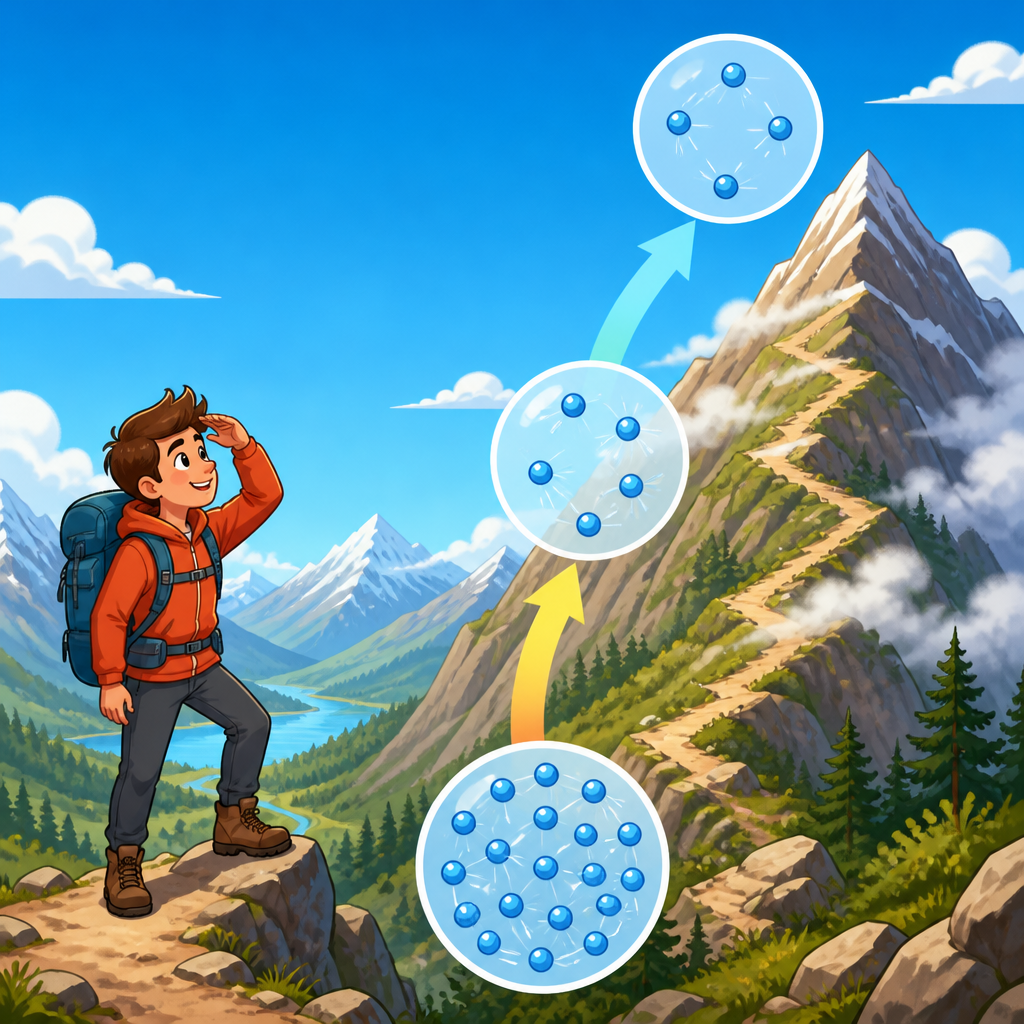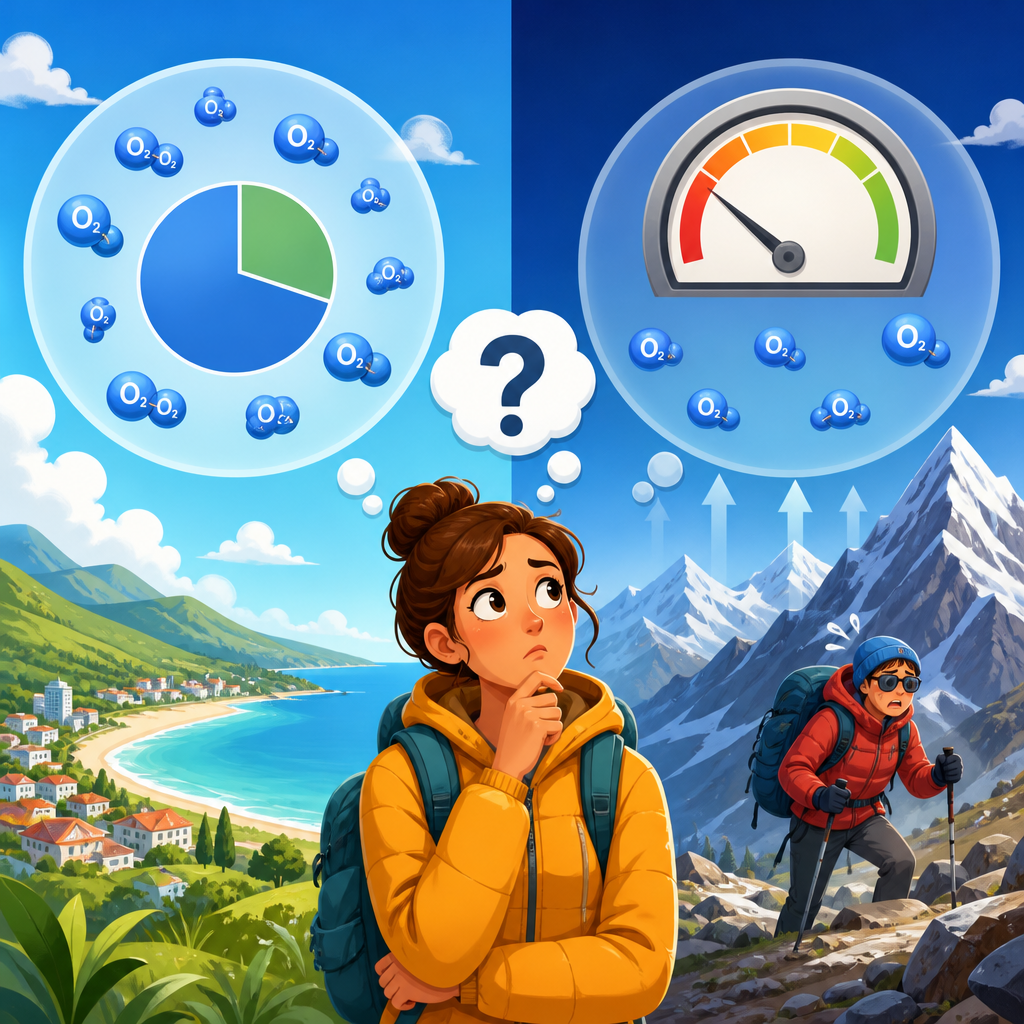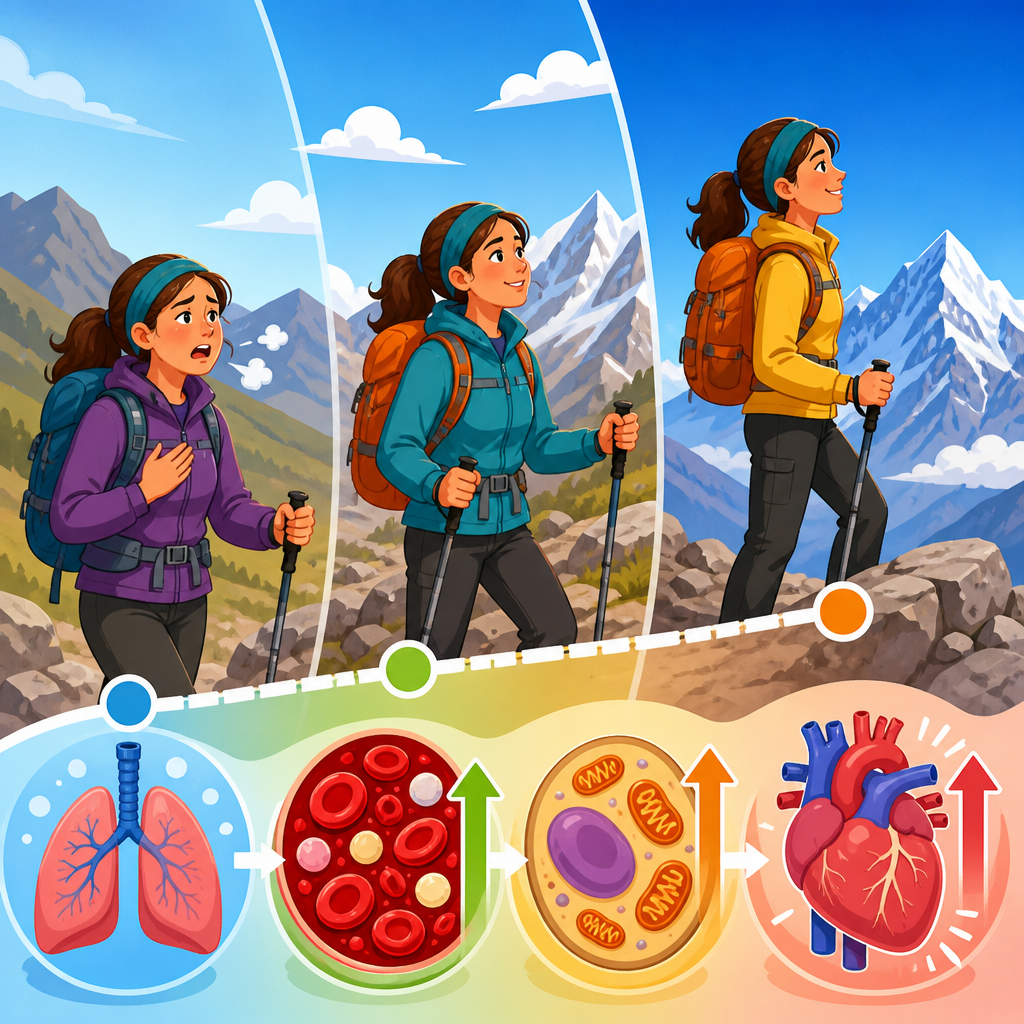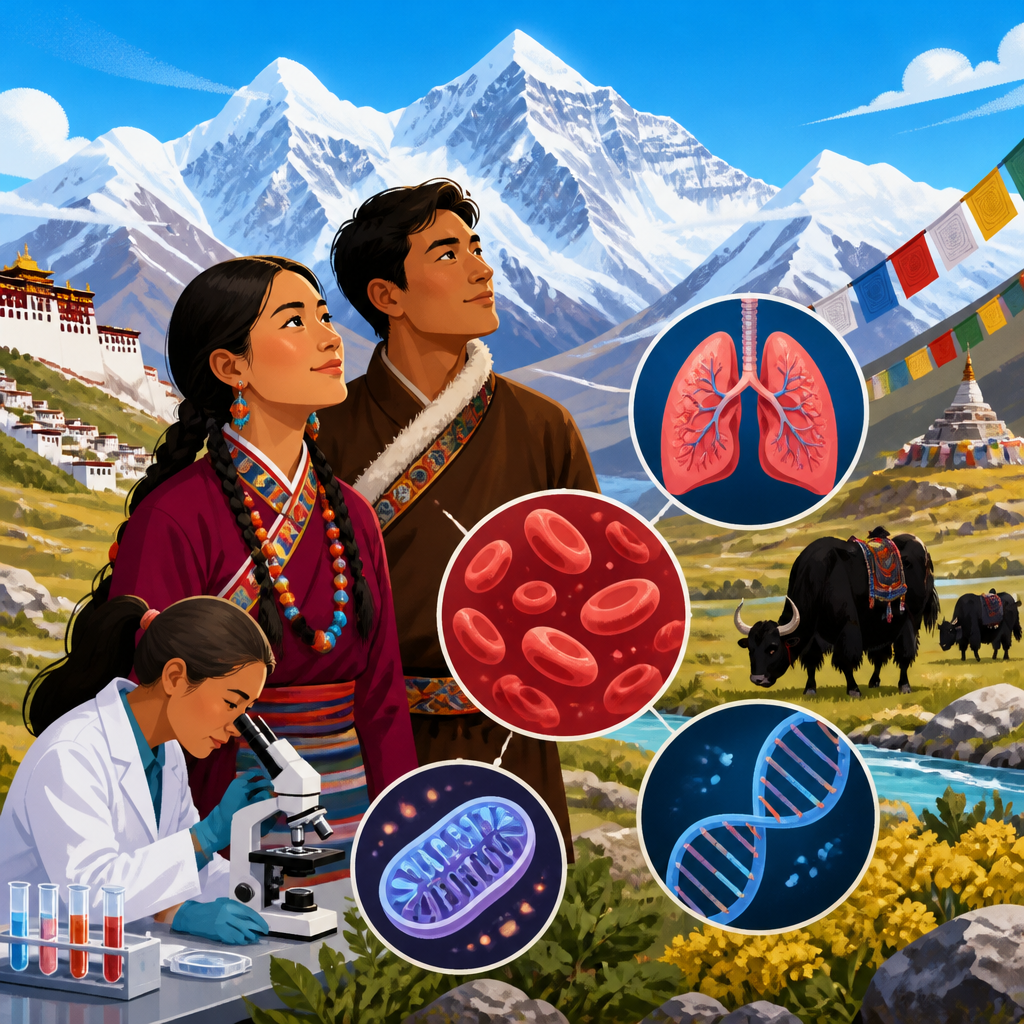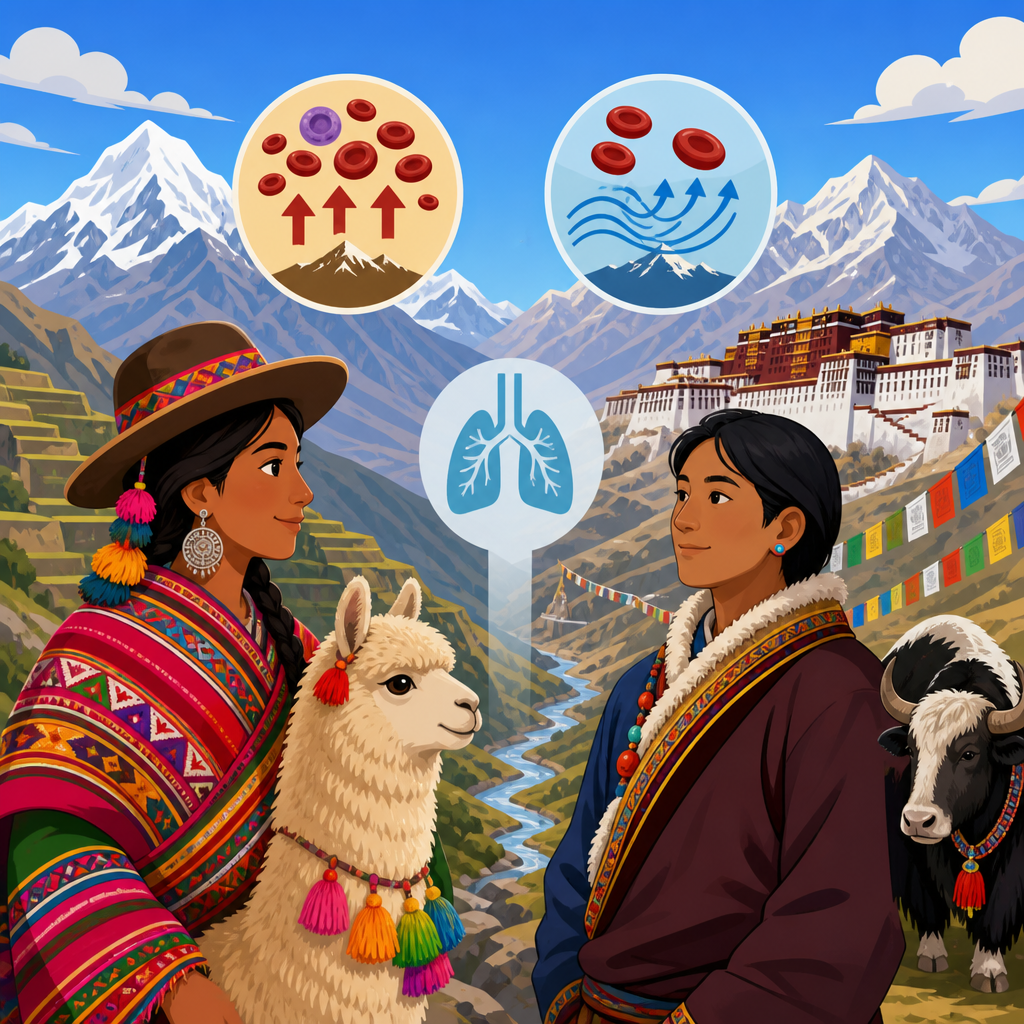
Andean adaptation to altitude differs from Tibetan adaptation in both biology and culture, and those differences reveal how human populations solve the same environmental problem through distinct evolutionary paths. High altitude usually refers to elevations above 2,500 meters, where barometric pressure falls enough to reduce the amount of oxygen entering the lungs with each breath. That reduced oxygen availability is called hypobaric hypoxia, and it affects nearly every organ system, from respiration and circulation to fetal growth and exercise capacity. I have worked with high-altitude health literature for years, and one lesson is constant: there is no single “high-altitude adaptation.” The Andes and the Tibetan Plateau produced separate, measurable responses shaped by ancestry, geography, diet, settlement history, and natural selection.
This matters because Andean highlanders and Tibetans are often grouped together as if they share one physiological profile. They do not. Researchers studying hemoglobin concentration, ventilatory response, nitric oxide biology, uterine blood flow, sleep, and chronic mountain sickness consistently find meaningful differences between these populations. Those differences improve scientific understanding of evolution, but they also matter for medicine. A clinician evaluating oxygen saturation, polycythemia, pregnancy risk, or pulmonary pressure in Cusco should not assume the same baseline values or risks found in Lhasa. Public health planning, athletic claims, ancestry testing, and migration policy all become more accurate when the distinction is understood clearly.
Culture is equally important. Altitude is not only a biological stressor; it is a lived environment that shapes housing, food systems, labor, ritual, trade, and ideas about the body. Andean communities developed pastoralism, terraced agriculture, communal labor institutions, and coca use in ways tied to mountain ecology. Tibetan communities built a different high-altitude world around barley, yak herding, monasteries, butter tea, and mobility across a vast plateau. A strong hub article on science and culture must therefore explain not only genes and lungs, but also how people organize life where oxygen is scarce, winters are severe, ultraviolet exposure is intense, and transport can be difficult.
Different evolutionary histories created different biological solutions
The simplest answer to how Andean adaptation to altitude differs from Tibetan adaptation is this: Andean highlanders tend to rely more on elevated hemoglobin and larger oxygen-carrying capacity, while Tibetans rely more on increased breathing, better blood flow, and less extreme hemoglobin elevation. Hemoglobin is the oxygen-carrying protein in red blood cells. At sea level, raising hemoglobin is a common response to chronic hypoxia. In the Andes, that response became more pronounced at the population level. Many Andean residents show higher hemoglobin concentrations and, in some groups, larger chest dimensions and greater lung volumes than lowland populations.
Tibetans show a contrasting profile. Compared with Andeans living at similar altitude, Tibetans often maintain hemoglobin values closer to sea-level norms, while displaying stronger resting ventilation and higher exhaled nitric oxide levels associated with blood vessel dilation. This matters because very high hemoglobin can thicken blood and increase cardiovascular strain. Tibetans appear, on average, to avoid part of that cost. Genetic research has helped explain why. Variants in genes such as EPAS1 and EGLN1, central to oxygen-sensing pathways, are strongly associated with Tibetan high-altitude adaptation. These variants influence how the body responds to low oxygen without pushing hemoglobin upward as dramatically.
Andean populations show a different genetic landscape. Selection signals have been reported in genes related to cardiovascular function, hypoxia response, and metabolism, but the pattern is less dominated by the exact Tibetan variants that receive the most attention. This supports a core evolutionary principle: similar environments do not always produce identical adaptations. Independent populations may reach workable, but different, solutions. In practical terms, that means “adapted to altitude” is not a universal category. It is population specific, history dependent, and expressed through multiple systems rather than a single marker.
Hemoglobin, breathing, and circulation show the clearest contrast
If a reader asks for the most important physiological difference, hemoglobin is usually the first place to start. Many Andean highlanders have higher hemoglobin concentrations than Tibetans at equivalent elevations. This can improve arterial oxygen content, especially during physical work, but it comes with tradeoffs. Higher red cell mass increases blood viscosity. Thickened blood moves less easily through the circulation and can contribute to headaches, fatigue, cyanosis, sleep disturbance, and, in severe cases, chronic mountain sickness. Chronic mountain sickness is more prevalent in parts of the Andes than on the Tibetan Plateau, though local prevalence varies by elevation, age, sex, occupation, and migration history.
Tibetans generally compensate differently. They breathe more. A higher hypoxic ventilatory response means ventilation rises more strongly when oxygen falls, helping maintain blood oxygenation without requiring the same degree of polycythemia. Tibetan populations also show evidence of enhanced peripheral circulation, including higher nitric oxide bioavailability, which promotes vasodilation and may improve tissue oxygen delivery. In field physiology, this distinction is not abstract. It affects resting oxygen saturation, exercise performance, pulmonary pressures, and disease risk patterns. It also explains why a hemoglobin level considered ordinary in one highland region may be clinically concerning in another.
| Feature | Andean pattern | Tibetan pattern | Why it matters |
|---|---|---|---|
| Hemoglobin concentration | Often higher | Often lower at similar altitude | Higher oxygen carrying capacity versus thicker blood |
| Ventilatory response to hypoxia | Moderate on average | Stronger on average | Supports oxygenation without extreme polycythemia |
| Nitric oxide and blood flow | Less pronounced increase | Higher exhaled nitric oxide reported | May enhance vasodilation and tissue oxygen delivery |
| Chronic mountain sickness risk | Generally higher in some regions | Generally lower | Important for clinical screening and aging populations |
| Pulmonary vascular response | Can be more elevated | Often moderated differently | Changes risk profile for pulmonary hypertension |
Another distinction involves development. Andean children raised at altitude often exhibit thoracic growth patterns associated with larger chest dimensions, sometimes described as a barrel-chest tendency in older literature, though that term should be used carefully and not as a stereotype. Developmental plasticity matters because bodies growing in hypoxic settings can alter lung volume and chest shape over time. Tibetans also develop in hypoxic environments, but the average adaptive emphasis appears more strongly centered on ventilation and vascular physiology than on very high hemoglobin. The result is two recognizable altitude profiles, each functional, neither interchangeable.
Pregnancy, infancy, and long-term health highlight adaptation limits
One of the most important high-altitude questions is whether adaptation protects pregnancy. Hypoxia can restrict fetal growth because oxygen delivery to the placenta is reduced. Both Andean and Tibetan populations show evidence of reproductive adaptation compared with recent migrants to altitude, but they do so through somewhat different pathways. Tibetan women often demonstrate uteroplacental blood flow patterns that help sustain fetal growth, while Andean women also show protective features, including larger uterine artery diameter in some studies compared with non-adapted groups at altitude. The key point is that adaptation is real, but not complete. High altitude still increases obstetric complexity relative to sea level.
Birth weight is a good example. Across many populations, average birth weight declines with altitude. Long-resident Andean and Tibetan groups often show less reduction than newcomers, indicating evolved or developmentally reinforced protection. Yet the degree of protection varies, and maternal nutrition, infection burden, prenatal care, and socioeconomic status still matter greatly. No adaptation cancels structural inequality. In mountain regions, distance from hospitals, seasonal road closures, fuel access, and language barriers often shape outcomes as much as biology does.
Long-term health adds another layer. In the Andes, chronic mountain sickness has been studied extensively in adults who spend decades at very high elevation, especially men with increasing age. Excessive erythrocytosis, poor sleep, and reduced work capacity can emerge despite lifelong residence. This reminds us that adaptation lowers risk; it does not guarantee perfect tolerance. Tibetans are not free from high-altitude illness either. They can still experience acute mountain sickness when ascending rapidly to higher elevations, and they face region-specific burdens related to remoteness, indoor air pollution from solid fuels, and changing diets. Adaptation should therefore be understood as a statistical advantage under ancestral conditions, not a medical shield against all altitude-related problems.
Science and culture are inseparable in high-altitude communities
Biology explains only part of survival in the Andes and Tibet. Cultural adaptation determines how people turn harsh environments into enduring homelands. In the Andes, communities historically combined vertical ecology, terraced agriculture, llama and alpaca pastoralism, food preservation, and reciprocal labor systems to spread risk across elevations. Potatoes, quinoa, maize grown where feasible, and chuño, freeze-dried potato made by using cold nights and dry air, are not incidental traditions. They are elegant solutions to short growing seasons, frost, and transport constraints. Coca chewing in parts of the Andes has also long been linked to labor, appetite suppression, ritual, and coping with cold and fatigue, though it should not be romanticized as a cure for hypoxia.
Tibetan communities built different systems suited to a colder, drier plateau. Barley became foundational because it tolerates altitude and short seasons; roasted barley flour, or tsampa, remains central in many households. Yak and yak-hybrid pastoralism supplies milk, meat, fiber, fuel, and transport. Butter tea provides calories, warmth, and hydration in a climate where energy balance matters. Monasteries, caravan networks, seasonal movement, and architectural choices such as thick walls and compact settlement forms all reflect adaptation to wind exposure, temperature extremes, and geographic isolation. These are not side notes to physiology. They are part of the total adaptive package.
Modern change complicates both regions. Urbanization, wage labor, road building, tourism, schooling, and migration alter diet, sleep, physical activity, and pathogen exposure. In Andean cities such as La Paz, El Alto, and Cusco, people may move between traditional foodways and processed urban diets. On the Tibetan Plateau, rapid infrastructure expansion and political pressures have transformed settlement patterns and livelihoods. Researchers and policymakers should avoid treating high-altitude peoples as static case studies. Adaptation continues, but it now interacts with state policy, market integration, and climate change.
What these differences teach science, medicine, and public understanding
The contrast between Andean and Tibetan adaptation offers one of the clearest demonstrations of convergent evolution with divergent mechanisms. Two populations faced chronic hypobaric hypoxia, yet natural selection did not produce one standard human high-altitude blueprint. Instead, it shaped multiple traits across oxygen sensing, erythropoiesis, vascular regulation, growth, and reproduction. This has changed evolutionary biology by showing that adaptation often works through networks of modestly sized effects rather than a single master trait. It has also sharpened population medicine. Reference ranges for hemoglobin, expectations about oxygen saturation, and screening priorities for chronic mountain sickness should be locally informed.
Public understanding benefits when simplistic myths are dropped. High-altitude residents are not “superhuman,” nor are they simply acclimatized sea-level people. Acclimatization is the short-term adjustment an individual makes after ascent over hours to weeks. Adaptation, in contrast, refers to population-level inherited traits shaped across generations, often reinforced by developmental exposure from early life. A traveler to Puno or Lhasa can acclimatize. That traveler does not become Andean or Tibetan in a physiological sense. Confusing these concepts leads to bad science reporting, weak health advice, and exaggerated claims about athletic or spiritual exceptionalism.
The practical lesson is straightforward. When discussing high-altitude communities, ask which population, what elevation, what life stage, and what social setting. Those questions produce better science and better policy. They also create more respectful storytelling.
Andean adaptation to altitude differs from Tibetan adaptation because the Andes and the Tibetan Plateau shaped human bodies and lifeways in distinct ways. Andean populations more often show elevated hemoglobin, larger oxygen-carrying capacity, and a higher burden of chronic mountain sickness in some regions. Tibetan populations more often show stronger ventilation, lower hemoglobin at comparable altitudes, and vascular patterns that help oxygen delivery without the same degree of blood thickening. Pregnancy, infant growth, pulmonary pressures, and long-term aging all reflect these differences.
The deeper takeaway is that mountain adaptation is never purely genetic and never purely cultural. It is the interaction of inheritance, development, diet, work, settlement, medicine, and history. If you are building out a broader understanding of science and culture in high-altitude communities, use this comparison as the foundation: one environment, multiple human solutions. From here, explore chronic mountain sickness, high-altitude pregnancy, Tibetan and Andean food systems, pastoral economies, migration, and the ethics of research in Indigenous highland populations. That wider view is where the science becomes most useful.
Frequently Asked Questions
What is the main difference between Andean and Tibetan adaptation to high altitude?
The biggest difference is that Andean and Tibetan populations reached workable solutions to the same oxygen-poor environment through different biological strategies. In the Andes, long-term high-altitude adaptation is often associated with higher hemoglobin concentrations, which means the blood can carry more oxygen per unit volume. This can be useful in thin air because it helps compensate for the lower amount of oxygen entering the lungs with each breath. Tibetan high-altitude adaptation, by contrast, is more strongly associated with maintaining relatively normal hemoglobin levels while increasing ventilation and improving the body’s ability to use oxygen efficiently. In other words, Andean physiology often leans more toward carrying extra oxygen in the blood, while Tibetan physiology often leans more toward breathing and circulation patterns that move oxygen effectively without thickening the blood as much.
These differences matter because there is no single “best” human response to hypobaric hypoxia. High altitude places stress on the lungs, heart, blood vessels, brain, and muscles, but populations can adapt along different pathways depending on their genetic history, how long they have lived at altitude, and the selective pressures they experienced. Tibetans are often discussed in connection with gene variants such as EPAS1 and EGLN1, which are linked to lower hemoglobin responses under chronic hypoxia. Andean populations show a different pattern, with adaptation involving other genetic and physiological traits, including chest dimensions, oxygen transport, and developmental responses over a lifetime. The broader lesson is that evolution does not always produce identical outcomes in similar environments; it can produce multiple successful solutions.
Why do Andean highlanders often have higher hemoglobin, while Tibetans usually do not?
Hemoglobin is the oxygen-carrying protein in red blood cells, so producing more of it is one obvious way to cope with low oxygen levels. In many Andean highlanders, elevated hemoglobin concentrations are a common feature of life at altitude. This response increases the oxygen-carrying capacity of the blood and can help support tissues when the air contains less usable oxygen. It is a practical short-term and long-term strategy, but it comes with tradeoffs. If hemoglobin rises too much, the blood can become more viscous, or thicker, which makes it harder for the heart to pump and may strain the circulation.
Tibetans are notable because, despite living at very high elevations, many do not show the same degree of hemoglobin elevation seen in Andean populations. Instead, they tend to have higher resting ventilation rates and physiological traits that support oxygen delivery without relying as heavily on extra red blood cells. Researchers believe this pattern reduces some of the risks associated with overly thick blood, including chronic mountain sickness and cardiovascular strain. The contrast suggests that natural selection in Tibet favored a lower-hemoglobin, higher-ventilation strategy, whereas Andean adaptation more often preserved a stronger erythropoietic, or red-blood-cell-producing, response. Both approaches can sustain life at altitude, but they reflect different balances between oxygen transport benefits and the costs of maintaining those systems.
Are the differences between Andean and Tibetan adaptation genetic, cultural, or both?
They are both genetic and cultural, and it is important not to separate those dimensions too sharply. On the biological side, scientists have identified population-specific patterns of natural selection in genes involved in oxygen sensing, blood production, vascular regulation, and metabolic pathways. Tibetan adaptation is one of the clearest examples of recent human evolution, with strong evidence for selection on genes related to the hypoxia response pathway. Andean populations also show adaptive traits, but the genetic architecture appears to differ, and the full picture is still being refined through ongoing research. What emerges is not a simple case of one altitude gene versus another, but a network of inherited tendencies that influence breathing, circulation, development, reproduction, and tolerance of chronic hypoxia.
Culturally, people in the Andes and on the Tibetan Plateau have also developed distinct ways of living in high-altitude landscapes. Adaptation is not only what happens in the bloodstream or lungs; it also includes architecture, clothing, work patterns, animal domestication, agriculture, diet, social organization, and medical traditions. Communities shape daily life around cold, aridity, terrain, and reduced oxygen availability. For example, labor routines, patterns of mobility, infant care, and seasonal resource use can all affect how altitude stress is experienced. Cultural practices do not replace biological adaptation, but they interact with it. That interaction is central to understanding why two populations facing similar environmental pressure can still look very different in their overall human response.
How do these adaptations affect health outcomes such as chronic mountain sickness?
Health outcomes are one of the clearest ways to see the consequences of different altitude strategies. Chronic mountain sickness, sometimes called Monge’s disease, is more commonly associated with excessive red blood cell production in long-term high-altitude residents, especially in some Andean populations. The condition can involve very high hemoglobin levels, headaches, dizziness, fatigue, sleep disturbance, cyanosis, and strain on the heart and lungs. Because the blood becomes thicker, circulation is less efficient, and the body may end up paying a price for relying too heavily on increased oxygen-carrying capacity. Not every Andean highlander develops chronic mountain sickness, of course, but the population-level tendency toward higher hemoglobin helps explain why the syndrome has been an important focus of Andean altitude medicine.
Tibetans, on average, tend to have lower rates of the extreme hemoglobin elevations that drive chronic mountain sickness, which may be one reason their high-altitude physiology is often described as especially effective. Their pattern of adaptation appears to reduce some circulatory burdens while still maintaining tissue oxygenation. That said, no high-altitude population is immune to health challenges. Hypobaric hypoxia can influence pregnancy outcomes, infant growth, pulmonary pressure, exercise capacity, and susceptibility to illness in complex ways. The key point is that adaptation reduces risk; it does not eliminate it. Comparing Andean and Tibetan populations helps researchers understand which traits are protective, which carry tradeoffs, and how evolutionary history shapes vulnerability to altitude-related disease.
What does the comparison between Andean and Tibetan adaptation teach us about human evolution?
This comparison is a powerful example of convergent environmental challenge paired with divergent evolutionary response. Both Andean and Tibetan populations have lived for long periods in places where oxygen pressure is low enough to make survival and reproduction more difficult. If evolution were rigid, we might expect the same adaptive package to appear in both regions. Instead, we see that human populations can arrive at different workable solutions: one pattern emphasizing elevated hemoglobin and developmental changes in body form, another emphasizing enhanced ventilation and altered regulation of the hypoxia pathway. That diversity shows that natural selection works with the variation available in a population, its demographic history, and the specific ecological and social conditions it encounters.
The comparison also reminds us that adaptation is not a single trait but a system of interacting traits. Reproduction, growth, circulation, lung function, metabolism, and behavior all matter. It highlights the value of studying humans as both biological and cultural beings, because people do not adapt to environments through genes alone. Finally, it underscores how recent and dynamic human evolution can be. High-altitude populations demonstrate that meaningful evolutionary change can occur over surprisingly short timescales in response to strong environmental pressures. For readers trying to understand the Andes and Tibet, the central takeaway is simple: the same problem of low oxygen produced different human answers, and those answers reveal the flexibility of our species.