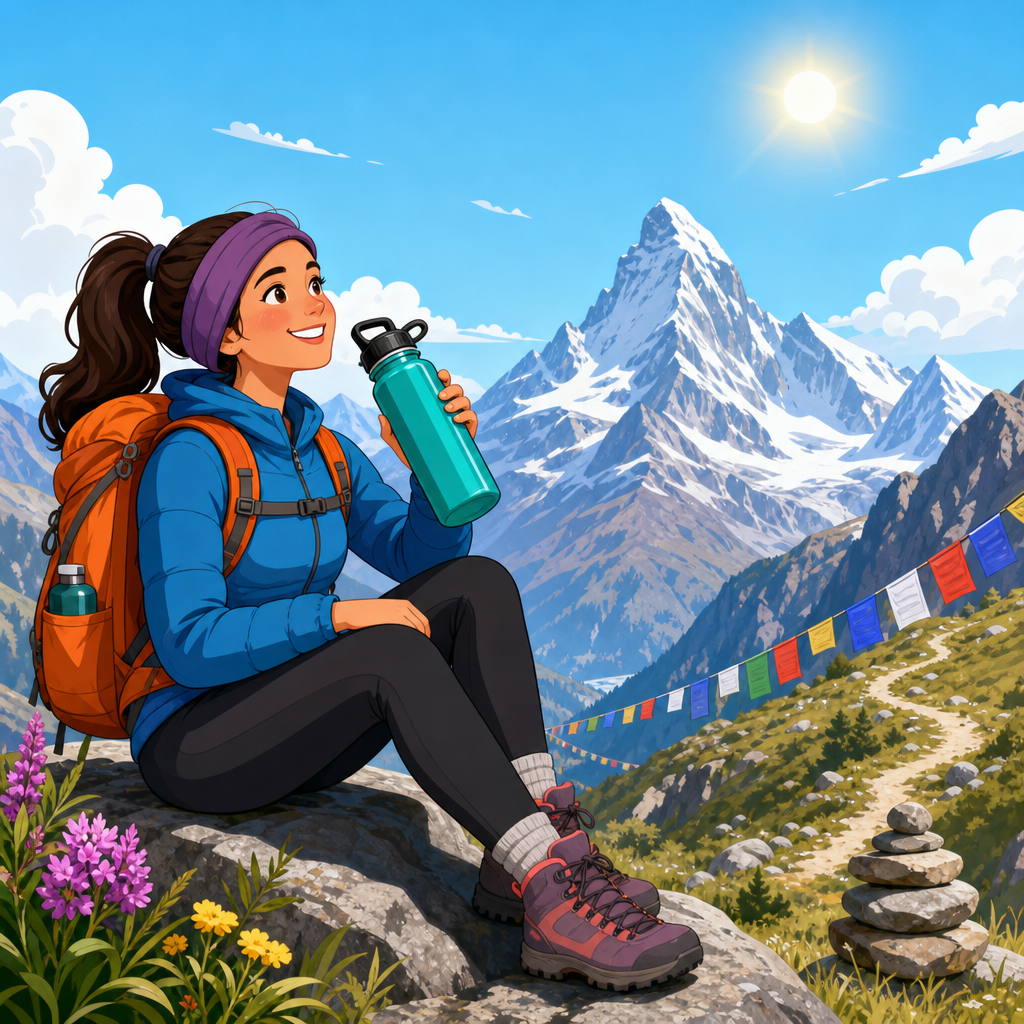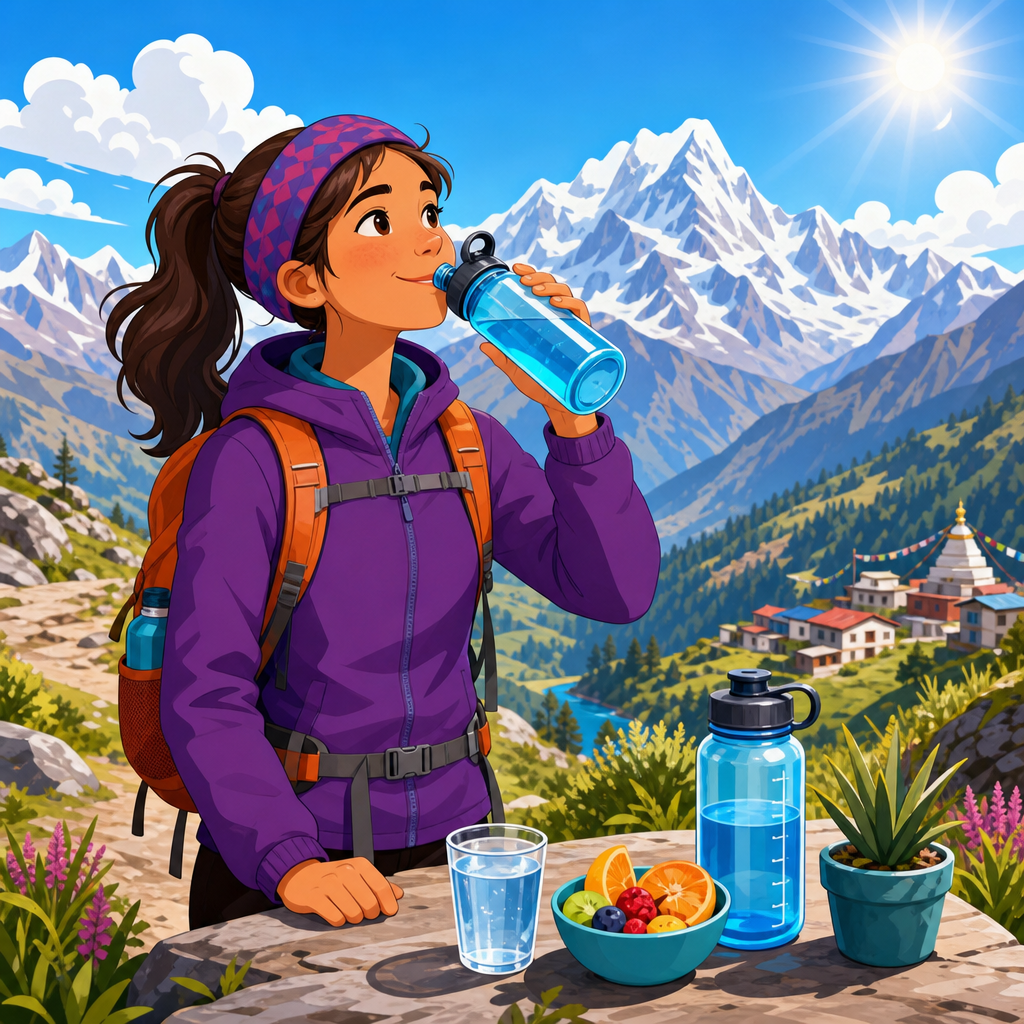
Daily hydration habits that work when you live at altitude start with one reality: your body loses water faster in thinner, drier air, often before you feel thirsty. Altitude usually refers to elevations above 5,000 feet, where lower air pressure, lower humidity, stronger sun exposure, and faster breathing change how you regulate fluids. In practical terms, everyday hydration at altitude is not just about drinking more water. It is about maintaining fluid balance, electrolytes, skin comfort, eye moisture, indoor air quality, and daily routines that reduce unnecessary water loss. I have worked with people adjusting to mountain climates, and the most common mistake is assuming the same habits that worked at sea level will work in Denver, Santa Fe, Flagstaff, or ski towns above 7,000 feet. They usually do not.
Hydration matters because mild dehydration affects energy, concentration, exercise tolerance, sleep quality, skin barrier function, and even how dry your nose, throat, and eyes feel during the day. The body responds to altitude by increasing breathing rate and urine output, especially during early acclimatization. Cold weather can make the problem worse because people sweat under layers but do not notice it, while winter indoor heating dries the air further. At the same time, overcorrecting with excessive plain water can dilute sodium and create its own problems. The goal is steady, informed hydration that supports everyday health and comfort, not extreme water intake. This hub explains the daily habits that work, how to build them into normal life, and when hydration issues point to a bigger altitude-related problem that deserves attention.
Why altitude changes your hydration needs
At altitude, lower barometric pressure means each breath delivers less oxygen, so your body compensates by breathing more often and more deeply. That increased ventilation raises respiratory water loss. Humidity is also typically lower in mountain regions, which increases evaporation from the skin and airways. During the first days or weeks after arriving, many people experience altitude diuresis, a normal increase in urination linked to acclimatization. Together, those factors create a consistent fluid deficit unless you actively replace what you lose.
Thirst is not a reliable guide in this environment. By the time many people feel thirsty, they are already mildly dehydrated. Common signs include darker urine, headaches, dry lips, afternoon fatigue, irritability, lightheadedness, constipation, and restless sleep. These symptoms overlap with altitude adjustment, which is why daily structure matters. In homes at elevation, forced-air heating compounds the issue by lowering indoor relative humidity, often well below the comfort range of about 30 to 50 percent. That affects more than thirst. It can leave your eyes scratchy, your nasal passages dry, and your skin tight even if you are drinking regularly.
The practical takeaway is simple: hydration at altitude is a full-day system. Fluids, food, caffeine, alcohol, room humidity, and activity all interact. If one part is off, the whole system feels harder.
Build a daily hydration routine you can actually keep
The most effective hydration habit is consistency. Instead of trying to drink a huge amount at once, spread intake across the day. A practical starting point for many adults at altitude is to drink a glass of water soon after waking, another with each meal, and additional fluids between meals based on activity, weather, and body size. The National Academies’ general adequate intake figures, about 2.7 liters daily for women and 3.7 liters for men from all beverages and foods, provide a baseline, but altitude, dry climates, exercise, and medications often push real needs higher.
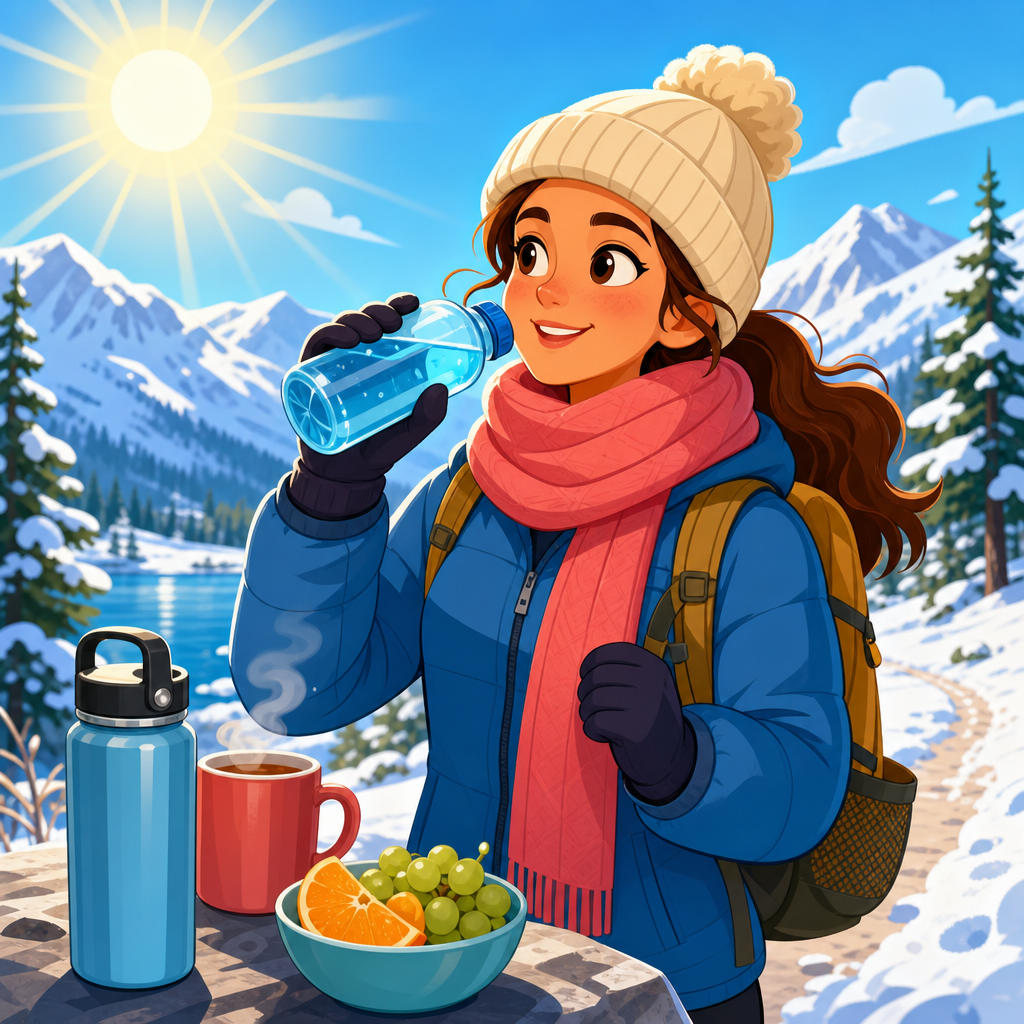
I usually recommend anchoring hydration to existing behaviors. Drink water after brushing your teeth, before getting in the car, when you sit down to work, and during afternoon breaks. Carrying a bottle helps, but only if it is visible and easy to refill. Insulated bottles are especially useful in cold climates where water can become unappealing if it is icy. If plain water feels monotonous, use sparkling water, herbal tea, diluted juice, milk, broth, or water flavored with citrus. Hydration is about total fluid intake, not a rigid devotion to plain water alone.
Use urine color as a simple daily check. Pale yellow usually suggests adequate hydration; dark yellow often means you need more fluids. Clear urine all day can indicate overhydration, especially if you are forcing intake. Also pay attention to timing. Front-loading fluids early and tapering slightly at night often improves sleep by reducing late bathroom trips.
Electrolytes, food, and what to drink besides water
Water is foundational, but it is not the only part of effective altitude hydration. Sodium, potassium, magnesium, and carbohydrates influence how fluids are absorbed and retained. This matters most when you are sweating, exercising, traveling, or acclimatizing to a new elevation. A balanced meal with soup, fruit, yogurt, potatoes, beans, or whole grains can support hydration better than water alone because food contributes both fluid and electrolytes.
Electrolyte drinks can be useful, but context matters. They are most appropriate after long hikes, ski days, runs, strenuous work, vomiting, diarrhea, or prolonged time in very dry air. For ordinary desk days, many commercial products are unnecessary or too sugary. Oral rehydration solutions and lower-sugar electrolyte powders are more precise choices when fluid loss is significant. Athletes often use products from brands such as Liquid I.V., Nuun, Skratch, or DripDrop, but the best option depends on sweat loss, sodium needs, and tolerance for sweetness.
| Situation | Best hydration approach | Why it works at altitude |
|---|---|---|
| Normal workday indoors | Water, tea, milk, meals with produce | Steady fluid replacement without excess sugar or sodium |
| Cold, dry day with light activity | Warm water, herbal tea, broth | Improves comfort and encourages consistent intake |
| Long hike or ski day | Water plus electrolyte drink and salty snacks | Replaces sweat losses and helps retain fluid |
| Travel day or first days at altitude | Frequent small drinks, balanced meals, limited alcohol | Supports acclimatization and offsets altitude diuresis |
| Illness with vomiting or diarrhea | Oral rehydration solution | Restores fluids and sodium more effectively than plain water |
Caffeine does not automatically dehydrate you if you consume it regularly, but it can replace water in your routine if coffee is all you drink until noon. Alcohol is more disruptive. It can worsen sleep, increase fluid loss, and amplify altitude discomfort. The practical rule is moderation plus compensation: if you drink coffee or alcohol, pair it with water and do not use it as your primary fluid source.
Protect skin, eyes, and airways from dry mountain air
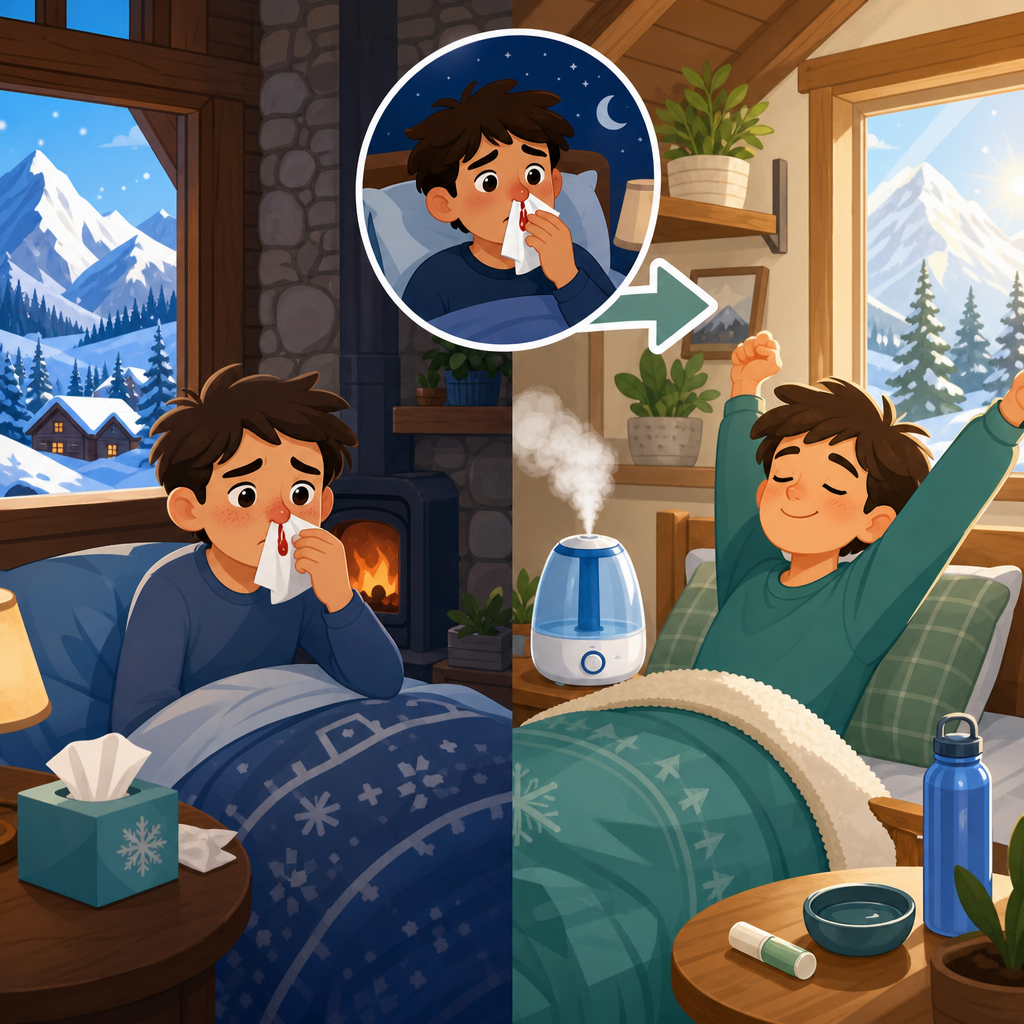
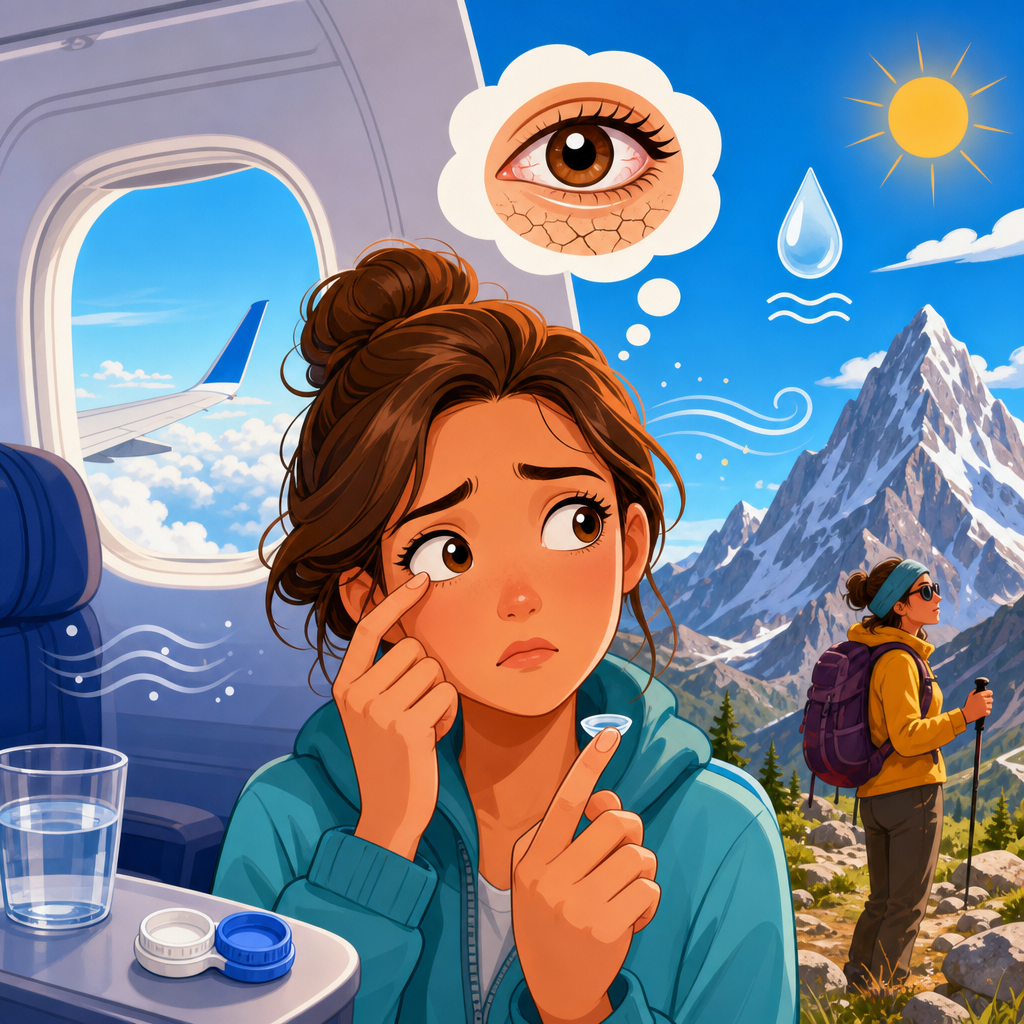
Many people think they are dehydrated when the real issue is local moisture loss from the environment. At altitude, the skin barrier faces constant stress from low humidity, wind, and ultraviolet radiation. Eyes lose tears more quickly, especially with contact lens wear, screen time, or forced-air heating. Nasal passages and throats dry out overnight, which can lead to irritation, nosebleeds, or morning hoarseness. Drinking enough helps, but it will not fully solve these problems unless you also reduce evaporation.
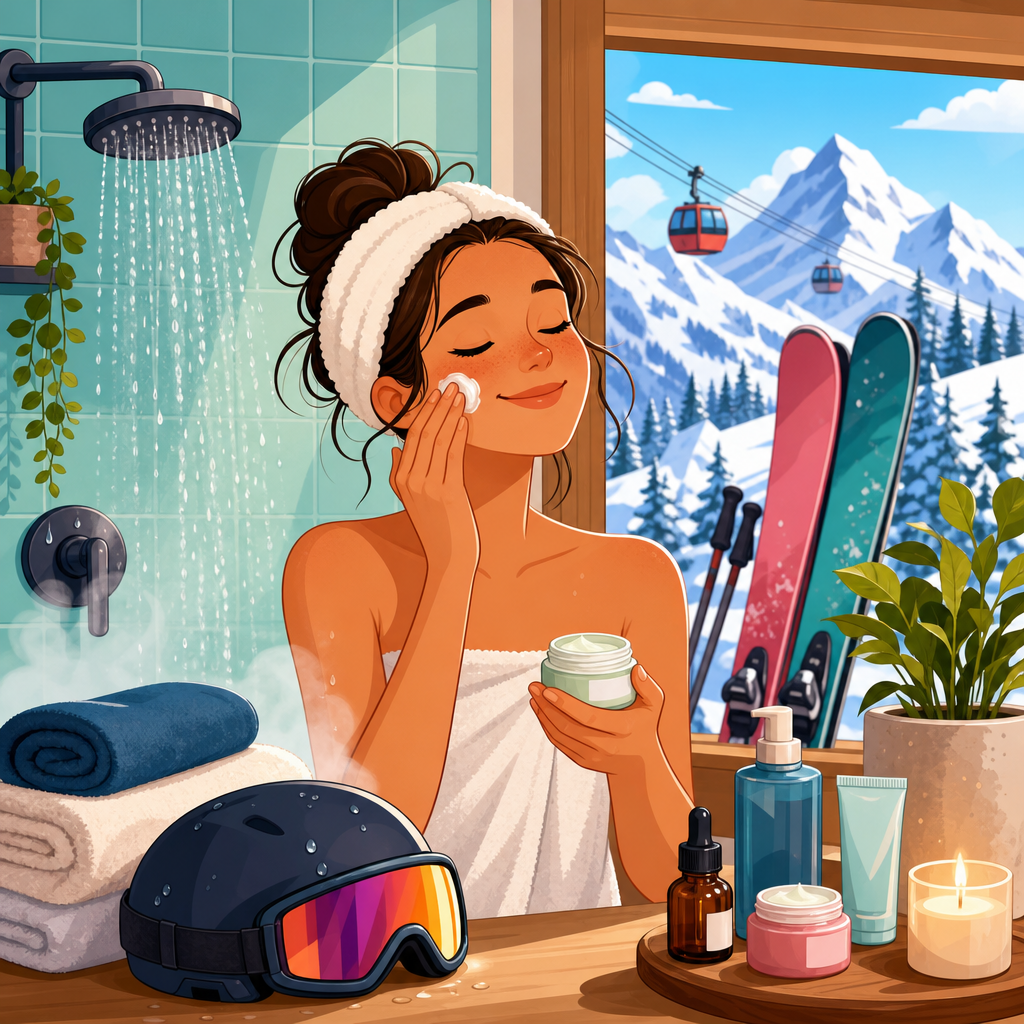
For skin, use a fragrance-free cleanser, apply moisturizer within a few minutes of bathing, and choose cream or ointment textures over light lotions in winter. Ingredients such as ceramides, glycerin, petrolatum, hyaluronic acid, and dimethicone are effective because they support the barrier and reduce transepidermal water loss. Sunscreen matters year-round. UV exposure increases with elevation, and snow reflects it. That combination dries and inflames skin faster than many newcomers expect.
For eyes, preservative-free lubricating drops can make a major difference, especially for contact lens users. The American Academy of Ophthalmology consistently advises seeking evaluation if dryness is persistent, painful, or associated with vision changes. For airways, saline nasal spray and nighttime humidification often improve comfort more than simply drinking another liter of water. In other words, hydration for everyday comfort at altitude is both internal and external.
Make your home support hydration instead of fighting it
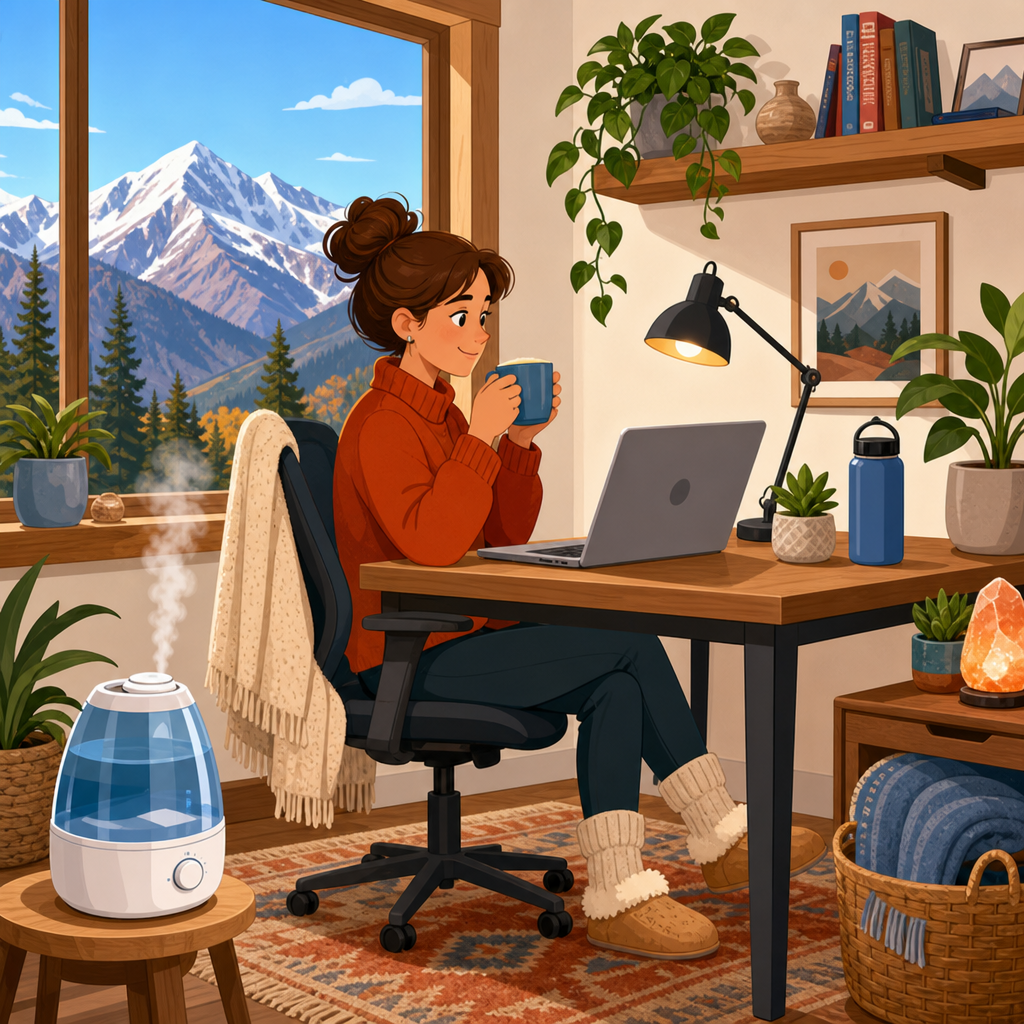
Home conditions strongly shape how hydrated you feel. I have seen people improve dry skin, headaches, and scratchy throats not by doubling water intake but by changing their indoor environment. Start with humidity. A hygrometer is inexpensive and gives you a real reading instead of guesswork. In many mountain homes during winter, indoor humidity falls below 25 percent. Raising it into the 30 to 40 percent range often improves comfort noticeably while avoiding the condensation and mold risks that come with excessive humidification.
Portable humidifiers can help bedrooms and home offices, but maintenance is essential. Dirty tanks can spread mineral dust or microbes. Use distilled water if recommended by the manufacturer, empty and dry the unit regularly, and clean it according to CDC guidance. Houseplants, drying laundry indoors, and reducing unnecessary overheating can also help, although these measures are usually supplements, not replacements, for a true humidifier in very dry climates.
Daily comfort also improves when hydration is built into the home layout. Keep a water carafe where you work, store herbal tea within reach, and stock hydrating foods such as cucumbers, oranges, berries, soup ingredients, and yogurt. If your lips constantly crack, place balm near sinks and bedside tables. If your eyes burn in the evening, adjust screen breaks and airflow from vents. Small environmental fixes reduce fluid loss and make healthy routines easier to repeat.
Adjust for exercise, commuting, travel, and seasonal changes
Altitude hydration needs change with movement and weather. Exercise increases respiratory loss and sweat loss, even in cold conditions where sweat evaporates quickly and goes unnoticed under layers. People commonly underdrink during skiing, snowshoeing, hiking, cycling, and trail running because the cold blunts thirst and carrying water feels inconvenient. A good rule is to start activities already hydrated, sip during the session, and replace losses afterward with both fluid and food.
Commuting and travel create another risk pattern. Long drives, dry airplane cabins, and day trips from low elevation to higher resorts can leave people dehydrated before outdoor activity begins. Start drinking earlier than you think you need to, and keep snacks with sodium and carbohydrate available. On flights, alcohol and multiple coffees are a common setup for headaches and fatigue on arrival. Water, a meal, and moderate caffeine work better.
Seasonal changes matter too. Summer heat increases sweat losses, but winter often causes more unnoticed dehydration because of dry indoor heating and reduced thirst. If you moved recently from sea level, expect the first one to three weeks to require more deliberate effort while your body acclimatizes. Watch medications as well. Diuretics, some blood pressure medicines, stimulants, and antihistamines can alter hydration status or worsen dryness. If you have kidney disease, heart failure, or another condition requiring fluid restriction, your clinician’s advice overrides general altitude guidance.
Know when dehydration may be something more serious
Most altitude-related dryness and mild dehydration can be managed with daily habits, but there are times to take symptoms seriously. Seek medical care for confusion, fainting, persistent vomiting, severe weakness, very low urine output, rapid heartbeat that does not settle, or signs of heat illness. If you are newly at altitude and have severe headache, shortness of breath at rest, poor coordination, or worsening symptoms despite rest and fluids, think beyond simple dehydration. Acute mountain sickness and more serious altitude illnesses require prompt evaluation and sometimes descent.
It is also worth investigating persistent dry eyes, mouth, or skin if routine measures do not help. Chronic symptoms can reflect allergies, medication effects, eczema, rosacea, sleep-disordered breathing, autoimmune conditions, or indoor air problems rather than hydration alone. Good self-care is powerful, but it should not delay diagnosis when symptoms are out of proportion.
The most effective approach is measured and repeatable: drink fluids steadily, eat water-rich foods, use electrolytes when losses are real, humidify dry indoor air, and protect skin and eyes from constant evaporation. That combination works better than any single hydration hack. If you live at altitude, build these habits into your morning, workday, exercise routine, and home setup now. Small changes done daily are what keep energy, comfort, and health stable in mountain air.
Frequently Asked Questions
Why do I get dehydrated more easily when I live at altitude?
At altitude, dehydration happens faster because several factors work against your normal fluid balance at the same time. The air is typically much drier, so you lose more moisture through your skin and breath even when you are not sweating heavily. You also breathe faster and often more deeply in thinner air, which increases what is called respiratory water loss. On top of that, strong sun exposure, wind, and greater daily temperature swings can make it easier to lose fluids without noticing it right away. Many people also experience a mild diuretic effect when they first move to higher elevation, meaning they urinate more as their body adjusts. All of this can happen before obvious thirst kicks in, which is why waiting until you feel thirsty is not the most reliable strategy.
That is also why daily hydration habits at altitude need to be more intentional than they might be at sea level. Instead of thinking only about how much water you drink, it helps to think about total fluid balance across the day. Consistent water intake, regular meals, enough electrolytes, and awareness of your environment all matter. If your lips are dry, your skin feels tight, your eyes feel irritated, your energy dips, or your urine is consistently dark yellow, those can all be subtle signs that your hydration routine needs work. The goal is not to force huge amounts of water all at once, but to create steady habits that match the way your body loses water in a high, dry climate.
How much water should I drink each day at altitude?
There is no single perfect number for everyone because hydration needs at altitude depend on your elevation, body size, activity level, diet, climate, and how long you have been living there. A person spending most of the day indoors at 5,500 feet will not need the same amount as someone hiking, working outside, or living above 8,000 feet in very dry conditions. That said, many people do better when they stop relying on random sips and instead spread fluid intake across the full day. Starting the morning with water, drinking with meals, and having small amounts regularly between activities is usually more effective than trying to “catch up” later.
A practical approach is to use both routine and body signals. Keep an eye on urine color, frequency, thirst, headache patterns, energy, and how your skin, lips, and eyes feel. Pale yellow urine is often a reasonable sign that you are in a good range, while consistently dark urine can suggest you need more fluids. But it is also possible to overdo water if you ignore electrolytes and drink excessively. For most people living at altitude, the best daily target is one that produces steady hydration without bloating, constant bathroom trips, or a washed-out feeling. If you are exercising heavily, spending time in the sun, drinking alcohol or caffeine, or recovering from illness, your needs may rise. In other words, aim for consistency first, then adjust based on how your body responds.
Is drinking more plain water enough, or do I need electrolytes too?
Plain water is essential, but at altitude it is not always the whole answer. Hydration is about replacing both fluids and the minerals that help your body use those fluids effectively. Electrolytes such as sodium, potassium, and magnesium support fluid balance, muscle function, nerve signaling, and overall performance. If you are sweating, exercising, eating very lightly, or drinking large amounts of water without enough food, you may feel tired, headachy, weak, or “off” even if you technically drank a lot. In that situation, water alone may not fully solve the problem.
For everyday life, many people can meet electrolyte needs through normal meals, soups, fruits, vegetables, dairy, and other whole foods. You do not necessarily need a sports drink all day long. However, electrolytes become more important during long hikes, runs, ski days, physically demanding work, hot weather, illness, or the first part of acclimatization when your body is adjusting. A balanced electrolyte drink, mineral-rich foods, or simply eating regular meals with enough sodium can help maintain better hydration than water alone. The key is balance. Too little sodium while drinking a lot of water can leave you feeling worse, while overly sugary drinks can create their own problems. For most altitude residents, the smart habit is to use plain water as the foundation and add electrolytes strategically when activity, sweat loss, or symptoms suggest you need more support.
What are the best daily hydration habits for staying comfortable and healthy at altitude?
The most effective habits are simple, repeatable, and spread throughout the day. Start with a glass of water soon after waking up, since you lose moisture overnight through breathing and dry indoor air can make that worse. Drink with each meal, keep a water bottle nearby, and build in routine sips during natural breaks instead of waiting until you are very thirsty. If you work outdoors, exercise regularly, or commute in dry, sunny conditions, carry more fluids than you think you will need. Pair fluids with food whenever possible, because meals help improve fluid retention and provide electrolytes that plain water does not always supply.
Comfort also matters more than people realize at altitude. Dry air can affect your skin, lips, nose, and eyes, and those symptoms often appear alongside poor hydration habits. Using lip balm, moisturizer, saline nasal spray, and lubricating eye drops can make a real difference, especially in winter or windy conditions. Limiting excess alcohol, being mindful with caffeine if it replaces meals or water, and increasing fluids on travel days or after long periods outside are also helpful. During exercise, drink before, during, and after activity instead of only at the end. Finally, pay attention to your environment. Heated indoor spaces, sunny afternoons, and high-output physical effort all increase fluid loss. The best altitude hydration routine is not extreme; it is steady, proactive, and flexible enough to match the conditions you are actually living in.
How can I tell whether my symptoms are from normal altitude dehydration or something more serious?
Mild altitude-related dehydration often shows up as dry mouth, darker urine, light fatigue, a dull headache, dry skin, chapped lips, or feeling unusually thirsty later in the day. These symptoms often improve when you rest, eat, and rehydrate steadily. In many cases, they reflect ordinary fluid loss from dry air, sun exposure, and faster breathing rather than a medical emergency. That said, it is important not to dismiss every symptom as “just dehydration,” especially if you are new to altitude or recently went significantly higher.
Symptoms that deserve closer attention include persistent or severe headache, nausea, vomiting, dizziness, unusual shortness of breath, confusion, extreme weakness, chest tightness, or symptoms that do not improve with fluids and rest. These may signal altitude illness, heat-related illness, or another health problem rather than simple dehydration. If you cannot keep fluids down, feel faint, stop urinating normally, or notice worsening symptoms after exertion, it is wise to seek medical advice promptly. People with heart conditions, kidney issues, certain medications, or other underlying health concerns should be especially careful with hydration changes at altitude. A good rule is this: mild symptoms that improve with routine hydration are common, but severe, escalating, or unusual symptoms should not be self-diagnosed. When in doubt, get evaluated.