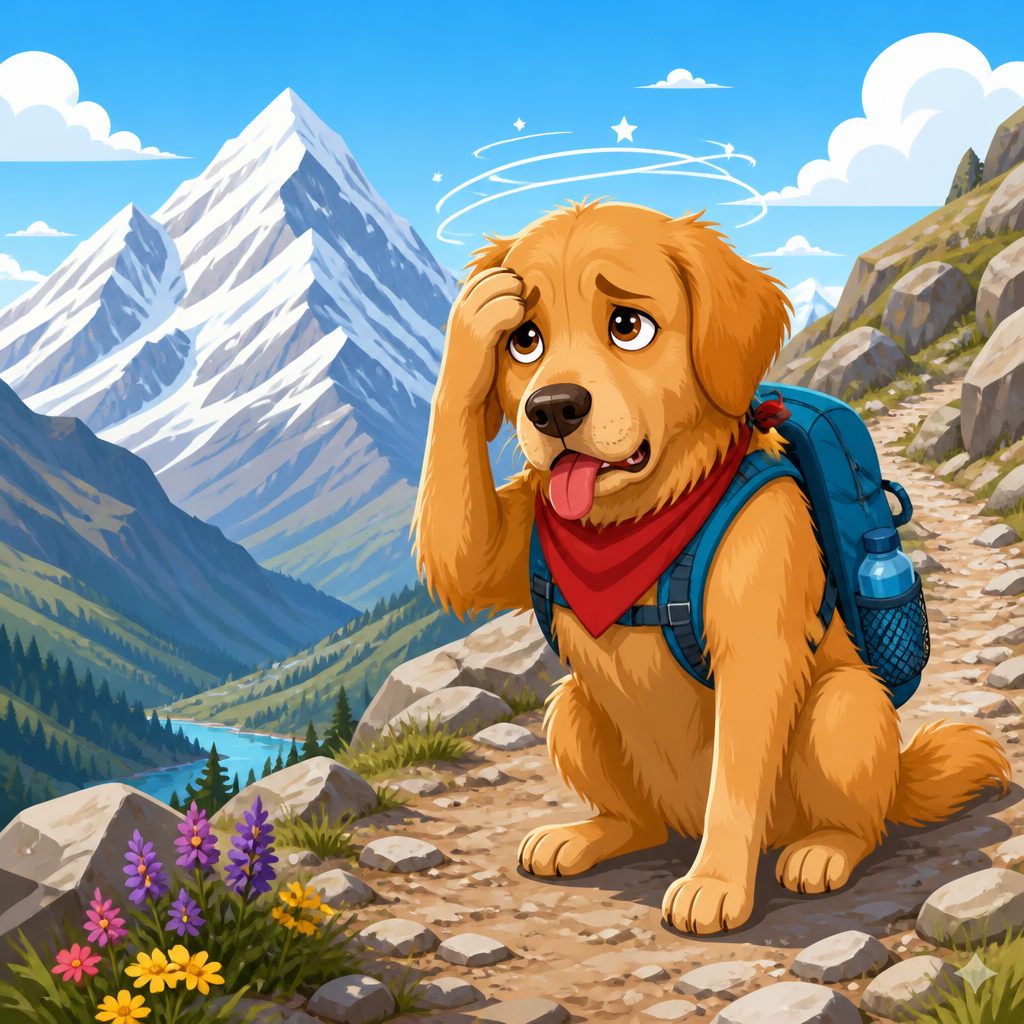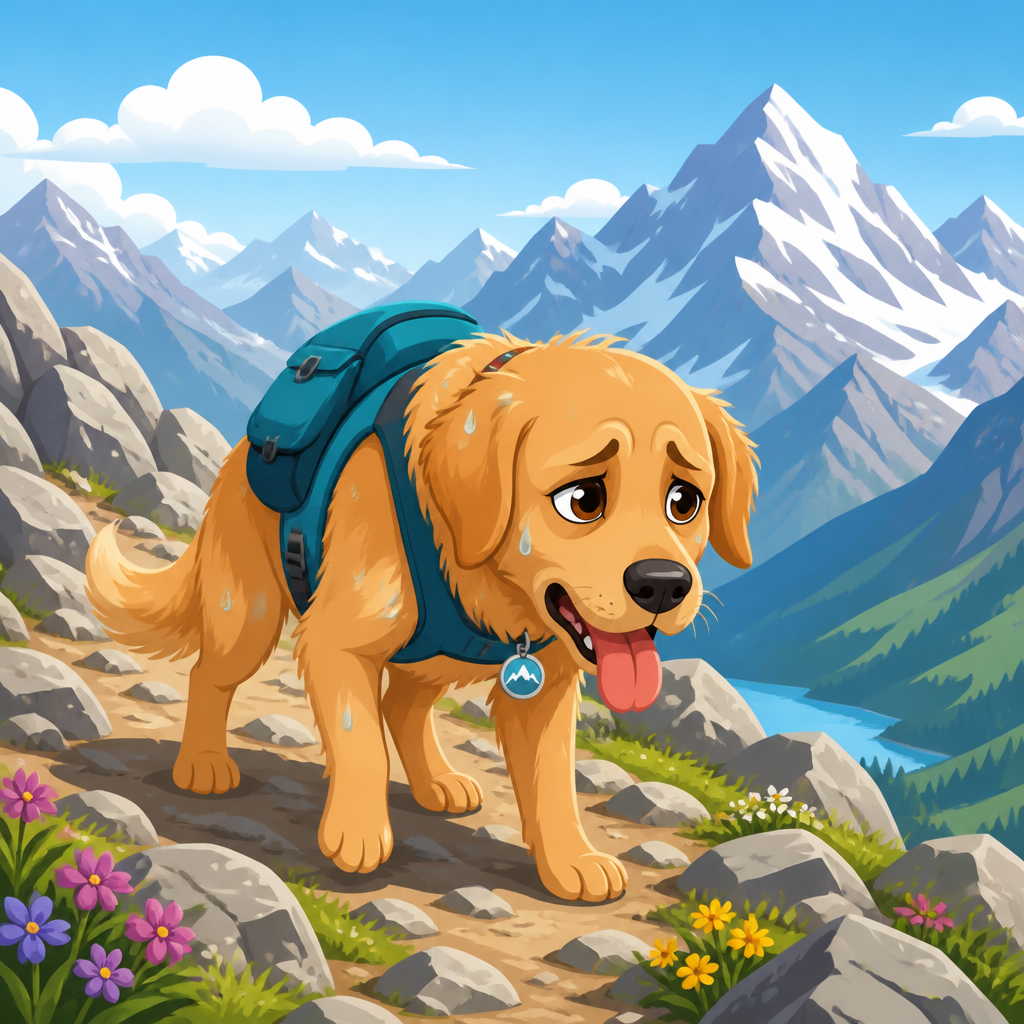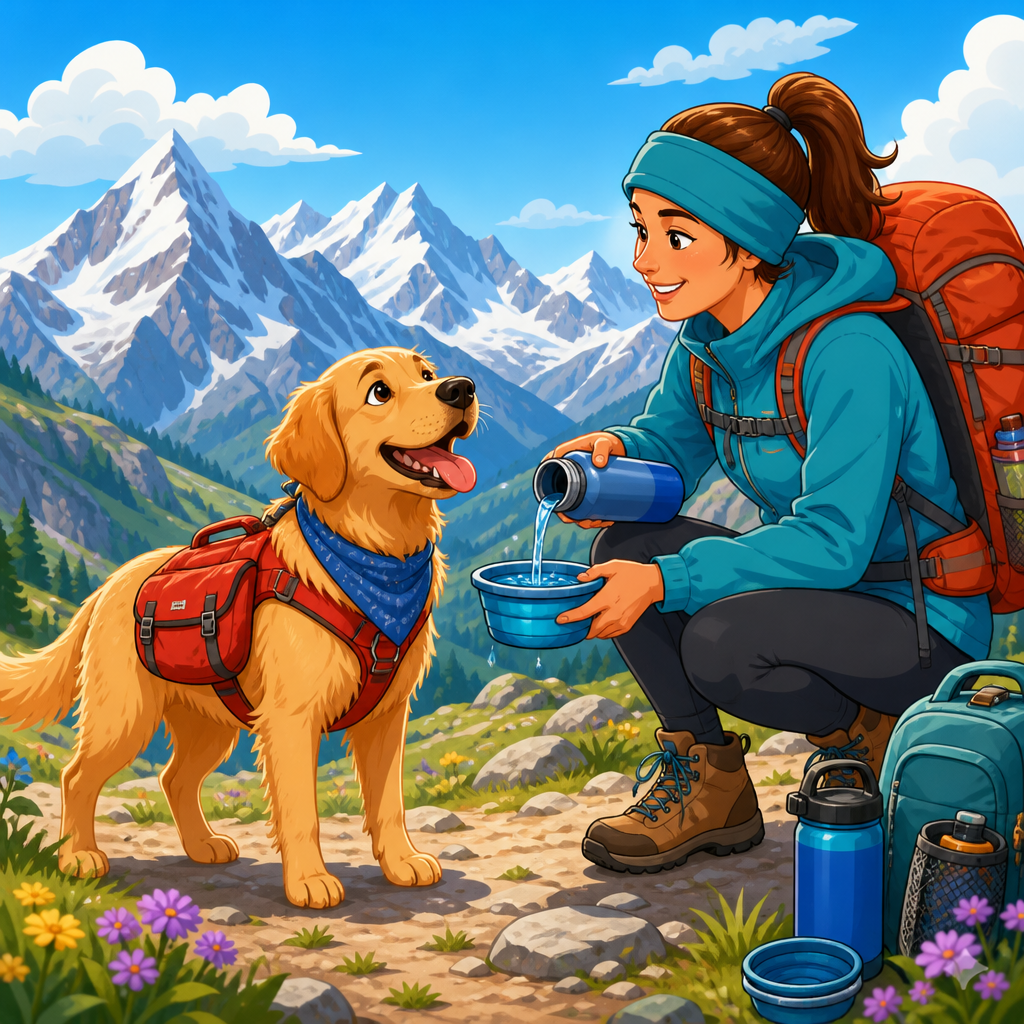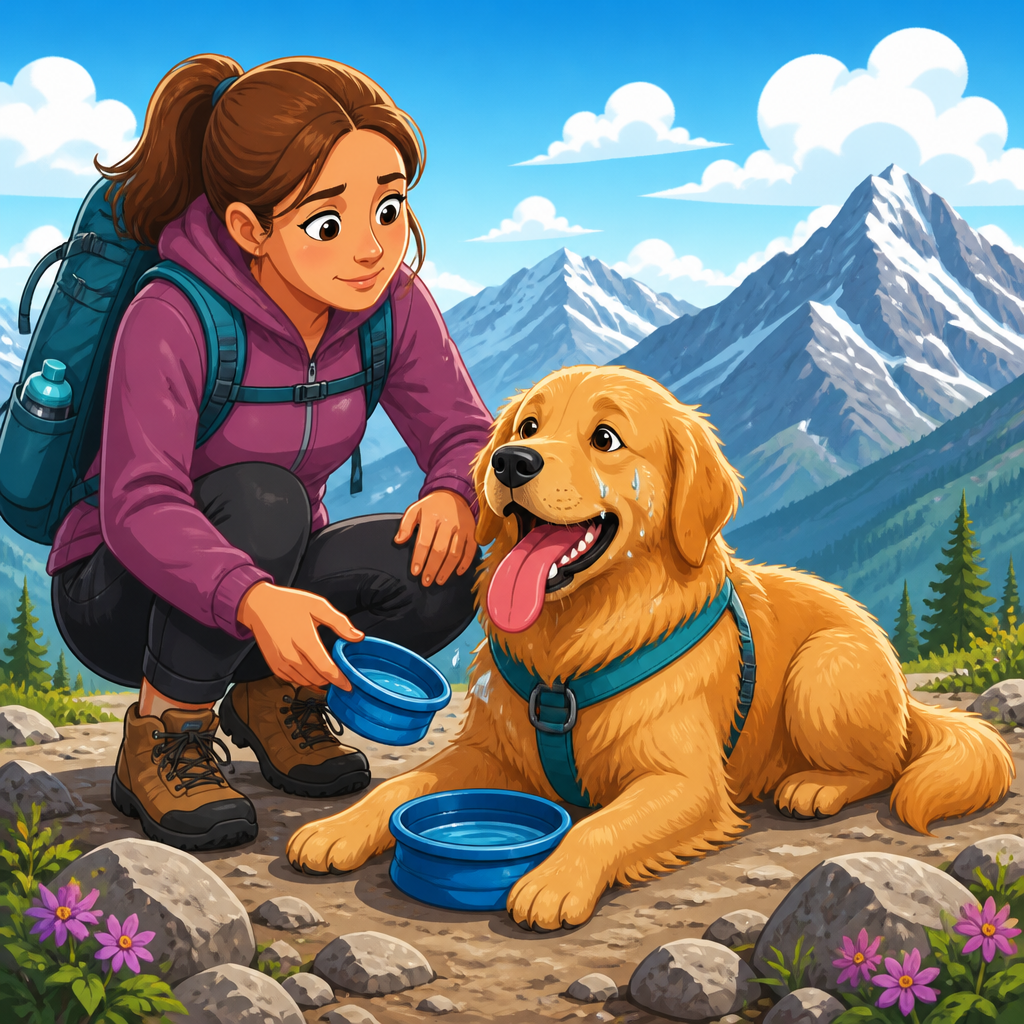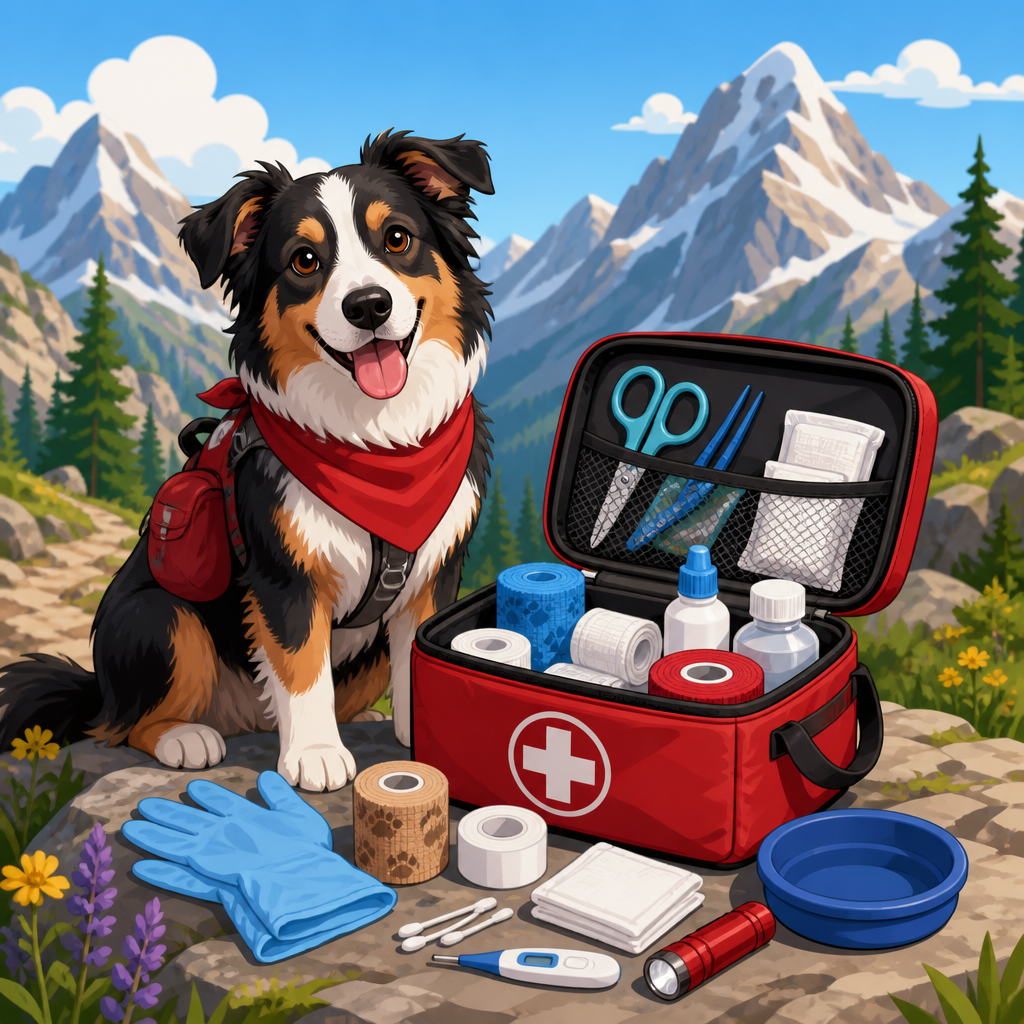
Planning a safe alpine outing with a dog starts long before the trailhead, and the most important preparation is building a dog first-aid kit for mountain trips that matches terrain, weather, distance, and your dog’s specific risks. A dog first-aid kit is a compact set of medical, safety, and stabilization supplies used to manage injuries or illness until you can hike out or reach a veterinarian. For mountain travel, that definition must expand beyond basic bandages. Elevation, sharp rock, cold streams, heat exposure, wildlife, long descents, and limited cell service create problems that ordinary pet kits do not address well. I have packed canine first-aid kits for day hikes, backpacking routes, and snow-season approaches, and the difference between a generic pet store kit and a trail-ready system is obvious the first time a paw tears open on granite or a dog refuses food after drinking from an alpine tarn.
This topic matters because dogs experience mountain hazards differently than people do. They cannot tell you when a shoulder strain starts, when a bootie is rubbing raw, or when nausea and lethargy point to altitude stress, dehydration, pain, or cold. Their normal enthusiasm also hides developing problems. In practical terms, mountain dog safety depends on early intervention, careful observation, and carrying enough equipment to clean wounds, control bleeding, protect paws, prevent heat or cold injury from worsening, and evacuate if needed. This hub article covers the complete picture of Mountain Dogs & Hiking, but its core focus is what to pack in a dog first-aid kit for mountain trips, how to organize that kit, and how to use it responsibly in real trail conditions.
Good preparation begins with a few key terms. A field dressing is the temporary bandage you apply on trail; it is not the same as a clinic-grade repair. Hemostasis means stopping bleeding. Irrigation is flushing a wound thoroughly, usually with sterile saline or clean water under pressure. Muzzle safety refers to protecting yourself while helping an injured dog, because even gentle dogs may bite when frightened or in pain. Triage means deciding what problem threatens the dog most urgently: airway, breathing, circulation, temperature, mobility, or toxin exposure. When you understand those basics, packing becomes more logical and less driven by guesswork.
As the sub-pillar hub for Mountain Dogs & Hiking, this guide also connects the broader issues every mountain dog owner should think about: conditioning for steep climbs, choosing a harness, paw care, hydration strategy, pack weight, wildlife avoidance, and emergency planning. Still, first aid is the layer that ties all of those topics together. The right kit will not replace veterinary care, but it buys time, reduces suffering, and often determines whether a manageable issue stays manageable on a mountain trail.
Core supplies every mountain dog first-aid kit should include
The foundation of a dog first-aid kit for mountain trips is wound care, bleeding control, paw protection, basic medications approved by your veterinarian, and tools that work in rough environments. Start with nitrile gloves, sterile gauze pads in several sizes, nonadherent wound pads, rolled gauze, self-adhering cohesive bandage such as Vetrap, adhesive tape, blunt-tip scissors, tweezers, a digital thermometer, saline wash, and antiseptic wipes or chlorhexidine solution. Add a small syringe for irrigation, because flushing debris out of a cut is often more important than covering it quickly. I also pack a hemostatic gauze product for significant bleeding, although direct pressure remains the first step.
Paw injuries are among the most common mountain problems, so paw-specific supplies deserve dedicated space. Carry at least two to four dog booties that actually fit, plus extras if your route is long or rocky. Include paw wax for abrasion prevention, a small towel to dry feet before taping, and nonstick pads that can sit over torn pads. Musher’s Secret is popular for conditioning paws, but wax is not a substitute for booties on talus, hot scree, or snow crust. For toenail tears, styptic powder or a styptic pencil can help control minor bleeding, though a badly damaged nail may still require pressure bandaging and evacuation.
Gastrointestinal trouble also belongs in a mountain dog first-aid kit. Sudden vomiting or diarrhea can stem from overexertion, bad water, scavenging, stress, or dietary indiscretion. Pack your dog’s regular food in measured portions, a collapsible bowl, and any veterinarian-approved medications with written dosing instructions. Never improvise human medications on the trail without prior veterinary guidance. Include proof of rabies vaccination, microchip information, your primary veterinarian’s number, the nearest emergency clinic to the trail region, and poison hotline contact details. In an emergency, paperwork and phone numbers save time.
Finally, build in restraint and transport capability. A soft muzzle or gauze to improvise one, a spare leash, and a secure harness are essential. A leash can become a drag line, tie-out, or support aid during descent. For small dogs, a sling may be enough. For larger dogs, a rescue harness or carry system made by brands like Fido Pro or Ruffwear can turn a serious mobility injury into a survivable evacuation. These items are not extras; they are mountain-critical gear.
How to tailor the kit to terrain, weather, and your dog
No single packing list fits every mountain trip. The right dog first-aid kit for mountain trips changes with season, exposure, altitude, mileage, remoteness, and your dog’s age, coat, fitness, and medical history. On hot summer climbs above tree line, overheating and pad burns move up the risk list. On shoulder-season routes with creek crossings, hypothermia, wet fur, and slipping injuries matter more. In winter conditions, booties, paw balm, insulation, and emergency warmth become mandatory because snow clumping, ice cuts, and prolonged cold can degrade a dog fast, especially short-coated breeds.
Breed and body type matter. Deep-chested dogs may be at increased risk of gastric dilatation-volvulus, so I avoid heavy feeding immediately before strenuous ascents and monitor for unproductive retching, distended abdomen, and restlessness. Brachycephalic dogs are more vulnerable to heat stress and exertional breathing problems, making cooling tools and conservative route choice especially important. Senior dogs often need joint support planning, shorter mileage, and extra padding for rests. Dogs with seizure history, allergies, or prior orthopedic injury need individualized additions cleared by their veterinarian before any mountain trip.
Your route also dictates redundancy. For a short, busy trail near town, one set of booties and basic dressing supplies may be enough. For a ten-mile out-and-back with steep rock, water scarcity, and weak reception, carry backup water treatment, more gauze, more wrap, and a real evacuation plan. I also adjust by group size. If I am solo with one dog, I pack lighter but prioritize tools that allow one-person handling. In a group, we can distribute equipment and carry a more robust rescue setup.
| Mountain condition | Main canine risks | Priority first-aid additions |
|---|---|---|
| Hot exposed trail | Heat stress, dehydration, burned pads | Extra water, cooling towel, booties, electrolyte plan from veterinarian |
| Rocky alpine route | Pad lacerations, nail tears, slips | Nonstick pads, cohesive wrap, tape, styptic powder, rescue harness |
| Snow or shoulder season | Hypothermia, ice cuts, snow clumping | Insulating layer, emergency blanket, multiple booties, paw wax |
| Remote backcountry overnight | Delayed evacuation, repeated wear injuries | Extra dressings, spare leash, tick tool, written medical notes, more food |
Weight matters, but trimming the wrong items is a common mistake. I have seen hikers bring a toy, a full-size brush, and a huge bag of treats while leaving out irrigation supplies and tape. Pack by consequence, not by convenience. If an item addresses a high-probability or high-severity problem, it earns space.
Using the kit for the injuries and illnesses most common on mountain hikes
The most common mountain dog emergencies are paw lacerations, torn nails, hot spots from wet friction, porcupine encounters in some regions, minor eye irritation, gastrointestinal upset, strains, cuts from rock or wire, and heat or cold stress. For a bleeding paw pad, rinse thoroughly, remove visible grit with tweezers only if it comes away easily, apply a nonadherent pad, wrap with gauze, then secure with cohesive bandage snugly but not tightly. Check toe warmth and swelling. In the field, many failed bandages slip because the foot was wet or hairy; drying the paw first and anchoring tape carefully above the wrist or hock improves hold.
For overheating, stop exertion immediately, move into shade, offer small amounts of water, wet the dog with cool—not ice-cold—water, and increase airflow. Heatstroke is a medical emergency. If your dog is collapsing, vomiting repeatedly, acting disoriented, or has brick-red or pale gums, begin cooling and evacuate at once. Conversely, for hypothermia, dry the dog, insulate from the ground, add a jacket or blanket, and keep movement controlled. Shivering alone is an early warning; lethargy and weakness are more serious.
Muscle strains and soft-tissue injuries often show up on descent. A dog that starts bunny-hopping, toe-touching, or refusing jumps should not be pushed onward. Rest, assess for swelling or pain, and use your carry system if needed. Eye problems require caution: dust, seeds, or grit can often be flushed with saline, but a dog squinting persistently or pawing at the eye may have a corneal injury that needs veterinary examination quickly. Do not put random ointments in the eye unless prescribed for your dog.
Wildlife and toxin issues vary by region. In snake country, keep the dog still and evacuate; do not cut, suck, or ice the bite. For bee stings, remove a visible stinger by scraping if practical, monitor for facial swelling or breathing difficulty, and use only veterinarian-approved medications. If your dog drinks contaminated water or eats something suspicious, note timing, symptoms, and quantity as best you can. Accurate observation helps the veterinarian far more than a vague guess after the hike.
Smart packing, storage, and training for a reliable trail system
A first-aid kit is only useful if you can find and use items fast. I organize mine in labeled waterproof pouches: wounds, paws, medications, and rescue. Clear zip bags work, but durable dry pouches hold up better in mountain conditions. Put frequently used items near the top: gloves, gauze, saline, wrap, tape, and booties. Medications stay in original labeled containers or clearly marked mini containers, protected from moisture and temperature swings. Replace anything expired, crushed, or contaminated. Before each trip, do a two-minute audit.
Training matters as much as packing. Practice putting booties on at home so your dog does not fight them on a windy ridge. Rehearse muzzle placement gently and positively. Learn your dog’s normal gum color, respiratory rate at rest, hydration habits, and gait, because recognizing abnormal signs depends on that baseline. I recommend every mountain dog owner take a pet first-aid course, ideally one that covers CPR, wound care, and transport. The Red Cross and several veterinary-led programs offer practical instruction, and hands-on learning is far more memorable than a checklist saved on a phone.
The wider Mountain Dogs & Hiking picture also deserves planning beyond the kit itself. Condition your dog gradually for elevation gain, keep nails trimmed to improve traction, choose a well-fitted harness instead of relying only on a collar, and respect leash rules in sensitive wildlife habitat. Water strategy is especially important. Dogs can pick up Giardia and other pathogens from natural sources, and while risk varies by location, carrying enough clean water or using a proven filter is safer than assuming every stream is harmless. If your dog wears a pack, keep the load modest; many veterinarians and experienced handlers suggest staying well below the percentages often quoted online unless the dog is highly conditioned and the terrain is moderate.
When first aid is enough, when to turn around, and when to seek emergency care
First aid stabilizes; it does not make a mountain dog invincible. Minor abrasions, small superficial cuts, and early hotspots can often be managed on trail and reassessed at home. Many other problems should end the hike immediately. Turn around if your dog shows persistent limping, repeated vomiting, diarrhea with weakness, reluctance to bear weight, abnormal breathing, uncontrolled bleeding, marked fatigue, disorientation, or signs of pain that do not resolve with rest. In mountain settings, delaying that decision usually makes evacuation harder, not easier.
Seek urgent veterinary care for suspected fractures, deep wounds, eye injuries, heatstroke, seizure activity, collapse, bloated abdomen, pale or blue gums, difficulty breathing, envenomation, or any condition that worsens despite basic treatment. Call ahead if you have service so the clinic can prepare. If you hike often, save emergency hospitals by region and know your route’s nearest exit points before you leave home. That planning is part of a real first-aid system, not separate from it.
The main benefit of carrying a well-built dog first-aid kit for mountain trips is not just preparedness; it is decision quality. When supplies are organized and matched to realistic risks, you respond faster, stay calmer, and protect your dog more effectively. Build your kit around wound care, paw protection, temperature management, medications approved by your veterinarian, and evacuation tools. Then test the system on short hikes, refine it by season, and treat every trip as a chance to improve your Mountain Dogs & Hiking routine. Review your kit this week, replace missing items, and make your next trail day safer for both of you.
Frequently Asked Questions
What should always be included in a dog first-aid kit for mountain trips?
A well-built dog first-aid kit for mountain travel should cover wound care, paw protection, stabilization, environmental exposure, and safe evacuation. Start with the basics: nonstick sterile pads, rolled gauze, self-adhering bandage wrap, medical tape, antiseptic wipes or a pet-safe wound cleanser, blunt-tip scissors, tweezers, a tick remover, and disposable gloves. Those items let you clean and cover cuts, abrasions, and punctures from rock, ice, brush, or broken gear. Add paw-specific supplies such as dog booties, extra socks or paw covers, and a paw balm or protective wax, since torn pads are one of the most common trail injuries in alpine terrain.
Beyond standard first aid, mountain conditions call for a few extra items that many pet owners overlook. Pack an emergency blanket or insulated wrap for cold exposure, a collapsible bowl for hydration, extra water or a way to purify water, and a soft muzzle in case a painful injury makes your dog reactive during treatment. Include a digital thermometer, styptic powder for broken nails, saline for flushing eyes or debris from wounds, and a sling, towel, or purpose-made carry harness to help with evacuation if your dog cannot walk out. It is also smart to carry any prescription medications your dog takes, plus a printed card with your veterinarian’s number, emergency clinic information, vaccine history, and notes about allergies or medical conditions. The best kit is compact, but it should still be tailored to the route, forecast, remoteness, and your dog’s age, fitness, and health profile.
How is a mountain dog first-aid kit different from a basic kit used for everyday walks?
A basic neighborhood-walk kit is designed for minor issues and short-term care, but a mountain kit needs to bridge the gap between the moment of injury and the time you can realistically reach veterinary help. In alpine environments, you may be hours from the trailhead, dealing with rough footing, temperature swings, stream crossings, snowfields, sharp talus, and rapidly changing weather. That means your kit should not only treat small wounds but also help you stabilize more serious problems such as paw pad lacerations, sprains, broken nails, hypothermia, eye irritation, dehydration, or porcupine quills and embedded debris. The farther and higher you go, the more your dog’s kit should reflect self-sufficiency.
Mountain kits also need to account for exposure and movement. For example, self-adhering wrap is useful, but in steep or wet terrain you may need extra tape to keep a bandage in place. Booties are not just comfort items in the mountains; they can be critical if your dog slices a paw pad on shale or volcanic rock. An emergency blanket becomes far more important when cold wind, sleet, or sudden temperature drops are possible. Likewise, a carry sling or improvised evacuation plan matters much more when your dog cannot simply be carried to a nearby car. In short, a mountain dog first-aid kit is broader in purpose: it supports treatment, protection, stabilization, and evacuation in a setting where help may be delayed and conditions can worsen quickly.
What supplies help most with paw injuries on rocky or high-altitude trails?
Paw injuries deserve special attention because they are among the most common problems dogs face in the mountains. Sharp rock, hot exposed stone, crusted snow, ice edges, and long descents can all damage paw pads. The most useful paw-care supplies include multiple dog booties in the correct size, self-adhering bandage wrap, nonstick pads, gauze, medical tape, saline or clean water for flushing, and a small pair of scissors to trim away loose material if needed. Styptic powder is also valuable for torn or split nails, which can bleed heavily and become painful fast. A paw balm or wax can help protect pads before and after the hike, though it is not a substitute for actual first-aid supplies.
If your dog tears a pad, the immediate goal is to stop bleeding, gently clean the area, protect it from contamination, and reduce further damage while you hike out. A nonstick pad placed over the injury, wrapped with gauze and then secured with self-adhering wrap, can provide temporary protection. A bootie over that bandage helps keep it cleaner and adds cushioning on rough ground. Bring extras, because booties can be lost, soaked, or torn. On longer or more technical routes, many experienced hikers carry enough materials to redo a paw bandage at least once. Prevention matters too: condition your dog’s feet gradually before demanding trips, watch for limping or excessive licking, and stop early if terrain is shredding the pads. In the mountains, a small paw issue can become a trip-ending injury very quickly.
Should I pack medications in my dog’s mountain first-aid kit?
Yes, but medications should be included thoughtfully and ideally with guidance from your veterinarian. The most important medications to pack are your dog’s regular prescriptions in clearly labeled containers, with enough extra for delays, weather changes, or an unplanned overnight stay. If your dog has known allergies, anxiety, seizure disorders, arthritis, heart disease, or other medical needs, those medications are not optional gear. They are part of your emergency plan. It is also wise to carry a written dosage list in case another person needs to help your dog or you need to speak with an emergency veterinarian from the trail.
Be very cautious about adding over-the-counter medications unless your veterinarian has specifically told you what is safe for your dog, at what dose, and for which symptoms. Many human drugs can be dangerous or even toxic to dogs, and giving the wrong medication can complicate treatment at altitude or during dehydration. Rather than trying to stock a mini pharmacy, focus on medications your vet has approved and on supplies that support stabilization until professional care is available. If your dog has a history of severe allergic reactions, ask your veterinarian whether an emergency medication belongs in the kit and exactly when it should be used. A mountain first-aid kit should never encourage guesswork; it should support calm, informed action based on your dog’s health history and your vet’s advice.
How often should I check and update my dog first-aid kit before mountain trips?
You should review the kit before every trip, even if it was fully stocked the last time you used it. Mountain travel puts unusual wear on gear, and first-aid items are easy to use, lose, or damage without noticing. Check expiration dates on saline, antiseptic products, medications, and any ointments. Replace used or partially used gauze, wraps, gloves, and wound pads. Inspect booties for holes, test scissors and tweezers, and make sure adhesive materials still seal properly. If your dog has gained or lost weight, confirm that harnesses, booties, muzzles, and any carry equipment still fit correctly. A first-aid kit is only useful if every item is functional when conditions turn serious.
It is also important to update the kit based on the specific trip rather than carrying the exact same setup year-round. For a short summer hike near a trailhead, you may prioritize hydration, paw protection, and wound care. For a long alpine route with exposure, snow, and cold wind, you should place more emphasis on insulation, extra wraps, eye flushing supplies, and evacuation support. Seasonal hazards matter too: tick removal tools may be more relevant in some months and locations, while extra insulation or ice-related paw protection becomes more important in colder conditions. Finally, update your emergency contact card whenever your veterinarian changes, your dog’s medications change, or you are traveling in a new region. The best habit is simple: treat your dog’s first-aid kit like essential mountain safety gear, not something you pack once and forget.