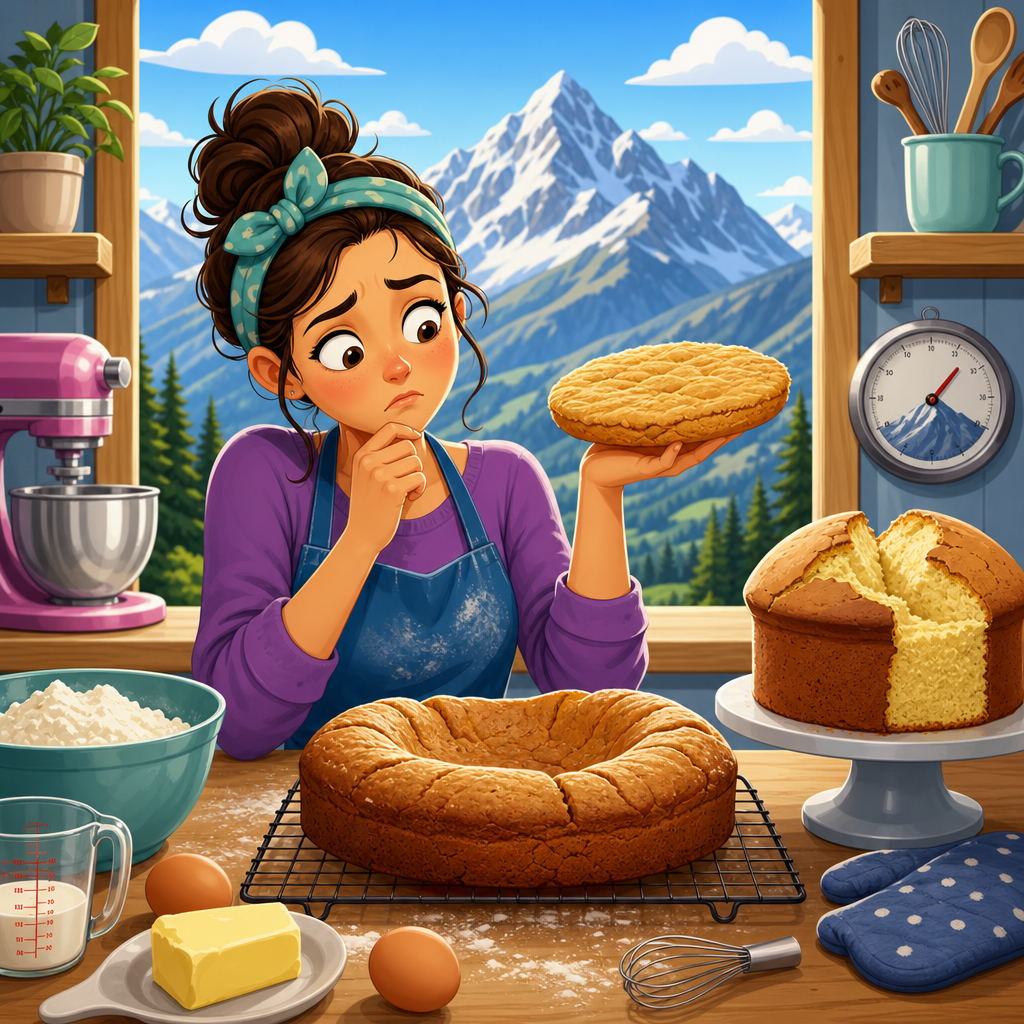
High altitude baking changes the rules of the kitchen, and eggs matter more than many bakers realize because they affect structure, moisture, lift, emulsification, browning, and overall stability all at once. In low elevation baking, small imbalances often stay hidden. Above roughly 3,000 feet, those same imbalances become obvious: cakes rise too fast and collapse, muffins tunnel, cookies spread oddly, and custards curdle sooner. I have tested the same formulas at sea level and in mountain kitchens, and eggs are one of the first ingredients I evaluate because they influence nearly every failure point. If flour provides the framework and sugar influences tenderness, eggs often determine whether the framework actually holds.
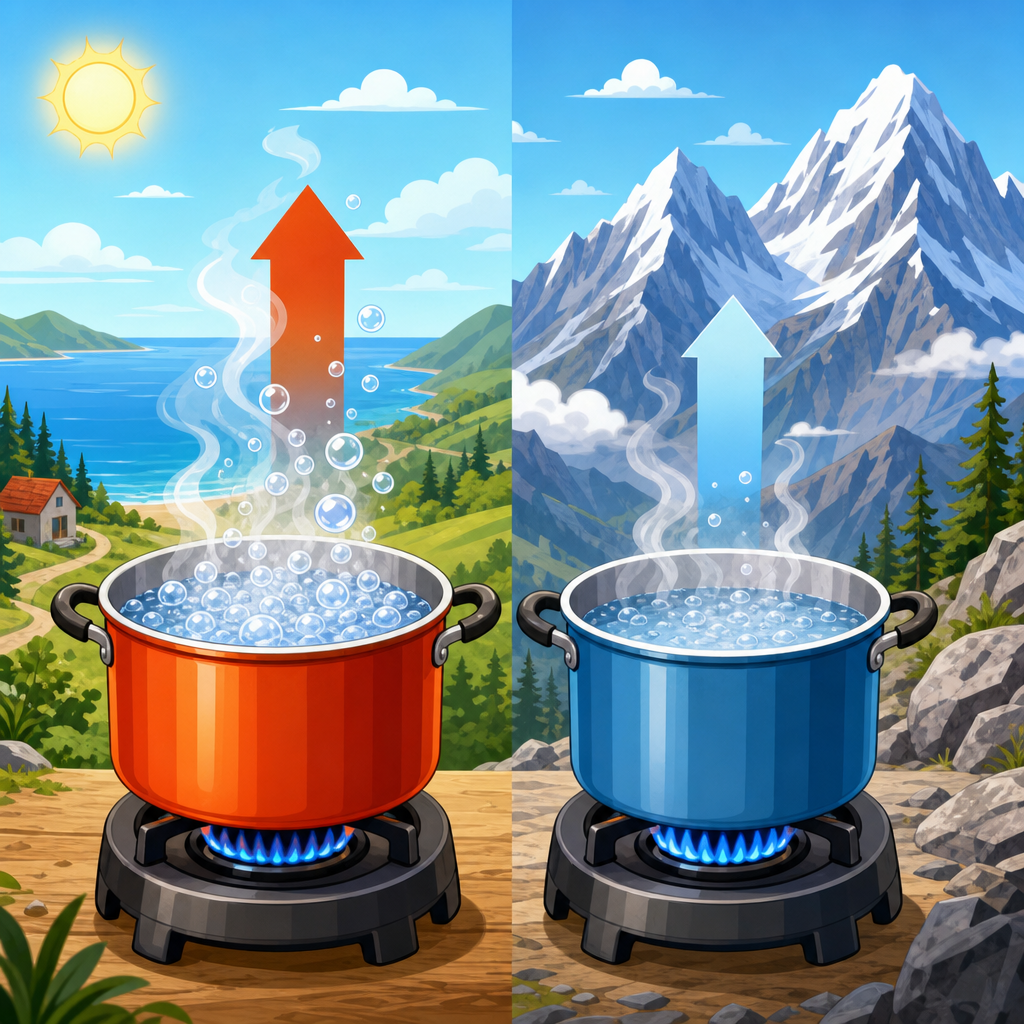
High altitude baking refers to baking in locations where lower air pressure changes how ingredients behave. Water boils at a lower temperature as elevation increases, so liquids evaporate faster and batters set more slowly before expanding gases push them too far. Leavening becomes more aggressive because gases expand more readily. Sugar becomes more disruptive because it weakens structure and delays setting. In that environment, eggs become especially valuable. The proteins in whites and yolks coagulate to create support. Yolks add fat, lecithin, color, and flavor. Whites contribute water and protein for foam and strength. Together, eggs help bakers manage the exact problems altitude creates.
This matters because most home recipes are written and tested closer to sea level. A baker in Denver, Santa Fe, Flagstaff, or mountain towns in Colorado, Utah, or Wyoming often follows a trusted formula and still gets inconsistent results. Understanding why eggs matter more in high altitude baking turns random troubleshooting into a reliable method. Instead of guessing whether to reduce baking powder, add flour, increase liquid, or lower the oven temperature, you can start with the role eggs play in the specific product. That makes this topic central to baking fundamentals at altitude and a practical hub for improving cakes, quick breads, cookies, custards, yeast doughs, and enriched batters.
Why altitude makes eggs more important
At higher elevations, reduced atmospheric pressure changes the timing of expansion and setting. Gas bubbles from chemical leaveners, steam, and whipped egg foams expand earlier and more dramatically. That sounds helpful, but it creates fragile volume before starches gelatinize and proteins coagulate enough to support it. Eggs matter more in high altitude baking because egg proteins set into a network that helps capture that expansion before the structure collapses. When a cake domes dramatically and then sinks, the issue is often not simply too much baking powder. It is also insufficient structural setting relative to expansion, and eggs are a major part of that setting process.
Eggs also offset accelerated moisture loss. Because water boils at a lower temperature, batters and doughs dry faster in the oven and sometimes even in the mixing bowl if held too long. Whole eggs are mostly water, and that water supports steam, dissolves sugar, hydrates flour, and delays dryness. Meanwhile, yolks emulsify fat and liquid, helping create finer, more stable crumb. In practical terms, a high altitude layer cake that seems dry despite correct baking time may improve not only from extra liquid but from an additional yolk, which contributes both moisture retention and tenderness without weakening the batter as much as free liquid alone.
Another reason eggs become more important is that they moderate extremes. Too much leavening creates coarse texture and collapse. Too much sugar amplifies spread and weakens crumb. Too little flour reduces support. Egg adjustments can partially balance each of these issues because eggs strengthen, bind, and emulsify. They are not a cure-all, but they are a highly efficient lever. In my testing, a single extra white can noticeably improve the shape of high altitude muffins, while an extra yolk can rescue richness and moisture in sponge cakes or butter cakes that otherwise bake up crumbly.
What eggs actually do in different baked goods
Eggs perform multiple technical functions, and high altitude amplifies the value of each one. In cakes, eggs provide structure through coagulating proteins, trap air during mixing, emulsify fat and liquid, and contribute browning through proteins and sugars. In sponge cakes and genoise, eggs are the primary leavening mechanism because whipped whole eggs or separated whites trap bubbles that expand in the oven. At altitude, those bubbles overexpand easily, so the quality of the foam and the timing of protein setting become critical. Warmed eggs whip with greater volume, but overwhipping creates large unstable bubbles that are more likely to collapse in mountain conditions.
In quick breads such as muffins, banana bread, and pancakes, eggs bind ingredients and create a more cohesive crumb. At altitude, this helps limit tunneling and excessive peaking caused by overactive leavening. In cookies, eggs influence spread, chewiness, and thickness. More egg can increase puff and cakiness, but a yolk-heavy formula often controls spread better than one with extra white because yolk fat and emulsifiers support a denser, smoother dough. In custards, cheesecakes, curds, and pie fillings, eggs thicken by coagulation. Since water boils sooner and oven conditions dry surfaces faster, gentle baking matters even more, and overbaked egg-based fillings become grainy quickly.
For yeast breads and enriched doughs, eggs add tenderness, color, richness, and elasticity. They are less central to basic lean bread than to brioche or challah, yet they still matter at altitude because fermentation can move faster and doughs can overproof more easily. An egg-enriched dough often has better resilience and color in a dry mountain oven. Understanding these product-specific roles is the foundation of baking fundamentals at altitude: eggs are not just an ingredient count in a recipe; they are one of the main tools for controlling structure and moisture in changing air pressure.
How to adjust eggs at altitude without ruining the formula
The right egg adjustment depends on the product, elevation, and existing formula. There is no universal rule to add an extra egg to every recipe. In fact, doing so can make some products rubbery or overly eggy. A better approach is to identify what the recipe needs more of: structure, moisture retention, emulsification, or foam stability. For many butter cakes at 5,000 to 7,500 feet, one additional egg white or one additional yolk works better than one extra whole egg. The white adds protein and water for structure; the yolk adds emulsifiers and fat for tenderness. Which one helps more depends on whether the cake currently collapses or dries out.
Recipes with already high egg content, such as chiffon cake, angel food cake, flourless chocolate cake, or custard pie, usually need process changes before egg quantity changes. You might reduce sugar slightly, lower baking powder, increase oven temperature modestly to set structure sooner, or shorten whipping time to avoid fragile foams. By contrast, a basic muffin with one egg and significant sugar may genuinely benefit from an extra white at altitude. I usually change one variable at a time and keep notes by elevation, pan size, mixing time, and oven calibration because altitude baking punishes vague memory.
| Product | Common high altitude problem | Egg-focused adjustment | Why it helps |
|---|---|---|---|
| Butter cake | Rises fast, then sinks | Add 1 extra white or 1 yolk | White improves structure; yolk improves emulsion and tenderness |
| Muffins | Tunneling or peaked tops | Add 1 extra white | More protein supports crumb against rapid gas expansion |
| Cookies | Too much spread | Use extra yolk instead of extra whole egg | Yolk enriches dough without adding as much free water |
| Sponge cake | Foam collapses | Do not increase eggs first; whip less aggressively | Smaller, steadier bubbles survive altitude better |
| Custard or cheesecake | Curdling or cracking | Keep egg count stable; bake gentler | Process control matters more than additional coagulation |
Egg size matters too. Standard American baking recipes are usually formulated with large eggs, about 50 grams each out of shell. If you casually use extra-large eggs, you may be adding more water and protein than intended. At altitude, that small difference can affect texture. Weighing eggs is one of the fastest ways to improve consistency across repeated tests.
Egg whites, yolks, and foams in mountain kitchens
Separating the functions of whites and yolks gives bakers more control. Egg whites are roughly 90 percent water and 10 percent protein. Those proteins unfold and bond when whipped or heated, forming the scaffolding behind meringue, soufflé, angel food cake, and many sponge cakes. At altitude, whipped whites can create dramatic volume, but they can also become dangerously dry and clumpy if beaten to stiff peaks when a recipe really needs medium peaks. Dry foam cannot stretch well as gases expand in the oven, so it ruptures and collapses. I get more reliable mountain meringues by stopping at glossy peaks, using superfine sugar when possible, and avoiding humid days even though the air is generally drier.
Yolks contain fat, lecithin, pigments, and additional proteins. Lecithin is a strong emulsifier that helps disperse fat evenly into water-based ingredients. In cakes and batters, this creates finer crumb and more even rise. At altitude, a stable emulsion is valuable because weakened batters separate more easily under aggressive oven spring. Additional yolk can improve the mouthfeel of cakes that otherwise seem dry or coarse, and it can make cookies richer while limiting excessive spread. That is why some high altitude bakers prefer adding a yolk rather than more milk when trying to improve texture.
Foam-based cakes deserve special caution. Angel food cake is already a balancing act of whipped whites, sugar, and gentle folding. In mountain conditions, overwhipped whites and underbaked centers are the classic failure pattern. A slightly warmer oven often helps set the foam before it overexpands, but the whites must still be whipped correctly. For chiffon cakes, the separate yolk batter and white foam must be matched in consistency. If the yolk base is too heavy or the whites too stiff, the batter deflates during folding and bakes unevenly. Those details matter more at altitude because the margin for error is smaller.
Common mistakes bakers make with eggs at altitude
The most common mistake is treating eggs as optional structure while changing everything else first. Bakers often cut sugar, reduce baking powder, and add flour, yet ignore that the recipe may simply need stronger protein setting or better emulsification. Another frequent error is overbeating eggs and egg foams. More volume in the bowl does not always mean better volume in the oven. At altitude, an unstable foam is worse than a modest stable one. The third mistake is adding whole eggs when only one component is needed. If a cookie spreads too much, extra whole egg may add too much water. An extra yolk is usually the smarter choice.
Temperature is another overlooked factor. Cold eggs do not emulsify as efficiently in creamed butter batters, which can leave a broken mixture that bakes unevenly. Room temperature eggs blend better, hold air more evenly, and reduce curdling in cake batters. For custards and cheesecakes, however, overaeration is the enemy. Beating eggs too vigorously incorporates bubbles that expand and cause cracking. In mountain baking, those bubbles become even more disruptive. Gentle mixing is essential.
Finally, bakers often forget that egg adjustments should work alongside other altitude corrections. If a cake collapses, adding an egg while leaving the leavening too high may not solve the problem. Good altitude baking relies on coordinated changes: slightly less baking powder, modestly more liquid, sometimes a somewhat higher oven temperature, and targeted egg adjustments based on the product. Eggs matter more in high altitude baking precisely because they interact with all of those variables rather than acting alone.
Using this fundamentals hub to troubleshoot altitude recipes
As a baking fundamentals hub, this topic gives you a starting point for every major category in cooking and baking at altitude. When you troubleshoot a recipe, ask four questions about eggs. First, is the product lacking structure, suggesting more white or better coagulation? Second, is it dry or coarse, suggesting more yolk or a better emulsion? Third, is the foam unstable because of overwhipping or excess sugar? Fourth, are the eggs being used at the correct temperature and mixed with the correct intensity? Those questions narrow the problem faster than broad trial and error.
Use that framework across subtopics. For cakes, focus on rise, crumb, and collapse. For muffins and quick breads, watch tunneling, toughness, and peaked tops. For cookies, monitor spread and chew. For custards, look for curdling, cracking, and weeping. For yeast-enriched doughs, observe proofing speed, color, and tenderness. Eggs connect all of these baking fundamentals because they influence structure, moisture, and stability at the same time. If you are building your altitude baking skills, start keeping a recipe log with elevation, egg weight, mixing notes, and results. That simple habit will improve your baking faster than buying new pans or chasing complicated formula changes.
Eggs matter more in high altitude baking because altitude magnifies every weakness in a formula, and eggs are one of the few ingredients that can strengthen, moisten, emulsify, and stabilize in a single step. Lower air pressure, faster evaporation, and earlier expansion make baked goods rise before they are ready to hold themselves. Eggs help close that gap. Whites add protein and water for support. Yolks add fat, lecithin, and tenderness for a better crumb. Foam handling, egg temperature, and measured adjustments matter just as much as ingredient quantity.
The practical takeaway is simple: stop thinking of eggs as background ingredients. In mountain baking, they are active tools for controlling texture and shape. Adjust them deliberately, weigh them for consistency, and pair any egg change with the other altitude basics your recipe needs. If you want better cakes, muffins, cookies, custards, and enriched breads at elevation, use this fundamentals hub as your starting point and test one smart egg-focused change in your next bake.
Frequently Asked Questions
Why do eggs matter more in high altitude baking than they do at sea level?
Eggs become much more important at higher elevations because they do several critical jobs at once, and high altitude magnifies every one of them. As elevation increases, air pressure drops, which changes how quickly batters expand, how fast moisture evaporates, and how easily delicate baked goods can overrise and then collapse. Eggs help counter those problems by providing structure through their proteins, moisture through their water content, richness through their fat, and stability through their emulsifying properties. In practical terms, that means eggs help cakes hold their shape, muffins bake with a finer crumb, cookies spread more predictably, and custards set more evenly.
At sea level, a recipe can often tolerate slightly too much sugar, a little extra leavening, or a batter that is not perfectly balanced. At high altitude, those same small issues become obvious very quickly. A cake may balloon in the oven before its structure is ready, then sink in the center. Quick breads may develop tunnels because gases expand too aggressively. Egg proteins help set the framework of the batter sooner, which is especially valuable when baked goods are rising faster than normal. That is why eggs are not just another ingredient in mountain baking; they are one of the main tools for keeping the entire recipe stable.
How do eggs affect structure and stability in high altitude cakes, muffins, and quick breads?
Eggs are central to structure because their proteins coagulate as they heat, creating a supportive network inside the batter. In high altitude baking, that network often needs to form a little more firmly or efficiently because baked goods expand faster in the oven. When gases from steam and leavening agents push upward too quickly, weak batters can stretch beyond their limits and then fall. Eggs help prevent that by strengthening the crumb and giving the baked good enough internal support to hold onto its rise.
In cakes, eggs contribute to a finer, more stable structure when properly balanced with flour, sugar, and liquid. In muffins and quick breads, they help reduce excessive crumbling and improve slicing and handling. If a recipe is under-supported at altitude, adding an extra egg or extra egg white can sometimes improve the result because whites contribute additional protein, which boosts structure without adding as much fat. That said, balance matters. Too much egg can make a cake rubbery, spongy, or overly firm. The goal is not simply to add more eggs to everything, but to use them strategically when a recipe is rising too fast, collapsing, or baking up fragile. Bakers at altitude often find that eggs are one of the most effective ways to reinforce a formula without completely redesigning it.
Do egg yolks and egg whites play different roles in high altitude baking?
Yes, and understanding that difference can make high altitude adjustments much more precise. Egg whites are mostly water and protein, so they are especially important for structure and setting power. They help strengthen batters and can be useful when a baked good needs more support to prevent overexpansion and collapse. That is why adding an extra white is a common adjustment in high altitude baking for cakes, muffins, and some cookies. It increases the protein content and helps the crumb set more reliably.
Egg yolks do a different job. They contain fat, lecithin, and other emulsifiers that help blend fat and water smoothly, which improves texture, tenderness, and consistency. Yolks also contribute richness, color, and browning. In high altitude baking, this matters because emulsification problems can become more noticeable when batters behave unpredictably or lose moisture more quickly. A well-emulsified batter tends to bake more evenly and produce a more uniform crumb. In custards, cheesecakes, and other delicate desserts, yolks are especially important because they help create a smooth set rather than a curdled or broken texture.
So while whole eggs are often the easiest way to improve a recipe, there are times when separating their functions is smarter. If a batter needs more strength, extra white may be the best move. If it needs smoother texture, richer mouthfeel, or more stable emulsification, yolk can help. In mountain baking, these distinctions matter because each part of the egg solves a slightly different problem.
Can adding more eggs fix common high altitude baking problems like collapsing cakes, tunneling, or dry texture?
Sometimes, yes, but not by itself and not in every recipe. Eggs can absolutely help with common altitude-related issues because they improve structure, moisture retention, and overall batter stability. If a cake rises dramatically and then sinks, an additional egg or egg white may help the batter set before it overexpands. If muffins are tunneling, stronger structure from eggs can help, though tunneling is also influenced by too much leavening, overmixing, or an oven temperature that is too low. If baked goods seem dry, eggs can help somewhat because they add moisture and richness, but dryness at altitude is also often caused by excessive evaporation, which may require more liquid or a shorter baking time.
The key is to think of eggs as one part of a broader high altitude adjustment strategy. In many recipes, the best results come from combining a small egg adjustment with one or more of the following changes: reducing chemical leavening, slightly increasing oven temperature, reducing sugar, or increasing liquid. For example, if cookies spread too much, more egg alone may not solve the issue if the butter is too warm or the sugar level is too high for the elevation. If a custard curdles, extra yolks may improve smoothness, but gentler baking and careful temperature control are still essential.
So yes, eggs can be a powerful fix, but they work best when you match the adjustment to the specific symptom. They are a stabilizer, not a magic shortcut. The most reliable high altitude bakers learn to use eggs as part of a complete balancing act.
What is the best way to adjust eggs in a recipe when baking above 3,000 feet?
The best approach is to adjust carefully and incrementally rather than making dramatic changes all at once. Above about 3,000 feet, the first step is to evaluate what the recipe is doing wrong. If a cake rises too quickly and falls, or if a muffin comes out coarse and weak, consider increasing the eggs slightly, often by adding one extra egg white or, in some formulas, one whole egg. If the recipe already contains several eggs, a small increase can make a noticeable difference because eggs have such a broad effect on structure, moisture, and emulsification.
It is also important to consider the type of baked good. Cakes and quick breads often benefit from more structure, so extra egg or white can help. Cookies may need only a modest adjustment because too much egg can change spread, chew, and browning in ways you may not want. Custards, curds, and cheesecakes require even more care because eggs determine how the dessert sets; too much can make them dense or overly firm, while too little can leave them loose or prone to curdling. Room-temperature eggs are also helpful because they blend more evenly into batter and support better emulsification.
For most bakers, the smartest method is to change one variable at a time and keep notes. If you add egg and also reduce sugar, increase flour, and change the oven temperature all in one attempt, it becomes hard to tell what actually improved the result. High altitude baking rewards observation. Eggs matter more because they influence nearly every part of the finished product, but that also means small egg adjustments can have large effects. Thoughtful testing is the fastest route to a recipe that works consistently in a mountain kitchen.