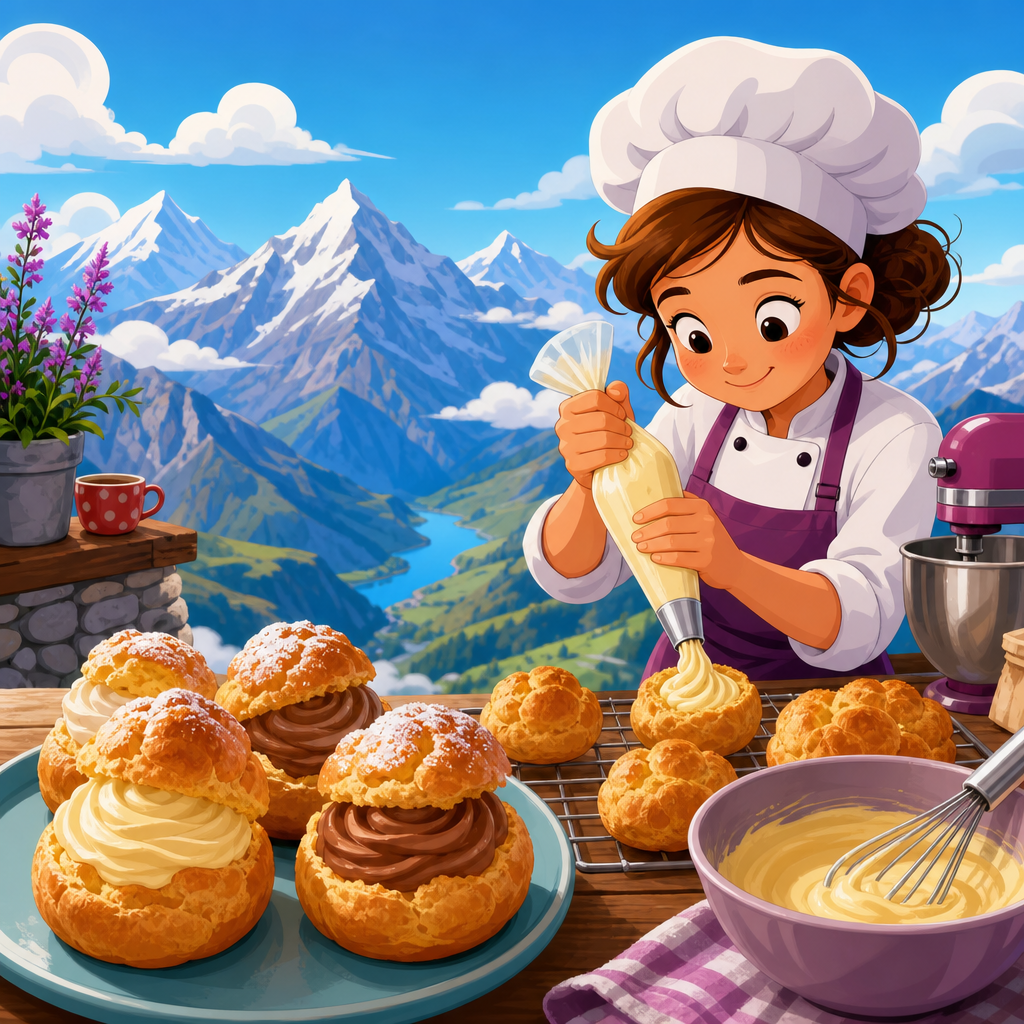
Cream puffs and choux pastry at altitude demand a different mindset than sea-level baking because reduced air pressure, faster evaporation, and lower boiling temperatures change how dough expands, sets, and dries. In the broader world of cooking and baking at altitude, this topic sits inside pies, pastries, and meringues, where structure depends on precise control of moisture, protein, starch gelatinization, and trapped air. A cream puff is a baked shell made from pâte à choux, a stovetop dough of water, fat, flour, and eggs that puffs from steam; related pastries include éclairs, gougères, profiteroles, Paris-Brest, churro-style choux, pie crusts, puff pastry, rough puff, Danish dough, tart shells, meringue toppings, pavlovas, macarons, and Swiss, Italian, or French meringue preparations. At altitude, all of them share the same central challenge: water leaves sooner, gases expand more aggressively, and delicate structures can rise before they have enough strength to hold shape.
After years of testing in mountain kitchens, I have found that choux is one of the clearest teachers of altitude physics. A batch that behaves perfectly at sea level can split, overexpand, collapse, or bake hollow-but-wet at 5,000 to 8,000 feet. The reason matters beyond cream puffs alone. Once you understand how steam leavens choux, how flour dries in the panade stage, and how eggs emulsify and support the paste, you can apply the same thinking to pie crust shrinkage, soggy fruit pies, collapsed meringues, and pastry layers that melt before they lift. This hub article explains the core adjustments, links the logic across the entire pies, pastries, and meringues category, and gives you a framework you can use whether you bake in Denver, Santa Fe, Salt Lake City, or any high mountain town.
Why altitude changes choux, pies, and meringues
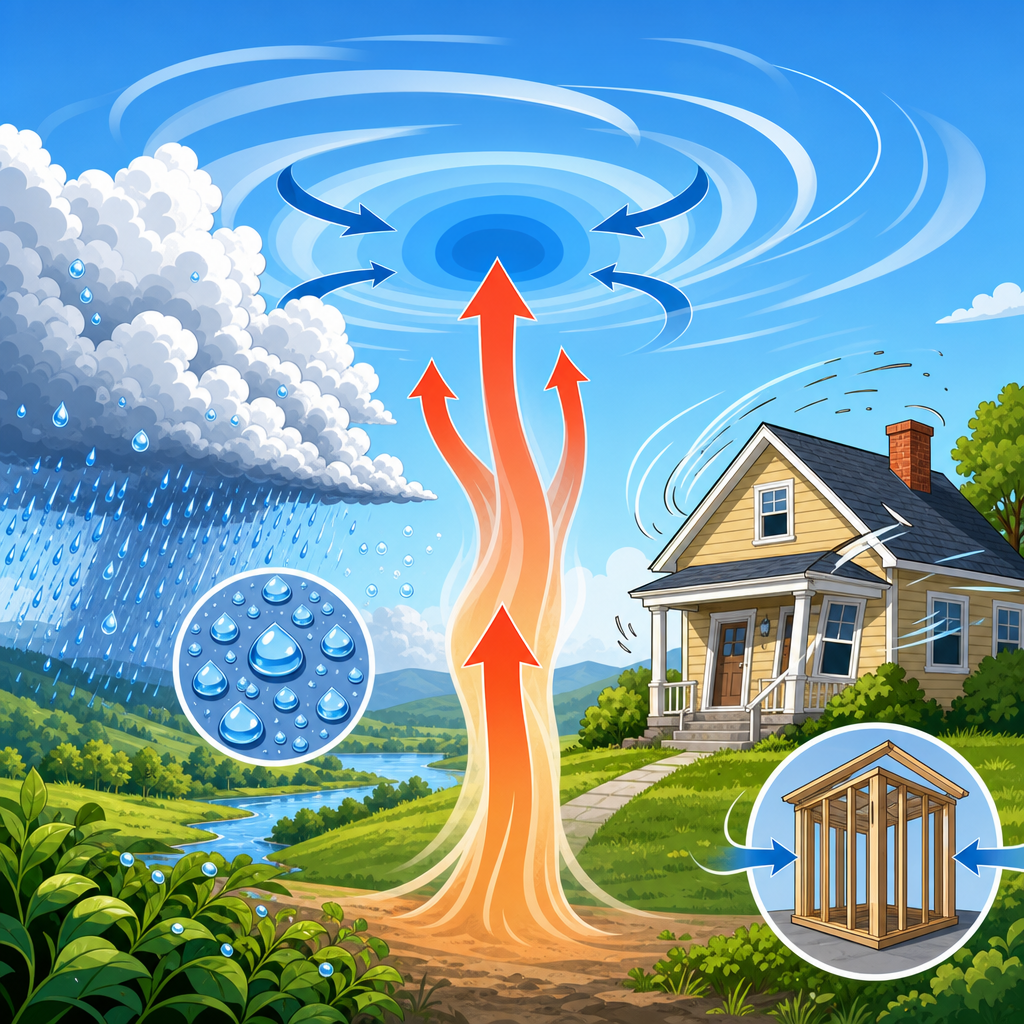
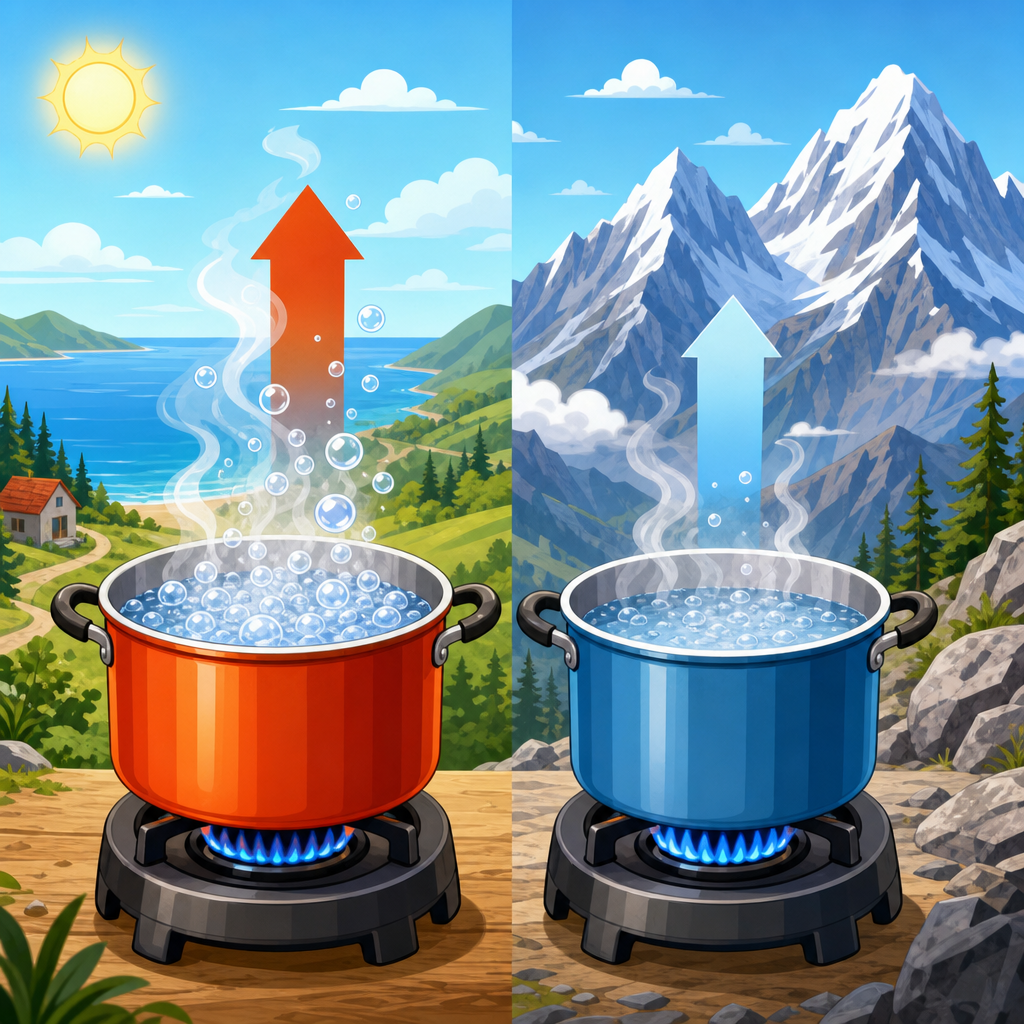
High altitude usually refers to baking above 3,000 feet, with stronger effects often showing above 5,000 feet. Atmospheric pressure drops as elevation rises, so water boils at a lower temperature. At 5,000 feet, water boils around 202 degrees Fahrenheit instead of 212. That means batters and doughs lose moisture faster, sugar syrups behave differently, and proteins can set later relative to expansion. In choux pastry, steam forms quickly, pushing the shell upward before the outer starch and egg proteins fully stabilize. In pie dough, butter softens and water evaporates faster, increasing the risk of tough crusts or shrinking shells. In meringues, foam can whip quickly but also dry out, overexpand, and crack because moisture balance changes throughout mixing and baking.
These effects are not random. They are mechanical and repeatable. Lower pressure encourages larger bubble expansion. Faster evaporation means formulas often need slightly more liquid or less aggressive baking temperatures. Lower boiling points affect custards and pie fillings because starches may need careful heat management to thicken fully. Sugar concentration climbs faster during cooking, which matters for lemon meringue pie, Italian meringue, marshmallow fillings, and fruit pie reductions. If you think in terms of structure versus expansion, altitude baking becomes easier to troubleshoot. Choux needs enough internal steam to rise, but enough shell strength to stay up. Pie crust needs flaky layers, but enough hydration to roll and hold shape. Meringue needs stable foam, but not so much dryness that it beads, weeps, or shatters.
How to adjust cream puffs and choux pastry at altitude
The most reliable altitude adjustments for pâte à choux are modest, not extreme. Start by increasing oven temperature by 15 to 25 degrees Fahrenheit to set structure earlier. Then evaluate dough moisture. In many kitchens above 5,000 feet, I add one to two tablespoons more water or milk per cup of flour in the initial panade, or I hold back a small portion of egg and judge consistency carefully. The goal is a paste that forms a smooth V shape from the paddle or spoon, looks glossy, and pipes cleanly without spreading flat. If the paste is too wet, shells overinflate and collapse. If too dry, they rise poorly and crack.
The stovetop phase matters even more at altitude. When you cook the flour with liquid and butter, you are gelatinizing starch and driving off excess moisture. Undercooked panade creates weak shells; overcooked panade demands too much egg later and can make the paste greasy. I cook until a thin film coats the pan and the dough reaches roughly 165 to 175 degrees Fahrenheit, then cool it slightly before incorporating eggs. Adding eggs while the panade is too hot can scramble proteins and ruin emulsion. For consistent results, weigh ingredients, use large eggs by gram weight, and pipe uniform mounds. Uneven size causes uneven drying, which is one reason one tray may contain both perfect puffs and collapsed ones.
Another frequent altitude problem is removing choux too early. A shell can look deeply golden yet still contain excess internal moisture. At elevation, I bake longer at a slightly higher starting temperature, then reduce heat near the end if color develops too quickly. Some bakers vent the oven briefly during the final stage or pierce shells and return them to dry. That technique works especially well for profiteroles and éclairs intended for pastry cream filling. For gougères, where cheese adds fat and moisture, drying the shell thoroughly is essential or the centers stay gummy. The rule is simple: if a shell softens within minutes of cooling, it was underbaked, underdried, or both.
Common failures and the fixes that work
Most failed cream puffs at altitude fall into a short list of causes. Flat puffs usually mean the paste was too loose, the oven was too cool, or the eggs were overadded. Cracked tops often signal a paste that was too dry or an oven that set the outer crust too harshly before expansion finished. Hollow shells with wet interiors point to underbaking. Collapsed shells usually result from weak structure, often caused by too much moisture, insufficient panade cooking, or opening the oven before the shell had set. If éclairs split on one side, the piping may have been uneven, creating weak seams.
| Problem | Likely cause at altitude | Practical fix |
|---|---|---|
| Shells rise then collapse | Too much egg, weak panade, underbaking | Cook panade longer, add egg gradually, bake and dry shells longer |
| Shells spread flat | Paste too wet, oven too cool | Hold back part of egg, raise oven 15 to 25 degrees |
| Deep color but wet center | Exterior set before interior dried | Lower heat near end, extend bake, vent or pierce to dry |
| Cracks or blowouts | Paste too dry, uneven piping, rapid crust setting | Smooth piped tops, adjust egg, avoid overly high starting heat |
| Soft shells after cooling | Residual moisture trapped inside | Return to oven briefly to dry, cool on rack, fill closer to serving |
These same troubleshooting habits help across pastries and meringues. When a tart shell slumps, think butter temperature, gluten development, and insufficient chilling. When pie crust bakes pale and greasy, think oven heat and incomplete water evaporation. When meringue beads, think sugar dissolution and moisture migration. I keep a bake log with elevation, humidity, flour brand, egg weight, and pan color because small variables matter more in mountain baking than many people expect. A dark sheet pan can turn a good formula into scorched bottoms; a dry winter kitchen can change flour absorption enough to alter choux consistency in one batch.
Applying the same altitude principles to pies and pastry doughs
Pie dough, tart dough, rough puff, and laminated pastries respond to altitude through the same structure-versus-moisture lens, although the methods differ from choux. In pie crust, the main goals are preserving fat pieces, limiting gluten, and generating enough steam between layers to create flake. At altitude, dough can dry quickly during mixing and rolling, so a formula that uses the lowest possible water at sea level may become crumbly and hard to handle. I often increase water by one to three teaspoons per cup of flour, then chill thoroughly before rolling. The dough should hold together when pressed but not feel sticky. If it cracks at the edges immediately, it is often underhydrated for mountain conditions.
Blind-baked tart shells and custard pies need particular attention because fillings and crusts set on different timelines. Lower boiling temperatures can delay full thickening in starch-based fillings, so cornstarch and tapioca must be cooked until fully activated rather than judged only by appearance. Fruit pies also tend to bubble sooner and lose moisture faster at altitude, which can leave fillings thick but crusts underbaked if the oven is too cool. A sturdy metal pie plate, a preheated baking stone or steel, and a slightly higher oven temperature often improve bottom crust browning. For puff pastry and rough puff, cold butter is even more important at altitude because warm kitchens and rapid evaporation make lamination fragile. If butter softens into the dough instead of remaining in discrete layers, lift disappears.
Meringues, macarons, and foam-based pastries in mountain kitchens
Meringues are the foam counterpart to choux: both rely on trapped gas and careful drying, but meringue depends on denatured egg proteins and dissolved sugar instead of steam and starch. At altitude, French meringue often whips faster because lower pressure encourages expansion, yet that same expansion can create coarse bubbles and fragile structure. I prefer superfine sugar, slower addition, and full dissolution checked by rubbing the foam between fingers. Swiss and Italian meringues are usually more stable for pies and buttercreams because heat helps dissolve sugar and strengthen the network. On lemon meringue pie, sealing the topping to the crust edge still matters, but so does spreading meringue over hot filling so the underside cooks and bonds instead of weeping later.
Macarons, dacquoise, pavlova, and baked meringue shells each need their own testing. Macarons may require shorter drying times in arid mountain climates, but lower pressure can also increase hollows if batter is overmixed. Pavlova benefits from a shell set at a low temperature and dried slowly, yet extremely dry air can make the crust too brittle. For baked meringue kisses or shells, a lower, longer bake usually beats trying to force drying with more heat. If syrup-based meringue is part of the formula, remember that candy temperatures need altitude adjustment because water boils lower. Standard sugar stages measured at sea level can overshoot if followed blindly. A thermometer remains essential, but visual cues and texture should confirm the reading.
Best practices, equipment, and recipe strategy for consistent results
Consistency at altitude comes from process control more than from dramatic recipe rewrites. Use a digital scale, an oven thermometer, and if possible an instant-read thermometer for panade, syrups, and fillings. Record your elevation and note whether your kitchen is dry or stormy; humidity changes drying rates in both choux and meringue. For cream puffs, parchment generally produces more even bottoms than heavy greasing, which can make shells slide outward. For pie crust, chill assembled shells before baking to reduce shrinkage. For meringues, keep bowls grease-free and avoid plastic if odor retention is a problem. Convection can help dry choux and tart shells, but it can also deform lightweight meringues, so test cautiously.
As a hub for pies, pastries, and meringues, this page should guide your next step. If your main issue is soggy fruit pie, focus on thickener selection, venting, and bottom heat. If tart shells slump, work on docking, freezing, and blind-baking technique. If éclairs crack or collapse, refine choux consistency and drying. If meringue weeps, review sugar dissolution, topping temperature, and storage. The benefit of learning cream puffs and choux pastry at altitude is not just better profiteroles. It is a practical understanding of how mountain conditions affect every delicate baked structure in this category. Start with one formula, adjust in small measured steps, and keep notes. Within a few bakes, altitude stops feeling mysterious and starts acting like a variable you know how to manage.
Frequently Asked Questions
Why do cream puffs and choux pastry behave differently at altitude?
At altitude, the lower air pressure changes how pâte à choux expands, dries, and sets in the oven. Cream puffs rely on a very specific balance: water in the dough turns to steam, that steam inflates the shell, and the egg proteins plus starches set firmly enough to hold the hollow shape. Higher elevations disrupt each part of that sequence. Water evaporates faster, liquids boil at lower temperatures, and gases expand more readily, so the shells can puff too quickly before the structure is strong enough to support them. That often leads to exaggerated rising followed by collapse, cracking, or interiors that stay damp and gummy.
This is why altitude baking is less about one magic fix and more about controlling moisture and timing. A dough that seems perfect at sea level may need slightly more liquid, a different number of eggs, or a longer stovetop cooking phase to develop the right consistency in a drier environment. Oven temperature can also matter more because you need enough heat to create lift early, but not so much that the outside hardens before the interior has expanded properly. In short, cream puffs at altitude are more sensitive because choux pastry is built almost entirely on steam pressure, structure formation, and careful drying.
What changes should I make to a choux pastry recipe when baking at high altitude?
The best adjustments usually involve small, deliberate changes rather than a complete rewrite of the recipe. Start by paying close attention to the panade, the cooked flour-and-liquid base. At altitude, because moisture escapes more quickly, it is often helpful to retain slightly more water in the dough or avoid overcooking it on the stovetop. If the base becomes too dry before the eggs go in, the finished dough may not have enough steam power to expand evenly. Many bakers also find that reducing the eggs slightly, or adding the last egg gradually and stopping before the dough becomes too loose, improves structure. Choux should look smooth, glossy, and pipeable, but still strong enough to hold a defined shape.
Oven management is another key adjustment. A slightly higher initial oven temperature can help the shells set before they overexpand and collapse, but it must be balanced with enough bake time to dry the interior thoroughly. In some kitchens, a two-stage bake works well: a hotter start to promote lift, followed by a moderate temperature to finish drying. You may also need to bake longer than the original recipe states, even if the shells look browned, because color alone does not guarantee a dry interior. Well-baked cream puffs should feel light for their size, sound somewhat hollow, and have crisp shells that do not soften immediately after cooling.
Finally, keep notes on your specific elevation, weather, and flour brand. Altitude adjustments are not identical from one kitchen to another. If your cream puffs spread, reduce egg slightly or cook the base a touch longer. If they rise but collapse, extend the bake and improve drying. If they are dense and do not puff well, the dough may be too dry or too stiff. Small, repeatable changes are what lead to reliable high-altitude results.
How can I tell if my choux dough has the right consistency before piping?
Consistency is one of the most important indicators of success, especially at altitude where a dough can shift from ideal to too wet or too dry very quickly. After you cook the flour and liquid together on the stovetop, the panade should be smooth, cohesive, and dry enough to pull away from the sides of the pan, but not so dry that it looks crumbly or greasy. Once the eggs are beaten in, the finished pâte à choux should become glossy and supple. It should fall from a spoon or paddle in a thick ribbon, often described as a “V” shape hanging from the spatula. That ribbon should be smooth and slow-moving, not runny.
At high altitude, this visual test is even more useful than following a fixed egg quantity. Because flour absorbs moisture differently in dry climates and because the initial liquid may reduce faster during cooking, the exact amount of egg needed can vary from batch to batch. Add eggs one at a time, then beat thoroughly before deciding whether the dough needs more. If the dough is too stiff, your puffs may not expand well and can turn out dense with limited interior hollows. If it is too loose, the shells may spread on the tray, puff irregularly, or collapse after baking because the walls are too weak.
A good piped mound should hold its shape with only a slight settling. If the ridges are sharp and stiff, the dough may be too dry. If the mound relaxes into a flat puddle, it is too wet. This stage is where many altitude bakers improve the most: not by memorizing a formula, but by learning what properly hydrated choux looks and feels like in their own kitchen.
Why do cream puffs collapse, turn soggy, or stay wet inside at altitude?
Collapse and sogginess usually come from one core problem: the shell expanded before it had enough internal structure and dryness to hold itself up. At altitude, steam pressure builds readily, so cream puffs may balloon beautifully at first. But if the proteins and starches have not set fully, or if too much moisture remains trapped inside, the shells deflate as they cool. Opening the oven too early can make this worse because the sudden temperature drop interrupts structure formation before the pastry is stable. Underbaking is one of the most common causes, even when the shells already look golden on the outside.
Sogginess can also begin with the dough itself. If too many eggs are added, the mixture may contain more moisture than the shell can dry out during baking. If the panade was not cooked enough before the eggs were added, excess water may remain in the base. On the other hand, if the dough is improperly balanced and rises unevenly, thick patches can stay pasty while thinner spots overbrown. Altitude exaggerates all of these problems because moisture movement and expansion are less forgiving than at sea level.
To prevent collapse, bake until the shells are deeply set, feel light, and resist gentle pressure. Many bakers at altitude also pierce each shell near the end of baking or immediately after removing them from the oven, then return them briefly to a turned-off oven so trapped steam can escape and the interiors can dry further. Cool them completely before filling, since any residual warmth creates condensation inside. If you fill cream puffs too early or store them while still slightly warm, even well-baked shells can soften quickly.
What are the best tips for getting crisp, evenly puffed cream puffs at high altitude?
Start with strong fundamentals and be disciplined about process. Measure ingredients carefully, cook the panade until it is cohesive but not overdried, and add eggs gradually instead of all at once. Pipe uniform rounds so they bake at the same rate, and smooth any pointed tops with a damp fingertip to reduce scorching and lopsided cracking. A properly preheated oven is essential because choux needs immediate heat to generate steam and create lift. If your oven runs cool, the shells may spread before they rise; if it runs hot, the exterior may set too quickly and force irregular bursts or splits.
For high-altitude success, prioritize complete baking and drying. Give the shells enough room on the baking sheet for air circulation, and avoid opening the oven during the early stage of baking. Once the puffs have expanded and taken on color, continue baking until they feel firm and dry rather than simply browned. In many altitude kitchens, slightly longer bake times are more important than dramatic ingredient changes. If needed, use a brief drying phase at the end of baking by cracking the oven door or returning pierced shells to the residual heat for several minutes.
Storage and filling matter too. Cool shells thoroughly on a rack so moisture does not collect underneath. If you want maximum crispness, fill them as close to serving time as possible because pastry cream, whipped cream, and other fillings gradually soften the shell. If you need to work ahead, store unfilled shells in an airtight container once fully cool and refresh them briefly in the oven before filling. The overall goal at altitude is simple but exacting: control water, build structure, and dry the shells enough that they stay crisp outside and hollow inside.