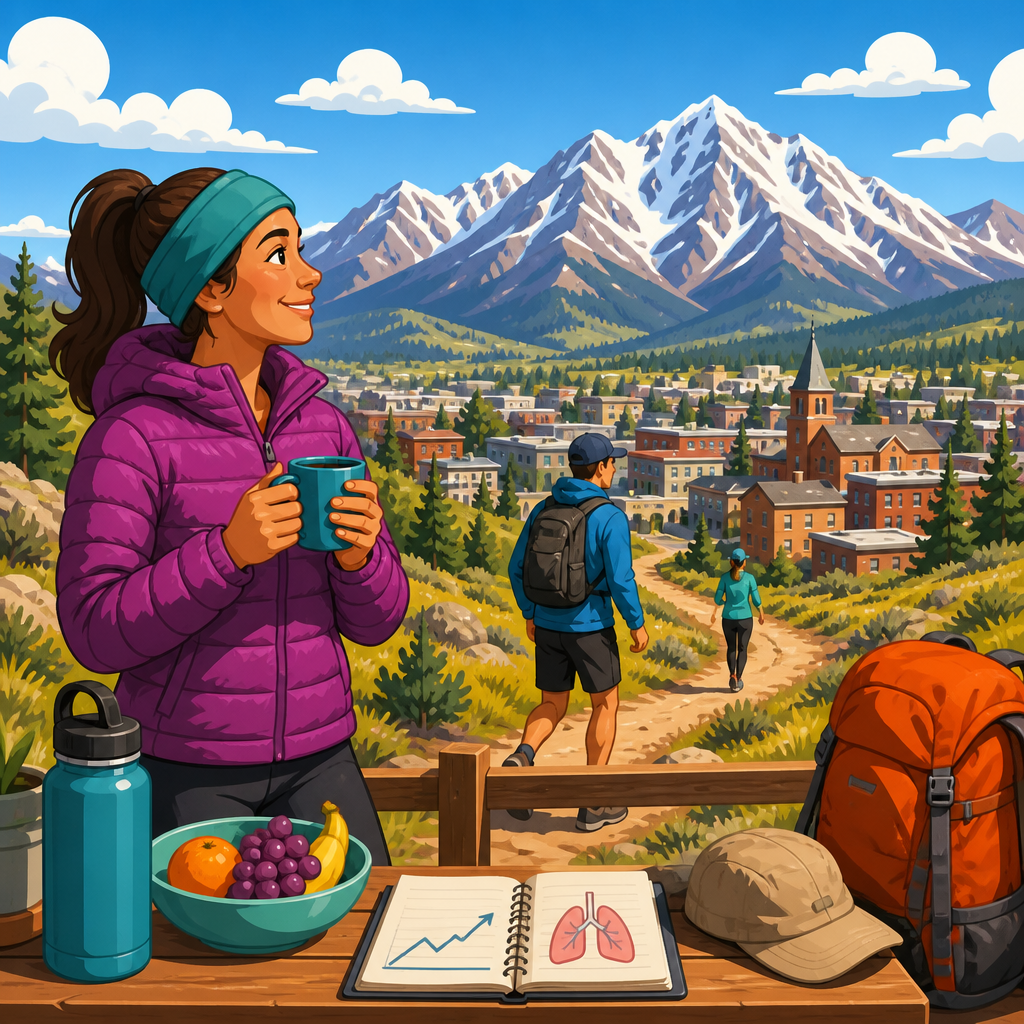
Leadville sits at 10,152 feet above sea level, making it the highest incorporated city in the United States and one of the few destinations where altitude is not a side note but the central travel concern. If you are planning a trip, learning how to acclimatize before visiting Leadville is the difference between enjoying its mountain views, mining history, and trail access and spending your first days tired, nauseated, or short of breath. Acclimatization is the body’s gradual adjustment to lower oxygen pressure at higher elevations. It involves faster breathing, changes in heart rate, increased urine output, and, over several days, more efficient oxygen delivery. In practical travel terms, it means preparing before arrival, pacing your first forty eight hours, and recognizing when normal altitude discomfort becomes a medical issue.
I have helped travelers plan Colorado itineraries for years, and Leadville consistently requires more intentional preparation than Denver, Boulder, or most Rocky Mountain resort towns. People often assume they can fly into Colorado, drive up the same day, and function normally because they are fit or because they have skied before. That assumption causes trouble. Fitness does not prevent altitude sickness. Age does not predict it well either. What matters most is ascent profile, hydration, sleep quality, alcohol intake, previous altitude exposure, and how quickly you respond to symptoms. This guide serves as a practical US city guide hub entry for Leadville while also helping readers navigate related Colorado mountain destinations with safer expectations.
Why does this matter so much in Leadville specifically? At just over 10,000 feet, oxygen availability is roughly 30 percent lower than at sea level because air pressure drops with elevation. That means routine activities like carrying luggage upstairs, walking briskly downtown, or sleeping after a long travel day can feel unexpectedly difficult. Visitors commonly experience headache, poor sleep, dry mouth, reduced appetite, and unusual fatigue on their first night. Most mild symptoms improve with rest and conservative behavior. More serious conditions, including high altitude pulmonary edema and high altitude cerebral edema, are rare but dangerous and require immediate descent and medical care. A smart acclimatization plan minimizes risk while preserving your trip.
Leadville also works well as the anchor of a broader US city guides conversation because it illustrates a core truth about destination planning: geography shapes everything. In beach cities, weather drives timing. In desert cities, heat dictates activity windows. In high mountain cities like Leadville, physiology becomes part of the itinerary. That makes this page useful not only for Leadville visitors but for travelers researching other elevated American destinations such as Breckenridge, Aspen, Park City, Santa Fe, or Mammoth Lakes. The principles are similar, but Leadville’s elevation makes the margin for error smaller. Start here, build a slower first day than you think you need, and you will arrive with a far better chance of enjoying the city instead of merely enduring it.
Understand what altitude does before you arrive
The first step in acclimatizing before visiting Leadville is understanding what your body is reacting to. Altitude sickness is not caused by cold air, dehydration alone, or poor fitness. It starts with hypobaric hypoxia, the reduced oxygen pressure available at elevation. Your lungs still breathe air with about 21 percent oxygen, but each breath delivers less usable oxygen than it would at sea level. In response, your breathing rate rises. Your heart works harder. You lose more water through respiration and urination. Sleep often becomes lighter and more fragmented. These changes are normal adaptation mechanisms, but they create symptoms that can interfere with a trip if you ascend too quickly.
The most common early problem is acute mountain sickness, usually called AMS. Typical symptoms include headache, nausea, dizziness, appetite loss, unusual fatigue, and poor sleep within six to twenty four hours after ascent. The Centers for Disease Control and Prevention and Wilderness Medical Society both note that mild AMS often resolves with rest, hydration, and no further ascent. The key distinction is progression. If symptoms are getting worse instead of better, or if shortness of breath occurs at rest, chest tightness develops, or confusion appears, treat that as urgent. Leadville is a place where visitors should know the warning signs before they need them.
Travelers often ask who gets altitude sickness. The honest answer is anyone. I have seen marathon runners struggle while less athletic companions felt fine. Prior history matters more than general conditioning. If you have experienced AMS above 8,000 feet before, assume you are susceptible again. If you have underlying heart or lung disease, discuss your plans with a clinician in advance. Pregnant travelers, people with sleep apnea, and anyone taking sedatives should also think carefully about high sleeping elevations. Leadville is manageable for many visitors, but the body does not negotiate with ambition. It responds to physics first and plans second.
Build an ascent plan that reduces risk
The most effective way to acclimatize before visiting Leadville is to avoid sleeping there on the first night after coming from low elevation if your schedule allows it. Denver sits around 5,280 feet, and many Front Range communities are in a similar range. Spending one or two nights at a moderate elevation before moving to Leadville gives your body time to begin adapting. Good stepping stone options include Denver, Golden, Boulder, Colorado Springs, or even Summit County if you already tolerate that altitude well, though some travelers still feel symptoms in Breckenridge because it is also high. The general principle is simple: stage the climb when possible.
For people flying in from sea level, the ideal sequence is arrival in Denver, a relaxed overnight stay, light activity the next day, and then transfer to Leadville. If you must drive directly, shorten your first day aggressively. Check into your lodging, eat a modest meal, drink water, and rest. Do not treat arrival day as a hiking day. Do not schedule hard mountain biking, a trail run, or drinks at the bar because you feel fine during the drive. Symptoms often appear later, especially after sunset and during the first overnight period. Respect the lag between arrival and onset.
Medication may help some travelers, especially those with a history of AMS. Acetazolamide, commonly known by the brand name Diamox, is the standard preventive prescription and works best when started before ascent. It promotes acclimatization rather than masking symptoms. However, it can cause tingling, altered taste for carbonated drinks, and more frequent urination. Dexamethasone is sometimes used in specific situations but is generally not first line for casual tourism. These are medical decisions, not packing list hacks, so discuss them with your physician well before departure. Over the counter pain relievers can treat headache, but they do not prevent altitude illness.
| Travel scenario | Better acclimatization choice | Why it helps |
|---|---|---|
| Flying from sea level | Sleep first night in Denver or Golden | Reduces rapid jump to 10,152 feet and improves first night recovery |
| Driving from lower Colorado elevations | Arrive in Leadville by afternoon and keep evening quiet | Allows hydration, food, and rest before symptoms typically peak overnight |
| History of altitude sickness | Ask a doctor about acetazolamide before travel | Supports faster physiological adjustment when started correctly |
| Short weekend trip | Plan sightseeing, not strenuous exertion, on day one | Lowers symptom burden and preserves energy for later activities |
Use hydration, food, and pacing strategically
Hydration advice around altitude is often oversimplified. You do not need to force gallons of water, and overhydration can create its own problems. What you do need is steady, visible hydration before and during travel because high altitude increases fluid loss. I tell travelers to begin the day before departure, aim for pale yellow urine, and keep drinking small amounts consistently during flights and car rides. Dry cabin air and mountain air both contribute to fluid loss. Electrolyte drinks can help if you are active or tend to under eat, but plain water remains the foundation.
Food matters more than many visitors expect. Your first meals in Leadville should be simple, regular, and carbohydrate forward rather than heavy, greasy, or alcohol centered. At altitude, digestion can feel slower and appetite may dip. Eating modest portions of oatmeal, fruit, rice, potatoes, soup, toast, pasta, or sandwiches is often more comfortable than a large steak dinner immediately after arrival. Carbohydrates require less oxygen to metabolize than fats, which is one reason high altitude meal planning often leans in that direction. Skipping meals because you feel mildly nauseated usually makes fatigue worse.
Pacing is the other essential lever. Walk slower than normal. Take stairs carefully. Carry less on your first day. If you normally train hard, think in terms of active recovery instead of performance. One of the most common mistakes I see is people trying to prove they are unaffected by altitude. Leadville does not reward that mindset. A visitor who spends the first evening strolling downtown, touring the National Mining Hall of Fame and Museum, and turning in early will usually feel stronger on day two than someone who arrives and immediately heads for a demanding trail. Conservative starts often produce better total trip mileage.
Plan your first forty eight hours in Leadville
Your first two days should be built around adaptation, not achievement. On arrival day, prioritize check in, hydration, a short easy walk, and an early bedtime. Keep caffeine moderate if you are sensitive, because altitude already raises heart rate and can worsen sleep disruption. If you sleep poorly the first night, do not panic. Fragmented sleep is common at elevation and often improves by the second or third night. The goal is not perfect rest on night one; the goal is avoiding a spiral of overexertion, dehydration, and alcohol that turns a manageable adjustment period into full blown AMS.
Leadville offers plenty of low pressure ways to spend those first hours. Harrison Avenue is easy to explore at a gentle pace. The city’s Victorian architecture and mining history make for rewarding sightseeing without demanding major physical output. The Healy House Museum and Dexter Cabin provide context on silver boom wealth and frontier life. If you want scenery, choose a short, flat outing around Turquoise Lake rather than a strenuous summit objective. Save Mount Elbert attempts, long bike rides, or high passes for after you have slept in town and honestly assessed how you feel.
On day two, increase activity only if symptoms are minimal or clearly improving. A mild headache that resolves with fluids, food, and rest is common. Persistent nausea, worsening dizziness, or exhaustion out of proportion to your effort is not a sign to push through. I advise travelers to use a simple self check each morning: Can you eat breakfast comfortably, walk at an easy pace without unusual breathlessness, and think clearly? If yes, proceed cautiously. If no, downgrade the day. Leadville is a better experience when you adapt to the place instead of trying to impose your normal sea level schedule on it.
Know when symptoms are normal and when to seek help
Mild altitude discomfort is common; dangerous altitude illness is uncommon but serious. Normal early symptoms include a light headache, dry mouth, reduced sleep quality, and feeling winded with exertion. These should stabilize or improve with rest and no further ascent. Warning signs that require prompt evaluation include severe or escalating headache, repeated vomiting, inability to walk a straight line, confusion, blue lips, persistent cough, or shortness of breath at rest. Those patterns can indicate high altitude cerebral edema or high altitude pulmonary edema. The treatment is not waiting it out in the hotel room. The treatment is descent and medical care.
Leadville has emergency resources, but mountain medicine always favors early action. If someone in your group is deteriorating, do not debate whether they are being dramatic. Descend. Even dropping several thousand feet can help substantially while you seek professional care. This is one reason every Leadville itinerary should include transportation flexibility. Do not create a plan where everyone in the group is committed to a remote trailhead with no backup option. Cell coverage varies, weather changes quickly, and judgment often worsens as altitude illness progresses. Conservative decisions early prevent emergencies later.
Certain habits increase risk and deserve blunt treatment. Alcohol on the first night is one of the worst choices visitors make because it worsens dehydration, disrupts sleep, and can blur symptom assessment. Sleeping pills and other respiratory depressants can also complicate acclimatization. So can jumping from Leadville to even higher sleeping elevations immediately after arrival. If your trip includes camping, fourteeners, or passes above 12,000 feet, sequence them later. The best Leadville travel advice is simple: arrive lower if possible, ascend gradually, sleep conservatively, and listen to symptoms instead of ego.
Acclimatizing before visiting Leadville is not complicated, but it does require intention. Understand what altitude does, slow your ascent when possible, hydrate steadily, eat simply, and treat your first forty eight hours as part of the trip rather than lost time. Those steps protect your energy and make the city more enjoyable, whether your focus is history, photography, fishing, trail access, or a wider Colorado road trip. Leadville rewards travelers who respect its elevation. It punishes those who treat it like any other small mountain town.
As a hub within US city guides, Leadville also teaches a broader destination planning lesson: local conditions matter more than generic travel advice. The best itinerary is shaped by place. In this case, the place is high, dry, beautiful, and physiologically demanding. If you prepare for that reality, you can enjoy Harrison Avenue, alpine lakes, and the surrounding peaks with far less risk and far more comfort. Before you finalize your route, build in an acclimatization night, lighten your first day, and share this plan with everyone traveling with you so the whole group starts smart.
Frequently Asked Questions
How long should I acclimatize before spending time in Leadville?
If possible, give yourself at least 24 to 48 hours of gradual altitude exposure before you spend significant time in Leadville. At 10,152 feet, Leadville is high enough that many visitors feel the effects quickly, especially if they arrive from sea level and begin hiking, drinking alcohol, or being overly active right away. A smart approach is to spend a night or two at a moderate elevation first, such as Denver, Boulder, Colorado Springs, or another lower mountain town, and then continue up. This staged ascent gives your body time to begin adapting to lower oxygen levels by increasing breathing rate, shifting fluid balance, and starting the process of producing more red blood cells.
If you cannot build in a gradual climb, plan for your first one to two days in Leadville to be intentionally light. Walk instead of hike, rest more than usual, eat simply, and avoid testing your fitness. Some people acclimatize with only mild fatigue or a slight headache, while others need several days before they feel fully normal. Age, fitness, hydration, sleep quality, alcohol use, recent illness, and previous high-altitude experience all influence how quickly you adjust. The key is not to assume that being in good shape protects you. Very fit travelers can still develop altitude symptoms if they ascend too fast.
What are the most common altitude sickness symptoms to watch for when visiting Leadville?
The most common early signs of altitude stress in Leadville are headache, unusual fatigue, shortness of breath with mild exertion, dizziness, poor sleep, reduced appetite, nausea, and a general feeling of being “off.” Mild acute mountain sickness often begins within several hours of arrival or after the first night at altitude. Many visitors mistake these symptoms for dehydration, lack of sleep, travel fatigue, or even motion sickness, but at over 10,000 feet, altitude should be the first thing you consider.
It is especially important to monitor symptoms that get worse instead of better with rest. Warning signs that require immediate attention include severe or persistent headache, repeated vomiting, confusion, inability to walk normally, chest tightness, significant breathlessness at rest, or a wet cough. Those can indicate more serious high-altitude illness and should not be ignored. The safest response to worsening symptoms is to stop ascending, rest, hydrate, and seek medical care right away. In some cases, descending to a lower elevation is the most effective treatment. Leadville’s elevation is not extreme by mountaineering standards, but it is high enough to cause real problems for unprepared visitors.
What should I do in the first 24 hours after arriving in Leadville to acclimatize more comfortably?
Your first day in Leadville should be centered on conservation, hydration, and restraint. Drink water steadily throughout the day, but do not force excessive amounts; the goal is consistent hydration, not overhydration. Eat regular meals with a focus on simple, nourishing foods, and consider leaning toward carbohydrates, which many people tolerate well at altitude. Avoid alcohol on your first night if possible, and be cautious with sedatives or anything else that can suppress breathing or worsen sleep quality. Even a casual evening drink can feel stronger at 10,152 feet and may increase dehydration, poor sleep, and next-day symptoms.
Just as important, keep physical activity modest. This is not the day to schedule a summit attempt, an intense trail run, or a long mountain bike ride. Take an easy walk around town, enjoy the views, visit local museums, and let your body settle in. Expect your resting heart rate to be a bit higher and your pace to be slower than usual. Prioritizing sleep also helps, although many people sleep more lightly their first night at altitude. If you wake up often, that can be normal early on. The main goal is to avoid stacking stressors. Too much exertion, too little water, poor food intake, and alcohol on arrival can turn a manageable adjustment into a miserable first 24 hours.
Does hydration really help with acclimatization, and how much water should I drink?
Hydration absolutely matters, but it is not a cure-all. Dry mountain air, increased breathing rate, sun exposure, and travel all make visitors more prone to fluid loss in Leadville. Staying well hydrated can reduce some of the strain that altitude places on your body and may help lessen headaches, fatigue, and general discomfort. That said, drinking large amounts of water does not “beat” altitude sickness by itself, and overdoing it can be counterproductive. The better strategy is to drink regularly enough that your urine stays light yellow and you do not feel persistently thirsty, dry-mouthed, or depleted.
There is no perfect one-size-fits-all number because needs vary with body size, activity level, temperature, and travel conditions. As a practical rule, increase your fluid intake moderately above your normal routine, especially during travel and your first couple of days at altitude. Include electrolytes if you have been sweating or traveling for long periods, but do not rely on sports drinks alone. Also remember that caffeine in normal amounts is usually fine for most people, but alcohol is more likely to worsen dehydration and impair recovery early in your stay. Think of hydration as one part of a complete acclimatization plan that also includes a gradual ascent, easier activity, proper meals, and enough rest.
Can I prevent altitude sickness before visiting Leadville, and should I talk to a doctor first?
You can reduce your risk significantly, but no prevention strategy is guaranteed. The most effective method is a gradual ascent, ideally with one or two nights at a lower elevation before reaching Leadville. Keeping your first days easy, staying hydrated, eating well, and avoiding alcohol initially all improve your odds of adjusting comfortably. If you know from past travel that you are sensitive to altitude, or if you are flying in from sea level and going straight to Leadville, it is reasonable to prepare more intentionally rather than hoping for the best.
Talking to a doctor is a smart idea if you have underlying heart or lung conditions, a history of altitude illness, sleep apnea, anemia, or if you take medications that affect breathing, fluid balance, or blood pressure. A healthcare professional may discuss whether a preventive medication such as acetazolamide is appropriate for you. This is especially worth considering if you have limited time to acclimatize or plan strenuous activity soon after arrival. It is also wise to ask how altitude may affect any current prescriptions. The bottom line is simple: for a destination like Leadville, prevention is much easier than recovery. A little advance planning can make the difference between struggling through your trip and actually enjoying everything the town and surrounding mountains have to offer.