A fast ascent to a mountain town compresses two stressors into one trip: airline-style packing limits and rapid elevation gain. If you fly or drive from near sea level to a destination above 7,000 feet in a single day, your carry-on is not just luggage; it is your first line of defense against cold, sun, dehydration, altitude symptoms, delayed bags, and abrupt weather shifts. I have packed for these transitions repeatedly for ski towns, mining towns turned resorts, and high desert communities, and the pattern is consistent: people usually bring too much clothing, not enough water strategy, and almost none of the small medical and safety items that matter most in the first twelve hours.
In practical terms, a carry-on for a mountain town should support three outcomes. First, it should keep you functional during transit if checked baggage is delayed or if road conditions slow your arrival. Second, it should help your body adapt to altitude by making hydration, pacing, warmth, and sleep easier. Third, it should prepare you for minor emergencies without turning your bag into a bulky survival kit. That balance is the core of travel and emergency preparedness for mountain travel.
Several terms are worth defining at the outset. A fast ascent means a rapid move to a higher elevation, often more than 5,000 feet in under twenty-four hours. A mountain town can range from places like Aspen, Breckenridge, or Taos to smaller high-elevation communities where pharmacy access and late-night retail may be limited. Carry-on means what stays with you in the cabin or vehicle, including one main bag and a personal item. Emergency preparedness in this context does not mean wilderness expedition planning; it means being ready for the most likely failures in the travel chain, from headache and nausea to weather exposure and transportation delays.
This topic matters because altitude changes physiology quickly. The body loses water faster through breathing in dry, cold air. UV exposure increases with elevation, while temperatures can drop sharply after sunset even on warm days. The risk of acute mountain sickness rises when travelers ascend too high too fast, especially above 8,000 feet. Add a missed connection, a late shuttle, or an evening arrival after local stores close, and the contents of your carry-on determine whether your first night is manageable or miserable. Packed well, one small bag can cover comfort, safety, medication continuity, and immediate weather protection with room to spare.
Start with the first-day risks, not the wardrobe
The most effective way to pack a carry-on for a mountain town is to reverse the usual process. Do not start by asking what outfits you want. Start by asking what could go wrong before your checked bag or hotel room helps you. In my experience, the first-day risk list is short and predictable: dehydration, altitude headache, cold exposure during arrival, sunburn, a missed meal, a dead phone, delayed luggage, and a need for essential medication. Once those are covered, the rest of the bag becomes much easier to organize.
Build your packing plan around the first twenty-four hours. Assume you may land in dry air, ride an hour or two to town, and reach lodging after dinner. Assume the weather forecast can shift. Assume your room may not be ready. This means your carry-on needs one complete base outfit, one insulating layer, weather protection, water access, medications, a few calories, and charging capability. If you are traveling with children, add one extra layer and one comfort item per child, because kids often feel temperature swings before adults do and become uncomfortable quickly when travel runs long.
Weight and access matter as much as contents. Put immediate-use items in the personal item, not buried in the overhead bag. I usually keep water bottle, lip balm, sunglasses, medications, sunscreen, a light hat, charging cable, and a compact shell within arm’s reach. Clothing cubes are useful, but only if they support quick retrieval. A mountain arrival often involves stepping from a warm airport into wind, sleet, or intense sun. If you need five minutes on the curb digging for a jacket, your packing system failed.
The carry-on essentials that solve real mountain travel problems
For this subtopic hub, the core guidance is simple: pack items that preserve function when altitude, weather, and logistics all become less forgiving. The list below reflects what actually gets used on fast ascents, not what looks impressive in a gear flat lay.
| Item | Why it matters in a mountain town | Practical example |
|---|---|---|
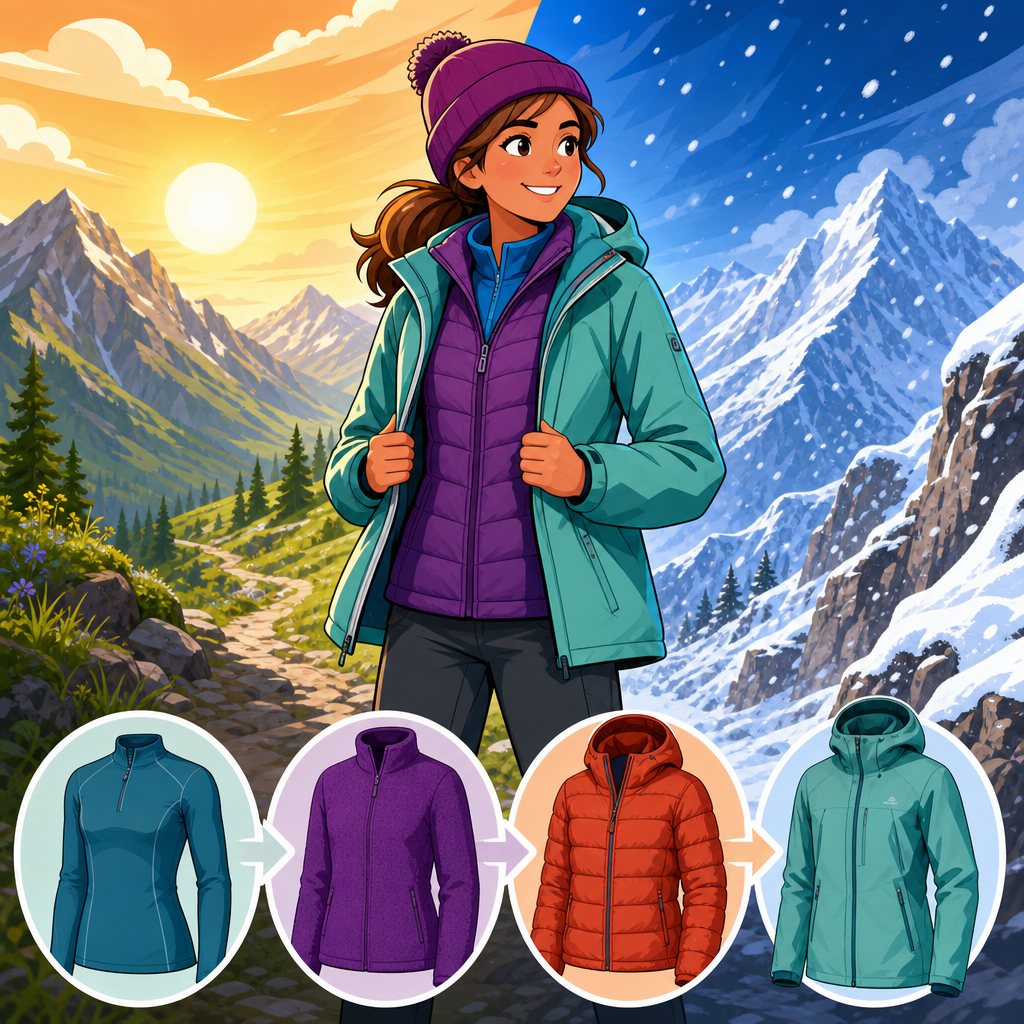
| Insulating midlayer | Evening temperatures drop fast; indoor heat can vary | A fleece or light synthetic jacket covers airport, shuttle, and first walk to dinner |
| Waterproof shell | Wind, sleet, and wet snow can arrive with little warning | A packable shell prevents soaking during curbside waits or bus transfers |
| Reusable water bottle | Dry air increases fluid loss; buying water after every leg is unreliable | Fill after security and sip steadily on the flight and transfer |
| Electrolyte packets | Help replace sodium during travel and improve fluid intake adherence | One packet in a bottle on arrival can be easier than forcing plain water |
| Prescription medication | Lost luggage should never interrupt dosing | Keep at least several days in original containers in your personal item |
| Pain reliever and anti-nausea option | Headache and stomach upset are common during rapid ascent | Useful on the first night when local stores are closed |
| High-SPF sunscreen and lip balm | UV intensity rises with elevation and dry air damages lips quickly | Travelers often burn during a short walk because it feels cool, not hot |
| Sunglasses | Snow glare and high-altitude sun strain eyes | Essential for winter sidewalks and bright autumn afternoons |
| Snacks with protein and carbohydrates | Late arrivals and long transfers can create low energy and poor decisions | Nuts, bars, or jerky prevent skipping food before bed |
| Power bank and cable | Cold and constant navigation drain batteries quickly | Critical if your phone holds boarding passes, maps, and lodging details |
Notice what is not on this list: multiple heavy sweaters, extra shoes, and large toiletry kits. Bulky duplicates crowd out high-value items. In mountain travel, the winning carry-on is not the one with the most gear. It is the one that protects hydration, thermoregulation, navigation, and medication continuity while leaving enough space for a clean shirt, socks, and underwear if your checked bag goes missing.
Pack for altitude adaptation from the moment you leave home
Most travelers think altitude preparation begins on arrival. It starts earlier. The best carry-on supports a simple adaptation strategy during the travel day: hydrate steadily, avoid overdrinking alcohol, eat normal meals, keep layers accessible, and plan for a conservative first evening. The Wilderness Medical Society advises gradual ascent when possible, but when a fast ascent is unavoidable, behavior matters. A well-packed bag makes the safer behavior the easier behavior.
Hydration is often misunderstood. You do not need to force excessive water, and doing so without electrolytes can make you feel worse. What you need is steady intake beginning before the flight or drive and continuing after arrival. I recommend boarding with an empty bottle, filling it after security, and aiming to drink regularly rather than all at once. Electrolyte packets are helpful because they improve taste and encourage consistency, especially after a dry cabin flight. Caffeine is acceptable in moderation if it is part of your normal routine, but relying on strong coffee while skipping food is a common mistake that mimics or worsens altitude discomfort.
Sleep, pace, and alcohol deserve equal attention. Many first-night altitude problems are not pure altitude issues. They are altitude plus dehydration plus a heavy dinner plus drinks plus poor sleep. Your carry-on should therefore include whatever supports a quiet first evening: comfortable layers, any physician-approved medication, a sleep mask or earplugs if hotels are noisy, and a snack so you are not searching for food at 10 p.m. If you know you are sensitive to altitude, discuss prevention with your clinician before travel. For some people, medications such as acetazolamide are appropriate, but they require individual medical guidance and should never be improvised at the airport.
Layering beats packing more clothes
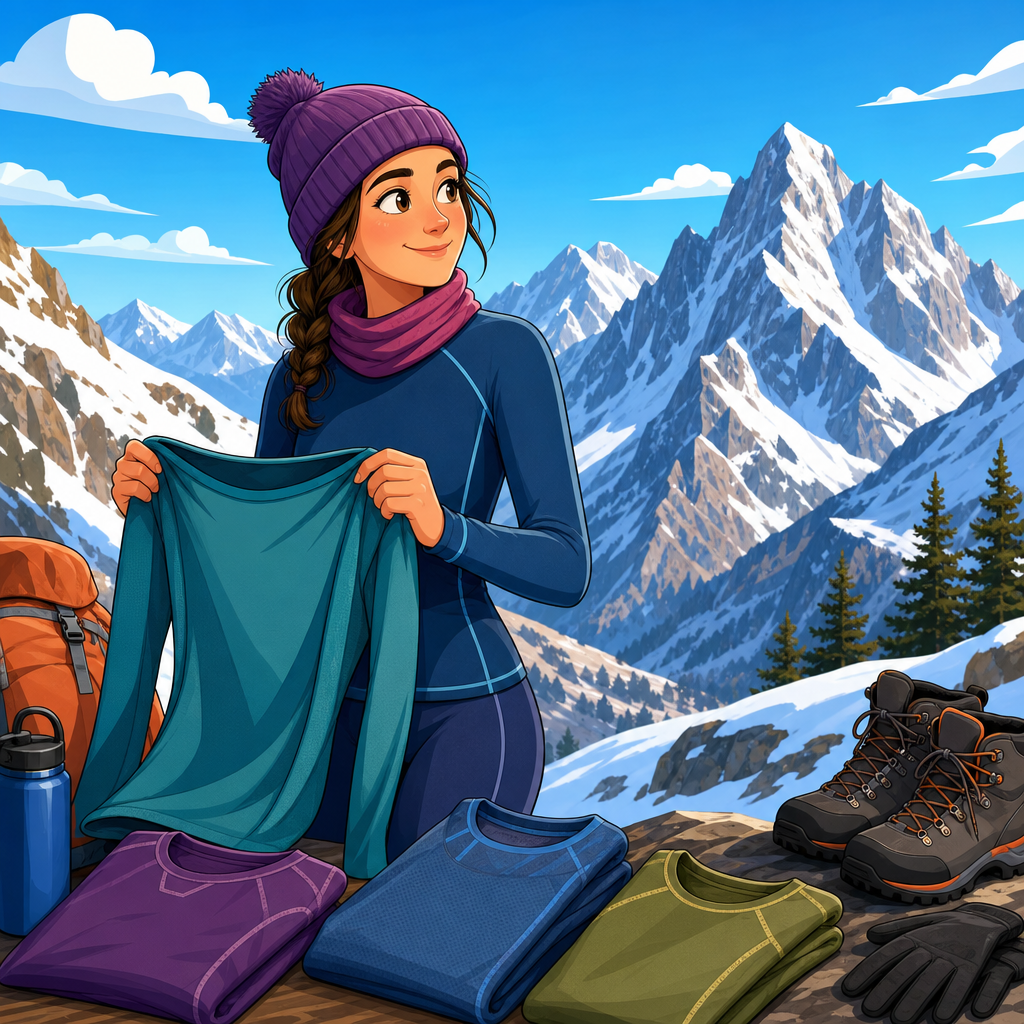
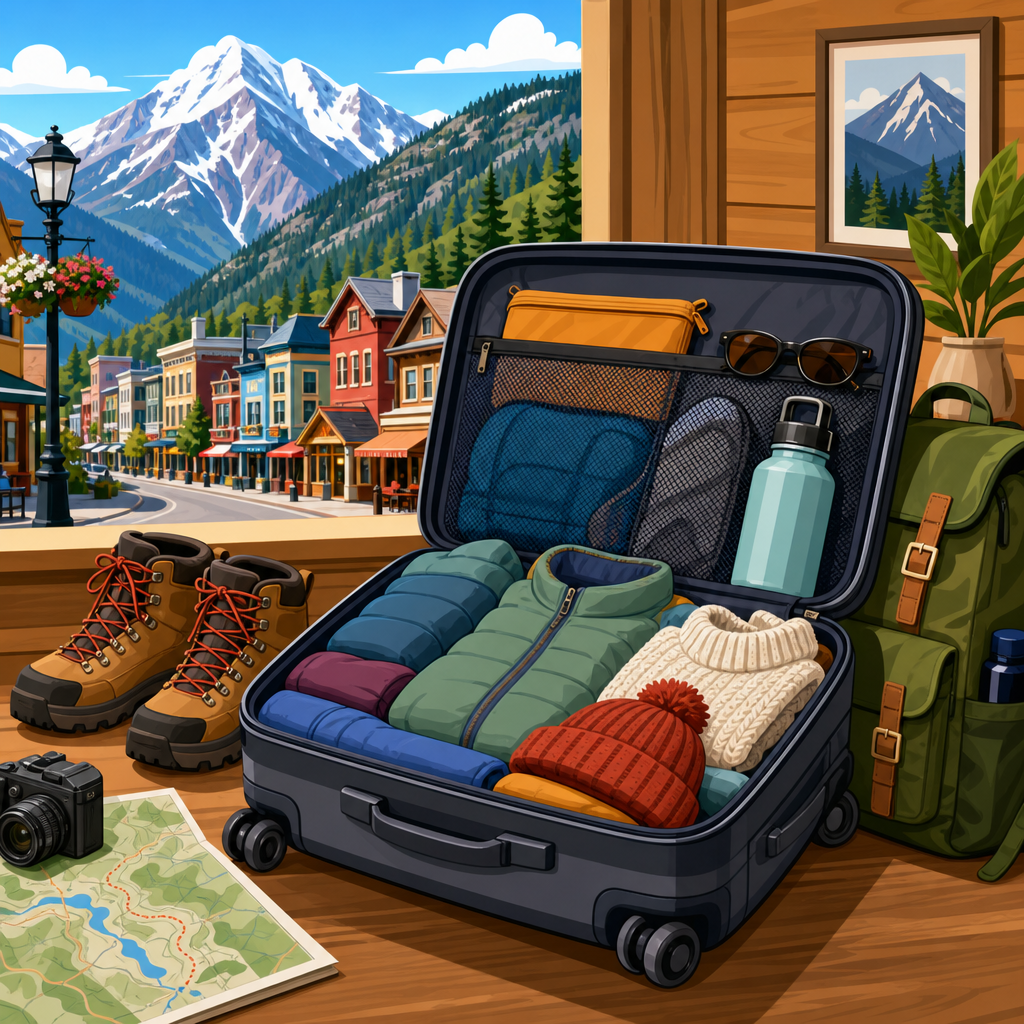
Mountain towns produce large temperature swings within a single day. A system of layers handles this better than a stack of complete outfits. In carry-on terms, the basic formula is a moisture-managing base layer, a warm midlayer, and a windproof or waterproof outer shell. Merino wool and synthetic fabrics perform better than cotton because they retain less moisture and dry faster. Cotton jeans and hoodies can still have a place for casual town time, but they should not be your only warmth plan during transit.
I have found that one versatile color palette reduces bulk and decision fatigue. Wear your heaviest items in transit: trail shoes or insulated sneakers, your main jacket, and any thick pants. Pack lighter pieces around them. For a weekend or short stay, two tops, one spare bottom, extra socks, underwear, sleepwear, and one compressible insulating layer are often enough. If your trip includes hiking or changing weather, wool socks are high value because they manage moisture, reduce friction, and stay warm when damp.
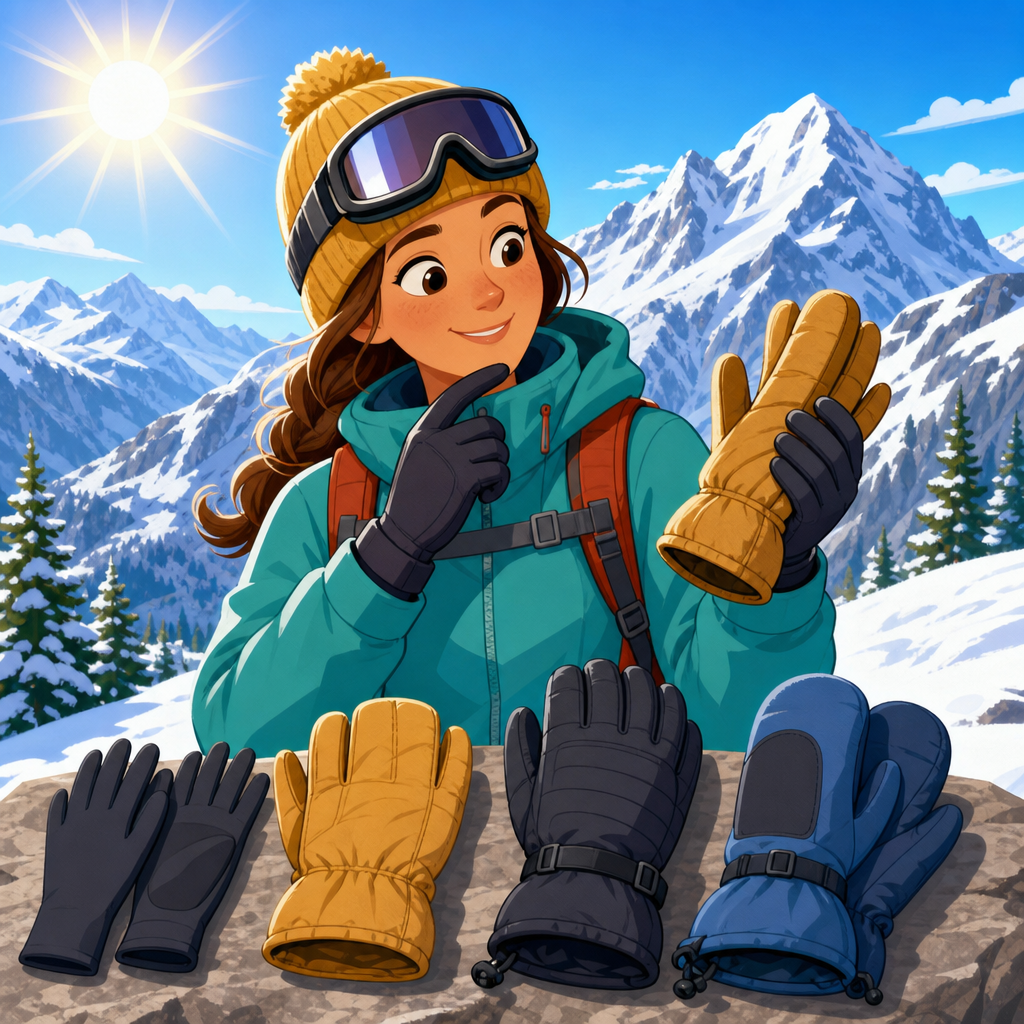
Accessories are the smallest items with the largest payoff. A beanie, lightweight gloves, and neck gaiter take minimal space but make a huge difference when temperatures drop after sunset or a shuttle stop is windy. In sunny shoulder seasons, a brimmed cap may matter more than a winter hat. Match accessories to season, but always include at least one item that protects ears or face from cold wind. That small choice often determines whether you enjoy an evening walk through town or head straight indoors feeling chilled and fatigued.
Build a compact emergency kit for common disruptions
Travel and emergency preparedness is not complete without a compact kit for the failures that happen most often. Keep it small enough to remain in your carry-on permanently, then refresh it before each trip. Mine fits into a zip pouch and includes blister treatment, adhesive bandages, a few gauze pads, antiseptic wipes, any daily prescriptions, a backup dose schedule, pain reliever, antihistamine, anti-diarrheal medication, and a tiny roll of tape. If you wear contacts, carry glasses and a spare lens case. If you use a medical device, pack charging or replacement parts in the cabin, never in checked luggage.
Documents and communication backups belong in this kit mindset too. Download offline maps in Google Maps or Gaia GPS if you will drive through mountain corridors with weak service. Save lodging address, shuttle numbers, and emergency contacts in both phone and paper form. A small paper card with medications, allergies, and insurance information is still useful when a phone dies or a lock screen blocks access. For winter travel, I also recommend a headlamp or compact flashlight. It sounds excessive until you arrive during a power outage or need to unload gear from a dark rental car lot.
Preparedness has limits, and acknowledging them makes planning stronger. A carry-on cannot replace weather judgment, avalanche education, or a full vehicle emergency kit for remote winter driving. If your trip involves mountain passes, your broader plan may need tire chains where legal, traction law compliance, extra vehicle layers, and storm awareness. The carry-on is the hub because it stays with you, but it should connect to your other systems: vehicle kit, lodging plan, weather checks, and activity-specific gear.
Use this page as the hub for smarter travel decisions
As the central guide for travel and emergency preparedness within gear, monitoring, and safety, this article works best when used as a decision framework. Before each trip, review destination elevation, season, airport-to-town transfer time, forecast, pharmacy access, and your own altitude history. Then pack to cover the first day completely from your carry-on. If conditions look benign, you will still be comfortable. If plans unravel, you will still be functional.
The key takeaway is not to pack more. It is to pack for the realities of a fast ascent: dry air, stronger sun, quick weather changes, and the possibility that the items you need most may have to carry you through the first night. A well-built carry-on protects health, reduces stress, and supports better decisions once you arrive. Review your next mountain trip against this checklist, refine your system, and make your carry-on the most reliable piece of safety gear you bring.
Frequently Asked Questions
What should I prioritize in a carry-on when I am going from low elevation to a mountain town in one day?
The smartest way to pack for a fast ascent is to treat your carry-on as a self-contained survival kit for the first 24 hours. Prioritize the items that protect you from the most common problems people feel immediately after arriving in a mountain town: cold, dry air, intense sun, dehydration, headaches, nausea, fatigue, and unpredictable weather. Start with a full change of clothes you can layer, including moisture-wicking base layers, warm socks, underwear, and a lightweight insulating layer such as a fleece or packable down jacket. Add a waterproof or wind-resistant shell if there is any chance of snow, rain, or sharp alpine wind.
Hydration support should be near the top of your list. Bring an empty reusable water bottle to fill after security if you are flying, along with electrolyte packets or tablets. The dry cabin air on a plane and the dry mountain air at altitude can combine to leave you depleted before you even reach your lodging. Pack basic medications and comfort items you may want immediately, including ibuprofen or acetaminophen if you use them, any prescription medicines, lip balm, moisturizer, tissues, and saline nasal spray. Altitude and arid air can make your skin, lips, and nasal passages feel rough quickly.
Sun protection also belongs in your essentials, even in winter. At higher elevations, ultraviolet exposure is stronger, and snow can reflect sunlight back at your face. Keep sunscreen, sunglasses, and a hat in your carry-on where you can reach them easily. Finally, assume your checked luggage could be delayed or your arrival could be colder or messier than expected. Your carry-on should contain the clothing, toiletries, medications, and protective gear you would need to function comfortably if everything else arrived a day late.
How can I pack clothing efficiently for sudden temperature swings in a mountain town?
The most efficient strategy is to build around a layering system instead of packing bulky single-purpose outfits. Mountain towns are famous for dramatic swings between morning and afternoon temperatures, sunny and shaded areas, and indoor and outdoor conditions. You may begin the day in freezing air, warm up quickly in direct sun, then get hit with wind or sleet by late afternoon. Rather than stuffing your carry-on with thick sweaters and heavy extras, choose pieces that combine well and perform multiple jobs.
Start with a breathable base layer that moves moisture away from your skin. This matters whether you are walking uphill with luggage, carrying gear through transit, or simply adjusting to thinner air. Add a mid-layer for warmth, such as a fleece, merino layer, or light insulated jacket. Top that with a shell that blocks wind and handles light precipitation. This three-part approach gives you far more flexibility than one oversized coat alone. For bottoms, wear your bulkiest travel pants and pack one spare pair that is comfortable, quick-drying, and easy to repeat. Thermal leggings can be especially efficient because they take up little space and can turn ordinary pants into cold-weather gear.
Accessories are where smart packers gain comfort without using much room. A beanie, gloves, buff or scarf, and extra wool or synthetic socks can make a big difference in a cold snap. These pieces are compact, but they solve real problems at altitude, especially if you arrive after sunset or encounter weather on the way from the airport. Wear your heaviest shoes or boots in transit to save space, and use packing cubes or compression bags to organize layers by purpose. The goal is not to pack more clothing. It is to pack a system that helps you adapt fast.
What health and comfort items are most important to keep in a carry-on for altitude adjustment?
When you ascend quickly to a mountain town, small health items become disproportionately important because you may feel the effects of altitude before you even unpack. The basics are hydration, electrolytes, routine medications, and a few practical products that help your body handle dry air and shifting pressure. Keep all prescription medicines in your carry-on, never in checked baggage, and bring more than you think you need in case of delays. If you use over-the-counter pain relief, motion sickness medicine, antacids, or other common remedies, this is the trip where having them immediately available is worthwhile.
Hydration tools are essential. A refillable water bottle and electrolyte packets help you start drinking consistently instead of trying to catch up after a headache begins. Mountain air is often very dry, and people commonly underestimate how quickly they lose moisture through breathing, travel fatigue, and light physical exertion. Lip balm, hand cream, face moisturizer, and saline nasal spray can prevent a lot of discomfort. Dry nasal passages and cracked lips are not just annoying; they can make your first day feel much harsher than it needs to.
If you are sensitive to altitude, you may also want easy snacks that are gentle and familiar, such as crackers, nuts, fruit bars, or jerky. Eating lightly and steadily can be easier than having a heavy meal right after ascent. A sleep mask and earplugs can help if your first night is restless, which is common at elevation. The bigger principle is simple: pack for stability. Your carry-on should support hydration, rest, warmth, and symptom management so your body has fewer variables to fight as it adjusts.
How do I prepare my carry-on in case my checked bag is delayed or I arrive in bad weather?
The best mindset is to pack as if your checked bag will not meet you until the next day. In mountain destinations, that delay is more disruptive than it is in a mild city because weather, cold, and altitude can turn a minor inconvenience into a genuine comfort problem. Your carry-on should let you step off a plane or out of a car and function normally through arrival, transit, dinner, sleep, and the next morning. That means one complete backup outfit, weather protection, sleep basics, toiletries, and all medications need to stay with you.
Include a warm layer, dry socks, underwear, and a shirt you would actually want to wear if your main luggage disappeared for 24 hours. Pack basic toiletries in travel sizes, especially a toothbrush, toothpaste, deodorant, moisturizer, sunscreen, and anything you need for contact lenses or skin care. If you are heading to a ski town or similar destination, keep glove liners, a hat, and sunglasses with you rather than assuming they can wait. Even the walk from baggage claim to a shuttle can feel punishing if conditions are cold and windy.
It also helps to organize your carry-on by timing. Put immediate-arrival items where you can reach them first: jacket, water bottle, lip balm, sunglasses, and medications. Keep overnight items together in a pouch or packing cube so you are not digging through everything if you get to your lodging late. If you are driving the last segment, include a phone charger, power bank, snacks, and any documents or confirmations you may need if weather slows your route. A well-packed carry-on does not just save you from airline problems. It cushions the whole first day against the chaos that mountain travel can bring.
Are there things I should avoid packing or doing if I want the first day at altitude to go smoothly?
Yes, and this is where many travelers make preventable mistakes. First, avoid overpacking bulky “just in case” items that crowd out the essentials you are actually likely to need. Large sweaters, multiple pairs of shoes, and oversized toiletry kits can quickly consume your carry-on while leaving too little room for the high-value items that matter most during a fast ascent. Pack compact layers instead of heavy duplicates, and choose products that serve more than one purpose. Efficient packing is not about deprivation. It is about protecting access to your most useful gear.
Second, do not bury critical items. Medications, water bottle, electrolytes, a warm layer, and sun protection should not be trapped at the bottom of a tightly packed bag. If you start feeling thirsty, chilled, headachy, or sun-exposed during transit, you want relief immediately. It is also wise to avoid arriving at altitude already depleted. Excess alcohol, too much caffeine without water, and very salty or heavy meals during travel can leave you feeling worse once you gain elevation. While this is partly a behavior issue rather than a packing issue, your carry-on can support better choices if it includes water, simple snacks, and comfort items you can reach easily.
Finally, avoid assuming mountain weather will behave predictably. A sunny forecast does not eliminate the need for a shell, sunglasses, moisturizer, or an extra layer. Conditions can shift quickly, and temperatures can drop hard after sunset even on otherwise mild days. The smoothest first day usually comes from travelers who pack conservatively but strategically: enough to stay warm, hydrated, protected, and functional, without turning the carry-on into a stuffed and unusable burden.