Pregnancy and high altitude intersect in ways that deserve careful attention because normal maternal adaptations already place extra demands on breathing, circulation, and oxygen delivery. High altitude generally means elevations above 8,000 feet, or about 2,500 meters, where reduced barometric pressure lowers the amount of oxygen available with each breath. In pregnancy, that reduced oxygen pressure matters more because the mother must support her own tissues, the placenta, and the developing fetus at the same time. The key question most families ask is straightforward: what elevations are usually considered higher risk? In clinical practice, concern increases meaningfully above 8,000 feet, rises further above 10,000 feet, and becomes more serious when rapid ascent, strenuous activity, dehydration, cold exposure, or underlying heart and lung disease are part of the picture.
Altitude risk in pregnancy is not a single yes-or-no threshold. It is a spectrum shaped by elevation, duration of stay, acclimatization, maternal health, and fetal growth. I have seen patients do well at mountain resort elevations after gradual ascent and sensible pacing, while others developed headaches, breathlessness, uterine irritability, or reduced exercise tolerance at lower heights than expected. That variation is why broad altitude advice can sound inconsistent. The physiology is clear, though: as elevation rises, oxygen saturation tends to fall, heart rate increases, ventilation rises, sleep quality often worsens, and exertion feels harder. Pregnancy adds a higher resting heart rate, increased blood volume, and greater oxygen needs, making the margin for error smaller.
This article serves as a hub for pregnancy within respiratory, cardiovascular, and chronic-condition discussions because altitude can overlap with asthma, anemia, congenital heart disease, hypertension, sleep-disordered breathing, and prior pregnancy complications. It also connects to practical decisions about travel, exercise, work, relocation, and emergency planning. If you want the shortest useful answer, elevations under about 6,000 feet are usually tolerated well by healthy pregnancies; 6,000 to 8,000 feet deserves individual assessment; above 8,000 feet is commonly treated as higher risk; and prolonged stays or vigorous activity above 10,000 feet require much more caution. The details behind those ranges matter, especially if symptoms appear or if a pregnancy is already medically complex.
How altitude changes oxygen delivery during pregnancy
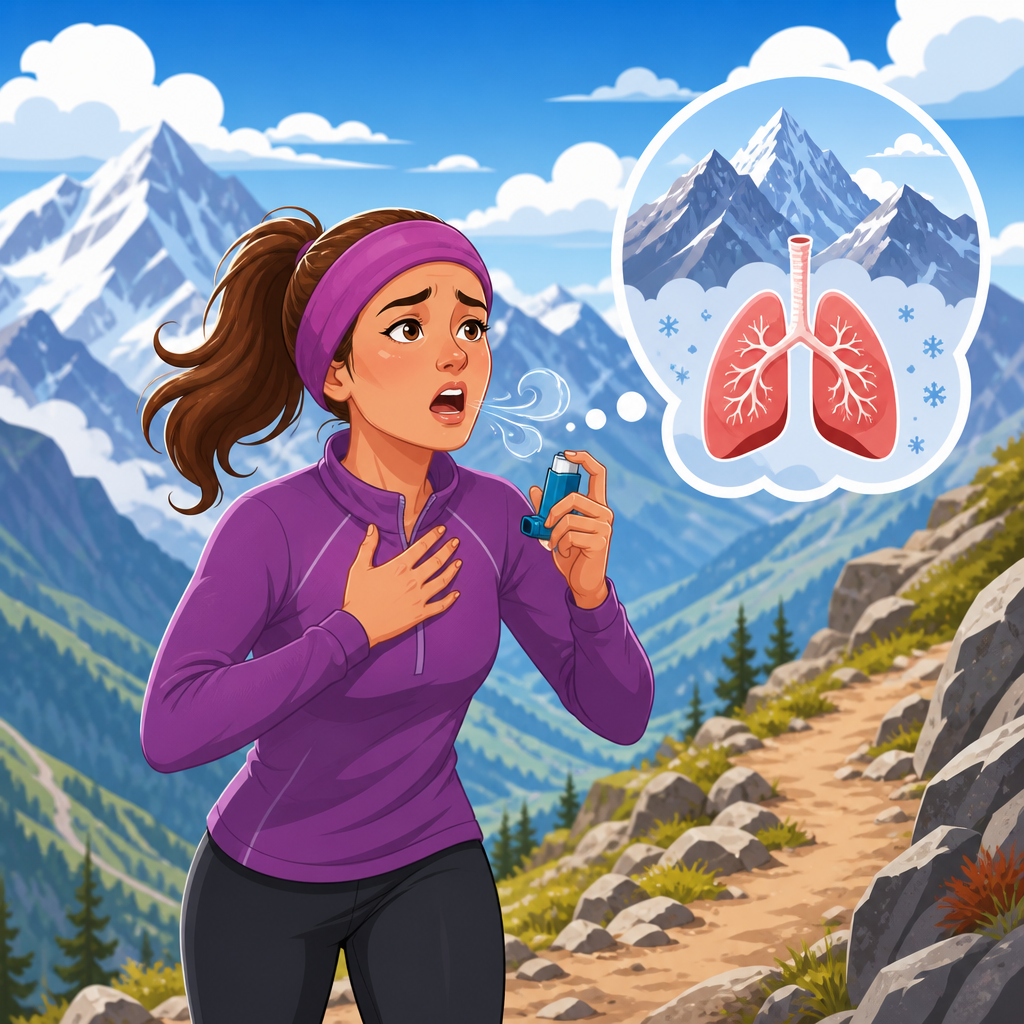
At higher elevations, the percentage of oxygen in the air stays about the same, but the total atmospheric pressure drops. That reduces the partial pressure of inspired oxygen, so less oxygen moves from the lungs into the bloodstream. The body compensates by breathing faster and deeper, raising heart rate, and gradually increasing red blood cell production through erythropoietin. In pregnancy, these same systems are already working harder. Tidal volume rises, oxygen consumption increases, and the uterus and placenta depend on adequate maternal blood flow. The fetus does have protective mechanisms, including fetal hemoglobin with higher oxygen affinity, but those protections are not unlimited when maternal oxygen delivery falls.
The placenta is especially important in altitude discussions. Placental blood flow and oxygen diffusion determine how well the fetus grows and tolerates stress. Research from high-altitude populations in places like Colorado, the Andes, and the Himalayas shows that chronic residence at altitude can be associated with lower average birth weight, even when the mother is otherwise healthy. Long-term adaptation among multigenerational high-altitude populations may reduce some of that effect, but visitors and recent residents do not have the same biological adjustments. That is why temporary travel to altitude and permanent living at altitude are not identical risk situations, even at the same elevation.
Another practical point is symptom overlap. Normal pregnancy can cause shortness of breath, fatigue, mild swelling, and sleep disruption. Altitude exposure can cause those symptoms too. Distinguishing normal pregnancy changes from altitude illness is not always simple, and underestimating symptoms is common. In my experience, this is where families benefit most from specific guidance rather than generic reassurance. A new persistent headache at 9,000 feet, worsening breathlessness during minimal activity, dizziness, vomiting, confusion, reduced fetal movement later in pregnancy, or chest tightness should not be dismissed as “just pregnancy” or “just the mountain air.”
What elevations are usually considered higher risk?
Most obstetric and travel-medicine discussions treat 8,000 feet, or 2,500 meters, as the point where higher-risk conversations should begin for pregnancy. That does not mean every pregnant traveler becomes unsafe at exactly 8,001 feet. It means the physiologic strain becomes more relevant, and decisions should be individualized. Above 10,000 feet, or around 3,000 meters, the combination of maternal hypoxemia, poor sleep, heavier exertional load, and greater likelihood of acute mountain sickness makes caution substantially more important. Above roughly 12,000 feet, especially with overnight stays, the risk profile rises again, and most clinicians would advise against unnecessary exposure during pregnancy.
| Elevation | Typical pregnancy interpretation | Common advice |
|---|---|---|
| Below 6,000 feet / 1,800 m | Usually low concern in uncomplicated pregnancy | Hydrate, pace activity, monitor routine symptoms |
| 6,000 to 8,000 feet / 1,800 to 2,500 m | Moderate concern if symptoms or medical conditions exist | Discuss travel plans if anemia, hypertension, asthma, or prior complications are present |
| Above 8,000 feet / 2,500 m | Common threshold for higher-risk counseling | Avoid rapid ascent, strenuous exercise, and remote travel without medical backup |
| Above 10,000 feet / 3,000 m | Clearly increased physiologic stress | Use strong caution; reconsider nonessential trips and overnight stays |
| Above 12,000 feet / 3,650 m | High concern, especially overnight or with exertion | Generally avoid unless medically necessary and closely supervised |
These ranges reflect pattern recognition from obstetrics, wilderness medicine, and high-altitude physiology rather than a single universal cutoff. Duration matters. A short gondola ride to a scenic viewpoint is not the same as sleeping at elevation for several nights. Rapid ascent matters. Driving from sea level to a ski town in one day is harder on the body than arriving gradually over two or three days. Exertion matters. Walking through a village is not the same as hiking steep trails, carrying gear, or skiing. Risk also rises if altitude is combined with dehydration, viral illness, poor nutrition, or limited access to prompt obstetric care.
Who faces greater altitude-related pregnancy risk?
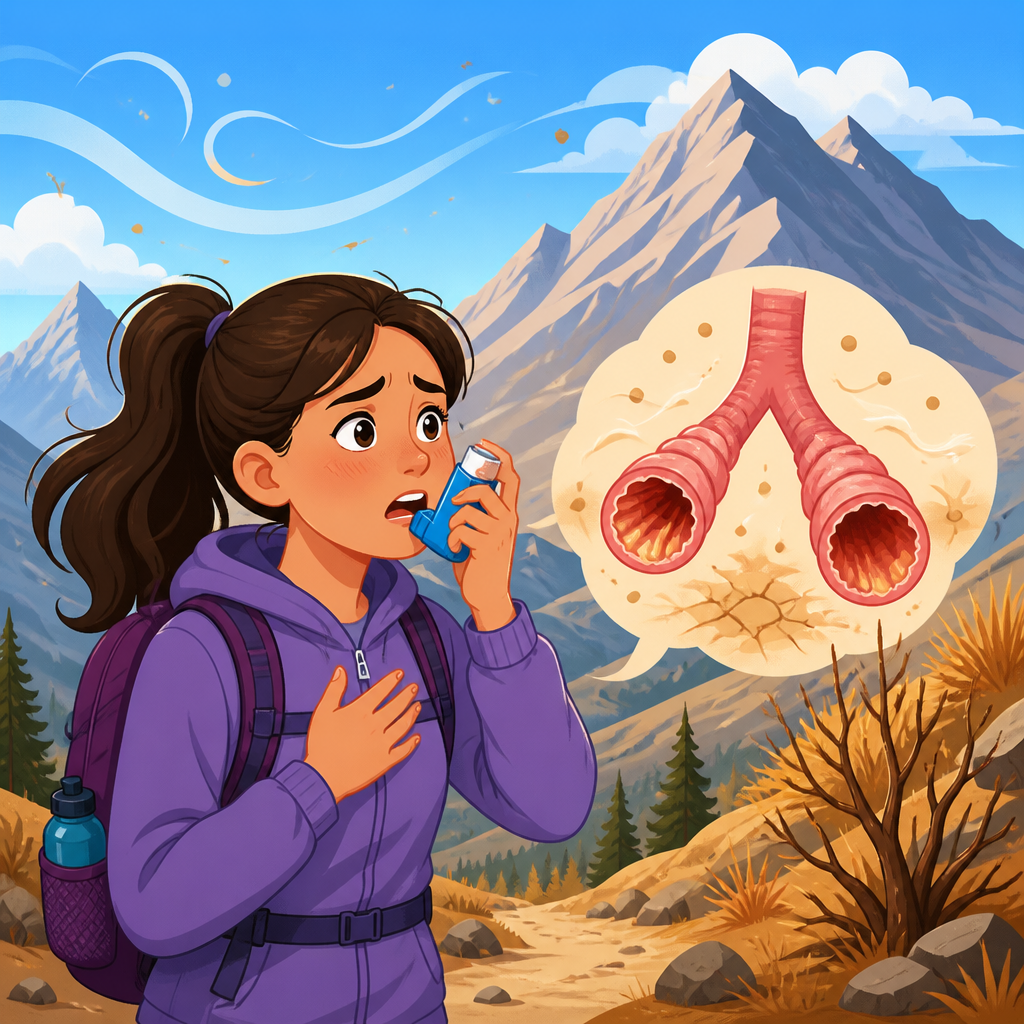
Healthy pregnant people with no major medical problems often tolerate modest altitude exposure reasonably well, but several groups deserve more caution. The first is anyone with anemia. Hemoglobin carries oxygen, and low hemoglobin reduces oxygen delivery before altitude is even added. Iron-deficiency anemia is common in pregnancy, so checking recent laboratory values before mountain travel is practical, not excessive. The second group includes people with asthma or other chronic lung disease. Well-controlled asthma usually does better than poorly controlled asthma, but dry cold air, exercise, and altitude can all provoke symptoms. Rescue inhalers and action plans should be current.
Cardiovascular disease also changes the equation. Pregnant patients with congenital heart disease, pulmonary hypertension, cyanotic lesions, cardiomyopathy, significant arrhythmias, or valvular disease may have much less reserve at altitude. Even mild altitude-related drops in oxygen saturation can become consequential. Hypertensive disorders deserve attention too. Pregnancy already raises concern for gestational hypertension and preeclampsia; altitude exposure can complicate symptom interpretation because headache and visual changes may overlap. Patients with prior fetal growth restriction, placental insufficiency, recurrent preterm labor, or unexplained stillbirth should also have individualized counseling because any factor that may reduce placental oxygen delivery becomes more important in those histories.
Gestational age influences planning. Early pregnancy raises questions about nausea, dehydration, and miscarriage anxiety, although miscarriage has many causes and is not usually linked to brief moderate altitude exposure. Later pregnancy raises questions about fetal growth, preterm contractions, mobility, and emergency access. In the third trimester, long travel times from remote mountain areas to hospitals become a concrete safety issue. Multiple gestation, sleep apnea, obesity, diabetes, and autoimmune disease can further narrow physiologic reserve. The practical rule is simple: the more medically complex the pregnancy, the lower the threshold for avoiding high elevation or seeking specialist advice before the trip.
Symptoms, warning signs, and when to seek care
The most common altitude problem is acute mountain sickness, which typically causes headache, nausea, fatigue, dizziness, poor sleep, and reduced appetite after ascent. In pregnancy, mild symptoms can be mistaken for ordinary first-trimester nausea or general fatigue, but a new altitude-related headache plus nausea after arrival at elevation should be taken seriously. The standard response is to stop ascending, rest, hydrate, and reassess. If symptoms worsen, descent is the most effective treatment. High-altitude pulmonary edema and high-altitude cerebral edema are rare but dangerous emergencies marked by severe breathlessness, cough, low exercise tolerance, confusion, ataxia, or altered mental status. Those require immediate descent and urgent medical care.
Pregnancy-specific warning signs should be watched just as closely. Seek medical evaluation for vaginal bleeding, leakage of fluid, painful contractions, severe or persistent abdominal pain, reduced fetal movement after viability, chest pain, fainting, severe swelling with headache, or oxygen saturation that remains unexpectedly low if you are monitoring it. Pulse oximeters can be useful, but they are not perfect in cold environments or with poor perfusion, and normal numbers vary with altitude. A mildly lower saturation at elevation may be expected; a trend toward worsening saturation with symptoms is more concerning than a single isolated reading. Clinical context matters more than gadget data alone.
If emergency resources are far away, the threshold for caution should be lower. I advise patients to think beyond the destination brochure: where is the nearest hospital with obstetric capability, how long is the drive, does weather close roads, is there reliable mobile service, and can someone else drive if symptoms begin? Those questions matter more at 30 weeks than at 10 weeks, but they matter in every trimester. Good travel planning often prevents the worst outcomes because altitude illness and pregnancy complications both become harder to manage when help is distant.
Safer travel, exercise, and living-at-altitude strategies during pregnancy
For uncomplicated pregnancies, the safest approach is gradual ascent, conservative activity, good hydration, regular meals, warm layers, and realistic expectations about pace. Plan lighter activity for the first one to two days at altitude. Avoid “pushing through” breathlessness simply because you were fit before pregnancy. Fitness helps, but it does not erase lower oxygen pressure. If a destination is above 8,000 feet, consider sleeping lower if possible and limit strenuous uphill exertion. Alcohol worsens dehydration and sleep quality, and smoking or vaping further reduces oxygen delivery, so both are especially unhelpful in this setting.
Medication decisions should be individualized. Acetazolamide is commonly used for altitude illness prevention in nonpregnant travelers, but pregnancy use requires clinician review because risk-benefit decisions depend on trimester, indication, and alternatives. Supplemental oxygen may be appropriate in selected cases, but it is not a substitute for descent when serious symptoms develop. Compression socks, walking breaks, and hydration help during long drives to mountain destinations, while travel insurance and a copy of prenatal records add practical safety. For patients who live at altitude, routine prenatal care should include close attention to blood pressure, fetal growth, anemia, and symptom changes, with referral when complications emerge.
The bottom line on elevation thresholds is consistent: risk is usually considered higher above 8,000 feet, more clearly elevated above 10,000 feet, and significant enough above 12,000 feet that unnecessary exposure should generally be avoided in pregnancy. Yet the smartest decisions are never based on altitude alone. A healthy patient spending two quiet days at 7,500 feet is different from a patient with anemia and prior growth restriction sleeping at 9,500 feet after a rapid ascent. Use elevation as the starting point, then layer in health history, symptoms, trimester, activity level, and access to care. If you are pregnant and planning time in the mountains, review the details with your obstetric clinician and build a plan before you go.
Frequently Asked Questions
What altitude is usually considered higher risk during pregnancy?
In most medical and travel guidance, high altitude generally starts at about 8,000 feet, or roughly 2,500 meters, and that is the range where pregnancy-related concerns become more important. The reason is not simply the number on the elevation sign, but the lower barometric pressure at higher elevations. As altitude rises, each breath delivers less oxygen, and that matters more during pregnancy because the mother is already working harder to supply oxygen to her own body, the placenta, and the developing baby. For many healthy pregnant people, short stays at moderate elevation may be tolerated, especially if they are already acclimatized, but elevations above 8,000 feet are commonly treated as the point where extra caution is warranted. Risk tends to increase further at very high altitude, especially above about 12,000 feet, where oxygen availability drops more noticeably and symptoms can develop faster.
It is also important to understand that “higher risk” does not mean every pregnancy at or above that elevation will have a problem. The true level of concern depends on several factors, including how far along the pregnancy is, how quickly the ascent happens, whether the person normally lives at altitude, and whether there are underlying medical issues such as anemia, asthma, high blood pressure, heart disease, or pregnancy complications affecting the placenta. In practice, 8,000 feet is often used as a meaningful threshold because that is where the physiologic stress of lower oxygen begins to deserve closer attention, more gradual ascent, better hydration, and a lower threshold for checking in with a clinician.
Why does high altitude matter more during pregnancy than it might otherwise?
Pregnancy naturally changes breathing, circulation, and oxygen use. Blood volume increases, the heart works harder, and the respiratory system adapts to meet the needs of both the mother and the growing fetus. At sea level, these adjustments are usually well managed by the body. At high altitude, however, reduced oxygen pressure means less oxygen is available with each breath, so the body must compensate even more. That can increase shortness of breath, fatigue, lightheadedness, and reduced exercise tolerance. In pregnancy, those effects can feel more intense because the body is already operating with less reserve.
The placenta is another reason altitude matters. Oxygen transfer from mother to fetus depends on healthy blood flow and adequate oxygen levels. When oxygen availability falls, the body may still compensate well, but in some cases the lower oxygen environment can place additional strain on placental function. That is why clinicians tend to be more cautious with pregnant patients at higher elevations, especially if there are signs of fetal growth concerns, placental insufficiency, preeclampsia, or other complications. In short, high altitude matters more during pregnancy because the normal demands of pregnancy and the lower-oxygen environment overlap, and that combination can narrow the margin for safety in some individuals.
Are short trips to the mountains safe during pregnancy?
For many healthy pregnant people, a short trip to the mountains may be reasonable, but the answer depends on the altitude, the pace of ascent, and the overall health of the pregnancy. A brief stay at moderate elevation may be uneventful, particularly if symptoms are mild and activity is kept light. The main issue is that going quickly from low elevation to above 8,000 feet can produce altitude symptoms before the body has time to adjust. Pregnancy can make it harder to tell what is normal discomfort and what is a sign that the body is not tolerating the altitude well. Headache, nausea, unusual fatigue, dizziness, shortness of breath at rest, poor sleep, and reduced exercise tolerance all deserve attention.
If travel is planned, gradual ascent is generally better than rapid ascent. Staying well hydrated, avoiding overexertion, limiting strenuous hiking, and resting at the first sign of symptoms are sensible precautions. It is also wise to discuss the trip in advance with an obstetric clinician, especially if the destination is above 8,000 feet or if the pregnancy is high risk. People with prior preeclampsia, hypertension, fetal growth restriction, significant anemia, lung disease, or heart disease may need more individualized guidance. If symptoms become severe, if there is chest pain, confusion, significant trouble breathing, vaginal bleeding, contractions, severe swelling, decreased fetal movement later in pregnancy, or any concern about maternal wellbeing, the safest step is to descend and seek medical care promptly.
Who should be especially cautious about high altitude during pregnancy?
Anyone with a complicated or high-risk pregnancy should be especially careful about time spent at higher elevations. This includes people with chronic high blood pressure, preeclampsia risk, heart disease, lung disease such as asthma with poor control, significant anemia, clotting disorders, diabetes with complications, or a history of fetal growth restriction. These conditions can reduce the body’s ability to compensate for lower oxygen or can increase the importance of maintaining strong placental blood flow. In those situations, altitude may add stress to systems that are already under pressure.
People who live at low altitude and plan a rapid ascent deserve extra caution as well, because they are less acclimatized than those who routinely live in mountain regions. Late pregnancy may also require more thoughtful planning because physical exertion is harder, hydration needs are higher, and access to medical care becomes more important if symptoms arise. Even in an otherwise uncomplicated pregnancy, severe altitude symptoms should never be dismissed as “just part of pregnancy.” A person should speak with their prenatal clinician before travel if they have any medical condition, a multiple pregnancy, a prior preterm birth, placental concerns, or questions about safe activity at elevation. Personalized advice is especially important because risk is influenced by both the altitude itself and the health of the pregnancy.
What symptoms at high altitude during pregnancy should prompt medical attention?
Mild shortness of breath with exertion and some fatigue can happen in normal pregnancy, but symptoms that are new, intense, or rapidly worsening at altitude should be taken seriously. Warning signs include severe or persistent headache, repeated vomiting, dizziness that does not improve with rest, shortness of breath at rest, chest pain, fainting, confusion, trouble walking normally, bluish lips, or a feeling that breathing is suddenly much harder than expected. These may suggest the body is not tolerating the altitude or, in more serious situations, may point to altitude illness that needs urgent evaluation. The safest response is usually to stop exertion, avoid climbing higher, descend if possible, and seek medical care.
Pregnancy-specific warning signs matter just as much. Vaginal bleeding, painful contractions, severe abdominal pain, marked swelling, severe headache with visual changes, and decreased fetal movement later in pregnancy should never be ignored, whether the person is at sea level or in the mountains. High altitude does not cause every symptom, and not every concerning symptom is due to altitude illness, which is exactly why evaluation matters. When in doubt, it is better to be cautious. A pregnant person should contact a clinician promptly if symptoms seem more than mild, last longer than expected, or raise any concern about oxygenation, hydration, blood pressure, or the baby’s movement and wellbeing.