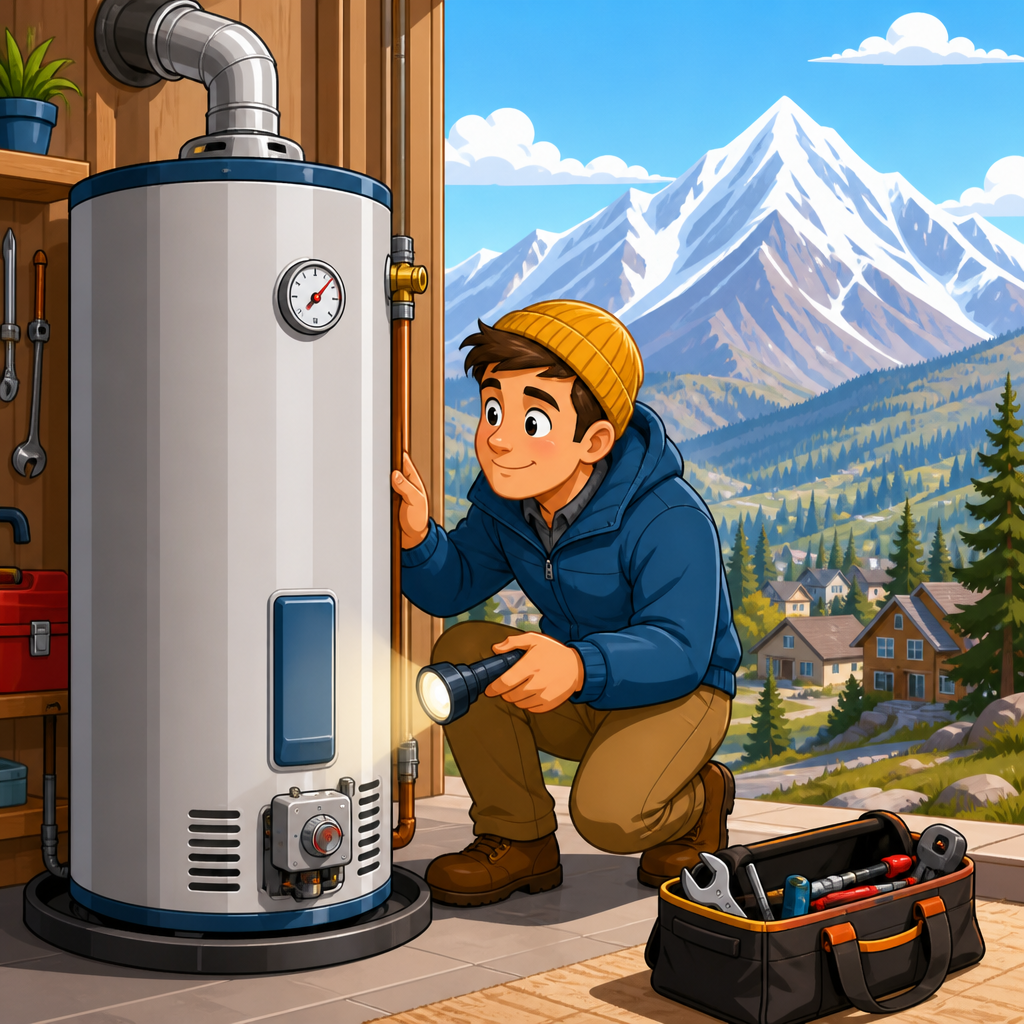
Hot water heater performance changes at elevation, and homeowners who understand why can prevent cold showers, nuisance shutdowns, wasted fuel, and indoor moisture problems. In high-altitude homes, thinner air affects combustion, venting, heat transfer, and even how occupants perceive comfort. “Hot water heater” in this context includes tank water heaters, tankless units, boilers used for domestic hot water, and hybrid heat pump models. “Altitude” generally becomes operationally important above about 2,000 feet, while many manufacturers publish derating rules, conversion kit requirements, or vent-length limits above 4,500 to 5,400 feet. This matters because the water heater sits at the intersection of indoor systems and humidity: it burns fuel or moves heat, produces condensate in some cases, relies on adequate combustion air, and influences bathing, laundry, and ventilation patterns that add moisture to the home. I have inspected mountain homes where the complaint sounded simple—slow hot water recovery—but the root cause involved undersized gas input, blocked intake screens, overlong vent runs, and bathroom fans that were never used, leaving windows wet every morning. A strong altitude check therefore goes beyond the appliance label. It should connect heater output, safety, venting, water quality, and humidity management into one practical maintenance plan for the entire indoor environment.
Why altitude changes hot water heater performance
At higher elevations, air density drops. Gas burners need oxygen to maintain a stable flame and to burn fuel completely. With less oxygen available per cubic foot of air, a burner that works perfectly near sea level may run rich at altitude unless the manufacturer has designed it for elevation or provided a conversion method. The practical result is less heat output, more soot risk, possible carbon monoxide formation, and reduced efficiency. A common rule of thumb for natural gas appliances is input derating of about 4 percent per 1,000 feet above 2,000 feet, but homeowners should never apply a generic rule in place of the installation manual. Some sealed-combustion units self-adjust within a range; others require a high-altitude orifice, gas valve setting change, or firmware parameter.
Atmospheric conditions also affect draft. Conventional atmospheric vent water heaters depend on buoyancy: hot flue gases rise because they are lighter than surrounding air. At altitude, the pressure difference driving draft can be weaker, especially in cold-weather homes with tight envelopes, long vent connectors, or competing exhaust fans. Direct-vent and power-vent models reduce this problem, but they introduce their own constraints such as maximum equivalent vent length, condensate handling, and intake screen maintenance. If a heater runs but struggles to keep up, altitude is often only part of the story; vent configuration and available combustion air usually complete the diagnosis.
What to check first on gas, propane, electric, and heat pump models
Start with the rating plate and installation manual. Confirm the model number, fuel type, input rating in BTU per hour, and listed altitude range. For natural gas or propane models, check whether the manufacturer requires a high-altitude kit or a qualified technician to adjust manifold pressure. Many units lock out, short-cycle, or underperform simply because a sea-level setting was never corrected after installation in a mountain market. Verify the venting category as well. Category I atmospheric units behave very differently from condensing tankless units using PVC, CPVC, or polypropylene vent systems.
For electric resistance water heaters, altitude does not affect combustion, but performance can still suffer because incoming groundwater is colder, usage patterns differ in resort or cabin settings, and the home may have electrical limits that slow recovery. A standard 4,500-watt element delivers the same heat regardless of elevation, yet a family moving from a temperate city to a 7,000-foot home often believes the heater “got weaker” when the real change is colder inlet water and longer showers during winter. Heat pump water heaters deserve separate attention. Their efficiency depends on room air temperature, airflow, and available dehumidification capacity. In cool basements or mechanical rooms at altitude, they may switch to resistance backup more often, reducing savings. They also remove moisture from indoor air, which can help in damp spaces but may be undesirable in very dry mountain climates during winter.
Common high-altitude symptoms and what they usually mean
Homeowners can often identify the likely issue from the symptom pattern. Slow recovery after showers points to derated burner input, scale buildup on the heat transfer surface, or an undersized unit. Intermittent ignition failure can indicate weak combustion air supply, dirty flame sensors, low gas pressure, or an altitude setting problem. Soot around the draft hood, burner chamber, or vent connector is never normal and strongly suggests incomplete combustion or venting failure. Popping or rumbling in a tank heater usually means sediment accumulation at the bottom of the tank, where trapped water flashes to steam beneath mineral deposits. In tankless units, fluctuating outlet temperature often traces to hard-water scaling in the heat exchanger, minimum flow thresholds, or a fixture mixing issue rather than altitude alone.
Indoor humidity clues matter too. If mirrors stay fogged, bath fans are rarely used, and occupants compensate for weak hot water by taking longer showers, the water heater problem starts to affect the whole house. I often see this in homes where a marginally vented atmospheric tank is located in a utility room near the laundry. The owners focus on shower comfort, but the broader indoor-system consequence is elevated moisture, window condensation, and pressure imbalances caused by dryer and bath fan operation. Diagnosing only the heater misses the connected problem.
Safety, venting, and combustion air checks that should never be skipped
The first safety priority is carbon monoxide prevention. Fuel-burning water heaters should have proper venting, adequate combustion air, and a functioning spill switch or blocked-vent safeguard where applicable. Every level of the home should have UL 2034-listed carbon monoxide alarms, and the mechanical room should not be used as informal storage that blocks louvers or crowds the appliance. In mountain homes with newer air sealing, combustion-air provisions become especially important because exhaust appliances can depressurize the house enough to reverse draft. Kitchen hoods over 400 cfm, clothes dryers, and multiple bath fans can all contribute.
Water heater vent connectors should slope upward, be properly supported, and match the venting material and diameter required by the manufacturer and fuel gas code. In the United States, installation details are typically governed by the International Fuel Gas Code or NFPA 54, plus local amendments. For condensing appliances, check condensate neutralizers, trap priming, and freeze protection on exterior runs. Intake and exhaust terminations must meet clearances from openings, grade, and snow levels. High snow country introduces a real hazard: a buried termination can cause lockouts or dangerous recirculation of exhaust. I recommend homeowners inspect terminations after major storms, not just at annual service.
How altitude, water quality, and sizing affect capacity and comfort
A water heater should be sized for the home’s peak demand, not just total gallons. At altitude, effective capacity can fall when gas input is derated. That means a nominal 40,000 BTU tank heater may behave more like a smaller unit at 6,000 feet. If the home has a large soaking tub, body sprays, or simultaneous laundry and shower use, the mismatch becomes obvious. Tankless models are even more sensitive to design conditions because their advertised gallons per minute are based on a specific temperature rise. Inlet water at 40 degrees Fahrenheit in winter demands much more heat than inlet water at 60 degrees, so a unit promoted as 7 gpm may deliver far less under actual mountain conditions.
Water quality compounds the problem. Hard water deposits insulate heating surfaces and narrow passages in tankless heat exchangers. A modest scale layer can cut efficiency and increase noise, while severe scaling drives outlet temperature swings and overheat shutdowns. If the home uses a well, test hardness, iron, manganese, and pH. A softener, scale inhibitor, or periodic descaling with a pump-and-vinegar or manufacturer-approved solution may be justified. Sizing, then, is not a one-line chart decision. It is a combined analysis of fixture demand, inlet temperature, altitude derating, vent limits, and water chemistry.
| Check | Why it matters at altitude | What homeowners should do |
|---|---|---|
| Manufacturer altitude rating | Confirms whether derating or conversion is required | Read the data plate and manual; compare to home elevation |
| Gas input and pressure | Low oxygen and incorrect settings reduce heat output | Have a licensed technician verify manifold and supply pressure |
| Venting and terminations | Weak draft and snow blockage are common mountain issues | Inspect slope, support, clearances, and snow exposure |
| Combustion air | Tight homes can starve burners or cause backdrafting | Keep louvers open and evaluate large exhaust fans |
| Water quality | Scale lowers efficiency and worsens temperature instability | Test hardness and follow a flushing or descaling schedule |
| Humidity and ventilation | Longer showers can raise indoor moisture loads | Use bath fans during and after bathing; monitor condensation |
Indoor systems and humidity: why this topic belongs in the same conversation
Indoor systems do not operate in isolation. Water heating affects shower duration, laundry routines, and occupant comfort, all of which shape indoor humidity. In winter, many high-altitude homes are already dry because cold outdoor air holds little moisture and heating lowers relative humidity further. Yet localized moisture problems still occur in bathrooms, laundry areas, and around windows because activities create concentrated bursts of vapor. A poorly performing water heater can paradoxically increase humidity by encouraging longer hot-water draws as people wait for acceptable temperature or adequate pressure. If the bathroom fan is undersized, noisy, or vented improperly into an attic, that moisture stays inside.
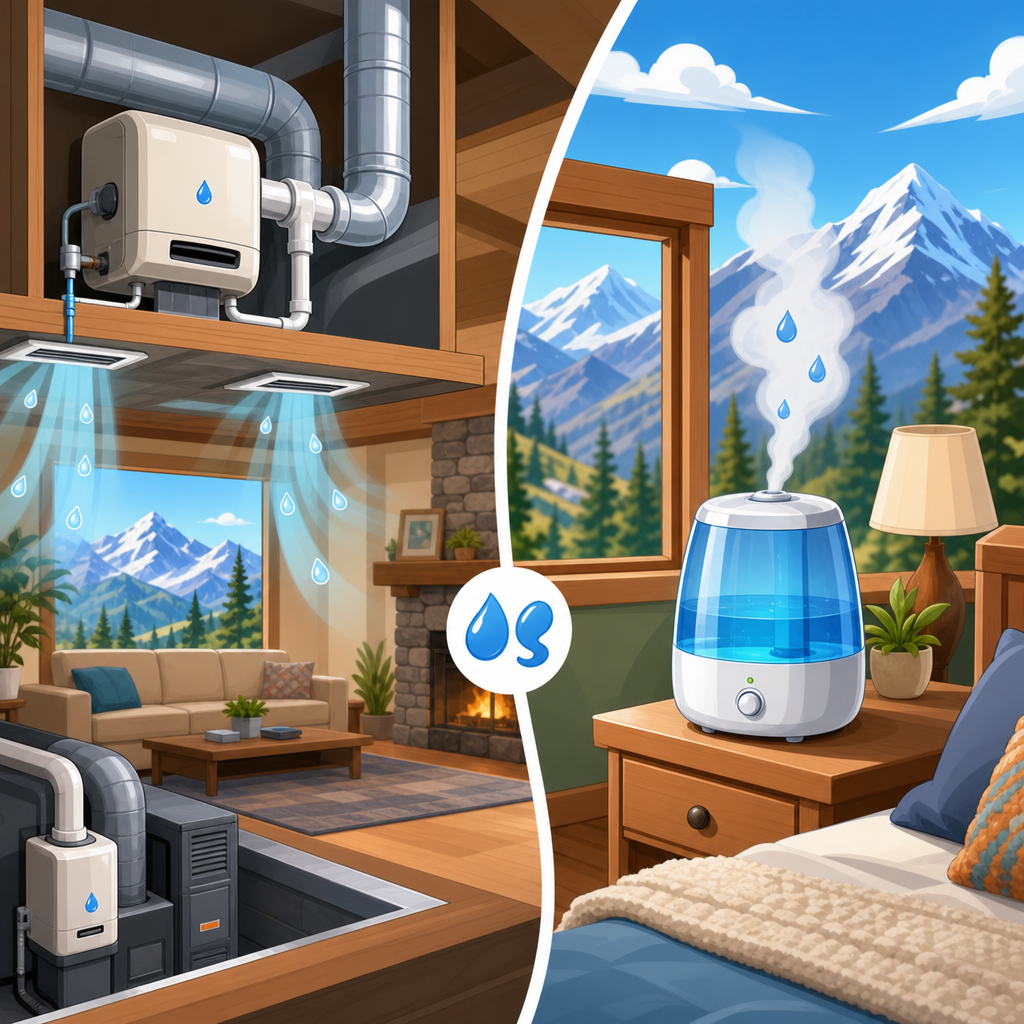
This article serves as a hub for broader indoor systems and humidity decisions. Homeowners evaluating water heater performance should also review bath fan sizing, whole-house ventilation, crawlspace and basement moisture control, dryer vent maintenance, and whether a humidifier or dehumidifier is helping or hurting seasonal comfort. A heat pump water heater, for example, can act like a small dehumidifier in summer, while an atmospheric gas heater can compete with other exhaust devices for indoor air. The best results come from treating the heater as one component inside a coordinated house system.
Maintenance schedule and when to call a qualified technician
Routine checks prevent most performance complaints. Monthly, look for leaks, rust streaks, blocked louvers, and unusual sounds. Test a nearby hot-water tap for stable temperature and note whether recovery seems slower than normal. Every six to twelve months, flush sediment from storage tanks if the manufacturer recommends it and local water quality justifies it. Tankless units in hard-water areas often need annual descaling. Gas models should receive periodic burner inspection, flame assessment, vent verification, and combustion analysis by a licensed professional using a calibrated analyzer. That last step matters: flame color alone is not a reliable safety test.
Call a technician promptly for repeated ignition failures, sooting, vent odor, pressure relief valve discharge, error codes, condensate leaks, or carbon monoxide alarm events. Also call before finishing a basement, adding a powerful range hood, or tightening the building envelope, because those changes can alter combustion air and pressure balance. In my field experience, the most expensive water heater problems are usually not catastrophic tank leaks; they are years of quiet underperformance caused by incorrect setup at installation. A one-hour professional evaluation at the correct altitude can restore output, improve safety, and reduce fuel waste immediately.
Hot water heater performance at altitude is not mysterious, but it is technical enough that a careful checklist pays off. Homeowners should confirm the unit’s altitude rating, verify fuel and vent setup, inspect combustion air, account for colder inlet water, and treat scale as a capacity issue rather than a cosmetic one. Just as important, they should connect water heating to the broader indoor systems picture, especially bathroom ventilation, pressure balance, and seasonal humidity control. That whole-house view is the main advantage of approaching this as an indoor systems and humidity topic instead of a stand-alone appliance problem.
The key takeaway is simple: elevation changes how water heaters burn fuel, move heat, and interact with the house. A model that is properly sized and tuned for sea level can become inefficient, temperamental, or unsafe in a mountain home if no one adjusts it. By checking manufacturer requirements, venting, gas settings, water quality, and moisture side effects, homeowners can protect comfort and indoor air quality at the same time. If your home sits above 2,000 feet and hot water has been inconsistent, schedule a qualified inspection and build the findings into your broader indoor systems maintenance plan.
Frequently Asked Questions
Why does a hot water heater often perform differently at higher elevation?
Altitude changes the air your equipment depends on. As elevation increases, air becomes less dense and contains less oxygen per cubic foot. For gas-fired tank water heaters, tankless units, and boilers used for domestic hot water, that matters because combustion has to be carefully balanced. If the burner receives the same amount of gas but less oxygen, combustion can become weaker or less complete, which may reduce heating capacity, increase soot or carbon monoxide risk, and trigger nuisance lockouts on modern safety controls. In practical terms, homeowners may notice slower recovery times, lower hot water output, or intermittent shutdowns.
Venting can also change at altitude. Many appliances rely on temperature difference and buoyancy to move combustion gases up a flue. Thinner air can alter draft characteristics, especially in atmospherically vented equipment. If draft is marginal to begin with, high elevation can make venting problems more noticeable, particularly in cold weather or tightly sealed homes. That can lead to poor burner performance, condensation in venting components, or spillage concerns that deserve prompt evaluation.
Even electric and hybrid heat pump water heaters can feel different at altitude, though for different reasons. Heat pump models depend on surrounding air temperature, humidity, and airflow. In mountain climates, cooler ambient conditions and drier indoor air can affect efficiency, condensate behavior, and perceived comfort in the room where the unit sits. The bottom line is that altitude affects more than just the flame. It influences combustion, venting, heat transfer, efficiency, and how quickly your system can deliver the hot water your household expects.
At what elevation should homeowners start paying closer attention to water heater altitude issues?
For many systems, altitude starts becoming operationally important above roughly 2,000 to 3,000 feet, although the exact threshold depends on the equipment design, fuel type, venting method, and manufacturer specifications. Some appliances are certified for operation up to a certain elevation without changes, while others require derating, burner adjustments, revised venting, or high-altitude conversion kits. By 5,000 feet and above, these considerations become much more common, and by 7,000 feet or higher, they are often central to proper setup and reliable performance.
Homeowners should not rely on a general rule alone. The most important step is checking the rating plate and installation manual for the specific unit. Manufacturers typically state maximum approved installation altitude, whether the appliance auto-compensates, and what modifications are required at specific elevation ranges. Many modern tankless models, for example, can electronically adjust within a limited range, but some still need parameter changes or a dedicated kit. Atmospheric tank heaters and certain boilers may require input derating to maintain safe combustion. If a home has changed ownership, if the unit was installed by a general contractor rather than a specialist, or if it was moved from a lower elevation market, verifying this paperwork becomes even more important.
A good practical rule is this: if your home is in a foothill, mountain, or high-desert area and you are above a few thousand feet, altitude should be part of every service conversation. It is especially worth checking if you have experienced lukewarm water, delayed ignition, unusual burner noise, frequent error codes, visible condensation near venting, or unexplained fuel usage increases.
What should homeowners inspect or ask a professional to check on a high-altitude hot water heater?
Start with the basics: confirm the unit is actually approved for your elevation and fuel type. Then ask whether any required high-altitude adjustments were made at installation. On gas-fired equipment, that may include derating the burner, changing orifices, adjusting gas valve settings, updating control-board parameters, or installing a manufacturer-approved conversion kit. These are not guesswork items. They should be matched to the exact model number, fuel, and elevation range.
Next, have the combustion and venting system checked carefully. A qualified technician should verify gas pressure under load, combustion quality, draft or fan-assisted vent performance, intake air supply, vent sizing, and overall flue condition. On sealed-combustion and condensing models, both the exhaust and combustion air intake should be inspected for restriction, icing risk, slope, termination clearance, and condensate management. On atmospheric models, technicians should look for spillage, backdrafting, poor draft establishment, and room depressurization caused by exhaust fans, dryers, or tight building envelopes. These issues can become more pronounced at elevation.
Homeowners should also ask about scale buildup, maintenance intervals, and overall demand. At altitude, reduced burner output or slower recovery can make an existing maintenance problem feel worse. A tankless unit with scale in the heat exchanger, a tank heater with sediment accumulation, or a boiler with control issues may appear to be suffering from “altitude” when it is really dealing with multiple compounding factors. For hybrid heat pump water heaters, have someone verify airflow clearance, filter condition, room temperature suitability, condensate drainage, and whether the space can tolerate the cooling and dehumidifying effect the unit creates. In short, the right inspection covers approval, setup, combustion, venting, maintenance condition, and whether the appliance still matches the household’s hot water load.
Can altitude cause cold showers, shutdowns, or moisture problems inside the home?
Yes. Cold showers are one of the most common homeowner complaints because altitude can reduce effective heating performance, especially on gas-fired equipment that has not been properly adjusted. If a burner is derated or naturally produces less usable heat at elevation, recovery time can increase on tank models and peak output can drop on tankless systems. That means simultaneous showers, laundry, or dishwasher use may overwhelm the appliance more easily than expected. In other cases, the equipment may technically still work, but occupants perceive the water as less satisfying because homes in colder, drier climates often produce a bigger contrast between incoming water temperature and desired shower temperature.
Nuisance shutdowns are also common with modern appliances. Safety controls monitor flame quality, exhaust conditions, ignition reliability, and temperature behavior. If combustion is marginal because of thin air, gas pressure issues, poor setup, or improper venting, the control system may lock the unit out to protect the home and equipment. Tankless units and condensing boilers are especially sensitive to installation details. Homeowners sometimes mistake repeated resets as an electrical problem when the root cause is altitude-related combustion or venting performance.
Moisture problems can appear in several ways. High-efficiency appliances intentionally create condensate, but if venting is poorly configured or drain routing is incorrect, homeowners may see dripping, staining, or excess humidity in utility spaces. In addition, if an appliance is not venting cleanly, warm moist combustion byproducts may not be carried away as intended. Hybrid heat pump water heaters add another layer: they remove heat and moisture from indoor air during operation, which can be beneficial in some basements but uncomfortable or counterproductive in smaller, cooler rooms. So while altitude itself does not directly “create” indoor moisture problems, it can change how your water-heating system behaves in ways that make moisture management and comfort more important to monitor.
Is it safe and worthwhile to upgrade or replace a water heater specifically for high-altitude performance?
In many cases, yes. If your current equipment is aging, undersized, poorly vented, or not properly approved for your elevation, replacement can improve reliability, safety, efficiency, and hot water comfort. The key is choosing equipment that is designed to handle your altitude rather than assuming any new unit will automatically perform better. For gas-fired systems, look for manufacturer documentation that clearly states approved elevation ranges and required setup procedures. Sealed-combustion and power-vented equipment often performs more predictably than older atmospheric units in challenging high-altitude homes, though proper installation is still essential.
Tankless models can be an excellent fit when selected correctly, but homeowners should verify high-altitude capacity expectations. A unit that looks powerful on paper at sea level may deliver less output at elevation, especially in winter when incoming groundwater is colder. Boilers serving domestic hot water through an indirect tank should also be evaluated based on actual delivered performance, not just burner nameplate input. Hybrid heat pump water heaters may be attractive for energy savings, but they should be matched to the room volume, climate, and household usage pattern so the cooling effect in the installation space does not become a comfort drawback.
The safest and most worthwhile approach is to size and specify the system around real conditions: elevation, climate, incoming water temperature, venting path, available fuel, electrical capacity, and family demand profile. A well-chosen high-altitude installation can absolutely prevent cold showers, reduce shutdowns, cut wasted fuel, and limit moisture or venting issues. The biggest mistake is treating altitude as a minor detail. In mountain and elevated regions, it should be considered a core design factor, not an afterthought.