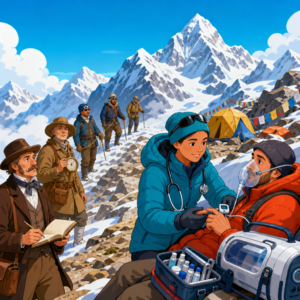
Life at high altitude is different. Whether you’re visiting a mountain destination, training for performance, or considering a permanent move, the challenges—and benefits—of elevation are real. From thinner air and lower oxygen levels to intense UV exposure and dry climates, your body, your routines, and even your daily habits all change.
HighAltitudeLife.com is built to help you navigate those changes with confidence.
Here, you’ll find expert-driven, practical guidance on everything related to high-altitude living. We cover the science behind how your body adapts, the risks you need to understand, and the strategies that make altitude not just manageable—but enjoyable.
If you’re planning a trip, you’ll learn how to acclimatize safely, avoid altitude sickness, and make the most of your time in high-elevation destinations like Colorado, Utah, Peru, and beyond. If you’re moving to altitude, we provide real-world advice on adjusting your lifestyle—from improving sleep and hydration to managing home environments and daily routines.
HighAltitudeLife.com also dives deep into specialized topics that most resources overlook. Learn how to cook and bake successfully at altitude, optimize fitness and performance in low-oxygen conditions, and choose the right gear for mountain environments. We also provide guidance for families, pets, and individuals managing chronic conditions like asthma, COPD, or heart disease.
Our goal is simple: to be the most trusted, comprehensive resource for high-altitude living.
Whether you’re here to solve a specific problem—like headaches at 8,000 feet or baking failures at 6,500—or you’re looking to fully embrace a high-altitude lifestyle, you’ll find clear, actionable answers backed by research and real-world experience.
Because at elevation, knowledge isn’t just helpful—it’s essential.

How to know whether a mountain headache is just a headache or AMS
Mountain headache or AMS? Learn the key warning signs, common causes, and when to rest, descend, or get help before a mild headache turns serious.

Why physical fitness does not protect you from altitude sickness
Physical fitness won’t prevent altitude sickness. Learn why AMS can affect anyone at high altitude and how to lower your risk before you go.

First-night altitude sickness: what to do before symptoms spiral
First-night altitude sickness can worsen fast. Learn what to do early to ease symptoms, reduce risk, and stay safe on your first high-altitude night.

Why altitude sickness often feels worse after dinner
Altitude sickness often feels worse after dinner due to dehydration, big meals, alcohol, and lower night breathing—learn how to avoid it.

What does mild altitude sickness feel like at night?
What does mild altitude sickness feel like at night? Learn the telltale signs, from throbbing headache and nausea to restless sleep and faster breathing.

How quickly can altitude sickness start after you arrive?
How quickly can altitude sickness start? Learn when symptoms usually begin after arrival, why they can hit later, and when to take them seriously.