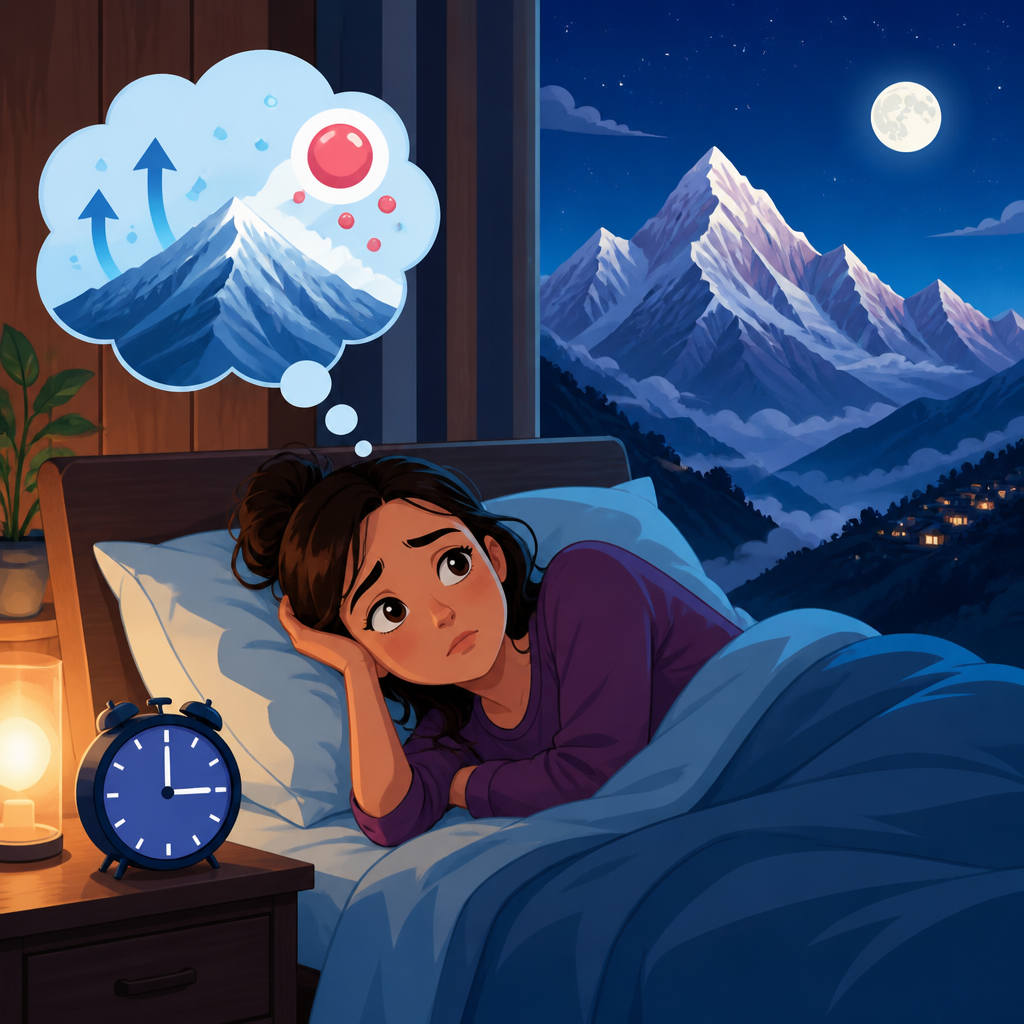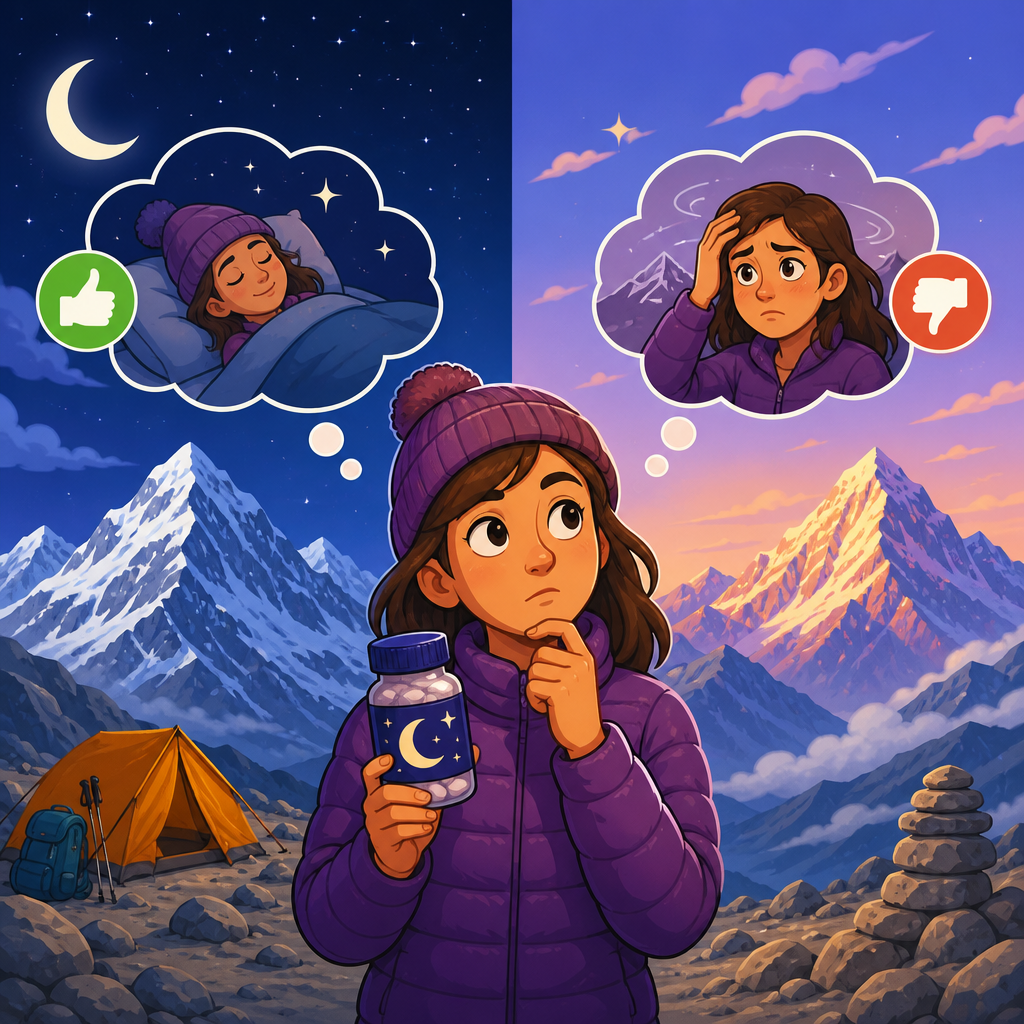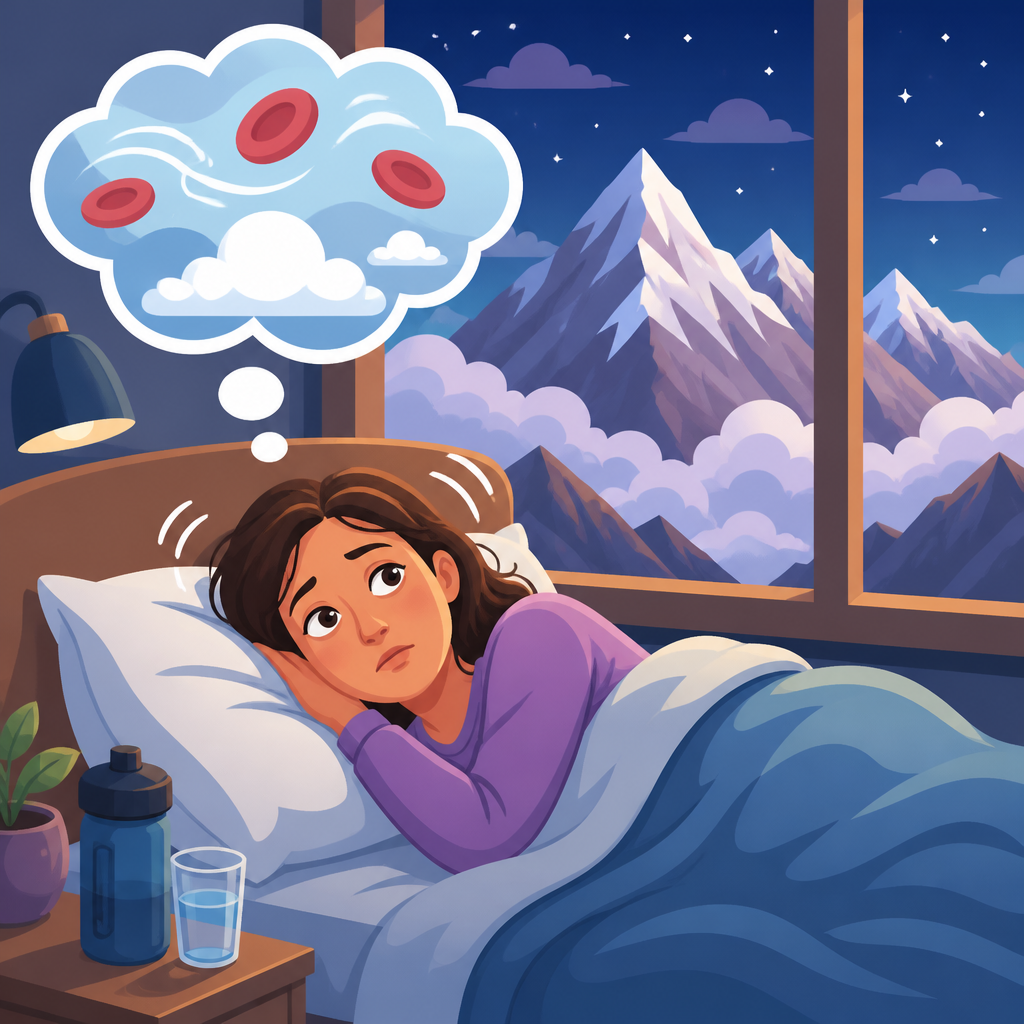
Altitude sleep often feels lighter and less restorative because the body must work harder to maintain oxygen delivery, regulate breathing, and preserve fluid balance at the same time it is trying to recover. In practical terms, higher elevation changes the basic physiology of sleep. Air pressure falls as altitude rises, so every breath contains less available oxygen even though the percentage of oxygen in the air remains about 21 percent. That reduction can fragment sleep, increase nighttime awakenings, reduce deep and REM sleep, and leave people feeling unrefreshed in the morning.
This matters for anyone interested in sleep and recovery, from travelers spending a weekend in the mountains to endurance athletes training at elevation and workers living above sea level for long stretches. In my experience helping people troubleshoot altitude-related fatigue, the biggest mistake is assuming poor sleep is caused only by the bed, the hotel, or pre-trip stress. Those factors can matter, but the dominant issue is usually hypobaric hypoxia, the lower oxygen availability created by reduced barometric pressure. The body responds with faster breathing, changes in blood gases, increased urination, and a temporary rise in heart rate. Together, these changes make sleep shallower and recovery less complete.
As a hub for sleep and recovery within sleep, hydration, and nutrition, this article explains the core mechanisms, common symptoms, risk factors, adaptation timeline, and practical ways to sleep better at altitude. It also connects altitude sleep to hydration status, fueling, training load, and recovery decisions. If you want the short answer, here it is: altitude sleep feels lighter because lower oxygen destabilizes breathing and stresses the recovery systems that normally make sleep deep, continuous, and restorative.
What changes in the body at altitude during sleep
The key driver is lower partial pressure of inspired oxygen. At sea level, oxygen pressure supports efficient transfer from the lungs into the bloodstream. At altitude, that pressure drops, making oxygen loading less efficient. The body compensates quickly by increasing ventilation. You breathe faster and often deeper, especially during sleep when control of breathing becomes more vulnerable to instability. This response helps raise blood oxygen but also blows off more carbon dioxide, which can push breathing below the threshold needed to keep a stable rhythm. The result is periodic breathing, a repeating pattern of deeper breaths followed by pauses or very shallow breathing.
Periodic breathing is one of the main reasons sleep feels lighter at altitude. People may not remember every breathing pause, but they often wake repeatedly, shift position more, or notice vivid dreams and a racing heart. Wearables commonly show elevated sleeping heart rate and reduced overnight heart rate variability during the first nights at elevation. Those metrics are not perfect diagnostics, but they align with the physiology. When oxygen is limited, the sympathetic nervous system remains more active. Recovery is still happening, but the body is paying an added respiratory tax throughout the night.
Altitude also changes fluid regulation. Within hours to days of ascent, many people experience altitude diuresis, an increase in urine output. This is partly tied to respiratory changes and hormonal responses. The practical effect is simple: you may wake to urinate more often, and mild dehydration can add to dry mouth, headache, and poor sleep quality. The mountain environment itself often makes the problem worse because air is colder and drier, increasing insensible water loss through breathing.
Why sleep architecture becomes disrupted
Sleep is not one uniform state. It cycles through light sleep, deep slow-wave sleep, and rapid eye movement sleep. Restorative sleep depends on continuity as much as duration. At altitude, fragmentation is the major problem. Even if total time in bed looks normal, repeated micro-arousals interrupt the progression into deeper stages. Research on acute exposure to moderate and high altitude consistently shows more stage transitions, more awakenings, lower sleep efficiency, and reductions in REM sleep, especially in the first few nights.
Deep sleep is important for physical restoration, immune function, growth hormone release, and tissue repair. REM sleep supports learning, mood regulation, and aspects of motor skill consolidation. When altitude reduces time spent in these stages or breaks them into shorter pieces, people often describe the night as “thin,” “surface level,” or “like I never fully dropped off.” That language matches what I hear most from athletes arriving at camp around 1,800 to 2,500 meters. They may technically sleep seven or eight hours, but they wake feeling as if they slept much less.
Another factor is sleep onset. Some people fall asleep quickly from travel fatigue, but many feel wired and tired at the same time. Ventilatory drive is elevated, heart rate is higher, and headaches or nasal dryness can increase awareness of bodily discomfort. This can lengthen sleep latency, especially after a hard training session, alcohol intake, or a heavy late meal.
Who notices altitude sleep problems most
Not everyone reacts the same way. Susceptibility depends on ascent rate, sleeping elevation, prior acclimatization, genetics, age, fitness profile, and medical history. Fast ascent is the clearest risk factor. Flying from sea level to a ski town and sleeping there the same night produces more sleep disruption than a staged ascent with a lower first sleeping altitude. In practice, many people begin to notice measurable changes around 1,500 to 2,000 meters, and symptoms become more common above 2,400 meters, though sensitive individuals may feel effects lower than that.
Endurance athletes often expect fitness to protect them, but aerobic conditioning does not guarantee better altitude sleep. In fact, very fit people can notice nighttime breathing irregularities quickly because they are attuned to recovery signals and often train hard on arrival. People with sleep apnea, asthma, migraine, anxiety, or prior altitude illness may experience greater disruption. So can those who are dehydrated, iron deficient, under-fueled, or recovering from illness. Children may become restless and wake more often, while older adults may already have lighter baseline sleep and notice even greater fragmentation.
The table below summarizes common patterns seen in real-world altitude exposure and what they usually mean for recovery.
| Situation | Typical sleep effect | What it means for recovery |
|---|---|---|
| First 1 to 3 nights at 1,500 to 2,500 meters | More awakenings, higher heart rate, lighter sleep | Expect reduced freshness; lower training intensity may help |
| Rapid ascent above 2,500 meters | Frequent periodic breathing, headache, poor sleep continuity | Recovery quality drops; monitor for acute mountain sickness |
| Good acclimatization over several days | Breathing stabilizes somewhat, sleep efficiency improves | Recovery begins to normalize, though not always to sea-level baseline |
| Hard training on arrival | Difficulty falling asleep, more overnight stress | Compounds oxygen stress and can delay adaptation |
| Alcohol, dehydration, or poor fueling | More awakenings, dry mouth, morning fatigue | Adds avoidable strain and worsens next-day performance |
How acclimatization changes sleep over time
Altitude sleep usually improves, but it rarely improves instantly. During the first nights, hyperventilation and unstable breathing are most pronounced. Over several days, the kidneys help compensate for respiratory alkalosis by excreting bicarbonate, allowing ventilation to remain elevated without disrupting breathing control as severely. This is one reason periodic breathing often becomes less disruptive after initial exposure. Red blood cell production also increases over time through erythropoietin signaling, though that process takes longer and does not solve first-night sleep issues.
A realistic timeline is important. Many people adapt enough to sleep better after two to five nights at moderate altitude. At higher elevations, adaptation can take longer, and sleep may remain below normal for a week or more. Some people never feel completely normal during short trips because they are descending just as they start to acclimatize. This is especially common in recreational travelers who spend one or two nights high, then return home assuming they simply “sleep badly in hotels.”
Acclimatization is also not linear. A person can feel better on day three and worse again after a long hike, dehydration, or a move to a higher sleeping elevation. Recovery planning should account for this. If sleep is the hub of recovery, altitude raises the cost of every additional stressor.
Hydration, nutrition, and training load all influence altitude sleep
Sleep and recovery at altitude cannot be separated from hydration and nutrition. Mild dehydration makes the usual symptoms worse: headache, elevated heart rate, dry airways, and overnight awakenings. The solution is not aggressive overdrinking, which can be uncomfortable and unnecessary, but steady intake through the day with attention to urine color, thirst, and the duration of exposure. Electrolytes can help when sweat loss is high, but they do not cancel the effects of low oxygen.
Fueling matters because altitude can suppress appetite while increasing carbohydrate reliance during exercise. Going to bed under-fueled after a long day in the mountains often leads to restless sleep and early waking. A practical approach is a balanced evening meal with sufficient carbohydrate, moderate protein, and fluids, then a light snack if needed before bed. Iron status also deserves attention for athletes and frequent altitude travelers because iron supports hemoglobin synthesis and oxygen transport. Low iron can worsen fatigue and blunt adaptation, though supplementation should follow testing rather than guesswork.
Training load is where many people sabotage recovery. At altitude, the same workout can create higher perceived effort, higher heart rate, and greater sleep disruption. I generally advise cutting intensity or total load during the first days unless the athlete is already acclimatized. Better sleep on night one and two often does more for adaptation than forcing sea-level training paces in thin air.
How to sleep better at altitude without overselling quick fixes
The most effective strategy is controlled ascent. If possible, spend the first night at a lower elevation before moving higher. Keep the first day easy, prioritize hydration and meals, and avoid alcohol close to bedtime because it worsens breathing instability and fragments sleep even at sea level. Keep the room cool and dark, use saline spray if nasal passages feel dry, and consider a humidifier in very arid environments. These basics sound simple, but they solve more problems than expensive gadgets.
For people with a history of altitude illness or major sleep disruption, medical planning matters. Acetazolamide is commonly used for prevention of acute mountain sickness and can also improve sleep at altitude by stimulating ventilation and reducing periodic breathing. It is a medication with indications, side effects, and dosing considerations, so it should be discussed with a qualified clinician before travel. People with obstructive sleep apnea should speak with their sleep specialist, because altitude can worsen oxygen desaturation and may change pressure needs for CPAP users.
Finally, judge recovery by more than hours slept. Morning headache, unusual fatigue, poor appetite, dizziness, and a significantly elevated resting heart rate can signal that the issue is not just light sleep but inadequate acclimatization. If symptoms are severe or worsening, descend and seek medical evaluation. The main takeaway is straightforward: altitude sleep feels lighter because oxygen is lower, breathing becomes less stable, and the body shifts resources from deep recovery to basic adaptation. Respect that physiology, support it with smart hydration, fueling, and pacing, and your sleep and recovery will improve far more reliably.
Frequently Asked Questions
Why does sleep feel lighter and less restorative at higher altitude?
Sleep often feels lighter at altitude because the body is trying to do several demanding jobs at once during the night. As elevation rises, air pressure drops, which means each breath delivers less oxygen to the lungs even though oxygen still makes up about 21 percent of the air. The brain and body respond by increasing breathing rate and adjusting circulation to protect oxygen delivery to tissues. Those changes are helpful for survival and adaptation, but they can make sleep less stable.
In practice, this often shows up as more frequent brief awakenings, less time spent in deeper sleep stages, and a sensation of unrefreshing sleep the next morning. Many people notice they fall asleep normally but wake more often, breathe irregularly, or feel as though they never reached truly deep rest. Altitude can also increase overnight heart rate and stimulate stress-related responses that keep the nervous system slightly more alert than usual. Even if a person spends the same number of hours in bed, the quality of those hours may be reduced, which is why altitude sleep commonly feels lighter and less restorative.
How does lower oxygen at altitude interfere with normal sleep cycles?
Lower oxygen availability can disrupt sleep architecture, which is the normal pattern of light sleep, deep sleep, and REM sleep that repeats throughout the night. At altitude, the body senses reduced oxygen and increases ventilation in an attempt to bring in more air. That response can create instability in breathing, especially during sleep when breathing is naturally less consciously regulated. As a result, people may have more arousals, meaning brief transitions toward wakefulness that interrupt normal sleep cycles even if they do not fully remember waking up.
These disruptions matter because restorative sleep depends on continuity as much as duration. Deep sleep supports physical recovery, immune function, and tissue repair, while REM sleep is important for memory processing, emotional regulation, and overall mental recovery. If breathing becomes more erratic or oxygen levels dip repeatedly during the night, the brain may repeatedly interrupt sleep to correct the problem. That can shorten deeper stages and leave the sleeper feeling fatigued, foggy, or unrested the next day. The effect is often strongest during the first few nights at a new elevation, before the body has had time to acclimatize.
Is it normal to wake up more often or feel short of breath during the night at altitude?
Yes, that is a common experience, especially soon after arriving at a higher elevation. Many people notice more frequent awakenings, a sensation of lighter sleep, vivid awareness of breathing, or occasional shortness of breath as they drift off or wake during the night. One major reason is that altitude can trigger periodic breathing, a pattern in which breathing becomes deeper and faster for a short time, then pauses or becomes more shallow before increasing again. Those fluctuations can be enough to disturb sleep even in otherwise healthy individuals.
Altitude can also contribute to dry air exposure, faster breathing, and changes in fluid balance, all of which may add to nighttime discomfort. Some people wake with a dry mouth, mild headache, racing heart, or the feeling that sleep was restless from start to finish. While these symptoms are often part of normal adjustment, severe or worsening symptoms should not be ignored. Marked shortness of breath at rest, chest tightness, confusion, severe headache, or persistent vomiting can signal altitude illness rather than ordinary sleep disruption and should be evaluated promptly. For most travelers, though, mild nighttime waking and a sense of unsettled sleep are expected during early exposure to altitude.
How long does it take for sleep to improve after arriving at high elevation?
Sleep usually begins to improve as the body acclimatizes, but the timeline varies by person, altitude reached, speed of ascent, and overall health. For many people, the first one to three nights are the most noticeably disrupted. During that time, the body is adjusting breathing patterns, circulation, and kidney function in response to lower oxygen pressure. Over several days, ventilation becomes more effective, oxygen delivery improves somewhat, and sleep may start to feel more normal, though not always exactly the same as at sea level.
At moderate elevations, some travelers feel substantially better within a few nights. At higher elevations, sleep disruption may persist longer, especially if the person ascended quickly or is physically overexerting themselves. Hydration, alcohol use, room temperature, illness, and preexisting sleep issues can also influence how quickly recovery happens. Importantly, improvement in sleep often parallels overall acclimatization, so gradual ascent and allowing the body time to adapt can make a meaningful difference. If poor sleep continues beyond the expected adjustment period or is accompanied by significant daytime symptoms, medical guidance is a good idea.
What can help make sleep more restorative at altitude?
The most effective strategy is usually to support acclimatization rather than trying to force sleep in the usual way. Gradual ascent whenever possible gives the body time to adapt to lower oxygen pressure. Staying well hydrated, eating adequately, and avoiding heavy alcohol intake close to bedtime can also help, since dehydration and alcohol can worsen breathing instability and fragment sleep further. Keeping the sleeping environment comfortably warm and humidified when possible may reduce airway dryness and nighttime discomfort.
It is also wise to pace physical activity, especially on the first day or two at elevation. Overexertion can intensify fatigue, increase respiratory stress, and make nighttime recovery harder. Some travelers benefit from sleeping at a slightly lower elevation than the highest point reached during the day if that option is available. If symptoms are significant, clinicians may recommend specific altitude-related strategies or medications, depending on the person’s health history and travel plans. Anyone with heart or lung disease, sleep apnea, or a history of altitude illness should prepare in advance with professional advice. In general, restorative sleep at altitude improves when the body is given time, support, and a manageable climb rather than an abrupt jump in elevation.