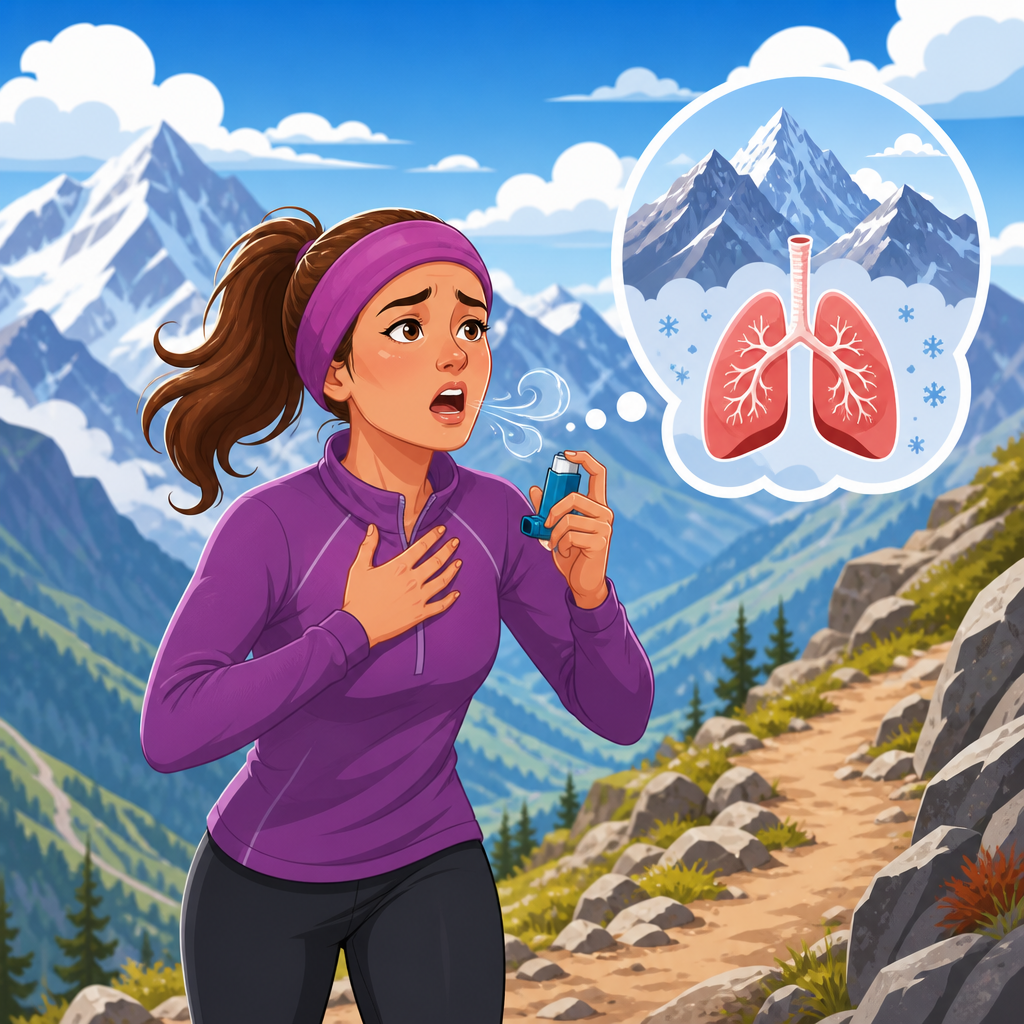
Can a recent COVID infection change your altitude tolerance? Yes. In many travelers, a recent COVID infection can temporarily reduce altitude tolerance by affecting oxygen exchange, heart rate control, exercise capacity, and the body’s normal acclimatization response. The effect is not universal, and it ranges from mild shortness of breath during exertion to a meaningful increase in risk when flying to or sleeping at high elevation. Because travel with medical conditions often combines long flights, disrupted sleep, dehydration, medication schedules, and unfamiliar emergency care, this question matters far beyond mountaineering. It matters for ski trips, mountain weddings, work travel to cities like Denver or Mexico City, and even road trips that involve sleeping above 8,000 feet.
Altitude tolerance means how well your body functions as oxygen pressure drops. At sea level, the lungs and circulation usually maintain adequate oxygen delivery with a large safety margin. At altitude, that margin shrinks. The body compensates by breathing faster, raising heart rate, shifting fluid balance, and over several days making deeper physiological adjustments. COVID can interfere with those compensations even after the acute infection has ended. I have seen this in practical travel planning repeatedly: people who previously hiked comfortably at 9,000 feet suddenly feel winded climbing hotel stairs after COVID, despite normal basic checkups at home.
This hub article explains what changes after COVID, who should be cautious, how to judge readiness for altitude travel, and how these principles connect to the broader topic of travel with medical conditions. It also provides a framework useful for asthma, COPD, heart disease, sleep apnea, anemia, and other chronic issues that can limit oxygen delivery. The key point is simple: recent COVID does not automatically rule out altitude travel, but it can narrow your margin for error, so preparation must be more deliberate than usual.
How COVID can affect altitude tolerance
COVID can change altitude tolerance through four main pathways. First, it can leave residual inflammation or scarring that reduces gas exchange in the lungs. Even subtle impairment may not show up at rest yet become obvious when oxygen pressure falls at altitude. Second, it can affect cardiovascular performance. Some people have lingering tachycardia, reduced stroke volume during exertion, chest discomfort, or deconditioning after days or weeks of inactivity. Third, it can disturb autonomic regulation, producing dizziness, palpitations, or exercise intolerance that worsens when dehydration, jet lag, and altitude are added. Fourth, it can trigger fatigue and post-viral symptoms that make a traveler less able to pace activity, sleep well, and acclimatize.
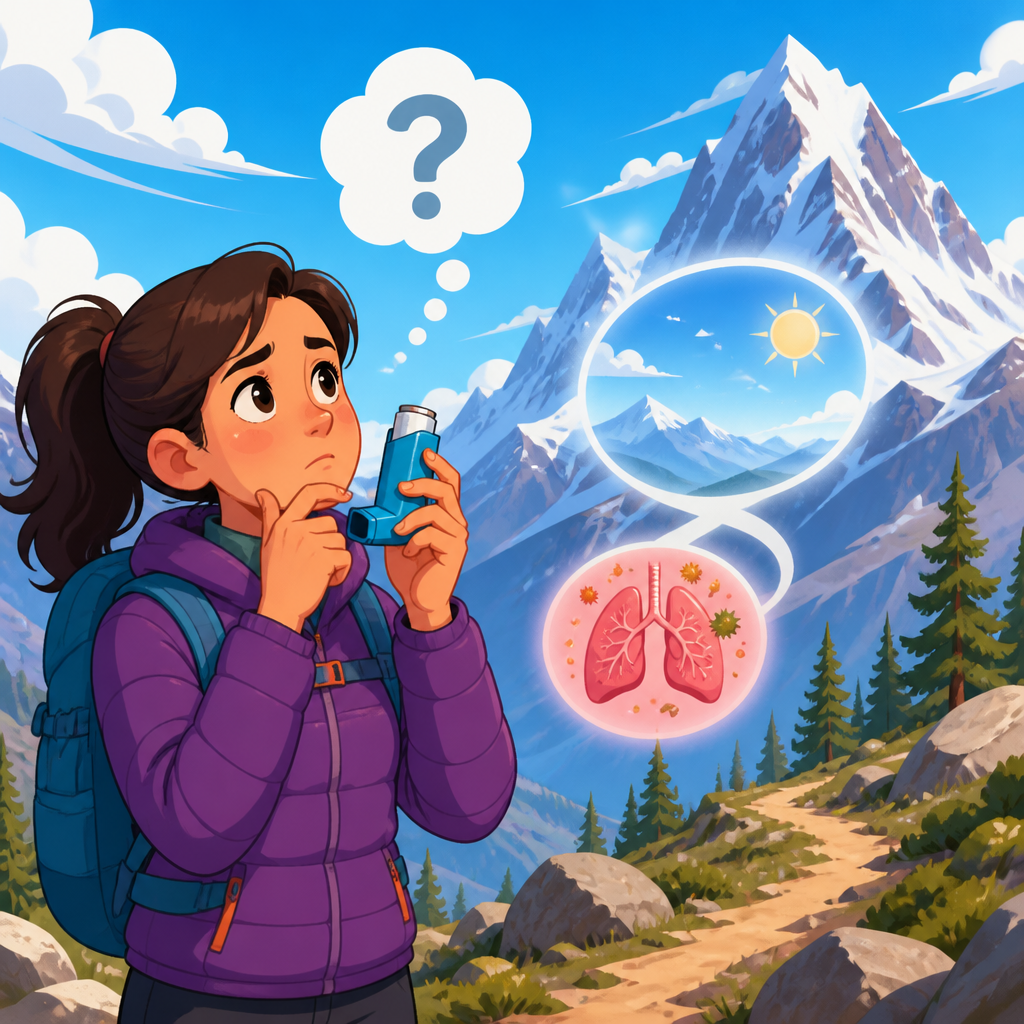
The lungs are the most obvious concern. High altitude lowers the partial pressure of inspired oxygen. If your alveoli or pulmonary blood vessels are not working efficiently after COVID, blood oxygen can drop faster than expected. Clinically, this may look like normal oxygen saturation sitting at home but disproportionate desaturation with walking, carrying luggage, or climbing one flight of stairs at elevation. That mismatch is why a home pulse oximeter, while useful, cannot by itself guarantee readiness for altitude. Functional capacity matters more than a single resting number.
Heart and circulation effects matter too. A healthy acclimatization response relies on a controlled increase in ventilation and cardiac output. After COVID, some travelers notice racing pulse, reduced exercise tolerance, or unusual breathlessness. In plain terms, the body can still compensate, but it may have to work harder to achieve the same result. Add alcohol, poor sleep, sedating cold medicines, or a rushed itinerary, and mild impairment can become a trip-limiting problem.
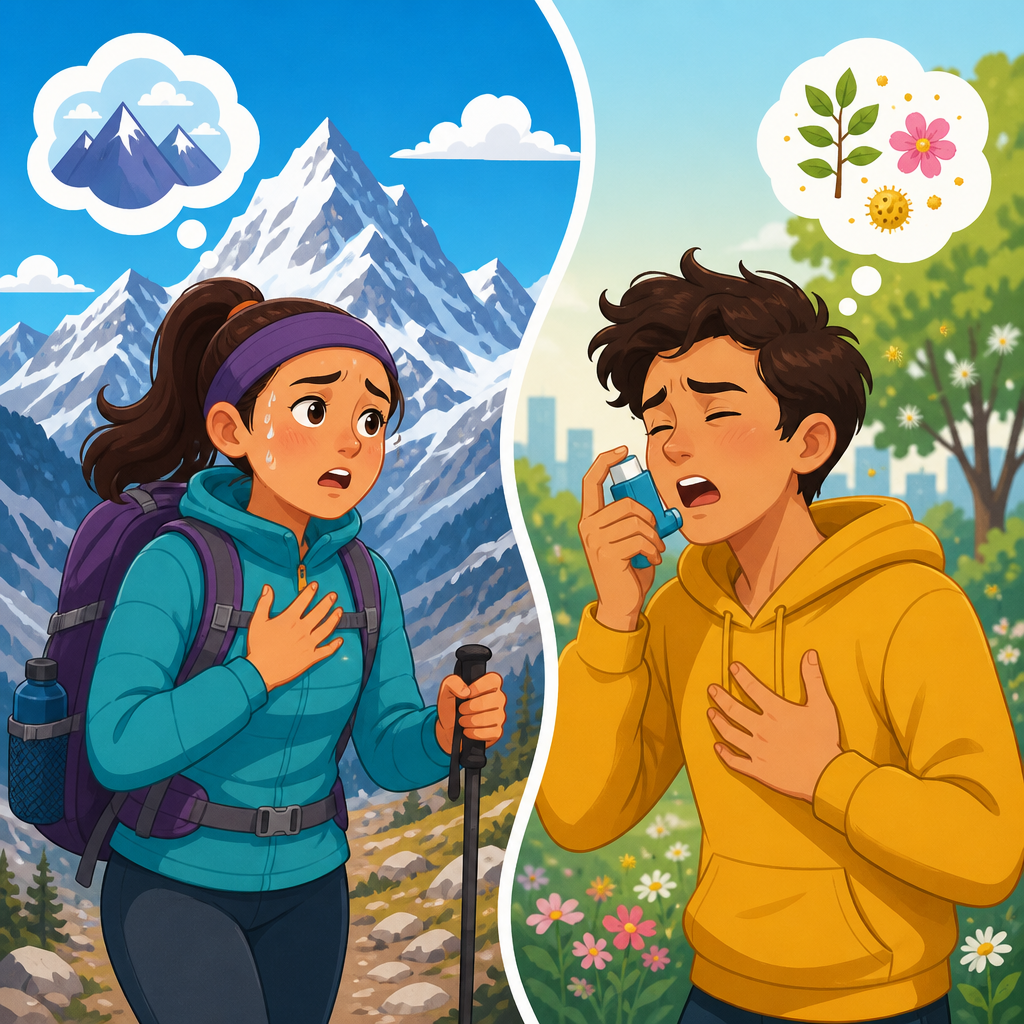
Symptoms that deserve respect include breathlessness out of proportion to effort, chest pain, fainting, new wheezing, bluish lips, severe fatigue, or oxygen saturation that falls abnormally with walking if you have measured it reliably. A previous easy relationship with altitude is reassuring, but it does not override recent changes in health status.
Who is most likely to notice a change after infection
Risk is not equal. Travelers with a mild infection and complete recovery may do well at moderate elevation, especially if they are young, aerobically fit, and symptom free. But several groups deserve extra caution. The first is anyone who still has respiratory symptoms: cough, wheeze, chest tightness, or unusual shortness of breath. The second is anyone with known pneumonia during COVID, an emergency visit, low oxygen levels, or lingering abnormalities on imaging or pulmonary testing. The third is anyone with preexisting cardio-respiratory disease, including asthma, COPD, interstitial lung disease, pulmonary hypertension, coronary artery disease, heart failure, or significant arrhythmia. The fourth is anyone with post-viral exercise intolerance, orthostatic symptoms, or persistent fatigue.
Altitude level and sleeping elevation both matter. Many people can sightsee at 5,000 to 7,000 feet without major trouble yet struggle sleeping at 8,000 to 10,000 feet, where nighttime oxygen levels dip further. Destinations differ accordingly. Denver sits near 5,280 feet, while many Colorado ski resorts place lodging between 8,000 and 10,000 feet. Mexico City is about 7,350 feet. Cusco is over 11,000 feet. The higher and faster the ascent, the less reserve you can afford to lose.
Timing matters as well. The first few weeks after infection are the least predictable. By six to twelve weeks, many people improve substantially, but persistent symptoms can last longer. A cautious rule I use in travel counseling is that unresolved symptoms matter more than the calendar. Someone four weeks out and fully back to baseline may be safer than someone three months out who still gets winded carrying groceries.
| Traveler profile | Typical concern at altitude | Practical approach before travel |
|---|---|---|
| Recent mild COVID, fully recovered | Reduced reserve during first day or two | Gradual ascent, light first-day activity, hydration, monitor symptoms |
| Persistent cough or shortness of breath | Faster oxygen drop with exertion | Medical review, consider delay, assess walking tolerance and oxygen needs |
| Asthma or COPD after COVID | Bronchospasm or inadequate oxygenation | Optimize inhalers, carry rescue meds, discuss altitude plan with clinician |
| Cardiac symptoms after COVID | Palpitations, chest pain, exercise intolerance | Formal evaluation before high-altitude travel |
| Post-viral fatigue or dysautonomia | Poor pacing, dizziness, dehydration sensitivity | Build rest days, avoid aggressive itineraries, increase fluids and salt if advised |
How to assess readiness for altitude travel
The best readiness question is not “What was my oxygen saturation once?” but “Can I perform normal daily exertion at home without unusual symptoms?” Start with functional benchmarks. Can you walk briskly for twenty to thirty minutes, climb two flights of stairs, and carry a bag without chest pain, severe breathlessness, dizziness, or prolonged recovery? If not, altitude travel is more likely to expose a problem. If yes, that is reassuring, though not definitive for high elevation.
For higher-risk travelers, objective testing can help. Clinicians may use pulse oximetry with exertion, spirometry, six-minute walk testing, chest imaging, ECG, echocardiography, or in selected cases formal hypoxia altitude simulation testing. Airlines and high-altitude clinics sometimes rely on a practical threshold approach rather than one perfect test. The goal is to estimate whether reduced cabin or destination oxygen pressure could push you into unsafe hypoxemia. The British Thoracic Society and aerospace medicine guidance both emphasize individualized assessment, especially for people with chronic lung disease or recent serious respiratory illness.
In real planning, I focus on three layers. First is destination profile: maximum sleeping altitude, how quickly you ascend, remoteness, temperature, and availability of oxygen or medical care. Second is medical profile: current symptoms, baseline disease, medications, and prior altitude experience. Third is trip demands: skiing on day one is different from attending a conference with elevator access. When those layers stack against you, postponing or redesigning the trip is often smarter than trying to push through.
Travelers should also think about air travel itself. Commercial aircraft cabins are pressurized, but usually only to the equivalent of about 6,000 to 8,000 feet. That means your altitude exposure may begin before you land in a mountain destination. If you already feel breathless on the flight, that is information, not something to ignore. People who need supplemental oxygen at home, have severe lung disease, or recently required oxygen during COVID need airline-specific planning well in advance, because onboard oxygen policies vary and portable oxygen concentrators must meet carrier requirements.
Planning safer travel with medical conditions
This page serves as a hub because altitude is only one version of a broader travel medicine problem: reduced physiological reserve. The same disciplined planning helps whether the issue is COVID recovery, asthma, heart disease, sleep apnea, sickle cell disease, anemia, obesity hypoventilation, diabetes, or medication-dependent chronic illness. Start with your clinician early enough to change the plan if needed. Bring a concise medication list, recent test results if relevant, and a plain-language summary of your current limitation. “I get winded after one flight of stairs since COVID” is more useful than “I feel okay most days.”
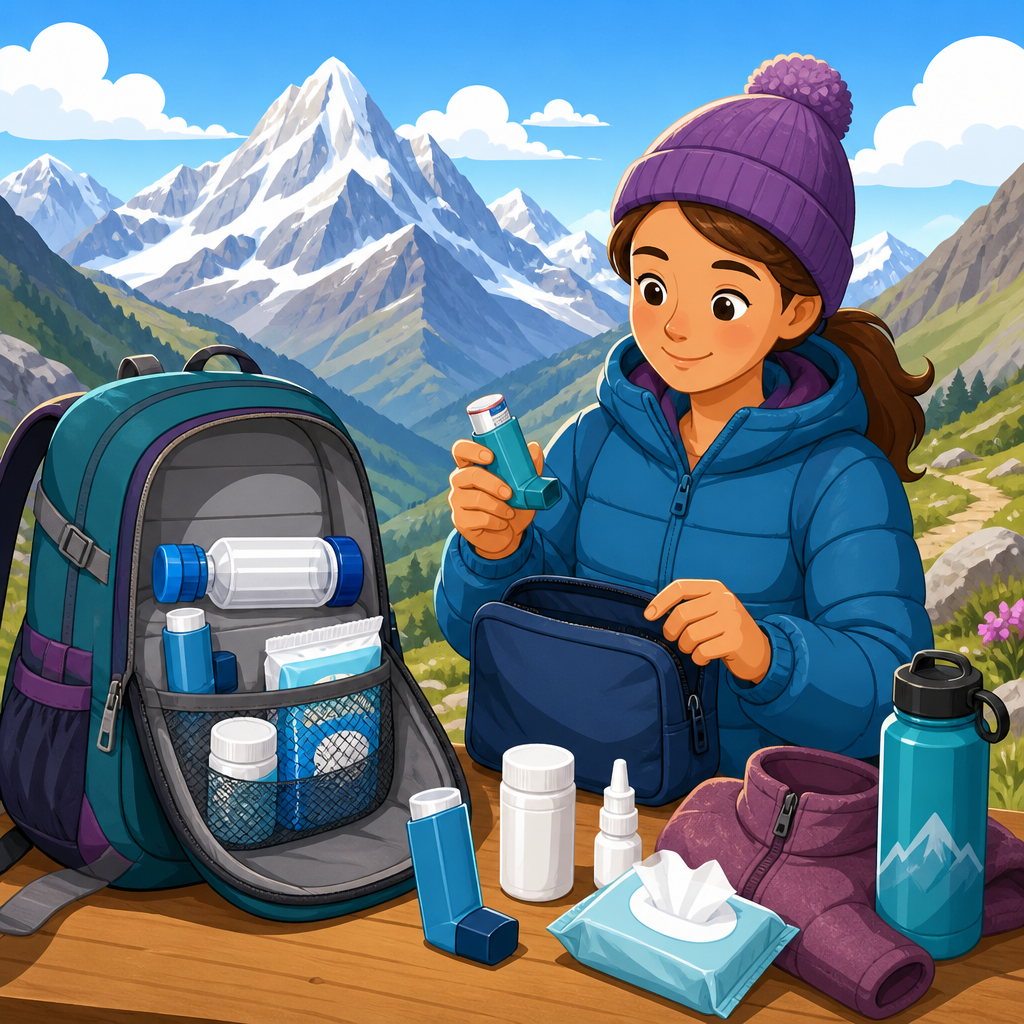
Medication management is often overlooked. Inhalers should be current, technique should be correct, and rescue medication should stay in carry-on luggage. People with cardiovascular disease should review beta-blockers, diuretics, anticoagulants, and any medicine that affects blood pressure or fluid status. Those with sleep apnea should confirm power access and portability for CPAP equipment, because untreated apnea can worsen altitude-related nighttime oxygen drops. Travelers with diabetes need a plan for meals, activity changes, and steroids if those are being used for respiratory flare management.
Itinerary design is a medical intervention. If possible, sleep one or two nights at a lower elevation before going higher. Build a light first day with no hard exercise and minimal alcohol. Avoid back-to-back stressors such as a long-haul flight, poor hydration, heavy meals, and immediate skiing. If symptoms appear, do not frame them as weakness or poor fitness. At altitude, delayed recognition is a common reason small problems become emergencies.
Emergency planning should be concrete. Know the nearest clinic, urgent care, or hospital. Check whether your destination has oxygen availability, especially in remote ski towns or trekking routes. Make sure travel insurance covers preexisting conditions if applicable and emergency evacuation when relevant. If you use a pulse oximeter, bring extra batteries and understand its limits: cold fingers, nail polish, poor circulation, and motion can all distort readings.
When to postpone, descend, or seek medical care
Postpone travel if you still have fever, active chest tightness, resting shortness of breath, unstable oxygen levels, new chest pain, or a clinician has not yet explained persistent cardio-respiratory symptoms after COVID. Delay is also sensible after recent pneumonia, myocarditis concerns, or hospitalization until recovery is clearly established. There is no prize for forcing a mountain trip on a body that is still healing.
Once at altitude, mild headache and slight breathlessness can occur even in healthy people, but warning signs are clear. Seek urgent medical assessment for shortness of breath at rest, worsening cough, chest pain, confusion, fainting, lips turning blue, inability to walk normally, or a pulse oximeter reading that remains low for you and matches how ill you look or feel. Descend promptly if symptoms worsen with continued exposure. Descent is treatment, not defeat.
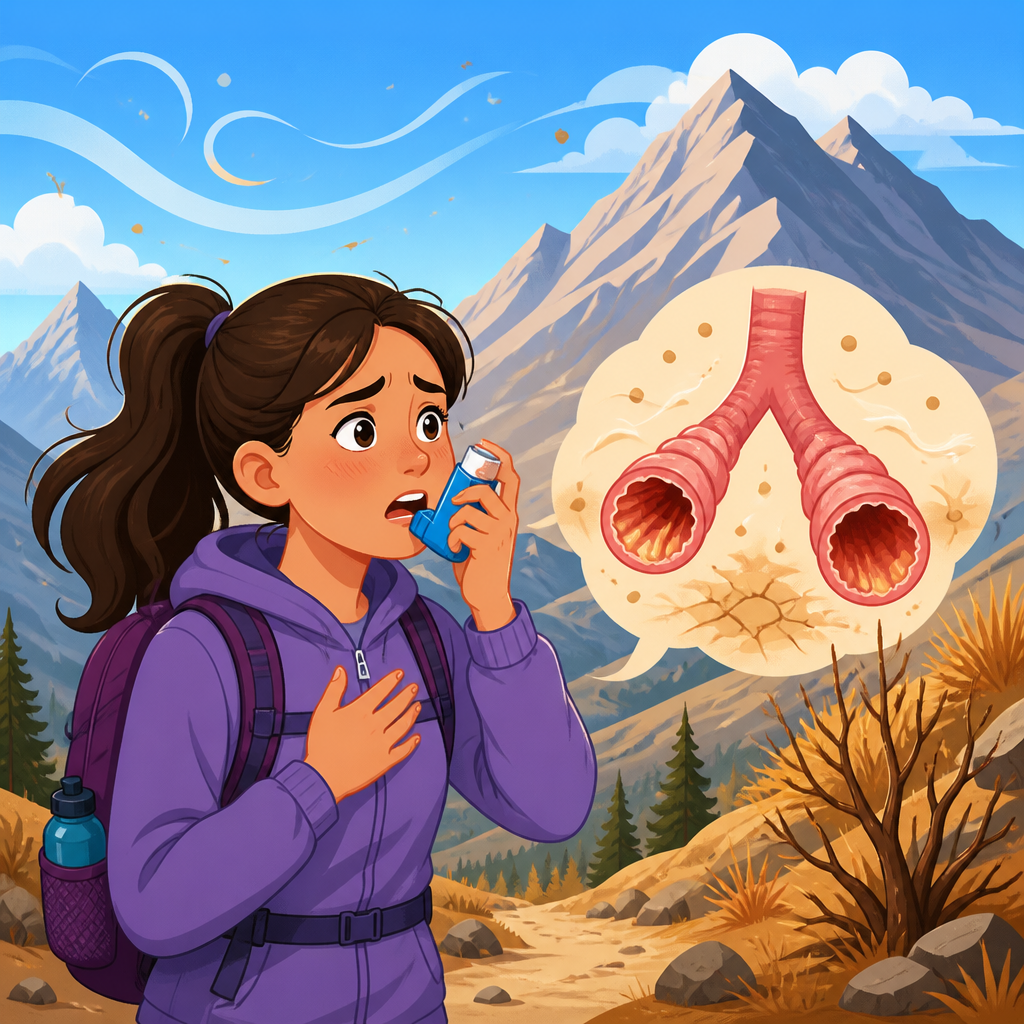
Do not assume every problem is routine altitude illness. COVID-related complications, asthma flare, pulmonary embolism, pneumonia, acute coronary syndrome, arrhythmia, and heart failure can mimic or overlap with altitude symptoms. The safest approach is to respect the pattern: rapid deterioration, asymmetry with prior trips, or symptoms out of proportion to exertion deserve formal evaluation. That is especially true in older adults and in anyone with chronic disease.
The main benefit of careful planning is not merely avoiding cancellation; it is preserving options. When you understand how recent COVID infection can change your altitude tolerance, you can choose the right destination, pace, and backup plan instead of gambling on resilience. For some people that means proceeding with a modified itinerary. For others it means waiting a few more weeks, optimizing treatment, or selecting a lower-elevation trip.
If you are traveling with medical conditions, use this article as your starting framework. Review your current symptoms, destination altitude, sleeping elevation, activity demands, and access to care. Then get individualized advice before departure, especially if COVID recovery has been anything less than complete. Good travel medicine is practical medicine: know your reserve, protect it, and plan the trip your body can safely enjoy.
Frequently Asked Questions
Can a recent COVID infection really make high altitude feel harder than usual?
Yes, it can. A recent COVID infection may temporarily lower altitude tolerance because the body may not handle oxygen as efficiently during recovery. Even after the fever, cough, or fatigue seem to improve, some travelers still have lingering effects involving the lungs, heart rate regulation, circulation, or overall exercise capacity. At altitude, where oxygen pressure is already lower, even a modest reduction in oxygen exchange can become much more noticeable. That can mean feeling short of breath sooner, tiring more quickly on stairs or hikes, having an unusually fast heart rate, sleeping poorly at elevation, or struggling in places that normally would not have caused problems.
This does not happen to everyone, and the degree of impact varies widely. Some people recover fully and tolerate altitude normally, while others notice a clear difference for days or weeks afterward. In practical terms, altitude acts like a stress test for the recovering body. A traveler who feels mostly fine at sea level may discover that flying to a mountain destination, exercising at elevation, or sleeping at high altitude brings out residual symptoms that were not obvious before. That is why a recent COVID infection should be viewed as a possible factor in altitude planning, especially if the trip involves rapid ascent, strenuous activity, overnight stays at elevation, or limited access to medical care.
Why does COVID affect altitude tolerance in the first place?
Altitude tolerance depends on several body systems working together: the lungs must move oxygen into the blood, the heart must circulate that oxygen efficiently, and the nervous system must adjust breathing and heart rate appropriately as elevation increases. COVID can temporarily affect one or more of these systems. In some people, the airways remain irritated, gas exchange is less efficient, or inflammation lingers even after the main infection has passed. In others, there may be temporary deconditioning, reduced aerobic capacity, abnormal heart rate responses, or a slower-than-usual acclimatization response.
At sea level, the body has more oxygen available, so mild impairment may be easy to overlook. At altitude, however, the lower oxygen pressure reduces the margin for error. The body normally compensates by breathing faster, increasing heart rate, and gradually acclimatizing over time. If recent illness has weakened that response, a traveler may feel symptoms earlier and more strongly than expected. This can show up as disproportionate breathlessness, chest tightness, unusual fatigue, poor sleep, headache, dizziness, reduced exercise performance, or slower recovery after exertion. In short, COVID does not have to cause severe illness to matter at altitude; even a temporary, subclinical reduction in cardiopulmonary reserve can become relevant once oxygen availability drops.
What symptoms should make me more cautious about going to altitude after COVID?
Lingering symptoms are the biggest warning sign. Travelers should be more cautious if they still have shortness of breath, chest discomfort, ongoing cough, wheezing, unusual fatigue, reduced exercise tolerance, palpitations, lightheadedness, or an elevated resting heart rate compared with normal. These symptoms suggest that recovery may still be incomplete. If a person becomes winded walking up one flight of stairs, cannot resume ordinary activity, or notices that exercise capacity is clearly below baseline, altitude may amplify those problems. Difficulty sleeping, new headaches with exertion, or feeling “not quite right” physically can also matter when planning a trip to elevation.
It is also important to think beyond symptoms alone. Risk increases when recent COVID recovery is combined with other travel stressors such as a long flight, dehydration, sleep loss, alcohol use, intense skiing or hiking on arrival, asthma, anemia, heart or lung disease, or sleeping at high elevation soon after landing. Even a mild case of COVID may deserve extra caution if the itinerary involves going quickly to a mountain town, trekking above usual elevations, or spending the night high up without time to acclimatize. Anyone with significant persistent symptoms, oxygen issues, a history of severe COVID, or underlying cardiopulmonary disease should discuss plans with a clinician before travel rather than assuming the body will adapt normally.
How long should I wait after COVID before flying to or sleeping at high altitude?
There is no single rule that fits everyone, because the right timing depends on how severe the infection was, how complete the recovery is, what altitude is involved, and how demanding the trip will be. A person with a very mild illness who is fully back to baseline may tolerate altitude without difficulty, while someone with lingering fatigue or shortness of breath may need additional recovery time. The most practical benchmark is not simply the number of days since infection, but whether normal activity and exercise capacity have returned. If walking, climbing stairs, or light exercise still feels harder than usual, that is a sign the body may not yet be ready for altitude stress.
For higher-risk situations, caution matters even more. Rapid travel from low elevation to mountain destinations, overnight stays above moderate altitude, strenuous recreation immediately on arrival, or itineraries with limited medical access all raise the stakes. In those cases, it is wise to delay travel until symptoms have resolved and functional capacity feels close to normal. If that is not possible, travelers should build in a slower ascent, avoid overexertion early, stay well hydrated, and have a plan if symptoms worsen. Anyone with persistent respiratory or cardiovascular symptoms, low oxygen readings, or uncertainty about readiness should seek individualized medical advice before departure.
If I still want to travel, how can I reduce the risk of problems at altitude after a recent COVID infection?
The safest approach is to reduce how hard the body has to work during the first days of the trip. That means ascending gradually when possible, avoiding intense exercise on arrival, prioritizing hydration and sleep, limiting alcohol, and paying attention to symptoms instead of pushing through them. If the destination involves sleeping at altitude, spending a night at a lower elevation first can help. During the first 24 to 48 hours, keep activity lighter than usual and expect performance to be below baseline. Travelers should also be realistic about itinerary demands: a quiet mountain stay is very different from arriving and immediately attempting a strenuous ski day, long hike, or high-elevation excursion.
Preparation also matters. Bring any prescribed inhalers or routine medications, know where medical care is available, and consider discussing the trip with a clinician ahead of time if there are persistent symptoms or underlying conditions. In some cases, preventive strategies for altitude illness may be appropriate, but those decisions are individualized and should not replace a medical evaluation when warning signs are present. Most importantly, monitor for red flags such as worsening shortness of breath at rest, chest pain, fainting, confusion, blue lips, or symptoms that are clearly more severe than expected for the elevation. Those are not signs to “wait and see” at altitude; they are signs to seek medical care promptly and, if necessary, descend.