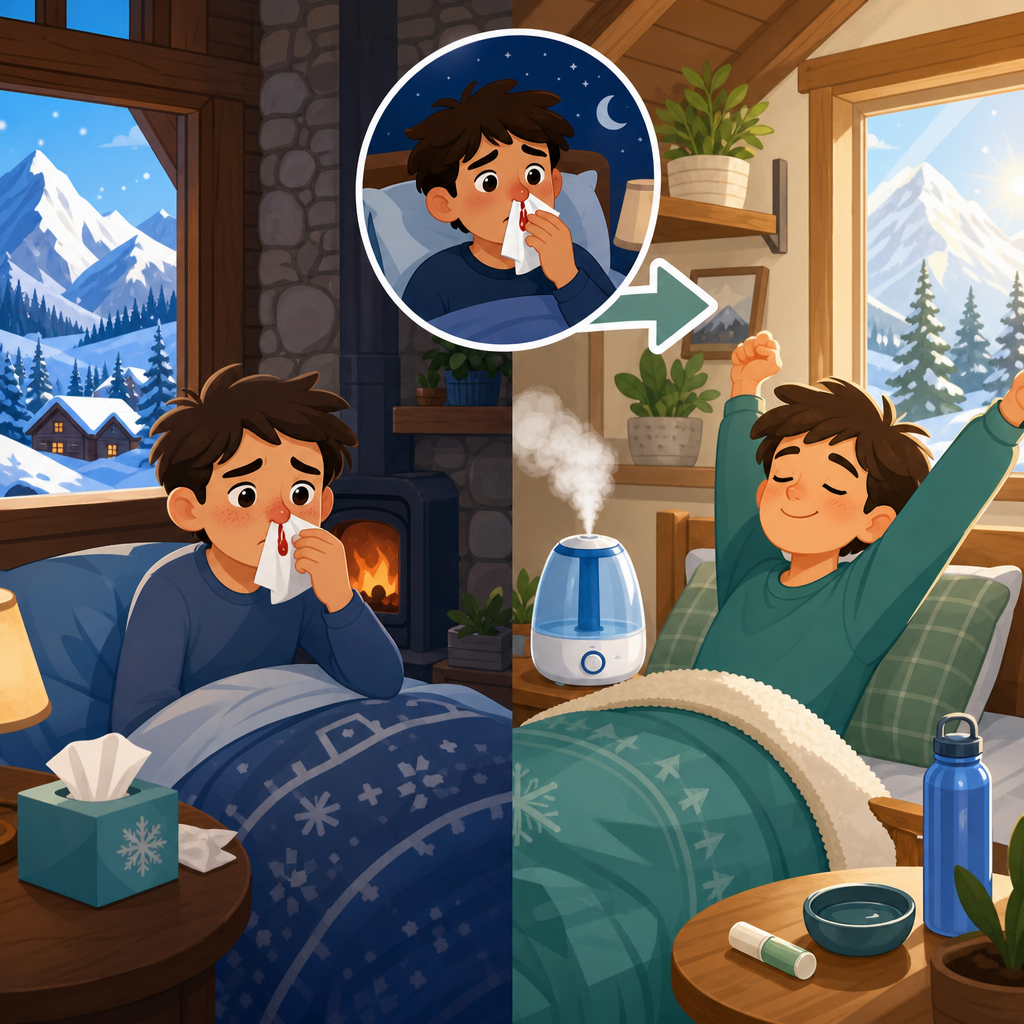
Mountain air can make your throat feel raw, tight, and painful within hours, especially when elevation, low humidity, mouth breathing, and temperature swings strip moisture from the tissues that normally protect your airway. A dry sore throat caused by mountain air is not usually an infection; it is most often an irritation problem driven by cold, thin, arid conditions that increase evaporation from the nose, mouth, and throat. I have dealt with this repeatedly on ski trips, high-altitude hikes, and winter stays in mountain towns, and the pattern is consistent: people blame “getting sick,” when the bigger issue is often dryness plus inflammation. Understanding that difference matters because the fastest relief usually comes from restoring moisture, reducing irritants, and supporting nasal breathing rather than reaching first for antibiotics or random cold remedies.
In this ENT and sensory issues hub, the key terms are straightforward. “Dry sore throat” refers to throat discomfort caused by dehydration of the mucosal lining, not necessarily by bacteria or viruses. “Mountain air” usually means higher altitude, lower absolute humidity, colder temperatures, stronger wind exposure, and more indoor heating. “ENT” covers the ear, nose, and throat systems, which work together: a dry nose leads to mouth breathing, mouth breathing dries the throat, pressure changes affect the ears, and irritation can even change voice quality or trigger cough. “Sensory issues” includes the way dryness alters swallowing, smell, taste, sound perception, sinus comfort, and sleep quality. This topic matters because symptoms are common, preventable, and frequently mishandled. A person can ruin a vacation, lose sleep, sing poorly, struggle through work meetings, or miss outdoor activity simply because basic moisture management was ignored.
The most useful way to approach mountain-related throat irritation is to think in layers. First, replace fluid losses with steady hydration. Second, reduce direct drying from cold air, indoor heat, alcohol, smoke, and mouth breathing. Third, calm irritated tissue with lozenges, warm fluids, saline, and humidification. Fourth, watch for red flags that suggest strep throat, influenza, COVID-19, reflux, allergy, or a deeper ENT problem rather than simple dryness. Because this page serves as a hub for ENT and sensory issues in daily life, it also connects the throat problem to neighboring concerns: dry eyes at altitude, nosebleeds from low humidity, sinus pressure on flights and mountain drives, ear popping, sleep disruption, snoring, and voice strain. When you understand the full system, relief becomes much easier and more reliable.
Why mountain air dries and irritates the throat
The throat depends on a thin, moist mucosal barrier to trap particles, support swallowing, and protect nerve endings from friction. Mountain environments challenge that barrier in several ways at once. The first is low humidity. Cold air holds less moisture than warm air, and high-altitude regions often have very low absolute humidity, especially in winter. The second is increased respiratory water loss. At altitude, many people breathe faster without noticing because oxygen pressure is lower. Every exhalation carries moisture away. The third is mouth breathing, which becomes common during exertion, sleep, nasal congestion, or snoring. The nose is designed to warm, humidify, and filter air; the mouth is not. When air bypasses the nose, the throat takes the full drying hit.
Indoor conditions often make the problem worse. Mountain lodging commonly uses forced-air heating, wood stoves, or hotel climate systems that reduce indoor humidity even further. I see this pattern constantly: someone spends the day outside in cold, windy air, then sleeps in an overheated room and wakes with a burning throat and dry cough. Add alcohol, coffee, poor water intake, and a long day of talking or cheering, and irritation becomes predictable. Athletes, skiers, singers, teachers, tour guides, and anyone who snores are especially vulnerable. Children can develop symptoms quickly because they may not drink enough and often breathe through the mouth when congested.
Not every sore throat in the mountains is caused by dryness, but dryness has a recognizable profile. Pain is often worse overnight and first thing in the morning. The throat feels scratchy, papery, or tight. Swallowing may hurt, but fever is absent. The voice can sound rough. The nose often feels dry too, and lips may crack. Cough tends to be nonproductive. In contrast, infectious sore throats more often bring fever, body aches, swollen lymph nodes, pus on the tonsils, or broader cold symptoms. The distinction is not perfect, yet it helps you choose the right remedy quickly.
Fast relief: what works in the first 24 hours
The best immediate treatment is moisture delivered consistently, not all at once. Start by drinking water regularly through the day rather than chugging a large amount only when pain becomes obvious. Warm fluids can be more soothing than cold because they reduce the sensation of tightness; tea, warm water with honey, or broth are practical choices. Honey has evidence for reducing throat irritation and cough in many mild upper airway conditions, although it should not be given to infants under one year. Lozenges can help because they stimulate saliva, which naturally coats the throat. Simple glycerin or pectin lozenges are often enough; menthol can feel good briefly but may be too intense for some already-irritated throats.
Humidifying the air where you sleep is one of the highest-value fixes. Aim for a room humidity roughly in the 30% to 50% range; much lower can worsen dryness, while much higher can promote mold. A cool-mist humidifier is generally preferred for home or hotel use. If a humidifier is not available, a steamy shower before bed can provide short-lived relief, though it does not replace overnight humidification. Saline nasal spray is another simple tool I rely on because it supports the nose’s humidifying job and reduces the mouth-breathing cycle. For people with thicker mucus, saline irrigation with sterile, distilled, or previously boiled water can help clear congestion, but it should be done correctly and gently.
Pain control matters if swallowing becomes difficult. Acetaminophen or ibuprofen can reduce discomfort, provided they are appropriate for your health profile. Avoid smoking and secondhand smoke completely; tobacco is a direct irritant to already damaged mucosa. Limit alcohol because it promotes dehydration and worsens reflux, another hidden cause of throat pain in mountain settings. If you wake up worse every morning, lower the room temperature slightly, use the humidifier, and address snoring or nasal blockage. These are practical changes with outsized results.
| Problem | Why it happens in mountain air | Most effective first response |
|---|---|---|
| Scratchy throat on waking | Dry room air, snoring, overnight mouth breathing | Humidifier, saline nasal spray, hydrate before bed |
| Burning throat after skiing or hiking | Cold dry air plus heavy mouth breathing | Warm fluids, face covering, slower nasal breathing when possible |
| Dry cough without fever | Irritated airway lining | Honey, lozenges, humidity, smoke avoidance |
| Hoarse voice after travel | Dryness, talking, altitude-related dehydration | Voice rest, hydration, humidified sleep environment |
Prevention strategies that actually hold up at altitude
Preventing a dry sore throat is easier than reversing one. The first rule is to start hydrating before symptoms begin. At altitude, thirst is an unreliable guide, so use habits instead: water at waking, with meals, during transit, and after outdoor sessions. Electrolyte drinks can help after long exertion, but plain water is still the main tool. The second rule is to protect the airway from direct exposure. A scarf, buff, or cold-weather face covering traps some moisture from exhaled breath and slightly warms incoming air. On windy chairlifts, exposed hikes, or snowmobile rides, this single change can dramatically reduce next-day throat pain.
Nasal care is equally important. If your nose is congested from allergies, a cold, or dry crusting, you are far more likely to mouth-breathe. Regular saline spray, good allergy control, and avoiding overuse of decongestant sprays reduce that risk. For travelers prone to nose dryness and nosebleeds, a small amount of saline gel inside the nostrils can be more helpful than spray alone. Sleep position also matters. Sleeping flat on your back can worsen snoring and open-mouth breathing. Side sleeping, nasal strips, or treating underlying nasal obstruction may improve overnight humidity balance in the throat.
Behavior choices make a measurable difference. Alcohol is common on ski trips, but it dehydrates, irritates, and contributes to reflux and snoring. Excess caffeine can be tolerated by many people, yet it should not replace water. Very spicy late-night meals may trigger laryngopharyngeal reflux, in which stomach contents irritate the throat and voice box without classic heartburn. I have seen people misread this as “mountain dryness” for days. If throat pain worsens after meals, when lying down, or with frequent throat clearing, reflux deserves consideration. Prevention, then, is not just about water; it is about reducing all the forces that strip and inflame the airway lining.
ENT and sensory issues linked to dry mountain conditions
A throat problem rarely stands alone. In dry mountain environments, ENT and sensory symptoms cluster together because the same low-humidity exposure affects multiple tissues. The nose may feel blocked yet dry, producing crusting or small nosebleeds. The sinuses may ache because swelling changes drainage patterns. The ears can pop or feel full during altitude changes on mountain roads, gondolas, or flights, especially if the nose is congested. Dry eyes often appear at the same time because tears evaporate faster in wind and heated indoor air. People may also notice altered smell and taste when nasal passages dry out or swell.
This is why the best hub approach is system-based. If you only treat the throat and ignore the nose, symptoms often return. If you address hydration but keep sleeping in a hot, dry room while snoring, recovery stalls. If you assume every symptom is altitude and miss an infection or allergy flare, you stay uncomfortable longer. In practical terms, mountain ENT comfort depends on five linked targets: hydrated tissues, clear nasal airflow, stable ear pressure, protected eyes, and controlled indoor air. A family traveling to a ski resort may need saline spray for everyone, lubricating eye drops for contact lens wearers, gum or swallowing strategies for ear pressure changes, and a humidifier in the bedroom. None of these steps is glamorous, but together they work.
Voice strain deserves special attention in this subtopic because dry mountain air can affect teachers, speakers, singers, coaches, and anyone socializing in loud spaces. The larynx performs best when surface moisture is adequate. Dryness, shouting over music, cheering at events, and alcohol create a perfect setup for hoarseness. Whispering is not a cure; it can strain the voice further. Better tactics are hydration, voice rest, reduced background noise when possible, and humidified sleep. People who rely on their voice professionally should take early symptoms seriously rather than pushing through them.
When a dry sore throat is not just dryness
Mountain air explains many sore throats, but not all. Seek medical evaluation if you have high fever, severe one-sided throat pain, trouble breathing, drooling, inability to swallow liquids, a muffled “hot potato” voice, rash, significant swollen neck glands, or symptoms lasting more than about a week without improvement. Those patterns raise concern for strep throat, influenza, mononucleosis, COVID-19, peritonsillar abscess, or other conditions that need diagnosis. White patches alone are not enough to confirm infection, but they should not be ignored if paired with fever or marked pain.
There are also slower, less obvious causes. Persistent throat dryness may come from medications such as antihistamines, some antidepressants, decongestants, and certain blood pressure drugs that reduce salivary flow. Autoimmune conditions including Sjögren’s syndrome can cause significant dryness of the eyes and mouth. Obstructive sleep apnea can lead to nightly mouth breathing and severe morning throat pain. Reflux may present as hoarseness, throat clearing, or a lump-in-the-throat sensation rather than heartburn. If the problem keeps returning every time the environment changes, the trigger may still be dryness; if it continues after you leave the mountains, a broader evaluation is wise.
The simplest rule is this: if self-care improves symptoms within one to three days, dryness is likely playing a major role. If symptoms intensify, spread, or come with systemic illness, think beyond mountain air. That balanced view prevents both overreaction and underreaction.
Building a practical mountain-air comfort routine
A reliable routine is simple. In the morning, drink water, use saline spray, and avoid starting the day with only coffee. During outdoor activity, cover your mouth and nose in cold wind and take water breaks before you feel thirsty. After activity, rehydrate, choose warm fluids, and avoid excessive alcohol if your throat is already irritated. In the evening, lower the bedroom heat slightly, run a humidifier if available, and use saline again before sleep. If you snore, work on nasal airflow and side sleeping. If your voice is strained, reduce talking volume and stop clearing your throat repeatedly, which causes more friction.
For households, keep a small mountain-air kit: saline spray, saline gel, lozenges, honey, a reusable water bottle, preservative-free lubricating eye drops, and a portable humidifier. These tools also support the wider ENT and sensory issues category, including dry eyes, nosebleeds, ear discomfort, and sleep-related dryness. The benefit is cumulative. Small interventions used consistently outperform one dramatic remedy used late.
Soothing a dry sore throat caused by mountain air comes down to understanding the environment and responding early. Low humidity, altitude, cold exposure, indoor heat, and mouth breathing dry the airway fast, but steady hydration, humidified sleep, nasal moisture support, and irritant avoidance usually reverse the problem quickly. The throat, nose, ears, eyes, and voice function as a connected system, which is why this topic belongs at the center of ENT and sensory issues in daily life. If symptoms fit the dryness pattern, treat moisture loss aggressively and protect your airway. If warning signs appear, get medical advice promptly. Use this hub as your starting point, then build a simple prevention routine before your next mountain trip.
Frequently Asked Questions
Why does mountain air make my throat feel dry and sore so quickly?
Mountain air dries out the throat fast because it combines several irritating conditions at once. At higher elevations, the air is usually much less humid, so moisture evaporates more quickly from the delicate lining of your nose, mouth, and throat. Add in colder temperatures, wind exposure, indoor heating, and heavier breathing during skiing, hiking, or climbing, and the tissues that normally stay lightly coated and protected can become raw within hours. Many people also breathe through their mouth more often in the mountains, especially during exercise or when nasal passages feel congested from the cold. Mouth breathing bypasses some of the nose’s natural warming and humidifying function, which leaves the throat even more exposed.
In most cases, this kind of sore throat is irritation rather than infection. The pain often feels dry, scratchy, tight, or “burned” instead of deeply inflamed with classic illness symptoms. You may notice it is worse in the morning, after time outside, or after sleeping in a dry hotel room or cabin. If you have experienced this on ski trips or high-altitude hikes before, that pattern strongly suggests the environment is the trigger. The good news is that irritation from mountain air usually improves when you restore moisture, reduce mouth breathing, and limit further drying exposures.
What is the fastest way to soothe a dry sore throat caused by mountain air?
The quickest relief usually comes from replacing moisture and reducing ongoing irritation. Start by sipping water regularly rather than chugging large amounts all at once. Warm fluids often feel best because they are soothing and can help relax the throat; herbal tea, warm water with honey, or broth are common go-to options. Honey can be especially helpful because it coats the throat and temporarily reduces that raw, scraped feeling. Using a humidifier in your room, particularly overnight, can also make a noticeable difference by slowing the constant drying that happens in heated mountain lodging.
It also helps to stop the behaviors and conditions that keep the throat irritated. Breathe through your nose as much as possible, cover your mouth and nose with a buff or scarf in cold air, and avoid smoking, vaping, or alcohol if your throat is already angry. Lozenges can stimulate saliva and provide short-term comfort, though it is smart to choose ones that are soothing rather than intensely medicated if your throat is mainly dry. Gentle saltwater gargles may also calm irritation. If the problem started after a day in cold, dry, windy conditions, many people feel improvement within several hours once they are indoors, rehydrating, and breathing humidified air.
How can I tell if my sore throat is from dry mountain air or from being sick?
A dry sore throat from mountain air is usually closely tied to the environment and your activity level. It often starts after arriving at elevation, spending time outside in the cold, sleeping in a dry room, or breathing hard during exercise. The discomfort tends to feel dry, scratchy, rough, or tight, and you may also notice dry lips, dry nasal passages, thirst, or mild nosebleeds from the same lack of humidity. Symptoms often ease with hydration, humidified air, warm drinks, and time out of the cold. That pattern points more toward irritation than infection.
Illness is more likely if your sore throat comes with fever, significant body aches, swollen glands, thick mucus, worsening fatigue, or a general “I’m coming down with something” feeling. Severe pain on one side, pus on the tonsils, trouble swallowing fluids, or symptoms that keep worsening despite rest and hydration deserve closer attention. A mild dry mountain-air throat can absolutely coexist with a cold, so context matters. But if your symptoms began quickly after exposure to high altitude, arid weather, and mouth breathing, and improve when you add moisture back in, the mountain environment is the more likely culprit.
What can I do to prevent a dry sore throat on ski trips or high-altitude hikes?
Prevention is mostly about protecting the airway before it gets stripped of moisture. Begin hydrating earlier than you think you need to, because altitude, exertion, and dry air all increase fluid loss. Keep sipping water through the day, and do not rely only on thirst since thirst can lag behind your actual needs. During outdoor activity, use a neck gaiter, buff, or scarf over your mouth and nose to trap warmth and humidity in the air you breathe. This simple step can reduce the cold, dry shock hitting your throat with every breath. Try to breathe through your nose whenever possible, especially at lower exertion levels.
At night, use a humidifier in your bedroom if you can, especially in hotels, lodges, or cabins with forced-air heat. Saline nasal spray can help keep nasal passages moist, which makes nose breathing easier and reduces the tendency to sleep with your mouth open. Limit alcohol and excess caffeine if they leave you feeling more dehydrated, and be cautious with smoking or vaping, which can make a dry throat much worse. If you know you are prone to this problem, pack lozenges, honey packets, a reusable water bottle, and whatever face covering you prefer before the trip. A little preparation goes a long way in harsh mountain conditions.
When should I worry about a sore throat at altitude and get medical help?
A dry, irritated throat from mountain air is common, but there are times when you should take it more seriously. Seek medical care if you have trouble breathing, difficulty swallowing liquids, severe dehydration, high fever, or swelling that seems to be getting worse rather than better. You should also get checked if the throat pain is intense on one side, if you see obvious pus or marked redness with significant swelling, or if the soreness lasts more than several days without improvement despite hydration and humidity. Those features suggest something more than simple environmental irritation.
At altitude, it is also important to pay attention to the bigger picture. If your sore throat comes with severe headache, vomiting, confusion, chest symptoms, or unusual shortness of breath, do not assume the throat is the main issue. Altitude-related illness, respiratory infection, or another medical problem may be contributing. For most people, a mountain-air sore throat improves with rest, moisture, and a change in environment, but worsening symptoms should not be ignored. If you are unsure, especially far from home or deep into a trip, it is always reasonable to ask a clinician or urgent care professional for guidance.