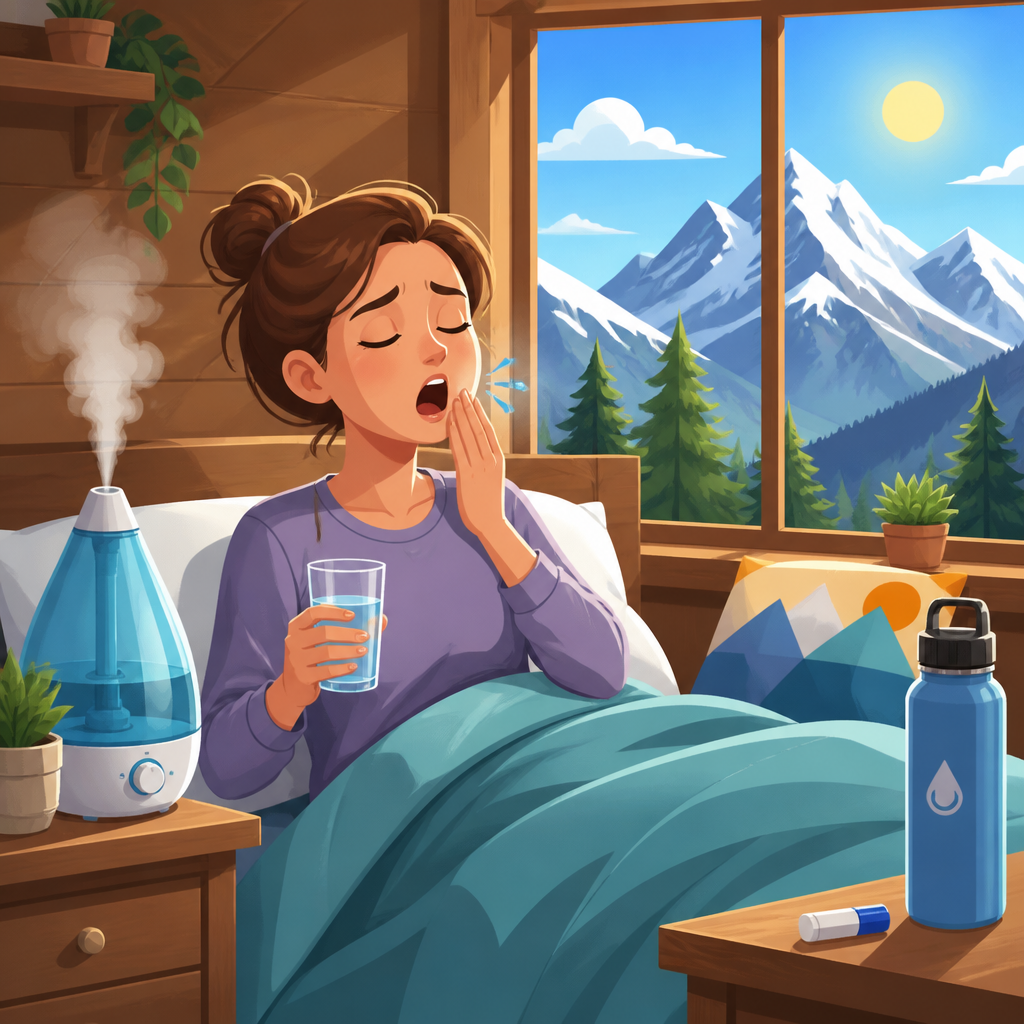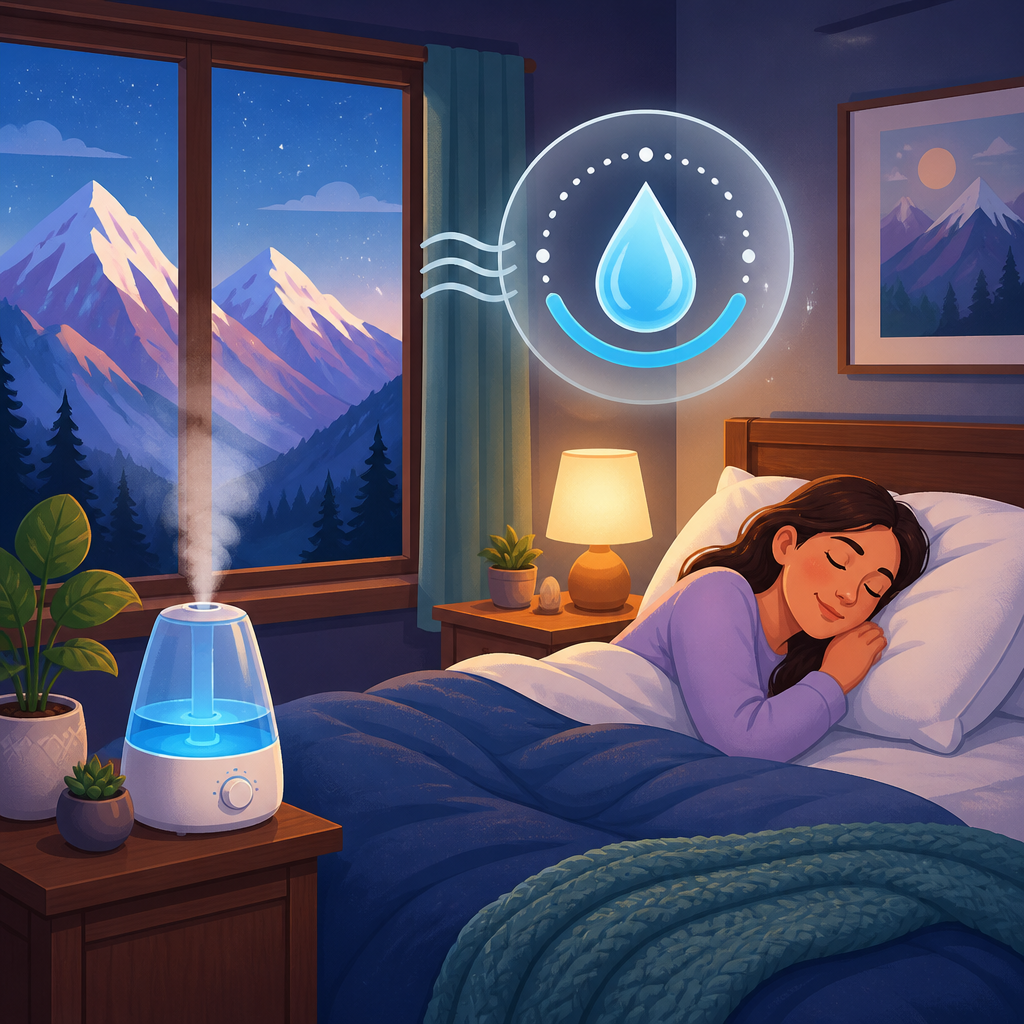
Best bedroom humidity for sleeping at altitude sits in a narrow comfort and health range: for most people, a bedroom relative humidity of 30% to 50% supports easier breathing, better sleep continuity, and less overnight dehydration, while elevations above roughly 5,000 feet often push indoor air far drier than that. Relative humidity is the percentage of water vapor in air compared with the maximum the air can hold at a given temperature. At altitude, colder outdoor temperatures, stronger sun, thinner air, and forced-air heating commonly reduce indoor humidity into the teens or low twenties. I have seen this repeatedly in mountain homes and ski-town rentals where guests blamed altitude alone for poor sleep, yet a hygrometer showed bedroom air as dry as a desert office. Dry air irritates nasal passages, thickens mucus, increases snoring risk in some sleepers, and can leave you waking with a sore throat, headache, or a racing heart that feels worse than the elevation itself.
This matters because sleep and recovery at altitude are shaped by several overlapping stresses. Lower barometric pressure reduces oxygen availability, which can raise breathing rate, disturb sleep architecture, and increase fluid loss through respiration. If bedroom humidity is too low, the body works harder to humidify every breath, amplifying water loss overnight. If humidity is too high, especially above 50% to 60%, dust mites and mold grow more readily, windows condense, and sleeping can feel stuffy. The best strategy is not chasing tropical moisture. It is maintaining a measured mid-range humidity, pairing it with smart hydration, nasal care, bedroom temperature control, and gradual altitude adaptation. As the central Sleep & Recovery guide within Sleep, Hydration & Nutrition, this article connects those pieces so you can build an altitude sleep setup that improves comfort on the first night and recovery over the full trip, training block, or season.
Why altitude changes bedroom air and sleep quality
Altitude affects sleep through both physiology and environment. Physiologically, less oxygen triggers a higher ventilatory drive, meaning you breathe faster and often more shallowly, especially during the first one to three nights after ascent. Environmental conditions then magnify the problem. Mountain climates usually have lower absolute humidity, and when cold outside air is brought indoors and heated, its relative humidity drops sharply. For example, air at 25 degrees Fahrenheit with moderate outdoor moisture may become indoor air below 20% relative humidity once heated to 68 degrees. That dry bedroom environment can worsen mouth breathing, nasal congestion, and repeated awakenings.
In practice, people often notice the same pattern. They fall asleep tired after travel or skiing, wake at 2 a.m. with a dry mouth, drink water, then wake again due to congestion, thirst, or overheating. The next morning they assume they need only more water, but the room conditions were part of the problem. Altitude-related sleep disruption also interacts with exercise load, alcohol, and carbohydrate intake. A hard evening workout can increase respiratory water loss. Alcohol can worsen snoring and fragment sleep. Heavy or salty dinners may increase thirst without improving hydration. Good recovery starts by controlling the bedroom environment, because that is the variable most travelers and residents can fix immediately.
The best humidity range for sleeping at altitude
The practical target for most altitude bedrooms is 30% to 50% relative humidity, with many sleepers feeling best around 35% to 45%. This range balances airway comfort and microbial control. Below 30%, dry nose, dry throat, itchy skin, static electricity, and nosebleeds become more common. Above 50%, especially in tightly sealed bedrooms or older homes with thermal bridging, condensation risk rises and allergens can thrive. The Environmental Protection Agency and many indoor air specialists use similar thresholds for healthy indoor air, and sleep clinicians generally favor the middle of that band for people with snoring, mild nasal irritation, or winter dryness.
There is no single perfect number for everyone, because the right bedroom humidity depends on room temperature, building leakage, bedding warmth, and personal airway sensitivity. Someone sleeping in a cool 64 degree room may tolerate 32% humidity well, while another person with allergic rhinitis may need 40% to avoid congestion. At very high elevations above 8,000 feet, where ventilation increases more during acclimatization, aiming toward the upper mid-range can feel noticeably better. The key is consistency. Wild swings from 18% overnight to 55% by morning can be less comfortable than holding a stable 38% all night.
| Bedroom condition | Relative humidity | Likely effect on sleep and recovery | Best response |
|---|---|---|---|
| Very dry | Below 25% | Dry mouth, sore throat, nasal irritation, static, higher perceived dehydration | Add humidification gradually, verify with hygrometer, use nasal saline |
| Dry but manageable | 25% to 30% | Some sleepers do fine; sensitive airways may wake more often | Consider raising to 35% to 40%, especially during first nights at altitude |
| Optimal range | 30% to 50% | Balanced comfort, easier breathing, lower allergen and condensation risk | Maintain steady humidity and a cool bedroom temperature |
| Too humid for many mountain homes | Above 50% | Stuffy air, window condensation, greater mold and dust mite risk | Reduce humidifier output, ventilate, check for insulation or moisture issues |
How to measure and manage bedroom humidity correctly
The first tool to buy is a digital hygrometer, ideally one with temperature tracking and overnight high-low memory. Good consumer options from ThermoPro, Govee, and SensorPush are affordable and accurate enough for bedroom use when placed away from vents and windows. In my experience, many people run a humidifier blindly and overshoot by ten points or more. Measurement prevents that. Place the sensor near bed height, not on the humidifier itself, and check readings before bed, during the night if you wake, and on waking. If your heating system cycles aggressively, humidity may drop most during the coldest pre-dawn hours.
For management, start with the room, not just the machine. Keep bedroom temperature cool, generally 60 to 67 degrees Fahrenheit, because warmer air can feel drier and may increase awakenings. Seal obvious drafts around windows if cold infiltration is severe, but maintain enough ventilation to avoid stale air. Then choose a humidifier matched to room size. Evaporative units are self-limiting and less likely to over-humidify. Ultrasonic models are quieter but require distilled water or demineralization cartridges to avoid white dust. Warm mist units can feel soothing, though they use more energy and need careful handling around children. Whichever style you choose, clean it rigorously. Standing water can spread microbes, and a dirty humidifier defeats the point of improving sleep and recovery.
Humidity, hydration, and overnight water loss
Many people ask whether low humidity at altitude actually dehydrates you. The answer is yes, though usually modestly over one night and more significantly over several days if combined with travel, exercise, alcohol, and inadequate fluid intake. Every breath must be humidified by your airways. When room air is very dry and you are breathing more because of altitude, respiratory water loss increases. That does not mean you should chug water before bed. Overdrinking late can cause nocturnal bathroom trips, dilute sodium in extreme cases, and worsen sleep fragmentation. Better hydration is steady hydration across the day.
A practical approach is simple. Drink regularly from morning through dinner, monitor urine color as a rough guide, and include electrolytes when you have exercised hard, flown, or spent hours in very dry mountain air. For dinner, prioritize fluids and water-rich foods without excessive alcohol. Then use the bedroom environment to protect the hydration you already built. In the Sleep, Hydration & Nutrition framework, this is the key connection: humidity does not replace hydration, and hydration does not replace humidity control. They work together. If you sleep with your mouth open due to congestion or snoring, the synergy matters even more, because mouth breathing accelerates overnight dryness and often leaves recovery lagging the next day.
Sleep and recovery factors beyond humidity
Humidity is central, but it is only one lever in altitude sleep and recovery. Nasal breathing matters because the nose warms, filters, and humidifies air better than the mouth. If dryness or swelling blocks the nose, a simple isotonic saline spray before bed can improve comfort, and for some travelers a saline rinse after outdoor exposure helps clear dust and pollen. Bedding also matters. Overheating increases awakenings and can make you misread discomfort as thirst. Choose breathable layers and avoid piling on heavy blankets just because nights are cold at elevation.
Timing of training, food, and substances affects sleep quality too. Hard exercise close to bedtime can raise core temperature and catecholamines, making sleep onset harder even when you are physically tired. Caffeine clears more slowly in some people at altitude because disrupted sleep makes them more sensitive to its residual effects. Alcohol is especially misleading: it may shorten sleep onset, but it worsens snoring, reduces sleep quality, and adds to dehydration. If you are ascending for skiing, hiking, or endurance training, recovery improves when you shift intense sessions earlier, eat a carbohydrate-inclusive dinner, hydrate steadily, and use humidity control as part of a broader sleep routine rather than a standalone fix.
Special situations: CPAP users, children, and mountain rentals
Some sleepers need extra planning. CPAP users at altitude often benefit from integrated heated humidification, because pressurized airflow can further dry nasal passages and throat. The best setting is the lowest level that relieves dryness without causing rainout in the tubing. Heated hoses can help when bedrooms are cool. Children may be more sensitive to dry air if they already have eczema, frequent nosebleeds, or enlarged tonsils that encourage mouth breathing. In those cases, keeping the bedroom around 35% to 45% humidity is often more useful than simply placing a small decorative humidifier in the room and hoping for the best.
Mountain rentals create their own challenges. Hosts may use powerful central heat, old windows, or portable humidifiers that have not been maintained properly. On arrival, check the room with a travel hygrometer, inspect for window condensation or musty odor, and avoid pushing humidity high if the space already traps moisture. If there is no humidifier, a temporary approach is to shower with the bathroom door open before bed, then let the moisture disperse; this is less precise but can lift an extremely dry room modestly. For longer stays, buy a simple humidifier and distilled water. Sleep and recovery improve fastest when you stop treating altitude insomnia as mysterious and start addressing the measurable environmental triggers.
Building an altitude sleep and recovery routine that works
The best bedroom humidity for sleeping at altitude is a target you support with habits. Aim for 30% to 50% relative humidity, most often 35% to 45%, and verify it with a hygrometer rather than guessing. Keep the room cool, reduce evening alcohol, hydrate steadily during the day, and use saline or CPAP humidification if your airways dry out easily. If you are new to elevation, remember that the first nights are usually the hardest. Good room conditions will not erase acclimatization demands, but they reduce unnecessary stress so your body can recover instead of fighting the environment.
As the hub for Sleep & Recovery within Sleep, Hydration & Nutrition, the main lesson is integration. Bedroom humidity influences breathing comfort, hydration status, snoring, and sleep continuity, but it works best alongside smart temperature control, bedtime timing, and altitude-aware recovery habits. Start with one measurable change tonight: check your bedroom humidity and move it into range. That single step often turns altitude sleep from dry, fragmented, and frustrating into deeper rest that supports better mornings, better training, and better health.
Frequently Asked Questions
What is the best bedroom humidity for sleeping at altitude?
For most people, the best bedroom humidity for sleeping at altitude is between 30% and 50% relative humidity, with many sleepers finding the sweet spot around 35% to 45%. That range usually provides the best balance between comfort, easier nighttime breathing, and protection against excessive dryness without making the room damp or stuffy. At higher elevations, especially above about 5,000 feet, indoor air often drops well below that range because outdoor air is colder and drier, and heating systems reduce indoor humidity even further. That is why bedrooms in mountain climates can feel comfortable by temperature but still leave you with a dry nose, scratchy throat, chapped lips, or frequent waking during the night.
Relative humidity matters because it describes how much moisture is in the air compared with the maximum amount the air can hold at a given temperature. At altitude, that percentage can fall quickly indoors, particularly in winter or in homes with forced-air heat. If bedroom humidity dips below about 30%, many people notice more overnight dehydration, nasal irritation, static electricity, and lighter, more fragmented sleep. If it rises much above 50%, the room may begin to feel heavy, and the risk of condensation, dust mites, and mold growth can increase depending on the season and the building. In practical terms, aiming for a steady 30% to 50% range is usually the most reliable target for sleeping well at altitude.
Why does high altitude make bedroom air feel so much drier at night?
High altitude changes the moisture picture in several ways. First, mountain air often starts out drier to begin with, especially in cold seasons or semi-arid climates. Second, colder outdoor air holds less water vapor overall. When that air enters a home and is heated to a comfortable bedroom temperature, its relative humidity drops sharply unless extra moisture is added. In other words, the air may contain the same actual amount of water vapor, but once it is warmed up, it has the capacity to hold much more, so it feels far drier. This is one reason bedrooms at altitude can become uncomfortably dry even if the home itself seems sealed and warm.
Other environmental factors make the effect stronger. Strong sun, frequent wind, and large day-to-night temperature swings common at elevation accelerate drying both outdoors and indoors. Homes at altitude also tend to rely more on heating for longer parts of the year, and every hour of indoor heating can drive relative humidity lower. The result is a bedroom environment that can dry out the nose, throat, skin, and eyes while you sleep. That dryness can lead to snoring, congestion from irritated nasal passages, mouth breathing, or repeated waking to drink water. Understanding that altitude itself does not just mean “thinner air,” but often “much drier indoor air,” helps explain why humidity control becomes so important for sleep quality.
How can I tell if my bedroom humidity is too low for healthy sleep at altitude?
The most reliable way is to measure it with a hygrometer, ideally one placed near the bed but away from direct airflow from vents, windows, or a humidifier mist stream. If readings regularly fall below 30% relative humidity, the room is probably too dry for optimal sleep comfort. At altitude, that is very common, and many people do not realize how low their indoor humidity is until they monitor it. During cold weather, some bedrooms at elevation can sit in the teens or low 20s overnight, which is dry enough to cause noticeable symptoms even in otherwise healthy adults.
Your body also gives useful clues. Signs that humidity is too low include waking with a dry mouth, sore throat, bloody nose, tight sinuses, itchy skin, irritated eyes, or a general feeling of dehydration in the morning. You may also notice more static electricity, wood furniture shrinking slightly, houseplants drying quickly, or towels and laundry drying unusually fast indoors. Sleep-related signs matter too: if you breathe through your mouth at night, snore more when the heat is running, or wake repeatedly feeling parched, low humidity may be contributing. A measured reading plus your symptoms usually tells the clearest story. If your hygrometer consistently shows less than 30% and you also have dryness symptoms, raising bedroom humidity into the 30% to 50% range is often a meaningful improvement.
What is the safest and most effective way to increase bedroom humidity at altitude?
The safest and most effective approach is usually a clean, properly sized humidifier used alongside a hygrometer. For a bedroom, that typically means choosing a unit rated for the room’s square footage and running it with a target humidity in the 30% to 50% range rather than simply turning it on full blast. Many newer humidifiers allow you to set a desired humidity level, which is especially helpful at altitude where conditions can change fast between day and night or from one weather system to the next. Distilled or demineralized water can reduce mineral dust in some models, and routine cleaning is essential to prevent bacteria or mold from building up in the tank and being dispersed into the air.
There are also supportive strategies that can help, though they are usually less precise on their own. Keeping the bedroom door open at times, reducing unnecessary overheating, sealing obvious drafts, and adding moisture through normal daytime living can all help stabilize indoor air. In very dry homes, a whole-house humidifier attached to the HVAC system may be more consistent than a portable unit, especially if multiple rooms are affected. The key is moderation. More humidity is not always better, particularly in tightly insulated homes or during milder weather when condensation can form on windows or cool surfaces. The best method is one that raises humidity gradually, keeps it measurable, and maintains it steadily within the comfort zone rather than overshooting.
Can bedroom humidity that is too high cause problems at altitude too?
Yes. Although low humidity is the more common issue at elevation, humidity that climbs too high can still create problems. Once a bedroom regularly rises above about 50%, some people begin to notice that the air feels heavier or less fresh. More importantly, excess moisture can collect on windows, exterior walls, or other cool surfaces, especially in winter when indoor and outdoor temperatures differ sharply. Over time, that condensation can encourage mold growth, mildew odors, and damage to paint, trim, or window frames. If the room stays damp enough, dust mites may also become more of a concern, which can worsen allergies and undermine sleep quality.
That is why the goal at altitude is not maximum moisture, but balanced moisture. A room at 35% to 45% relative humidity often feels much more comfortable than one at 20%, but there is no added sleep benefit in pushing it excessively high. If you use a humidifier, watch for warning signs such as foggy windows in the morning, damp sills, musty smells, visible mold, or hygrometer readings that frequently exceed 50%. If those appear, reduce the output, improve ventilation, or move the humidifier farther from the bed and exterior walls. The healthiest bedroom environment at altitude is one that relieves dryness while staying dry enough to protect the room itself and avoid indoor air quality problems.