Boiling eggs at altitude takes longer because water boils at a lower temperature as elevation increases, so the egg cooks more slowly even though the water appears to be at a full boil. In practical kitchen terms, that means a soft-boiled egg in Denver will not cook like a soft-boiled egg at sea level, and a hard-boiled egg in Santa Fe may need several extra minutes for a firm yolk. This guide explains how long to boil eggs at altitude, why the timing changes, and how to use this topic as a hub for broader high-elevation cooking methods. If you cook in mountain regions, understanding boiling, simmering, steaming, pressure cooking, and ice-bath cooling will improve consistency across eggs, vegetables, grains, and pasta. I have tested eggs from roughly 3,000 to 8,500 feet, and the biggest lesson is simple: altitude changes temperature, not just time, so method matters as much as minutes. Once you know the relationship between elevation and boiling point, you can stop guessing and start producing repeatable results with any style of boiled egg.
Why altitude changes boiled egg timing
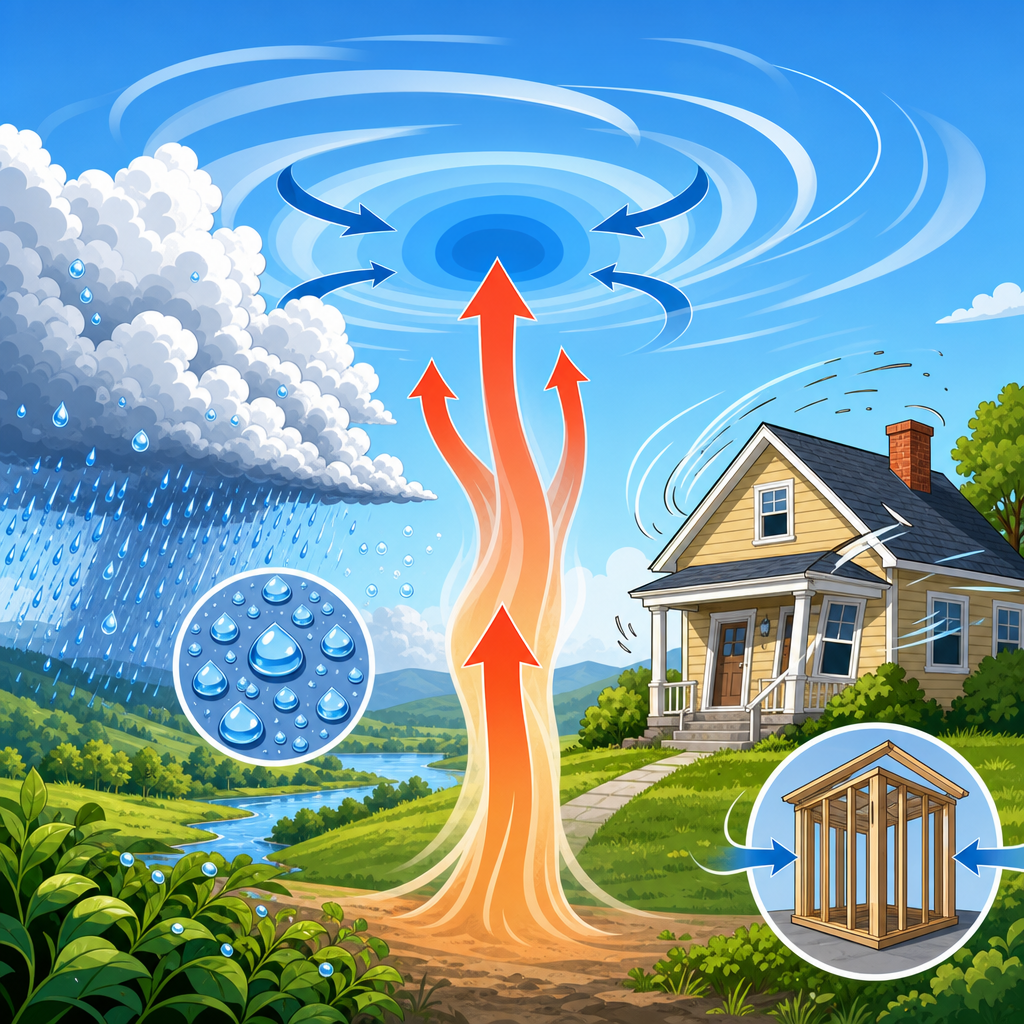
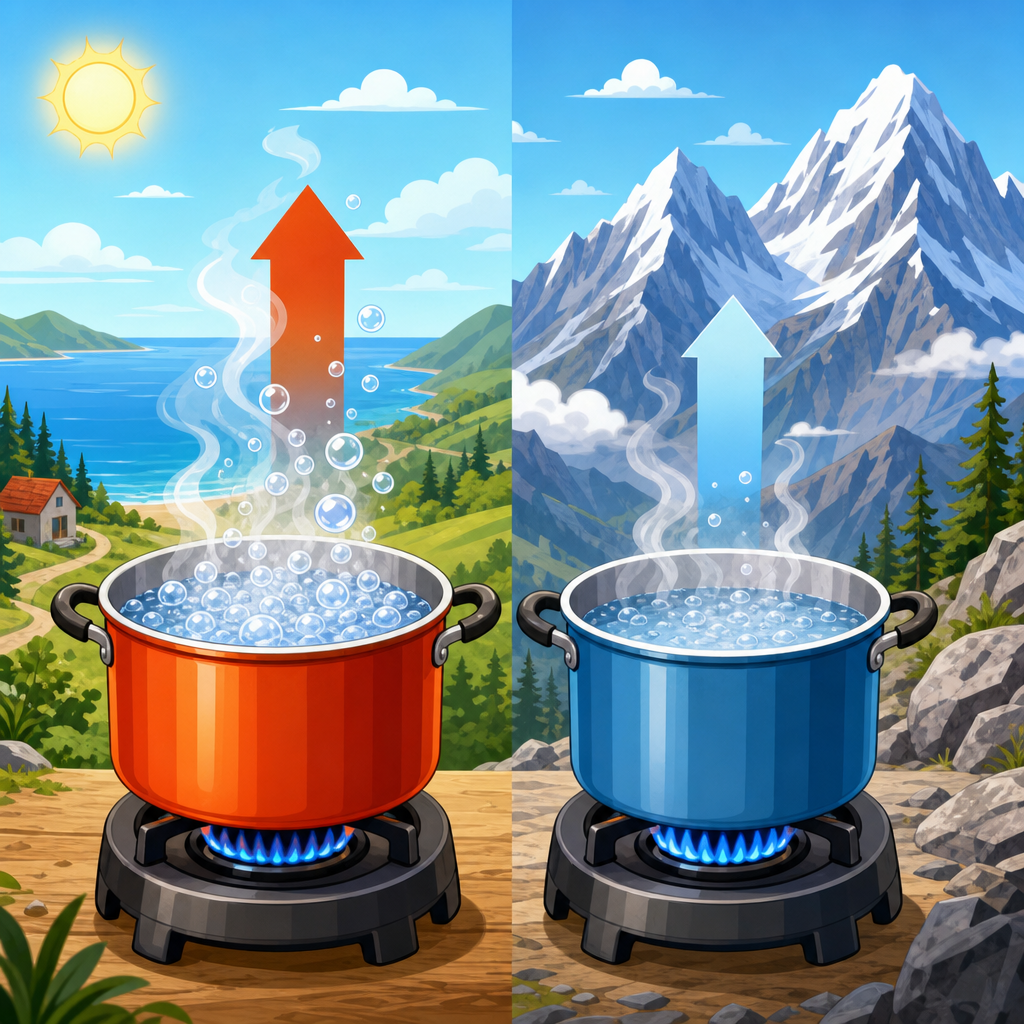
At sea level, water boils at 212°F, or 100°C. As elevation rises, atmospheric pressure drops, so water reaches a boil at a lower temperature. A common rule of thumb is about a 1°F decrease for every 500 feet of elevation, though exact numbers vary with barometric pressure and weather. At 5,000 feet, water boils near 202°F. At 7,500 feet, it is closer to 198°F. Eggs cook by protein coagulation: the whites set first, and the yolks thicken later. Because the cooking medium is cooler at altitude, those proteins take longer to reach the same final texture.
This matters more than many people expect. A boiling pot can look equally vigorous at any altitude, but the bubbles do not mean the water is equally hot. That visual mismatch causes most undercooked eggs at elevation. People often rely on sea-level instructions such as six minutes for soft-boiled or ten minutes for hard-boiled eggs, then wonder why whites are loose or yolks are still jammy. The fix is not random extra time. The fix is matching your target texture to your elevation and method.
Egg freshness also affects peeling and texture. Very fresh eggs tend to peel poorly because the albumen adheres more strongly to the shell membrane. Slightly older eggs, usually seven to ten days old, peel more cleanly. Size matters too. Large eggs are the standard for most timing guides. Extra-large or jumbo eggs need additional time, and medium eggs need slightly less. If you want reliable results, keep egg size, starting temperature, pot size, and burner level as consistent as possible.
Altitude egg boiling times by elevation and doneness
The most useful answer to how long to boil eggs at altitude is a range, not a single minute mark. Start with large eggs lowered into already boiling water, then reduce to a steady simmer so shells do not crack violently. At 0 to 3,000 feet, plan about 6 to 7 minutes for soft-boiled eggs with set whites and runny yolks, 8 to 9 minutes for jammy centers, and 10 to 12 minutes for hard-boiled eggs. At 3,000 to 5,000 feet, add roughly 1 minute. At 5,000 to 7,500 feet, add 2 to 3 minutes. Above 7,500 feet, add 3 to 5 minutes depending on your stove and the egg size.
| Elevation | Soft-boiled | Jammy | Hard-boiled |
|---|---|---|---|
| 0 to 3,000 ft | 6 to 7 min | 8 to 9 min | 10 to 12 min |
| 3,000 to 5,000 ft | 7 to 8 min | 9 to 10 min | 11 to 13 min |
| 5,000 to 7,500 ft | 8 to 9 min | 10 to 12 min | 12 to 15 min |
| Above 7,500 ft | 9 to 11 min | 11 to 13 min | 14 to 17 min |
Use these times as starting points, then refine based on your preferred yolk. In my own testing at around 5,300 feet, a textbook sea-level hard-boiled time of ten minutes often produced a dark golden, still-creamy center. Twelve minutes gave a classic firm yolk, while thirteen to fourteen minutes worked better straight from the refrigerator. If your eggs start at room temperature, reduce by about 30 to 60 seconds. If your pan is crowded, add time because the water temperature drops more when multiple eggs go in at once.
If you want a precise cue, crack one test egg before serving a full batch. This is especially helpful for deviled eggs, ramen eggs, salad eggs, and packed lunches, where the texture target is specific. It is faster to sacrifice one egg than to ruin a dozen.
Best boiling method for eggs at altitude
The best basic method at altitude is gentle boiling followed by covered standing time or immediate ice-bath cooling, depending on the texture you want. Fill a saucepan with enough water to cover the eggs by about one inch. Bring the water to a boil first. Lower the eggs in with a spoon or spider to prevent cracking. Once the water returns to a boil, reduce the heat to maintain a controlled simmer rather than an aggressive rolling boil. That protects the shells and cooks the eggs more evenly.
For softer eggs, keep the timer running during the simmer and transfer directly to ice water when they reach the target minute. For hard-boiled eggs, many mountain cooks get better results by simmering briefly, covering the pan, turning off the heat, and letting residual heat finish the job. At altitude, however, the lower water temperature means the covered-rest method often needs a longer standing period than sea-level recipes suggest. If a sea-level method says twelve minutes off heat, you may need fourteen to sixteen minutes at 5,000 feet and longer above that.
Ice-bath cooling is not optional if you care about peelability and yolk appearance. Rapid cooling stops carryover cooking and reduces the gray-green ring that forms when sulfur in the white reacts with iron in the yolk during prolonged heat. That ring is harmless, but it signals overcooking and is especially common when people add time at altitude without controlling the finish. Chill eggs in ice water for at least five minutes for soft-boiled and ten to fifteen minutes for hard-boiled eggs.
To peel, crack the shell all over, start at the wider end where the air cell sits, and peel under running water if needed. If shells fight you, the eggs are usually too fresh or undercooled. A teaspoon of baking soda or vinegar in the water gets mixed reviews; in repeated side-by-side tests, age of egg and ice-bath cooling matter more.
Steaming, pressure cooking, and other cooking methods
Boiling is only one of several useful cooking methods for eggs at altitude. Steaming is often more consistent because it delivers intense heat with less agitation, and many cooks find steamed eggs easier to peel. Set a steamer basket over an inch of boiling water, add the eggs, cover, and steam. At moderate altitude, steamed soft eggs usually need about 7 to 9 minutes, jammy eggs 10 to 12, and hard-cooked eggs 13 to 16. Because steam condenses on the shell and transfers heat efficiently, steaming can outperform boiling in side-by-side tests, especially when your stove struggles to maintain a stable simmer.
Pressure cooking is the most altitude-resistant method because raising pressure also raises the boiling point of water. In other words, it restores some of the thermal power you lose in a regular pot. An electric pressure cooker can produce highly peelable hard-cooked eggs with a short cook time and predictable results. Many cooks use a 5-5-5 approach at lower elevations: five minutes at pressure, five minutes natural release, five minutes in ice water. At altitude, you may still need to adjust, but far less than with boiling. In my experience, pressure cooking is the easiest method for batch prep, egg salad, and deviled eggs.
Sous vide is less common for shells-on eggs, but it gives unmatched precision. Because yolks and whites set at different temperatures, a circulator can create textures that are hard to achieve by boiling alone. The tradeoff is speed. Sous vide is ideal for restaurants or enthusiastic home cooks chasing exact ramen-egg texture, not for most weekday breakfasts.
These methods matter beyond eggs because they teach a larger altitude cooking principle: when boiling temperature falls, either extend time or change the method. That same logic applies throughout this Cooking & Baking at Altitude hub, from blanching vegetables and simmering beans to cooking potatoes, pasta, and grains.
Troubleshooting common altitude egg problems
If your eggs crack in the pot, the usual causes are temperature shock, rough handling, or a violent boil. Lower cold eggs into the water gently, or let them sit out for ten to fifteen minutes first. If the whites leak and form wisps, the eggs may still taste fine, but presentation suffers. A steadier simmer helps. If the yolks are undercooked, add one minute next batch, not three. Small changes are easier to calibrate.
If the shells are hard to peel, first check freshness. Slightly older eggs peel best. Next, make sure you chilled them fully. Peeling warm hard-cooked eggs almost always tears the surface. If the yolks get a green ring, reduce the total heat exposure. That can mean shortening the simmer, shortening the covered rest, or cooling faster. If the whites turn rubbery, you likely overcompensated for altitude by adding too much time.
One overlooked factor is cookware. A thin aluminum pot on a powerful burner can produce a turbulent boil that knocks eggs around. A heavier saucepan gives better control. Another factor is water volume. Too little water loses heat quickly when eggs are added; too much water lengthens return-to-boil time. Covering eggs by about an inch is the practical middle ground.
Finally, remember weather. On stormy days, barometric pressure can dip enough to subtly affect boiling point, especially at already high elevations. Most home cooks will not adjust for that, but if a familiar timing suddenly seems off, the atmosphere may be part of the answer.
How this hub connects to altitude cooking methods
Egg timing is a useful gateway to the full subject of cooking methods at altitude because it makes the physics visible. Once you understand why eggs take longer, other mountain-kitchen adjustments become easier to predict. Beans need longer simmering because the water is cooler. Pasta takes longer to reach tenderness and can turn gummy if the boil is too weak. Potatoes and root vegetables need longer fork-tender times. Grains such as brown rice, farro, and barley often need both more liquid and more time. Even poaching, blanching, and parboiling follow the same pattern.
This hub should anchor related articles on steaming at altitude, pressure cooking at altitude, how to simmer soups and stocks, how to cook pasta in mountain conditions, and how to adjust boiling times for potatoes, corn, and legumes. Readers searching one narrow question, such as how long to boil eggs at altitude, are usually dealing with a broader kitchen problem: water-based cooking behaves differently in high places. The solution is to build a method-based framework rather than memorizing disconnected hacks.
The core rule is straightforward. At higher elevation, lower boiling temperature slows heat transfer in any moist-heat process performed in an open pot. You can respond by increasing time, using a lid to reduce heat loss, steaming instead of boiling, or using pressure to raise the effective cooking temperature. Learn that rule once, and dozens of recipes become easier to adapt.
How long to boil eggs at altitude comes down to three variables: elevation, egg size, and desired doneness. In most home kitchens, the right adjustment is one to five extra minutes compared with sea-level instructions, plus an immediate ice bath for clean peeling and better texture. If you want the simplest path, use the timing table in this guide as your baseline, then adjust in one-minute increments until your yolks land exactly where you want them. If you want the most reliable batch method, consider steaming or pressure cooking, both of which reduce the inconsistency that altitude introduces.
The larger benefit of mastering boiled eggs at altitude is confidence with all high-elevation cooking methods. Once you recognize that a vigorous boil can still be cooler water, recipe failures make more sense. You stop blaming ingredients and start controlling process: temperature, time, pot coverage, and cooling. That is the foundation for cooking vegetables, grains, beans, pasta, and proteins successfully in mountain climates.
Use this article as your starting point within the Cooking & Baking at Altitude hub, then build your method toolbox from there. Test one batch, record your elevation and timing, and create your own kitchen standard. A short note on the fridge door can turn boiled eggs from guesswork into one of the most dependable foods you make.
Frequently Asked Questions
Why do eggs take longer to boil at altitude?
Eggs take longer to boil at altitude because water boils at a lower temperature as elevation increases. At sea level, water boils at 212°F, but in higher places such as Denver or Santa Fe, the boiling point drops because the air pressure is lower. Even though the pot may look like it is at a full rolling boil, the water itself is not as hot as it would be at lower elevations. Since eggs cook by absorbing heat, that lower temperature slows down the rate at which the white and yolk set. In practical terms, this means the same timing that works perfectly near sea level can leave eggs undercooked in mountain regions. The visual cue of boiling water does not tell the whole story at altitude, so the most reliable adjustment is simply to allow more cooking time.
How long should I boil eggs at altitude for soft, medium, and hard-boiled results?
The exact timing depends on your elevation, the size of the eggs, and whether they start cold from the refrigerator or closer to room temperature, but a good rule is to add extra minutes as altitude increases. At sea level, soft-boiled eggs often take about 4 to 6 minutes, medium-boiled eggs about 7 to 9 minutes, and hard-boiled eggs about 10 to 12 minutes. At moderate altitude, you may need to add 1 to 3 minutes. At higher elevations, you may need to add 3 to 5 minutes or even slightly more for very firm yolks. For example, if a hard-boiled egg usually takes 11 minutes at sea level, it may need 13 to 15 minutes in a high-altitude kitchen. The best approach is to treat these as starting points, test one or two eggs, and then fine-tune the timing for your stove, cookware, and preferred texture. Once you find the right timing in your location, it becomes much easier to repeat consistent results.
What is the best method for boiling eggs successfully in high-altitude areas?
The best method is usually a controlled simmer followed by an ice bath, rather than relying only on aggressive boiling. Start by placing eggs in a single layer in a saucepan and covering them with cold water by about an inch. Bring the water to a boil, then reduce to a steady simmer and cook according to your adjusted high-altitude timing. This helps the eggs cook more evenly and reduces the chance of cracking from excessive movement in the pot. Once the eggs are done, transfer them immediately to a bowl of ice water for several minutes. The ice bath stops the cooking process, helps prevent greenish yolk edges caused by overcooking, and can make peeling easier. In high-altitude kitchens, consistency matters, so using the same pot, water level, egg size, and timing each time can make your results much more dependable.
How can I tell when boiled eggs are done at altitude if timing is less predictable?
Timing is still the main tool, but at altitude it helps to combine timing with a little testing and observation. If you are trying to dial in the perfect boiled egg, cook a small batch and remove one egg at your target time. Chill it briefly, peel it, and cut it open to check the center. If the yolk is too soft, add another minute or two for the remaining eggs next time. If it is firmer than you want, reduce the time slightly. This trial-and-adjust approach is especially useful because altitude is only one variable. Egg size, pan size, water volume, burner strength, and starting temperature can all affect the final result. For people who make eggs often, keeping a simple note of elevation, cooking time, and preferred doneness can save a lot of guesswork. Over time, you will build a reliable timing guide tailored to your kitchen rather than depending on generic instructions.
Does altitude affect only boiling time, or does it change other parts of cooking eggs too?
Altitude affects more than just the number of minutes on the clock. Because water boils at a lower temperature, it changes how heat is delivered throughout the cooking process, which can influence texture, consistency, and even peeling. Whites may take longer to become fully set, yolks may remain softer than expected at standard times, and overcompensating with too much extra cooking can lead to rubbery whites before the center is exactly where you want it. Altitude can also affect related egg methods such as poaching, steaming, and even recipes that use boiled eggs as an ingredient. That is why understanding how long to boil eggs at altitude is useful as a foundation for broader high-altitude cooking adjustments. Once you understand that lower boiling temperatures slow cooking, it becomes easier to troubleshoot not just soft-boiled and hard-boiled eggs, but many other kitchen tasks that depend on simmering or boiling water.