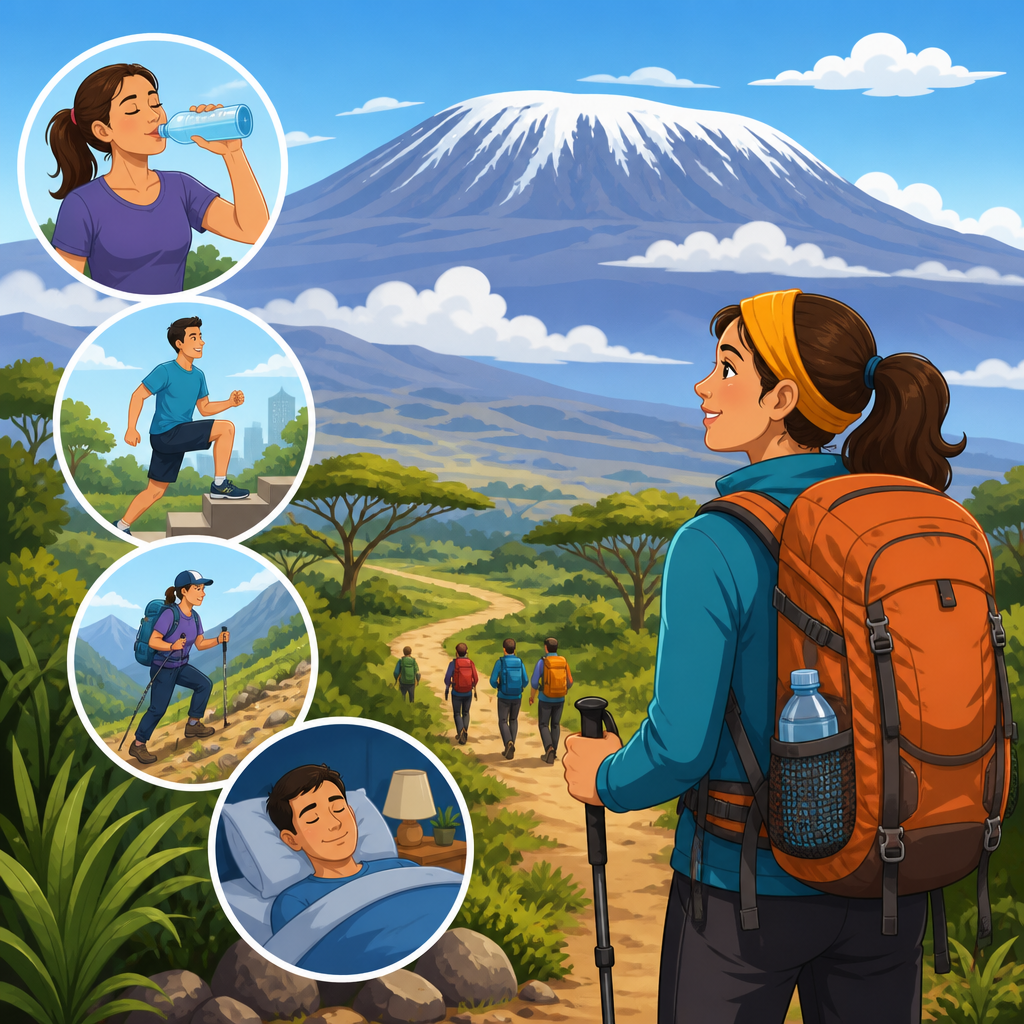
Climbing high on Kilimanjaro is not mainly a fitness contest; it is an acclimatization challenge, and understanding that distinction is the smartest way to prepare before your trip. Acclimatization is the body’s gradual adjustment to lower oxygen pressure at higher elevation, allowing breathing, circulation, sleep, and energy systems to keep working as altitude rises. On Kilimanjaro, where many trekkers start below 2,000 meters and aim for 5,895 meters at Uhuru Peak within a week, that process becomes the single biggest factor shaping comfort, safety, and summit success. I have planned altitude itineraries for trekkers with very different backgrounds, from strong marathon runners who struggled at 4,000 meters to slower walkers who summited well because they respected pacing and recovery. The lesson is consistent: lungs, blood chemistry, hydration, and sleep adapt on their own timetable, not yours. If you want to acclimatize before visiting Kilimanjaro, you need a structured approach that begins weeks before arrival and continues every day on the mountain.
This trek preparation guide explains what acclimatization really means, how to build an altitude strategy before departure, and which practical habits improve your odds once the climb starts. It also functions as a hub for wider trek preparation decisions, because altitude readiness overlaps with route selection, training, gear, logistics, and medical planning. Key terms matter here. Acute mountain sickness, often shortened to AMS, is the common early altitude illness marked by headache, nausea, dizziness, unusual fatigue, and poor sleep. More severe conditions include high-altitude pulmonary edema, or fluid in the lungs, and high-altitude cerebral edema, or swelling affecting the brain; both are emergencies requiring descent. Pre-acclimatization refers to raising altitude tolerance before your Kilimanjaro trip through hiking, staged exposure, or hypoxic training. Conservative ascent means gaining sleeping altitude slowly, adding recovery time, and using the “climb high, sleep low” principle when possible. Get these concepts right early, and every other Kilimanjaro planning decision becomes more effective.
Understand how altitude affects the body before you train
The first step in learning how to acclimatize before visiting Kilimanjaro is to understand what altitude does physiologically. As elevation increases, the percentage of oxygen in the air stays roughly the same, but barometric pressure falls, so each breath delivers fewer oxygen molecules into the bloodstream. The body responds almost immediately by increasing breathing rate and heart rate. Over the next hours and days, kidneys adjust acid-base balance, ventilation improves, and fluid shifts occur. With repeated exposure over a longer period, the body can increase red blood cell production through erythropoietin signaling, though that process takes more than a few days and should not be exaggerated as a quick fix for a one-week trek.
Most trekkers notice the first effects around 2,500 to 3,000 meters, though susceptibility varies widely and does not map neatly to age or athletic ability. In practice, I have seen very fit gym-goers develop splitting headaches at camps where older walkers felt only mild shortness of breath. That is normal. Altitude tolerance depends on individual response, ascent rate, recent exposure, hydration, sleep quality, illness status, and plain biological variation. What helps is not trying to “tough it out.” The Wilderness Medical Society and high-altitude medicine guidance consistently emphasize gradual ascent as the primary prevention tool. On Kilimanjaro, where itineraries compress altitude gain, route choice and pre-trip planning become the main levers you can control. Think of acclimatization as risk management, not bravado.
Choose an itinerary that gives acclimatization a real chance
Your Kilimanjaro route and trip length matter more than almost any pre-trip purchase. A common mistake is selecting the cheapest or shortest climb, then trying to compensate with general fitness. That rarely works. Routes that allow more nights on the mountain generally produce better acclimatization because the body gets repeated exposures with sleep at progressively higher camps. The Lemosho, Northern Circuit, and Machame routes are often favored because they include more gradual profiles or additional days. The Marangu route can work, but shorter schedules on it frequently reduce the margin for adaptation. The Umbwe route is scenic and direct, yet its steeper profile leaves little room for conservative altitude management.
If your schedule permits, choose at least seven days on the mountain, and eight is better for many trekkers. The reason is simple: summit success on Kilimanjaro improves when sleeping altitude rises more gradually. Several operators publish success rates, but treat marketing claims carefully because definitions vary. What is consistent across reputable guiding teams is operational experience: extra acclimatization days reduce the number of clients who turn around from headache, vomiting, exhaustion, or dangerously low energy on summit night. A smart trek preparation plan therefore starts by asking not “What is the fastest route?” but “Which route lets me adapt best?” This article is your sub-pillar hub because route research, altitude timing, and daily camp profiles should connect directly to your wider travel planning.
Use pre-acclimatization methods that are realistic and evidence-based
Pre-acclimatization can help, but it needs honest expectations. The best method is spending time at moderate altitude before your climb, ideally on multi-day hikes or overnight stays between roughly 2,500 and 4,000 meters. If you live near mountains, several weekends of hiking high and sleeping moderately high are valuable. Even short overnight trips can refresh your altitude response if done close to departure. When I prepare trekkers who already have access to elevation, I recommend repeated exposures rather than one heroic weekend, because consistency produces a steadier adaptation signal.
If natural altitude is not available, some travelers use hypoxic tents or altitude training systems. These tools can help certain people, especially when supervised and used for enough hours across several weeks, but they are not magic. Research on simulated altitude shows mixed outcomes because protocols differ and individual response varies. A bedroom hypoxic tent may improve tolerance for some trekkers, yet it will not replace smart pacing on Kilimanjaro. Gyms that advertise altitude classes can be useful for breathing familiarity, but short workouts in mild hypoxia do less than repeated sleeping exposure. Also avoid unregulated shortcuts, oxygen deprivation stunts, or “summit in a week with no training” promises. Effective pre-acclimatization is boring by design: gradual, repeated, and paired with conservative plans once the trek begins.
Build trek preparation around endurance, not ego
Physical training does not directly prevent altitude sickness, but it absolutely affects how well you cope with long days, cold mornings, steep descents, and cumulative fatigue. The right trekking fitness reduces strain so that your body has more reserve to handle altitude stress. For Kilimanjaro, focus on aerobic base, leg endurance, loaded walking, and time on feet. Hiking on hills with a daypack is ideal. If you do not have trails, stair sessions, incline treadmill walking, and long zone-two efforts work well. Strength training should target quads, calves, glutes, hamstrings, trunk stability, and single-leg balance. I usually tell first-time trekkers that a strong but calm engine beats explosive fitness every time on this mountain.
A practical training block is eight to twelve weeks. Aim for three to five cardio sessions weekly, one longer hike or walk, and two strength sessions. Practice fueling during training because appetite often drops at altitude. Break in boots early and test socks, poles, layers, and rain gear under load. Sleep, recovery, and injury prevention matter as much as mileage. Do not arrive overtrained, carrying tendon pain, or relying on willpower alone. The purpose of training is to make your trekking pace feel sustainable so you can stick with the slow rhythm your guides set. That rhythm, often called “pole pole” in Tanzania, is not performative slowness; it is a proven acclimatization tool because it controls exertion and breathing while preserving energy for camp recovery and summit night.
Plan the final two weeks before departure carefully
The last two weeks before you fly are often mishandled. This is the period when disciplined trekkers stop chasing fitness gains and start protecting readiness. If possible, avoid heavy alcohol use, severe sleep debt, crash dieting, and any hard training that leaves lingering fatigue. Viral illness before a climb can magnify altitude discomfort, so basic precautions matter: hand hygiene, reasonable crowds exposure, and enough rest. Review medications with a qualified travel or altitude-savvy clinician, especially if you have asthma, migraine history, diabetes, cardiovascular conditions, or previous altitude problems. Many trekkers discuss acetazolamide, often known by the brand name Diamox, as a preventive medicine. Used appropriately, it can support acclimatization by stimulating ventilation, but dosage and suitability should come from a medical professional, not message-board folklore.
| Preparation area | Best practice before Kilimanjaro | Common mistake |
|---|---|---|
| Route planning | Choose seven to eight days with a gradual profile | Booking the shortest itinerary to save time |
| Training | Build aerobic endurance and hike with a pack | Focusing only on gym strength or speed |
| Altitude exposure | Use repeated moderate-altitude stays if available | Assuming one quick high-altitude trip is enough |
| Medication | Discuss acetazolamide and medical history early | Trying unfamiliar drugs at the airport or trailhead |
| Arrival timing | Reach Tanzania with time to rest and organize | Landing exhausted and starting the climb immediately |
Arriving in Tanzania at least a day or two before your trek is another useful buffer. It gives you time to recover from flights, rehydrate, sort gear, meet guides, and sleep normally before exertion begins. If your itinerary allows, spending time at modest elevation nearby does not hurt, though it is not enough on its own to acclimatize for summit altitude. Eat balanced meals with carbohydrates, protein, and sodium, and begin hydrating consistently rather than force-drinking liters at once. This is also the moment to align expectations with your operator: ask about pulse oximeter checks, guide training, evacuation procedures, and how they handle clients showing AMS symptoms. Good operators welcome these questions because safety systems are part of serious trek preparation.
Acclimatize effectively once the trek starts
How you behave on the mountain will either support or waste all your pre-trip preparation. The first rule is pace. Walk slower than feels necessary, especially in the first days when enthusiasm is high. Fast hiking spikes breathing demand, increases dehydration risk, and makes recovery harder at camp. The second rule is eat and drink regularly, even when appetite drops. Warm fluids, soups, simple carbohydrates, and small frequent snacks are often easier than large meals. The third rule is communicate symptoms early. Tell your guide about headache, nausea, dizziness, unusual breathlessness, loss of coordination, or cough at rest. Early reporting leads to better decisions.
Use the mountain routine to your advantage. Layer clothing to avoid overheating while walking and chilling when stopped. Protect sleep with warm socks, dry base layers, and earplugs if camp noise bothers you. Expect summit night to feel dramatically harder than daytime trekking because of cold, darkness, fatigue, and high altitude. On that push, micro-steps, controlled breathing, and disciplined fueling matter. Most importantly, know the red lines. Mild AMS may improve with rest, hydration, and careful monitoring, but worsening headache, repeated vomiting, confusion, severe fatigue, breathlessness at rest, or inability to walk straight means descent is the treatment. No summit photo is worth gambling against established altitude medicine. Respect that principle, and you give yourself the best chance of both reaching the top and coming home healthy.
Acclimatizing before visiting Kilimanjaro is ultimately about stacking sensible decisions long before you stand at the trailhead. Learn how altitude works, choose a route with enough days, use realistic pre-acclimatization if available, train for steady endurance, protect sleep and health before departure, and follow conservative habits on the mountain. Those steps form the core of smart trek preparation and connect this guide to every related planning topic under Travel and Destinations, from gear selection and packing systems to nutrition, guide choice, and post-trek recovery. The main benefit is not only a higher summit probability. It is a safer, calmer, more enjoyable climb in which you can notice the forest, moorland, alpine desert, and crater views instead of just surviving them. Start building your acclimatization plan now, then use the rest of your Kilimanjaro preparation to support it with the same discipline.
Frequently Asked Questions
What does acclimatization actually mean, and why is it more important than fitness on Kilimanjaro?
Acclimatization is the process by which your body gradually adapts to lower oxygen availability as you gain altitude. On Kilimanjaro, this matters more than pure fitness because the mountain rises quickly from lower elevations to 5,895 meters at Uhuru Peak, and your body needs time to adjust to thinner air. Even very strong runners, cyclists, and gym-goers can struggle badly at altitude if they ascend faster than their physiology can handle. In contrast, someone with moderate fitness but a good pacing strategy and enough time on the mountain often does much better.
At higher elevation, every breath brings in less usable oxygen than it does at sea level. Your body responds by breathing faster, increasing heart rate, changing fluid balance, and gradually producing adaptations that improve oxygen delivery and use. Until those adjustments happen, common symptoms can include headache, poor sleep, fatigue, loss of appetite, shortness of breath, and reduced exercise capacity. That is why Kilimanjaro is best thought of as an acclimatization challenge first and a trekking challenge second.
Understanding this before your trip changes how you prepare. Instead of focusing only on cardio training or leg strength, you should also think in terms of route choice, trip length, pacing, hydration, rest, and altitude exposure before the climb. The smartest approach is to arrive with decent hiking fitness, then give your body the best possible chance to adapt gradually. On Kilimanjaro, success is usually less about who is strongest and more about who respects altitude.
How can I acclimatize before arriving in Tanzania if I do not live at high altitude?
If you live near sea level, the most practical goal is not to fully acclimatize before the trip, but to improve your odds by building a strong foundation and, if possible, adding some controlled altitude exposure beforehand. The first priority is general conditioning. Aim for steady cardiovascular training, long walks or hikes, and enough leg and core strength to move comfortably for several days in a row. Better fitness will not prevent altitude sickness on its own, but it does reduce overall physical stress, which can leave more room for your body to cope with altitude.
If you have access to mountains, spending time above roughly 2,500 meters in the weeks before your climb can help. Multi-day hikes, sleeping at moderate altitude, or doing a few progressive mountain weekends may improve familiarity with how your body reacts. Even short exposures are useful for practice: you learn how to pace yourself, hydrate properly, eat when your appetite drops, and recognize early symptoms. However, any acclimatization effect from a brief trip fades over time, so it is most helpful when done relatively close to departure.
If you do not have access to real altitude, simulated altitude tools such as altitude tents or hypoxic training systems may be discussed in some circles, but they are not essential for most trekkers and are often impractical, expensive, or inconsistently useful unless used properly. For most people, the better investment is choosing a longer Kilimanjaro route, arriving well-rested, avoiding illness before travel, and not beginning the trek already depleted from jet lag, poor sleep, or hard training. In other words, pre-trip preparation helps, but the biggest gains usually come from how you structure the actual climb.
What is the best way to structure my itinerary to improve acclimatization on Kilimanjaro?
The single most effective itinerary decision is to choose a longer route or a schedule with more time at altitude. In general, more days on the mountain give your body more opportunity to adapt. Routes completed in six or seven days are far more demanding from an acclimatization perspective than routes that allow seven, eight, or even more days. For many trekkers, adding an extra acclimatization day is one of the smartest upgrades they can make.
Good acclimatization schedules build elevation gradually and often follow the principle of “walk high, sleep lower,” meaning you may climb to a higher point during the day and then descend slightly to sleep. This can stimulate adaptation while reducing stress during the night, when altitude symptoms often feel worse. Routes known for better acclimatization profiles tend to include more time on the mountain and more sensible elevation progression rather than a rushed push to higher camps.
If possible, it can also help to spend a day or two at a moderate altitude before the trek begins, such as in a highland area rather than immediately moving from sea level travel into a hard ascent. While that alone will not fully prepare you for summit altitude, it can ease the transition. Most importantly, avoid the temptation to choose the shortest route simply to save time or money. A faster schedule may look efficient on paper, but on Kilimanjaro it often means a lower summit success rate and a harder overall experience. When the goal is safe, effective acclimatization, extra time is almost always your friend.
What should I do during the climb to help my body acclimatize as well as possible?
During the climb, the most important habits are to go slowly, stay well-hydrated, eat consistently, communicate symptoms early, and follow your guide’s pacing rather than your ego. Kilimanjaro is famous for the phrase “pole pole,” meaning “slowly slowly,” and that advice is not just cultural tradition; it is sound altitude strategy. Moving at a deliberately easy pace keeps exertion lower, helps breathing stay controlled, and reduces the stress load on your body as it adjusts to thinner air.
Hydration matters because altitude can increase fluid loss through faster breathing and dry air, and dehydration can worsen how you feel. At the same time, more is not always better; the goal is steady, sensible fluid intake rather than forcing extreme amounts of water. Eating enough is also critical, even if your appetite drops. Your body needs fuel to function at altitude, and many trekkers feel noticeably worse when they under-eat. Focus on regular meals, simple carbohydrates, and snacks you know you can tolerate.
Sleep, rest, and honest symptom reporting are equally important. Mild headache, poor sleep, and fatigue can be normal at altitude, but worsening headache, vomiting, severe weakness, confusion, or breathing difficulty are warning signs that require attention. Do not hide symptoms to avoid disappointing the group or delaying the schedule. Good guides want to know early because altitude issues are easier to manage when caught quickly. Finally, avoid unnecessary strain before and during the trek. Starting the climb sleep-deprived, hungover, ill, or overtrained can make acclimatization much harder than it needs to be.
Should I take altitude medication like acetazolamide before climbing Kilimanjaro?
Acetazolamide, often known by the brand name Diamox, can be a useful tool for some trekkers because it helps the body acclimatize more efficiently and may reduce the risk or severity of acute mountain sickness. It is not a magic shield, and it does not replace a good itinerary, slow ascent, proper pacing, hydration, nutrition, or common sense. Think of it as a support measure, not a substitute for acclimatization fundamentals.
Whether you should take it depends on your medical history, previous altitude experience, the route you chose, and advice from a qualified healthcare professional. Many climbers discuss it with a travel doctor before departure, especially if they are attempting a shorter itinerary, have had altitude problems before, or want an added margin of support. It is important to understand dosing, timing, possible side effects, and any personal contraindications well before travel rather than making a rushed decision at the trailhead.
Even if you use acetazolamide, you must still monitor symptoms carefully and be willing to slow down or descend if necessary. No medication makes it safe to ignore warning signs of altitude illness. Other drugs may also be mentioned in high-altitude settings, but they are generally used for specific medical reasons and should never be self-prescribed casually for a Kilimanjaro trek. The best approach is simple: talk to your doctor in advance, understand your options, and treat medication as one part of a wider acclimatization strategy built around time, pacing, and good judgment.