High altitude summer sun feels pleasant in cool air, but it delivers intense ultraviolet exposure that can burn skin, irritate eyes, and accelerate long-term damage faster than many hikers, travelers, and mountain residents expect. The best UPF clothing for high altitude summer days is not simply lightweight outdoor apparel; it is specialized fabric and garment design built to block ultraviolet radiation while still breathing well during exertion. UPF stands for Ultraviolet Protection Factor, a textile rating that measures how much UV reaches the skin through a fabric. A UPF 50 garment allows only one-fiftieth of ultraviolet radiation to pass through, or about 2 percent, which is considered excellent protection by standards such as ASTM and AS/NZS testing frameworks used across the apparel industry.
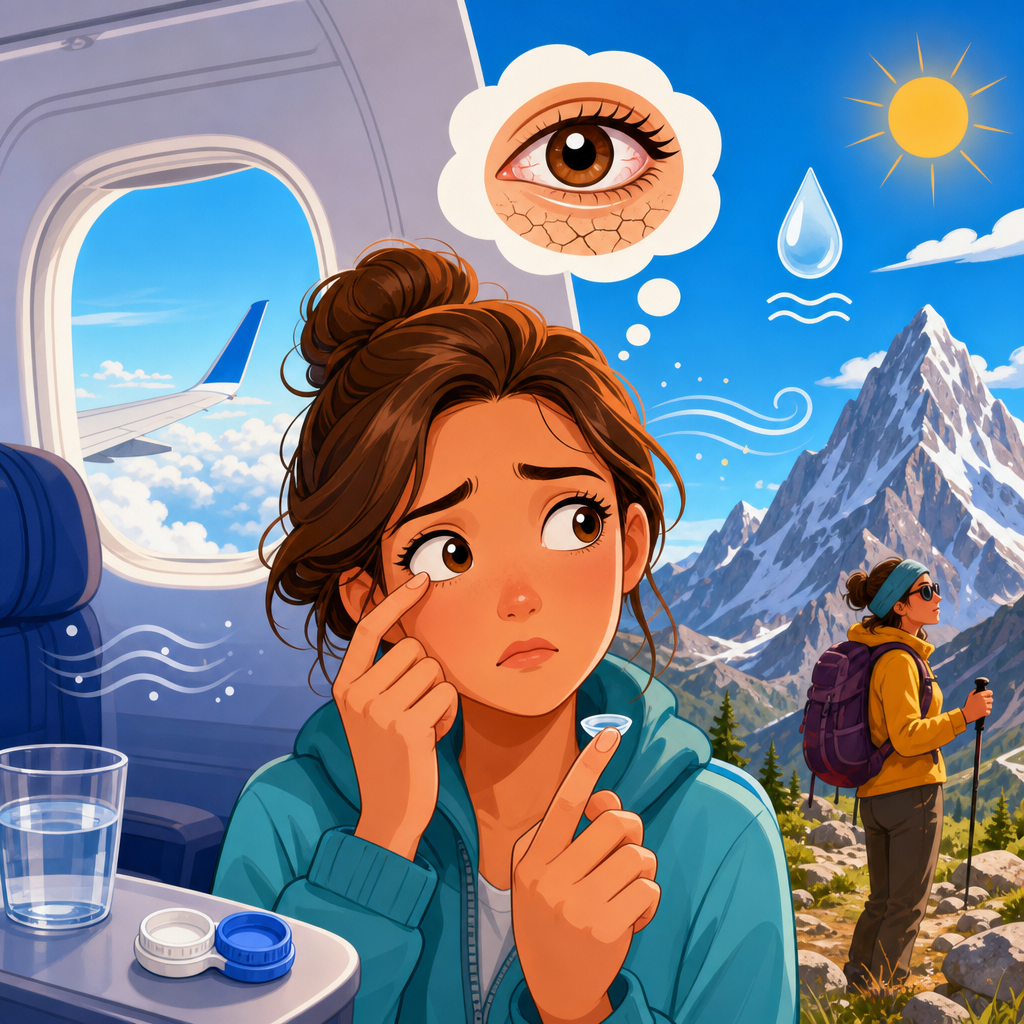
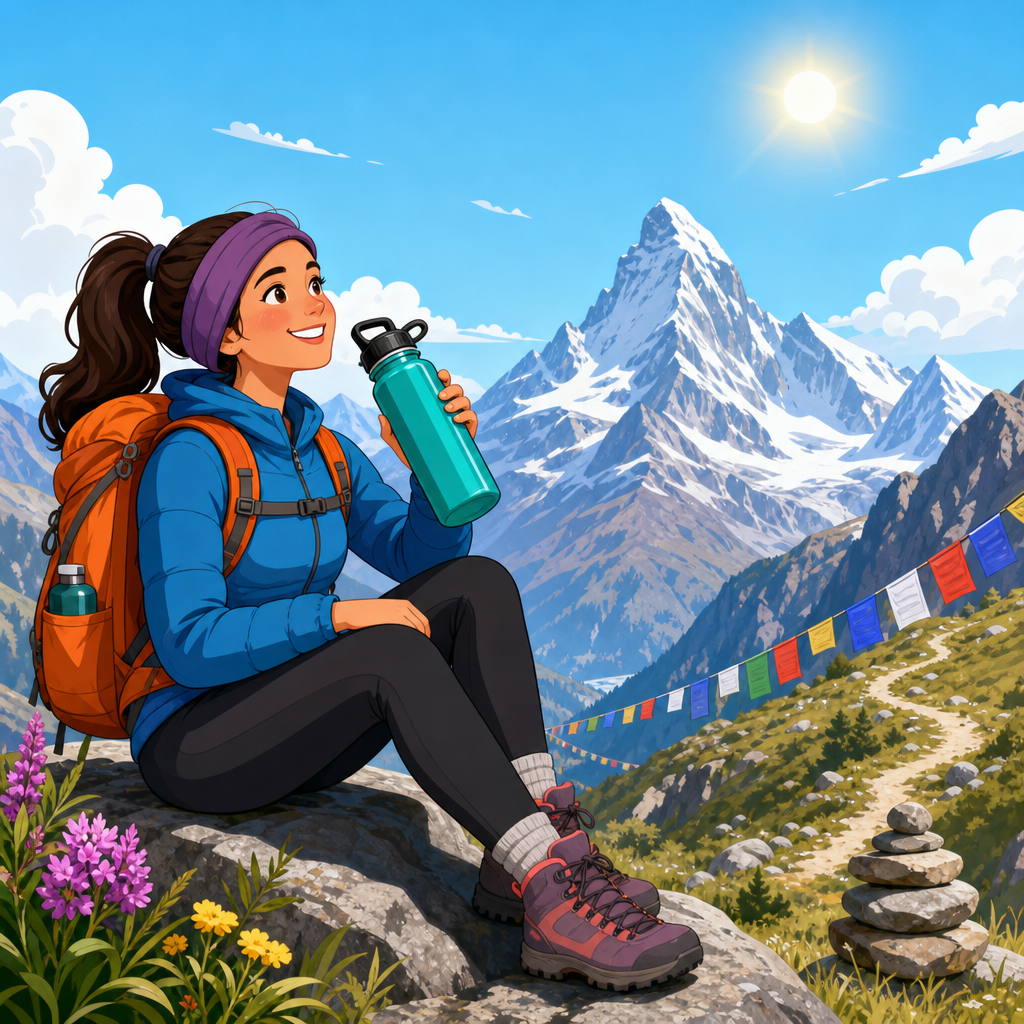
Altitude matters because UV intensity rises as elevation increases, commonly estimated at roughly 4 to 10 percent more UV for every 1,000 feet gained depending on atmospheric conditions, latitude, surface reflection, and cloud cover. Snowfields, pale granite, sand, and water further amplify exposure by reflecting radiation upward under hats, chin lines, and sleeves. I have seen people finish a cool 70-degree alpine hike with severe ear, neck, and forearm burns because they dressed for temperature instead of UV load. In practical terms, a mountain day that feels mild can expose you to stronger ultraviolet energy than a hotter day at sea level.
This makes sun-protective clothing the foundation of a high altitude summer system. Sunscreen remains essential for exposed areas, but clothing is more reliable over long hours because it does not sweat off, miss spots, or require perfect reapplication timing. For readers building a complete sun protection strategy, this hub connects the clothing conversation to the broader topics that matter on mountain days: UVA versus UVB, sunscreen selection, sunglasses categories, lip protection, heat management, and home recovery for overexposed skin and eyes. Start with garments that cover the most skin comfortably, then support them with broad-spectrum sunscreen, UV-blocking eyewear, and practical habits such as route timing and shade breaks.
Choosing the right pieces requires more than buying the highest UPF number on a tag. Fabric weight, fiber type, weave density, color, moisture behavior, fit, hood construction, cuff length, venting, and how a garment performs under a backpack all affect real-world protection. The best choices balance coverage, mobility, and thermal comfort so you actually keep them on through the hottest hours. A shirt that technically rates UPF 50 but feels clammy and restrictive may end up in your pack exactly when exposure peaks. The goal is dependable coverage that works while hiking, climbing, fishing, driving mountain roads, gardening at elevation, or spending a long day at a lake basin.
What makes UPF clothing effective at altitude
UPF clothing protects by blocking, absorbing, or scattering UV radiation before it reaches the skin. Dense knits and tightly woven fabrics generally protect better than open meshes, while polyester and nylon often outperform untreated cotton because the fibers themselves can absorb more UV. Some garments also use additives such as titanium dioxide or UV-absorbing finishes to raise protection without making the fabric heavy. In my testing, the most dependable mountain shirts share three traits: certified UPF 30 to 50+, a fabric that maintains coverage when damp, and a cut that does not pull tight across shoulders or chest under movement, because stretched fabric can reduce effective protection.
For high altitude summer days, prioritize broad body coverage. The most useful garment is a hooded long-sleeve sun shirt with a close but not tight hood, high collar, thumb loops or extended cuffs, and enough length to stay tucked under a hip belt. This design covers the neck, ears, wrists, and back of hands, all common burn zones in the mountains. Zip-neck models improve ventilation on climbs, while quarter-zip collars help seal the chest when reflection from rock or snow increases. If insects are not the main issue, avoid oversized, drapey cuts that catch wind and expose skin when you scramble or reach overhead.
Material choice determines comfort. Lightweight polyester knits dry quickly and resist water retention, making them strong for sweaty climbs and stream crossings. Nylon blends usually feel smoother and may be more durable under pack straps, though some trap heat more than premium polyester. Merino blends can work well in moderate temperatures because they regulate odor and feel less synthetic, but very light merino often has lower UPF unless the knit is dense or specifically rated. Cotton has a place for casual town use in dry climates, yet standard cotton tees are poor mountain UV tools because protection varies widely and drops when wet or stretched.
How to choose the best garments for mountain use
Start with the activities and surfaces you will face. A ridgeline hike above treeline demands different features than a high desert bike ride or a fishing trip on an alpine lake. The more reflective the environment, the more valuable a hood, face coverage, and longer leg coverage become. For exposed trekking, I recommend a long-sleeve hooded top, lightweight full-length pants or leggings with a verified UPF rating, a broad-brim hat or cap used with the hood, UV-blocking sunglasses that meet ANSI or ISO lens standards, and thin sun gloves if you use trekking poles. This combination consistently outperforms short sleeves plus heavy sunscreen alone.
Fit deserves special attention. A good sun shirt should skim rather than compress. Compression-like fits can stretch fabric pores and make the garment warmer, while baggy silhouettes flap and ride up beneath shoulder straps. Sleeves should stay over the wrists when arms are extended, and the hood should turn with the head without obscuring peripheral vision. Pants should protect the backs of knees when stepping high and should not gap at the ankle if you sit on bright rock or paddle. Small design details matter because UV exposure accumulates through hours of tiny failures in coverage.
| Garment type | Best use at altitude | Key features | Main limitation |
|---|---|---|---|
| Hooded sun shirt UPF 50+ | Hiking, climbing approaches, paddling | Neck coverage, thumb loops, fast drying knit | Can feel warm in still air if fit is too close |
| Collared woven sun shirt UPF 30-50 | Travel, fishing, casual mountain towns | Vent panels, chest pockets, structured collar | Less face and ear protection than a hood |
| UPF leggings or pants | Treks, scrambling, horseback rides | Full leg coverage, abrasion resistance, mobility | Some dark fabrics run hot on steep climbs |
| Sun gloves | Pole use, cycling, driving | Back-of-hand protection, dexterity | Often overlooked until hands are already burned |
Color and weight involve tradeoffs. Darker fabrics usually absorb more UV and often test higher, but they can feel warmer in direct sun. Very pale shades may feel cooler yet need a denser weave to achieve the same protection. In practice, many top-performing mountain pieces use light grays, muted blues, and sand tones with highly engineered yarns, proving that shade alone does not determine protection. What matters is the tested fabric system. Look for clear labeling from established brands, not vague claims like sun resistant or UV shield without a certified rating.
Best UPF clothing categories for all-day coverage
The core category is the technical sun hoodie. This piece has become standard among thru-hikers, guides, and alpine runners because it solves multiple exposure problems at once. A strong version combines UPF 50+, flat seams to reduce chafing under pack straps, a deep hood that fits over a cap, and enough airflow to stay wearable during long climbs. Popular examples from outdoor brands such as Patagonia, Outdoor Research, Black Diamond, Arc’teryx, Mountain Hardwear, and REI Co-op have earned followings because they balance cooling, coverage, and pack compatibility. Features differ, so compare hood depth, cuff length, and fabric hand, not just brand reputation.
The second category is the woven overshirt or fishing-style shirt. These garments work especially well for travelers, anglers, and anyone alternating between movement and downtime. Their advantages are mechanical ventilation, collar structure, and a looser drape that can feel cooler in dry mountain air. I often recommend them for scenic drives, chairlift rides, horseback excursions, and lake days when abrasion resistance and pocket storage matter. However, they need help from a neck gaiter or hat because the back and sides of the face remain exposed. For serious high-altitude trekking, a sun hoodie usually gives more complete protection.
Lower-body protection is routinely undervalued. Above treeline, many people burn through thin shorts because sun strikes from overhead and reflects from pale ground. Lightweight woven pants with articulated knees and some air permeability are usually the best answer. Brands that build climbing or trekking pants often publish UPF ratings and use nylon-elastane fabrics that move well without becoming transparent when stretched. If you run hot, choose a tapered but not tight silhouette with ankle vents or zip cuffs. For women and some runners, UPF leggings can work, but verify opacity and rating because fashion leggings vary widely in actual protection.
Accessories complete the system. A wide-brim hat shields the forehead, scalp part, ears, and upper neck, while a cap pairs better with a hood in wind. A neck gaiter rated for UPF adds flexible face coverage when glare intensifies. Sunglasses should block 99 to 100 percent of UVA and UVB and fit closely enough to reduce side entry. For hands, fingerless bike gloves are not enough at altitude; use full-back sun gloves or lightweight full-finger options. These pieces matter because many painful mountain burns occur on small areas people forget until the evening.
Common mistakes, care tips, and how this hub connects your sun strategy
The biggest mistake is assuming any long sleeve protects equally. A thin white cotton tee, a loose crochet cover-up, and a certified UPF 50 knit are not interchangeable. Wetness, wear, laundering, and repeated stretching can all change performance, particularly in low-quality garments. Another error is overrelying on shirts while ignoring reflected UV to the face, lips, and eyes. At high altitude, clothing should be paired with broad-spectrum sunscreen of at least SPF 30 on exposed skin, SPF lip balm, and wrap-style sunglasses if glare is severe. Clothing reduces your sunscreen workload; it does not eliminate it.
Care affects longevity. Follow manufacturer instructions, because harsh detergents, fabric softeners, and high-heat drying can damage fibers or finishes that support breathability and protection. Salt from sweat and sunscreen residue can also change fabric feel, so rinse technical pieces promptly after long trips. Replace garments that become threadbare, shiny from abrasion under pack straps, or visibly translucent when stretched. If a label notes that protection comes mainly from construction rather than a temporary finish, that is generally a good sign for durability. Still, no garment lasts forever, especially if you spend many weekends above treeline.
As the hub for Sun Protection and UV within Daily Life, Skin, Eyes and Home Comfort, this article should guide your next clicks. Build outward from clothing into related decisions: how to choose sunscreen for sweat and altitude, how to protect eyes from photokeratitis and long-term UV damage, how to shield lips and scalp, how to dress children for mountain camps, and how to soothe overexposed skin at home without making irritation worse. The best UPF clothing for high altitude summer days works because it turns protection into a default behavior. Choose certified pieces you will actually wear, cover more skin than you think you need, and review the rest of your sun system before your next mountain day.
Frequently Asked Questions
Why is UPF clothing so important for high altitude summer days?
High altitude sun exposure is stronger than many people realize because the atmosphere becomes thinner as elevation increases, which means there is less air filtering ultraviolet radiation before it reaches your skin. Even when temperatures feel cool, breezes are strong, or cloud cover rolls in and out, UV intensity can remain high enough to cause sunburn and cumulative skin damage surprisingly fast. Snowfields, pale rock, water, and even light-colored trails can also reflect additional UV back onto exposed areas, increasing the total dose your skin receives throughout the day.
That is why UPF clothing matters so much in mountain environments. Unlike ordinary lightweight apparel, UPF-rated garments are specifically designed and tested to block ultraviolet rays. A quality UPF shirt, sun hoodie, pair of pants, or wide-brim hat can provide more consistent protection than sunscreen alone, especially during long hikes, climbing approaches, alpine travel, sightseeing, or outdoor work where sweat, friction, and reapplication challenges can reduce sunscreen performance. For high altitude summer days, UPF clothing is one of the most reliable ways to stay protected while remaining comfortable enough to keep moving.
What should I look for when choosing the best UPF clothing for mountain hiking and travel?
The best UPF clothing for high altitude conditions balances protection, breathability, coverage, and mobility. Start with the UPF rating itself. UPF 30 is decent, but UPF 50 or 50+ is generally the better choice for long hours above treeline or in exposed terrain because it blocks a higher percentage of UV radiation. Fabric construction matters too. Tightly woven materials, technical knits engineered for sun protection, and fabrics that maintain performance when stretched or damp tend to offer better real-world coverage than thin everyday shirts marketed mainly for comfort.
Garment design is just as important as fabric rating. Long sleeves, high collars, thumb loops, integrated hoods, and longer hemlines help cover areas that often burn first, such as the neck, backs of hands, and lower back. For pants, look for lightweight full-length designs instead of shorts if you expect extended sun exposure. Ventilation features such as mesh panels, zip necks, and moisture-wicking construction can improve comfort without forcing you to sacrifice coverage. If you travel often, prioritize quick-drying, wrinkle-resistant pieces that layer easily and do not feel overly technical in town. The ideal setup is clothing you will actually want to wear all day, because consistent wear provides the best protection.
Is UPF clothing better than sunscreen at high altitude, or should I use both?
UPF clothing is usually better than sunscreen for consistent coverage over large areas of the body, but the smartest approach is to use both together. Clothing does not wear off, sweat off, or need reapplication every two hours. It also protects skin evenly, which is especially valuable during long uphill efforts, backpacking days, chairlift rides, or guided excursions where stopping to reapply sunscreen repeatedly may be inconvenient or easy to forget. In practical terms, a UPF shirt and pants can dramatically reduce the amount of skin you need to manage with lotion.
That said, clothing cannot cover everything. Your face, ears, lips, scalp part, and often your hands still need attention, and these areas are highly vulnerable at elevation. Use a broad-spectrum sunscreen on exposed skin, wear UV-blocking sunglasses for eye protection, and add a hat that complements your clothing system. Think of UPF apparel as the foundation of your sun strategy and sunscreen as the finishing layer for uncovered zones. For high altitude summer days, relying on only one method leaves gaps, while combining both creates far better protection and long-term safety.
Can lightweight UPF clothing still keep me cool during active summer days above treeline?
Yes, and that is one of the biggest advantages of well-designed UPF apparel. Many people assume more coverage automatically means more heat, but in exposed alpine sun, lightweight long sleeves and full-length pants can actually feel cooler than bare skin. Technical UPF fabrics are made to wick sweat, dry quickly, and reduce the direct solar load hitting your body. By creating a breathable barrier between your skin and the sun, they can help you avoid the overheating sensation that often comes from prolonged direct exposure.
The key is choosing the right fabric and fit. Look for garments described as lightweight, airy, moisture-managing, and breathable, with a cut that allows airflow without being excessively loose or heavy. Sun hoodies are especially popular for high altitude summer travel because they protect the neck and head while remaining comfortable during movement. Light colors may feel cooler in strong sun, while strategic venting helps during climbs and steep ascents. If you tend to run hot, avoid heavy cotton or thick casual layers and instead choose technical pieces designed specifically for hiking, running, fishing, trekking, or desert and alpine use. The right UPF clothing should feel protective without making you feel trapped.
Which UPF clothing pieces are most essential for a high altitude summer wardrobe?
If you are building a practical system, start with the pieces that cover the most vulnerable and hardest-to-maintain areas during a long day outside. A UPF 50+ long-sleeve shirt or sun hoodie is usually the single most useful item because it protects the shoulders, arms, upper back, and often the neck. Pair that with lightweight full-length UPF pants to protect your legs from both ultraviolet exposure and trail abrasion. A wide-brim hat or cap with neck coverage is extremely valuable, especially in open terrain where the sun remains overhead for hours.
From there, consider accessories that close common protection gaps. UV-blocking sunglasses are essential because high altitude UV can irritate and damage the eyes even when conditions feel mild. Lightweight gloves or sleeves can help protect the backs of the hands, which are commonly overlooked and often burn during trekking pole use. For travel and everyday wear in mountain towns, a versatile overshirt or light layer with certified UPF protection can bridge outdoor function and casual comfort. The best wardrobe is not necessarily the largest one; it is a coordinated set of pieces that gives you dependable full-body coverage, comfort during exertion, and enough adaptability for changing mountain weather.