Living at elevation changes how pets drink, lose moisture, and regulate body temperature, so the best pet hydration routine for mountain homes must be deliberate, seasonal, and built into daily life. In practice, mountain air is usually drier, ultraviolet exposure is stronger, weather shifts faster, and indoor heating runs longer than it does at lower altitudes. Those conditions affect dogs, cats, senior pets, brachycephalic breeds, working dogs, indoor cats, and animals managing kidney disease, urinary issues, or skin sensitivity. Hydration is not only about a full water bowl. It includes water intake, electrolyte balance, food moisture, air humidity, exercise timing, coat care, and how a home environment either supports or undermines fluid balance.
When I help households adapt pet care for mountain living, I start by defining hydration broadly. Adequate hydration means a pet takes in enough fluid to support circulation, digestion, temperature control, kidney function, tear production, and healthy skin barriers. Mild dehydration can look subtle: tacky gums, lower energy, darker urine, reduced skin elasticity, slower capillary refill, or unusual panting. Cats often hide it even longer than dogs do. At altitude, those early signs matter because dry air increases evaporative loss from breathing and skin, while colder weather can make pets less inclined to drink.
This matters every day, not only on hikes or hot summer afternoons. A mountain home may combine wood stoves, forced-air heat, low indoor humidity, snow glare, and steep outdoor terrain. Each factor can increase fluid needs or reduce comfort enough that pets drink less. The right routine lowers the risk of urinary crystals, constipation, overheating, exercise fatigue, dry eye flare-ups, cracked paw pads, and recovery setbacks after illness. It also improves energy, coat quality, and overall comfort. As a hub for lifestyle adjustments, this guide explains how to structure water access, feeding, indoor climate, activity, monitoring, and seasonal changes so hydration becomes a reliable habit rather than a reactive fix.
Build a mountain-home water routine that pets will actually follow
The foundation of the best pet hydration routine for mountain homes is access, placement, and predictability. Most healthy dogs need roughly 50 to 60 milliliters of water per kilogram of body weight daily, though activity level, diet type, temperature, medications, and medical conditions can shift that number. Cats often need a similar total fluid intake, but they naturally have a lower thirst drive, especially if they eat dry kibble. In mountain homes, I recommend treating water stations like infrastructure: one in the main living area, one near sleeping space, and one near the door or mudroom where activity begins and ends.
Bowl design matters more than many owners expect. Wide stainless-steel bowls are durable, easy to sanitize, and less likely to hold biofilm than plastic. For cats, shallow bowls reduce whisker stress and increase comfort. For large dogs, elevated bowls can reduce mess, though they are not a cure-all and should match the pet’s size. Water should be refreshed at least twice daily, more often if dust, wood ash, shed fur, or kibble debris collect in the bowl. If your home uses hard water, mineral buildup can affect taste; rinsing bowls thoroughly and periodically descaling them can help.
Some pets drink dramatically more from a fountain because circulating water tastes fresher and stimulates interest. That is especially useful for indoor cats and small dogs that ignore standing water. The tradeoff is maintenance. Fountains must be cleaned frequently, filters replaced on schedule, and pump chambers checked for slime or hair. In my experience, a neglected fountain discourages drinking faster than a plain clean bowl does. The routine that works is the one the owner can maintain every day.
Timing also drives success. Offer water after waking, after meals, after walks, after play sessions, and before bed. Senior pets and brachycephalic dogs benefit from these prompts because they may not self-regulate as efficiently. If a pet gulps after exercise, give small frequent access rather than one huge intake, which may trigger vomiting in some dogs.
Use food moisture and feeding habits to raise total fluid intake
For many mountain households, the fastest hydration improvement comes from the food bowl. Wet food typically contains 70 to 80 percent moisture, while dry kibble often contains around 10 percent. That difference is significant for cats, who evolved from desert-adapted ancestors and often compensate poorly by drinking more. If a cat eats mostly dry food in a heated mountain house through winter, chronic low-grade dehydration becomes much more likely. Mixing in wet meals, adding measured warm water to canned food, or using veterinarian-approved broths can increase total intake without forcing the pet to drink separately.
Dogs also benefit from moisture-rich feeding, especially active dogs, seniors, and pets recovering from stomach upset. Rehydrating dehydrated food properly, adding water to kibble shortly before serving, or rotating in balanced wet meals can support digestion and stool quality. The key is measurement. If you add water to meals, keep portions and calorie intake controlled. Obesity and overhydration from indiscriminate additions are both avoidable with a simple kitchen scale and consistent routine.
Homemade toppers can help, but they should be used carefully. Onion, garlic, excess sodium, xylitol, and fatty leftovers are unsafe. Plain warm water, no-salt bone broth formulated for pets, or veterinarian-approved hydration toppers are safer options. For pets with kidney disease, heart disease, pancreatitis, or urinary problems, consult a veterinarian before changing moisture or sodium intake. In those cases, hydration support must fit the medical plan rather than a general wellness trend.
| Hydration habit | Best use in mountain homes | Main benefit | Key caution |
|---|---|---|---|
| Multiple water bowls | Dogs, cats, multi-level homes | Improves access and drinking frequency | Clean daily to prevent biofilm |
| Pet fountain | Cats, selective drinkers | Encourages interest in moving water | Requires strict cleaning schedule |
| Wet or rehydrated meals | Indoor cats, seniors, active dogs | Raises total fluid intake through food | Adjust calories and ingredients carefully |
| Humidified indoor air | Winter heating season | Reduces drying of skin, nose, and eyes | Maintain units to prevent mold |
| Post-activity drink breaks | Hiking, snow play, working dogs | Replaces losses before dehydration builds | Avoid rapid overdrinking after intense exertion |
Adjust the home environment to reduce invisible moisture loss
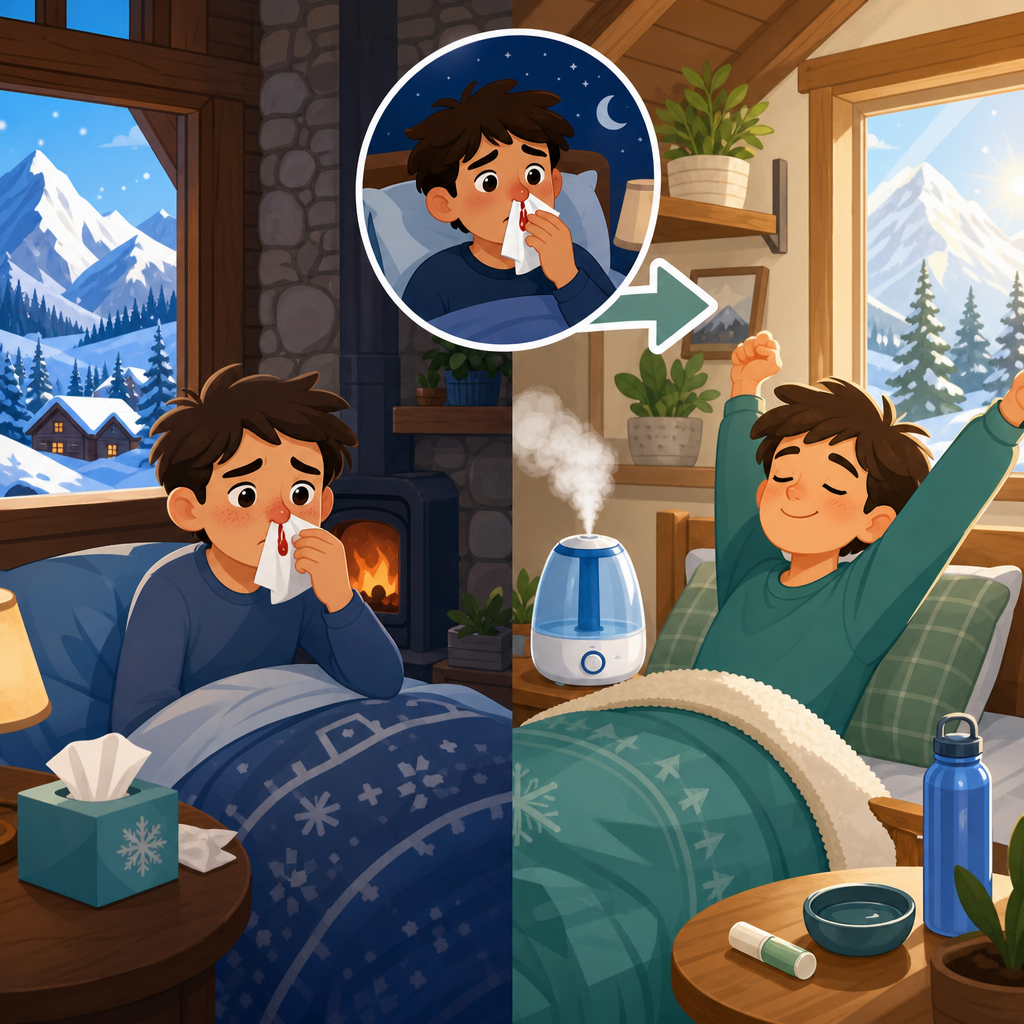
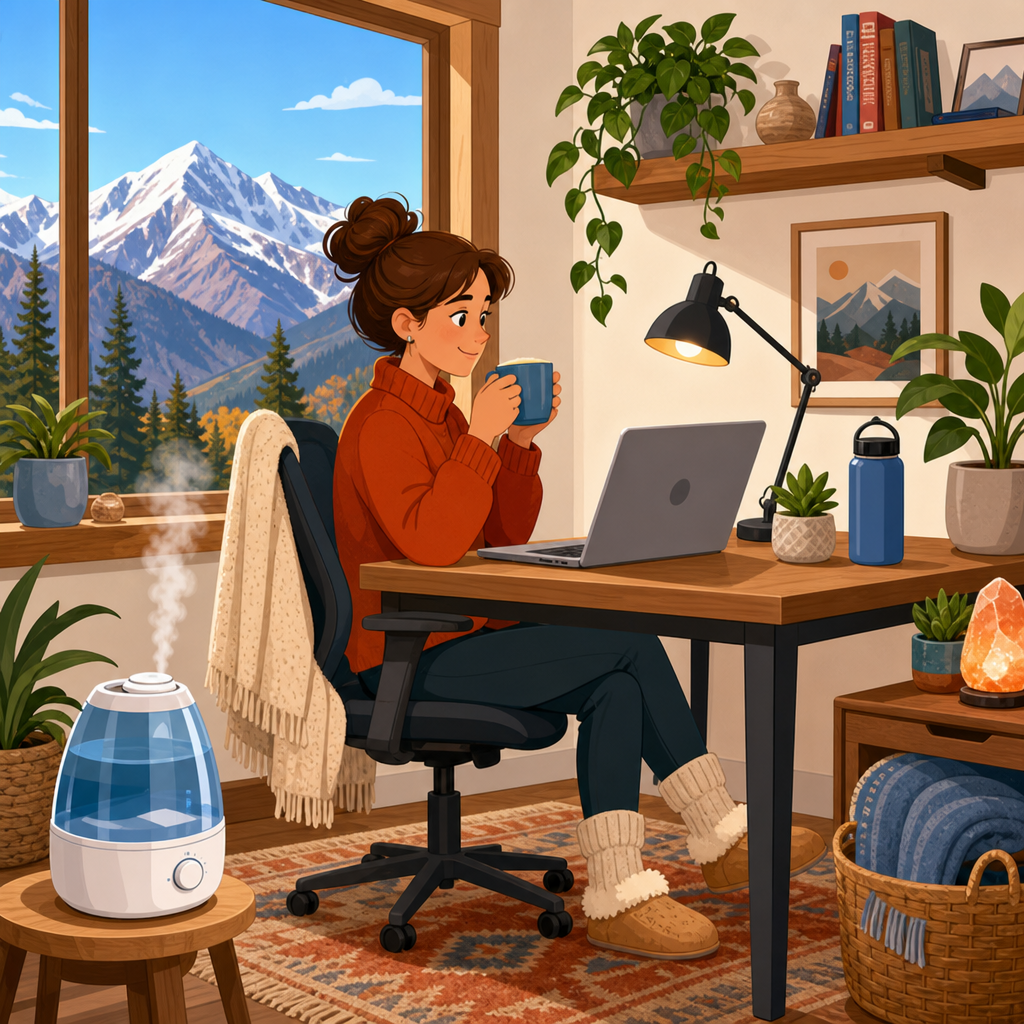
Lifestyle adjustments in mountain homes are not complete without indoor climate control. Winter heating can drive indoor humidity below 30 percent, a level associated with drier skin, nasal passages, and eyes in both people and pets. While pets do not need tropical conditions, they are often more comfortable when household humidity stays around 30 to 50 percent. A hygrometer gives a real reading; guessing by feel is unreliable. If the air is dry, portable humidifiers in the main living space and bedroom areas can help, particularly for cats with dry flaky skin, dogs with chronic keratoconjunctivitis sicca, and senior pets that sleep near heat sources.
Humidification is useful only when maintained correctly. Empty tanks daily, dry components, and descale units to reduce microbial growth. Distilled water can reduce mineral dust in ultrasonic models. Furnace humidifiers can work well for whole-home support, but they need seasonal servicing. I have seen pets improve noticeably once owners addressed the environment rather than simply pushing more water intake.
Heat placement matters too. Pet beds should not sit directly against wood stoves, baseboard heaters, or supply vents that blow continuously. Warmth is beneficial, but constant direct heat increases insensible water loss and can worsen dry noses and irritated eyes. Place resting areas in a thermally stable zone, and keep water close enough that a stiff senior dog does not need to navigate stairs each time it drinks.
Mountain homes also collect drying irritants: fireplace ash, dust from boots, de-icing residues, and low-humidity static that traps dander. Frequent vacuuming with a sealed filtration system, entryway paw cleaning, and washing bedding weekly reduce the burden on skin and airways. Hydration works better when the environment is less irritating overall.
Match hydration to altitude, exercise, and season
At higher elevations, pets can lose more water through respiration because the air is drier and activity often occurs on slopes. The effect is most obvious in hiking dogs, avalanche dogs, livestock guardians, and energetic companions that run in snow. They may need more frequent drink breaks even in cold weather, when owners are least likely to notice fluid loss. A practical rule is to offer water before leaving, every 15 to 30 minutes during sustained activity depending on intensity, and again during cooldown. Portable squeeze bottles, collapsible bowls, and insulated carriers prevent water from freezing during winter outings.
Summer adds solar load and radiant heat from rock, while winter adds reflection from snow and very low humidity. Both seasons can increase risk. Dogs still pant in freezing temperatures during play, and cats sleeping near pellet stoves may become mildly dehydrated indoors even when the yard is snow-covered. In shoulder seasons, sudden weather swings catch many owners off guard. A warm, windy spring afternoon at elevation can dry a pet out faster than a calm hotter day at lower altitude.
Breed and age influence tolerance. Brachycephalic dogs, giant breeds, puppies, seniors, and pets with heart, kidney, or endocrine disease need tighter monitoring. So do animals on diuretics, corticosteroids, or medications that affect thirst and urination. Working with your veterinarian to set a realistic baseline matters more in mountain regions because routine assumptions from low-elevation living may no longer fit.
Monitor hydration status before small issues become medical problems
The most effective routine includes simple observation. Check gum moisture, urine color, energy level, appetite, stool consistency, and how eagerly your pet approaches water. Pale yellow urine is generally reassuring; consistently dark urine, straining, litter box changes, or sharply increased thirst deserve attention. In cats, fewer clumps in the litter box can signal low intake. In dogs, constipation after a dry winter week often points to insufficient total fluid plus low activity.
Skin tenting is an imperfect test, especially in older animals, overweight pets, and some breeds, so I use it only as one clue. Gum tackiness, sunken eyes, lethargy, persistent panting, or refusal to drink are stronger warning signs. Seek veterinary care promptly if vomiting, diarrhea, collapse, heat stress, urinary blockage signs, or neurologic symptoms appear. Electrolyte products made for human athletes are not automatically safe for pets because sugar levels, sweeteners, and sodium content vary widely.
Measurement helps owners who want a dependable system. Fill bowls with a known volume, track what remains, note wet-food amounts, and watch patterns by season. Smart fountains, pet cameras, and home hygrometers can add useful data, but a notebook on the counter still works. The goal is not perfection. It is noticing change early, then adjusting water access, meal moisture, indoor humidity, or exercise timing before dehydration undermines skin, eyes, urinary health, and comfort.
The best pet hydration routine for mountain homes combines water availability, moisture-rich feeding, climate control, and activity planning into one daily system. That is why hydration belongs at the center of mountain pet care, not as an afterthought for summer hikes. Clean bowls, well-maintained fountains, wet meals, indoor humidity management, and scheduled drink breaks solve most routine problems before they become expensive medical ones. Just as important, these habits support the larger goals of daily life at elevation: healthier skin, more comfortable eyes, steadier energy, easier recovery after exercise, and fewer winter flare-ups tied to dry heated air.
If you live in a mountain home, start with a practical reset this week. Add one extra water station, measure your pet’s daily intake, increase food moisture safely, and check indoor humidity with a hygrometer. Then adjust by season, breed, age, and health status. Small changes are usually enough when they are consistent. Build the routine now, and your pet will feel the benefit every day the air gets drier, the trails get steeper, or the heater stays on longer.
Frequently Asked Questions
How does living at elevation change a pet’s hydration needs?
Mountain living changes hydration in several ways, and many owners underestimate how quickly those effects add up. At higher elevations, the air is typically drier, which increases everyday moisture loss through breathing, skin, and paw pads. Pets may not appear sweaty or visibly dehydrated, but they can still lose more water just by existing in a low-humidity environment. On top of that, stronger ultraviolet exposure, more wind, rapid weather changes, and long heating seasons indoors all contribute to faster drying. Active dogs may pant more on hikes or even during routine outdoor play, while indoor cats can become mildly dehydrated over time if they rely mostly on dry food and do not have a strong drinking habit.
The best response is to treat hydration as a daily routine rather than a bowl you refill when it looks low. Fresh water should be available in multiple places, especially in larger homes or on different floors. Pets often drink more consistently when water is easy to access and frequently refreshed. Many mountain households also benefit from adding moisture through wet food, water added to meals when appropriate, pet fountains for animals that prefer moving water, and humidifiers in very dry indoor environments. In winter, when heating systems run constantly, it is especially important to monitor intake because pets can become dehydrated even when the weather feels cold. Hydration at elevation is less about one dramatic event and more about preventing chronic low-level fluid loss every day.
What does a good daily pet hydration routine look like in a mountain home?
A strong mountain-home hydration routine is consistent, simple, and adjusted for season, activity, and the individual pet. Start each day by washing and refilling water bowls with clean, cool water. Place bowls where your pet naturally rests or passes through, rather than assuming one kitchen bowl is enough. In multi-level homes, keep water upstairs and downstairs. For dogs, offer water before going outside, after walks, after play sessions, and again in the evening. For cats, separate water from litter boxes and sometimes even from food if that encourages better drinking behavior. Many cats prefer quiet drinking stations away from busy traffic or loud appliances.
Meals are another opportunity to build hydration into routine life. Wet food can significantly increase fluid intake for both dogs and cats, and many pets do well with a little extra water mixed into meals if approved by their veterinarian. During dry winter months or periods of heavy exercise, owners should be even more intentional. Refresh bowls more often, monitor how much is actually being consumed, and carry portable water on errands, walks, and trails. Senior pets, brachycephalic breeds, working dogs, indoor cats, and animals with kidney concerns often need closer observation because they may dehydrate faster or be less efficient at self-regulating. A good routine is not just offering water; it is creating repeated, reliable chances for your pet to drink throughout the day.
Do different pets need different hydration strategies at high altitude?
Yes, and this is one of the most important points for mountain pet care. Dogs, cats, seniors, flat-faced breeds, athletic animals, and pets with medical conditions do not all hydrate the same way. Active and working dogs often lose more water through panting, especially during hikes, snow play, or summer activity in thin, dry air. They may need more frequent breaks and smaller, repeated drinks rather than one large drink after exercise. Brachycephalic breeds such as bulldogs, pugs, and Persian cats can struggle more with breathing and heat regulation, so they may be at higher risk when altitude, dry air, and physical exertion combine.
Senior pets often have reduced thirst drive or underlying health issues that make hydration harder to maintain. Cats, especially indoor cats, are known for drinking less than owners expect, so they often benefit from moisture-rich diets, fountains, and multiple water stations. Pets with kidney disease, urinary issues, or other chronic conditions require especially careful hydration management because even mild dehydration can matter more for them. In those cases, the routine should always follow veterinary guidance, including diet type, water access, and any signs that should prompt a call to the clinic. The best mountain hydration plan is individualized: the right routine depends on species, age, activity level, coat type, health status, and how your pet responds to the environment over time.
What are the warning signs that a pet may be dehydrated in a mountain climate?
Dehydration can be subtle at first, which is why owners in mountain homes should learn the early signs. Common red flags include lethargy, dry or tacky gums, sunken-looking eyes, unusual panting, reduced appetite, and a noticeable drop in energy or interest in normal activities. Some pets may seek water repeatedly, while others become quieter and drink less than usual. In cats, dehydration may show up as hiding, decreased grooming, constipation, or changes in litter box habits. In dogs, you might notice slower recovery after exercise, heavier panting than expected for the temperature, or reluctance to continue a walk.
More serious dehydration can lead to weakness, vomiting, rapid heart rate, poor skin elasticity, and confusion or collapse, especially after exertion or sudden weather shifts. However, owners should avoid relying on any single at-home test in isolation because signs can vary by age, weight, coat, and medical condition. A better approach is to know your pet’s normal behavior and track patterns: how much they usually drink, how often they urinate, how quickly they recover after activity, and whether dry indoor conditions seem to affect them more in certain seasons. If a pet is not drinking, seems off, has persistent vomiting or diarrhea, or has a condition such as kidney disease, it is best to contact a veterinarian promptly. At altitude, dehydration can progress faster than people expect, particularly in dry winter homes or during active summer days.
How should pet hydration routines change with mountain seasons and weather swings?
Seasonal adjustment is essential in mountain environments because hydration risks do not disappear when temperatures drop. In summer, the combination of high elevation, stronger sun, warm surfaces, and activity can increase fluid loss quickly. Dogs that hike, run, or work outdoors should have planned water breaks before they seem thirsty, and outings should be timed to cooler parts of the day when possible. Water should always be carried on trails, in cars, and during any trip away from home. Cats may also drink less than they need during warm, dry periods, so increasing moisture in food and refreshing water more frequently can help.
Winter brings a different but equally important challenge. Indoor heating systems can dry the air significantly, and many pets become mildly dehydrated over time without obvious warning. Snow does not count as a safe hydration source, and some pets that eat snow may still not consume enough water. In cold weather, bowls should be checked often to ensure water remains appealing and accessible, especially near drafty areas, mudrooms, or porches. During shoulder seasons, when weather can swing rapidly from cold and windy to sunny and warm, owners should stay flexible. Increase hydration support during storms, dry spells, travel, higher activity days, and periods of illness. The best pet hydration routine for mountain homes is not fixed year-round; it evolves with altitude, climate, and the daily realities of mountain weather.