High elevation conditions change how lip protection works, which is why the best lip SPF for high elevation conditions must do more than feel smooth or taste pleasant. It has to defend thin, vulnerable lip skin against stronger ultraviolet exposure, cold wind, low humidity, reflected light from snow or rock, and the frequent licking and wiping that strip product away. In mountain environments, people often think first about sunscreen for the face and forget the lips until they burn, crack, or blister. That delay matters because lips contain less melanin than most facial skin, have a weaker barrier, and are more prone to ultraviolet damage, dehydration, and actinic changes over time.
When I help skiers, climbers, trail runners, and high-country workers build practical sun protection routines, lip care is usually the first weak point I correct. A standard balm from a checkout aisle may feel fine in town, but on a chairlift, glacier traverse, or all-day hike above tree line, it often fails fast. The right product needs broad-spectrum coverage, reliable film formation, staying power in dry air, and emollients that support barrier repair without causing irritation. For many people, the winning formula is a mineral-forward or hybrid stick with SPF 30 or higher, strong UVA and UVB filters, and a wax-and-butter base that resists wind and repeated exposure.
This hub article explains what high elevation does to ultraviolet risk, how to choose lip SPF intelligently, which ingredients and formats perform best, and how lip protection fits into a broader sun protection plan for daily life, skin, eyes, and home comfort. It also connects the topic to practical concerns such as chapping, sunglasses, indoor dryness after mountain exposure, and year-round ultraviolet exposure. If you want one guiding principle, use this: at altitude, choose a broad-spectrum lip product with SPF 30 or higher, reapply often, and treat lip SPF as essential gear rather than a cosmetic extra.
Why lips burn faster at high elevation
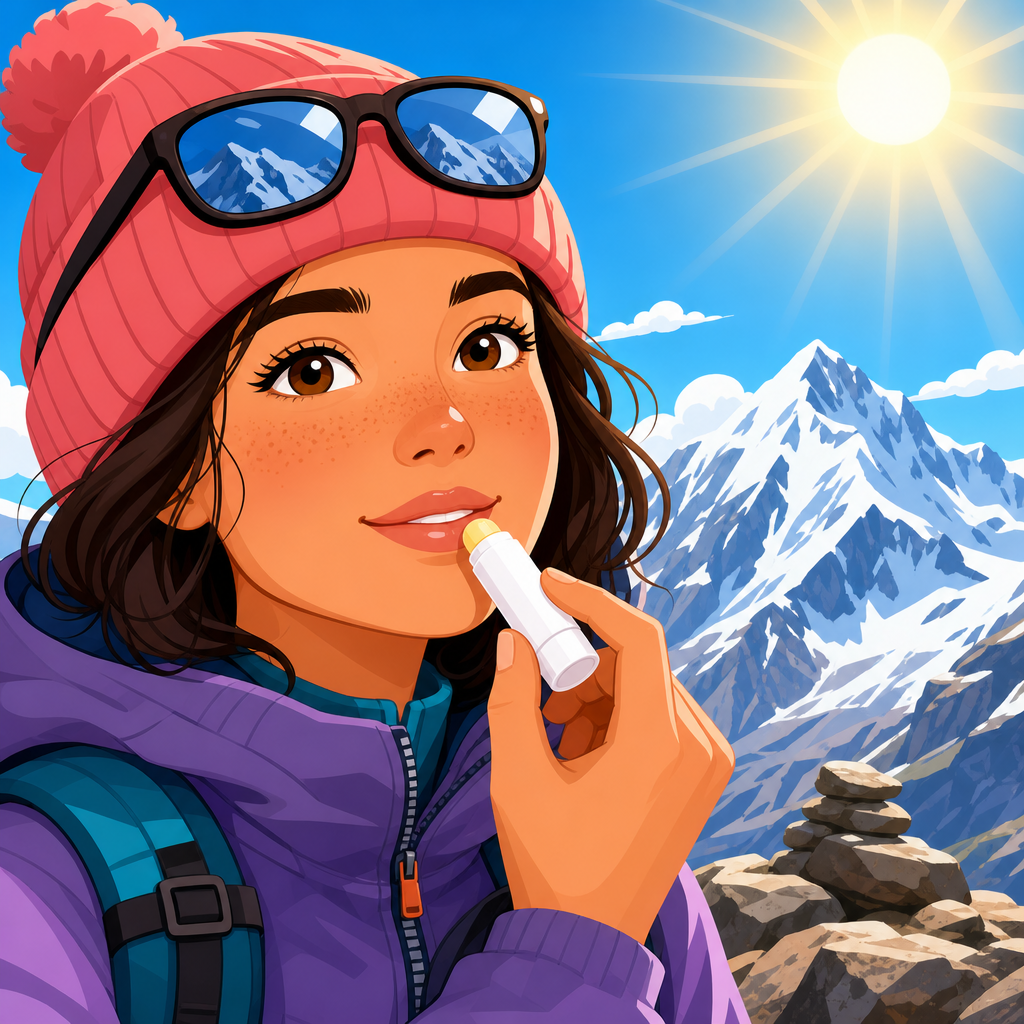
High elevation increases ultraviolet intensity because there is less atmosphere available to filter incoming radiation. A commonly cited rule of thumb is that UV levels rise by roughly 4 to 10 percent for every 1,000 feet of elevation gain, depending on latitude, cloud cover, and surface reflection. Even if the exact increase varies, the practical takeaway is clear: a sunny afternoon at 9,000 feet is not equivalent to a sunny afternoon at sea level. Lips are especially exposed because they protrude, receive direct sun from multiple angles, and are often left uncovered when the rest of the face is protected with hats, buffs, or goggles.
Snow raises the stakes further. Fresh snow can reflect a very high percentage of UV radiation, often cited near 80 percent, sending additional exposure upward onto the lower face. Pale granite, water, and dry alpine dust also reflect enough light to matter. That is why people can burn the underside of the nose, the lower lip, and skin under the chin during ski days or glacier travel. Cloud cover is not a dependable defense either. A bright overcast day still allows significant UV transmission, and windchill can mask the sensation of burning until the damage is already done.
From a skin biology standpoint, lips are poorly equipped for that environment. The vermilion border has a thin stratum corneum and fewer protective pigments than adjacent facial skin. Sebaceous glands are sparse or absent on the lip surface, so lips dry out quickly in cold, low-humidity air. Once the barrier is disrupted, inflammation increases, tiny fissures form, and sunscreen adherence drops. That combination explains why mountain lip injury often presents as both sunburn and chapping rather than one or the other.
What the best lip SPF for high elevation conditions should include
The best lip SPF for high elevation conditions should provide broad-spectrum protection, meaning meaningful defense against both UVB, which causes burning, and UVA, which contributes to deeper tissue damage, photoaging, and cumulative precancerous change. In the United States, broad-spectrum labeling is regulated, but labels still do not tell the whole story. I look for products from brands that use well-established filters and stable formulas rather than novelty ingredients. SPF 30 is a practical minimum for mountain use, while SPF 50 can be useful for long exposure, snow sports, or people with a history of lip burning.
Texture matters almost as much as the filter system. A good high-altitude lip SPF should form a durable, even film that stays where you apply it. Waxes such as beeswax, candelilla, or carnauba help create structure. Occlusives and emollients like petrolatum, lanolin, dimethicone, shea butter, and castor seed oil improve water resistance and reduce transepidermal water loss. Humectants can help, but in very dry air they are less useful without a strong occlusive layer on top. Products that feel excessively glossy, oily, or slippery often migrate, wear off quickly, and leave coverage gaps at the lip line.
Fragrance-free formulas are usually the safest choice for wind-burned or compromised lips. Menthol, camphor, eucalyptus, cinnamon flavoring, and high concentrations of peppermint can create a cooling sensation that users mistake for treatment, but they commonly irritate already stressed tissue. Salicylic acid is another ingredient I avoid for routine alpine lip use unless there is a specific medical reason. For many people, simpler formulas perform better because they protect first and soothe second without adding sensitizers.
Mineral, chemical, and hybrid formulas compared
Both mineral and organic UV filters can work well on the lips, but they behave differently. Zinc oxide and titanium dioxide are valued because they are photostable and less likely to sting. Zinc oxide in particular offers reliable broad-spectrum coverage and is often my first recommendation for people with sensitive lips, a history of eczema, or irritation from conventional balms. The tradeoff is cosmetic: mineral sticks can look chalky, feel thicker, and leave a visible cast, especially on deeper skin tones. On a wind-exposed summit, however, that heavier film is often exactly what keeps protection in place.
Organic filters can produce clearer, more elegant textures. Ingredients such as avobenzone, octisalate, octocrylene, homosalate, and oxybenzone have been used widely in lip products, though formulas vary and some newer filters available internationally are not approved in every market. The main issue on lips is tolerance. Some people experience stinging, bitter taste, or irritation, especially when lips are already cracked. For those users, a hybrid formula often solves the problem by combining zinc oxide with selected organic filters to improve wear and reduce cast while preserving comfort.
| Formula type | Strengths in mountain use | Limitations | Best for |
|---|---|---|---|
| Mineral | Stable, low sting potential, durable barrier feel | White cast, thicker texture | Sensitive lips, cold windy days, snow sports |
| Organic | Transparent finish, lighter glide, easier casual wear | Possible sting, taste, lower tolerance on cracked lips | Mild conditions, users who dislike heavy balms |
| Hybrid | Balanced wear, broader feel options, good durability | Quality varies widely by brand | Daily all-season mountain routines |
In practice, I usually tell people to test one mineral stick and one hybrid stick before a major trip. Wear each on a long walk, a cold commute, and a workout. If a formula stings after 20 minutes, tastes unpleasant enough to make you wipe it off, or leaves your lips drier later, it is not your high-elevation product no matter how strong the label looks.
Application and reapplication rules that actually prevent burns
Even an excellent lip SPF fails if it is underapplied. Most people make one or two quick swipes and assume they are covered. On the mountain, that is not enough. Apply generously to the entire lip surface and slightly beyond the vermilion border, especially the center of the lower lip and the corners of the mouth, which are common burn sites. Put it on 15 minutes before exposure when possible so the film can settle. If you wear a face sunscreen, overlap protection at the lip edge so there is no unprotected gap between products.
Reapplication should happen at least every two hours during continuous daylight exposure and sooner after eating, drinking, wiping your mouth, or licking your lips repeatedly. Skiers and snowboarders should reapply after lift snacks and after removing a buff or face covering. Trail runners often need a reapplication plan because hydration systems, salt, and breathing habits wear balm away quickly. Keep one stick in a chest pocket where body heat prevents excessive hardening and another in a bag as backup. Cold temperatures can make wax-heavy products drag, so warming the tube in your hand for a few seconds improves coverage.
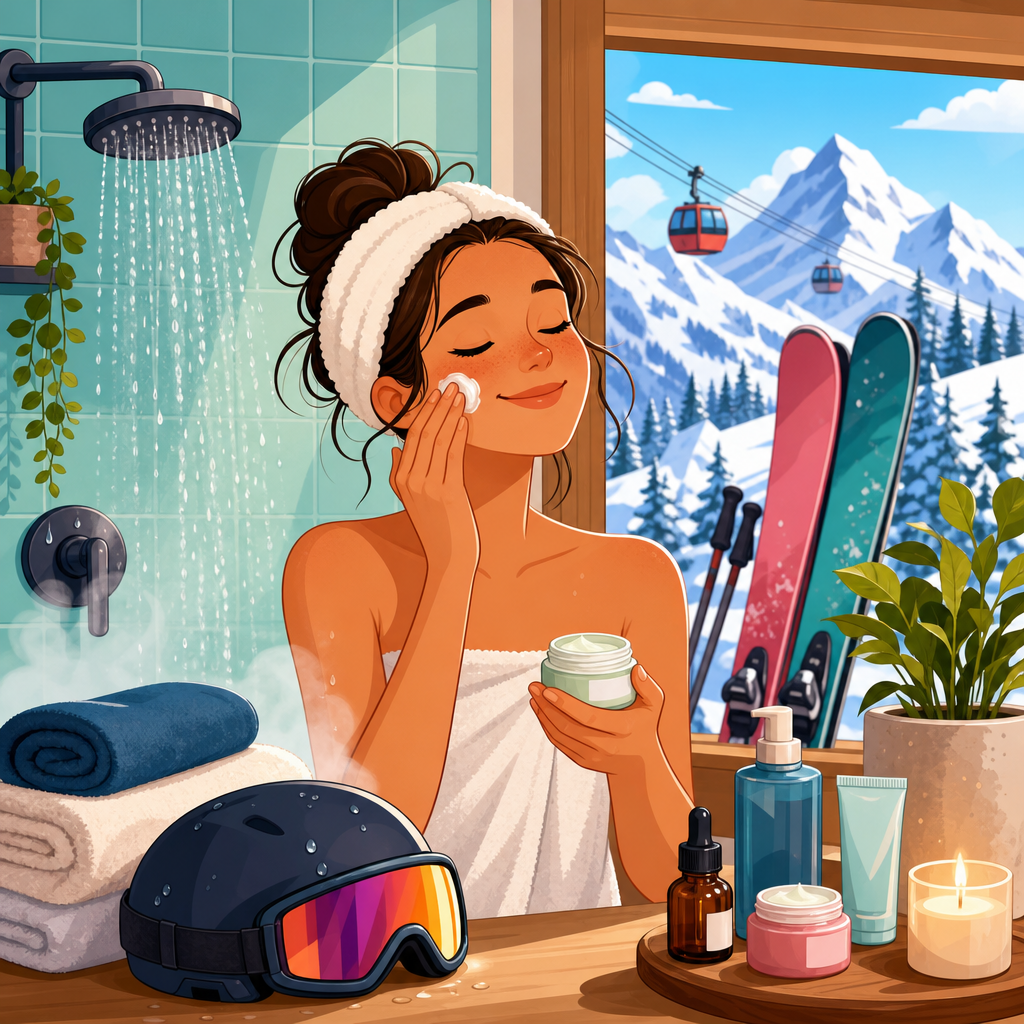
Night repair matters too. A protective daytime lip SPF works best when the barrier starts the day intact. Use a bland, non-exfoliating ointment before bed, especially after exposure to wind, indoor heating, and dehydration. If lips are already peeling, avoid picking and avoid trying to scrub flakes off. Restore the barrier first, then return to strict SPF use the next morning.
How lip SPF fits into a complete sun protection routine
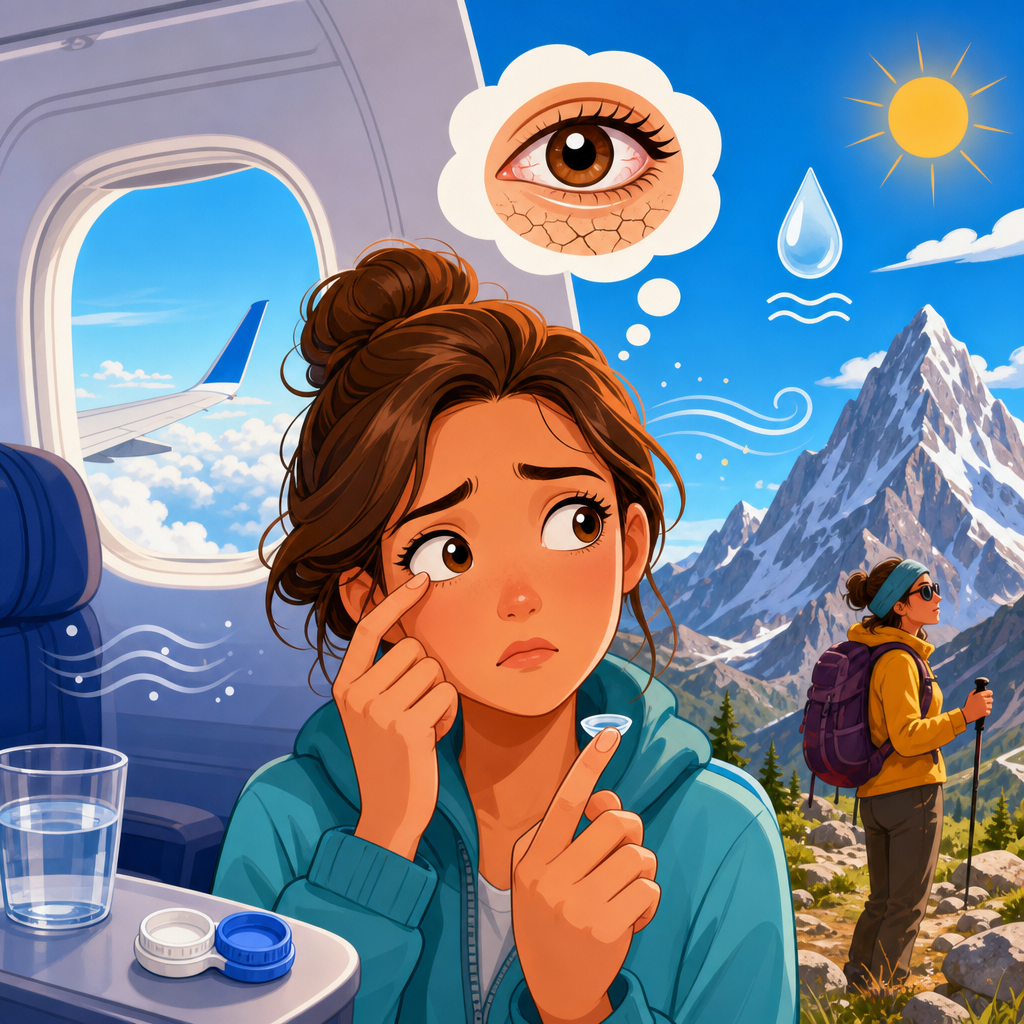
Lip SPF is only one part of effective sun protection and UV management. In a complete routine, you pair lip coverage with broad-spectrum facial sunscreen, UV-blocking sunglasses, and physical barriers such as a brimmed hat, helmet visor, neck gaiter, or balaclava. Good eyewear matters because high-altitude UV exposure also affects the eyes, increasing risk for photokeratitis, cataracts over time, and general glare-related fatigue. Wraparound sunglasses that meet ANSI or equivalent standards and block 99 to 100 percent of UVA and UVB are not optional on snow or above tree line.
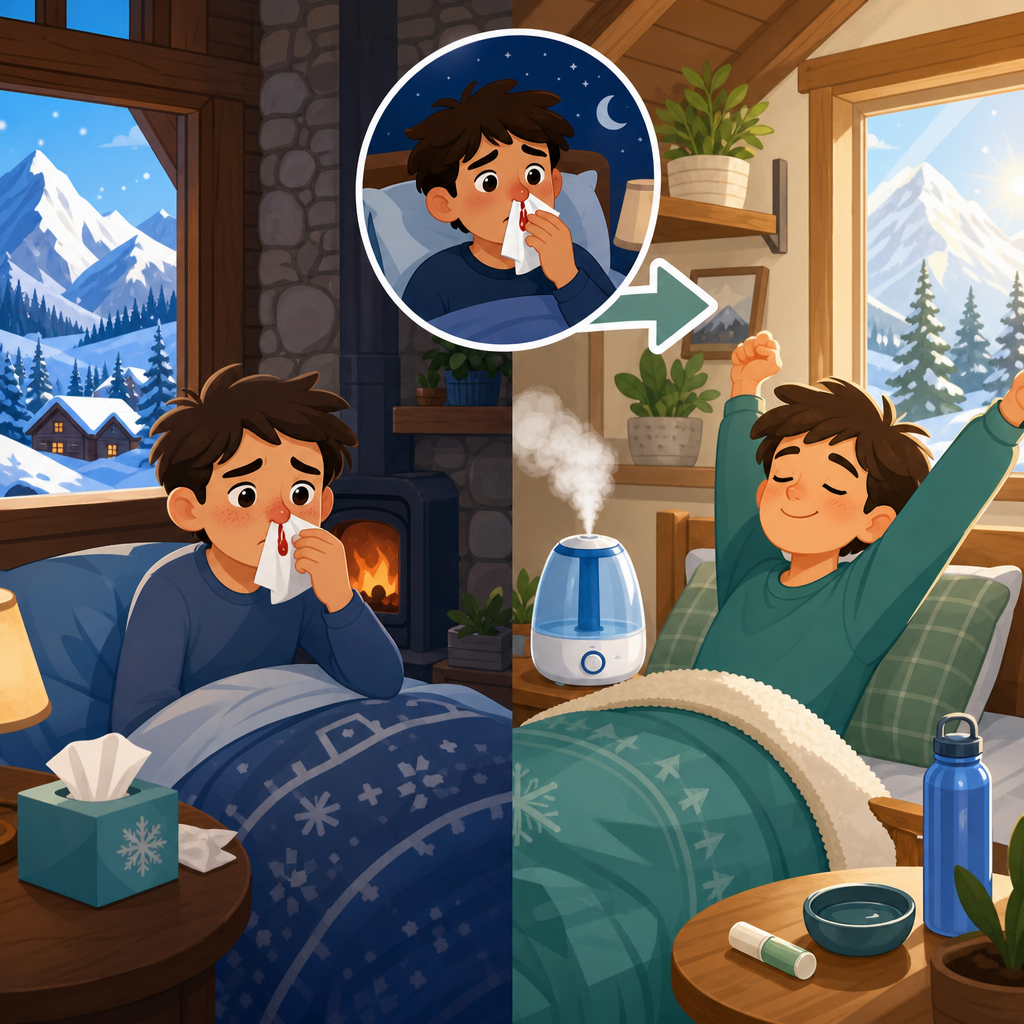
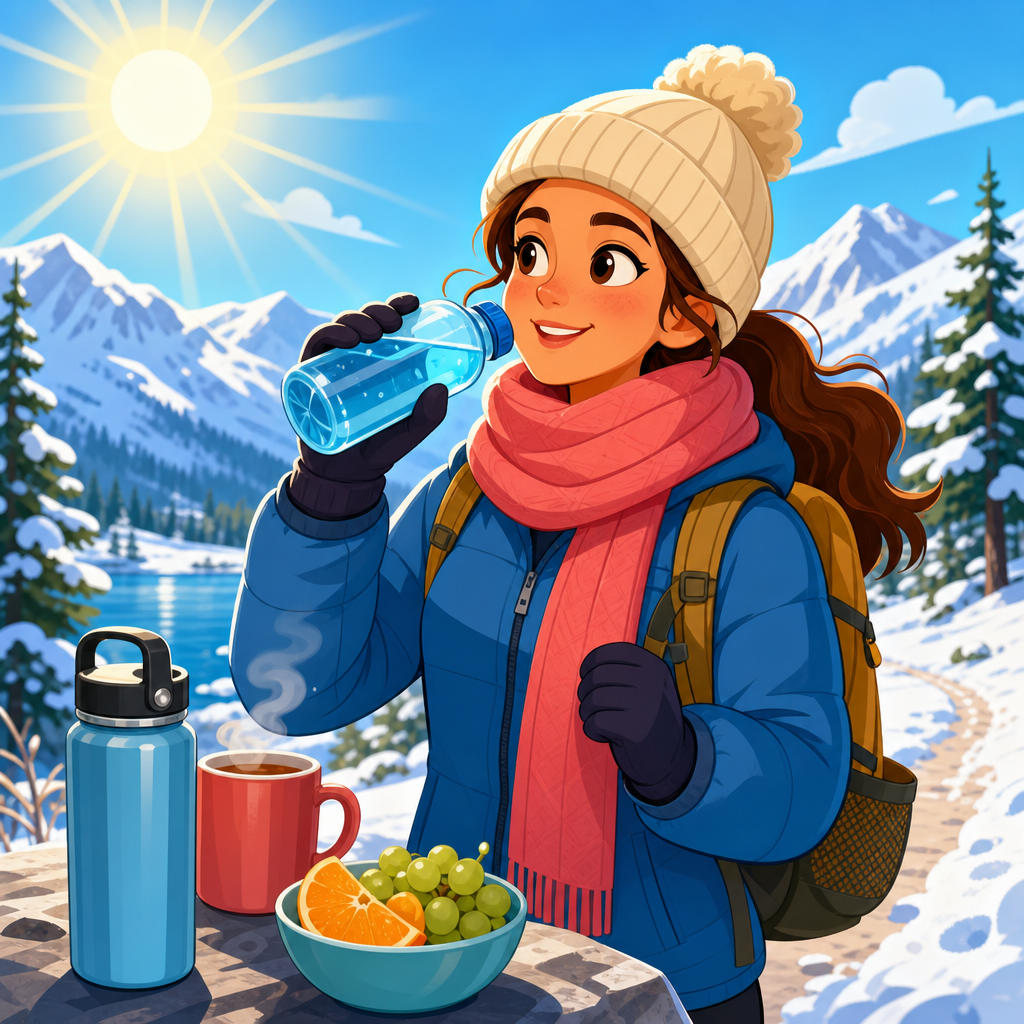
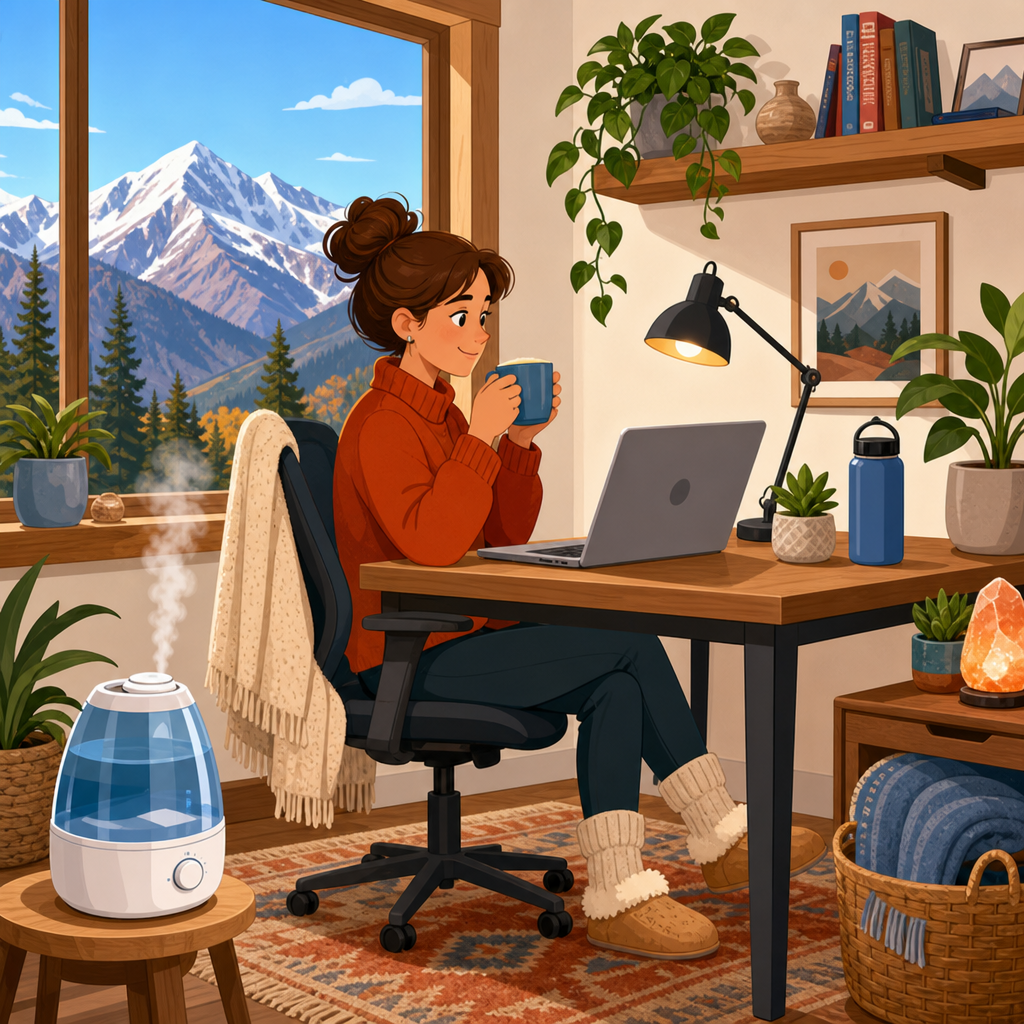
Timing helps reduce total dose. UV is often strongest from late morning through midafternoon, especially when skies are clear and reflection is high. Route planning, lift breaks indoors, and shade use can lower exposure without limiting time outside. Hydration also supports lip comfort, though it does not replace topical protection. Dry cabin air, wood stoves, and forced-air heating often worsen evening lip tightness after a day outdoors, so indoor humidity control can help. In homes where winter humidity falls very low, a properly maintained humidifier can reduce overnight dryness and make morning lip SPF more comfortable to apply.
This is why sun protection in daily life extends beyond a single product. The best outcomes come from systems: sunscreen for exposed skin, lip SPF for the mouth area, sunglasses for ocular UV, and home comfort strategies that preserve the skin barrier between exposures. When those pieces work together, fewer people end up in the familiar cycle of burn, peel, sting, and re-injury.
Best use cases, common mistakes, and who needs extra caution
Different high-elevation activities create different demands. For resort skiing, a thicker stick with strong wind resistance and frequent reapplication is ideal. For mountaineering and glacier travel, choose a highly durable SPF 30 or 50 formula and assume reflection will increase exposure from below. For hiking and trail running, prioritize a product you will actually reapply without hesitation; comfort and taste compliance matter. For outdoor workers such as lift operators, guides, and survey crews, bulk purchasing a dependable formula and storing extras in jackets, vehicles, and packs often improves adherence more than chasing premium branding.
The most common mistakes are easy to fix. People use lip balm without SPF, assume cloudy weather means low UV, stop reapplying because the product feels greasy, or choose flavored formulas that encourage licking. Another frequent error is relying on one dramatic morning application. No lip product survives meals, hot drinks, wind abrasion, and eight hours of movement unchanged. A final mistake is treating a burn as simple dryness. If lips become severely swollen, blistered, or persistently rough in one area, that warrants medical evaluation rather than more balm.
Some users need extra caution. People taking isotretinoin, doxycycline, or other photosensitizing medications may burn more easily. Those with a history of actinic cheilitis, cold sores triggered by sun exposure, autoimmune photosensitivity, or previous skin cancer need stricter routines and should ask a clinician for personalized guidance. Children also deserve dedicated lip protection because they spend long hours outdoors and rarely self-monitor reapplication. In every case, the best lip SPF for high elevation conditions is the one with broad-spectrum coverage, adequate SPF, high tolerance, and consistent real-world use.
Choosing the best lip SPF for high elevation conditions is ultimately about matching product performance to a harsher ultraviolet environment. At altitude, lips face stronger UV, intense reflection, wind, and dehydration all at once, so light cosmetic balms rarely offer enough protection. The reliable option is a broad-spectrum SPF 30 or higher formula with durable film formers, barrier-supporting emollients, and a texture you will willingly reapply throughout the day. Mineral and hybrid formulas are often the safest starting point, especially for sensitive or cracked lips, while fragrance-free products reduce unnecessary irritation.
The broader lesson is that effective sun protection and UV management work as a connected routine, not as a single purchase. Lip SPF performs better when paired with facial sunscreen, UV-blocking sunglasses, hats or face coverings, and home humidity habits that preserve the skin barrier after exposure. Reapplication every two hours, plus after eating or wiping the mouth, prevents most avoidable lip burns. Nighttime repair with a bland ointment helps the next day’s protection adhere and last longer.
If you spend time skiing, hiking, working, or living at elevation, treat lip SPF like essential equipment. Audit your current routine, replace any underperforming balm with a broad-spectrum mountain-ready formula, and keep it where you can reapply without thinking. Small changes here prevent painful burns now and reduce cumulative lip damage over time.
Frequently Asked Questions
Why do lips need a different kind of SPF protection at high elevation?
High elevation increases the intensity of ultraviolet exposure, and that matters even more for lips because lip skin is thinner, contains less protective pigment, and has a weaker barrier than most of the face. As altitude rises, there is less atmosphere to filter UV radiation, so lips can burn faster than many people expect, even on cool or cloudy days. In mountain settings, that risk is compounded by reflected light from snow, pale rock, and even water, which can expose the lips from multiple angles rather than only from direct overhead sun.
On top of stronger UV, high elevation environments are often cold, windy, and very dry. Those conditions pull moisture from the lips and weaken the surface, making cracking, peeling, and inflammation more likely. Once lips are already dry or damaged, they are even more vulnerable to sun injury. That is why the best lip SPF for high elevation conditions cannot function like a basic cosmetic balm. It needs broad-spectrum UV protection, enough staying power to handle wind and frequent movement, and a formula that supports the lip barrier while reducing moisture loss.
In practical terms, a mountain-ready lip SPF should protect against both UVA and UVB, hold up reasonably well through outdoor activity, and include emollient or occlusive ingredients that help prevent chapping. The goal is not just comfort. It is preventing a cycle where sun, wind, dryness, and repeated licking strip the lips, leading to burns, painful cracks, and prolonged irritation.
What SPF level and formula features should I look for in the best lip SPF for high elevation conditions?
For high elevation use, it is smart to choose a lip product labeled broad-spectrum with at least SPF 30, and many people prefer SPF 50 when spending long hours outdoors in alpine conditions. Broad-spectrum protection is important because UVB is associated with burning, while UVA contributes to deeper skin damage and cumulative aging effects. Since mountain exposure is often prolonged and intense, a higher SPF can provide a better margin of safety, especially when real-world application is thinner or less even than ideal.
Formula type matters almost as much as the SPF number. A good high-elevation lip SPF should have a protective, substantive texture that stays in place better than a very thin gloss or lightweight oil. Balms and sticks are often easier to apply generously and reapply often, which is essential. Ingredients that help seal in moisture, such as petrolatum, lanolin, shea butter, beeswax, dimethicone, or plant waxes, can be especially useful because they reduce transepidermal water loss and give lips support against wind and dry air.
Many people also do well with mineral-based UV filters such as zinc oxide or titanium dioxide because they can be less irritating for sensitive, cracked, or weather-exposed lips. That said, some modern chemical-filter formulas are also effective and comfortable, so the best option is often the one you will apply generously and consistently. If your lips are easily irritated, be cautious with strongly fragranced, heavily flavored, mentholated, cinnamon-based, or plumping products, since they can worsen dryness or stinging at altitude. In this setting, bland, protective, broad-spectrum coverage usually performs better than anything designed mainly for shine or flavor.
How often should I reapply lip SPF when hiking, skiing, climbing, or spending a full day in the mountains?
Reapplication is critical because lip products wear off much faster than most people realize. Eating, drinking, talking, breathing through the mouth, wiping the lips, and licking them all remove product. In high elevation conditions, where ultraviolet exposure is stronger and environmental stress is constant, a good rule is to reapply at least every two hours during active sun exposure. You should also reapply immediately after meals, hot drinks, wiping your mouth, or any time the lips feel exposed, dry, or no longer coated.
If you are skiing, mountaineering, trail running, or doing any activity where wind, sweat, and frequent hydration are part of the day, you may need to reapply even more often. Snow sports deserve special attention because reflected UV from snow can significantly increase exposure. Many people protect the face carefully on the lift or trail but forget that the lips are continuously exposed and losing product throughout the day. Keeping a dedicated lip SPF in an accessible pocket rather than buried in a pack makes a real difference in consistency.
It also helps to apply lip SPF before going outside instead of waiting until the lips already feel dry or sun-exposed. Starting with a solid layer gives the product time to settle and creates a better protective base. Then think of maintenance rather than rescue. In high elevation settings, lip SPF works best when reapplied proactively, not just after the lips begin to sting, peel, or burn.
Is a regular lip balm enough in mountain conditions, or do I need a dedicated SPF lip product?
A regular lip balm without SPF is not enough if you are spending meaningful time at high elevation. It may temporarily soften the lips and reduce the feeling of dryness, but it does not protect against ultraviolet damage. In fact, relying on a non-SPF balm can create a false sense of security because the lips feel more comfortable while still being exposed to intense UV. In mountain conditions, that can lead to sunburned lips that are swollen, tender, peeling, and slower to heal because they are also dealing with wind and dehydration.
The better approach is to use a dedicated lip product with broad-spectrum SPF as your daytime standard. If your lips are very dry, you can layer strategically. Use SPF lip balm during the day and reapply it often, then use a richer non-SPF repair balm or ointment at night to help restore the barrier. That combination tends to work well because it addresses both major needs: sun defense during exposure and intensive recovery when UV protection is no longer needed.
There are situations where layering can also help during the day, but the outermost product should still be the SPF one if you want meaningful sun protection. Applying a non-SPF balm over your lip sunscreen may dilute or disrupt the protective film, depending on the products involved. For most people, the simplest and most reliable strategy is to choose a high-quality SPF lip balm with barrier-supporting ingredients and make it the product you actually use throughout the day.
What should I do if my lips still get burned, cracked, or severely chapped despite using lip SPF?
If your lips become burned or badly chapped despite using lip SPF, first consider whether the issue is product choice, application amount, or reapplication frequency. Many failures happen because too little is applied, coverage is inconsistent along the lip edges, or the product is removed repeatedly by eating, drinking, or licking. Switching to a more protective broad-spectrum SPF 30 or 50 formula with better staying power and reapplying more often can make a major difference. Be sure to cover the entire lip surface, including the corners and the border of the lips, which are easy to miss.
Once damage has occurred, focus on gentle barrier repair. Avoid scrubs, acids, plumping products, strong flavors, and irritating actives until the lips recover. Use a bland, fragrance-free healing ointment or reparative balm when out of the sun, and keep applying lip SPF during the day so the damaged skin is not exposed to further UV stress. Try not to pick peeling skin, since that can deepen cracks and prolong healing. Staying well hydrated can help overall comfort, but topical protection is still the most important step because environmental exposure is the direct trigger.
If the lips are severely swollen, blistered, persistently painful, cracking at the corners, or not improving after several days, it is worth getting medical advice. Recurrent lip irritation can sometimes be due not only to sun and weather but also to allergic or irritant reactions from flavorings, fragrance, preservatives, or sunscreen filters. In some cases, what seems like simple chapping is actually a form of cheilitis that needs more targeted care. If you are in high elevation environments often, dialing in the right lip SPF formula and recovery routine can prevent most of these problems before they start.