Keeping houseplants alive at altitude requires understanding how thinner air, intense sun, low indoor humidity, and fast-draining soil change the basic rules of plant care. In mountain regions and high-elevation cities, common advice written for sea-level homes often fails because water evaporates faster, leaves lose moisture more quickly, and temperature swings are sharper between day and night. Altitude, in practical plant-care terms, usually means elevations where indoor air is consistently dry, ultraviolet light is stronger, and winter heating further reduces humidity. For plant owners, that combination affects watering schedules, potting mix, container choice, light placement, fertilizer timing, and even which species are realistically suited to the home.
I learned this the hard way after moving a collection of pothos, snake plants, philodendrons, calatheas, and herbs from a humid, low-elevation climate to a dry mountain city. Plants that had been easy for years suddenly crisped at the edges, dried between waterings, or stalled completely. The problem was not a lack of effort. It was that altitude changes plant behavior. A pot that stayed evenly moist for seven days at sea level might dry in three days at 5,000 feet. A south-facing window that once seemed ideal can become scorching when stronger sun combines with reflective snow. A pebble tray that offers mild benefit in one climate may do almost nothing in a heated apartment with single-digit humidity.
This matters because healthy indoor plants are part of home comfort, daily routine, and mental well-being. They soften dry interiors, improve perceived livability, and create structure in spaces where winter may last for months. A high-altitude plant strategy is therefore less about buying more gear and more about making lifestyle adjustments that fit the environment. You need to match plants to rooms, adjust care by season, group species by moisture needs, and build observation into your routine. Once you understand the environmental pressures at elevation, houseplant care becomes more predictable. The goal is not perfection. It is creating stable conditions that let plants adapt and keep growing in homes where the air, light, and water cycle behave differently.
What altitude changes for indoor plants
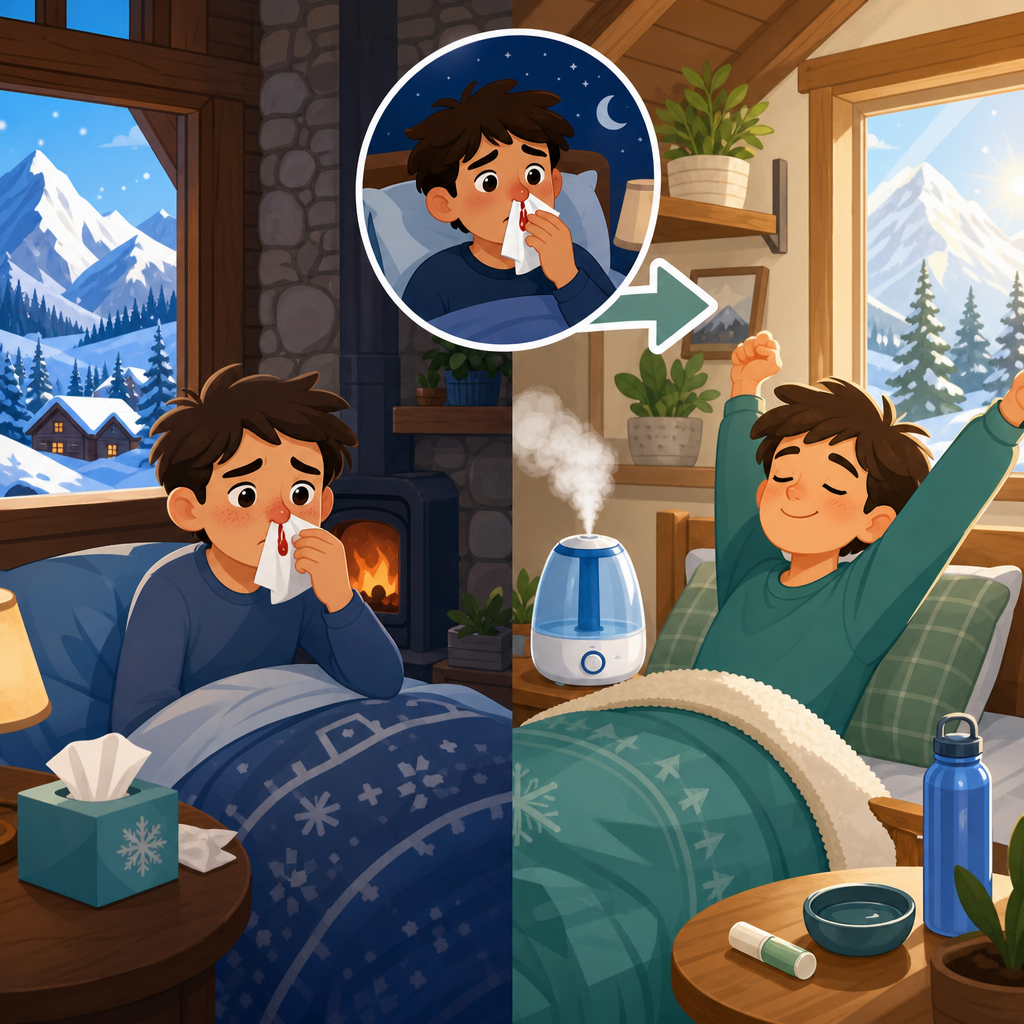
The biggest misconception is that altitude itself directly harms houseplants. In most homes, the real issue is the set of environmental conditions that come with elevation. Indoor relative humidity is usually lower, especially in winter when forced-air heating runs constantly. Low humidity increases transpiration, the process by which plants lose water through leaf stomata. When moisture loss exceeds what roots can replace, leaves curl, tips turn brown, and thin-leaved species decline quickly. Ferns, prayer plants, and maidenhair are classic examples. They may survive, but they often look stressed unless humidity is actively managed.
Light intensity also changes. At higher elevation, sunlight is stronger because there is less atmosphere filtering ultraviolet radiation. Indoors, this means windows can deliver harsher exposure than many care labels imply. Succulents and cacti usually benefit, but a peace lily or pothos placed in direct afternoon sun may bleach or scorch. Temperature patterns matter too. Mountain homes often cool significantly at night, and windows can create cold pockets in winter. Repeated drafts from leaky frames or exterior doors can stress tropical plants even when the room feels comfortable to people.
Water behaves differently as well. Potting mix dries faster due to low humidity, stronger sun, and warm indoor heat, yet overwatering still remains the most common killer. At altitude, many owners respond to crispy foliage by watering more often without checking the root zone. That can create a cycle where the top inch looks dry but the lower half of the pot stays wet, especially in oversized containers. The correct response is not blindly increasing water. It is adjusting the entire system: pot size, soil structure, light placement, humidity, and species selection.
Choose plants that match mountain-home conditions
The easiest way to keep houseplants alive at altitude is to choose species that tolerate dry air and occasional fluctuation. I have seen the best long-term success with snake plant, ZZ plant, pothos, heartleaf philodendron, spider plant, hoya, jade plant, aloe, parlor palm, cast-iron plant, and many peperomias. These plants are not indestructible, but they recover well from the common mistakes that happen in dry homes. They also adapt better to lower humidity than fussier tropicals with paper-thin leaves.
That does not mean humidity-loving plants are impossible. It means they need placement and routine tailored to the space. Bathrooms with windows can support ferns and calatheas better than living rooms with heating vents. Kitchens often work well for herbs and foliage plants because humidity spikes during cooking. If you want orchids, use the brightest indirect light available and avoid radiator-level heat. If you want citrus indoors, prioritize direct sun and accept that winter supplemental lighting may be necessary. The successful high-altitude plant owner is realistic about what each room can support.
| Plant type | How it handles altitude conditions | Best room strategy |
|---|---|---|
| Snake plant | Tolerates dry air and infrequent watering | Bright indirect light, away from cold glass |
| Pothos | Adapts well but may dry faster than expected | Medium to bright indirect light, grouped with other plants |
| Spider plant | Handles mountain homes well, but tips brown in very dry air | Bright indirect light with periodic deep watering |
| Fern | Struggles in low humidity without support | Bathroom or humidified room, no direct sun |
| Succulent | Benefits from intense light but dislikes constant moisture | Sunniest window, fast-draining mix |
If you are building a houseplant collection from scratch, start with proven dry-air performers and add demanding species only after your routine is stable. That lifestyle adjustment saves money and frustration. It also creates a stronger hub for future plant decisions, because once you know which microclimates exist in your home, every new purchase becomes easier to place correctly.
Adjust watering, soil, and containers together
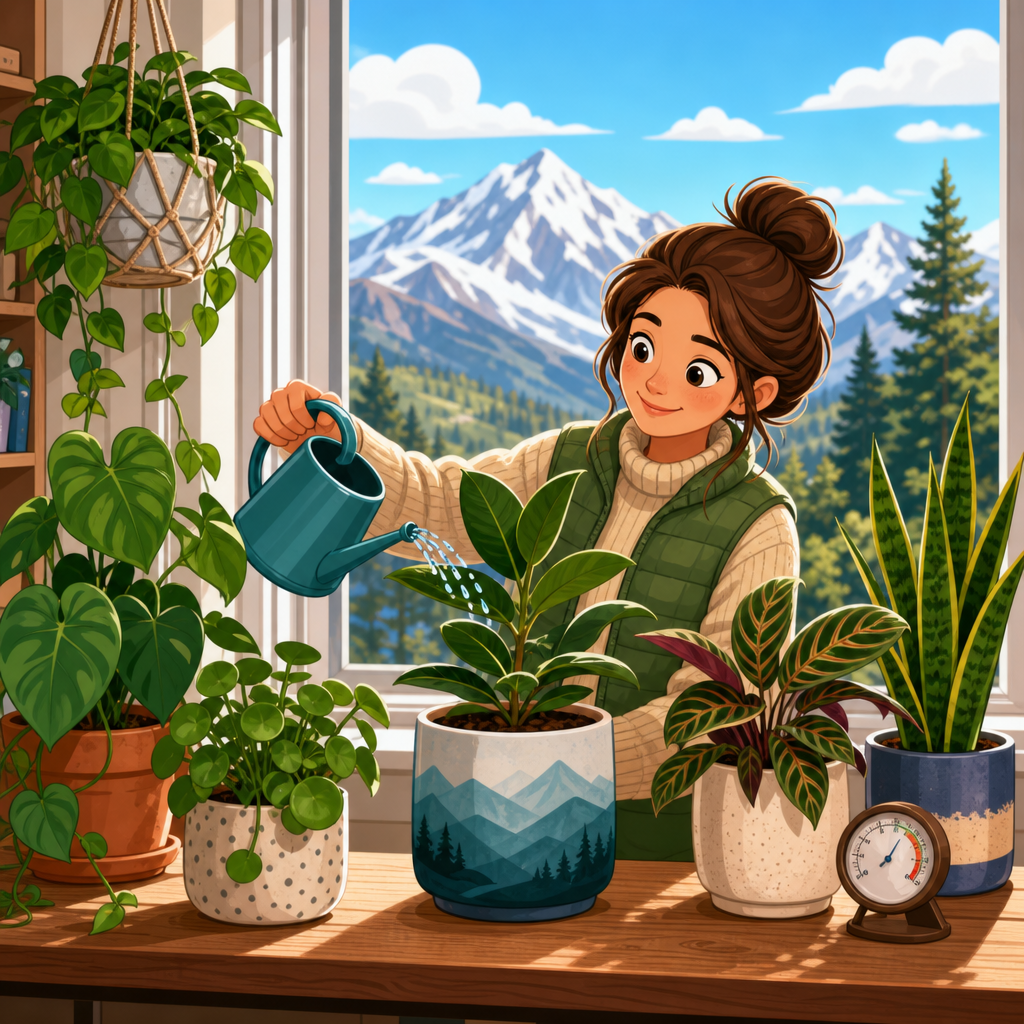
Watering at altitude works best when you stop following rigid calendars and start reading moisture in the pot. I recommend checking plants with a finger test, a wooden skewer, or a moisture meter used as a secondary tool rather than a final authority. In my experience, the most reliable method is lifting the pot after a full watering and again several days later to learn its dry-down pattern. Weight tells you more than the surface appearance. Many mountain homes create a deceptive crust on top while the root ball remains damp below.
Soil composition is the hidden lever. Standard peat-heavy houseplant mix can become hydrophobic when extremely dry, then stay soggy when repeatedly overcorrected. At altitude, most plants benefit from an airy mix with components such as perlite, pumice, orchid bark, or coco coir depending on species. For aroids like philodendron and pothos, I often use a chunky mix that improves oxygen around roots while still holding enough moisture to buffer the dry air. For succulents, mineral-heavy mixes reduce rot risk and suit the faster drying environment.
Container choice matters just as much. Terracotta dries quickly and helps prevent overwatering, but in very arid homes it can push moisture-loving plants to the edge. Plastic and glazed ceramic hold water longer, which can be useful for tropical species. Drainage holes are nonnegotiable. Cachepots are fine if you empty excess water. A plant in the wrong pot-material and wrong mix can look like it has a watering problem when the real issue is root-zone imbalance. When leaves yellow, roots rot, or growth stalls, assess the whole setup rather than changing only the frequency.
Create humidity without making the home uncomfortable
Low humidity is the defining indoor challenge at altitude, but raising it effectively requires realistic expectations. Pebble trays offer limited local benefit. Misting provides only brief surface moisture and can encourage spotting on some plants. The most effective solutions are humidifiers, plant grouping, strategic room placement, and choosing species that fit ambient conditions. A small cool-mist humidifier can materially improve survival for ferns, calatheas, and prayer plants, especially if you monitor results with a hygrometer instead of guessing.
For most households, the practical target is not rainforest humidity. It is consistency. Many common houseplants do well around 40 to 50 percent relative humidity, though homes in cold mountain winters may sit far lower. If your entire home measures 18 to 25 percent, trying to keep one shelf at 70 percent usually becomes inefficient and mold-prone. A better lifestyle adjustment is to create plant zones. Put humidity-sensitive plants in one room with a humidifier, keep tougher plants elsewhere, and avoid spreading delicate species throughout the house where they cannot be supported.
Placement away from heating vents is essential. Forced-air systems strip moisture and create hot, dry drafts that desiccate foliage. I have seen healthy pothos decline within weeks when hung directly above a vent despite adequate watering. Window proximity needs balance too: bright light is good, but cold glass in winter can damage leaves overnight. Use sheer curtains to soften strong afternoon sun and rotate plants regularly so growth remains even. Small environmental changes often outperform expensive products because they address the cause of stress rather than its symptoms.
Build seasonal routines and daily habits that prevent decline
High-altitude houseplant care improves when it becomes part of household rhythm. Winter and summer should not be treated the same. In winter, shorter days reduce growth, but indoor heating increases dryness. Many plants need less fertilizer yet closer humidity management. In summer, brighter light and longer days can increase water demand dramatically, especially near west-facing windows or on enclosed balconies. The key is observing how your home changes by season, then adjusting before plants show damage.
A useful weekly routine includes checking soil moisture, inspecting leaf undersides for pests, rotating pots, wiping dust from leaves, and looking for early signs of stress such as pale new growth, crisp margins, or drooping that persists after watering. Dust removal matters more than many people think because dusty foliage captures less light. At altitude, where sunlight is abundant but winter days can still be short indoors, clean leaves improve photosynthetic efficiency. I also recommend quarantining new plants for at least two weeks. Spider mites thrive in dry air and spread quickly; I have had them appear most often in late winter when humidity was lowest.
Fertilizing should be moderate and tied to active growth. More fertilizer does not fix altitude stress. In fact, salt buildup can worsen root problems in dry conditions, particularly with softened water or frequent low-volume watering that never fully flushes the pot. Use a balanced fertilizer at reduced strength during spring and summer, then taper in fall. If your tap water is highly mineralized, occasional flushing with distilled or filtered water can reduce tip burn on sensitive plants such as dracaena and spider plant. The broader lesson is simple: consistency beats intensity. Small, regular care adjustments keep plants stable far better than dramatic rescue efforts.
Keeping houseplants alive at altitude comes down to reading your home accurately and adapting your plant care to that reality. Dry air, stronger sun, faster evaporation, and winter heating change the rules, but they do not make indoor gardening impossible. Start by choosing plants that match the conditions you already have. Then pair watering habits with the right soil and container, create sensible humidity zones, and build a seasonal routine that catches stress early. Those lifestyle adjustments are more reliable than chasing plant hacks or copying generic care advice written for different climates.
The main benefit of this approach is resilience. When your plant setup fits the environment, leaves stay healthier, growth becomes more predictable, and maintenance takes less effort. You also gain a practical framework for every future plant purchase because you understand the microclimates in your rooms and the tradeoffs each species brings. That is what turns a high-altitude home from a difficult place for houseplants into a manageable one.
Use this hub as your starting point for the broader Lifestyle Adjustments topic: assess your light, measure your humidity, review your watering system, and identify which rooms support which plants. Then make one improvement this week, whether that means moving a fern, repotting a pothos, or adding a hygrometer. Small environmental corrections keep plants alive at altitude, and they make the entire home feel better.
Frequently Asked Questions
Why do houseplants struggle more at high altitude than they do at sea level?
Houseplants often struggle at altitude because several stress factors happen at the same time, and together they change how plants use water, light, and energy. In higher-elevation homes, indoor air is usually much drier, especially during winter or in places where heating systems run often. That low humidity causes leaves to lose moisture faster through transpiration, which can lead to brown tips, crispy edges, drooping, or stalled growth. At the same time, sunlight tends to be stronger and more intense at elevation, so plants that handled a bright window perfectly well at sea level may suddenly show signs of leaf scorch or bleaching.
Another issue is that potting soil tends to dry more quickly at altitude. Faster evaporation, stronger sun, and drier indoor conditions mean the root zone can swing from moist to bone-dry much faster than plant owners expect. That makes standard watering schedules less reliable. On top of that, mountain and high-desert climates often have larger day-to-night temperature swings, and drafts from windows, doors, or heating vents can stress tropical houseplants that prefer stable conditions. In practical terms, altitude changes the environment enough that plant care has to become more observational. Instead of following generic instructions like “water once a week,” it is usually better to monitor soil moisture, humidity, sun exposure, and plant response more closely.
How often should I water houseplants at altitude?
There is no single perfect watering schedule for houseplants at altitude, because the correct frequency depends on the plant type, pot size, soil mix, light level, season, and how dry your indoor air is. What changes at altitude is that water usually leaves the pot faster than many care guides assume. That can tempt people to water on a rigid schedule, but the better approach is to check the soil before every watering. For many common houseplants, inserting a finger 1 to 2 inches into the soil is a simple and effective test. If the top layer is dry but the lower root zone is still slightly moist, the plant may not need water yet. If the soil feels dry deeper down and the pot feels light, it is usually time to water thoroughly.
At altitude, thorough watering matters more than frequent shallow watering. When you water, soak the soil until excess drains from the bottom of the pot, then empty any saucer so roots are not left sitting in water. This encourages deeper root hydration and reduces the risk of weak surface roots. Plants like pothos, philodendrons, peace lilies, and ferns may need more frequent monitoring in dry mountain homes, while succulents, snake plants, ZZ plants, and cacti still need their soil to dry significantly between waterings. Seasonal changes are also important. In bright summer conditions, a plant may dry out far faster than it does in winter, but winter heating can also create extremely dry indoor air that increases moisture loss from leaves. The safest rule is to let the plant and soil tell you when to water rather than relying on a calendar.
What kind of light is best for houseplants in high-altitude homes?
Bright light is helpful for most houseplants, but at altitude, intense sun has to be managed carefully. Because sunlight is stronger at higher elevations, south- and west-facing windows can expose plants to more direct light than they can comfortably handle, particularly during summer or in rooms with reflective surfaces. Plants that were labeled “bright indirect light” may suffer in a high-altitude window if that light becomes several hours of harsh direct sun. Symptoms of too much light include faded foliage, scorched patches, curled leaves, and dry, crispy areas that appear quickly after a plant is moved closer to the glass.
The best strategy is to match the plant to both the direction of the window and the intensity of your local conditions. East-facing windows are often ideal because they provide gentler morning sun. South-facing windows can work very well if plants are pulled back a few feet or filtered with a sheer curtain. West-facing windows tend to be the harshest in many elevated areas, especially for delicate tropical foliage plants. If your home is dim despite the stronger outdoor light, grow lights can be a reliable supplement, especially in winter when days are shorter. The key is not just giving more light, but giving the right kind of light. A monstera, calathea, orchid, or fern may all need different placement in the same home, and small adjustments in distance from the window can make a major difference at altitude.
How can I increase humidity for houseplants when the indoor air is very dry?
Raising humidity is one of the most effective ways to help houseplants adapt to altitude, especially tropical species that naturally prefer moist air. In dry mountain climates, relative humidity indoors can drop low enough to stress foliage even when watering is technically correct. That is why some plants continue developing brown tips or curling leaves even though the soil is not drying out completely. The most effective solution is usually a room humidifier placed near, but not directly blasting, your plants. A consistent humidity boost is far more useful than occasional misting, which tends to provide only a brief increase and does little to change the overall environment.
You can also group plants together, which creates a slightly more humid microclimate as they release moisture through transpiration. Keeping plants away from heating vents, fireplaces, and drafty windows helps prevent sudden drying. Pebble trays with water can offer a small benefit, but they should be seen as a minor support, not a complete fix. If you keep moisture-loving plants such as ferns, calatheas, prayer plants, or some orchids, placing them in naturally more humid rooms like kitchens or bathrooms can help, provided they still receive adequate light. It is also wise to choose realistic plant varieties for your conditions. If your home is consistently dry and you do not want to run a humidifier, hardier plants like pothos, spider plants, hoyas, snake plants, and ZZ plants often adapt better than species that demand high humidity every day.
What soil and potting setup works best for houseplants at altitude?
The best potting setup at altitude balances moisture retention with airflow around the roots. Because soil can dry quickly in high-elevation homes, many plant owners assume they should use heavy, water-retentive mixes, but that can backfire if the mix becomes dense and poorly aerated. Roots need oxygen as much as they need water. A better approach is to use a high-quality potting mix tailored to the plant type, then adjust it for your environment. For many tropical houseplants, a mix that includes potting soil plus materials like perlite, orchid bark, or coco coir provides a good balance of drainage and moisture control. In especially dry homes, you may want a mix that holds moisture a bit longer than a cactus blend, but still drains freely enough to prevent root rot.
Pot choice matters too. Terracotta pots dry out faster because they are porous, which can be useful for succulents and cacti but challenging for thirstier plants in already dry conditions. Plastic or glazed ceramic pots usually retain moisture longer and are often easier to manage for tropical plants at altitude. Whatever container you choose, drainage holes are essential. A pot without drainage makes it much harder to control moisture accurately. Repotting should also be done thoughtfully. A plant that is badly root-bound may dry out with extreme speed, while a plant placed in an oversized pot may sit in wet soil too long around the unused root zone. At altitude, the goal is stability: a pot and soil combination that does not swing too quickly from soaking wet to desert dry, while still allowing healthy root respiration.